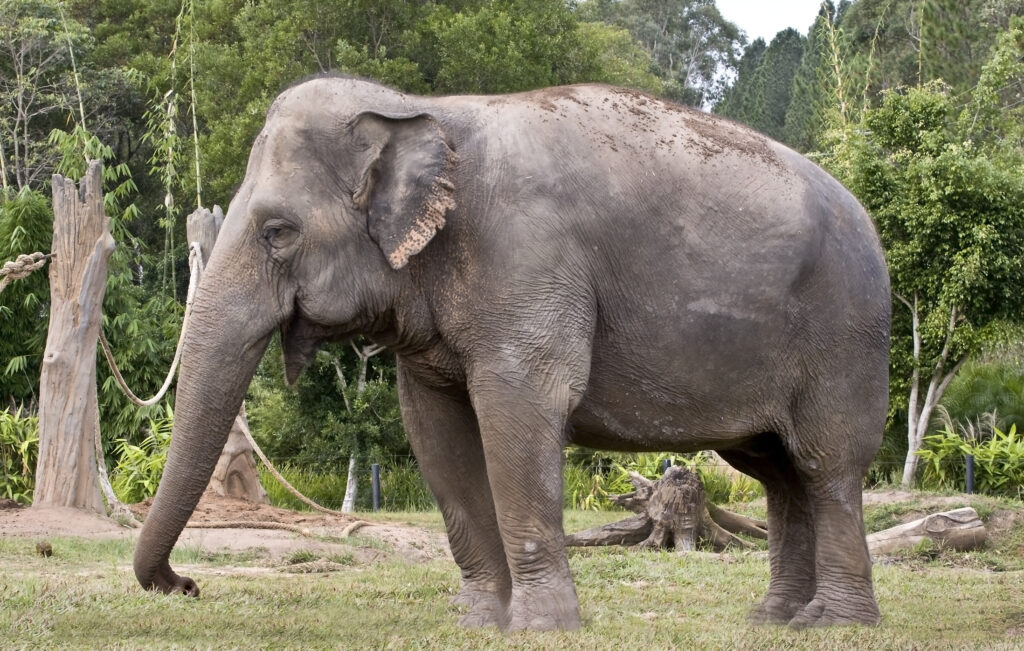
You’ve probably seen the viral claims by now: elephants do math, elephants recognize themselves in mirrors, elephants speak actual human words, elephants remember the voices of a hundred different friends. It sounds like rock-solid, settled science – the kind of thing you’d bet money on at trivia night.
Here’s the part nobody mentions in the viral posts: a surprising chunk of these famous “facts” come from a single elephant, a single herd, or a single research team that nobody else ever managed to confirm. Some findings were tested again and quietly fell apart. Others have simply never been checked at all. Fourteen of the most-repeated elephant discoveries in science have a replication problem baked into them – and once you see the pattern, you won’t be able to unsee it.
#14 – Elephants Supposedly Do Complex Math With Numbers
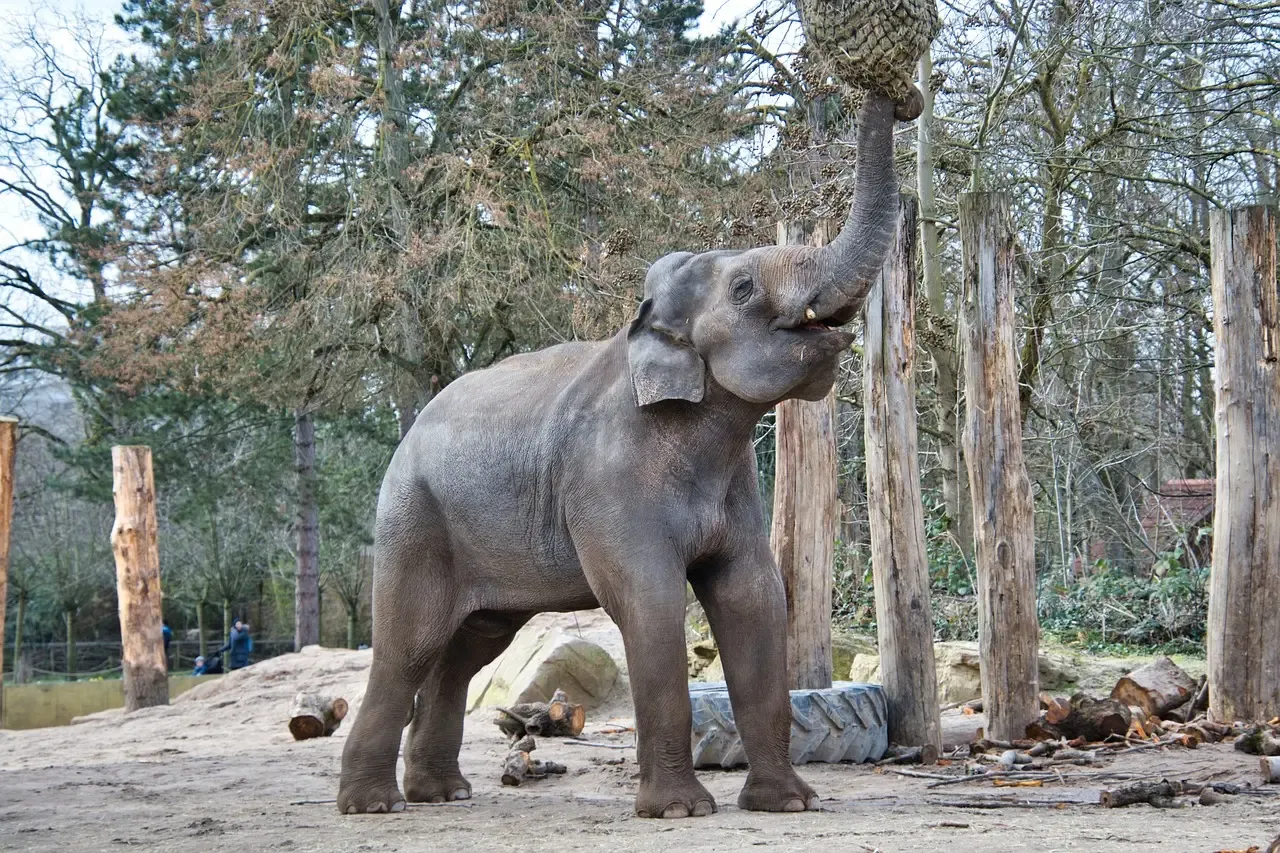
Elephants are frequently described in viral posts as being able to “count” or judge quantities with near-human precision. It’s a satisfying idea – the giant, wise animal quietly doing arithmetic in the corner of its enclosure.
The scientific reality is thinner than the headlines suggest. Small captive samples make it hard to separate genuine numerical reasoning from simple volume or scent cues, and reviewers of the field have repeatedly flagged this as a structural problem rather than a one-off. Most cognition experiments on elephants use fewer than 20 animals, which is nowhere near enough to confirm a species-wide ability with statistical confidence. A single elephant performing well on a quantity task tells you about that elephant, not the species – and until a lab runs the same protocol across multiple institutions and populations, “elephant math” stays a hypothesis wearing a fact’s clothing.
Fast Facts
- Elephants carry the largest brain of any land animal, weighing roughly 5 kg.
- Most cognition experiments rely on fewer than 20 animals per study.
- Three living elephant species exist – African savanna, African forest, and Asian – yet most viral claims trace to just one.
- Quantity-judgment tasks can be confounded by scent or volume cues rather than true counting.
#13 – Elephants Have Measurable, Stable Personality Types
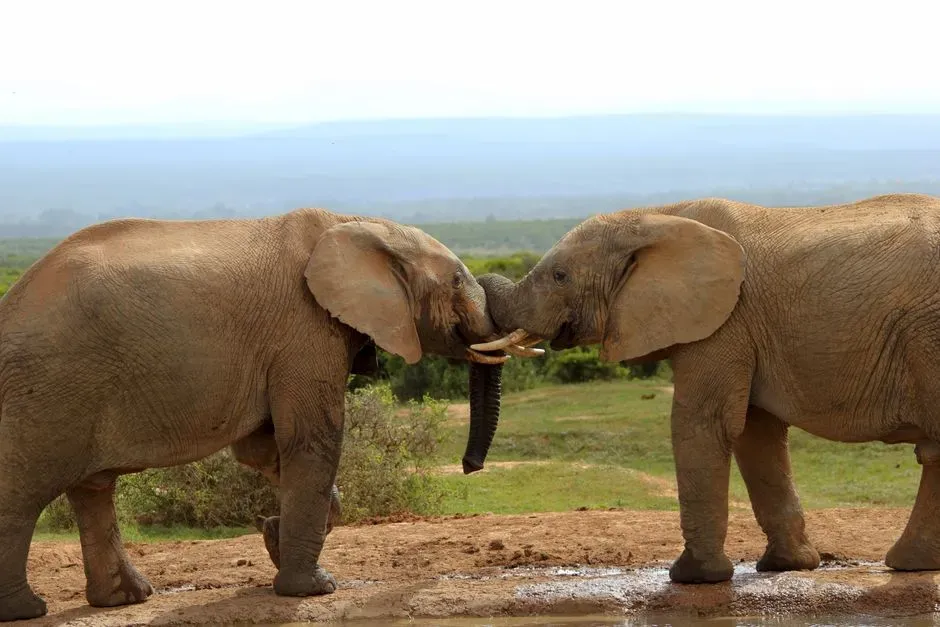
Researchers have proposed that elephants show consistent personality traits across contexts, similar to the “Big Five” framework used in human psychology. It’s a tidy theory. It’s also barely been tested outside the herd it was built on.
Personality questionnaires designed for one captive herd or one wildlife park don’t automatically transfer to elephants living under completely different social and ecological pressures. A trait that looks like “boldness” in a zoo enclosure might just reflect habituation to keepers, not an innate disposition. Cross-population validation – testing the same model on wild herds in Kenya, captive elephants in Thailand, and zoo elephants in the U.S. – has been thin and inconsistent, which means elephant personality science is still closer to an interesting theory than a replicated finding. But that’s nothing compared to what we found about #12.
#12 – Wild Elephant Studies Rarely Get Repeated by Independent Teams

Here’s something most “elephant genius” articles conveniently skip: a huge share of the field’s most dramatic claims come from a handful of long-running projects, not independent replication.
Captive studies allow tight experimental control but may inflate behaviors tied to human interaction, while wild studies have strong ecological validity but are far harder to repeat. That’s not a minor caveat – it means the two research traditions rarely check each other’s work using identical methods. A dramatic finding from one Kenyan reserve doesn’t automatically hold up in Sri Lanka or Zimbabwe, and scientists who study elephant cognition in the wild have been remarkably candid about how little is genuinely known, despite decades of headlines suggesting otherwise. The next finding shows exactly how thin the evidence can get once you dig past the headline.
#11 – Elephants Use Scent Alone to Judge Human Threat Level
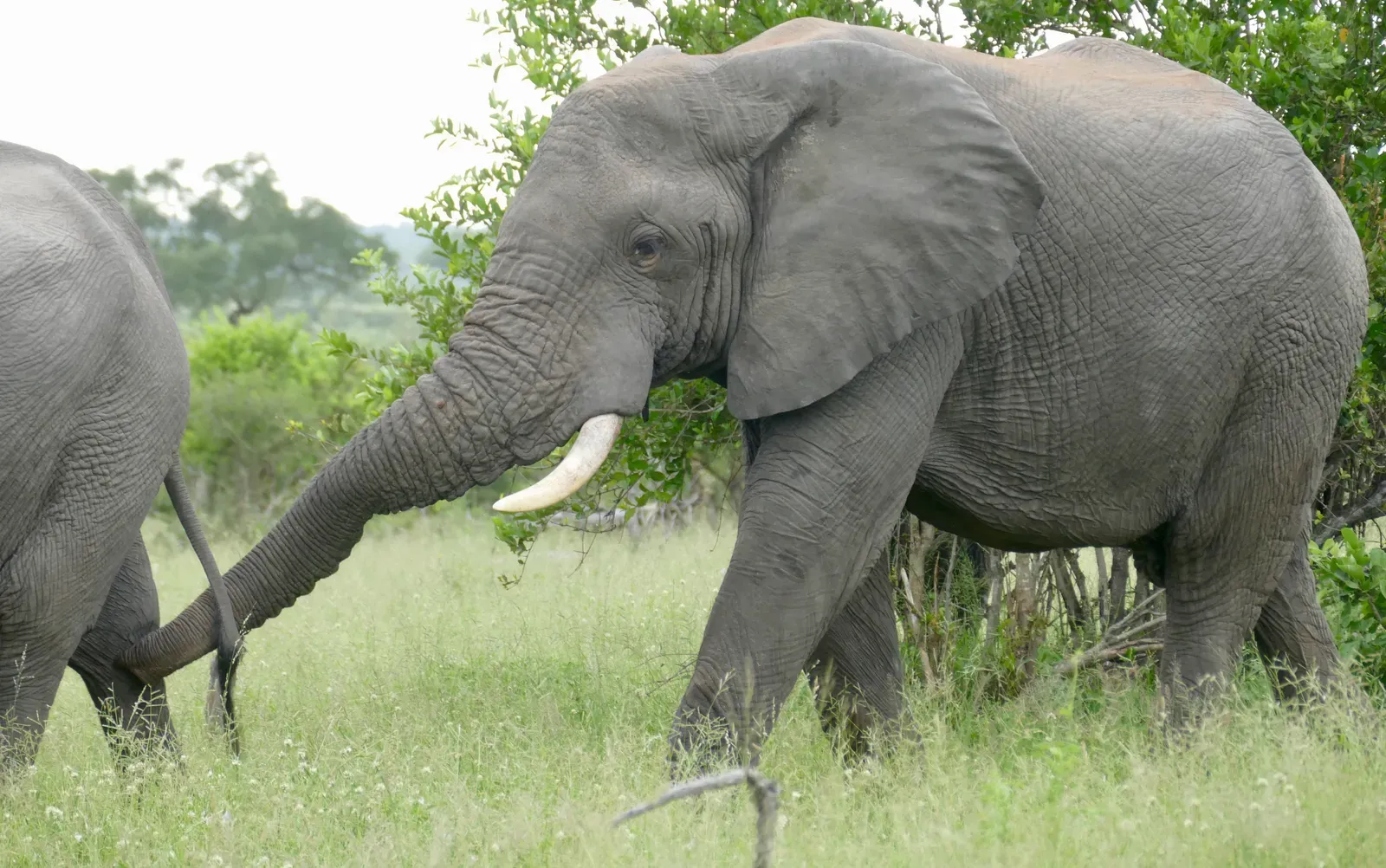
A widely cited Amboseli experiment presented elephants with garments carrying only scent and visual cues from two different groups of people, to test whether they could tell friend from foe without ever seeing a face.
The garments came from Maasai warriors, who traditionally speared elephants, versus Kamba men, who posed little historical threat. Elephants reacted more defensively to the Maasai-associated garments – a striking result. But it comes from one elephant population with decades of specific, localized history with these exact two ethnic groups. Nobody has systematically repeated this exact design with different human groups in different countries, so we still don’t know if elephants were applying a general rule about danger or simply recognizing one very specific, local scent pattern.
#10 – Elephants Weigh Sensory Ambiguity Before Making Decisions
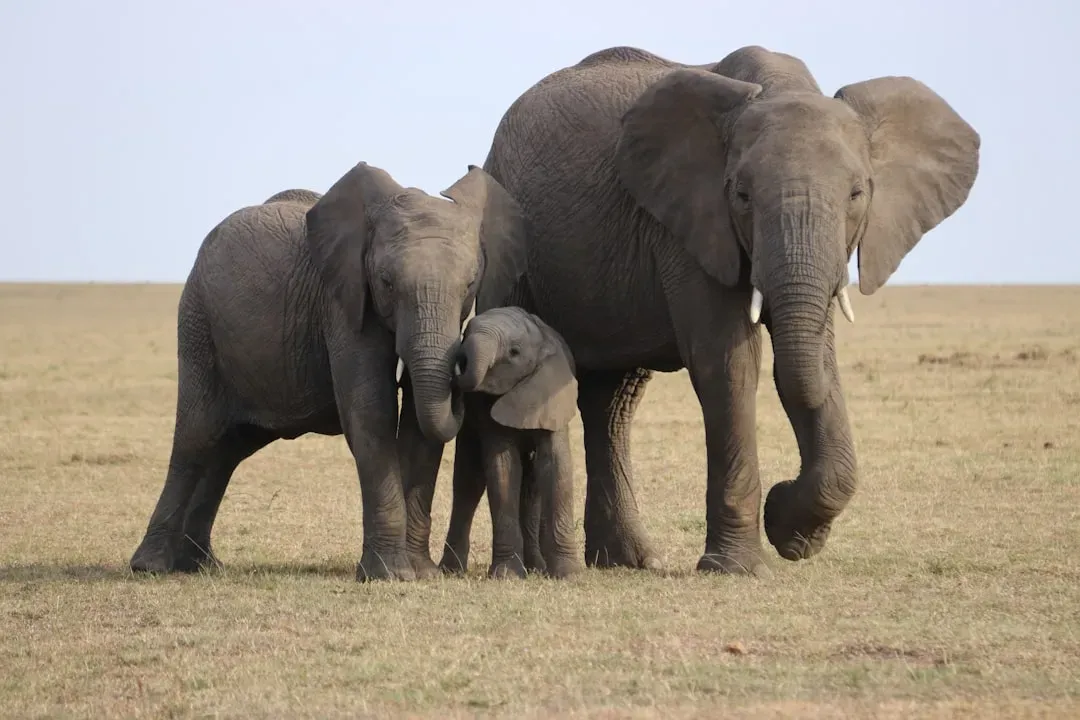
A lesser-known but genuinely fascinating study examined how elephants behave when the sensory information available to them is incomplete or conflicting, rather than clean and obvious.
Animals constantly rely on sensory cues to make decisions, but real environments are messy and contradictory. Researchers combined previous experience with fresh sensory input to see how elephants resolved that uncertainty, and the design hinted at a level of flexible, cue-weighted reasoning that goes beyond simple stimulus-response behavior. The catch: this is still a single-study result from one research group. No independent lab has run the identical ambiguity paradigm on a separate elephant population to confirm the pattern holds. Interesting, promising, and completely unreplicated all at once – which describes far too much of this field.
#9 – Elephants Understand What Humans Can and Can’t See
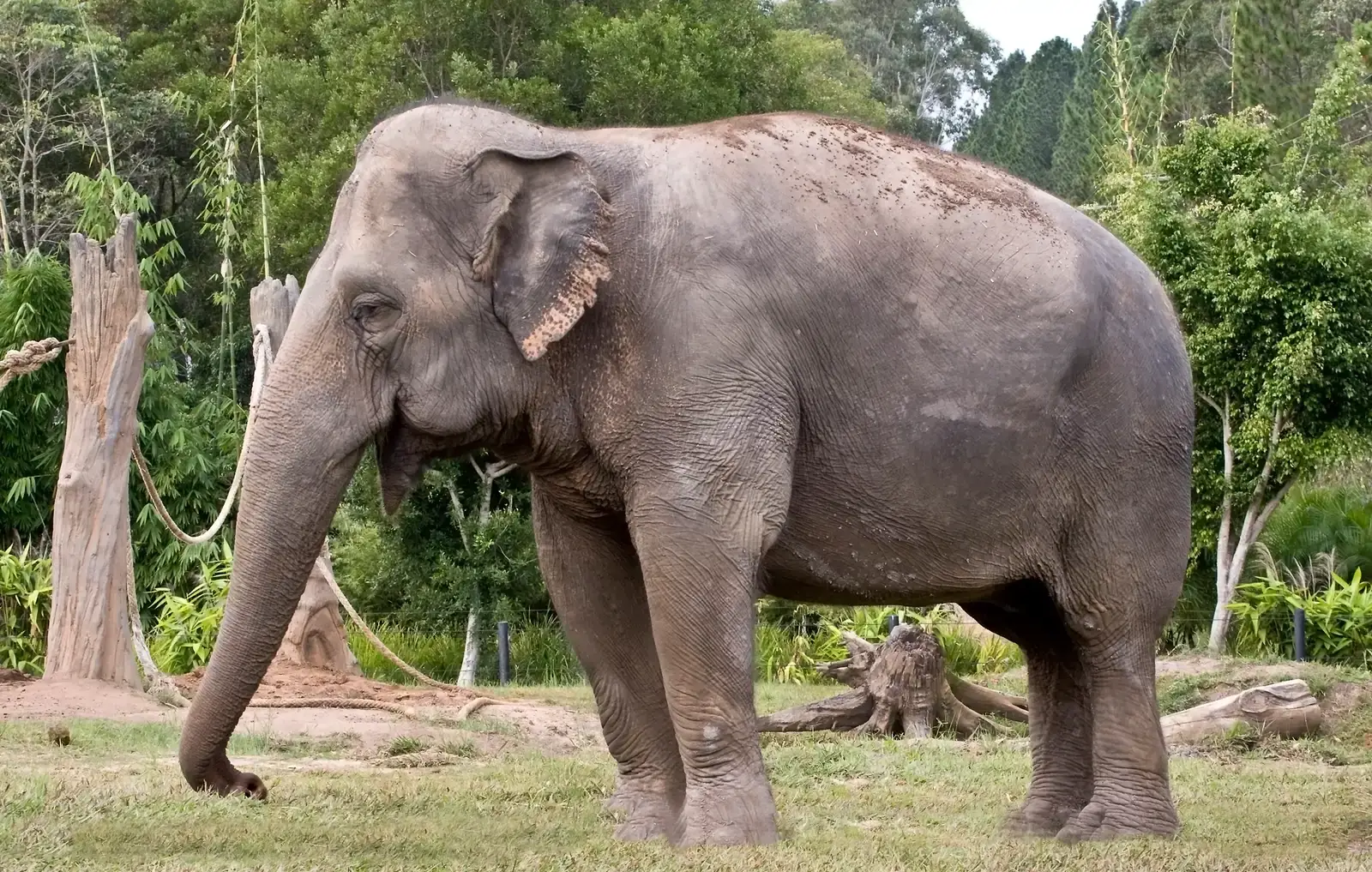
One of the more sophisticated cognitive claims about elephants involves perspective-taking: figuring out whether a human’s view is blocked before deciding how to act.
In the actual experiment, elephants had to approach the person whose view wasn’t blocked when both people appeared to be holding food. It’s a genuinely advanced skill many species fail outright. But the results weren’t uniformly clean – elephants succeeded in some conditions, not all of them. That partial success is exactly the kind of result that gets flattened into “elephants understand human perspective!” in social captions, when the real data show a fragile, condition-dependent ability. Nobody has run a full replication that varies the setup enough to rule out an artifact of one specific arrangement. The next finding involves an even more physically demanding cognitive test.
#8 – Elephants Know When Their Own Body Is In the Way
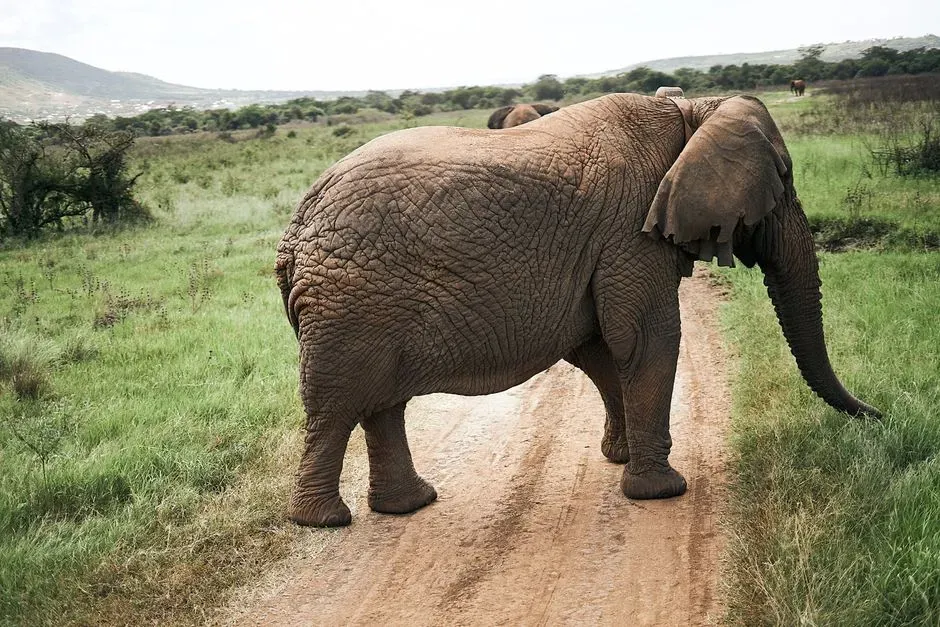
Researchers designed a body-awareness task borrowed straight from child psychology: get an elephant to step onto a mat, then retrieve a stick tied to that same mat and hand it to an experimenter.
The logic mirrors toddler research – success meant the elephant recognized its own body as an obstacle, a subtle self-awareness marker distinct from mirror recognition entirely. Here’s the twist: this test exists partly because earlier researchers realized that failing the classic mirror test might just reflect a species’ limited ability to gather information from a purely visual apparatus, not a lack of self-awareness at all. It’s a clever workaround for a flawed test, but the mat-and-stick paradigm has only been run once, on a small sample. That’s simply not enough to call it settled science yet.
#7 – Elephants Recognize the Voices of 100 Different Individuals
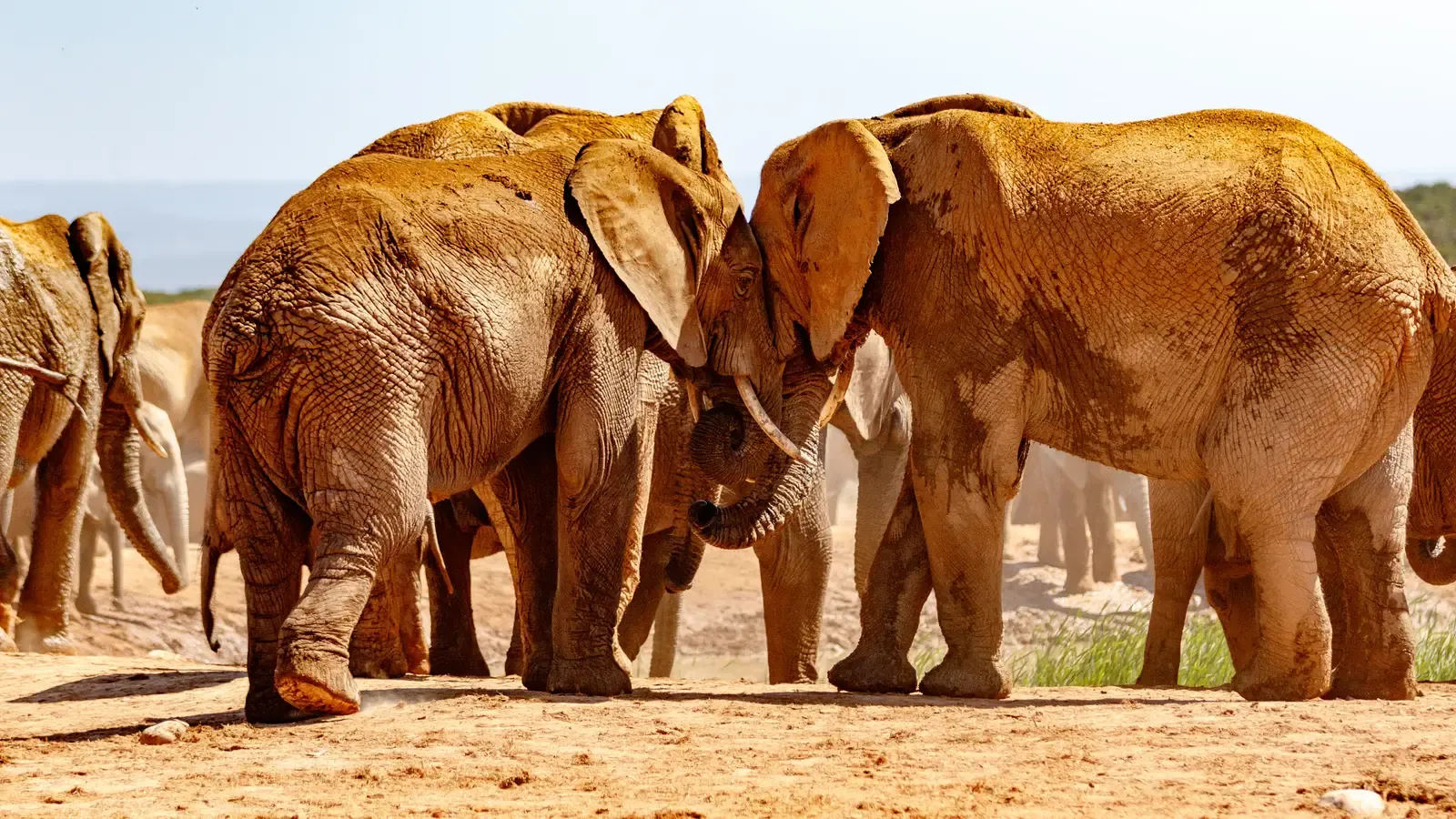
This is one of the most quoted “elephant memory” statistics in existence, and it comes from a genuinely rigorous playback experiment in Kenya.
Using recorded contact calls, researchers found that African elephants remember and recognize the voices of at least 100 other elephants, based on playback tests in Amboseli National Park. That’s a remarkable number, frequently cited as proof of social memory rivaling humans and dolphins. But notice the specificity: this figure comes from one long-term project, in one ecosystem, using calls from one known population. No comparable playback study has confirmed the same “at least 100 voices” threshold in a separate wild population with different social structures or group sizes. The number might be conservative – or it might be a ceiling unique to Amboseli’s unusually stable, decades-tracked herds.
#6 – Elephants Cooperate on Purpose, Not by Accident
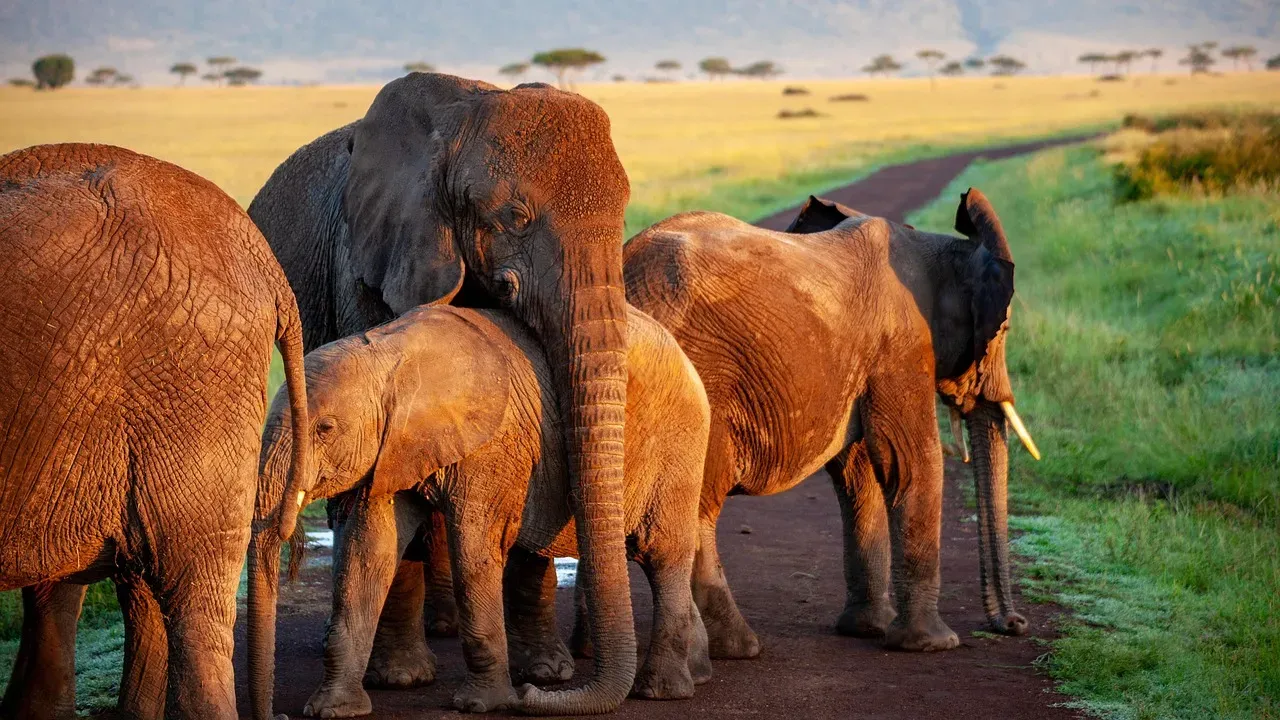
A famous 2011 study showed that Asian elephants could work in pairs, each pulling one end of a rope simultaneously, to bring a food platform within reach – a task that fails completely if only one elephant pulls. It became a signature “elephants understand cooperation” finding in comparative psychology.
A later research team then tried to test the same underlying idea again, this time swapping in African bush elephants instead of Asian elephants. Swapping species for what looks like an identical cooperative-pulling task is exactly the kind of test that should confirm or break a finding, and it’s rarely attempted. Cooperation research in elephants remains largely anchored to that one original 2011 study, with far fewer independent confirmations across the other elephant species than the popular narrative suggests.
Quick Compare
- 2011 original study: Asian elephants, paired rope-pulling, tested repeatedly within the same herd.
- Later attempt: African bush elephants, same rope-pulling logic, rarely repeated across species.
- Bottom line: cooperation research remains anchored to one species and one study far more than the popular narrative suggests.
#5 – Elephants Solve Novel Problems Through Sudden Insight
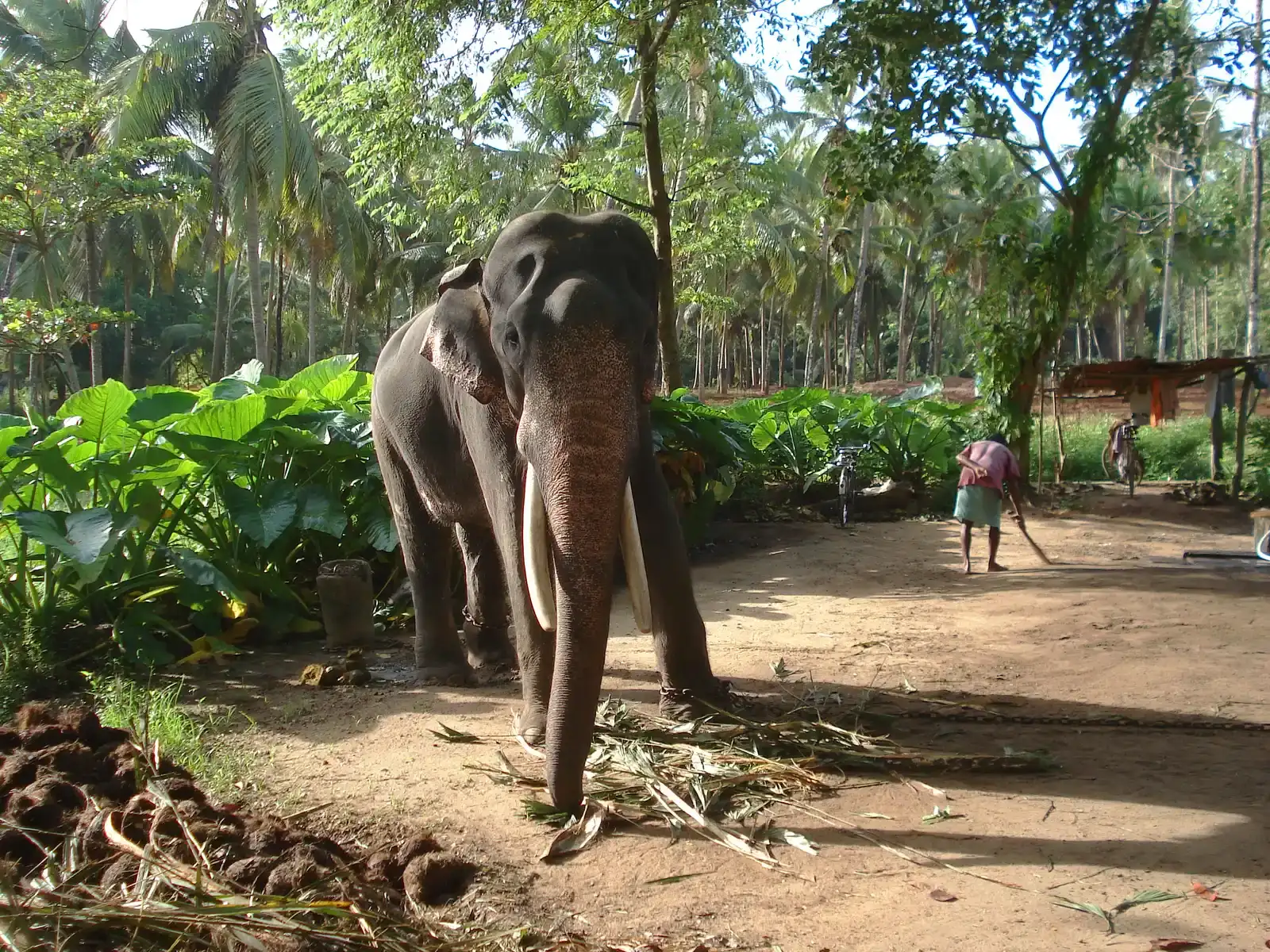
For decades, the scientific consensus was oddly unflattering: elephants, despite their giant brains, reportedly struggled with spontaneous problem-solving compared to other intelligent species.
That changed – sort of – with one young elephant named Kandula. Prior studies had repeatedly shown elephants performing poorly on spontaneous, insightful problem-solving tasks, which is exactly why it was “surprising” when Kandula broke the pattern by moving a large plastic cube, standing on it, and using the height to reach food, later reusing the trick on other items. One elephant, out of every individual ever tested, cracked a puzzle the entire species had previously failed. That’s not a replication – that’s an outlier, and reviewers of the wider field have noted that most cognitive claims about elephants remain genuinely contested when it comes to the criteria used to judge them.
#4 – Elephants “Hear” Each Other Through the Ground for Miles
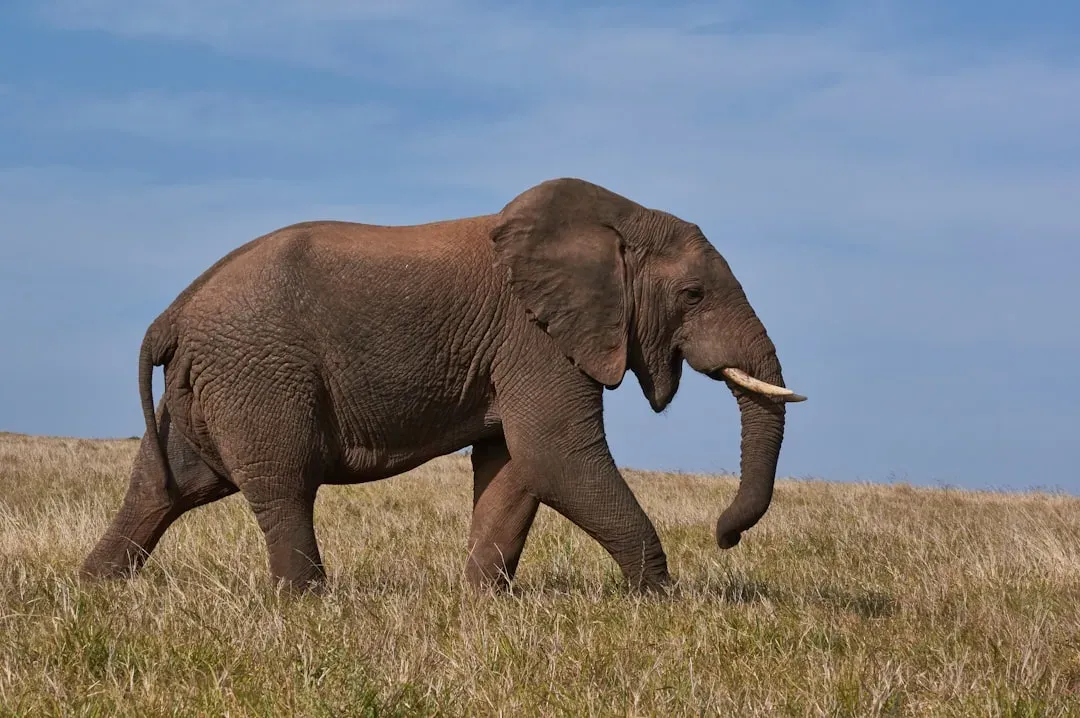
Few elephant facts get repeated more confidently than the claim that elephants communicate seismically across vast distances by sensing vibrations through their feet.
The underlying science is real but far more modeled than measured. Researchers built a mathematical framework suggesting the footfall signature of an elephant has a mean frequency of 24.03 Hz, and the vocal rumble pattern averages 20.66 Hz, with rumbles theoretically detectable above ambient noise at distances up to 16 km, and stomps up to 32 km. Those numbers sound precise, but they’re projections, not confirmed field measurements of what elephants actually perceive at those ranges. What has been shown experimentally is narrower: playback of seismic rumbles alone is enough to trigger a behavioral response. That confirms elephants can detect and react to seismic cues – it does not confirm they’re doing so reliably across 16 to 32 kilometers in noisy, real-world savanna conditions.
At a Glance
- Modeled footfall frequency: 24.03 Hz
- Modeled vocal rumble frequency: 20.66 Hz
- Theoretical detection range: rumbles up to 16 km, stomps up to 32 km
- Confirmed experimentally: reaction to nearby seismic playback – not long-range detection in the wild
#3 – One Elephant Learned to “Speak” Korean Words
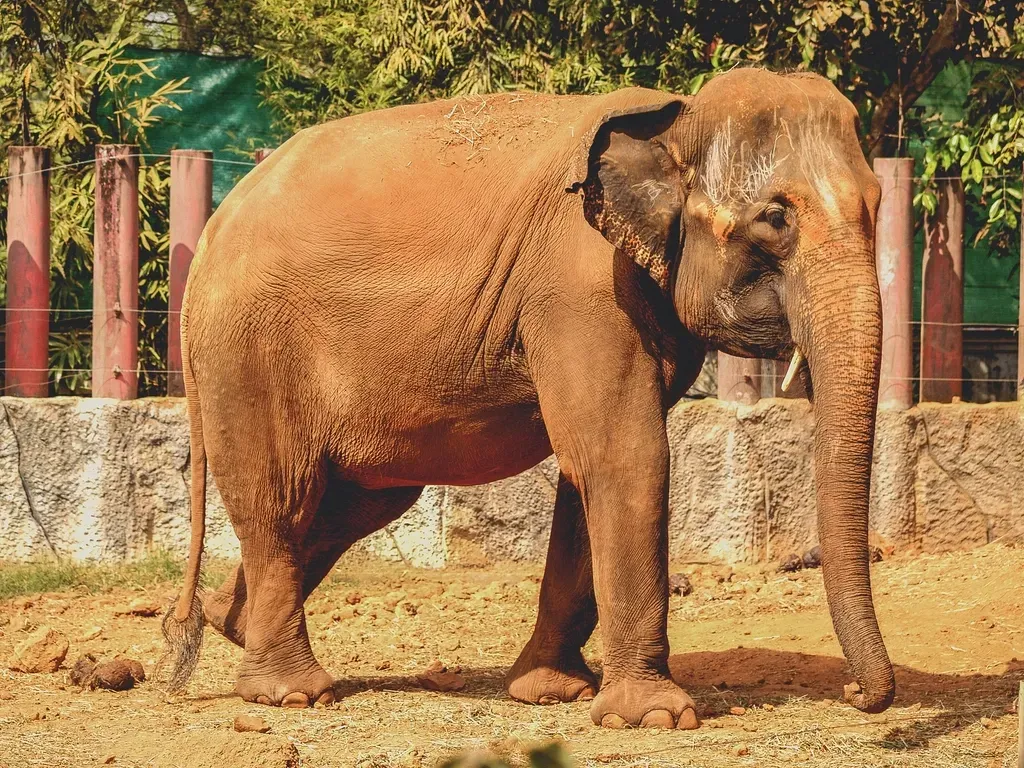
Koshik, a male Asian elephant at a South Korean zoo, became internationally famous for imitating human speech well enough that native Korean speakers could actually understand him.
The science behind it checks out remarkably well for a single case study. Analysts confirmed Koshik’s imitations corresponded to five real words – hello, sit down, no, lie down, and good – and structural analysis showed his sounds cluster tightly with the human speech of his trainers rather than natural elephant calls. He pulled it off by sticking the tip of his trunk into his mouth and moving his lower jaw, essentially MacGyvering a vocal trick never before documented in the species. Here’s the uncomfortable truth: Koshik is a sample size of one. Researchers believe the trigger was likely years of social isolation from other elephants during a critical stage of his childhood – and no other elephant, anywhere, has independently developed this trick from scratch.
#2 – Older Matriarchs Make Life-or-Death Decisions Better Than Anyone Else
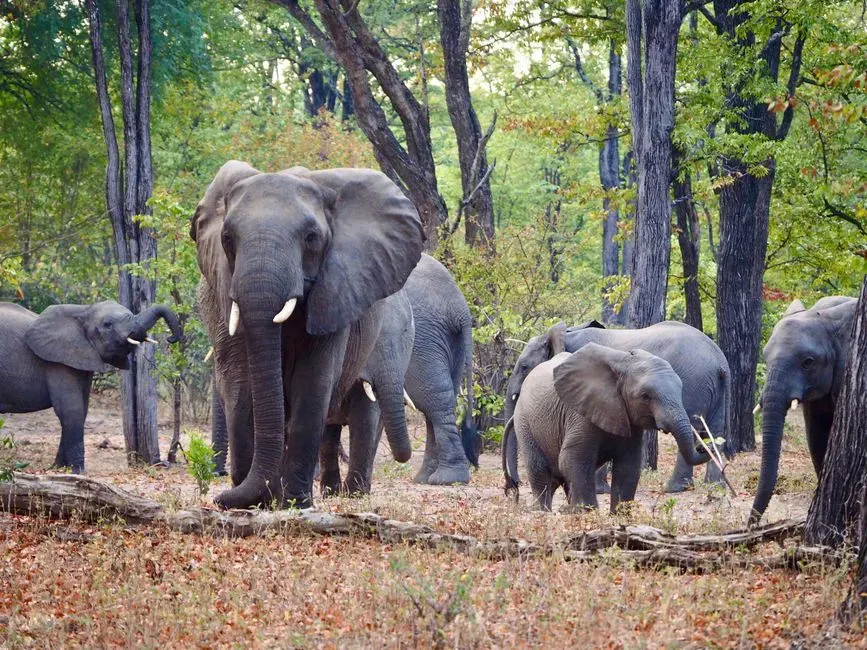
This is the elephant study that shaped a generation of “wisdom of elders” headlines – and it’s also one of the rare examples where scientists tried, and failed, to replicate their own result somewhere else.
The original Amboseli experiment played lion roars to family groups and found they consistently adjusted their defensive behavior to the greater threat of three roaring lions versus one – but families with younger matriarchs typically under-reacted, with sensitivity increasing along with the matriarch’s age. It became a textbook example of accumulated social knowledge. Then researchers ran the identical playback design on the Pilanesberg population, whose older females had been wiped out by poaching, and the fine-scale distinction between one roaring lion and three completely vanished. The famous “wise old matriarch” effect disappeared entirely once poaching had already removed the knowledge-holding elders. That’s not just a failed replication – it’s proof the whole phenomenon can be erased within a single generation.
#1 – Elephants Recognize Themselves in a Mirror

If one elephant cognition claim has been repeated more than any other in pop-science content, it’s this: elephants supposedly join humans, apes, and dolphins in the ultra-exclusive “self-aware” club by passing the mirror mark test.
The reality is far messier. In the landmark 2006 PNAS study, only one out of three elephants tested actually passed. Happy touched an invisible mark on her own head with her trunk 12 times in 90 seconds, while never touching a sham mark of the same texture – a striking result. The other two elephants, Maxine and Patty, both failed. It got worse for the “settled fact” version of this story: a completely separate research team ran the test again on two different Asian elephants and reported the exact opposite outcome, finding no evidence of self-recognition at all and concluding that passing a mirror test isn’t a guaranteed marker of self-awareness. Two independent teams, testing the same species with the same basic method, reached opposite conclusions. Even Gordon Gallup, who invented the mark test decades earlier, has pointed out how badly the whole field needs more repeat testing before treating any single elephant’s performance as proof of anything. Nearly two decades later, nobody has definitively closed that loop.
Worth Knowing
- Happy: touched an invisible mark 12 times in 90 seconds – the only elephant to clearly pass.
- Maxine and Patty: both failed the same mark test in the original 2006 study.
- A separate follow-up test on two different Asian elephants found no self-recognition at all.
- Even the mark test’s original creator has said the field needs far more repeat testing before drawing firm conclusions.
The Bottom Line
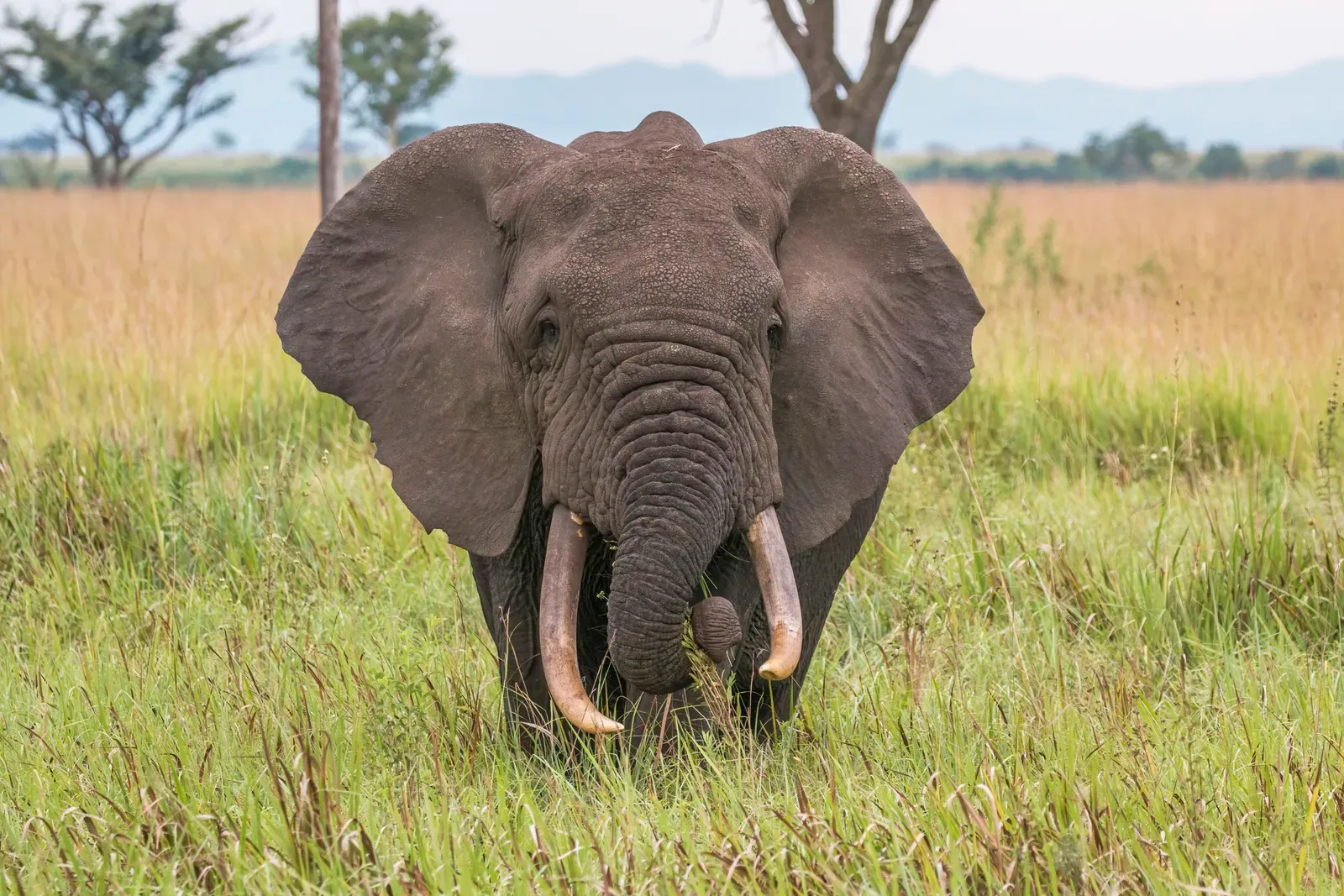
Elephant science isn’t fake – it’s genuinely groundbreaking in places. But too many of its most quotable “facts” trace back to a single animal, a single herd, or a single lab that nobody else has fully retested.
Happy passed the mirror test while two other elephants failed it outright, and a separate team later found no self-recognition at all in a different pair. Koshik remains the only elephant on record who taught himself to mimic human words. The matriarch “wisdom” effect vanished completely in a population that had lost its elders to poaching. None of that proves elephants aren’t remarkable – it proves the opposite of what the headlines usually claim: comparative psychology owes this species far more repetition, across far more populations, before any single result gets treated as species-wide truth. Which of these surprised you the most? Drop your take in the comments.