
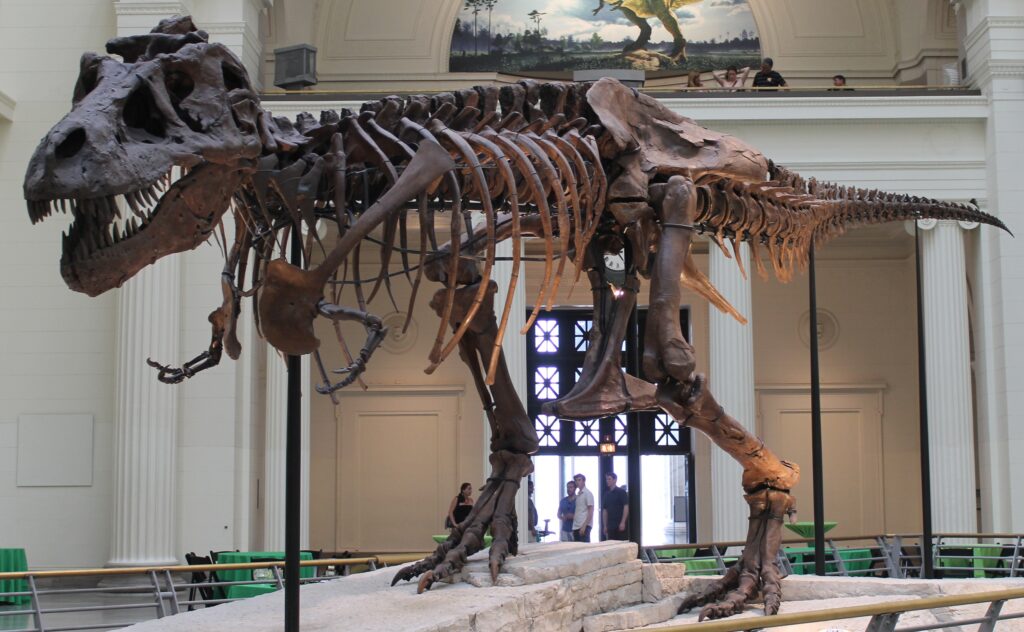
You’ve seen the T. rex lips, the sleek Spinosaurus tail, the razor-jawed Megalodon – all rendered in crisp detail on museum walls and viral videos. What almost nobody tells you is that paleontologists have started quietly admitting, off to the side of the glossy documentaries, that we don’t actually know what a lot of these animals looked like. Not vaguely unsure. Genuinely, scientifically stumped.
From a supposed “first bird” whose entire color scheme is guessed from a handful of stray feathers, to Earth’s most famous predator that still doesn’t have an agreed-upon face, the following 14 creatures prove that a lot of prehistoric “fact” is really just confident artwork. Here’s exactly where the hard science stops and the guessing begins – starting with a river monster we keep redesigning from scratch.
#14 – Spinosaurus: The Aquatic Predator We Keep Redrawing
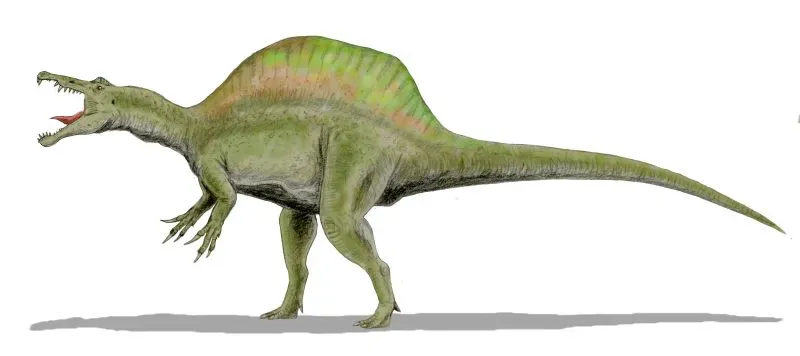
Spinosaurus is marketed as the ultimate river monster, the dinosaur so terrifying it supposedly out-muscled T. rex on the big screen. Here’s the catch: paleontologists can’t agree on what its body actually looked like, and they’ve overhauled the design more than once in the last twenty years. It’s gone from a land-based sprinter with a sail, to a short-legged swimmer, to whatever hybrid currently sits on top.
The jaw and the sail are solid fossil evidence – everything else is negotiable. Some of the earlier “definitive” Spinosaurus models now look so wrong that paleontologists reportedly cringe looking back at them. Nobody is fully certain about tail-fin shape, leg length, or overall bulk, and even its lifestyle is argued over – crocodile-style lurker or heron-like wader? Until someone finds a nearly complete skeleton, every dramatic Spinosaurus online is a moving target, and it’s not even the shakiest reconstruction on this list.
Quick Compare
- 1990s-2014 model: Bipedal land-hunter with long, sturdy legs and a tall sail, posed like a typical big theropod
- 2014 redesign: Short hind limbs and a low, semi-aquatic quadrupedal body built for wading and swimming
- 2020 tail update: A tall, paddle-like tail proposed as a swimming fin for underwater propulsion
- Current debate: Some researchers push back, favoring a heron-style wader over a full-time swimmer
#13 – Dunkleosteus: The Armored Fish With a Mystery Body
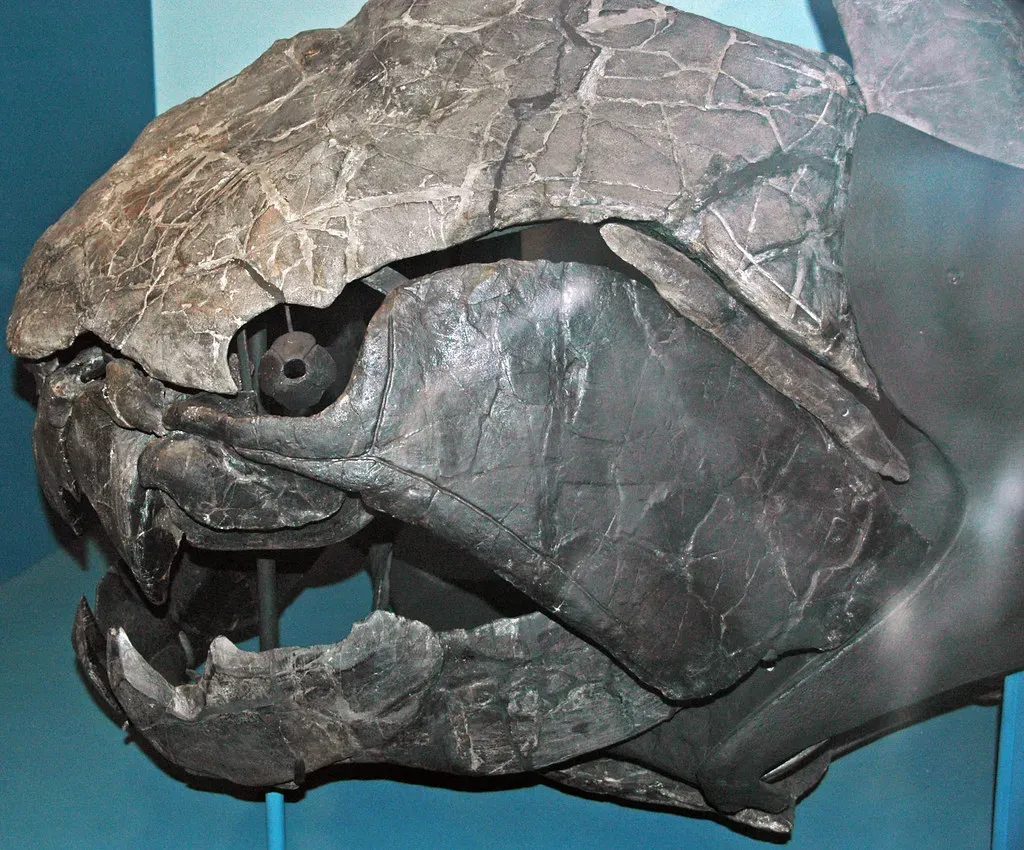
Dunkleosteus looks unstoppable in documentaries – armored, jaw-crushing, built like a submarine. Here’s the part they leave out: we mostly only have the head. Those iconic bony face-plates are real fossils, but the torpedo-shaped body most people picture is essentially invented.
Scientists genuinely don’t know how long its tail was, how wide its body got, or whether it was bulky or slim. Researchers try to fill the gap using related armored fish, but those species were wildly different from each other – some thick and barrel-shaped, others flat and ray-like. Depending on which body plan an artist picks, Dunkleosteus’s estimated weight can double or drop by half overnight, which means that deep-sea horror poster is closer to art than to data.
#12 – Mosasaurs: Ocean “Dinosaurs” With Unknown Skin and Fins
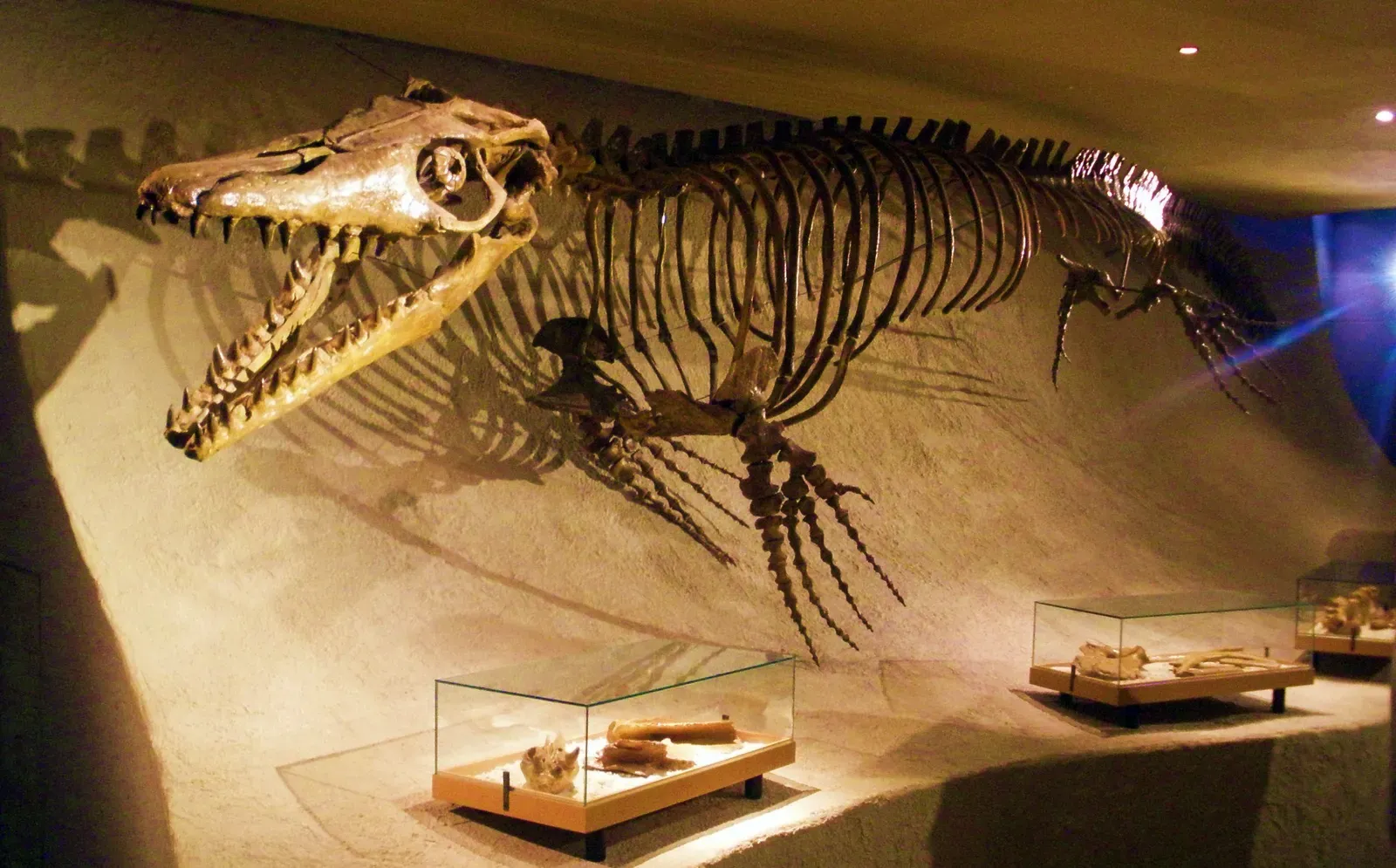
Mosasaurs get pictured as sleek, whale-like sea lizards slicing through Cretaceous oceans with tail flukes and paddle-shaped flippers. That image comes from a small handful of exceptional fossils, not from the species as a whole. Stretching a few rare finds across every mosasaur species is a serious leap of faith.
Nobody actually knows how common tail flukes were, how large the flippers typically got, or how much fat and blubber these animals carried. Skin color and pattern are almost entirely guesswork, since pigment rarely survives fossilization – they could have been countershaded like a penguin, striped like a sea snake, or something science hasn’t even imagined yet. The line between “giant swimming lizard” and “proto-whale” is far blurrier than any CGI documentary admits.
#11 – Quetzalcoatlus: The Giant Pterosaur That Might Walk Wrong in Art
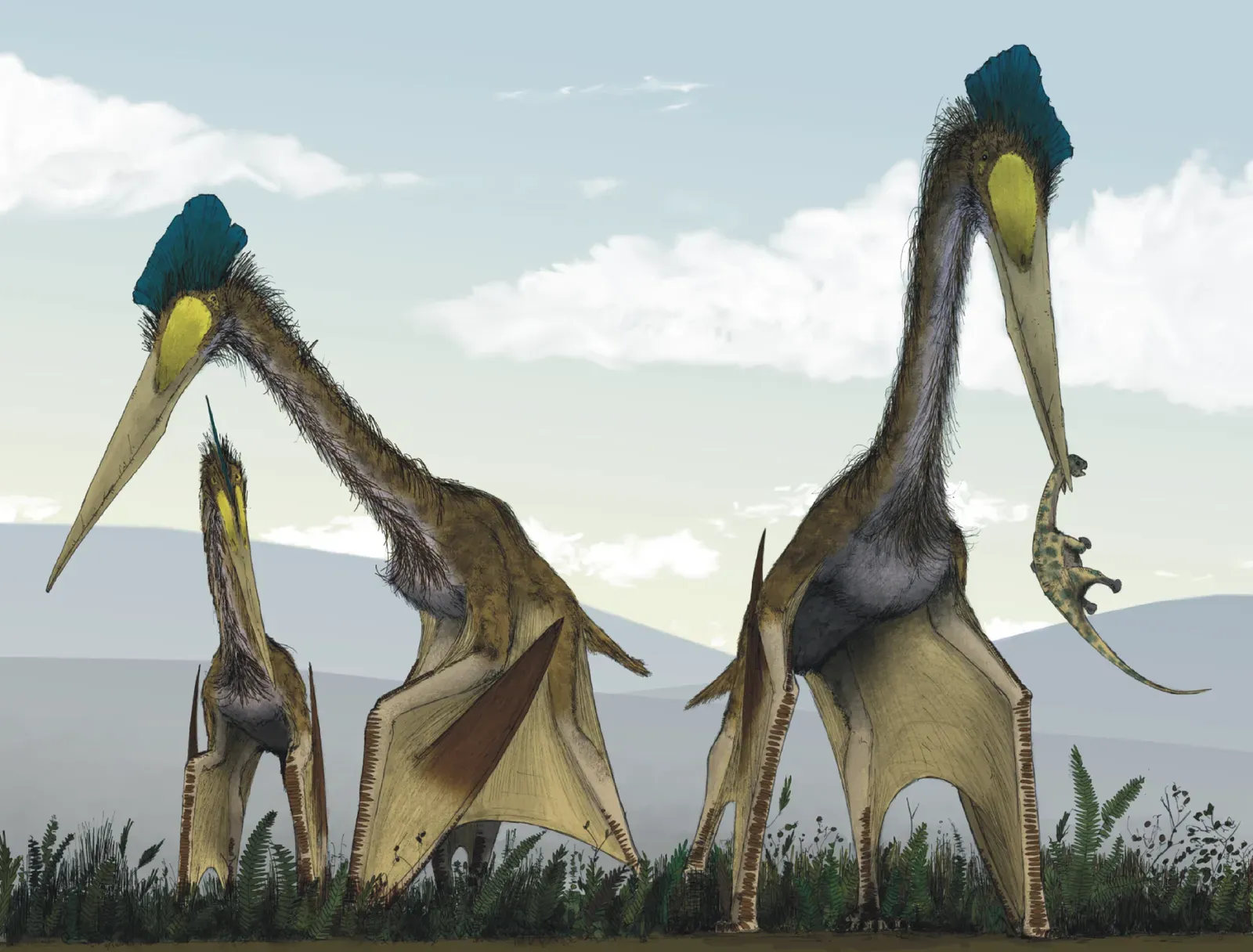
Quetzalcoatlus is always drawn the same way: a giraffe-sized pterosaur striding across a floodplain like a prehistoric stork. Even that signature pose is under serious debate, since soft tissue almost never survives in pterosaur fossils. The “confident” walking stance in every illustration might be an oversimplified guess dressed up as settled fact.
Researchers still don’t know how muscular its neck really was, how large its wing membranes stretched, or how much soft tissue padded that unusually slender frame. There’s even active disagreement over whether it launched into flight on all fours, bat-style, or leapt up on two legs like a bird, and that single detail changes the entire muscle structure. Some paleontologists now suspect this creature was far fuzzier and more colorful than the flat gray sky-lizard printed in every textbook.
#10 – Woolly Mammoth: The Ice Age Icon With Surprising Unknowns
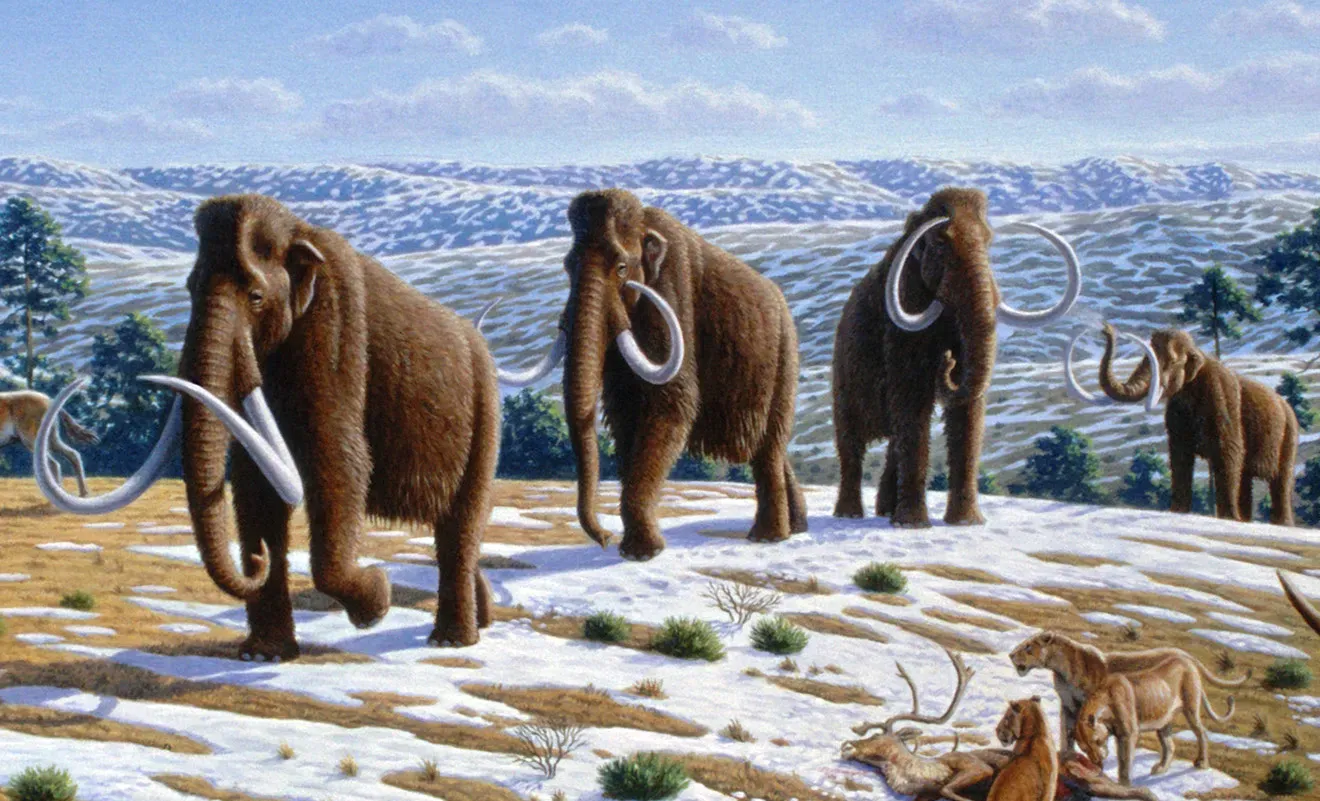
The woolly mammoth feels like the one animal here we’ve actually “solved” – we’ve got hair, tusks, even frozen carcasses pulled straight from the permafrost. That confidence doesn’t hold up quite as well as people assume. Most of our physical evidence comes from a narrow slice of geography and time, then gets generalized across a species that roamed an enormous range of climates.
The precise coat density, seasonal color shifts, and the balance between outer hair and underfur are not mapped consistently across mammoth populations. Fat stores, muscle tone, and age dramatically change silhouette too, meaning a young mammoth and an old bull might have looked like two different species standing side by side. Add in the fact that skin tone is mostly artistic preference rather than confirmed genetics, and the cozy “one true mammoth look” starts to feel more like folklore than fossil record.
#9 – Megalodon: The Monster Shark That’s Mostly Teeth
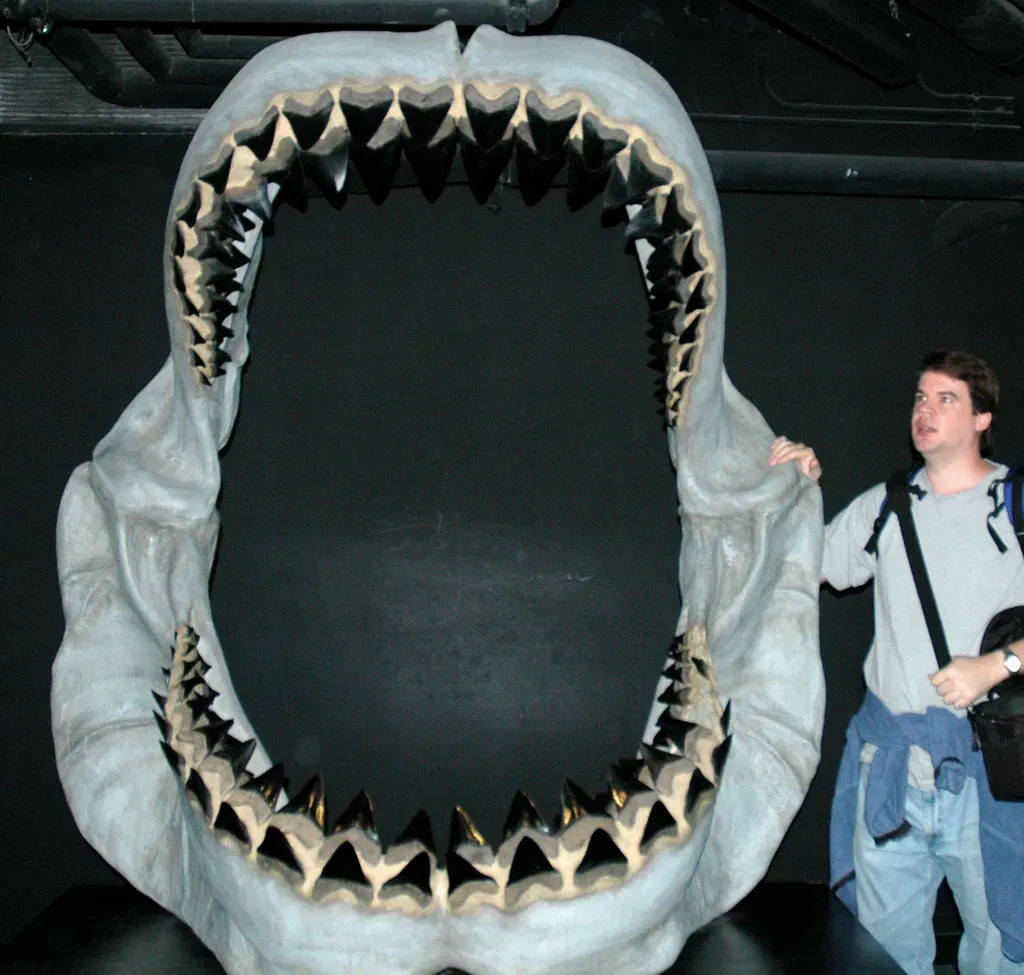
Megalodon is the reigning poster child for confident-looking guesswork. Nearly everything you’ve seen – the bulked-up great-white body, the massive dorsal fin, the classic torpedo shape – is extrapolated almost entirely from teeth and a few vertebrae. Cartilage doesn’t fossilize, so a complete skeleton simply doesn’t exist anywhere.
There is no full megalodon skeleton on Earth, let alone preserved soft tissue, which means the body shape everyone recognizes is a statistical estimate, not a discovery. Different living sharks – great whites, basking sharks, makos – each suggest a different silhouette and weight, and researchers genuinely disagree on which model fits best. Skin color is pure invention too, and that blockbuster-ready outline might be the most confident wrong guess on this entire list.
Fast Facts
- No complete megalodon skeleton has ever been found – just teeth, rare vertebrae, and inference
- The largest confirmed tooth measures roughly 7.25 inches, nearly triple a modern great white’s
- Most scientifically accepted length estimates land around 50-60 feet, with newer vertebrae-based studies proposing up to 80 feet
- Body shape estimates shift wildly depending on whether researchers model it after a great white, mako, or basking shark
#8 – Archaeopteryx: The “First Bird” With a Murky Outfit
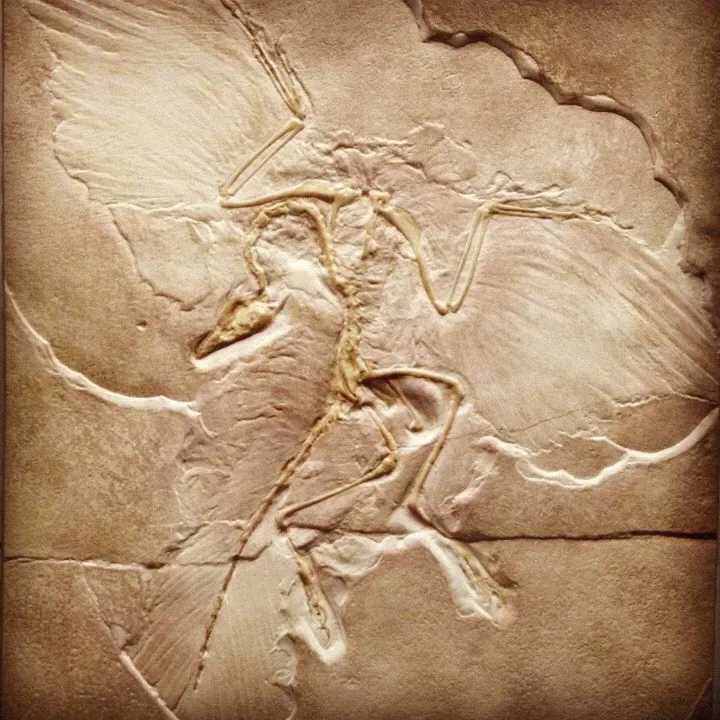
Archaeopteryx gets sold as the tidy “missing link” – half reptile, half bird, feathers included. The fossil slabs are stunning, but they flatten a complex 3D animal into a two-dimensional impression, hiding a lot of detail. Most reconstructions simply drop crow-like plumage onto a small dinosaur skeleton and call it finished.
Nobody is fully certain how its feathers layered, how fluffy or sleek its body actually was, or how much soft tissue filled it out. Pigment studies exist for only a tiny sample of feathers, hinting at dark tones, yet entire color schemes get extrapolated from that scrap of data. Whether it was a strong flier, an awkward glider, or a fluttering climber is still argued, so the “elegant feathered icon” might have actually looked more like a scruffy, half-finished experiment.
#7 – Coelacanth’s Ancient Cousins: The Ghost Fishes With No Color Map
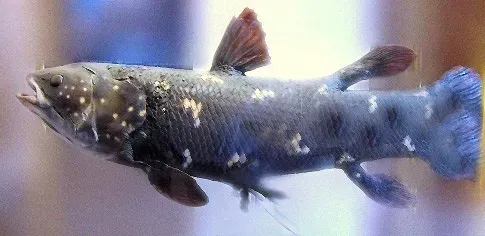
The living coelacanth is a deep-blue, spotted fish that stunned scientists when it turned up alive in 1938 after being presumed extinct for millions of years. Its ancient relatives get quietly painted in that same blue-gray palette, as if that were documented fact. It isn’t – it’s just a convenient assumption borrowed from one lucky survivor.
There is almost no direct fossil evidence for the coloration, patterning, or fine skin detail of these older coelacanth relatives. Some could plausibly have carried coppery tones, bold stripes, or even bioluminescent spots for signaling in the deep – we simply project the modern species backward and call the job done. Treating every prehistoric coelacanth as a clone of today’s living fossil is a bit like assuming every extinct mammal must have looked like a brown cow.
#6 – Giant Ground Sloths (Megatherium & Friends): Shaggy or Bare?
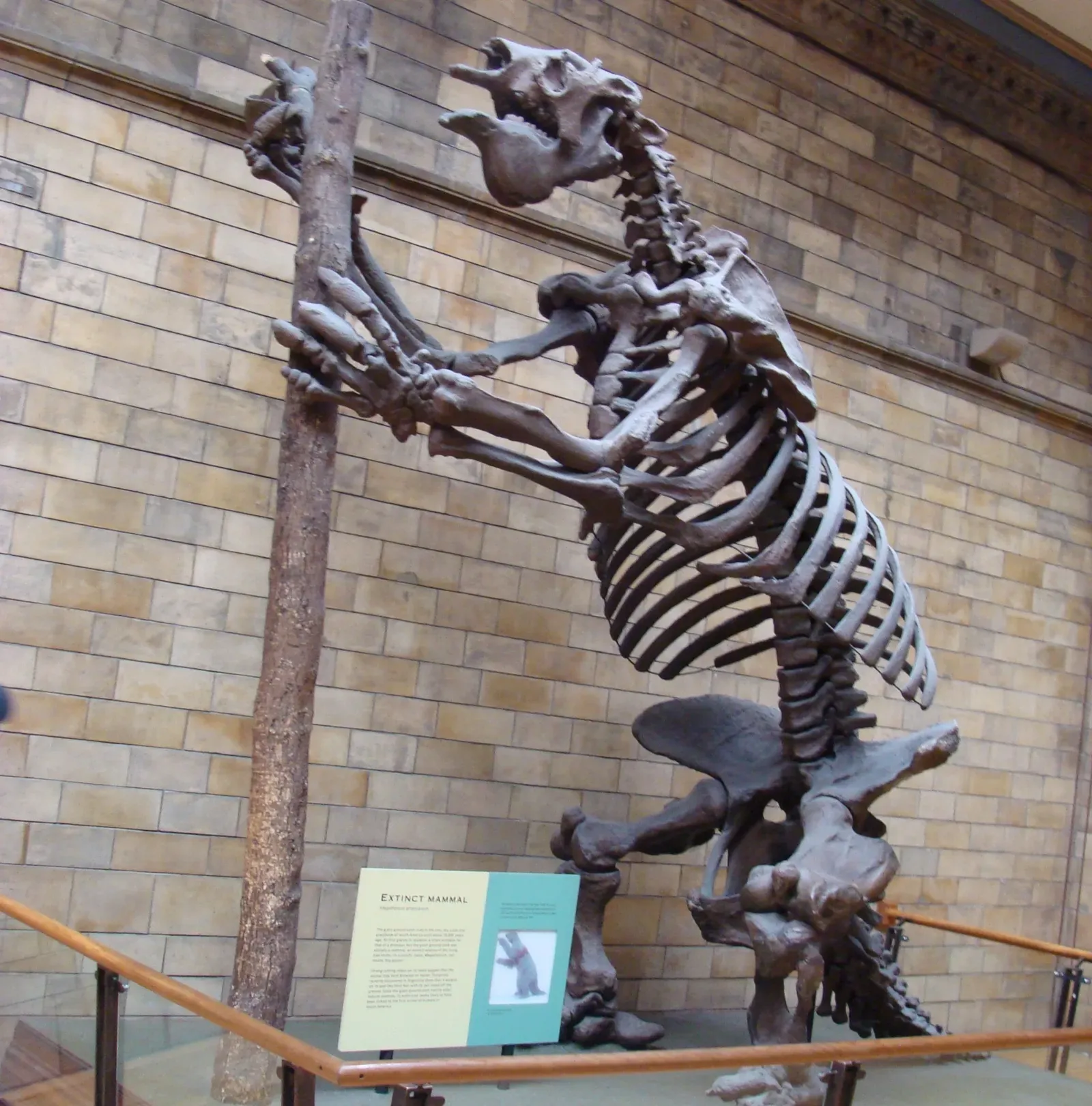
Giant ground sloths get illustrated as oversized, shaggy teddy bears wandering ancient forests – basically cows in sloth costumes. The physical evidence behind that image is thinner than the murals suggest. For most species, all we really have is bone, the occasional skin impression, and preserved dung.
Scientists still argue over how much fur these animals actually carried, whether some species were partly bare-skinned, and how bulky their real muscle mass was. A thick, stocky skeleton doesn’t automatically mean a soft, blubbery body – newer reconstructions show leaner, surprisingly athletic animals capable of rearing up and swinging serious weight. In warmer climates, some ground sloths may have carried far less fur than the “giant teddy bear” image implies, looking closer to a bizarre upright hippo than a cuddly cartoon.
Worth Knowing
- Megatherium could reach lengths rivaling a modern elephant, making it one of the largest land mammals of its time
- Rare preserved skin from species like Mylodon shows coarse hair tangled with small bony nodules called osteoderms
- Fossilized dung and trackways reveal diet and movement far more reliably than they reveal fur coverage or color
- Most mainland ground sloths vanished roughly 11,000 years ago, though isolated island species held on thousands of years longer
#5 – Therizinosaurus: Wolverine Claws on a Mystery Body
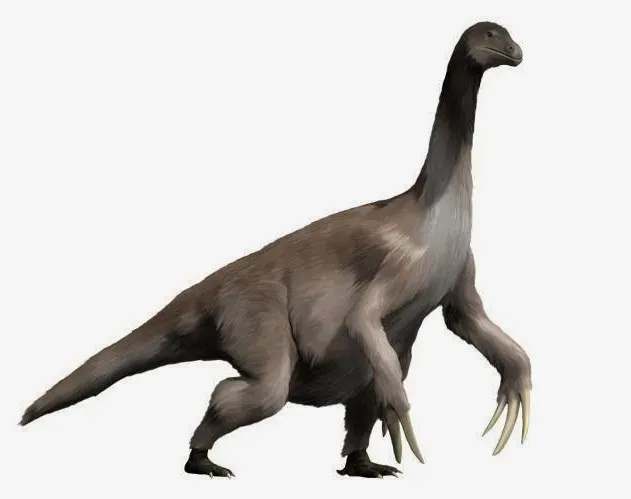
Therizinosaurus owns some of the most unsettling claws in the fossil record – scythe-like blades longer than a grown adult’s arm. That part is undeniably real. Everything surrounding those claws is where the guesswork takes over completely.
A fully complete Therizinosaurus skeleton has never been found, which means body mass, belly shape, and even neck posture are all still actively debated. It’s usually drawn as a pot-bellied, feathered herbivore with a long neck, but those feathers aren’t preserved in Therizinosaurus fossils themselves – they’re borrowed from related species and applied on faith. Some artists lean into a “giant murder chicken” look, others go for a shaggy panda-sloth vibe, and honestly, both could be equally wrong.
#4 – Ankylosaurus: Walking Tank With a Questionable Tail and Skin
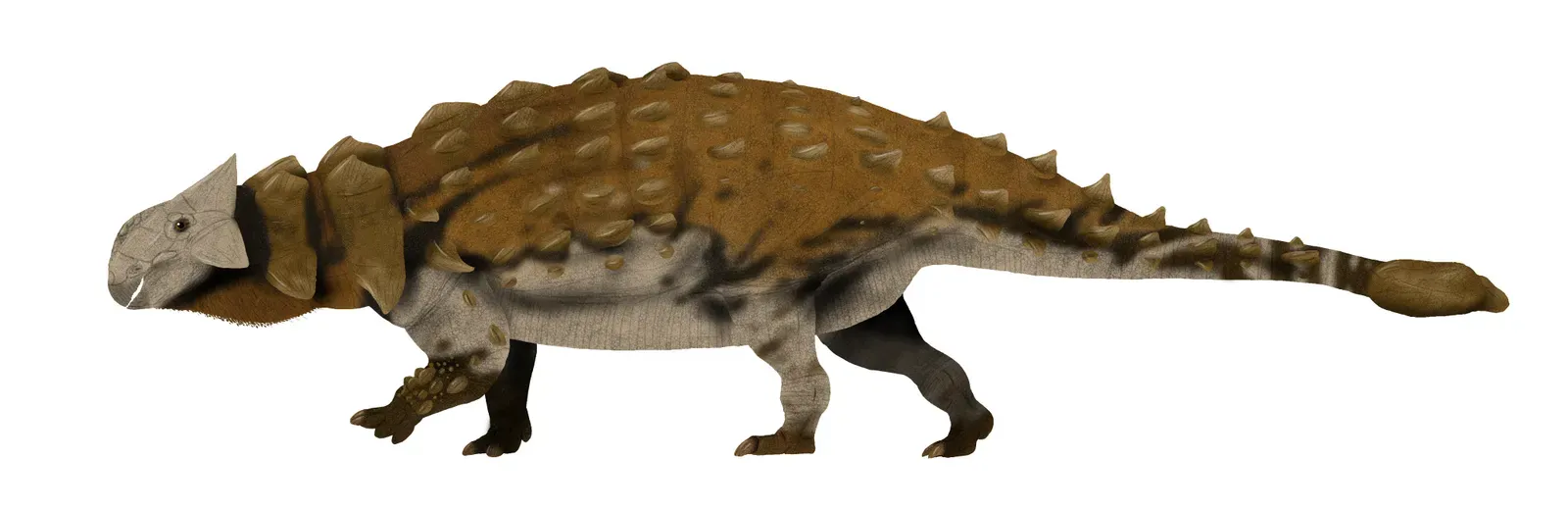
Ankylosaurus is childhood-cartoon famous: squat body, club tail, wall-to-wall armor. What most people don’t realize is that actual Ankylosaurus fossils are surprisingly incomplete compared to some of its armored cousins. A lot of what ends up on museum mounts is quietly borrowed from other species to plug the gaps.
Researchers are still unsure of the exact placement, shape, and count of its bony armor plates, especially along the flanks and tail. Even the legendary tail club – its single most iconic feature – is partly reconstructed from fragments and relatives, and some experts think it may have looked more like an irregular, knobby mass than a perfect sledgehammer ball. Newer reconstructions increasingly favor bands and patches over the old uniform brown log everyone grew up picturing.
#3 – Dimetrodon: Not a Dinosaur, and Not Visually “Solved”
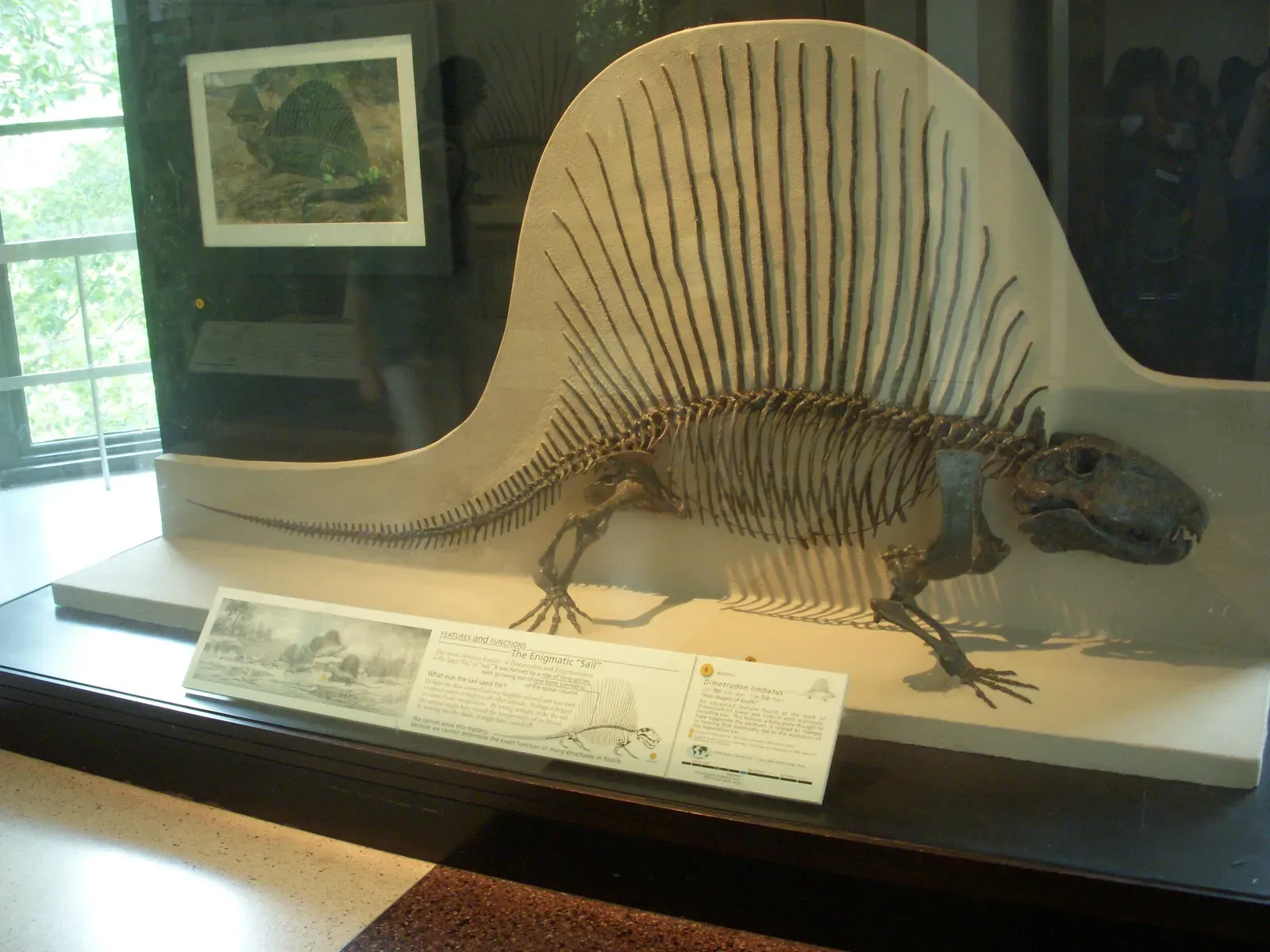
Dimetrodon gets lumped in with dinosaurs constantly, even though it predates them by tens of millions of years – and that confusion bleeds straight into how it’s illustrated. Yes, it really did have that dramatic sail of elongated vertebrae running down its back. But the animal wrapped around that sail is far less settled than any textbook diagram admits.
The shape of its body, the texture of its skin, and the true outline of the sail’s soft tissue are all considerably less certain than popular depictions suggest. Dimetrodon was a synapsid – genetically closer to mammals than to modern reptiles – so slapping generic “lizard skin” onto it may be flatly wrong. Some researchers now favor a higher, more mammal-like stance with thicker, glandular skin over the classic flattened, swamp-dragging lizard pose everyone grew up with.
#2 – Tyrannosaurus rex: The Superstar With a Blurry Face
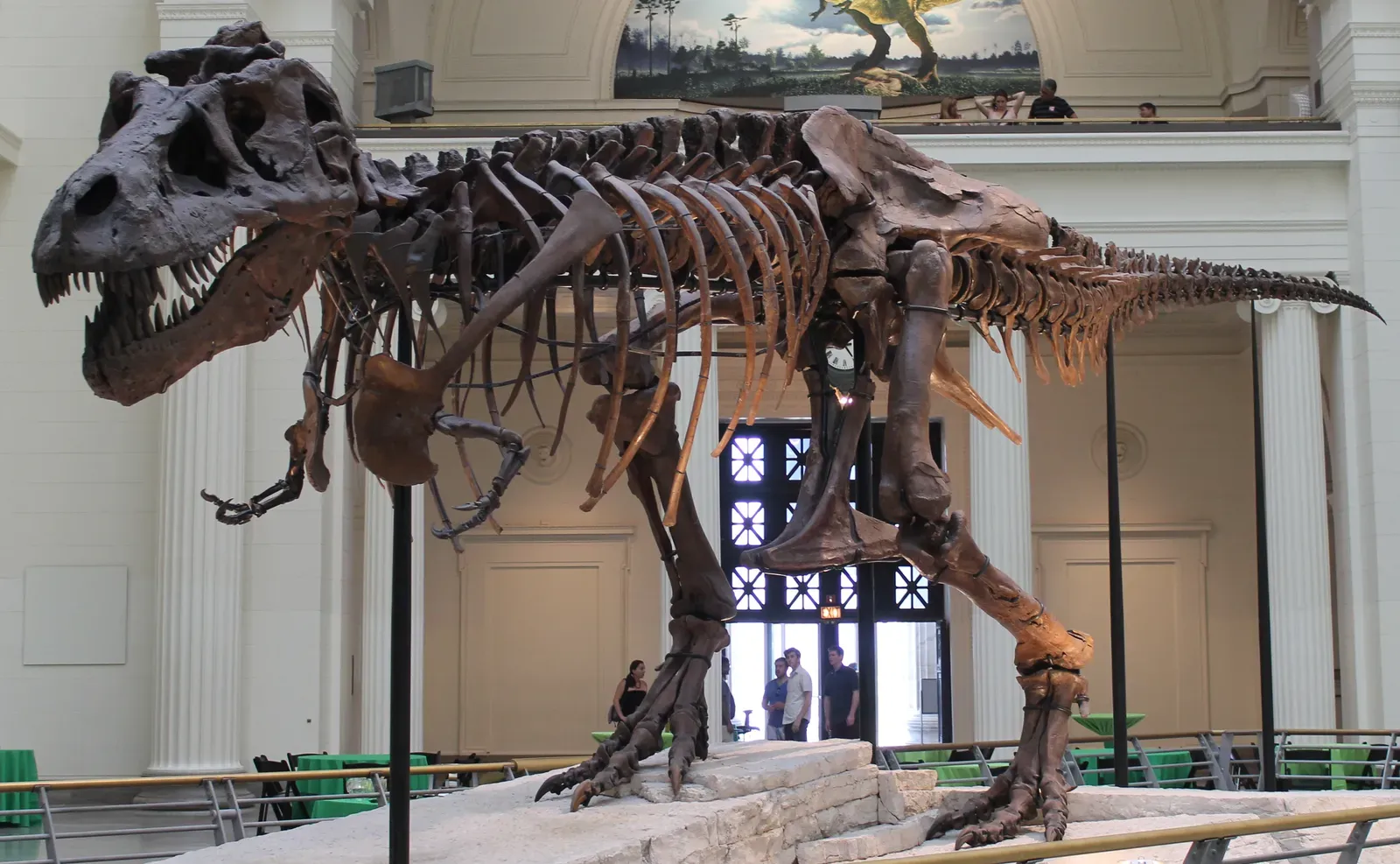
Tyrannosaurus rex feels untouchable – surely, after more than a century of study, we’ve nailed the most famous predator on Earth. That assumption falls apart fast. Scientists are still locked in genuine disagreement over its lips: did those enormous teeth jut out crocodile-style, or were they tucked behind scaly lip tissue?
“We’re not saying T. rex looked like a giant lizard with lips. We’re saying the evidence for how the mouth actually looked is far more complicated than the movies suggest.”
Paraphrased consensus from the 2023 lip-tissue debate among paleontologists
That single unresolved detail completely changes T. rex’s facial expression, and the fossil record simply doesn’t preserve enough soft tissue around the mouth to settle it. The feather question is just as messy – smaller tyrannosaur relatives definitely had feathers, but whether adult T. rex kept a full coat, a partial fringe, or shed most of it as it grew remains an open argument. Color is total speculation too, with zero confirmed pigment evidence, which means Earth’s most iconic predator still doesn’t have an agreed-upon face.
#1 – Trilobites: The Ubiquitous Fossils With Shockingly Uncertain Looks
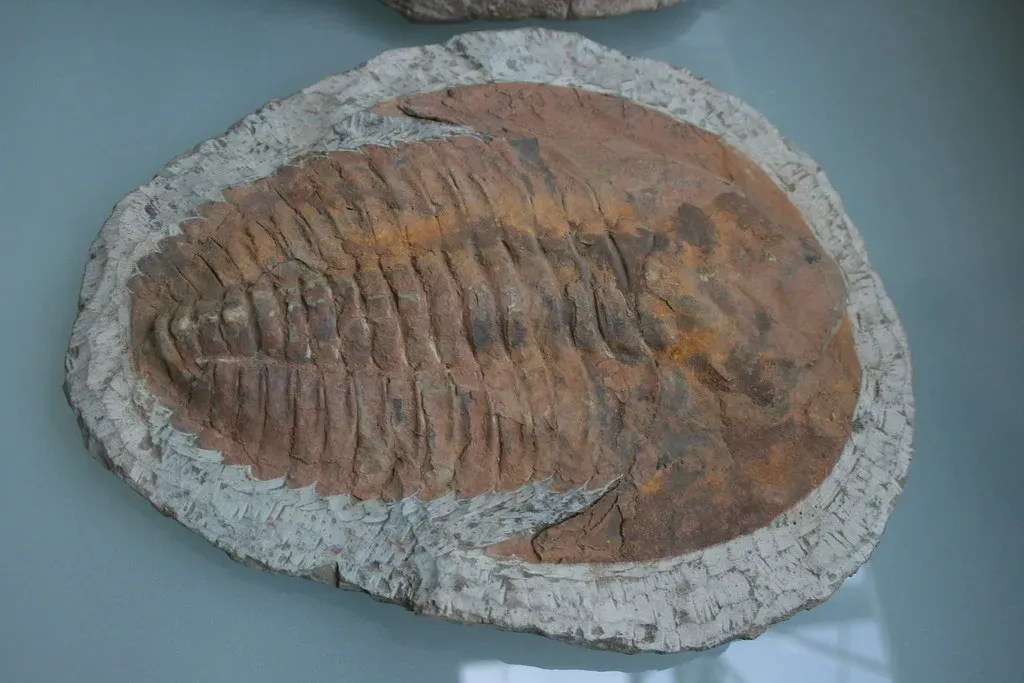
Trilobites are everywhere – in museum drawers, rock shops, and gift-store bins by the thousand – so it’s easy to assume we’ve got their appearance completely figured out. That confidence doesn’t hold up under scrutiny. We have incredible exoskeleton detail, sure, but an exoskeleton was never the whole animal.
The soft parts that actually define an animal’s look – eyes, antennae, limbs, gills, and tissue around the head – rarely fossilize and vary enormously between species, meaning for huge numbers of trilobites, those features are simply unknown. Artists default to generic little legs, standard compound eyes, and safe brown-gray coloring, but the rare fossils that do preserve soft tissue show something far weirder – iridescent shells, elaborate sensory organs, strange fleshy limbs. Drop into a living Cambrian reef right now, and you might not even recognize some of these creatures as “trilobites” at all.
At a Glance
- More than 20,000 trilobite species have been formally described – one of the most diverse animal groups ever known
- They persisted for roughly 270 million years, from the early Cambrian to the end of the Permian
- Sizes ranged from tiny, barely-visible specimens to giants stretching over two feet long
- They vanished in the end-Permian mass extinction, the most severe die-off in Earth’s history
The Bottom Line
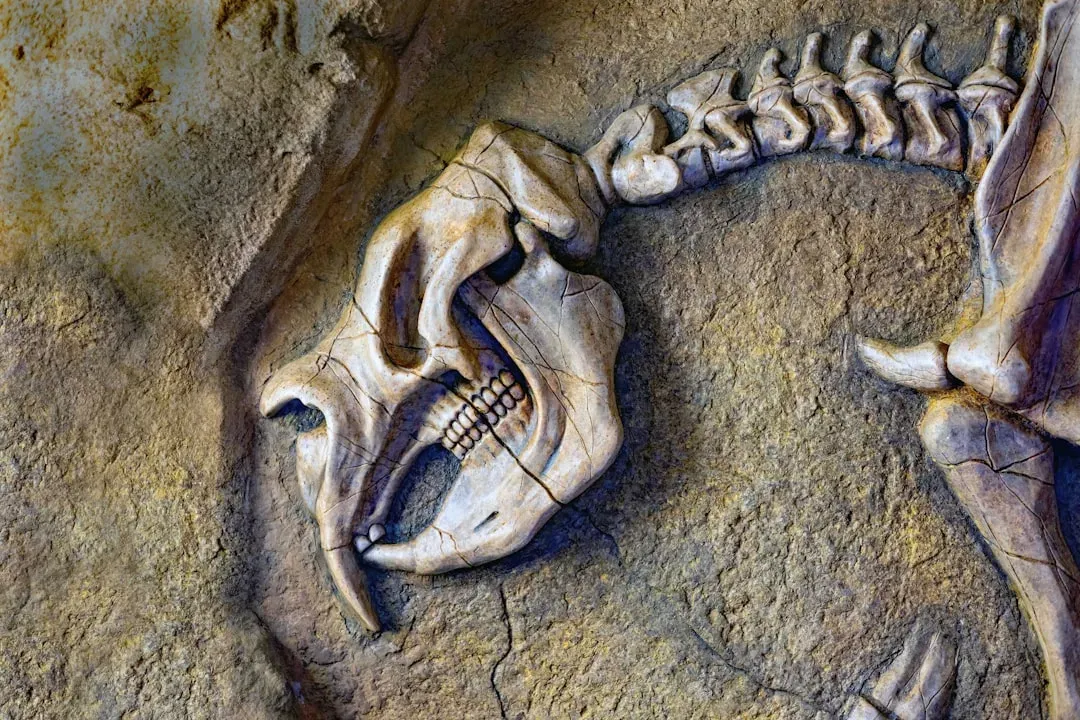
Strip away the confident museum poses and high-budget CGI, and one uncomfortable truth pops out: for many extinct creatures, our “knowledge” of their appearance is largely a stack of educated guesses held together with artistic flair. The bones are real. The flesh, color, and attitude are mostly narrative.
In several of these cases – T. rex’s lips, Spinosaurus’s posture, megalodon’s entire body plan – experts openly disagree with each other, yet pop culture keeps handing us a single, polished answer as if the debate is closed. That gap between raw data and confident depiction is exactly where things get interesting, and honestly, it’s where the real story lives. My take: a lot of these animals probably looked stranger, plainer, or just flatly different than anyone wants to admit, because weird and unresolved doesn’t sell toys or fill museum gift shops as well as “case closed” does.
Which reconstruction do you think is the most misleading – and what other “settled” prehistoric icon do you suspect we’ve gotten completely wrong?