Most people assume the Ice Age ended in one dramatic curtain call – mammoths dropping dead in unison around 10,000 years ago while early humans watched the glaciers retreat. That timeline is wrong, and it keeps getting more wrong every year. New radiocarbon techniques, ancient DNA extraction, and permafrost sampling have quietly rewritten the death certificates of at least a dozen Ice Age giants, pushing their final breaths thousands of years later than any textbook claims.
Some of these creatures were still breathing while the pyramids were under construction. Others hid in plain sight on islands nobody thought to search, or survived as invisible DNA in frozen dirt long after their bones stopped turning up anywhere. Here’s what the fossil record actually says – starting with the giant beaver that refused to leave on schedule.
#14 – Giant Beavers That Outlasted Their “Extinction”
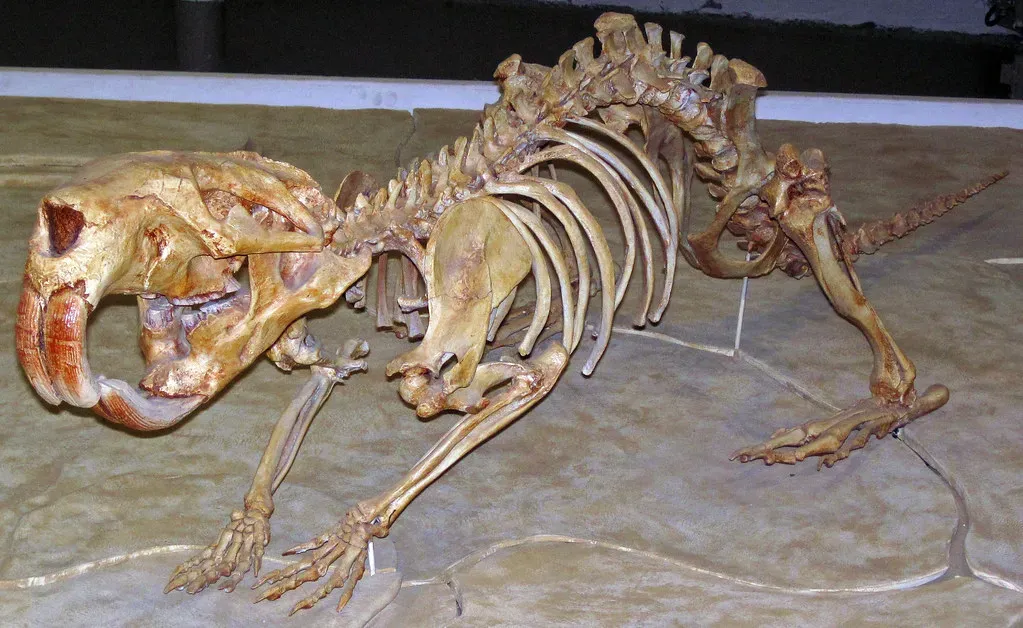
Castoroides ohioensis, the bear-sized beaver of Pleistocene North America, was long assumed to have vanished cleanly with the ice sheets around 10,000 years ago. For decades, museum placards treated that number as gospel because early radiocarbon labs simply didn’t have the precision to catch stragglers.
Modern AMS dating and better collagen purification have since flagged younger specimens that don’t fit the old narrative, forcing researchers to admit the beaver’s disappearance was messier and more drawn-out than a single clean cutoff. Once scientists reprocessed old collagen samples with modern ultrafiltration, “final” dates across multiple species started drifting younger, and giant beavers became a quiet case study in why paleontologists no longer trust a single old radiocarbon run. Wait until you see what #13 does to that same assumption.
#13 – Short-Faced Bears Hanging On Longer Than Expected
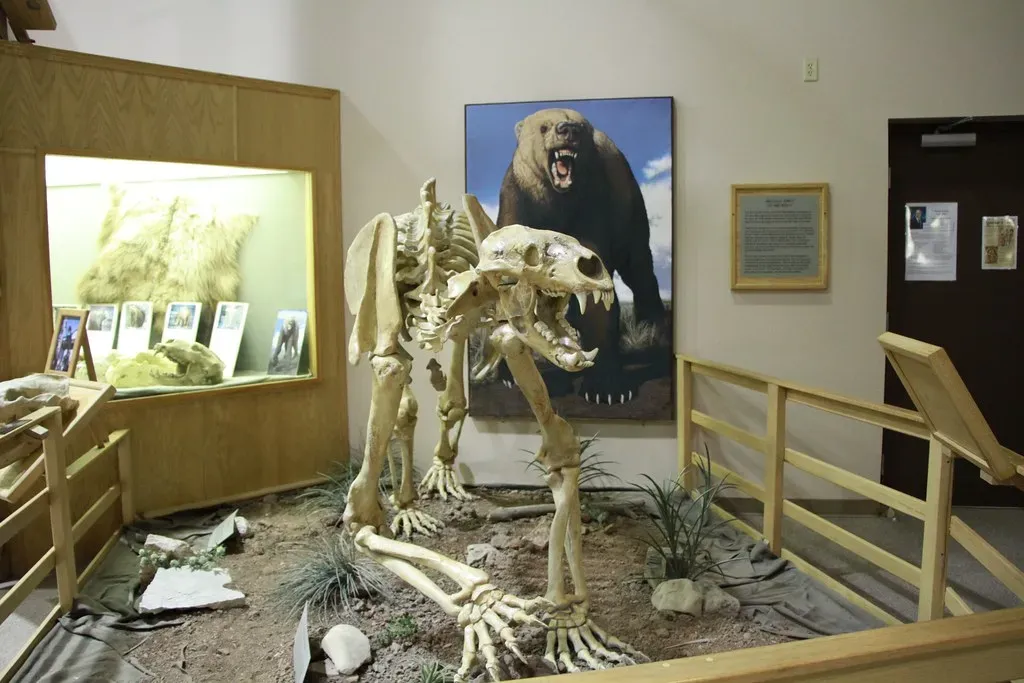
Arctodus simus, the towering short-faced bear that could reportedly look a modern grizzly in the eye while on all fours, was historically pegged as an early Ice Age casualty. Turns out, that early cutoff was more about sparse sampling than biological reality.
As researchers dig through museum backlogs and re-date previously untested specimens, the bear’s last-appearance record keeps creeping toward the very end of the Pleistocene rather than sitting comfortably in its middle. The bigger issue is collagen degradation – bones this old often contain barely enough surviving protein to date accurately, and older techniques regularly returned unreliable, inflated ages. Every time a lab reruns a short-faced bear bone with better contamination controls, the fossil record gets a little younger and a little messier. And #12 pulls that same rug out from under an entire tar pit.
#12 – American Lions Rewriting Their Own Timeline
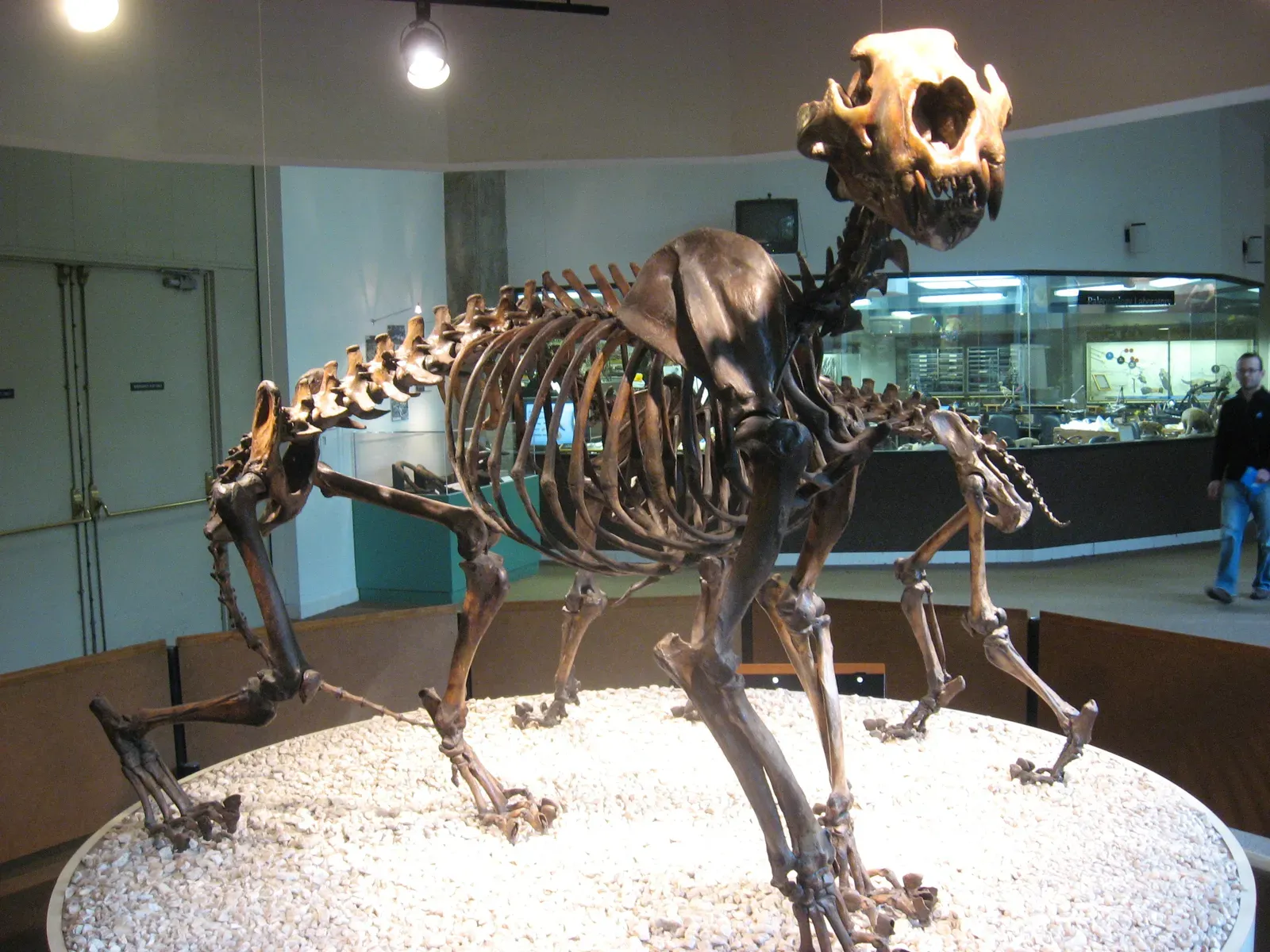
Panthera atrox, the outsized cousin of the modern lion that once stalked Ice Age California, was long lumped into the same tidy 11,000-years-ago extinction bucket as everything else at La Brea. That bucket has cracked open.
A team of 19 scientists obtained more than 170 new radiocarbon dates on La Brea Tar Pits fossils, focusing on animals that vanished around 12,700 years ago. The project wasn’t just confirming an old number – it was testing whether every species died out at the exact same moment, and the answer turned out to be no. Some predator populations, including the American lion, show date scatter suggesting survival closer to the tail end of that window than previously assumed, not a synchronized mass death. That single discrepancy forced paleontologists to stop treating “the Pleistocene extinction” as one event and start treating it as a staggered collapse. Wait until you see what the same tar pit data does to dire wolves.
Fast Facts
- 19 researchers contributed to the La Brea re-dating project
- More than 170 new radiocarbon dates were generated
- Focus window: fossils clustering around 12,700 years ago
- Findings show extinction was staggered, not simultaneous
#11 – Dire Wolves and the La Brea Data Bomb
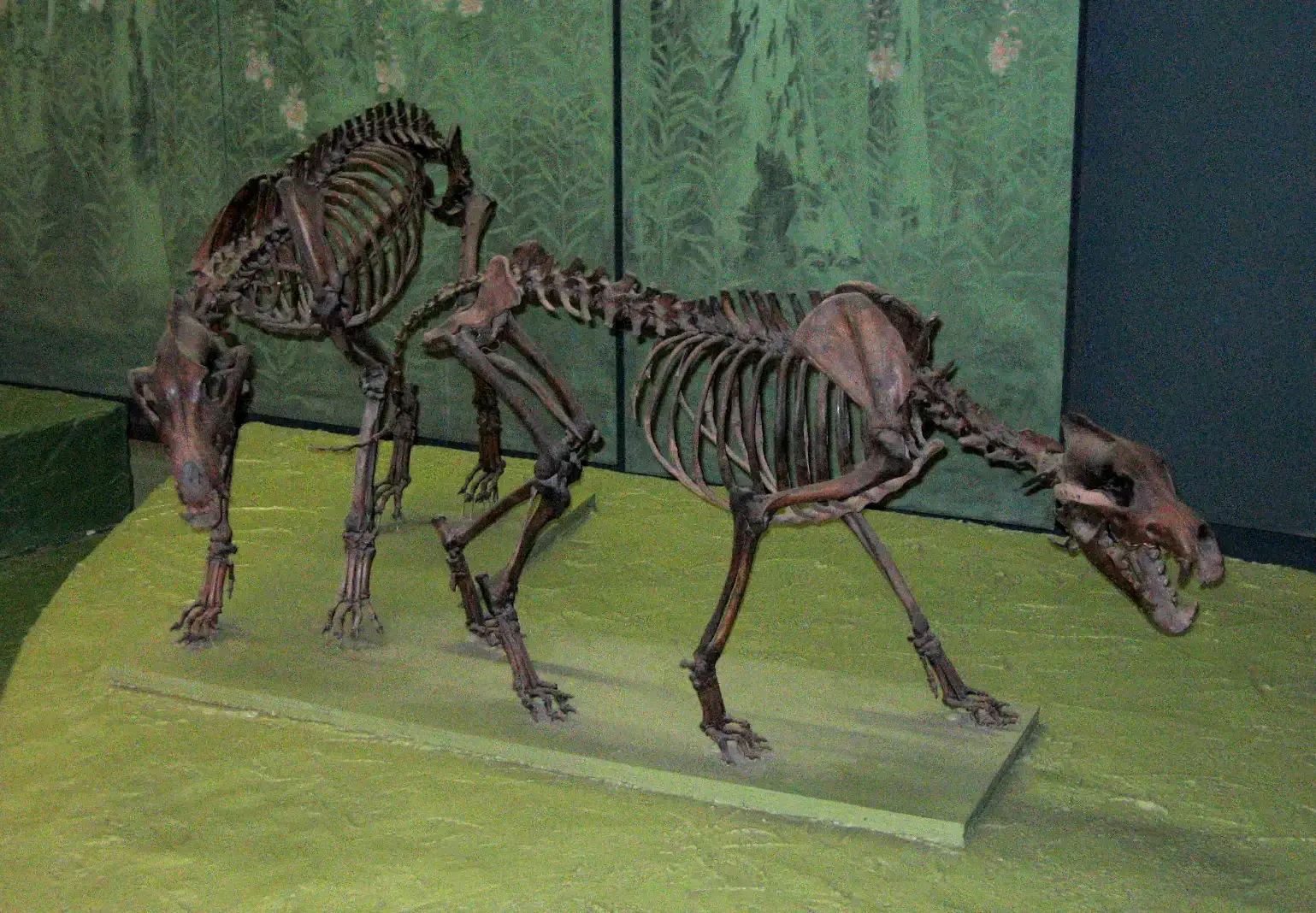
Dire wolves are having a cultural moment thanks to pop culture, but the real headline is buried in tar pit chemistry, not fantasy shows. The same 170-plus-date La Brea project focused specifically on the last large mammals of Southern California, using a dating method built for fossils preserved in asphalt.
Asphalt is notoriously difficult to date because petroleum contamination throws off radiocarbon readings, meaning earlier dire wolf extinction estimates were built on shakier ground than anyone admitted. Once researchers isolated fossils from contamination and reran the numbers, the tight extinction window scientists had argued over for decades suddenly needed recalibrating. Whether human hunters or a changing climate drove the disappearance remains unresolved, even with better dates. What’s clear is that the old “clean cutoff” version of dire wolf extinction no longer survives asphalt-adjusted scrutiny. #10 pushes this exact same problem into overdrive.
#10 – Smilodon’s Slow Fade, Not a Sudden Death
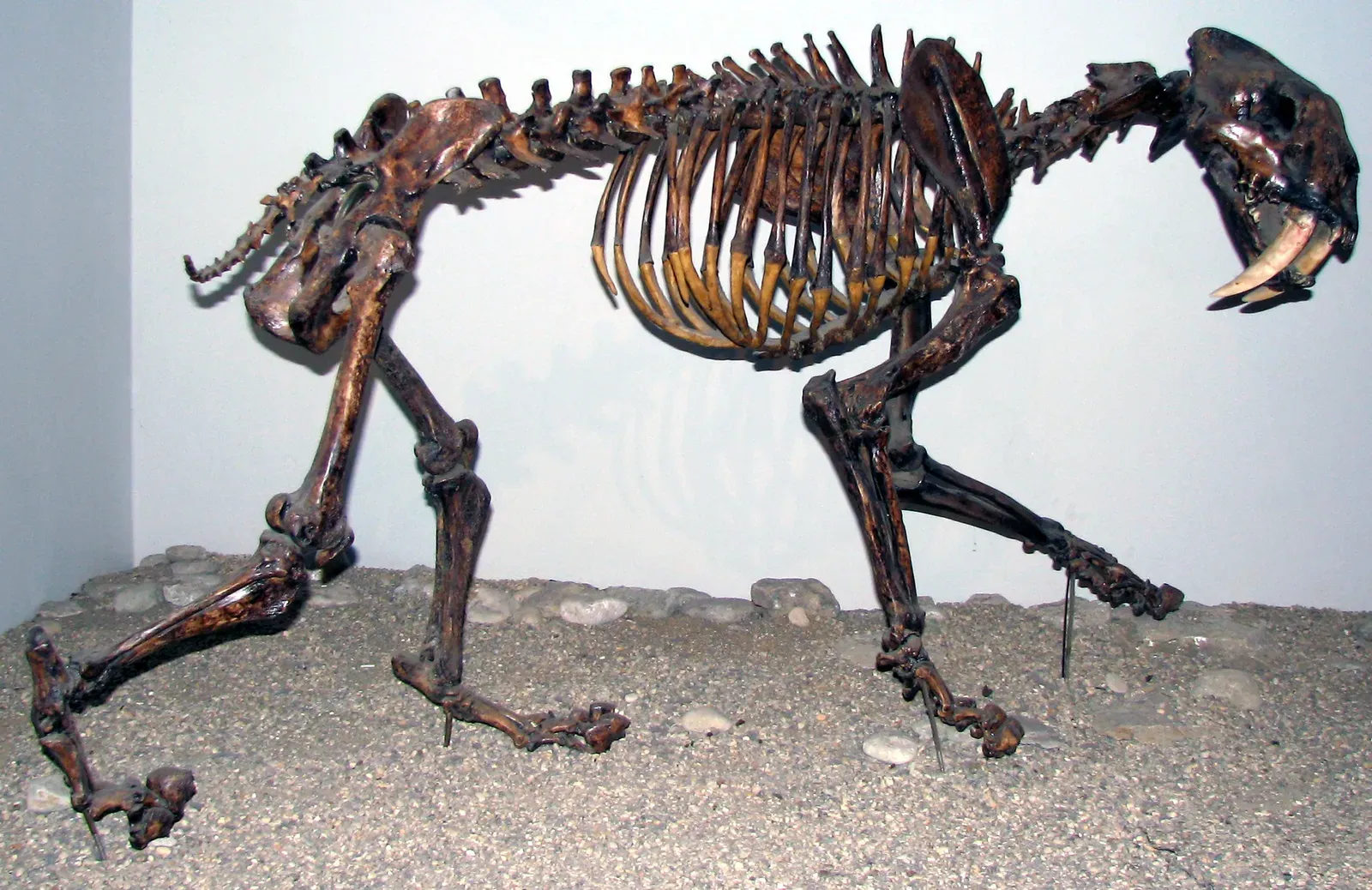
The saber-toothed cat is the poster child for instant Ice Age extinction, but the fossil evidence tells a slower, messier story. Around 12,700 years ago, North America lost roughly 70 percent of its large mammals, including Smilodon, in a megafaunal extinction event paleontologists have argued over for more than half a century.
That “around” is doing heavy lifting. New asphalt-corrected radiocarbon dates from the La Brea project reveal individual Smilodon specimens scattered across a far wider window than the old single-date estimates suggested. This isn’t an instant snapshot extinction – it’s a slow bleed that stretched across generations, with some populations persisting in refugia while others collapsed earlier. Researchers now debate whether overhunting by growing human populations or Ice Age environmental collapse drove the pattern. Either way, “Smilodon went extinct 10,000 years ago” is officially too simple a sentence – and #9 makes an entire species disappear region by region instead of all at once.
#9 – Woolly Rhinos Surviving Their Own Obituary
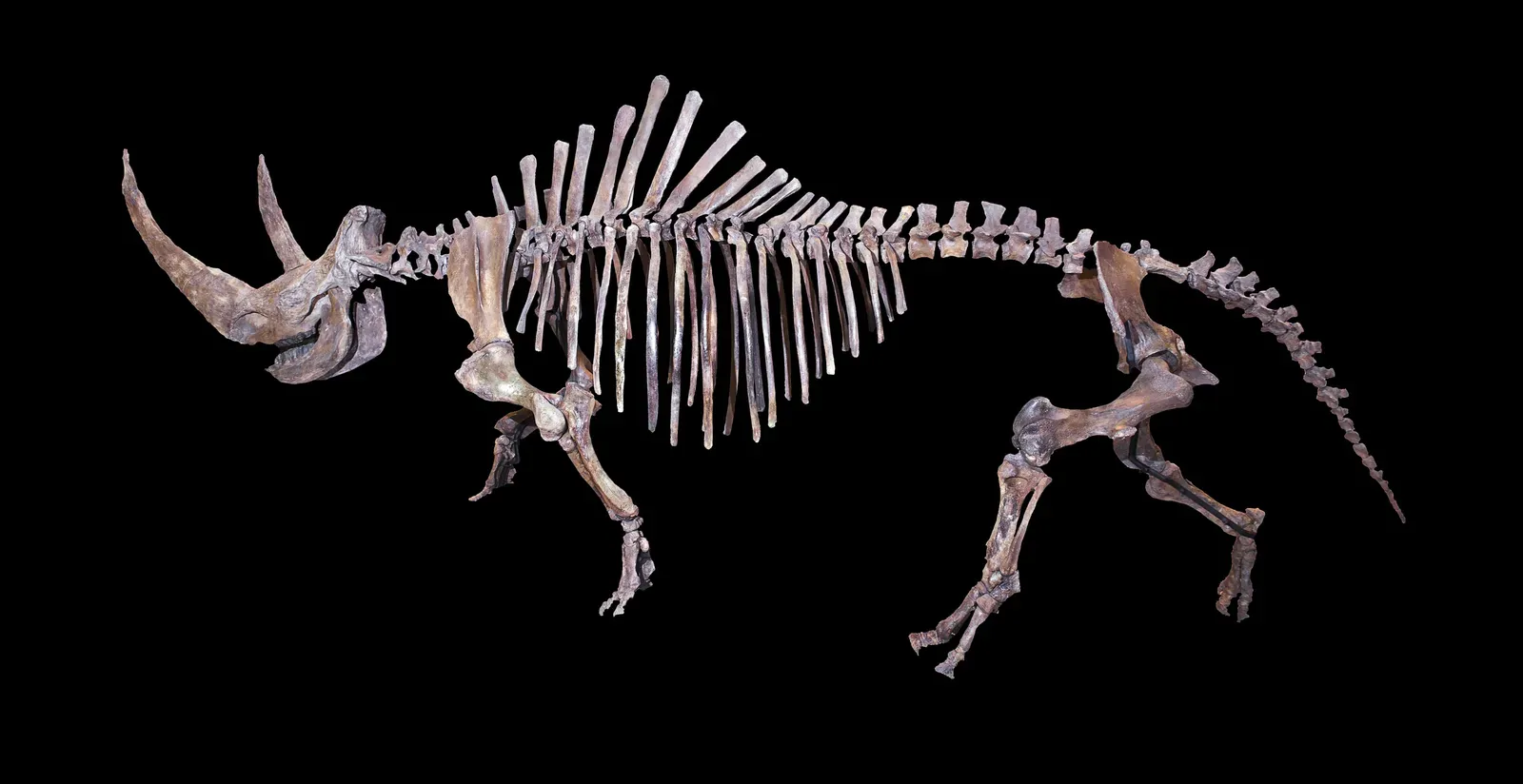
The woolly rhinoceros, shaggy and armored like a tank built for tundra, was long thought to have vanished cleanly with the last glacial maximum across Eurasia. Large-scale radiocarbon compilations changed that picture.
Researchers building comprehensive extinction chronologies compared hundreds of dated specimens across Northern Eurasia and found the disappearance wasn’t uniform – some regional populations held on considerably longer than isolated early finds implied. Woolly rhinos didn’t die out as a single continental population; they shrank and fragmented region by region, with survival timing varying by hundreds to thousands of years depending on location. This matches a pattern now documented across nearly every Eurasian megafauna species: the “last known fossil” is rarely the true last individual, just the last one anyone happened to find and date. #8 takes that same problem and applies it to an animal most people confuse with a mammoth.
#8 – American Mastodons Refusing to Read the Textbook
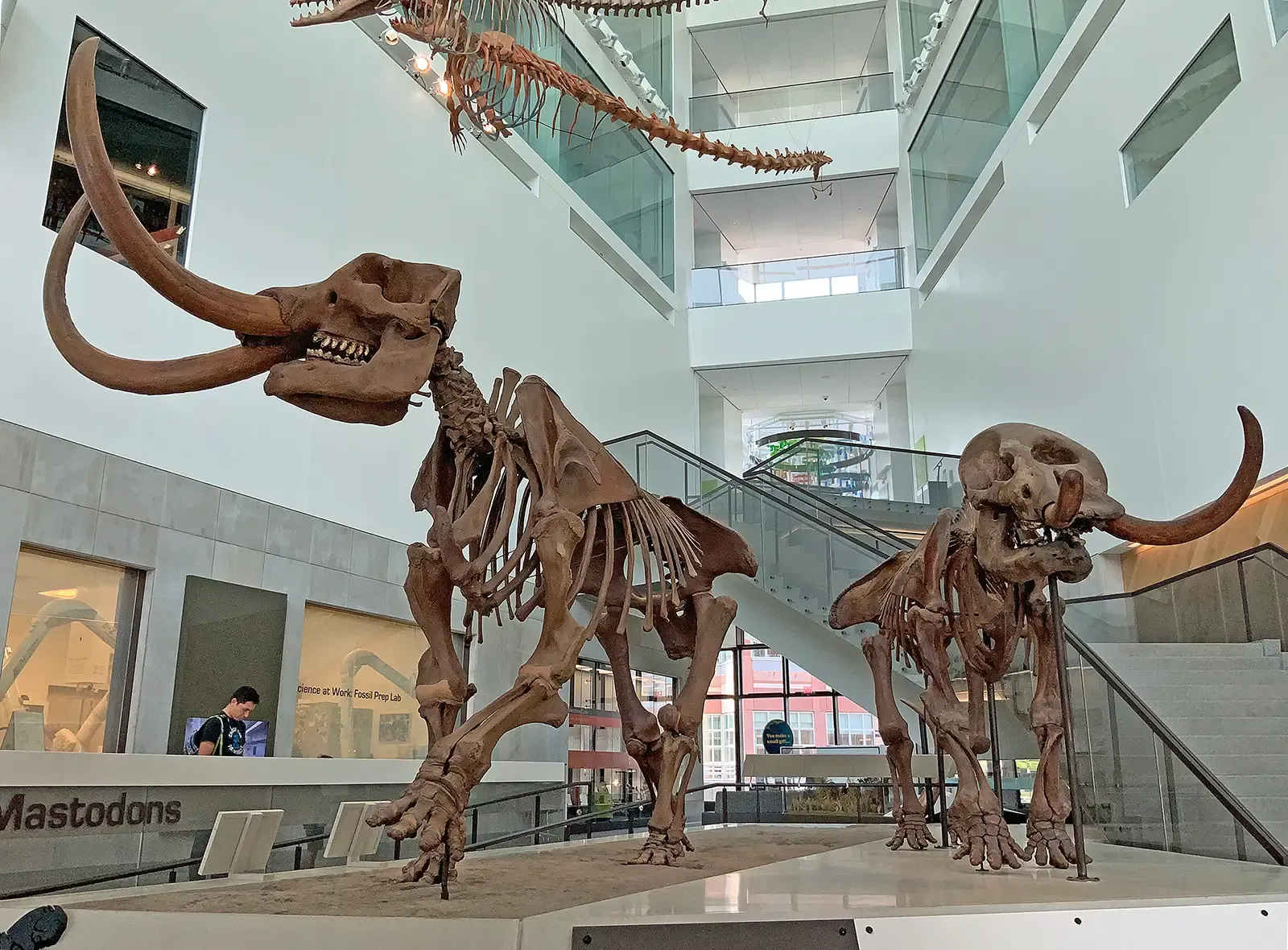
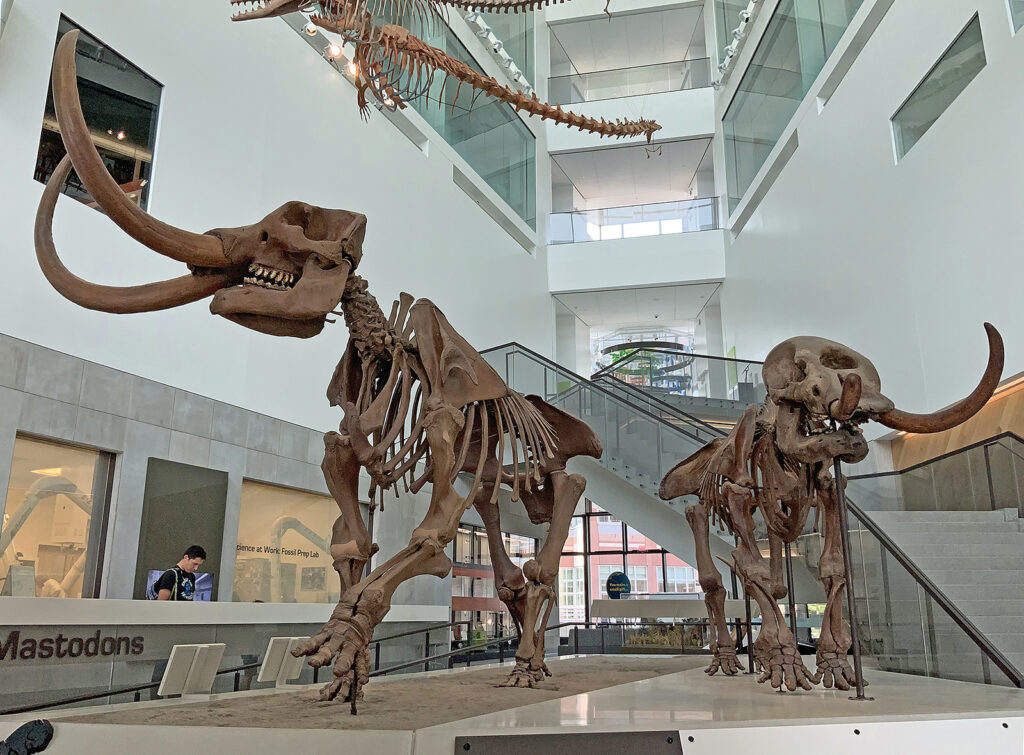
Mastodons get lumped together with mammoths constantly, but they’re a genetically distinct lineage with their own separate, and separately revised, extinction story. For years, the standard narrative placed their disappearance neatly alongside the Clovis-era mammoth die-off around 12,000 to 11,000 years ago.
Regional radiocarbon work using modern pretreatment protocols has flagged younger specimens in pockets across North America that don’t fit that tidy window. Improved collagen extraction keeps surfacing mastodon bones that date later than the “official” cutoff, suggesting isolated populations persisted in refugia after the main die-off. Scientists studying the broader Late Quaternary extinction database have openly admitted that shaky collagen purification methods could still be quietly warping how we date megafauna extinctions – and even how they line up against human migration timelines. In plain terms: mastodon dates are still shifting, and they’re probably not done yet. #7 belongs to an island nobody expected to matter.
#7 – Hispaniola’s Sloths That Missed the Memo
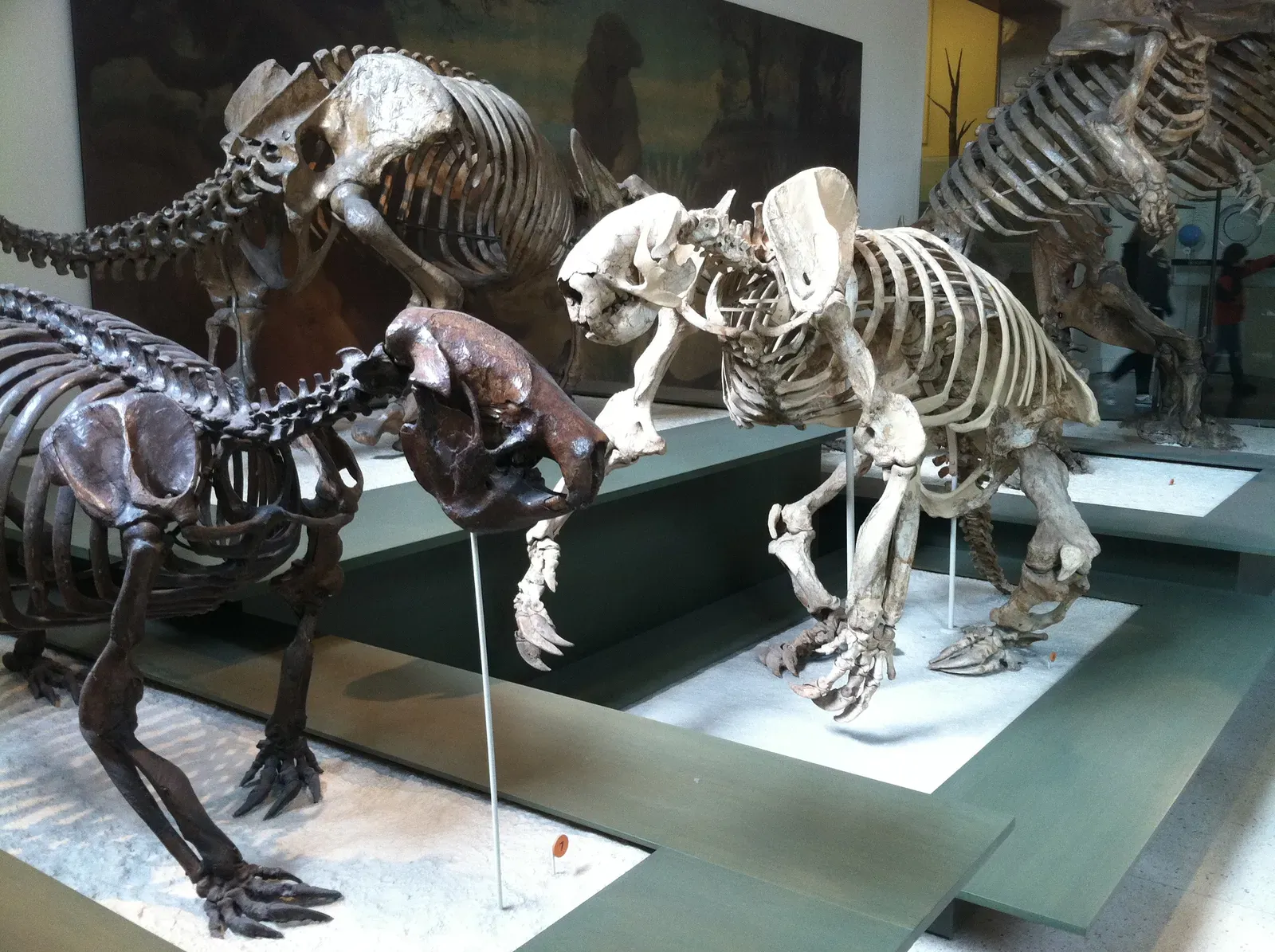
While Cuba gets most of the attention for its late-surviving ground sloths, neighboring Hispaniola quietly hosted its own holdouts that scientists almost missed entirely. Smaller sloths persisted even longer than Cuba’s largest species – Parocnus lived until about 4,960 years ago, and the small ground sloth Neocnus trundled around Hispaniola until roughly 4,500 years ago.
That’s not a rounding error. That’s nearly 5,000 years after mainland ground sloths had already vanished from Florida to Patagonia. These islands acted as evolutionary time capsules, isolating small sloth populations from the mainland extinction event entirely. Researchers now suspect the arrival of the first island-hopping humans, rather than climate, tipped these final holdouts into oblivion. Every new cave excavation in the Caribbean has the potential to shave that timeline down further – and #6 already did exactly that.
Quick Compare
- Mainland ground sloths (Florida to Patagonia): gone by roughly 10,000-11,000 years ago
- Megalocnus (Cuba): survived to at least 4,200-6,250 years ago, depending on the sample
- Parocnus (Hispaniola): lasted until about 4,960 years ago
- Neocnus (Hispaniola): held on until roughly 4,500 years ago
#6 – Cuba’s Giant Sloth Living Through the Bronze Age
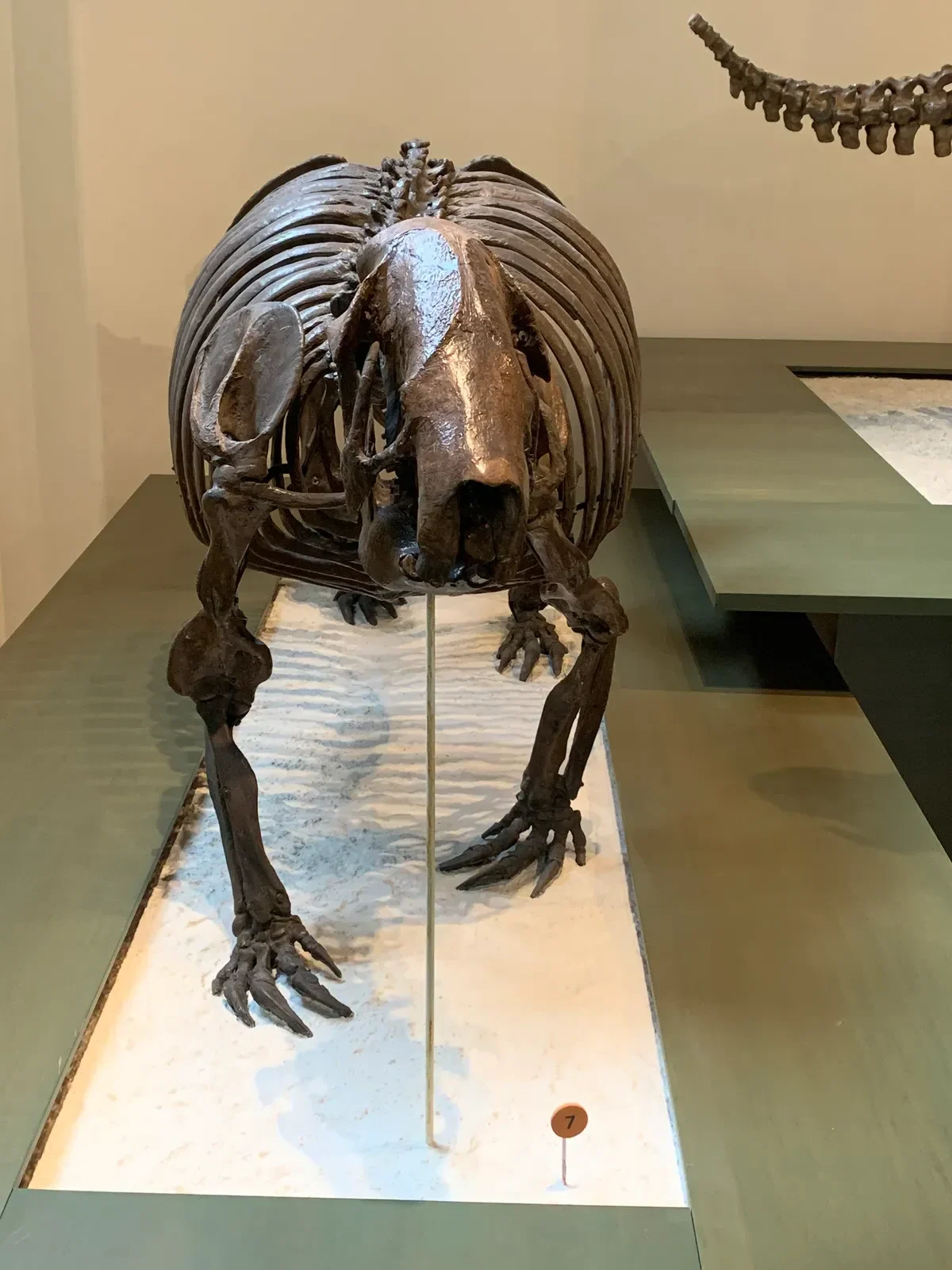
Megalocnus rodens, a pig-sized ground sloth unique to Cuba, might be the single best example of how badly the old extinction dates undersold reality. Remains found in a limestone cave on the island first put Megalocnus at surviving until at least 6,250 years ago – and that number didn’t hold for long.
A follow-up study from a different research team published a new, younger date for the same species, estimating from a single tooth found on the island that the ground sloth survived to at least 4,200 years ago. That’s a nearly 2,000-year revision from one tooth, and researchers openly acknowledge last-appearance dates get rewritten constantly as new finds and better techniques arrive. Some estimates even suggest survival closer to 2819-2669 BCE, meaning these sloths may have shared the planet with the builders of the Great Pyramid. #5 doesn’t even need a bone to make its case.
#5 – Alaska’s “Ghost Horses” Living in the Soil
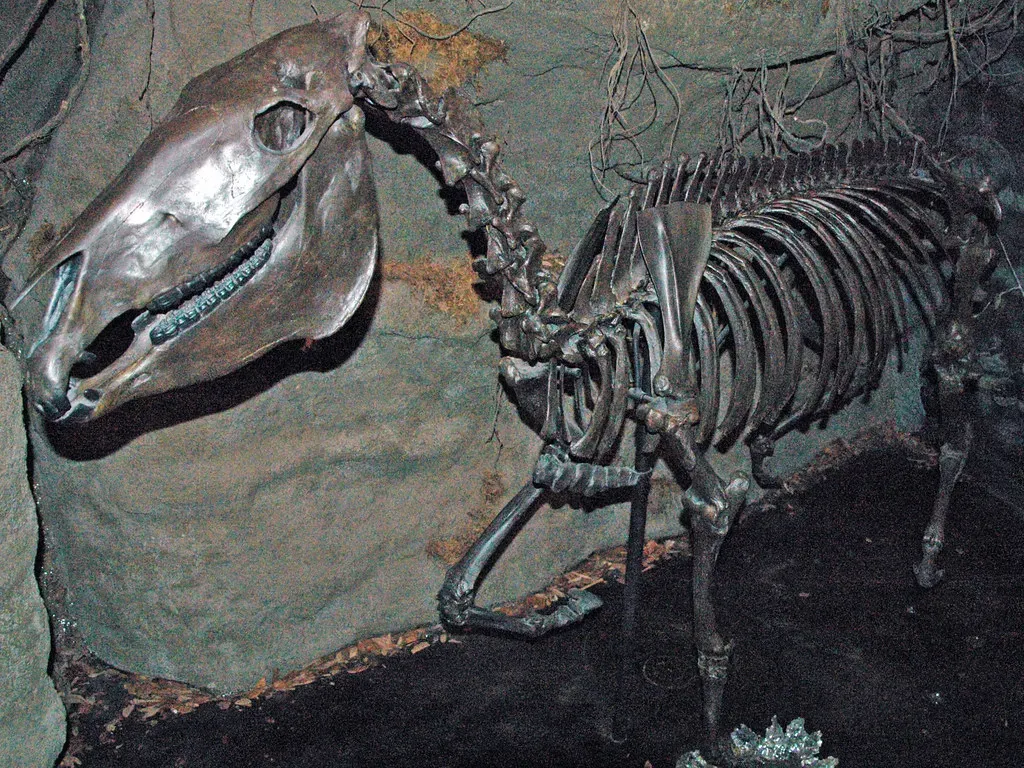
Nobody expected the DNA hiding in frozen Alaskan dirt to rewrite equine extinction timelines, but that’s exactly what happened. Samples taken from undisturbed permafrost show mammoth and horse DNA dating back to 7,600 years ago – a full four millennia after fossil bone evidence suggested horses had vanished from the region.
After plucking ancient DNA straight from frozen soil in central Alaska, researchers uncovered “genetic fossils” of both mammoths and horses locked into permafrost samples dated between 10,500 and 7,600 years ago. No bones were needed at all – the genetic material survived directly in the dirt itself, a technique now called sedimentary ancient DNA. This finding matters because it proves fossil scarcity doesn’t equal extinction; these animals may have simply become too rare to leave bones anyone would ever find. It’s one of the strongest arguments yet that “last fossil found” and “last animal alive” are two very different dates – and #4 belongs to a creature most people don’t even believe was real.
#4 – The Giant Deer That Outlived the Ice Age by Millennia
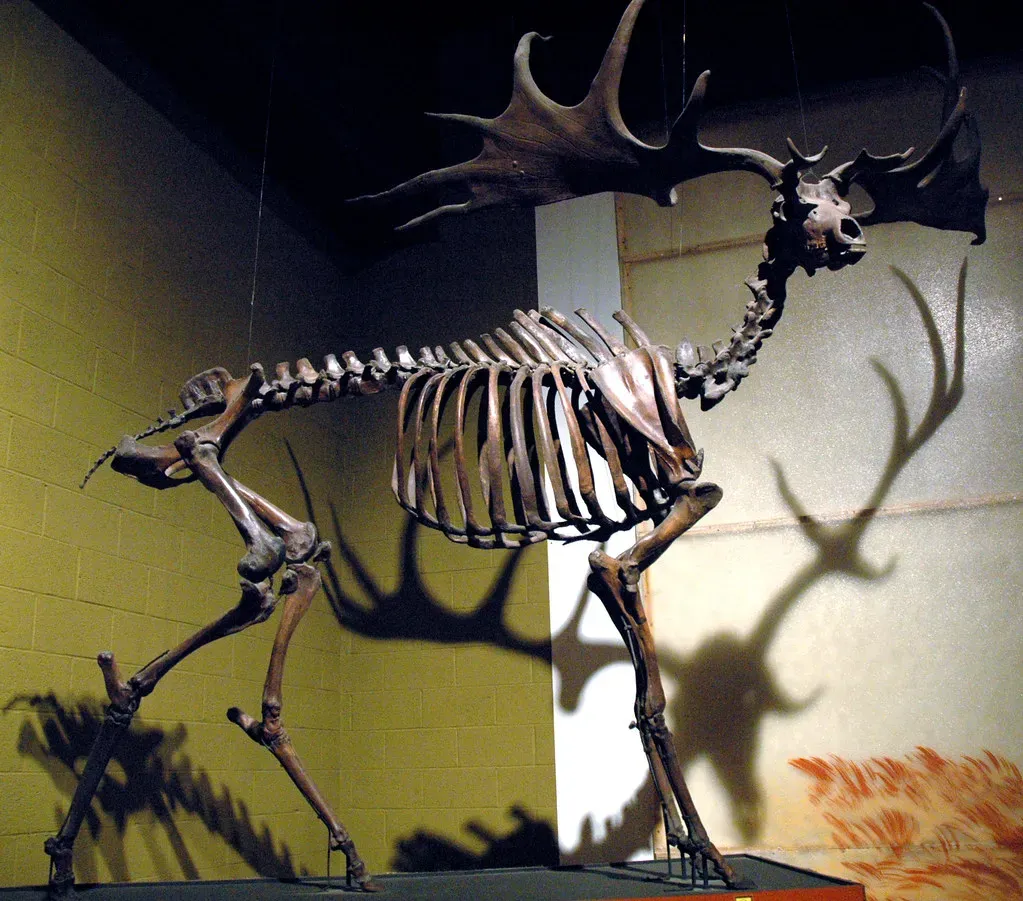
The so-called “Irish elk” wasn’t Irish, wasn’t an elk, and – as it turns out – didn’t die when everyone thought it did either. For decades, the standard theory said it starved to death as the Ice Age ended.
But fossils uncovered in Siberia tell a different story, dating to roughly 7,000-8,000 years ago – deep into a warm period the species supposedly couldn’t have survived. A mapping project of 76 direct radiocarbon dates on the species showed it survived well into the Holocene, to roughly 7,700 years ago in a restricted pocket of the Urals and western Siberia. That’s a genuine 4,000-year revision from the old European extinction estimate. While the species vanished from Ireland and Britain around 12,000 years ago as the climate turned brutal, a relict population quietly persisted in Siberian river valleys long after Stonehenge-era humans were already farming elsewhere in Europe. This staggered, region-by-region collapse is now the accepted model for nearly every large Ice Age herbivore. #3 hides an entire mammoth population nobody talks about.
#3 – St. Paul Island’s Forgotten Mammoth Refuge
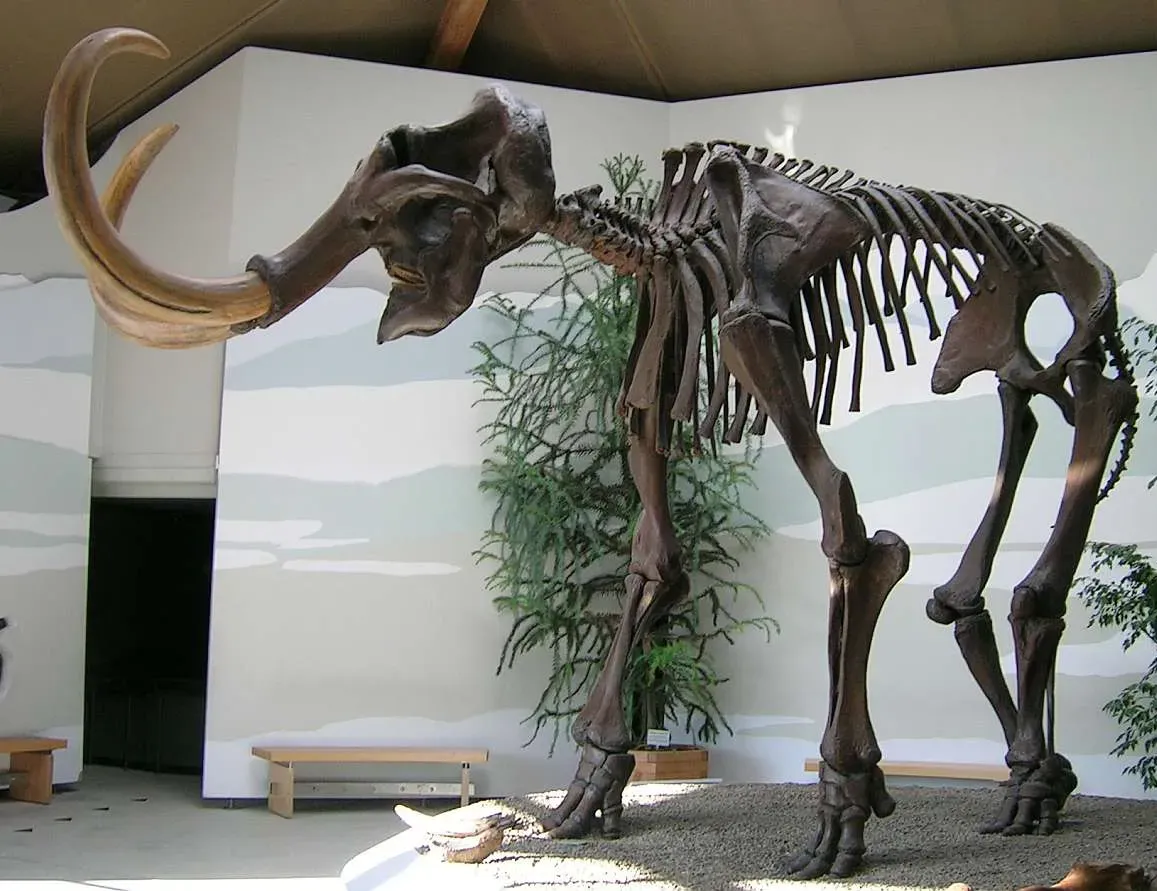
Everyone knows about Wrangel Island’s famous mammoth holdouts, but almost nobody talks about the population that beat them to isolation by thousands of years. A population on St. Paul Island in the Bering Sea persisted until approximately 5,600 years ago, cut off from the mainland by rising post-glacial sea levels.
Researchers concluded that the synergistic effects of shrinking island area and freshwater scarcity, both caused by continued sea level rise, likely finished off these St. Paul Island mammoths. Unlike the Wrangel Island story, there’s no genetic meltdown narrative here – it looks like a straightforward ecological squeeze, an island literally shrinking beneath their feet until there wasn’t enough fresh water left to sustain them. This case is controversial precisely because it suggests environment alone, without any human hunting pressure, was enough to finish off a mammoth population. That’s an uncomfortable data point for anyone insisting humans were solely responsible for the Ice Age extinctions. #2 is the most famous mammoth mystery in paleontology, and it’s still not solved.
Worth Knowing
- St. Paul Island mammoths survived until about 5,600 years ago
- No genetic collapse evidence has been found, unlike on Wrangel Island
- Extinction is linked to shrinking island size and freshwater scarcity
- No evidence of human hunting pressure has turned up at the site
#2 – Wrangel Island’s Genetically Broken Survivors
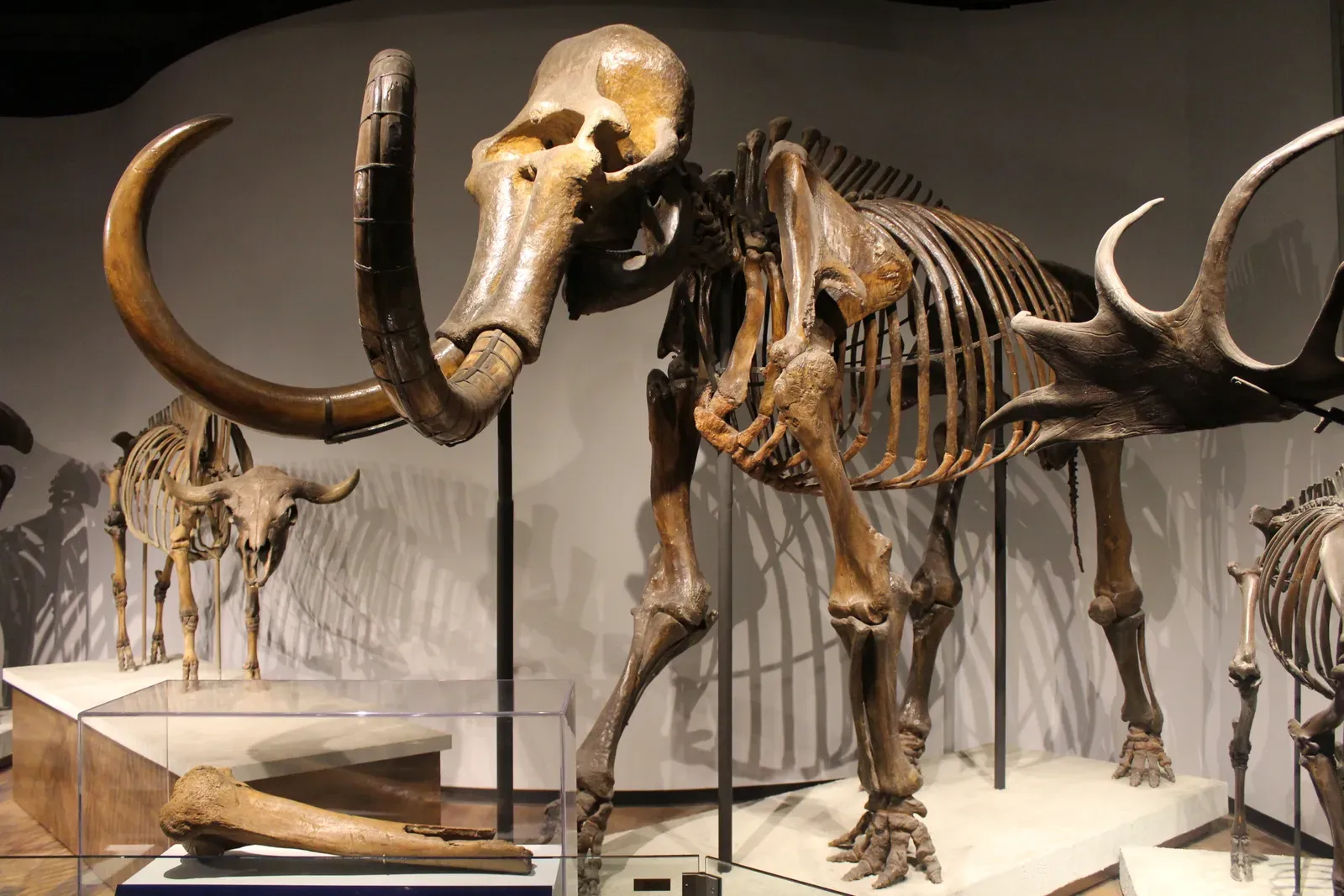
If St. Paul Island’s mammoths had a quiet ecological ending, Wrangel Island’s had a genuinely tragic one – and the details keep getting stranger with every new genome sequenced. Woolly mammoths became isolated on Wrangel Island off the coast of Siberia around 10,000 years ago and persisted for over 200 generations before going extinct around 4,000 years ago.
Older research assumed a slow genetic collapse from inbreeding, but newer genome work complicates that story. Results from analyzing 21 woolly mammoth genomes show the population actually recovered quickly from a severe bottleneck and stayed demographically stable through the ensuing six millennia. That means the population wasn’t withering away for thousands of years – something sudden likely finished them off near the very end. Climate change alone doesn’t appear to have driven them to extinction, and there’s no clear evidence humans hunted the last of them, which leaves the true cause genuinely unresolved. This is arguably the most-cited “extinction date revised later” case in all of paleontology, and it still isn’t fully solved. #1 is the discovery that changed how the entire field thinks about “final” extinction dates.
#1 – The Mammoths That Outlived the Pyramids
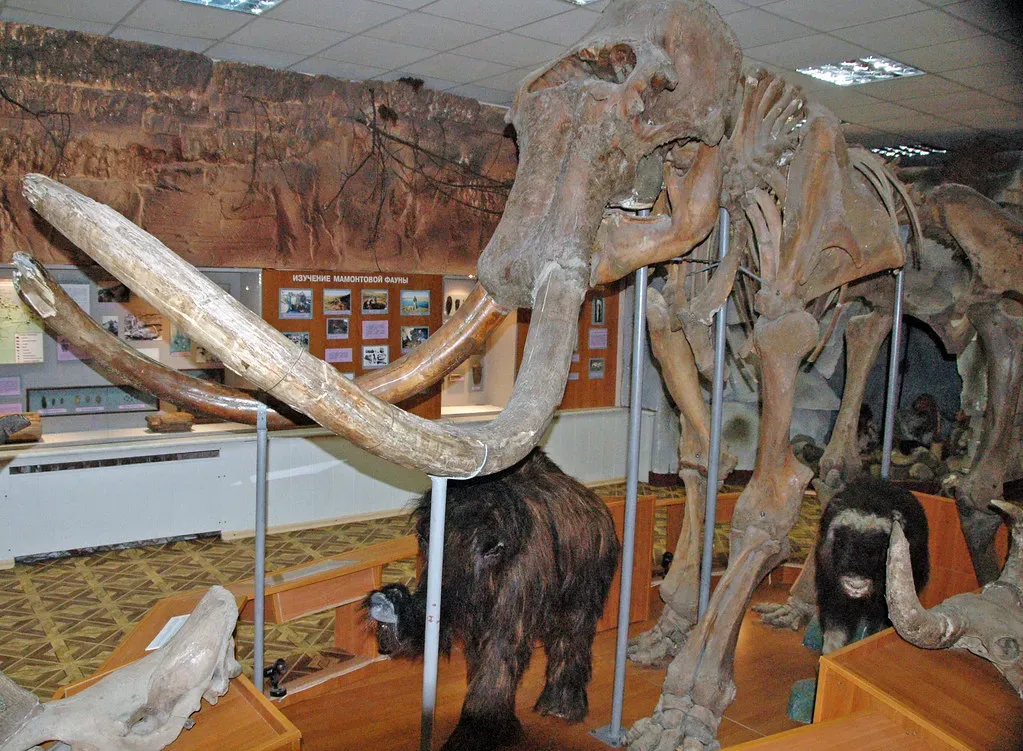
Here’s the fact that breaks everyone’s mental timeline: woolly mammoths were still alive, breeding, and roaming Arctic tundra while ancient Egyptians were quarrying limestone for the Great Pyramid of Giza. The shaggy beasts had found their way to Wrangel Island around 10,000 years ago, and the very last of them didn’t perish until roughly 4,000 years ago.
When this was first proposed, the scientific community was stunned. The Wrangel Island find of dwarf mammoths stretched mammoth extinction chronology another 6,000 years, straight into the age of the pharaohs. Not since the earliest days of radiocarbon dating had anyone seriously suggested mammoths survived into the mid-Holocene. This single discovery is the reason paleontologists now assume every “final” extinction date is provisional. If an entire species of ten-ton animals could hide from science for 6,000 years past its supposed extinction, what else are we still getting wrong? That question alone reshaped how an entire field approaches the fossil record.
At a Glance
- Wrangel Island mammoths arrived around 10,000 years ago
- The last individuals died out roughly 4,000 years ago
- That’s about 6,000 years later than earlier extinction estimates
- Their survival overlapped with the construction of the Great Pyramid of Giza
The Bottom Line
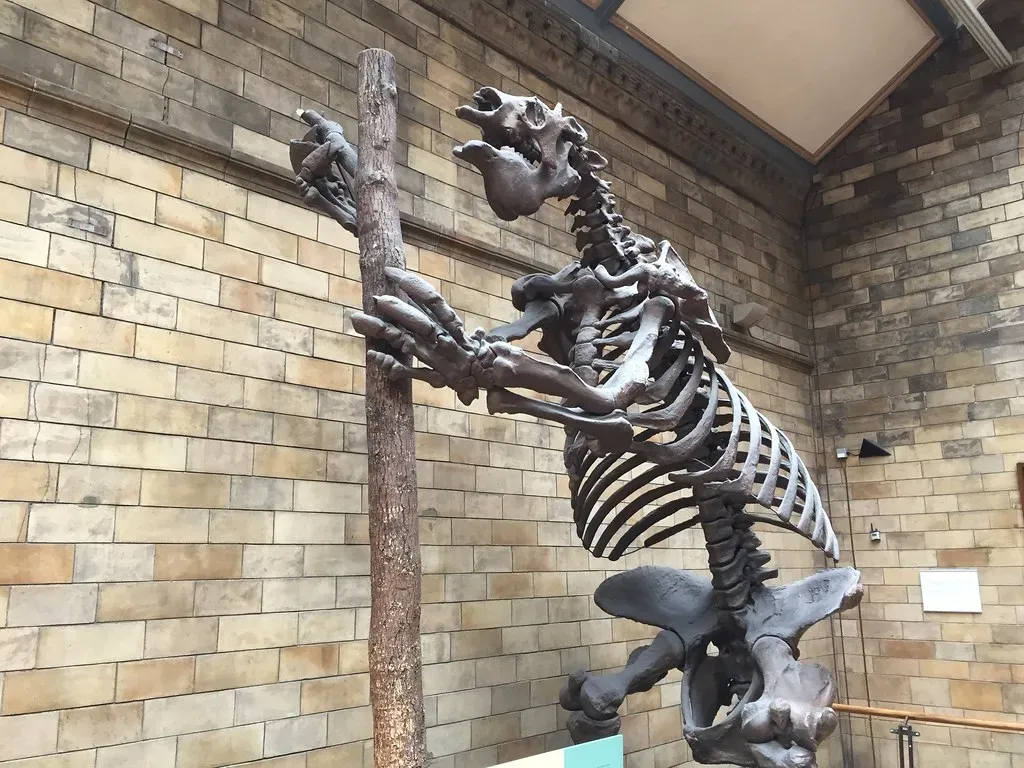
The real lesson here isn’t just that mammoths outlived the pyramids – it’s that “extinct” has become a moving target for almost every Ice Age giant we’ve studied. Every single species on this list got a later death date once scientists had better tools, whether that meant asphalt-corrected radiocarbon at La Brea, sedimentary DNA in Alaskan permafrost, or a single tooth from a Cuban cave.
Honestly, paleontology should probably stop publishing “final” extinction dates altogether and start treating every number as temporary, because that’s clearly what the evidence keeps demanding. The animals never got the memo that they were supposed to be gone – the science just hadn’t caught up yet. Which one surprised you the most?