Most people assume the fossil record is a settled filing cabinet – neat rows of skeletons confirming everything your ninth-grade biology teacher said. That assumption is wrong. Paleontologists quietly rewrite the story every few years, and some of the biggest revisions never came from a museum hall. They came from unglamorous patches of dirt most tourists would walk right past.
A footprint trail in New Mexico. A hippo bone in Kenya. A fish fossil hiding a beating heart in the Australian outback. Each one forced scientists to rewrite dates, rethink “firsts,” and quietly admit that entire chapters of the textbook were built on incomplete evidence. Here’s what the actual dig sites reveal – starting with the one that turned a poisoned lake into a 47-million-year-old time capsule.
“The geological record is extremely imperfect, and this fact will to a large extent explain why we do not find interminable varieties, connecting together all the extinct and existing forms of life.”
Charles Darwin
#15 – Messel Pit: The Volcanic Lake That Rewrote Mammal History
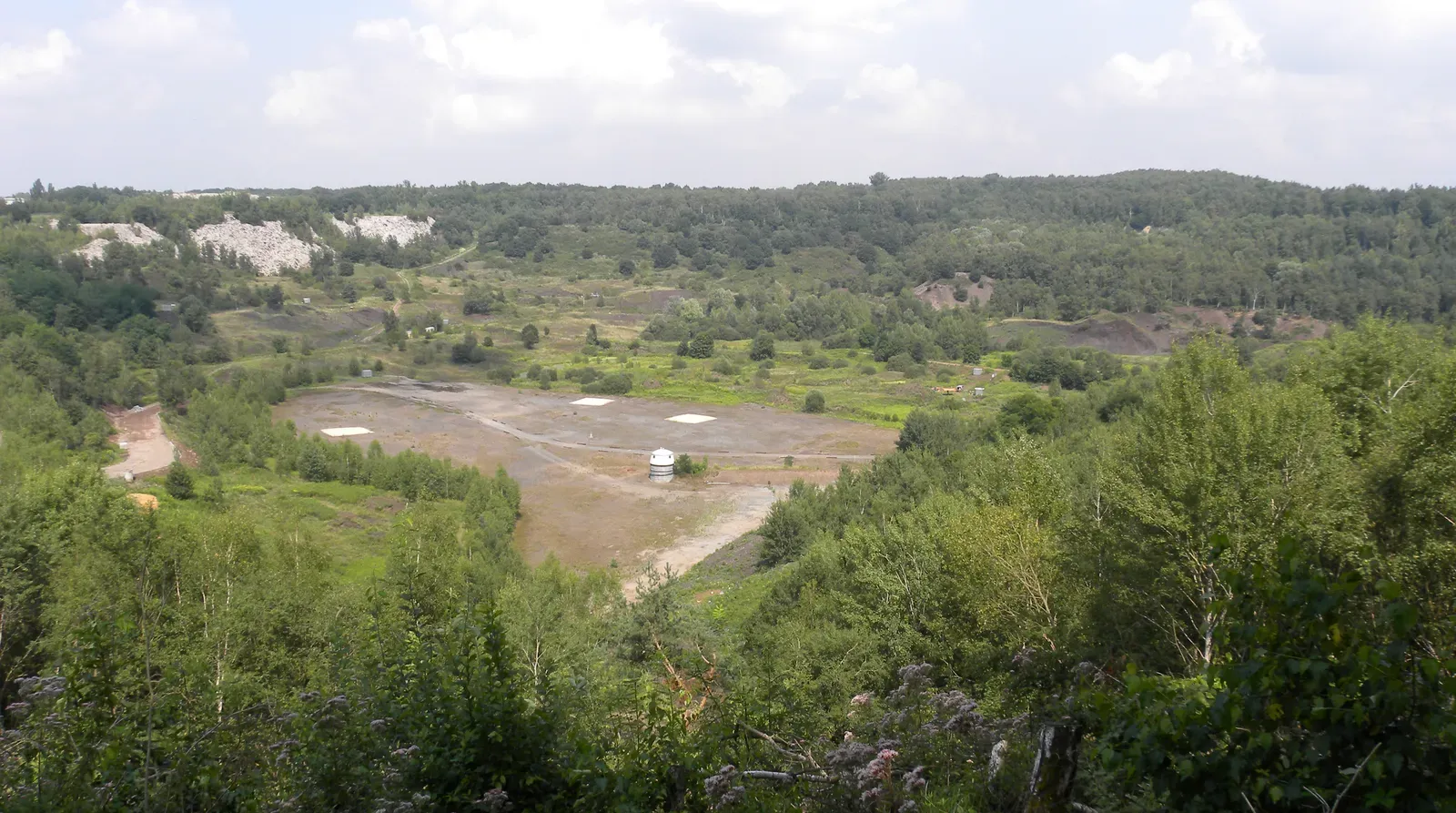
A collapsed volcanic crater in Germany turned into one of the most information-dense fossil deposits on Earth, and it did it by poisoning everything that came near it.
Messel Pit formed roughly 47 million years ago as a stagnant, oxygen-poor lake that periodically released toxic gas, killing animals on its shores and preserving them in fine oil-shale sediment at the bottom. The result is a snapshot of early mammal life just a few million years after the dinosaurs vanished, including bats, primates, and horse-sized ancestors with soft tissue, stomach contents, and even fur outlines intact. Fossilized skin pigment cells recovered here have let researchers reconstruct actual coloration, something once considered impossible for anything older than a few thousand years. This single pit did more to fill in the “dark age” right after the dinosaur extinction than decades of scattered bone fragments elsewhere. But the drama at #14 isn’t about ancient poison – it’s about erasing a myth almost everyone still believes.
Fast Facts
- Formed roughly 47 million years ago inside a collapsed volcanic crater
- Recognized as a UNESCO World Heritage Site for its scientific value
- Preserves bats, primates, and early horse ancestors with soft tissue intact
- Fossilized pigment cells have let scientists reconstruct actual skin coloration
#14 – La Brea Tar Pits: The Extinction Timeline Got a Lot Messier
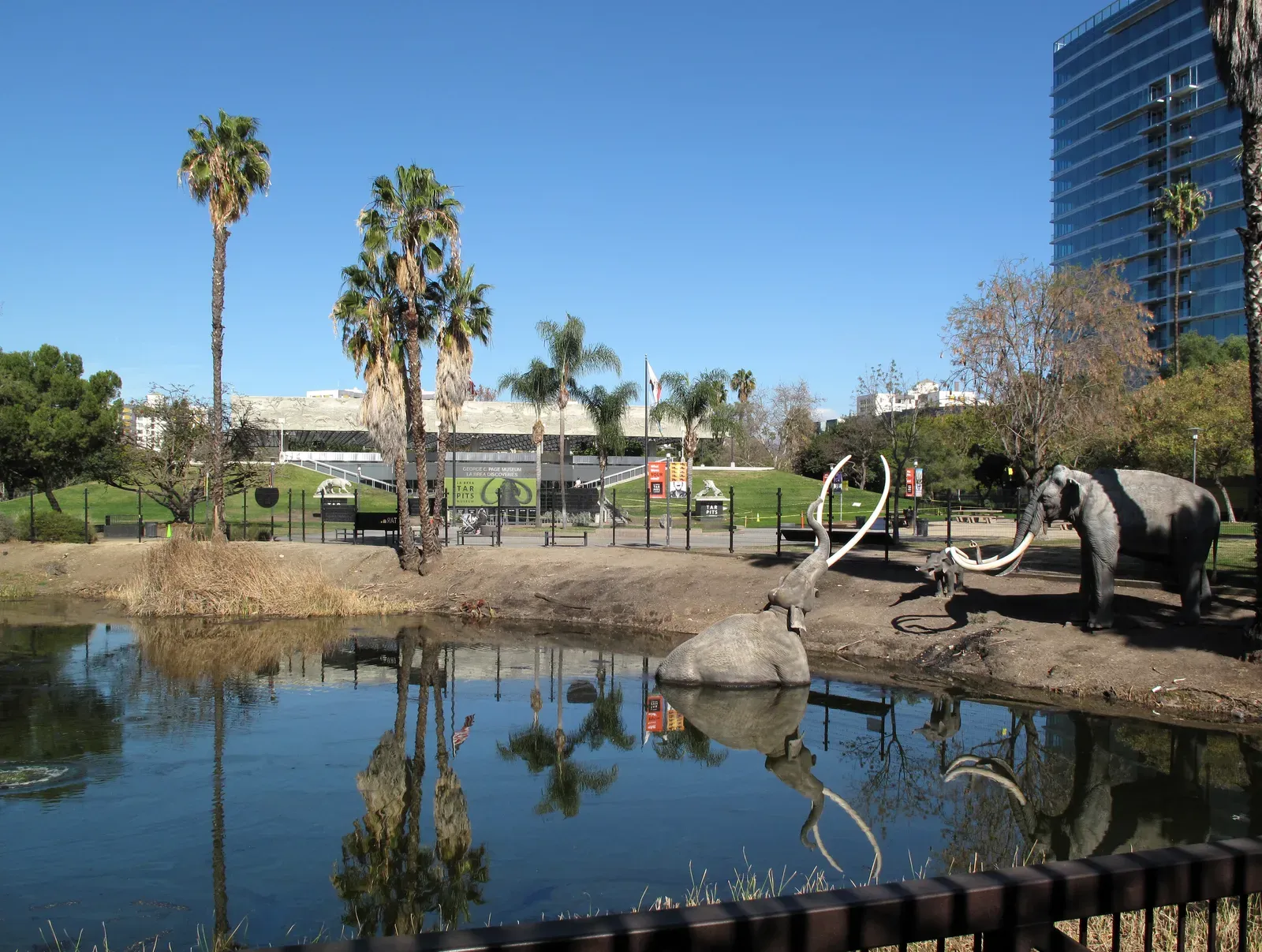
Everyone knows the tar pits trapped saber-toothed cats and mammoths, but the real controversy is about when and why the Ice Age megafauna actually disappeared.
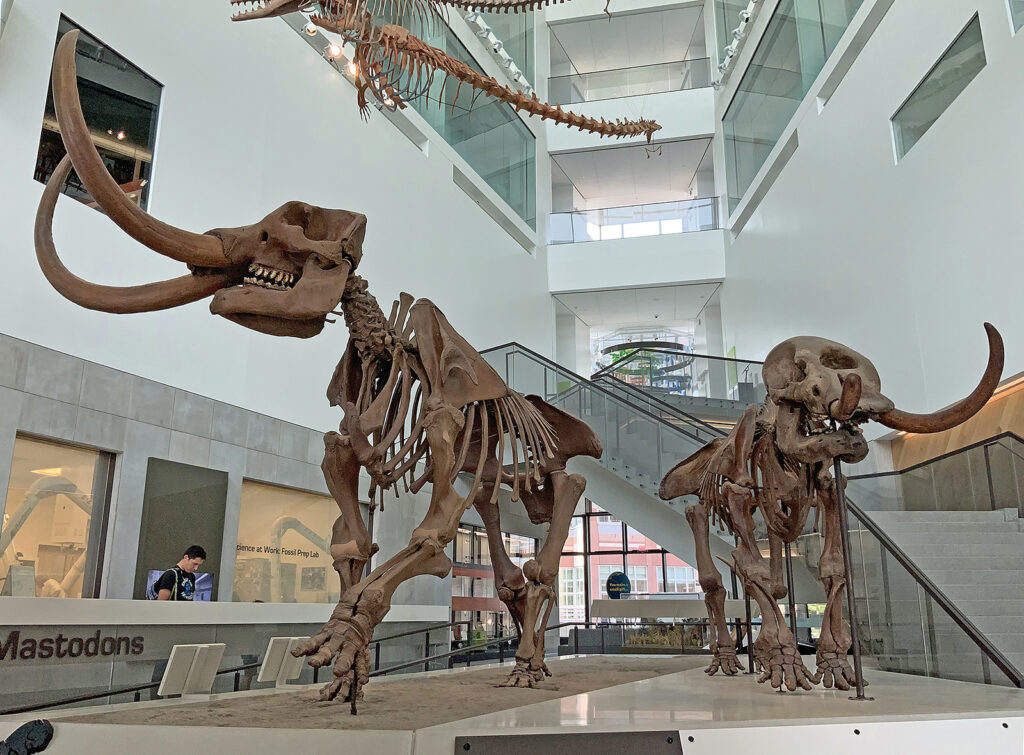
For decades, textbooks pinned North American megafauna extinction almost entirely on a rapid human-driven “overkill” a few thousand years after people arrived. La Brea’s dense fossil layers, dated with increasing precision, instead show a staggered, drawn-out collapse tied to climate swings, vegetation shifts, and fire regimes stacking up over centuries – not one dramatic wave. Isotope analysis of dire wolf and saber-tooth bones recovered from the asphalt seeps even reveals dietary shifts before extinction, suggesting ecosystems were already stressed. The pits also preserve insects and plants alongside megafauna, giving a full ecological picture textbooks used to skip entirely. That single-cause extinction story most people learned in school is looking increasingly oversimplified. Even that pales next to what turned up in a Wyoming lakebed.
#13 – Green River Formation: Mass Death Beds That Challenge “Slow and Steady”
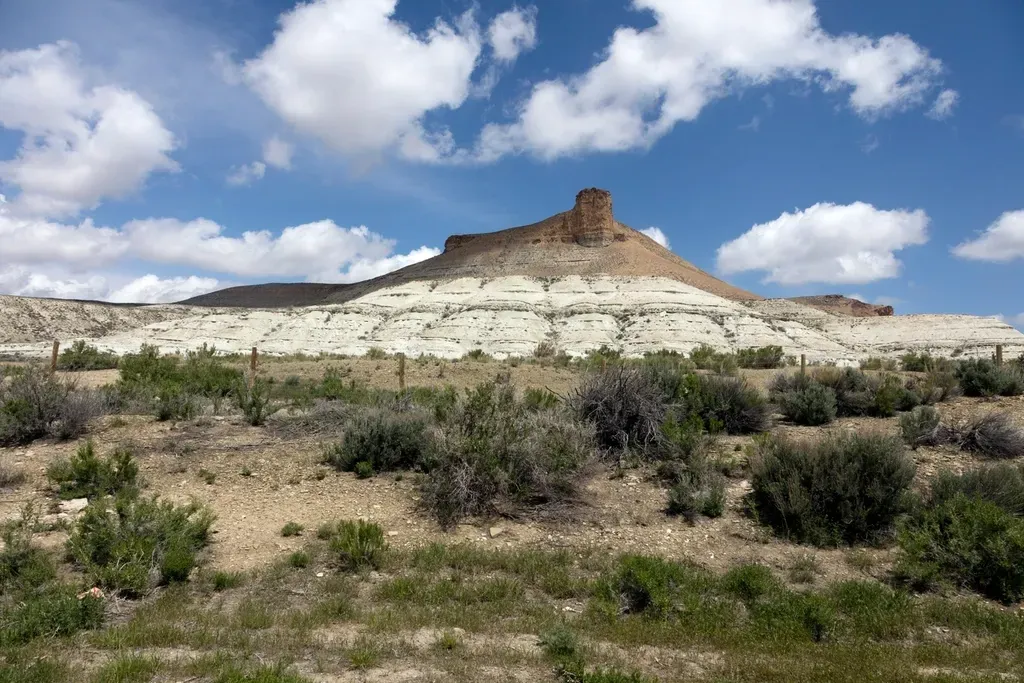
This layered Wyoming and Utah formation contains some of the most perfectly preserved fish fossils on the planet, and the reason why has embarrassed uniformitarian assumptions for years.
The classic textbook model insisted almost all fossilization happens over vast, gradual timescales. Green River’s paper-thin, annually banded layers instead capture snapshots of sudden, catastrophic die-offs – likely seasonal algal blooms or temperature shocks that killed entire schools of fish in hours, not centuries. Complete fish are found frozen mid-motion, some even preserved while eating other fish, an event that had to happen in minutes before decomposition. Entire bat skeletons with wing membranes intact have also turned up here, something almost never preserved elsewhere. It’s rewritten how quickly a fossil bed can form and forced geologists to stop assuming “more layers always means more centuries.” Half a world away, a cave system found an even stranger way to break the clock.
#12 – Naracoorte Caves: Australia’s Megafauna Didn’t Vanish the Way We Thought
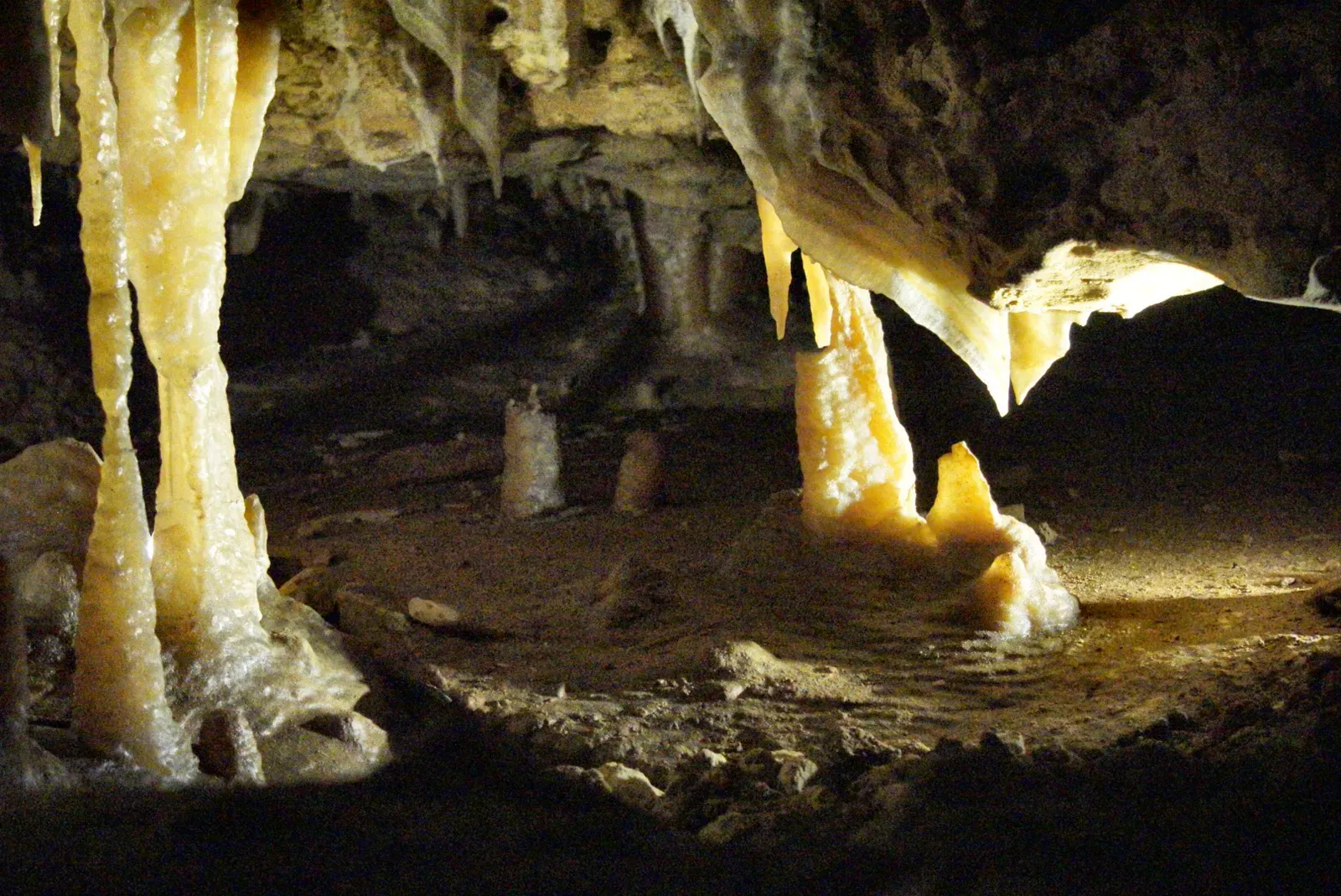
Tucked beneath South Australia’s flat farmland, this cave system has been swallowing animals into pitfall traps for half a million years, and the resulting fossil pileup upended assumptions about when Australia’s giant marsupials actually died out.
Textbooks long assumed a tidy, single-cause extinction event tied to either human arrival or a sudden climate shift. Naracoorte’s layered deposits instead show overlapping extinction waves spread across tens of thousands of years, with some giant species persisting far longer in certain microhabitats than previously modeled. The caves preserve near-complete skeletons of giant short-faced kangaroos and marsupial lions in extraordinary condition, since animals literally fell in and were sealed by dripping limestone. Some deposits are precise enough to reconstruct individual seasons 500,000 years ago. That kind of resolution is rare anywhere in the fossil record and has made this UNESCO site a constant source of revised extinction dates. Rewind further, and the dinosaurs themselves take a serious ego hit at #11.
At a Glance
- Fossil deposits span roughly 500,000 years of continuous accumulation
- Designated a UNESCO World Heritage Site for its exceptional preservation
- Holds near-complete skeletons of giant short-faced kangaroos and marsupial lions
- Some layers are precise enough to reconstruct individual ancient seasons
#11 – Ischigualasto Formation: Dinosaurs Weren’t Always the Big Deal
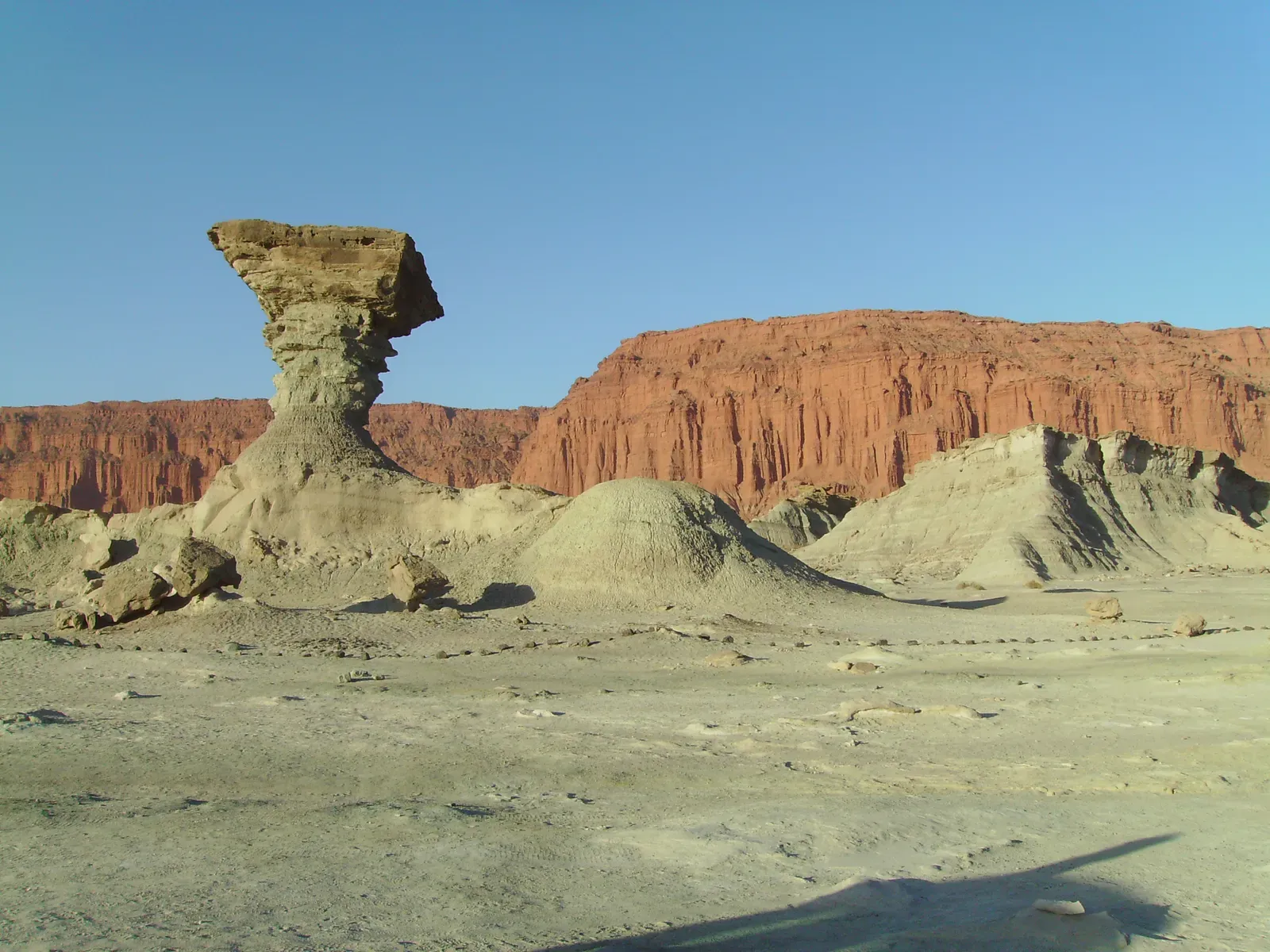
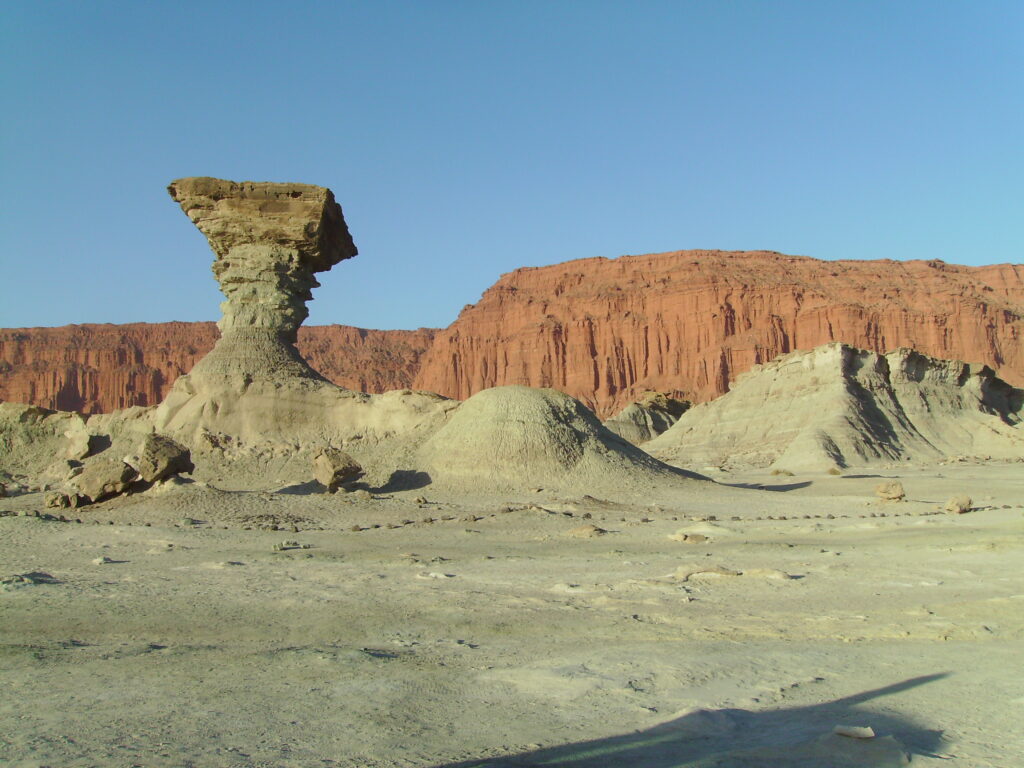
Argentina’s “Valley of the Moon” preserves rock from the very start of the dinosaur story, and it shows something textbooks used to gloss over: early dinosaurs were minor players, not instant dominators.
The Triassic-age formation reveals a world where small, early dinosaurs like Eoraptor and Herrerasaurus lived alongside a far greater diversity of other reptile groups, including massive rhynchosaurs and crocodile-line archosaurs that actually outnumbered dinosaurs at the time. The old narrative of dinosaurs sweeping in and immediately taking over turns out to be backwards – they were a rare, marginal group for millions of years before diversifying. Ischigualasto shows dinosaurs coexisting with, and often overshadowed by, animals that aren’t even distantly related to them today. The rise of dinosaurs was gradual and opportunistic, not a triumphant takeover, and this valley is the clearest physical proof of that slow climb. Go back further still, and the story gets microscopic at #10.
#10 – Doushantuo Formation: Animal Life Before the “Cambrian Explosion”
China’s Doushantuo phosphate beds contain microscopic fossils that shouldn’t exist if the traditional Cambrian Explosion story were entirely correct.
For generations, the textbook version had complex animal life essentially switching on abruptly around 541 million years ago. Doushantuo’s exceptionally preserved, phosphatized microfossils – dated tens of millions of years earlier – show structures interpreted by many researchers as early animal embryos, representing multicellular life organizing itself well before the “explosion” supposedly began. The debate over exactly what these blob-like structures represent is still heated, with some scientists arguing for algae or bacterial colonies instead of animals. Either interpretation forces a rethink of how gradual or sudden the rise of complex life actually was. Whatever these structures turn out to be, they prove the starting line for animal life sits much further back than the simple “explosion” narrative suggests. Nothing, though, prepared scientists for what was beating inside a 380-million-year-old fish.
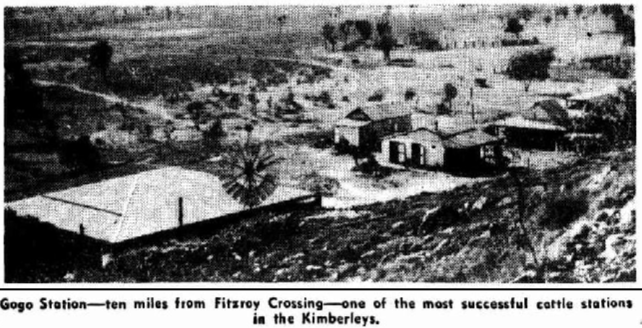
#9 – Gogo Formation: A 380-Million-Year-Old Fish With a Beating Heart
Western Australia’s Gogo Formation looks like ordinary limestone nodules scattered across the Kimberley outback, but cracked open, these rocks contain something textbooks said couldn’t survive: soft internal organs from the Devonian period.
Researchers scanning these ancient armored fish, known as arthrodires, found something almost never preserved in creatures this old: intact soft tissue. Using neutron beams and synchrotron X-rays, the team built three-dimensional images of the organs based on the different mineral densities left behind by bacteria and the surrounding rock matrix. What they found was staggering: a fossilized heart, stomach, intestine, and liver, positioned almost identically to a modern shark’s anatomy. This makes Gogo fish the most completely understood jawed vertebrates from that era, giving researchers hard evidence for how our own internal organs evolved rather than theoretical guesses pieced together from bone alone. Scientists note that this discovery, combined with earlier studies on muscle structure, placoderm embryos, and evidence of live birth, makes the Gogo Lagerstätte one of the most important fossil resources on Earth. From organs to identity itself – #8 broke an entirely different rule.
#8 – Denisova Cave: A Human Species Identified Without a Single Complete Skeleton
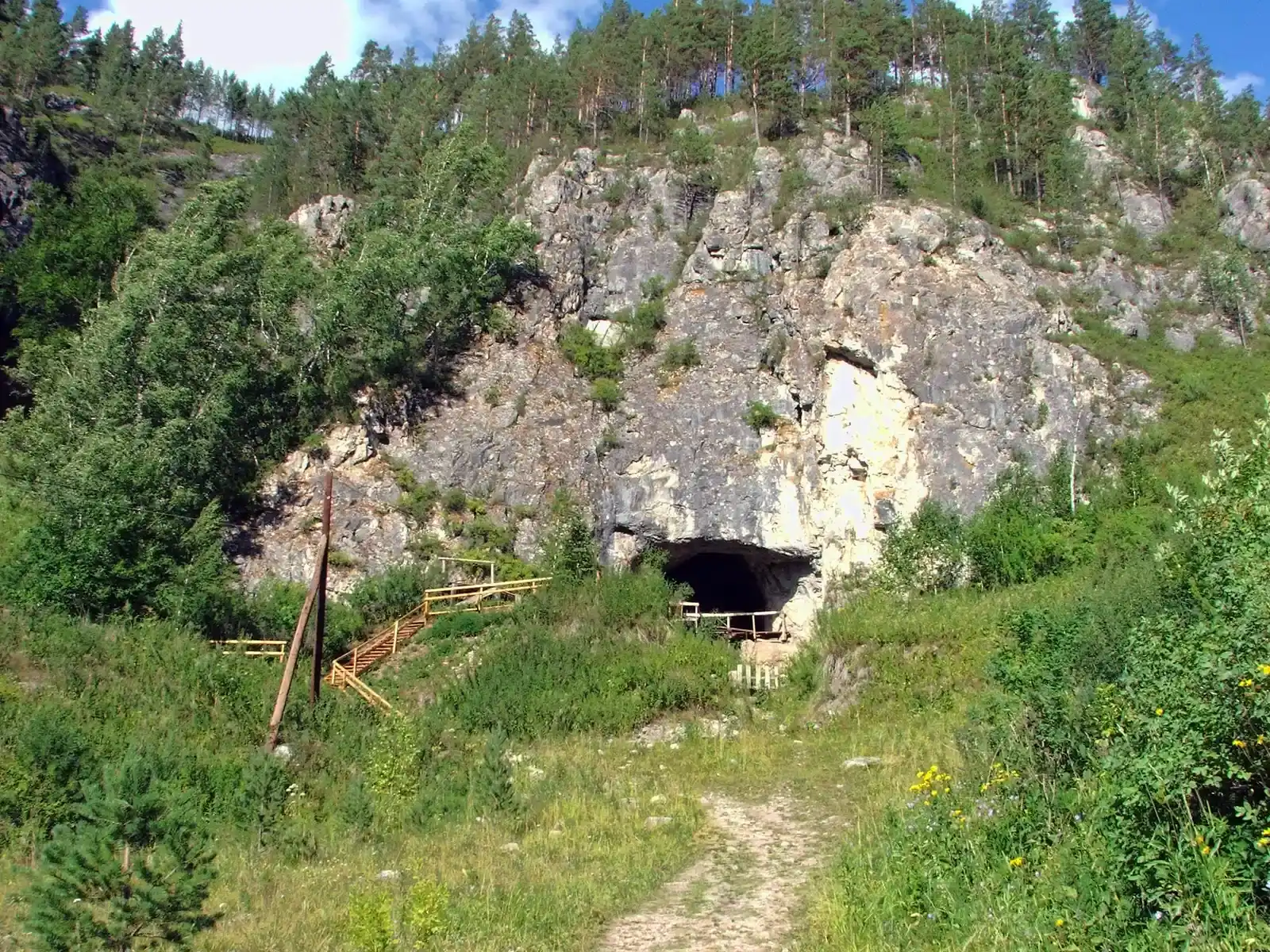
Tucked in the Altai Mountains of Siberia, Denisova Cave broke a rule paleoanthropology had followed for over a century: you need a skull, or at least a substantial skeleton, to name a new human species.
Instead, researchers identified the Denisovans almost entirely from tiny bone fragments and a few teeth, using ancient DNA extraction techniques that hadn’t existed a generation earlier. A pinky bone fragment smaller than a fingernail was enough to reveal an entirely distinct human lineage that interbred with both Neanderthals and modern humans. Some living populations in Papua New Guinea and Australia carry up to 5% Denisovan DNA, meaning this “ghost lineage” isn’t extinct in any meaningful genetic sense – it’s still walking around inside us. The cave forced textbooks to stop treating “species” as something you can only define by skeleton shape, and start treating genetics as equally valid physical evidence. The cave at #7 did something even stranger: it gave a supposed brute a heart.
Worth Knowing
- Denisovans were identified mainly from a pinky bone fragment and a handful of teeth
- Some populations in Papua New Guinea and Australia carry up to 5% Denisovan DNA
- The ancient DNA extraction methods used here didn’t exist a generation earlier
- The find proved genetics alone can define a new human species without a skull
#7 – Shanidar Cave: Neanderthals Weren’t the Brutes Textbooks Described
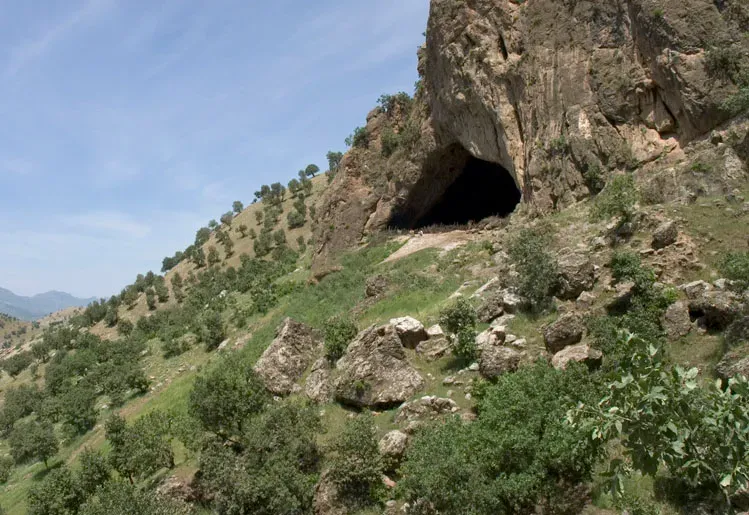
Iraq’s Shanidar Cave produced a cluster of Neanderthal skeletons that quietly dismantled the “dumb caveman” stereotype that dominated anthropology for most of the 20th century.
One skeleton, nicknamed Shanidar 1, shows healed injuries so severe – including partial blindness and a withered arm – that the individual could only have survived for years with sustained help from others. That’s not brute survival instinct; that’s social care. A separate burial, dubbed the “flower burial,” originally suggested Neanderthals ritually placed flowers with their dead, though later research disputes whether the pollen actually came from burrowing rodents rather than deliberate placement. Even with that specific claim contested, the injury evidence alone was enough to force a rewrite of how capable and cooperative Neanderthals actually were. The old image of a shuffling, unfeeling brute simply doesn’t match a population caring for a disabled member for years. #6 goes further, questioning whether brains even matter the way we assumed.
#6 – Rising Star Cave: A Brain the Size of an Orange May Have Buried Its Dead
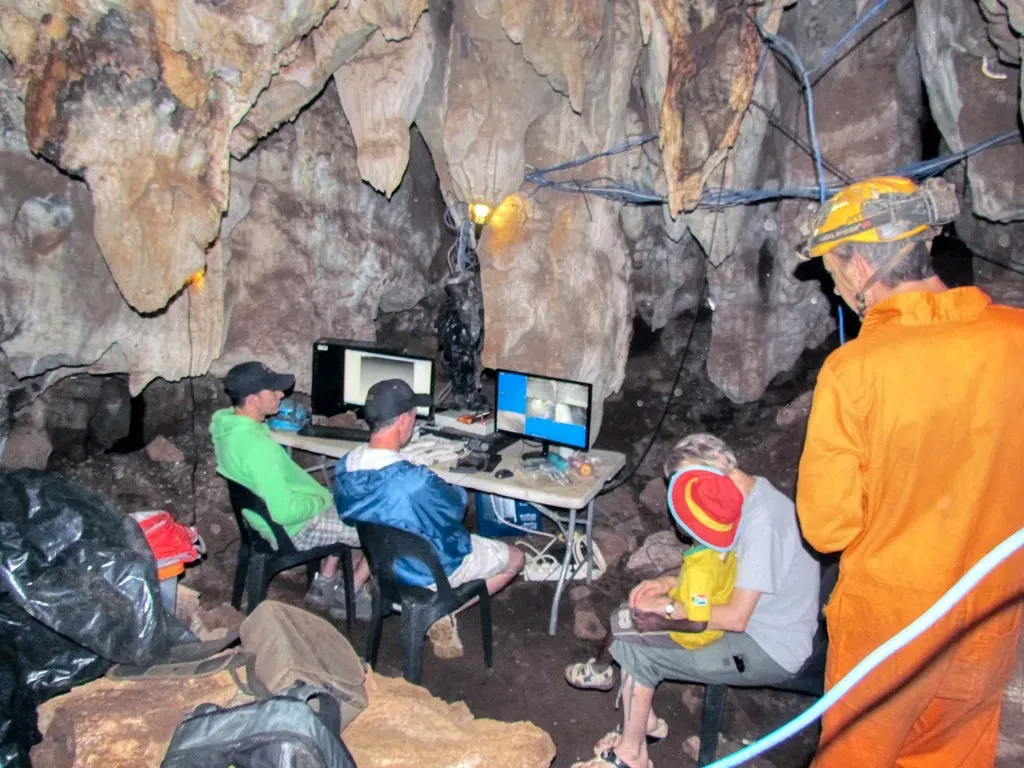
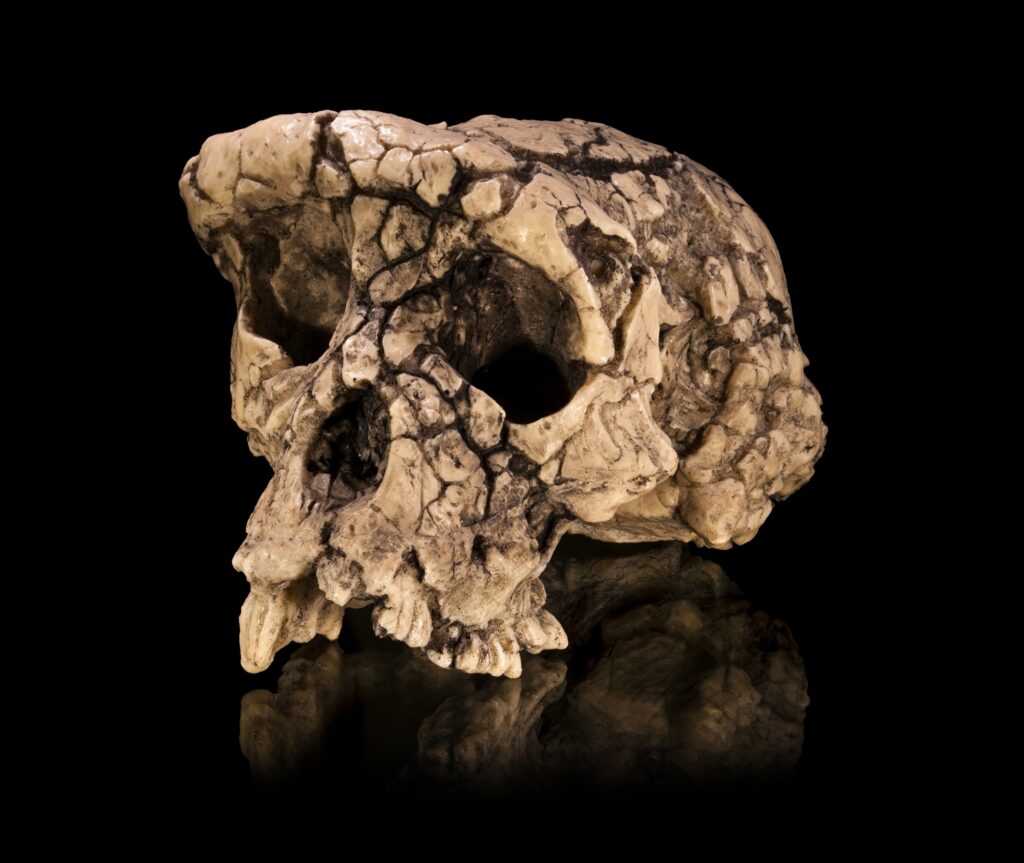
South Africa’s Rising Star Cave system produced Homo naledi, a hominin species with a brain roughly a third the size of a modern human’s, and then delivered a claim that shook the entire field: this small-brained species may have deliberately buried its dead.
Researchers described finding concentrations of articulated, matrix-supported skeletal remains consistent with rapid covering by sediment prior to the decomposition of soft tissue. If confirmed, this would predate the previously accepted earliest deliberate burials by as much as 160,000 years, meaning intentional burial wasn’t limited to our species or other big-brained hominins. That single implication challenges the long-standing assumption that big brains are required for ritual or symbolic behavior. Not everyone agrees – critics point out that none of the burials provide compelling evidence of a deliberately excavated pit, and the debate remains genuinely unresolved among specialists. #5 hands the credit for humanity’s first tools to the last species anyone expected.
#5 – Nyayanga: The Wrong Species Might Have Invented Stone Tools
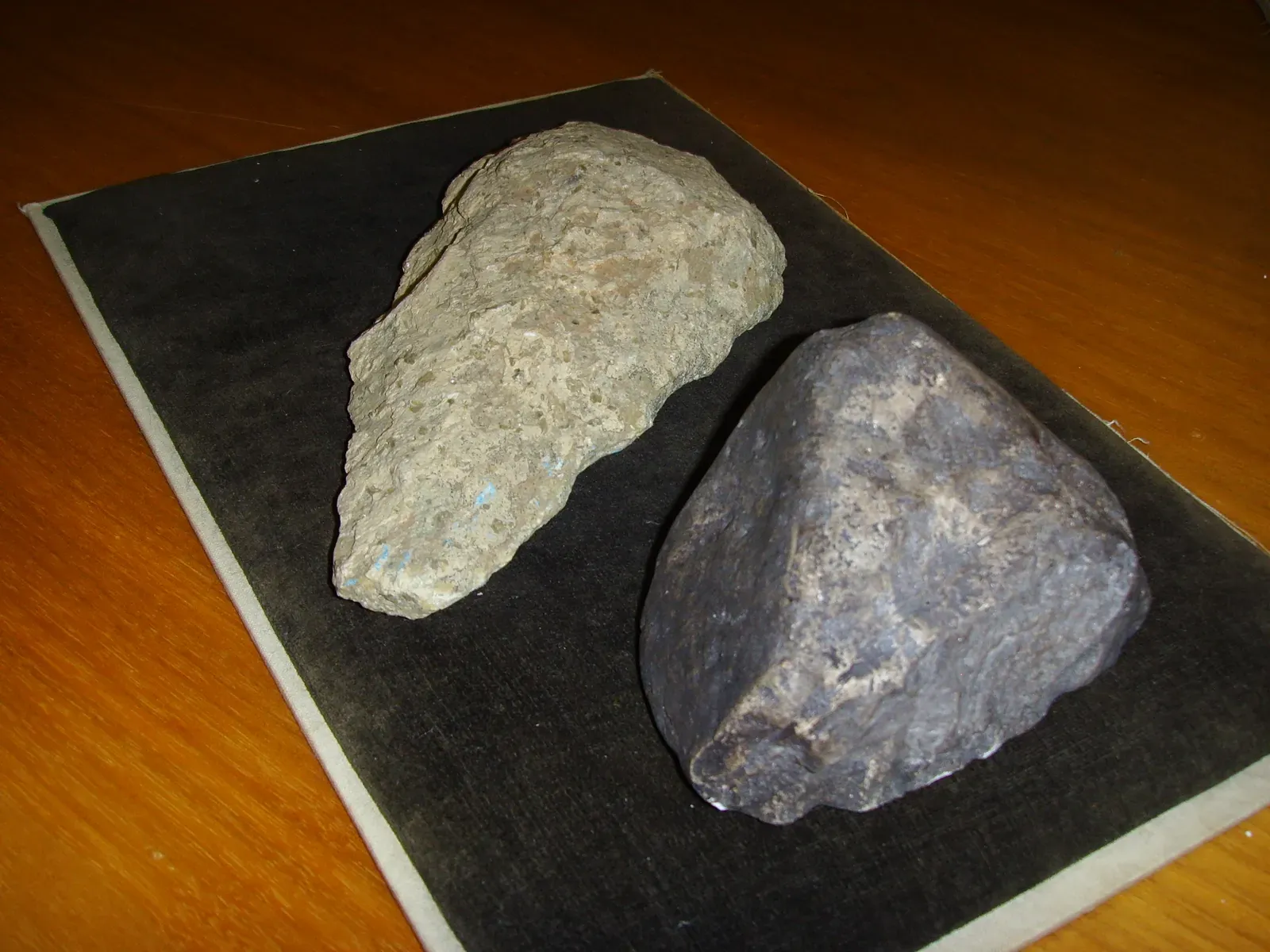
Kenya’s Nyayanga site, on the shores of Lake Victoria, produced a discovery that quietly overturned one of anthropology’s oldest assumptions: that only our own genus, Homo, was smart enough to invent stone tool technology.
Researchers uncovered Oldowan tools alongside butchered hippo bones and dated the deposits to about 2.9 million years old, making them probably the oldest stone tools ever found to have processed both meat and plant material. The twist: the only hominin remains found in the same layer weren’t Homo at all. Two Paranthropus teeth were recovered from Nyayanga, and what made their recovery even more surprising was finding them next to Oldowan technology, long associated with our own genus – yet Paranthropus is so far the only suspect at the scene. These may be the oldest Oldowan tools ever discovered, and researchers noted the fossils are the oldest Paranthropus remains ever found, with the second-oldest tools uncovered some 1,200 kilometres away in Ethiopia and dated to about 2.6 million years. #4 pushes the whole timeline of complex life back even further.
#4 – Chengjiang Biota: The Cambrian Explosion Started Earlier Than Textbooks Say
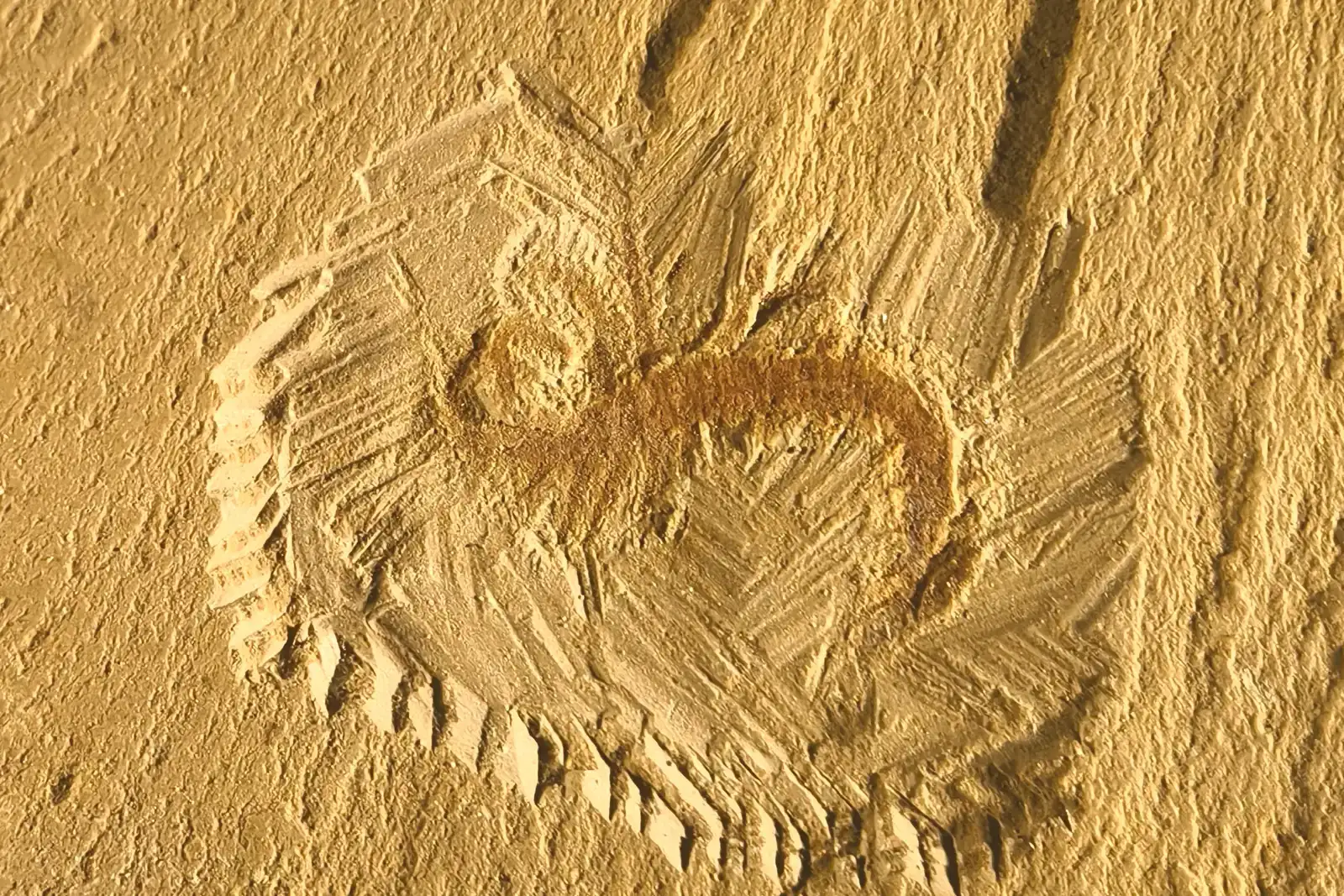
China’s Chengjiang fossil beds preserve an ecosystem slightly older, and even more strange, than the famous Burgess Shale, and that small age difference matters enormously for how scientists explain the sudden rise of complex animal life.
Dated to roughly 518 million years ago, Chengjiang captures an astonishing range of soft-bodied creatures, early arthropods, and primitive chordates – including some of the earliest known relatives of vertebrates – all preserved in exquisite detail down to gut contents and gill structures. This pushed the timeline of the Cambrian Explosion’s most dramatic diversification back earlier than the classic Burgess Shale narrative had implied, compressing an already fast burst of evolution into an even shorter window. Finding early chordate ancestors this old means our own deep evolutionary branch was already present at the very start of complex animal life, not a late arrival to the party. Researchers still argue over exactly how “explosive” this diversification really was versus how much simply wasn’t preserved earlier. #3 proves some of evolution’s “freaks” were never freaks at all.
#3 – Burgess Shale: Evolution’s “Weird Experiments” Weren’t Dead Ends
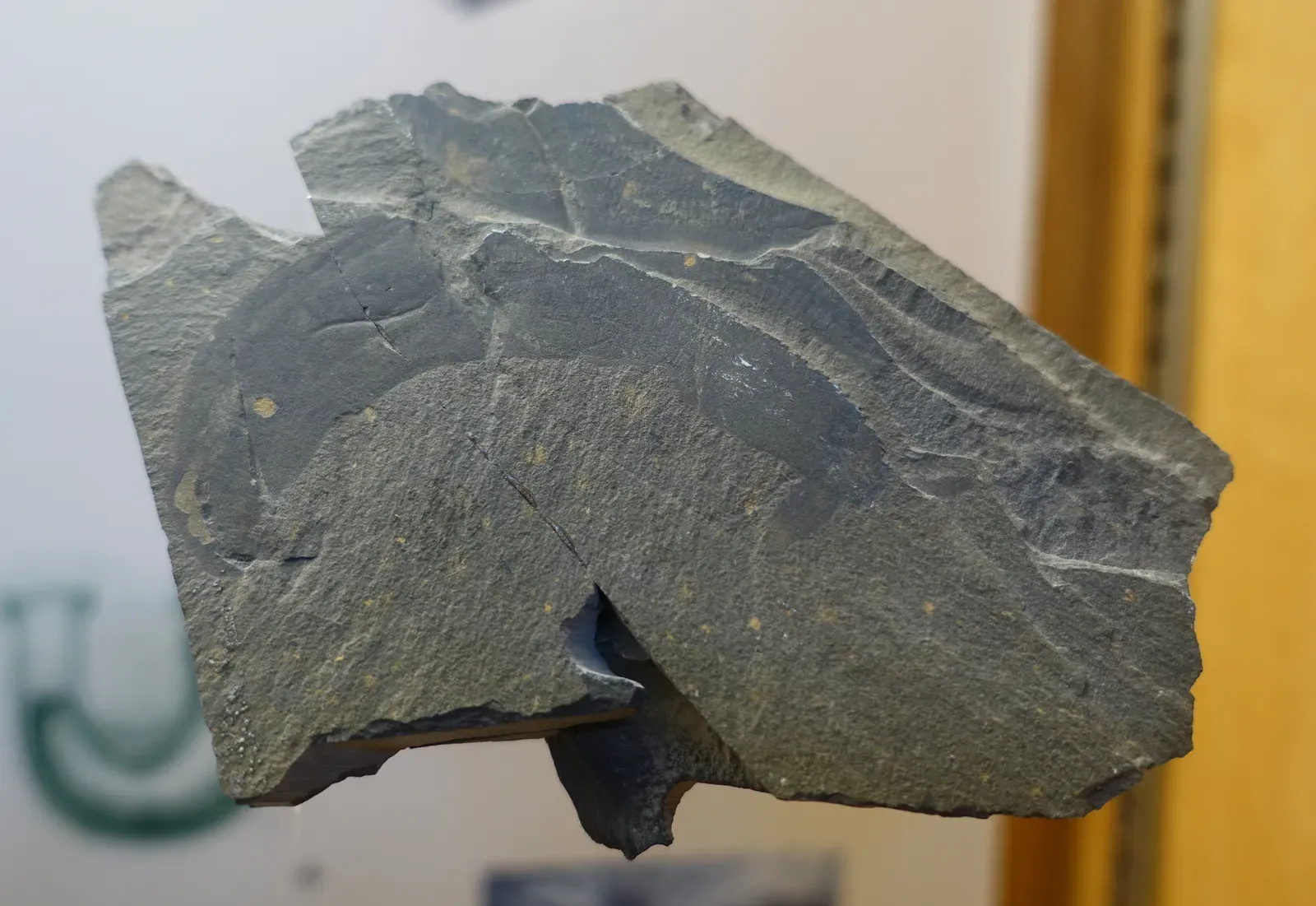
Canada’s Burgess Shale, discovered in the Canadian Rockies over a century ago, preserves creatures so bizarre that early researchers didn’t even know which end was the head – and the ongoing reinterpretation of these fossils keeps embarrassing older textbook diagrams.
Animals like Hallucigenia were originally reconstructed upside down and backwards, walking on what turned out to be defensive spines while its actual legs were mistaken for tentacles on its back. Anomalocaris, the apex predator of its ecosystem, was initially classified as three separate species because its body parts kept turning up disconnected and unrecognizable. Decades of textbook illustrations had to be redrawn once researchers realized entire body plans were misassembled from the start. Far from representing failed evolutionary dead ends, as older interpretations suggested, many Burgess Shale body plans map onto ancestors of major animal groups still alive today. #2 is the rarest kind of discovery in science: one that was predicted before it was found.
#2 – Tiktaalik: The “Missing Link” That Wasn’t Missing, Just Ignored
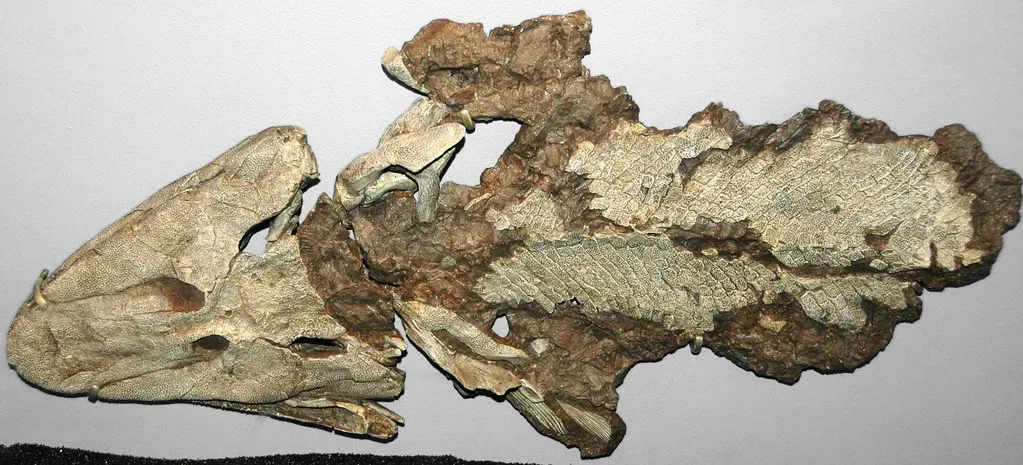
Ellesmere Island in the Canadian Arctic doesn’t look like a place to find fish fossils, but researchers deliberately targeted rock layers of exactly the right age to search for a transitional creature between water and land – and found one almost exactly where predicted.
Tiktaalik roseae has a flat head, a neck (something fish don’t have), and fin bones with wrist-like joints capable of supporting weight, blurring the line between “fish” and “four-legged animal” so thoroughly that paleontologists still argue about which category to put it in. Textbooks had long implied the fish-to-tetrapod transition happened somewhere in a fossil gap nobody had bothered targeting directly. This discovery is one of the only major fossil finds in history that was predicted before it was dug up, based purely on rock-age mapping rather than luck. That predictive success remains one of the strongest public demonstrations that evolutionary theory makes testable, falsifiable predictions rather than just retroactive storytelling. And #1 undoes almost a century of American archaeology in one single footprint trail.
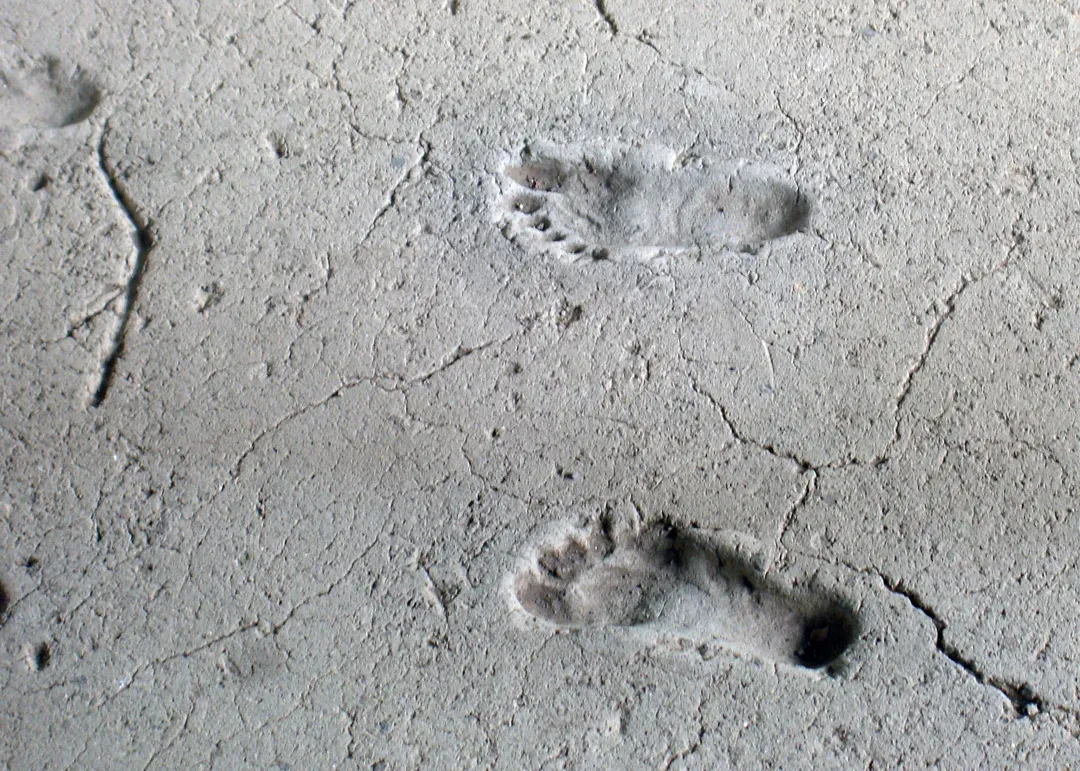
#1 – White Sands Footprints: Humans Were in America 10,000 Years Earlier Than Textbooks Claimed
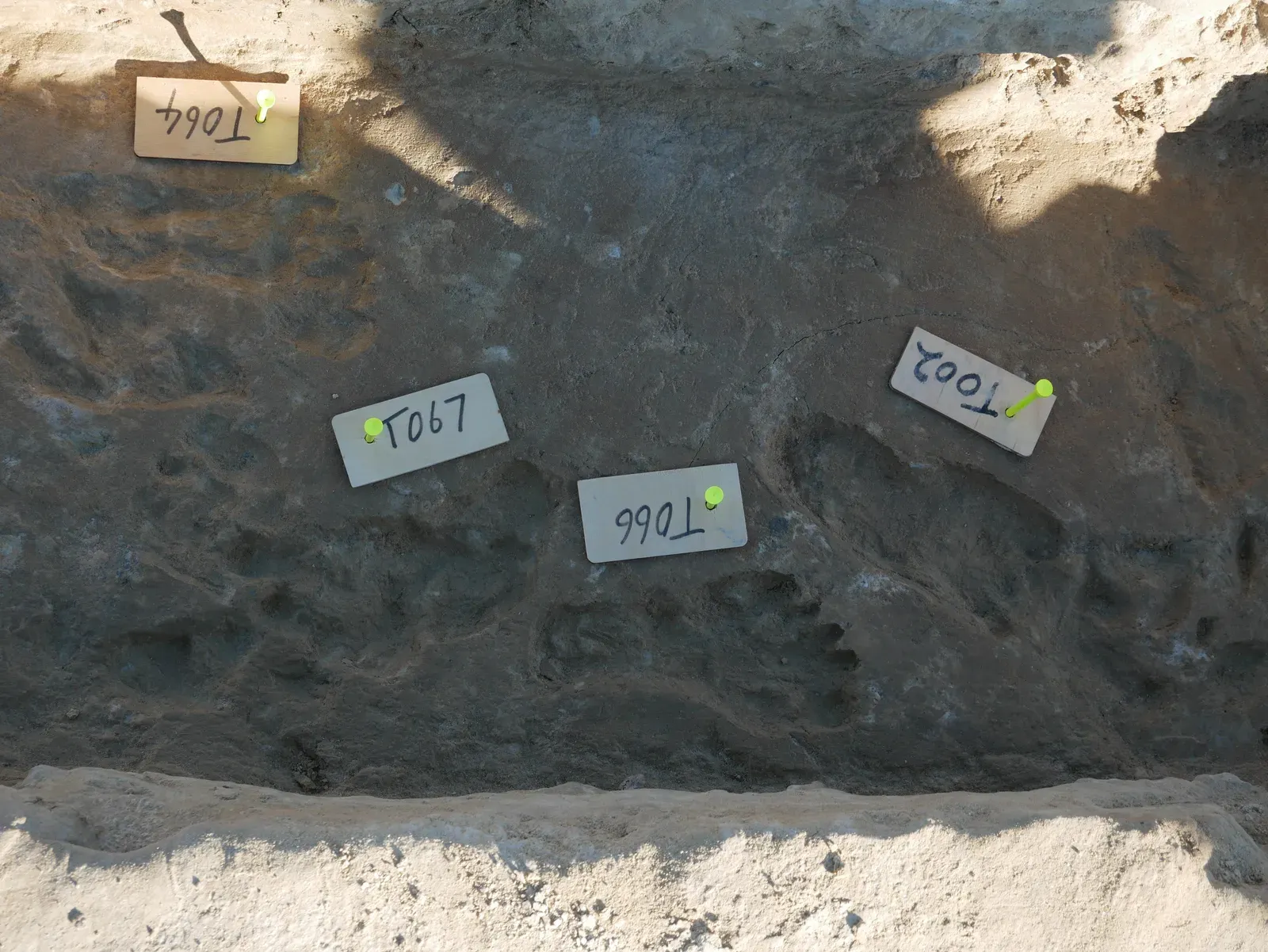
New Mexico’s White Sands National Park holds a trail of fossilized human footprints that single-handedly demolished the “Clovis-first” model that dominated American archaeology textbooks for most of a century.
That model held that the first Americans arrived near the end of the last Ice Age and were part of the Clovis culture, roughly 13,000 years ago. Radiocarbon dating of seeds embedded in the same sediment layers as the footprints instead placed them between roughly 23,000 and 21,000 years ago, well before researchers traditionally believed humans arrived in North America. Skeptics pushed back hard, arguing old carbon reservoir effects could have skewed the dates, so researchers returned with independent methods. A follow-up study using pollen and luminescence dating confirmed the original chronology was robust, reaffirming that humans were present in North America during the Last Glacial Maximum. That means humans were walking across an ice-age lakeshore thousands of years before the glaciers that supposedly blocked their path had even receded. Every American archaeology textbook built around a single “first migration” date now needs a rewrite.
Quick Compare
- Old “Clovis-first” model: humans arrive near the end of the Ice Age, roughly 13,000 years ago
- White Sands evidence: footprints and seeds date to roughly 23,000-21,000 years ago
- Verification: independent pollen and luminescence dating confirmed the original timeline
The Bottom Line
Textbooks aren’t lies – they’re snapshots, and every one of these sites proves the snapshot keeps getting outdated. Humans were in the Americas thousands of years earlier than “settled” science claimed. A small-brained hominin might have buried its dead. A non-Homo species may have invented stone tools first.
These aren’t fringe theories. They’re peer-reviewed findings that upended decades of confident classroom teaching, and more are coming. Anyone who insists the fossil record is a closed case simply hasn’t checked the last five years of journals.
Here’s the part most people miss: this isn’t a scandal, it’s the whole point. Science that never gets overturned isn’t science – it’s dogma with better marketing. The day paleontologists stop finding footprints, hearts, and skeletons that break the rules is the day you should start worrying.