
Ancient engineers didn’t have laser levels, satellite imaging, or electron microscopes – yet they left behind structures and objects that modern labs still struggle to fully explain. Most people assume “primitive” technology means simple technology, but that assumption falls apart the moment you look closely at a Roman harbor wall, a Damascus blade, or a 2,000-year-old bronze gear system.
Some of these creations use materials science we only rediscovered in the last decade. Others remain flat-out mysteries. Here’s what researchers, metallurgists, and archaeologists actually say about the ancient builds we still can’t properly copy.
#1 – Roman Concrete That Heals Its Own Cracks
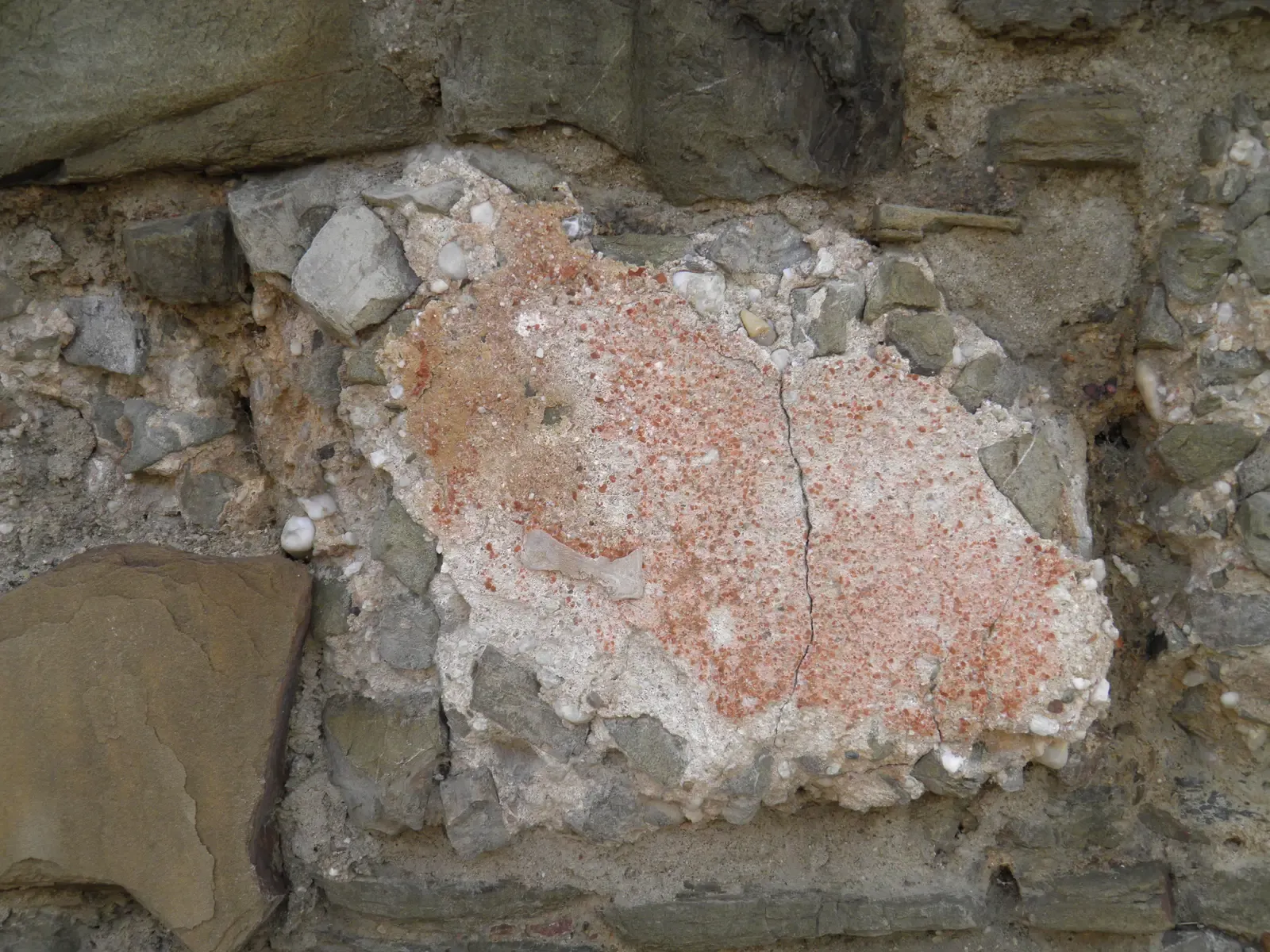
Modern concrete crumbles within a century. Roman seawalls, harbors, and the Pantheon’s dome have survived over 2,000 years, and scientists only recently figured out why.
For decades, researchers assumed the small white chunks scattered through Roman concrete – called “lime clasts” – were just evidence of sloppy mixing. A 2023 study from MIT and Harvard flipped that theory upside down: those clasts weren’t mistakes. They were the entire point.
Here’s the wild part. The Romans used a technique called “hot mixing,” combining quicklime at high temperature so reactive lime clasts stayed embedded throughout the material. When a crack later forms and water seeps in, it dissolves those clasts, and the calcium recrystallizes to seal the damage shut. Researchers tested this in a lab, and for the sample built with ancient mixing techniques, the cracks had completely healed within two weeks – water no longer flowed through the material at all.
The Pantheon would not exist without the concrete as it was in the Roman time.
Admir Masic, MIT chemist
– The catch: that specific lime form isn’t used to make concrete today, which is exactly why modern sidewalks crack in a decade while Roman piers shrug off the ocean. But that’s nothing compared to what we found about #2 – a steel so advanced it accidentally contained nanotechnology 1,000 years before we had a name for it.
#2 – Damascus Steel Blades With Built-In Nanotubes

Crusaders returning from the Middle East told stories that sounded like myths: swords sharp enough to split a hair, flexible enough to bend hilt-to-tip, and strong enough to survive brutal combat without shattering. Turns out, the myths undersold it.
In 2006, a team led by physicist Peter Paufler dissolved a 17th-century Damascus saber in hydrochloric acid to study its structure under an electron microscope. They uncovered the extraordinary secret of Damascus steel – carbon nanotubes, meaning the smiths of old were inadvertently using nanotechnology. These blacksmiths never knew what an atom was, yet they were manufacturing structures at the nanoscale using nothing but fire, hammers, and instinct.
The technique relied on “wootz” steel cakes imported from India, combined with trace metals. Researchers believe the key lay with small traces of metals in the wootz including vanadium, chromium, manganese, cobalt and nickel – alternating hot and cold phases during manufacture caused these impurities to segregate out into planes, which then acted as catalysts for the formation of the carbon nanotubes.
– The mistake modern smiths keep making: assuming the recipe was purely about folding steel. It wasn’t. The secret eventually died out in the eighteenth century and no European smith was able to fully reproduce their method, and honestly, most contemporary “Damascus steel” knives sold today are just decorative pattern-welding, not the real wootz process. But #3 takes ancient engineering somewhere even stranger: outer space math, hand-cranked.
#3 – The Antikythera Mechanism’s Impossible Gear System
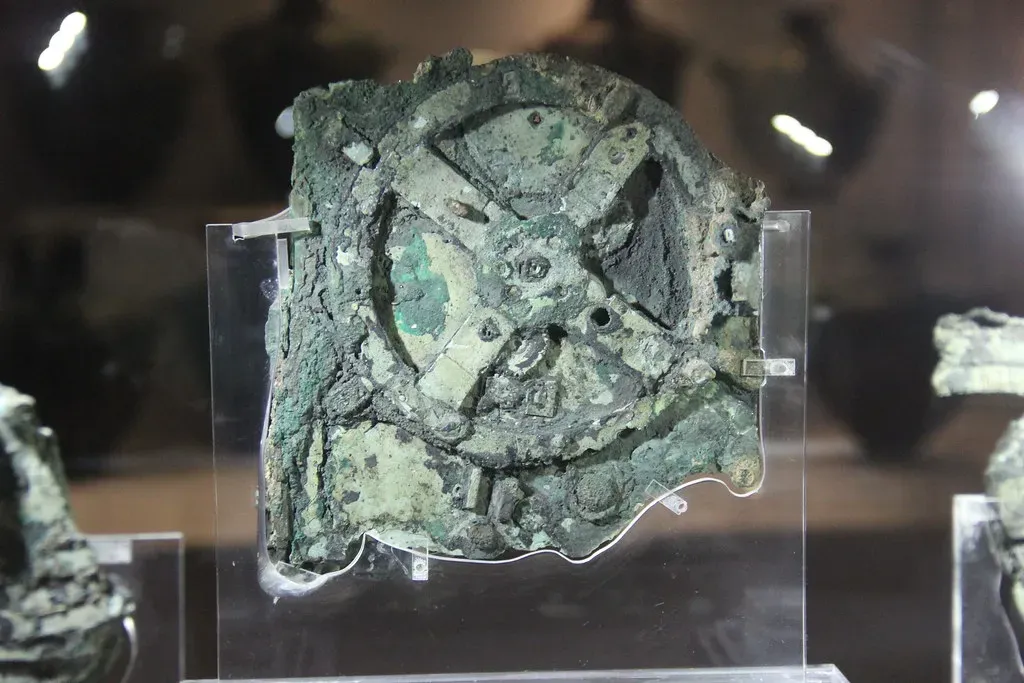
Pulled from a shipwreck off a Greek island in 1901, this corroded bronze lump sat ignored in a museum for years before anyone realized what it actually was. Built roughly 2,100 years ago, its complex system of interlocking bronze precision gears charted the movements of the planets, sun and moon.
This wasn’t a toy. This Greek, hand-powered device also predicted eclipses and tracked the moon’s phases. X-ray scans eventually revealed over 30 separate gears packed into a box roughly the size of a shoebox – a level of miniaturized precision engineering that historians assumed didn’t exist until medieval clockmaking. Before the discovery of the Antikythera mechanism, ancient Greek gears were thought to be restricted to crude wheels in windmills and water mills.
Modern researchers have built working replicas using ancient Greek mathematics, but the bigger question isn’t whether it can be copied – it’s how the Greeks manufactured gear teeth this small and precise without machine tools. A new analysis showed it to be more advanced than previously thought, so much so that nothing comparable was built for another thousand years.
Fast Facts
- Recovered in 1901 from a shipwreck near the Greek island of Antikythera
- Built roughly 2,100 years ago, predating comparable clockwork by about a thousand years
- Packed with more than 30 hand-cut bronze gears inside a shoebox-sized case
- The original find shattered into 82 separate fragments during recovery
- Could chart the sun, moon, and planets while predicting eclipses years in advance
– The unsettling part: less than half of the apparatus was ever recovered from the sea, and the original lump split into 82 separate fragments, meaning we may be judging an entire lost technology off scraps. But #4 is where ancient chemistry gets genuinely strange – a drinking cup that changes color like it’s alive.
#4 – The Lycurgus Cup’s Color-Shifting Glass

Picture a Roman glass goblet that looks jade green in normal light but glows ruby red the instant you shine a light through it. That’s not a trick of the eye. The Lycurgus cup is a rare Roman glass vessel that exhibits dichroic properties, changing color from jade green to ruby red when backlit due to embedded colloidal gold and silver nanoparticles, which alter the wavelength of transmitted light in a size-dependent manner.
Fourth-century Roman glassmakers were, without any conceptual understanding of atomic physics, embedding gold and silver particles roughly 50 nanometers wide into molten glass – a size so small that ten thousand could fit across a human hair. To produce the dichroic effect, Roman artisans are believed to have ground down particles of gold and silver to 50 nanometres in diameter, less than one-thousandth the size of a grain of table salt, and laid these nanoparticles within the glass before it set.
Here’s why nobody kept making these: the process was almost impossible to control. The inability to control the coloring process explains why the technology never developed beyond the fourth century AD. Only one complete example of this specific craftsmanship survives worldwide.
– Modern labs have finally caught up, sort of. Researchers from the Netherlands have been able to reproduce the green/red dichroic effect in a 3D printable nanocomposite material, using small amounts of silver and gold nanoparticles of the proper size and shapes. But it took 3D printing and modern chemistry labs to match what one Roman workshop pulled off by trial and error. Speaking of trial and error at an impossible scale, #5 is where things get genuinely gigantic.
#5 – The Great Pyramid’s Millimeter-Level Precision

Here’s a controversial opinion worth sitting with: most tourists treat the Great Pyramid of Giza as a photo backdrop, but engineers treat it as one of the most baffling precision-construction problems in human history. The base is nearly a perfect square, and the four sides align to the cardinal directions with an accuracy that many modern buildings don’t even attempt.
We’re talking about 2.3 million limestone and granite blocks, some weighing several tons, quarried, transported, and stacked without pulleys as we know them, without iron tools capable of cutting granite efficiently, and without any surviving blueprint. Egyptologists broadly agree on ramps, sledges, and enormous organized labor forces – not aliens – but the logistics of moving multi-ton granite blocks from Aswan, hundreds of miles away, and fitting them with barely a hairline gap remains a genuine feat nobody casually replicates today.
Modern attempts to “rebuild” pyramid-style structures using period-accurate tools consistently take longer and achieve less precision than the original monument, which is an uncomfortable fact for anyone who assumes technology only moves in one direction – forward. But #6 introduces a weapon so effective and so secretive that its formula genuinely vanished from human knowledge.
#6 – Greek Fire, The Weapon Nobody Can Fully Recreate

Byzantine warships once carried a weapon that terrified entire fleets: a sticky, flaming liquid that burned on top of water and couldn’t be extinguished with normal methods. Enemies called it liquid fire. Historians call it one of the best-kept military secrets in history.
The Byzantine Empire treated the formula as a state secret so tightly guarded that even the general who commanded the fleet often didn’t know the full recipe. Historical accounts describe it being sprayed from bronze tubes mounted on ships, engulfing enemy vessels in flames that spread across the sea’s surface instead of being doused by it.
The exact formula was never written down in a way that survived, and the secret effectively died with the empire’s most skilled chemists. Modern historians have proposed combinations involving naphtha, pine resin, sulfur, and quicklime, but none of the reconstructions match the described behavior exactly – particularly the water-resistant burning.
– The unsettling truth: unlike other lost technologies where we simply lost the tools, Greek Fire’s formula was deliberately hidden and then lost through secrecy itself. That’s a different kind of technological death – one caused by paranoia, not time. But #7 flips the story: an object hiding in plain sight in India for over 1,600 years, defying an entire branch of chemistry.
#7 – The Iron Pillar of Delhi That Refuses to Rust
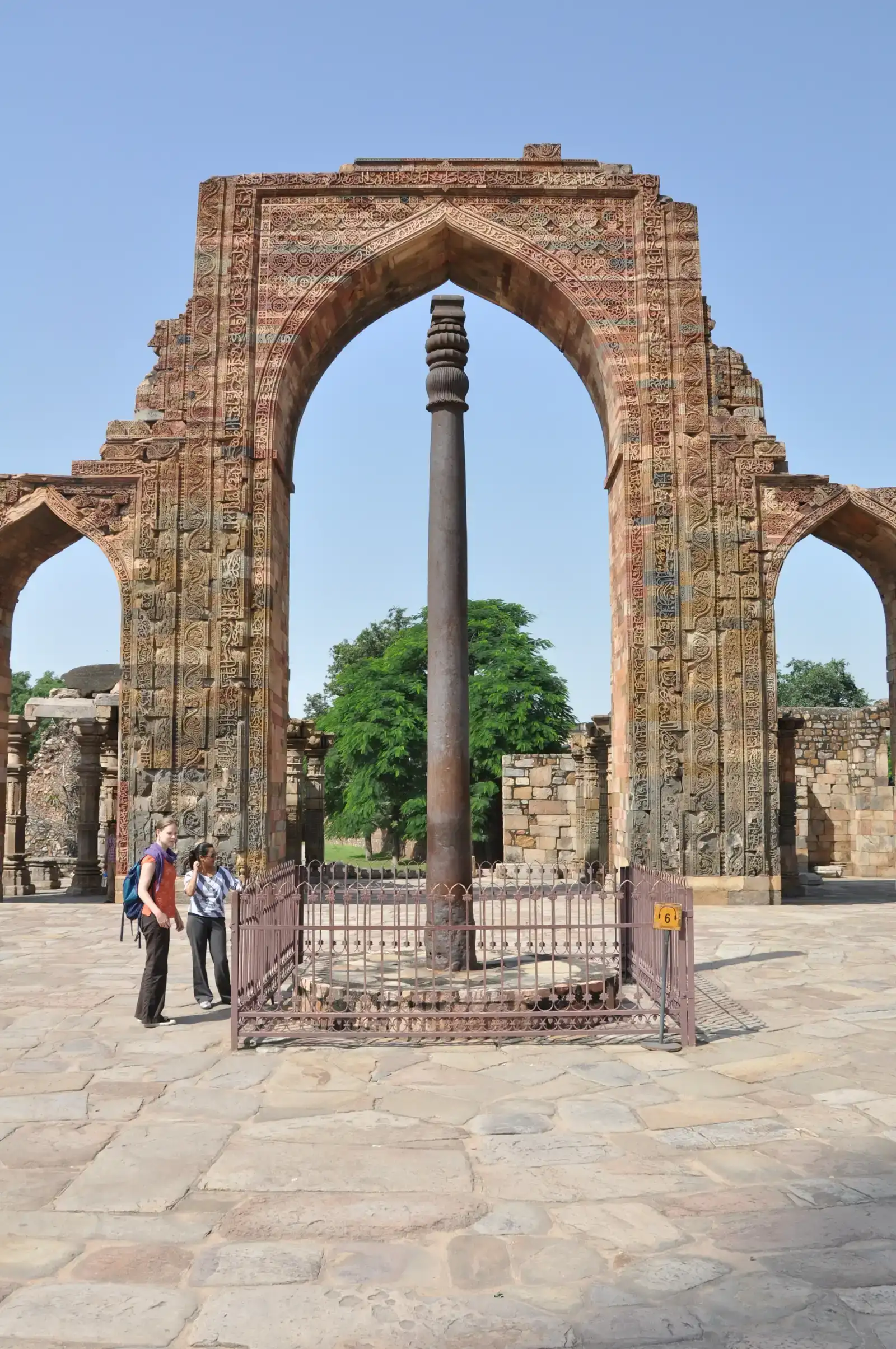
Standing in Delhi’s Qutb complex is a solid iron pillar, roughly seven meters tall, that has stood outdoors through monsoons, humidity, and centuries of exposure without forming the flaking rust that destroys ordinary iron within decades. Metallurgists have studied it extensively, and the explanation is more interesting than “ancient magic.”
The pillar was forged over 1,600 years ago using a process that left it with an unusually high phosphorus content and low sulfur and manganese content compared to modern iron. This combination, paired with the forging technique, results in a thin, adherent protective layer called misawite forming on the surface – essentially a self-generated rust-resistant shield that most modern iron simply doesn’t develop.
Modern steel production actively strips out phosphorus because it can make iron brittle in industrial processes, which means we’ve engineered ourselves away from the very property that made this ancient pillar so durable. Recreating it isn’t a mystery of lost knowledge – it’s a mystery of incompatible modern manufacturing priorities.
Quick Compare
- Ancient iron (Delhi Pillar): high phosphorus content, forms a protective misawite layer, rust-free for 1,600+ years outdoors
- Modern structural steel: phosphorus deliberately removed, no comparable passive shield forms, needs paint or galvanizing to resist rust within years
Metallurgists agree the ancient smiths likely didn’t fully understand the chemistry either; they simply repeated a process that worked. But #8 leaves the workshop entirely and heads into the desert, where the “construction” is so massive it can only be seen from the sky.
#8 – The Nazca Lines Carved Into an Entire Desert
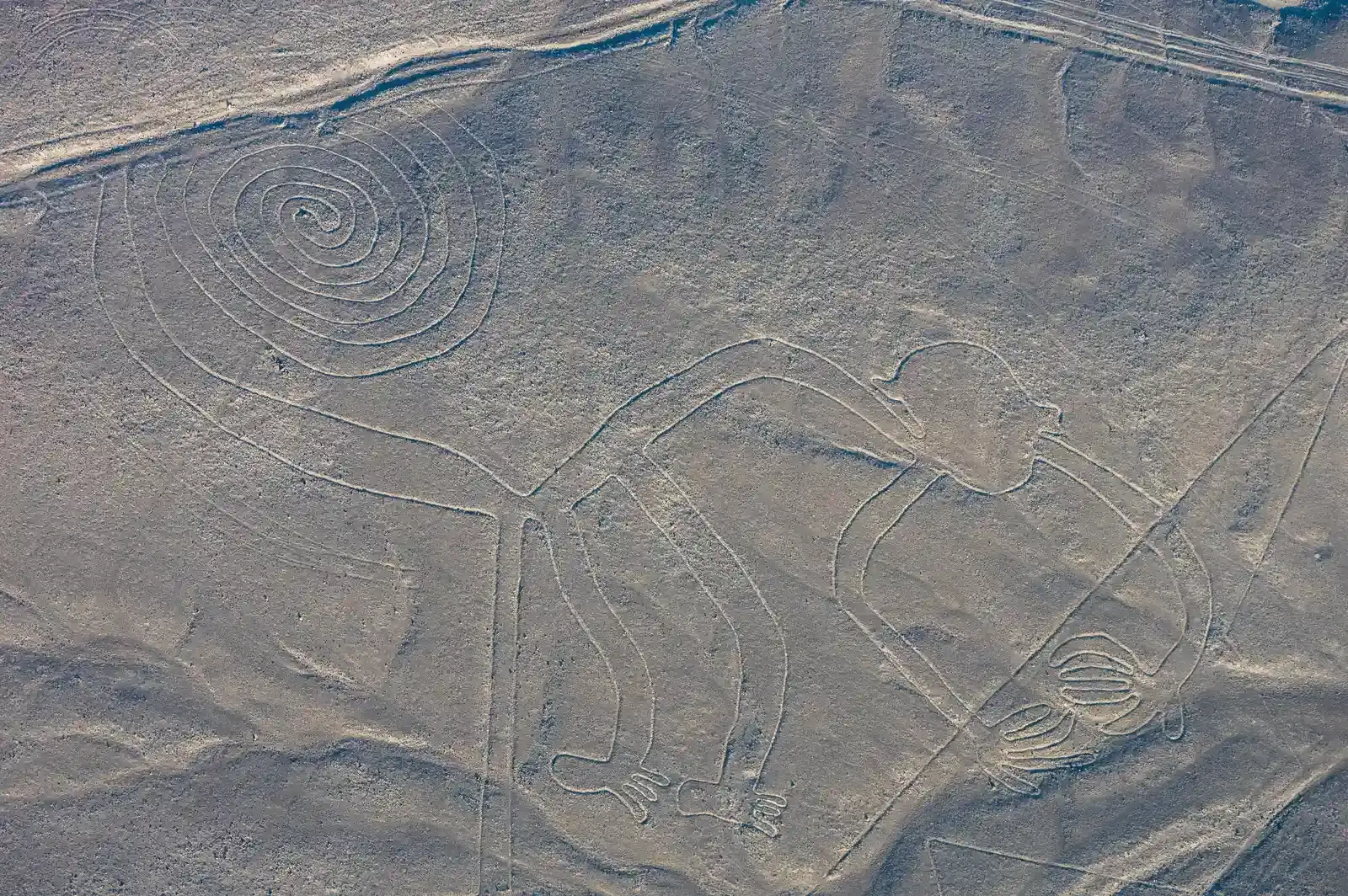
Sprawled across roughly 170 square miles of Peruvian desert are hundreds of geometric lines, animal figures, and shapes so large that many are only fully recognizable from an airplane. The Nazca people created these without any aerial vantage point, relying on precise ground-level planning to achieve shapes that stretch for hundreds of feet.
The technique itself is deceptively simple: removing the reddish-brown surface stones to reveal the lighter-colored ground underneath, creating a contrast that has lasted roughly 1,500 to 2,000 years in one of the driest climates on Earth. That dryness is exactly why they’ve survived – almost no rain means almost no erosion.
What genuinely puzzles researchers isn’t the technique, it’s the planning. Scaling a small sketch into a monument-sized line drawing that stays proportionally accurate across hundreds of feet, without being able to check your work from above, requires a level of surveying sophistication most people don’t associate with the era.
– A controversial take worth debating: modern attempts to replicate individual Nazca-style figures using GPS and drones still occasionally produce proportion errors that the original desert artists avoided using rope, stakes, and stubborn patience. But #9 takes us to South America’s mountains, where the stonework makes engineers argue on-site.
#9 – Sacsayhuamán’s Stones That Fit Without Mortar
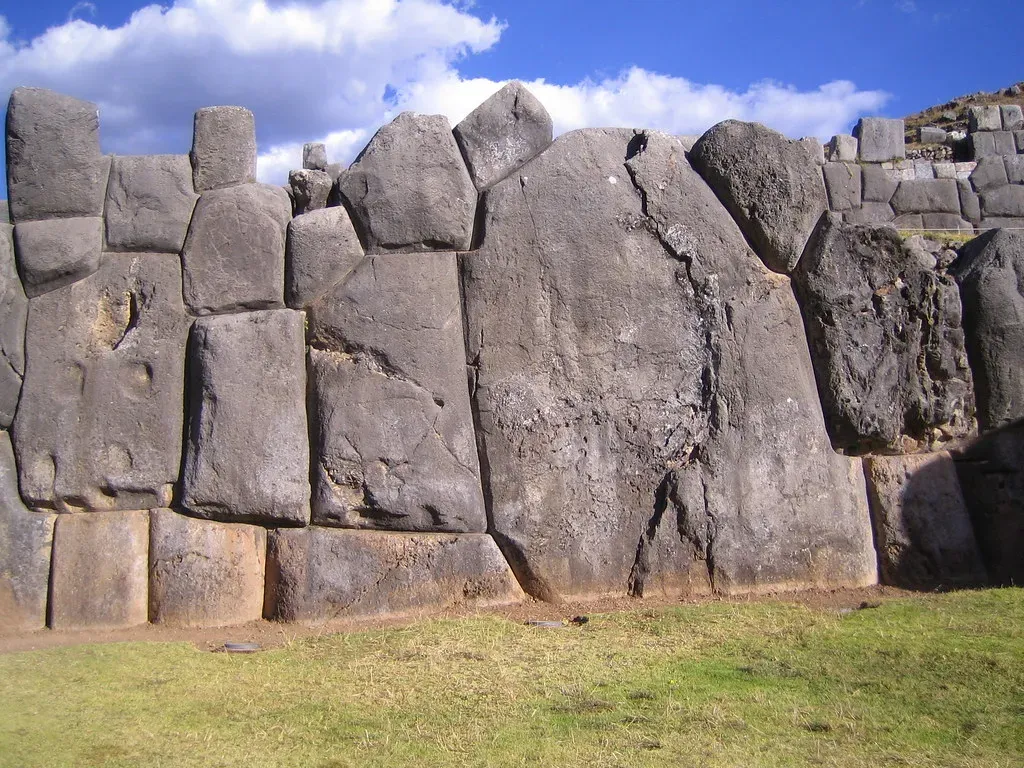
High above Cusco, Peru, sits a fortress wall built from limestone blocks so massive that some weigh over 100 tons, fitted together with zero mortar and gaps so tight you often can’t slide a knife blade between them. The stones aren’t uniform rectangles either – they’re irregular, polygonal shapes interlocking like an enormous three-dimensional puzzle.
This wasn’t decorative. The Inca specifically engineered this style for earthquake resistance, and it worked: colonial Spanish buildings constructed with European mortar techniques nearby have crumbled in seismic activity, while the original Inca stonework has survived multiple major earthquakes largely intact. The interlocking shapes allow the stones to shift slightly during tremors and settle back into place instead of cracking.
Modern engineers have studied the technique for seismic-resistant construction principles, but replicating the exact stone-shaping and fitting process at this scale, without modern lifting equipment or power tools, hasn’t been meaningfully achieved. The Inca reportedly used bronze and stone tools, along with sand-based abrasion, to shape and polish joints with a precision that still puzzles stonemasons today.
Most travelers rank Machu Picchu as the essential Peru stop, but many archaeologists argue Sacsayhuamán is actually the more technically impressive site – it just gets less marketing. But #10 involves stones cut with such mathematical precision that some researchers initially assumed they were machine-made.
#10 – Puma Punku’s Machine-Precise Stone Blocks
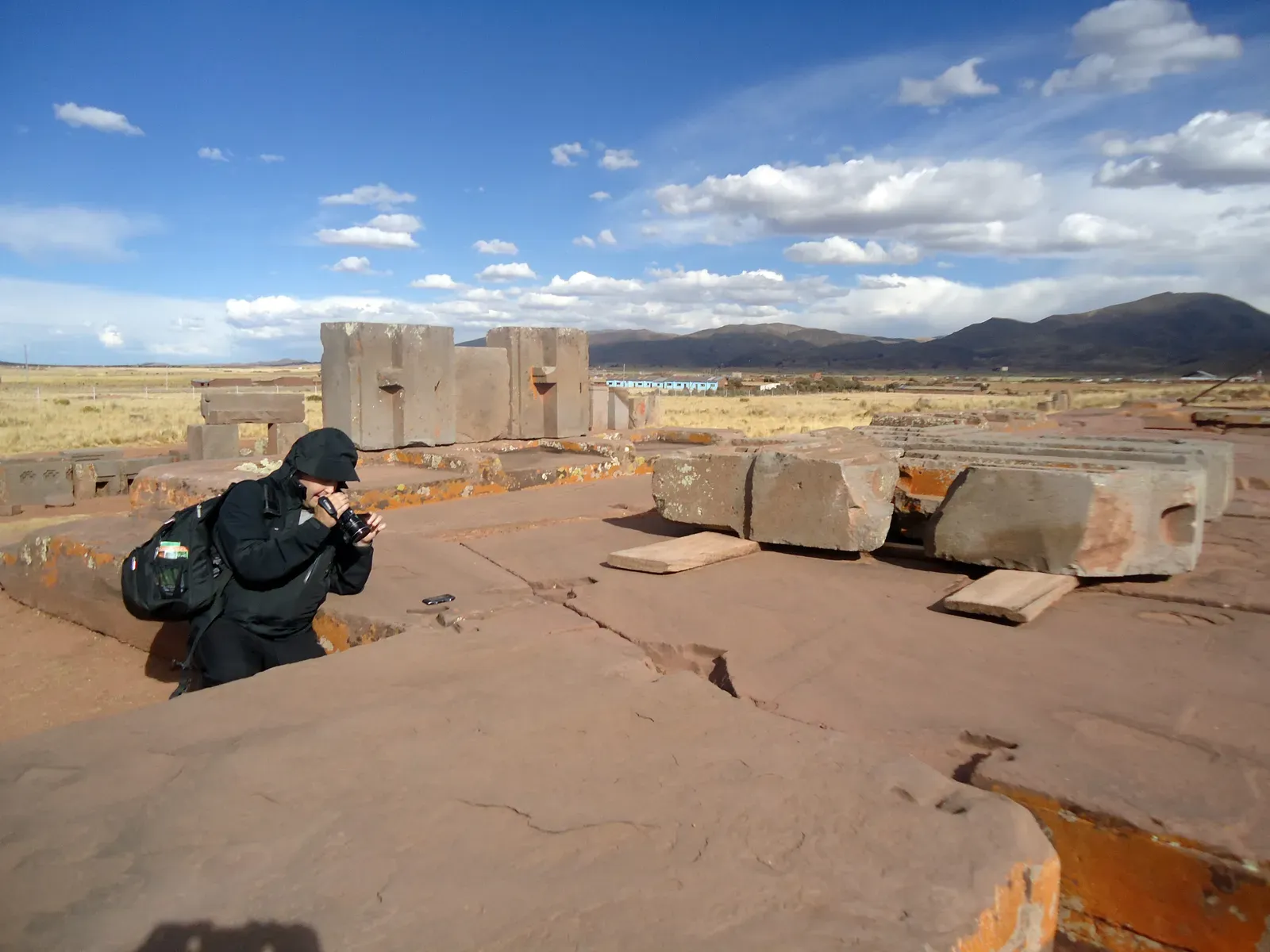
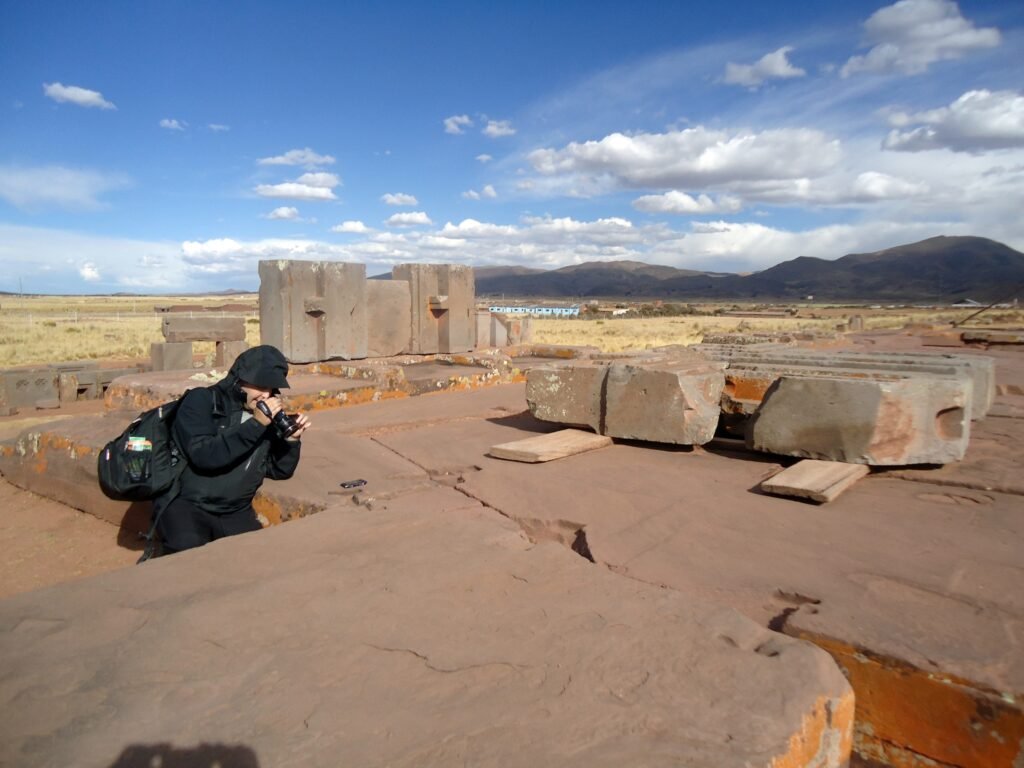
Near Lake Titicaca in Bolivia sits Puma Punku, a pre-Incan site featuring massive stone blocks with perfectly straight edges, precise right angles, and standardized notches cut into hard andesite and diorite stone – rock so tough that modern quarrying equipment struggles with it without diamond-tipped tools.
What makes this site controversial isn’t the age – it’s the tooling question. The blocks feature interlocking joint designs and repeated identical grooves that suggest either an incredibly standardized manual process or techniques archaeologists haven’t fully reconstructed. Mainstream archaeologists maintain the builders used stone hammers, abrasive sand, and enormous labor forces, while acknowledging that the precision achieved on some blocks genuinely exceeds what casual stone-on-stone work typically produces.
Attempts to replicate individual Puma Punku blocks using only period-accurate tools have been done, but they take significantly longer than the scale of the site would suggest was available, given the population estimates for the region at the time. That gap between “labor available” and “precision achieved” is where the real scientific debate sits – not aliens, but an unresolved efficiency question.
– The honest answer: archaeologists don’t fully agree on the exact tools used, and that ambiguity is precisely why Puma Punku keeps showing up in engineering debates decades later. But #11 goes back to the UK, where the mystery isn’t the carving – it’s the transportation.
#11 – Stonehenge’s 150-Mile Stone Delivery

Most people picture Stonehenge as a pile of big local rocks. The smaller bluestones weren’t local at all – geological analysis traces them to the Preseli Hills in Wales, roughly 150 miles from the Salisbury Plain site where they now stand.
That distance is the entire mystery. Builders around 3000 BCE moved multi-ton stones across that span using nothing but human labor, wooden sledges, ropes, and possibly water transport along rivers and coastline – with no wheels suited for this kind of load, no draft animals confirmed for the job, and no roads. Experimental archaeology projects have tested various sledge-and-log combinations, and while they prove it’s physically possible, none have matched the assumed speed or efficiency the original builders would have needed.
The larger sarsen stones, some weighing over 20 tons, came from a closer quarry roughly 15 miles away, but even that distance presents serious logistical questions about how a Neolithic society organized labor at this scale without centralized government structures as we understand them.
Worth Knowing
- Bluestones traveled roughly 150 miles from the Preseli Hills in Wales
- Sarsen stones, some over 20 tons, came from a quarry about 15 miles away
- Construction is generally dated to around 3000 BCE
- No confirmed wheels, draft animals, or roads were available for the job
- Small-scale rope-and-timber reconstructions still can’t match the implied original timeline
Modern reconstruction attempts using ropes and timber have succeeded on a small scale but have never matched the original timeline implied by archaeological evidence. But #12 takes the mystery underwater and into the Pacific, to a city built on artificial islands.
#12 – Nan Madol’s Megalithic City on the Water
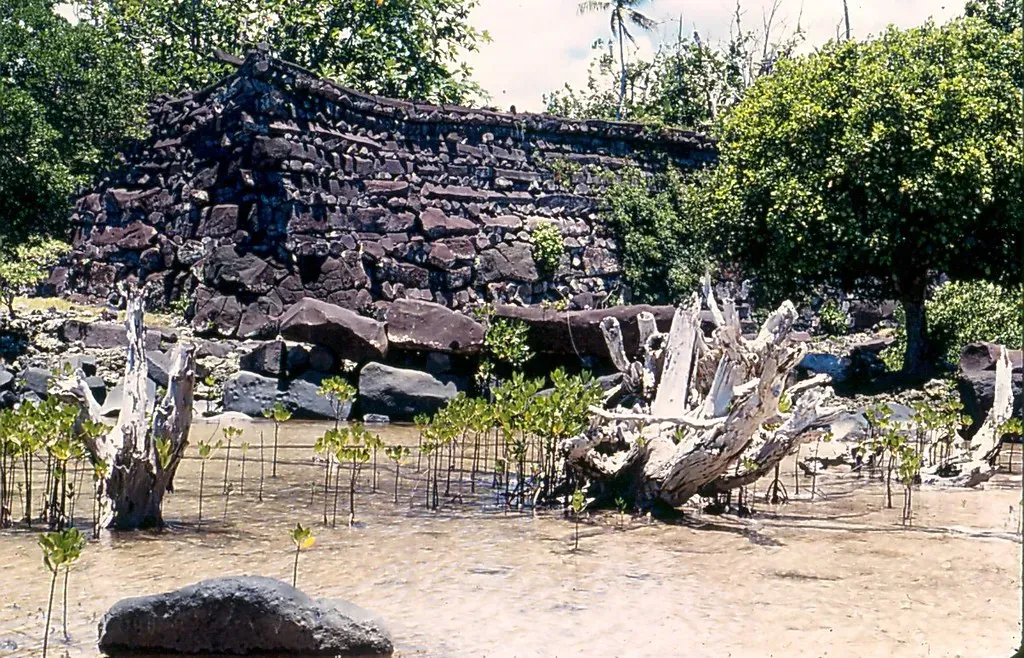
Off the coast of Pohnpei in Micronesia sits Nan Madol, a city built across nearly 100 artificial islets connected by canals, constructed from massive basalt columns stacked like log cabins, some weighing multiple tons each. It’s often called the “Venice of the Pacific,” but the engineering challenge here is arguably tougher than anything Venice attempted.
The basalt used wasn’t sourced locally near the building site – it was transported from quarries elsewhere on the island, then stacked without mortar into walls that have survived for roughly 800 years despite constant exposure to tropical storms, ocean spray, and seismic activity in the Pacific.
What makes this site particularly difficult to explain is the combination of two separate engineering problems solved simultaneously: building stable artificial land in a lagoon, and then transporting and stacking multi-ton stone columns on top of that unstable foundation. Most ancient megalithic sites solve one of these problems. Nan Madol solved both at once, using a Pacific island population that historians estimate was relatively small.
Local oral tradition credits legendary twin sorcerers with levitating the stones into place – a story archaeologists obviously don’t take literally, but one that underscores just how implausible the engineering looked even to the descendants of the people who built it. But #13 shrinks the scale dramatically, down to a single pigment color scientists spent decades trying to fully reverse-engineer.
#13 – Egyptian Blue, The First Synthetic Pigment
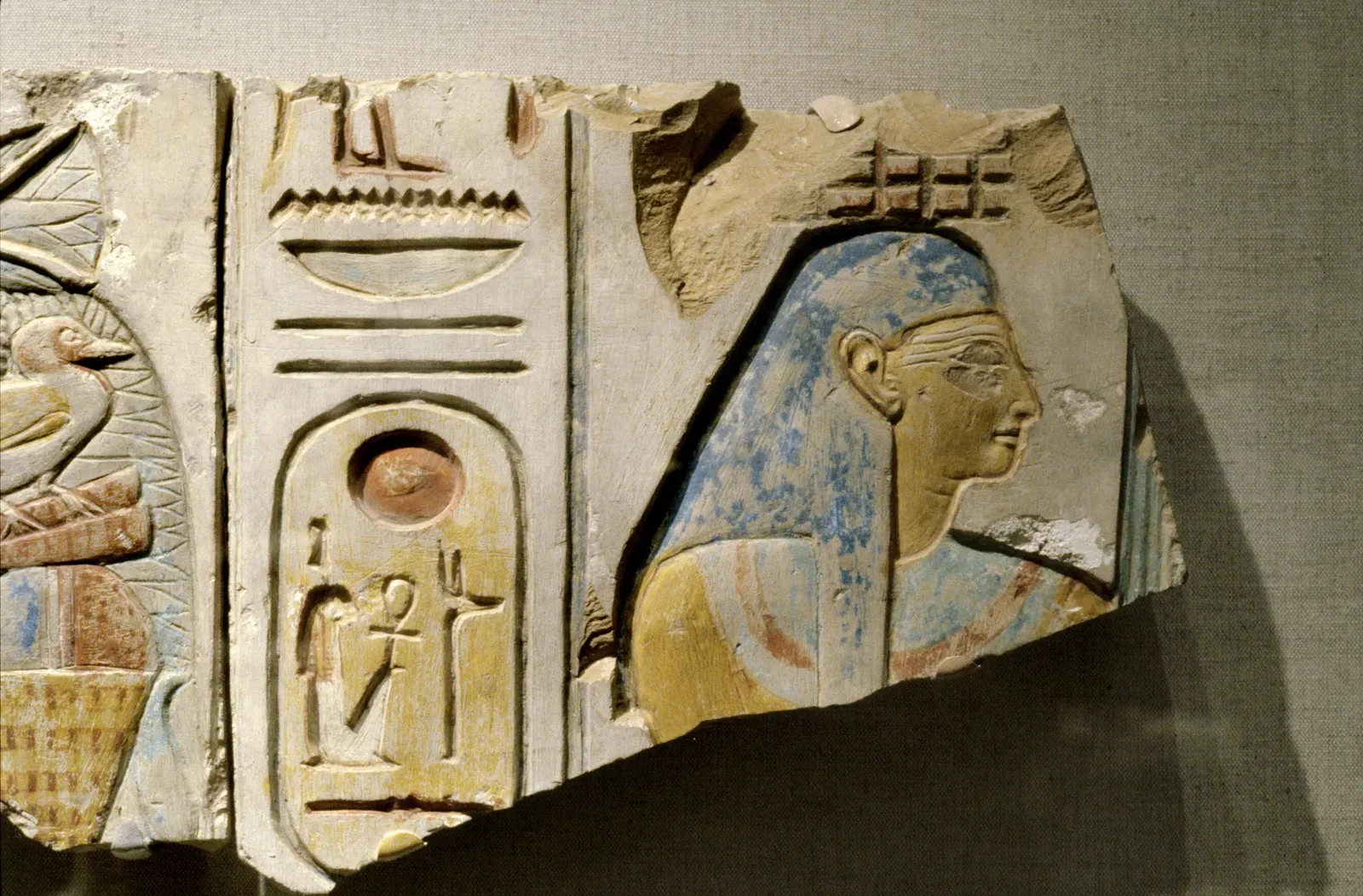
Long before chemistry existed as a formal science, Egyptian artisans were manufacturing a vivid blue pigment from calcium, copper, and silica heated to precise temperatures – creating what’s widely considered the first fully synthetic pigment in human history, roughly 5,000 years ago.
Getting the color right required heating the mixture within a narrow temperature range for an extended period. Too hot or too cold, and the chemical reaction that creates the blue calcium copper silicate crystal structure simply doesn’t happen correctly. Egyptian workshops achieved consistent results across generations without thermometers, using experience-based temperature judgment through kiln design and firing time.
Modern chemists have fully reverse-engineered the compound, but here’s the twist: Egyptian Blue has a rare property researchers only recently found practical use for – it emits infrared radiation when exposed to visible light, a property now being explored for security ink, forensic fingerprint detection, and even biomedical imaging.
The pigment technique itself was eventually lost after the Roman period and had to be fully reconstructed by modern chemists rather than continuously passed down, meaning there was a real, centuries-long gap where nobody could reliably make it. But #14 brings us to the most debated object on this entire list – one that mainstream archaeology still argues about.
#14 – The Baghdad Battery’s Unresolved Purpose
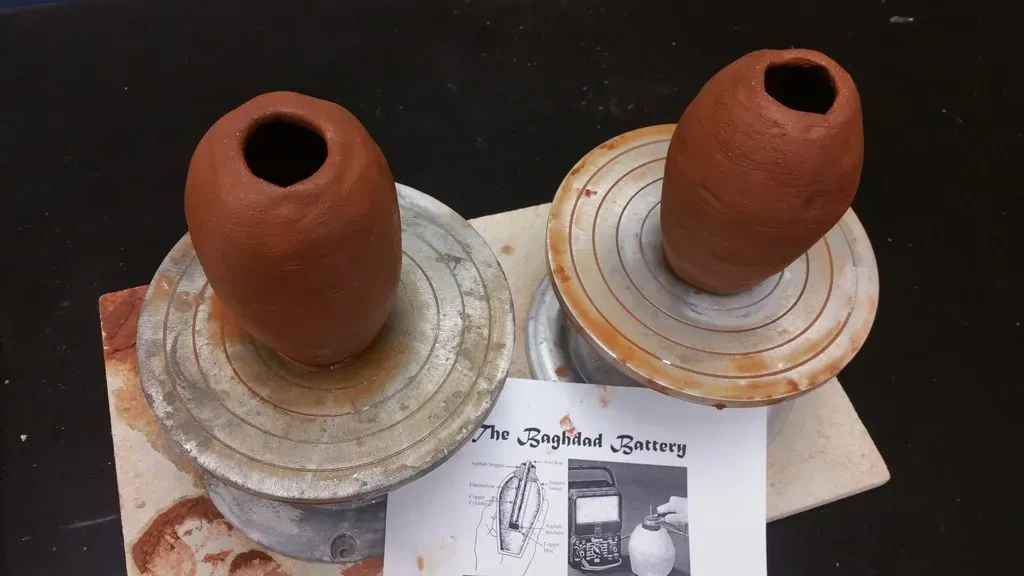
Discovered near Baghdad and dated to roughly 2,000 years ago, this ceramic jar contains a copper cylinder and an iron rod arranged in a way that, when filled with an acidic liquid like vinegar or wine, can generate a small electrical current – a fact modern researchers have actually tested and confirmed works.
Here’s where it gets genuinely divisive. Some researchers argue this was intentionally built as a primitive battery, possibly for electroplating small objects with gold or silver, a technique that would explain gilded artifacts from the region that show plating too thin for typical mechanical application methods. Mainstream archaeologists remain skeptical, arguing the object more likely served as a storage vessel for sacred scrolls, with the metal components being incidental rather than functional.
What nobody disputes is the physics: replicate the exact jar-and-metal configuration today, add an acidic liquid, and you do get measurable voltage – it’s just weak, roughly comparable to a modern potato battery, not enough to power anything sophisticated.
The debate remains unresolved specifically because no supporting artifacts – wires, connectors, or clear electroplated objects from the same context – have been definitively linked to it, leaving one of ancient history’s most electrifying claims stuck in permanent limbo.
The Bottom Line
Here’s the uncomfortable truth: ancient humans weren’t primitive, they were resourceful in ways modern engineering has actively forgotten. Roman concrete outlasts ours. Damascus steel had nanotechnology we only rediscovered with electron microscopes. The Antikythera Mechanism proves precision gearing existed a thousand years earlier than textbooks assumed.
Some of these technologies weren’t lost to ignorance – they were lost to secrecy, conquest, and shifting manufacturing priorities that quietly erased knowledge nobody thought to protect. The real lesson isn’t that the ancients were magical. It’s that “progress” isn’t always a straight line forward.
Which one of these surprised you the most – or did we miss an ancient build that still stumps modern science? Drop it in the comments.