
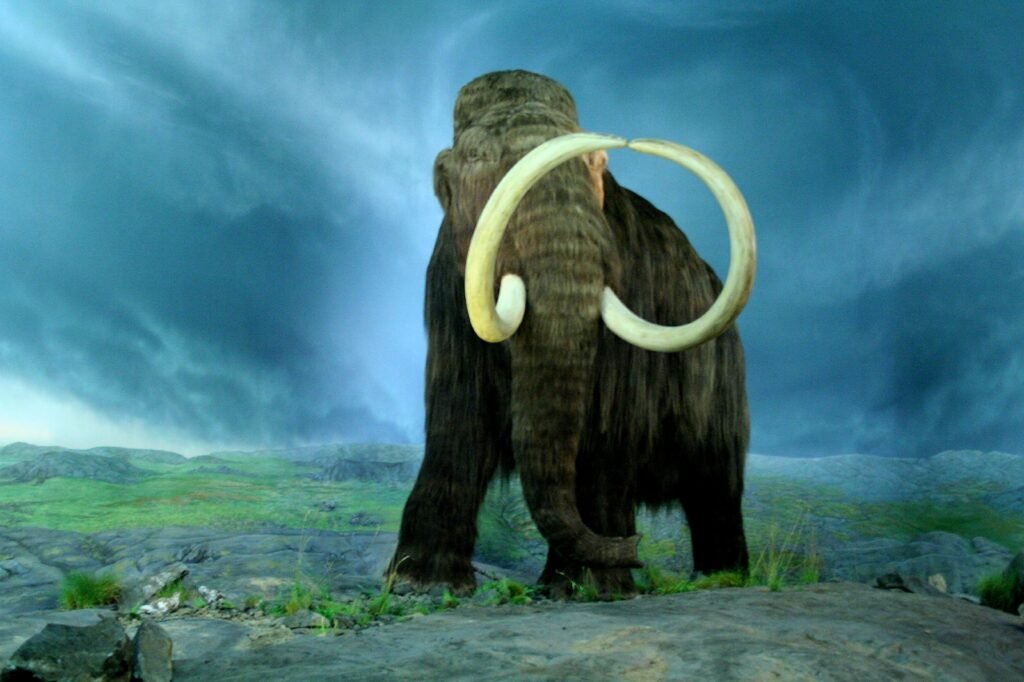
For decades, the woolly mammoth has been treated as prehistory’s ultimate poster child – a shaggy giant frozen mid-stride in ice, hunted to extinction by spear-wielding cavemen, and safely tucked away in the “Ice Age” chapter of every textbook. Almost none of that is true.
New genome studies, freshly reconstructed chromosomes, and DNA pulled from more than 500 fossilized bones have quietly rewritten everything we thought we knew – size, diet, extinction timing, even what actually killed the very last herd. One detail alone should make you rethink the whole timeline: some mammoths were still alive and grazing while the Great Pyramid of Giza was already standing. Here’s what the fossil and genetic evidence actually says, starting with the biggest myth of all.
#15 – They Weren’t Actually “Giant” Compared to Elephants
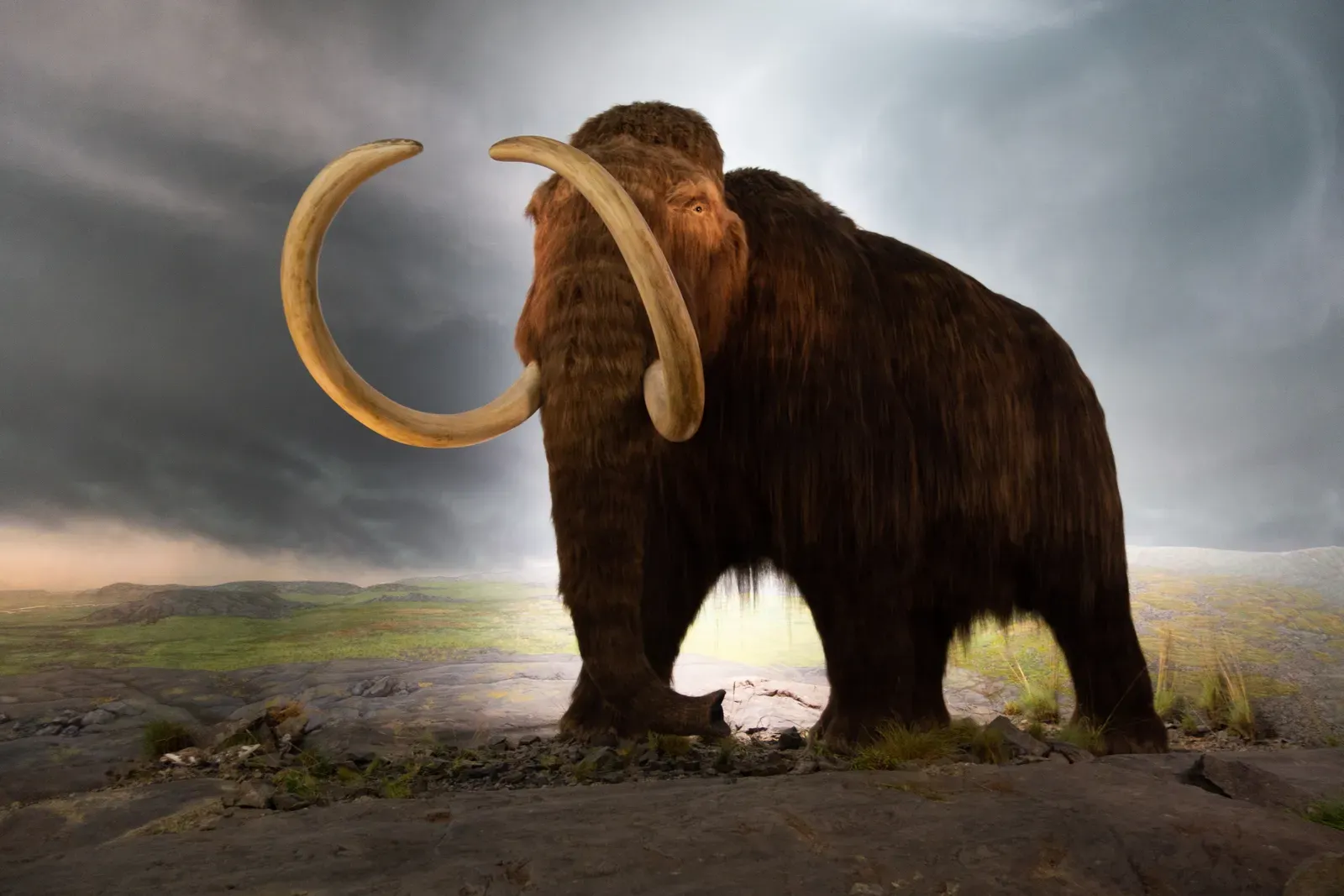
Picture books love drawing woolly mammoths as towering monsters next to puny modern elephants. The real numbers tell a far less dramatic story.
Estimates vary slightly between research teams, but they converge on roughly the same range: woolly mammoths stood somewhere between 9.5 and 11 feet at the shoulder, putting them in the same ballpark as living Asian elephants rather than some mythical super-beast. Males topped out around 11 feet (3.5 meters), while females ran a bit shorter, closer to 9.5 feet (3 meters).
The most surprising part? A fully grown woolly mammoth topped out around 6 tons – which is also roughly the max weight of a large modern elephant. The “giant monster” image beloved by museum murals and Hollywood movies isn’t backed by the fossil record. It’s an exaggeration built for spectacle, not science.
But that’s nothing compared to what we found about #14…
#14 – They Weren’t Even the Biggest Mammoth Species
![#14 - They Weren't Even the Biggest Mammoth Species (Osborn, H. F. (1942). Percy, M. R., ed. Proboscidea: A monograph of the discovery, evolution, migration and extinction of the mastodonts and elephants of the world 2. New York: J. Pierpont Morgan Fund. Frontispiece and [1], Public domain)](https://nvmwebsites-budwg5g9avh3epea.z03.azurefd.net/dinoworld/fff4d5add2828f99459308324da5b539.webp)
If size records are what you’re after, the woolly mammoth doesn’t even win its own family competition.
Most mammoth species matched modern elephants in scale, but the North American imperial (also called Columbian) mammoth blew past all of them, reaching roughly 4 meters at the shoulder – noticeably taller than the woolly mammoth’s shoulder height, which topped out around 3.7 meters in the largest recorded individuals. The imperial mammoth roamed warmer grasslands farther south and simply had more resources to grow into a bigger animal.
Here’s the twist most textbooks skip: mammoths and mastodons get lumped together constantly, but they’re not the same lineage at all. Mastodons were smaller than woolly mammoths, emerged roughly 25 million years earlier, and may represent an ancestral branch rather than a rival species.
Quick Compare
- Woolly Mammoth: ~9.5-11 ft shoulder height, up to ~6 tons
- Imperial (Columbian) Mammoth: ~13 ft (4 m) shoulder height – the true size champion
- Large Modern Elephant: comparable shoulder height and weight to a woolly mammoth
- Mastodon: smaller than a woolly mammoth, but roughly 25 million years older as a lineage
So the “biggest Ice Age beast” crown never actually belonged to the species plastered on classroom posters. But that’s nothing compared to what we found about #13…
#13 – Small Ears Weren’t a Flaw, They Were the Whole Point
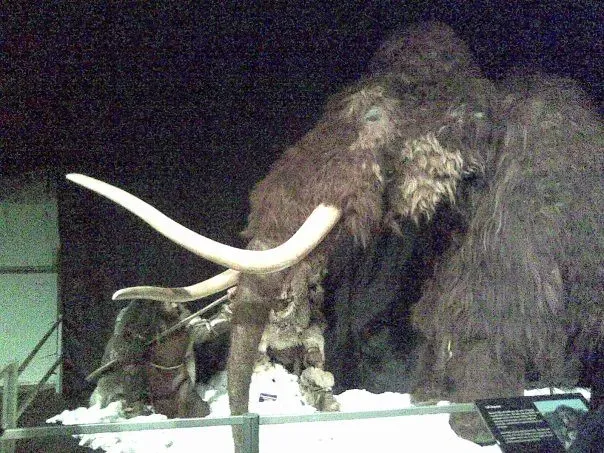
Elephant ears are famous for radiating heat away from the body on the African savanna. Somewhere along the way, people assumed mammoths just got stuck with a design flaw – tiny, useless ears. They didn’t.
Woolly mammoths had dramatically smaller ears than modern elephants, and that wasn’t a limitation – it was the entire strategy. Small ears meant less exposed surface area, which meant less risk of frostbite and far less heat loss in temperatures that regularly dropped below freezing.
Most people don’t realize how much energy large ears actually cost in the cold. On an African elephant, big ears act like a radiator, constantly shedding heat. In sub-zero Siberia, that same radiator becomes a liability – it takes energy just to keep blood flowing through all that exposed skin. Mammoth ears weren’t a downgrade from elephant ears. They were a completely different survival strategy, built for the opposite climate problem.
But that’s nothing compared to what we found about #12…
#12 – They Weren’t Always “Woolly”
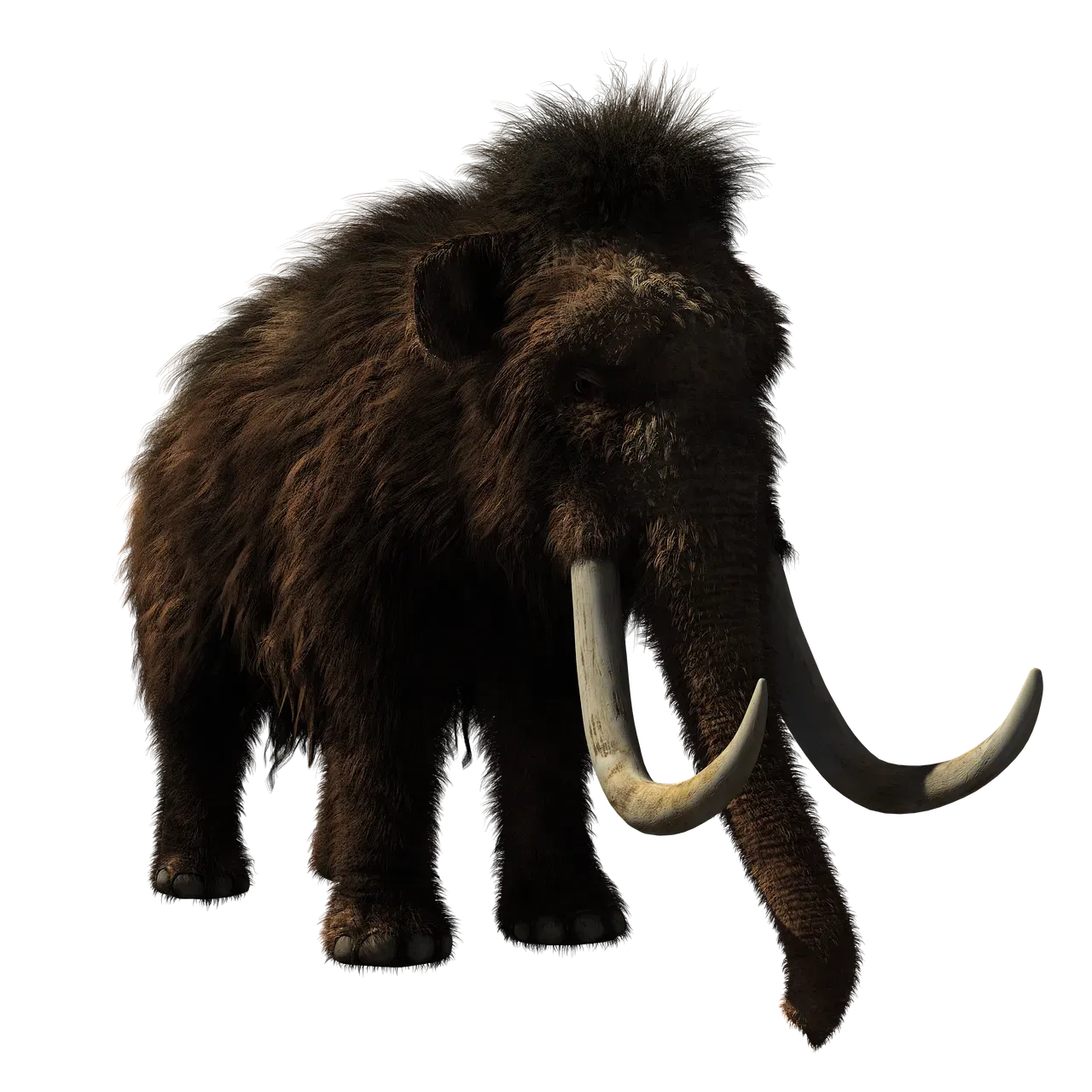
Here’s the fact that upends the species’ entire name: early mammoths weren’t shaggy at all.
The trademark woolly coat and thick insulating fat that helped mammoths survive brutal Siberian winters didn’t exist from day one. Scientists proved it by comparing genomes across time – specifically, 22 recent Siberian mammoth genomes against a specimen that lived roughly 700,000 years ago, in the first large-scale comparison of its kind.
The shocking timeline: it took roughly 600,000 years of natural selection for traits like smaller ears, thicker fur, and a fat-adapted metabolism to become exaggerated enough to handle true Ice Age conditions. “Woolly mammoth” wasn’t a fixed blueprint that appeared overnight – it was a slow, multi-hundred-thousand-year evolutionary work in progress, refined generation by generation as Siberia got colder.
But that’s nothing compared to what we found about #11…
#11 – Their Diet Was Nothing Like the Grass-Only Grazer in Textbooks
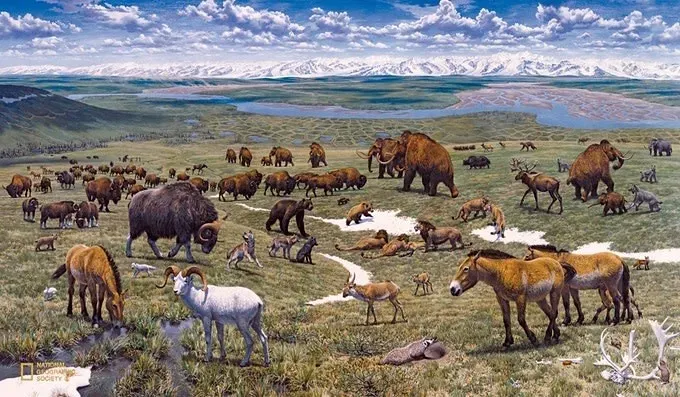
Simplified diagrams show mammoths chewing endless mouthfuls of tundra grass, day after monotonous day. Actual necropsy evidence paints a much stranger picture.
Necropsies – essentially autopsies for animals – show that mammoth calves drank their mother’s milk but also ate grass, protein-rich flowers, and even dung. Coprophagy, eating feces, sounds bizarre on its own, but it’s a known strategy among modern elephant calves too, used to seed their gut with the right bacteria to break down tough plant fiber.
The controversial opinion here: treating mammoths as simple “grass machines” massively undersells how nutritionally opportunistic they actually were. Protein-rich flowers suggest a selective, calorie-hungry forager, not the flat grazing animal shown in most textbook diagrams. Ice Age tundra wasn’t a monotonous grass carpet – it was a varied buffet, and mammoths seem to have known exactly which parts were worth the extra energy to chase down.
But that’s nothing compared to what we found about #10…
#10 – Tusks Weren’t Simple, One-Purpose Weapons
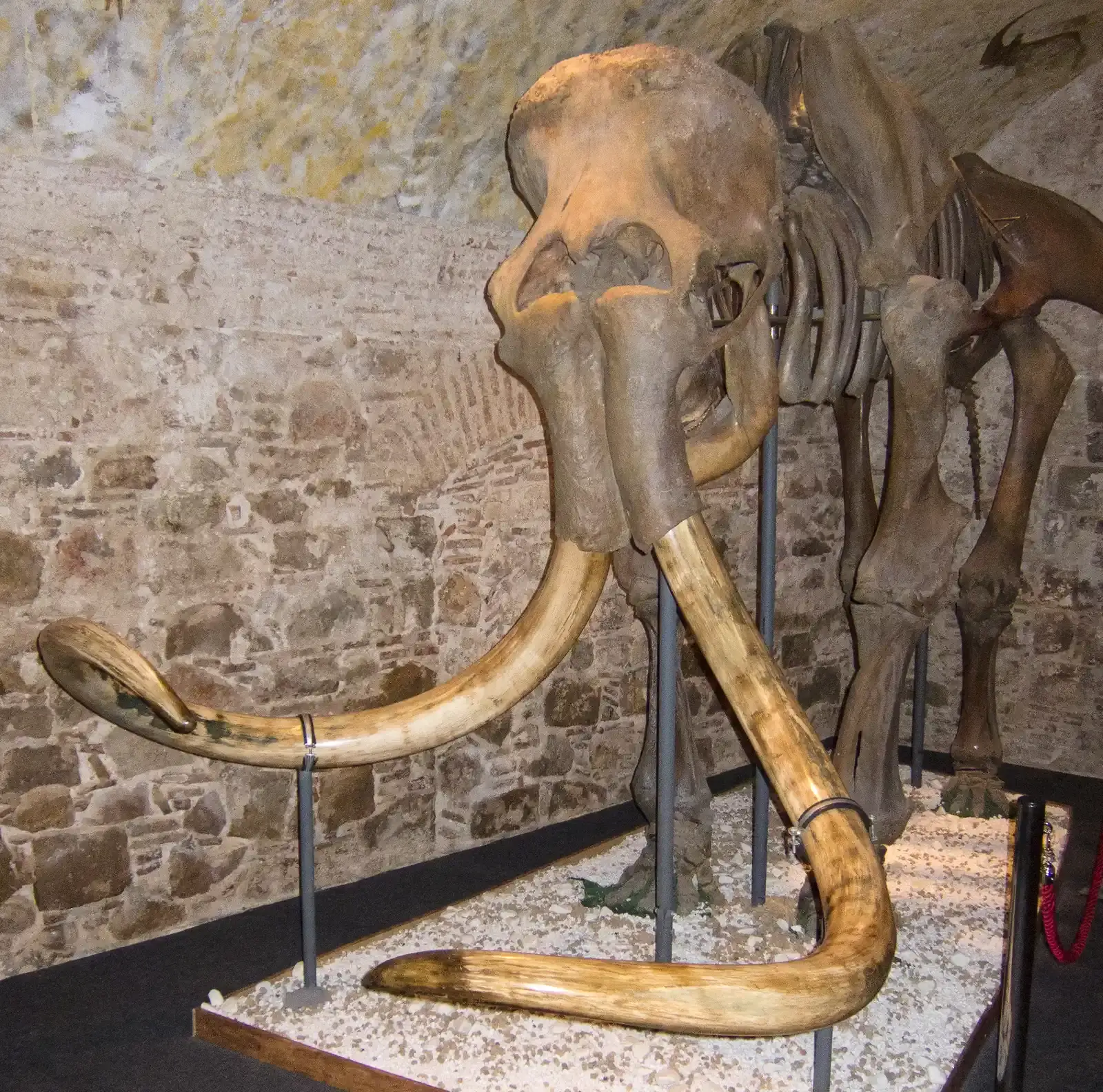
Old textbooks show tusks as generic pointy weapons, good for fending off a saber-tooth cat and not much else. The real anatomy is far more specialized – and far more sex-specific.
Males grew large, dramatically curved tusks, almost certainly used to compete with other males for mates. Female woolly mammoths had tusks too, but theirs tended to run straighter and smaller. That’s a detail most illustrations miss entirely – not every mammoth carried the same weapon, and the difference tracked directly with mating competition rather than universal defense.
The scale is almost hard to believe. Male tusks – longer, thicker, and more prominently curved than female tusks – could measure as much as 3.8 meters along the curve, sweeping outward and downward before curling sharply inward and upward. Some individual specimens have been measured even longer than that.
Fast Facts
- Male tusks could reach up to 3.8 meters (about 12.5 feet) along the curve
- Female tusks were straighter and noticeably smaller than male tusks
- Tusks swept outward and downward before curling sharply inward and upward
- Main function: competing with rival males for mates – not just generic defense
That’s not a simple spear. It’s a highly specialized, sexually dimorphic structure refined over thousands of generations – more like a peacock’s tail than a knife. But that’s nothing compared to what we found about #9…
#9 – Their Closest Living Relative Isn’t the Elephant You’re Picturing
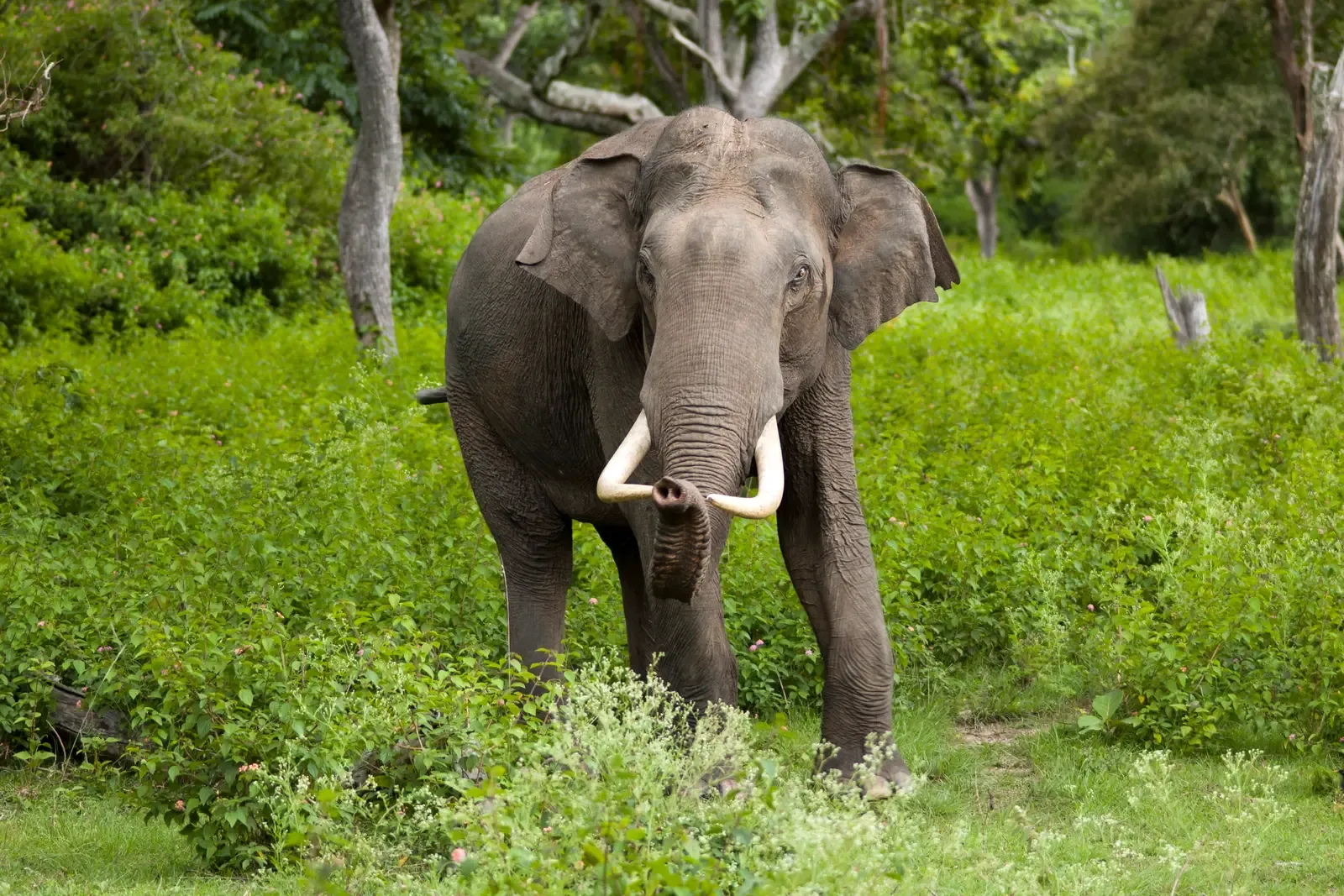
Ask most people which living elephant is the mammoth’s closest cousin, and they’ll almost always guess the massive African elephant. Wrong branch of the family tree entirely.
Asian elephants – not African elephants – are the closest living relatives of the woolly mammoth, despite African elephants constantly showing up in documentaries and illustrations for size comparisons. This distinction matters enormously for the current de-extinction race, since every gene-editing project chasing mammoth traits is built on Asian elephant DNA specifically, not African.
Freshly reconstructed chromosomes confirm the connection at a structural level. Researchers determined the woolly mammoth carried 28 pairs of chromosomes – the exact same count found in modern elephants. Even more strikingly, the genes that regulate hair follicle development were sitting in active positions in the mammoth genome, which may explain why one species ended up woolly and its closest cousin didn’t.
Same chromosome count, wildly different coat. Genetics, it turns out, is weirder than any classroom diagram lets on. But that’s nothing compared to what we found about #8…
#8 – Ice Age Hunters Targeted Females, Not Bulls
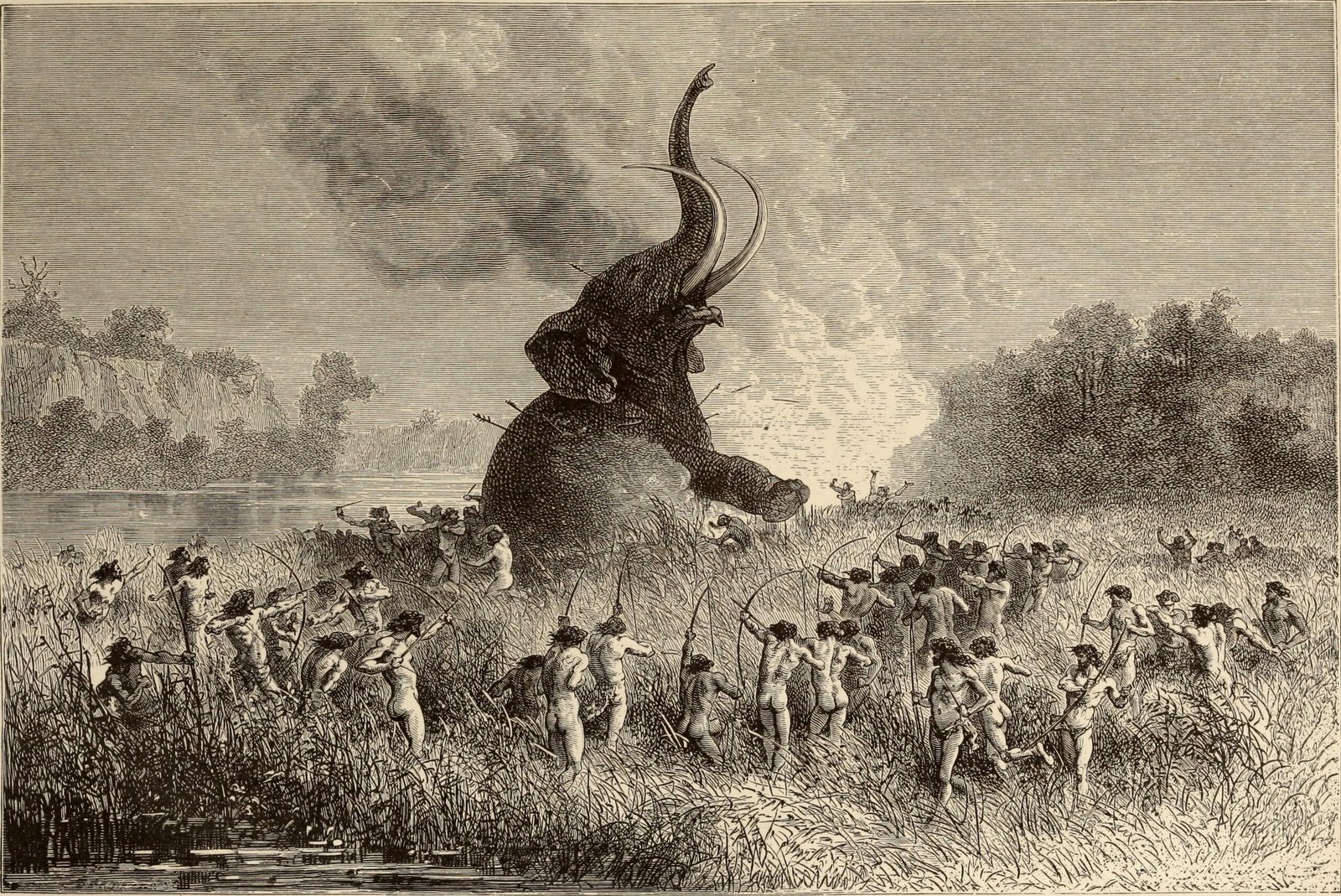
Cave paintings and museum dioramas love showing hunters spearing a single, dramatic bull mammoth. New ancient DNA evidence flips that script entirely.
Analyzing ancient DNA pulled from more than 500 mammoth bones, an international research team found that Ice Age humans selectively targeted female woolly mammoths – a sharp contrast to the natural sex ratio found among mammoth remains that weren’t hunted. That’s a massive shift in how we should picture Paleolithic hunting parties actually operating.
Why females specifically? It’s tempting to assume hunters went after females because they were smaller and easier, but that misses the real logic. If mammoths behaved anything like modern elephants, females lived in matriarchal herds with group defenses that could make an encounter just as dangerous, if not more so, than facing a solitary bull. The more likely explanation: female-led herds moved across the landscape in predictable, trackable patterns – the same tactic wolves still use on caribou herds today.
Hunters weren’t picking the “easy” target. They were exploiting herd behavior. But that’s nothing compared to what we found about #7…
#7 – They Weren’t “Flash Frozen” the Instant They Died
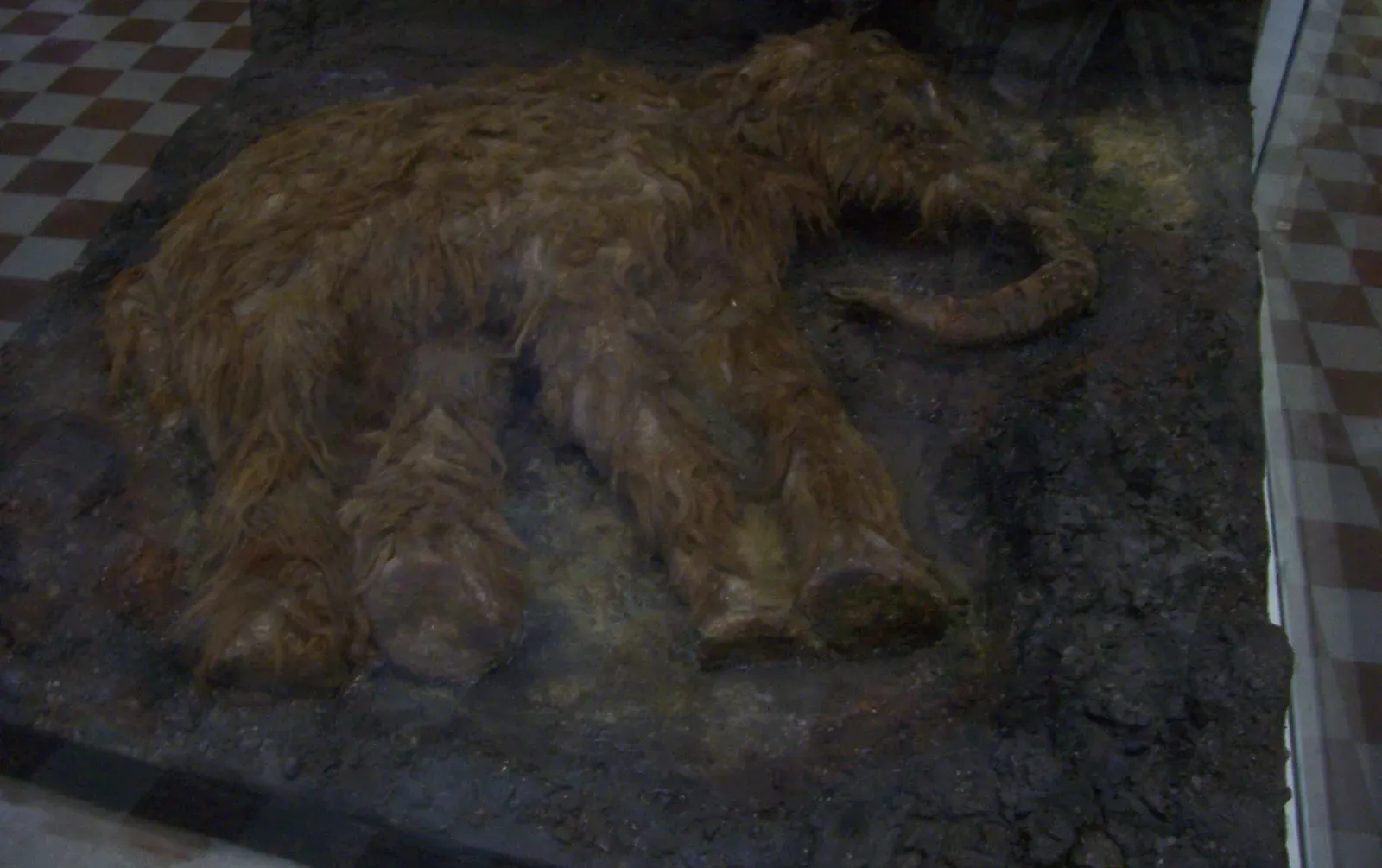
Pop culture loves the image of a mammoth frozen mid-stride, trapped in ice within seconds of dying. The actual preservation science tells a slower, far stranger story.
A 52,000-year-old carcass pulled from Siberian permafrost didn’t flash-freeze – it freeze-dried on death, a process that preserved the 3D structure of ancient chromosomes in its skin down to the nanometer scale. “Freeze-dried” is a fundamentally different process than instant flash-freezing. It implies gradual dehydration in cold, dry air over time, not a sudden ice-block entombment.
This is where it gets genuinely strange at the molecular level. Scientists discovered that the dehydrated chromatin had settled into a special state resembling molecules in glass – a newly named type of fossil called “chromoglass,” which preserved ancient DNA fragments by essentially freezing their movement in place. The mammoth didn’t get sealed in ice like a museum display. Its cellular structure slowly turned into something closer to biological glass.
That’s a far more interesting – and far less cinematic – death process than the textbook illustration ever suggested. But that’s nothing compared to what we found about #6…
#6 – Some Mammoths Were Alive When the Pyramids Were Being Built

If you learned that mammoths vanished at the end of the last Ice Age, you learned an outdated timeline.
Fossils suggest most mainland mammoths were gone by around 10,500 years ago, but traces of DNA in ancient permafrost hint the animals may have survived in the Yukon until as recently as 5,000 years ago. That’s already thousands of years later than most textbook timelines claim. But the real record-breaker is an isolated island population most people have never heard of.
A dwarf population held on far longer than any mainland herd. While the last mainland mammoths died out roughly 11,000 years ago, a dwarf population survived on Wrangel Island in Siberia until about 3,700 years ago. That means woolly mammoths were still alive while Egyptians were actively building the Great Pyramid of Giza.
Worth Knowing
- Mainland mammoths were largely gone by roughly 10,500-11,000 years ago
- Ancient DNA in Yukon permafrost hints at survivors as recent as 5,000 years ago
- The Wrangel Island dwarf population held on until about 3,700 years ago
- The Great Pyramid of Giza was already under construction while that final herd was still alive
The “Ice Age extinction” story most people learned in school is essentially thousands of years off – and it’s not a small rounding error. But that’s nothing compared to what we found about #5…
#5 – Inbreeding Didn’t Doom the Last Mammoths After All
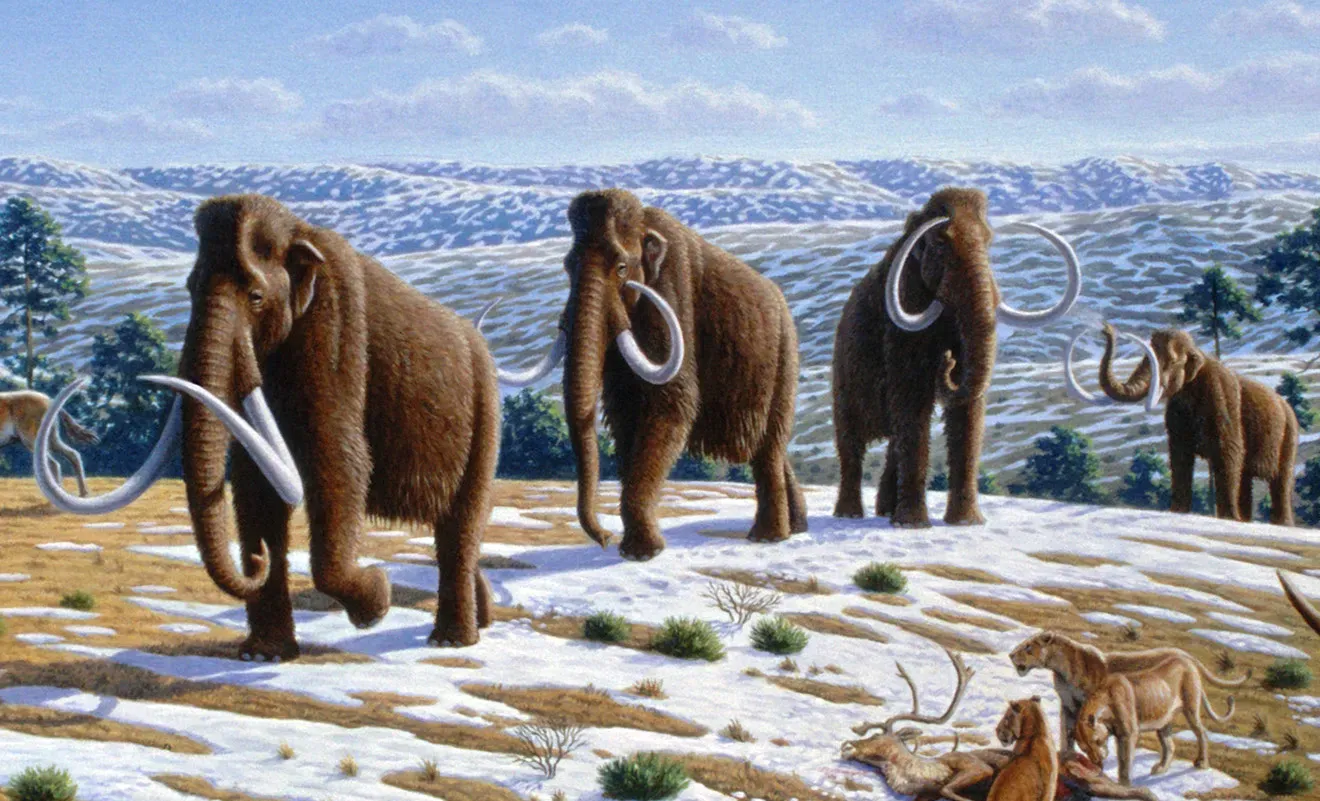
For years, the accepted textbook story blamed the last mammoths’ extinction on genetic collapse from inbreeding. A landmark 2024 genome study blew that theory apart.
A new genomic analysis found that the isolated Wrangel Island mammoths – who survived on the island for roughly 6,000 years – originated from as few as 8 individuals but grew to somewhere between 200 and 300 animals within just 20 generations. Their genomes did show signs of inbreeding and low genetic diversity, but not nearly to the extent that could explain their eventual extinction.
I was very surprised how stable the population seemed genetically.
Love Dalén, paleogeneticist
The mammoths survived roughly 200 generations before going extinct – and rather than a slow, visible decline, the population appears to have been holding steady right up until it suddenly wasn’t. A story researchers had been quietly telling themselves for years turned out to be wrong. A population everyone assumed was gradually dying off was actually stable, until something sudden ended it.
But that’s nothing compared to what we found about #4…
#4 – “Climate Change Killed Them” Is a Massively Oversimplified Textbook Answer
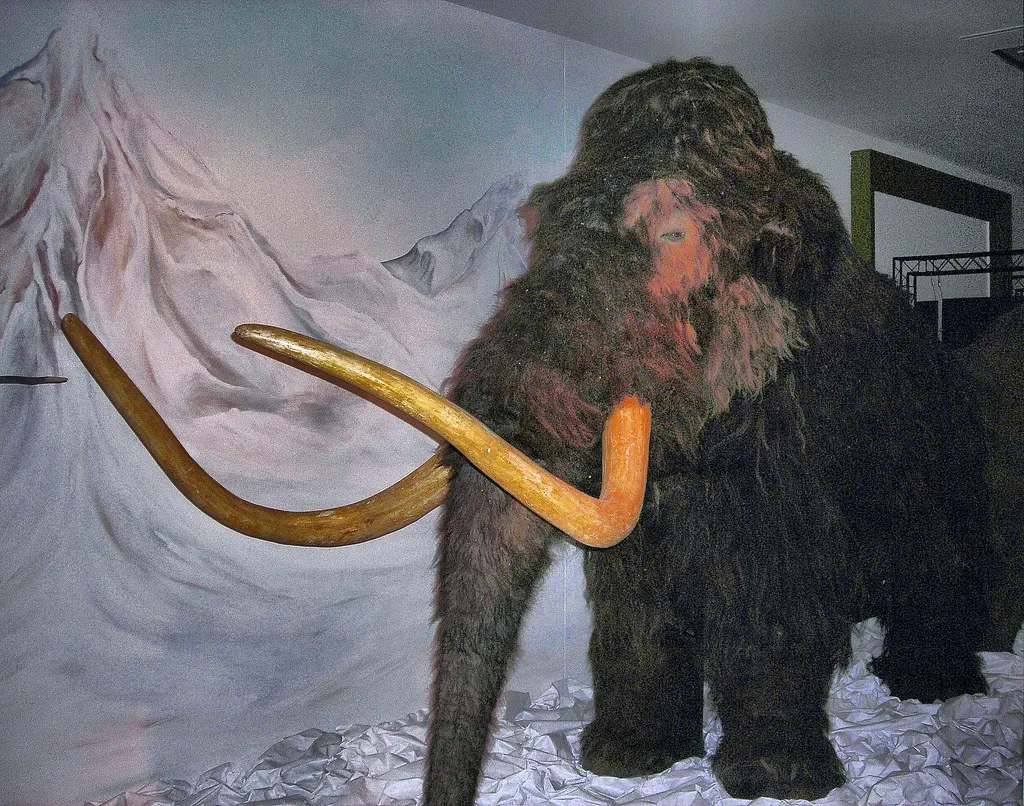
Ask a search engine why mammoths went extinct and you’ll get a confident one-line answer. Actual researchers are still arguing about it, loudly, in competing peer-reviewed journals.
One high-profile 2021 study claimed climate alone was responsible. Geneticists analyzed ancient environmental DNA and concluded that as the ice melted, the landscape simply got too wet for the animals to survive – rainfall and vegetation shifts, not humans, drove the change. According to that model, human hunting had essentially zero impact on the outcome.
But a competing study published the very same year reached the opposite conclusion. New research argued that humans played a significant role in the extinction of Eurasian woolly mammoths, occurring thousands of years later than previously assumed, and mapped out a 20,000-year pathway toward extinction. A separate, earlier analysis tried to split the difference entirely, using climate models and fossil distribution data to argue that habitat loss from temperature change was the primary driver – with human hunting acting as the final straw, not the whole story.
At a Glance
- Climate-only camp: blames a wetter, changing landscape; says human hunting had virtually no effect
- Human-role camp: maps a 20,000-year extinction pathway with humans as a significant driver
- Middle-ground camp: points to habitat loss as primary, with hunting as the final push
This isn’t settled textbook fact. It’s an active, ongoing scientific fight, and anyone who tells you the answer is simple is skipping over a decade of contradictory peer-reviewed papers. But that’s nothing compared to what we found about #3…
#3 – Human Hunting Sped Up Extinction by Thousands of Years in Some Regions
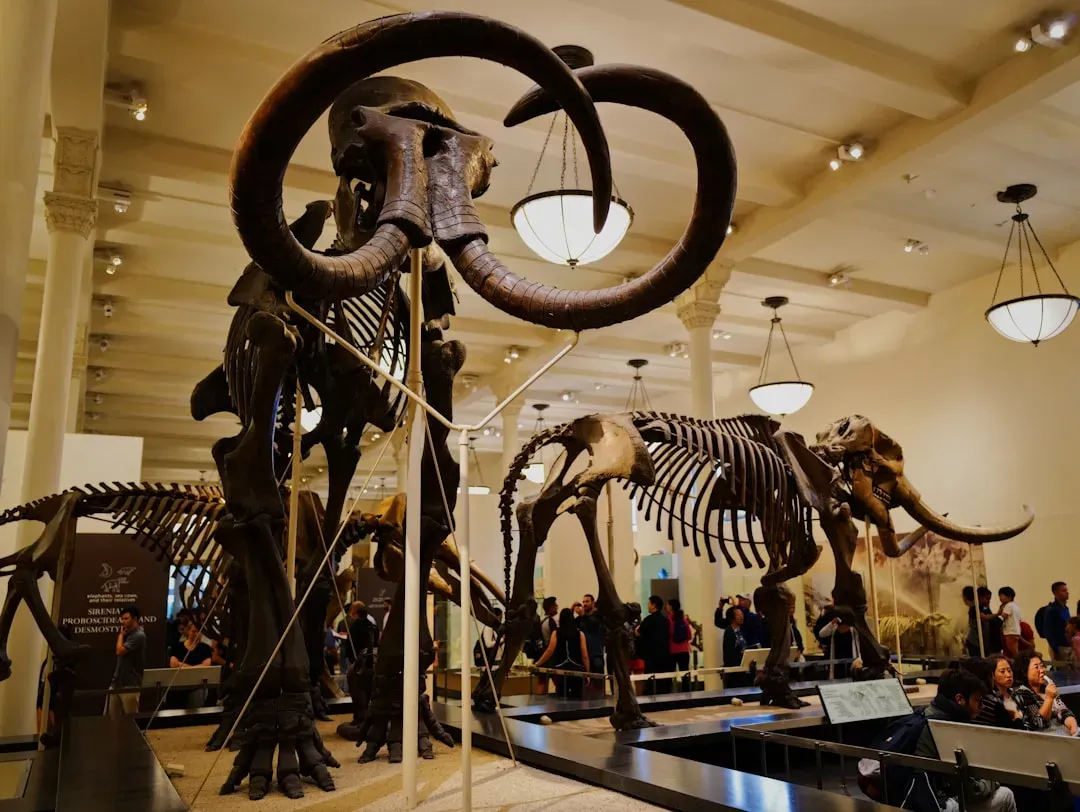
Even researchers who accept climate change as the primary driver now admit humans dramatically accelerated the timeline in specific regions – and the number involved is bigger than most people assume.
Signatures of past changes in mammoth distribution and demography, pulled from fossils and ancient DNA, show that human presence hastened the extinction of woolly mammoths by up to 4,000 years in some regions. Four thousand years isn’t a rounding error. It’s an entire span of human civilization compressed into an extinction timeline that supposedly “would have happened anyway.”
This is where things get genuinely controversial among scientists. We know humans exploited woolly mammoths for meat, skins, bones, and ivory, but until recently it had been difficult to separate the exact roles that climate warming and human hunting each played. Blaming climate alone lets our ancestors off the hook a little too easily – the fossil record increasingly suggests they weren’t passive bystanders watching mammoths fade into the sunset. They were actively closing the door faster.
But that’s nothing compared to what we found about #2…
#2 – Nobody Is Actually “Cloning” a Woolly Mammoth
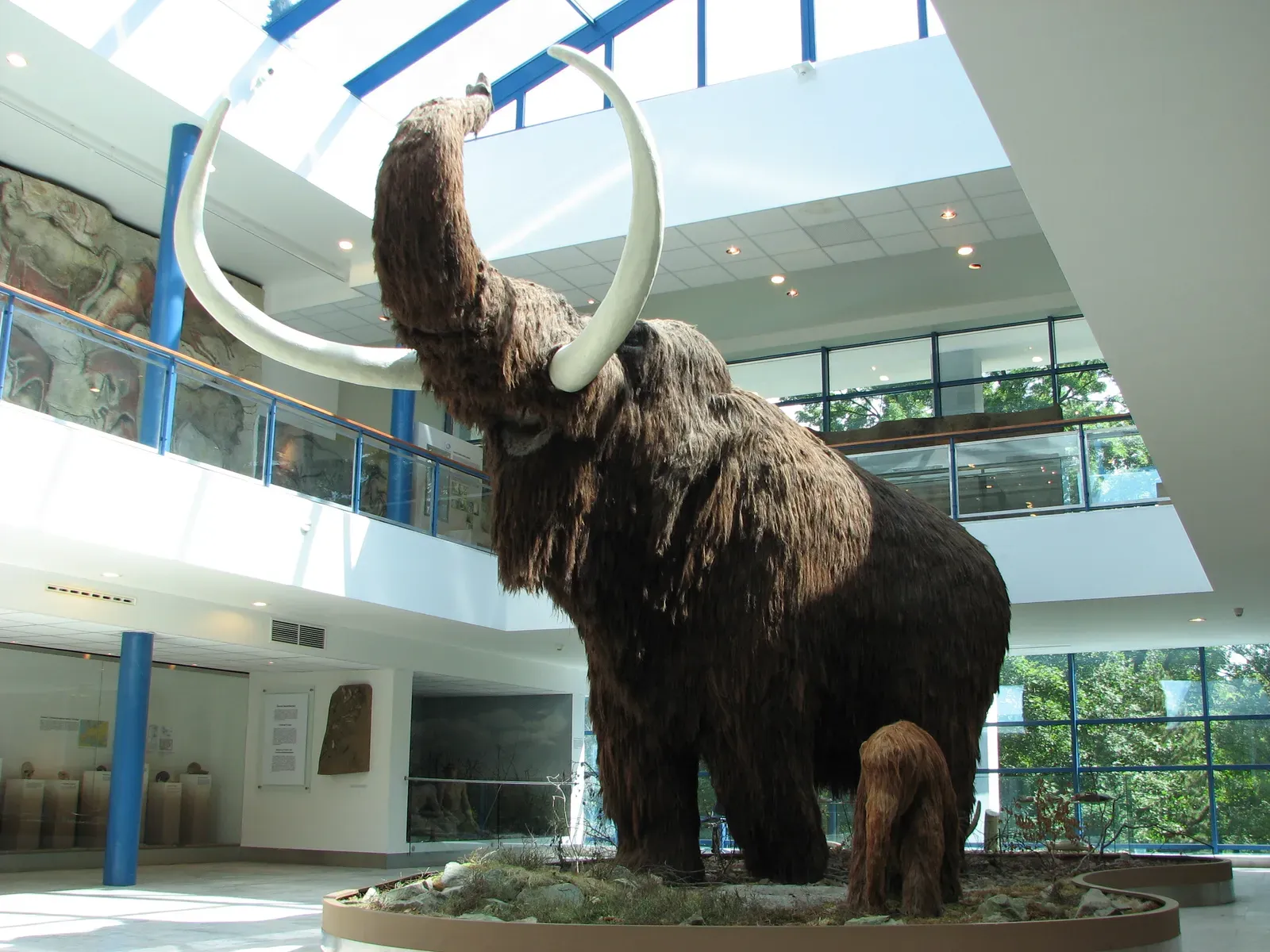
Headlines constantly promise mammoth cloning is imminent, and that word is doing a lot of misleading work. The real science is stranger – and far more limited – than an actual clone.
Scientists say they’re close to “resurrecting” the woolly mammoth, but the actual plan involves inserting genes for iconic mammoth traits – shaggy coats, curly tusks, cold-adapted fat – into the genome of an existing elephant, then growing the resulting embryo inside an elephant surrogate. That’s targeted gene editing layered onto a living species, not copying a complete extinct genome into a blank cell the way Dolly the sheep was famously cloned.
The proof-of-concept so far is, quite literally, a mouse. Fragments of mammoth DNA now operate inside several litters of lab mice, giving them the long, wavy, woolly hair characteristic of the mammoth along with an accelerated fat metabolism – a result of gene editing researchers hope will eventually lead to a mammoth-like elephant as early as 2028. Not everyone is convinced this counts as real progress: a company that has raised hundreds of millions of dollars toward mammoth de-extinction has, so far, mostly delivered hairier mice.
Call it what it actually is – a mammoth-inspired elephant, not a resurrected mammoth. But that’s nothing compared to what we found about #1…
#1 – The Last Mammoths’ Death Is Still an Unsolved Mystery
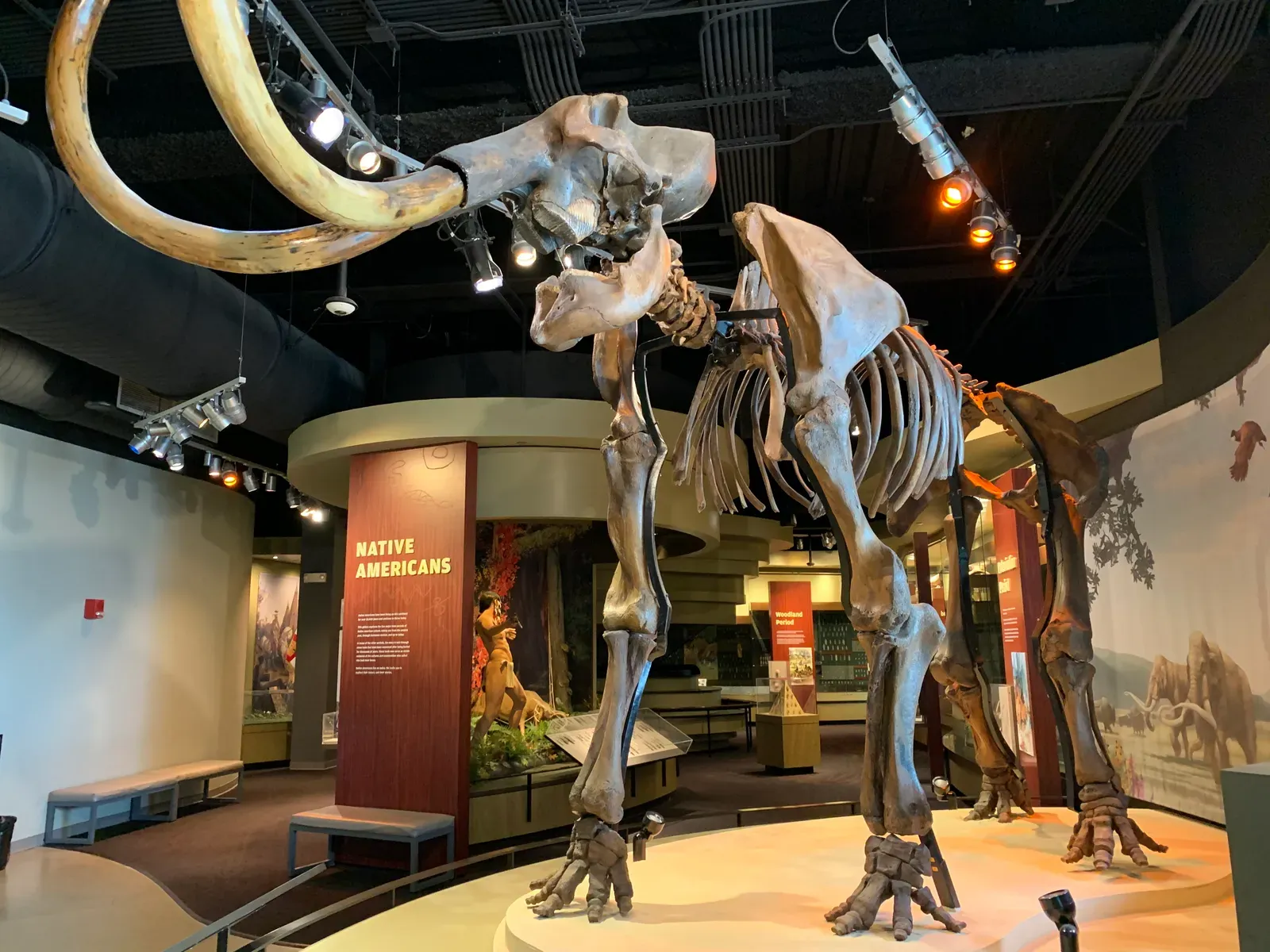
After ruling out a slow inbreeding collapse, scientists are left with an unsettling gap in the story: nobody actually knows what killed the final Wrangel Island population.
No one knows for certain why the Wrangel Island mammoths ultimately vanished. Recent genetic analyses show that the population’s severe historical contraction left the animals genetically vulnerable in a rapidly changing world – but vulnerable isn’t the same as doomed, and it doesn’t explain the timing of the end. That’s a startling admission for a species this thoroughly studied.
The leading theory now points to something sudden, not slow. The Wrangel Island mammoths did carry low genetic diversity, and individual animals suffered from genetic diseases, but new research suggests that’s not what actually killed them. Instead, scientists now suspect some kind of catastrophic event wiped out the world’s last known mammoth population in one blow.
A stable herd of hundreds of animals, holding on for roughly 200 generations, apparently vanished in a geological blink. Was it a virus? A volcanic event? One brutal winter that the small population simply couldn’t absorb? The honest textbook answer, as of right now, is simply: we don’t know. And that unresolved ending is far more haunting than any tidy extinction story ever taught in school.
The Bottom Line
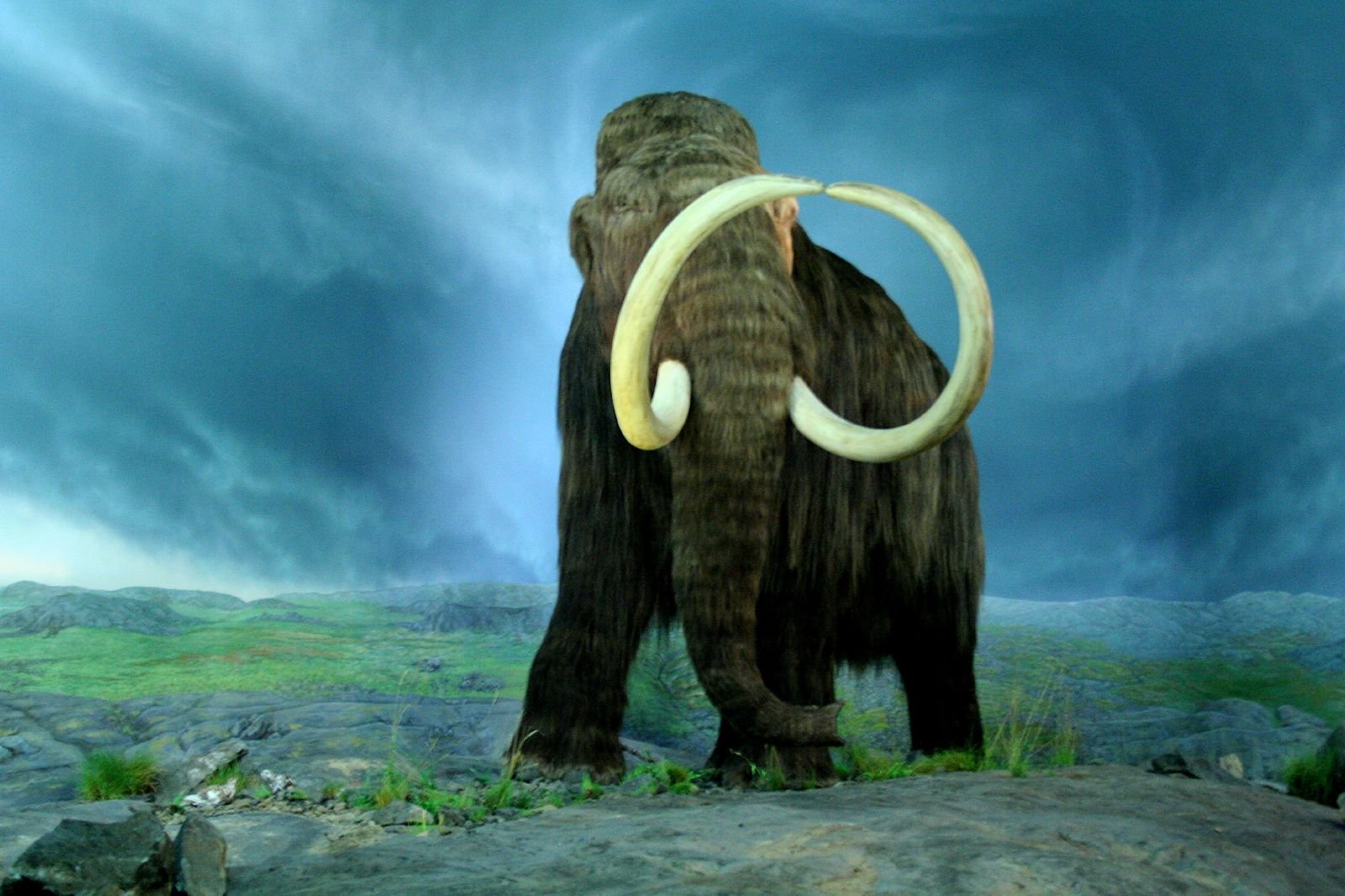
The woolly mammoth textbooks described was smaller, less shaggy in its early history, and far more genetically resilient than generations of students were ever taught. The real story is messier, more human, and more mysterious – a species that survived multiple Ice Ages, brutal island bottlenecks, and mainland hunters, only to vanish from its final refuge for reasons science still can’t fully explain.
My honest take: the “climate change alone” narrative has always been the more comfortable story to tell, because it quietly removes human responsibility from the equation – and the fossil record increasingly disagrees with that comfort. We hunted them, we hastened them, and then we spent centuries telling ourselves nature did it alone.
Which of these 15 corrections genuinely surprised you the most? Drop it in the comments.