Most people picture prehistoric humans gnawing on mammoth ribs around a campfire and calling it a day. That picture is almost entirely wrong. The real Stone Age menu included spoiled meat eaten on purpose, bones stored for weeks like pantry cans, and in some documented cases, other humans.
Scientists studying ancient teeth, fossilized feces, and butchered bones have spent the last decade quietly rewriting everything we thought we knew about what our ancestors actually put in their mouths. Here’s what the evidence actually says.
#1 – Insects Were an Everyday Snack, Not a Last Resort
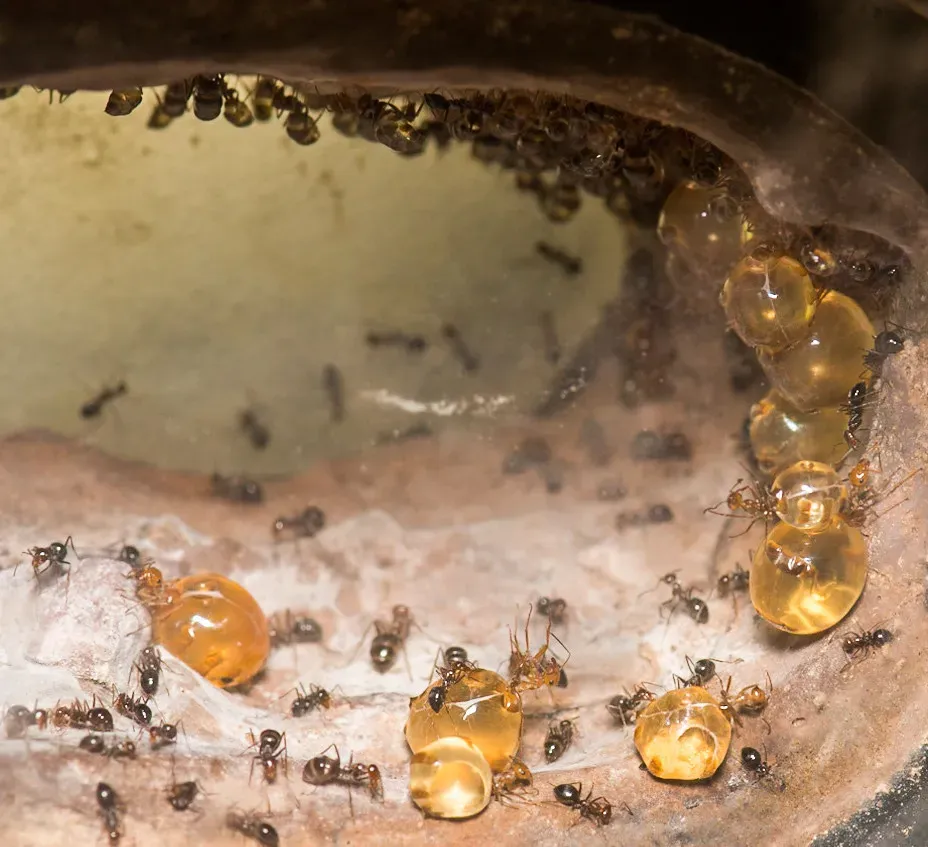
Forget the idea that early humans only ate bugs when they were desperate. Insects were a reliable, year-round protein source that required zero hunting skill and almost no risk.
Cave art proves this wasn’t a rare emergency food. Indirect evidence from Upper Paleolithic cave art depicts edible insects and bee nests, such as at Altamira Cave in Spain approximately 36,000 years ago and Les Trois Frères Cave in France between 17,000 and 12,000 years ago. That’s not a one-off – it’s a pattern showing insects mattered enough to paint on cave walls.
The menu was broader than most people assume. Grasshoppers, beetles, locusts, and ants were all regular fare, and various insects and their products, including honey and honeycombs, made up part of the standard Paleolithic diet.
Direct proof isn’t just guesswork either. Coprolites containing insect remains have been recovered from caves in the United States and Mexico, confirming consumption by prehistoric populations in the Americas.
#2 – Lizards and Other Reptiles Were Commonly on the Menu
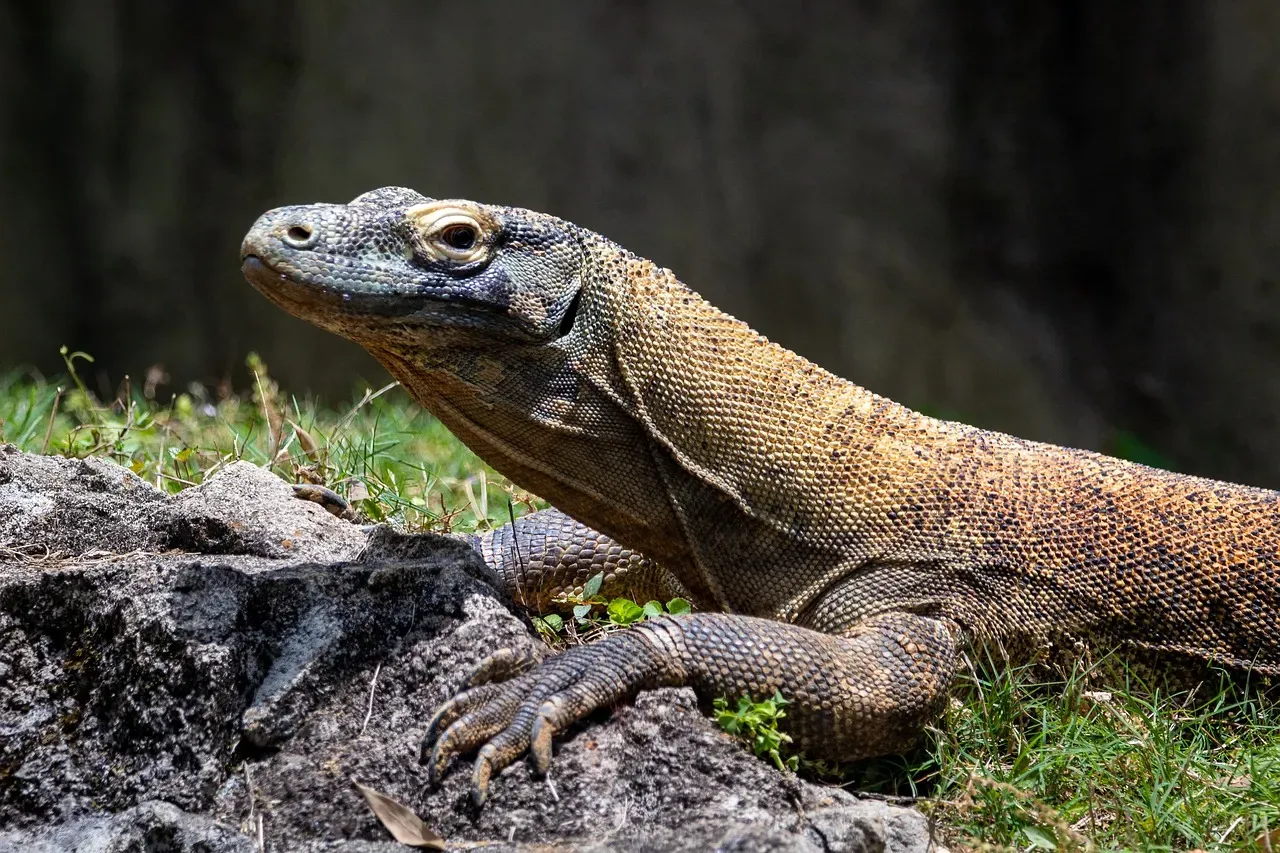
Reptiles weren’t a survival-food footnote. They were a consistent, low-effort protein source that shows up again and again in the fossil record of human waste.
Researchers have confirmed this using one of the least glamorous tools in archaeology: ancient poop. As in modern times, diet varied among prehistoric human groups, and small animals including lizards and other reptiles were important food sources for prehistoric people. Scientists confirmed this through paleoparasitology – literally tracking the parasites that hitched a ride inside these meals.
Here’s the genuinely surprising part: some of it may have been eaten raw. In one of two human burial coprolites, small iridescent plates identified as reptile scales were found, and the scales didn’t present evidence of burn or cooking.
That detail alone should make you rethink the “cavemen always cooked everything” myth. Alongside those scales, the same samples contained seeds, plant fibers, cooked starch grains, phytoliths, charcoal remains, and pollen grains – proof that reptile meat was just one item on a much bigger, messier plate.
#3 – Whole Elephants Used to Be Dinner
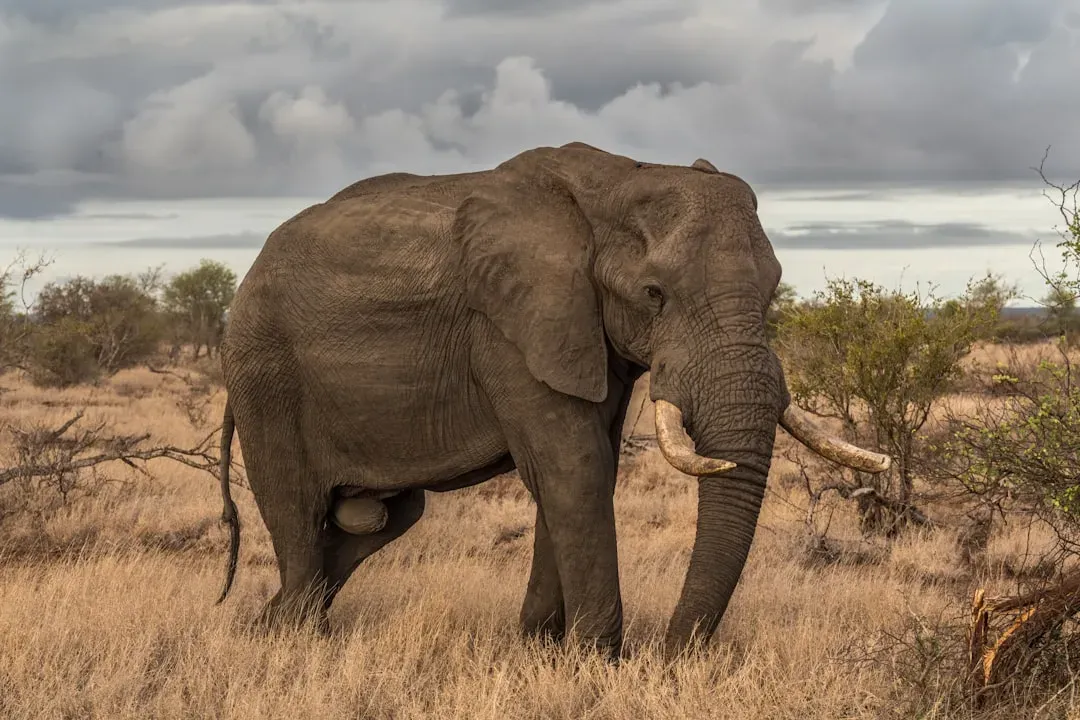
Before you picture endless mammoth steaks, consider this: entire elephant herds were once a dietary backbone for early humans in the Levant – until they simply vanished.
Researchers working at Qesem Cave near Tel Aviv discovered that ancient humans had to completely reinvent their food strategy roughly 400,000 years ago. The reason is almost shocking in its simplicity: elephants, previously a major source of food for humans, were no longer available, so the prehistoric humans in that region had to develop and invent new ways of living.
This wasn’t a minor menu adjustment – it forced a total behavioral shift. Losing their biggest, most calorie-dense food source pushed early humans toward smarter bone-processing and storage techniques just to survive the shortfall.
Losing a single species could reshape an entire diet overnight, and that scramble to adapt led directly to one of the strangest food-storage discoveries in archaeology.
#4 – Bone Marrow Was Stored for Weeks Like a Prehistoric Canned Soup
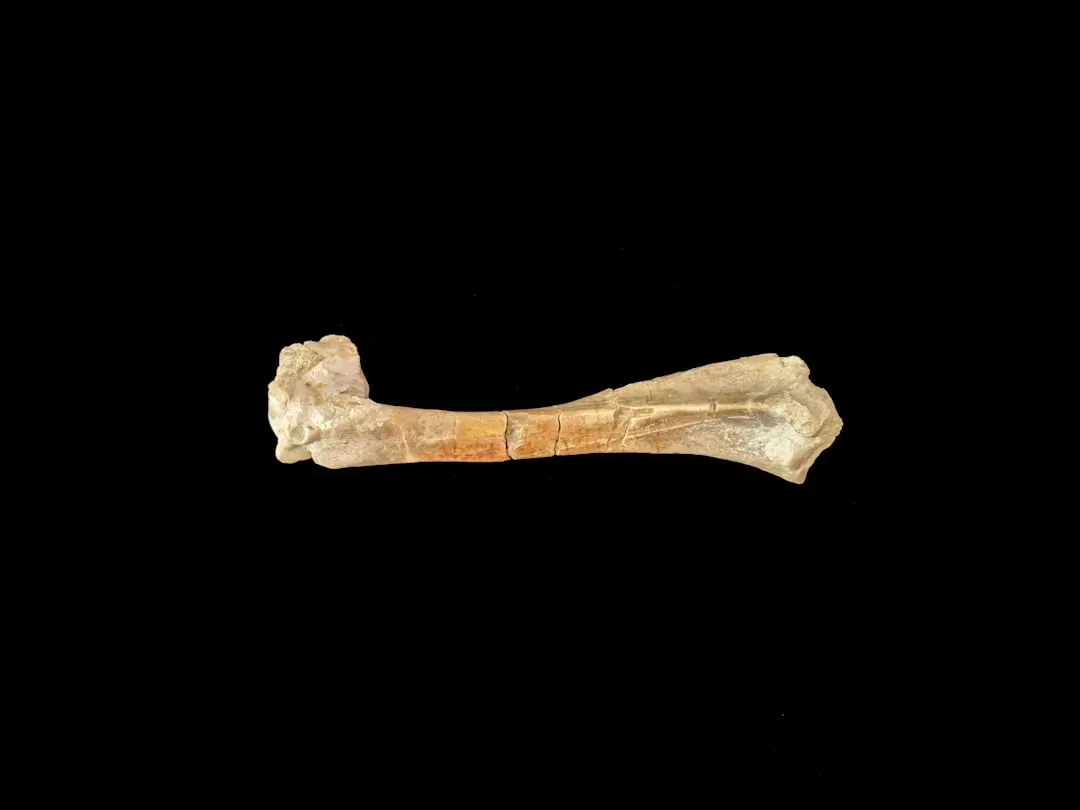
Early humans weren’t just eating fresh kills. They were stockpiling food for later – something scientists didn’t think happened until hundreds of thousands of years later than this discovery suggests.
At Qesem Cave, researchers found something that upended assumptions about “hand-to-mouth” hunter-gatherers. They uncovered evidence of the storage and delayed consumption of animal bone marrow, providing direct evidence that early Paleolithic people saved animal bones for up to nine weeks before feasting on them.
The trick was leaving the skin on. Researchers found that the bones were used as “cans,” covered with skin for a period of weeks, which enabled early humans to break the bone when necessary and eat the still nutritious bone marrow.
It wasn’t unlimited, though – the nutritional value of bone marrow starts to deteriorate from around six weeks after the animal’s death. That’s a working expiration date, calculated by Stone Age humans with zero refrigeration.
Fast Facts
- Location: Qesem Cave, near Tel Aviv
- Storage method: Bones left inside skin, used like natural “cans”
- Storage window: Up to nine weeks before cracking one open
- Shelf life: Marrow quality starts fading around week six
#5 – The Real Paleo Diet Was Mostly Plants, Not Steak
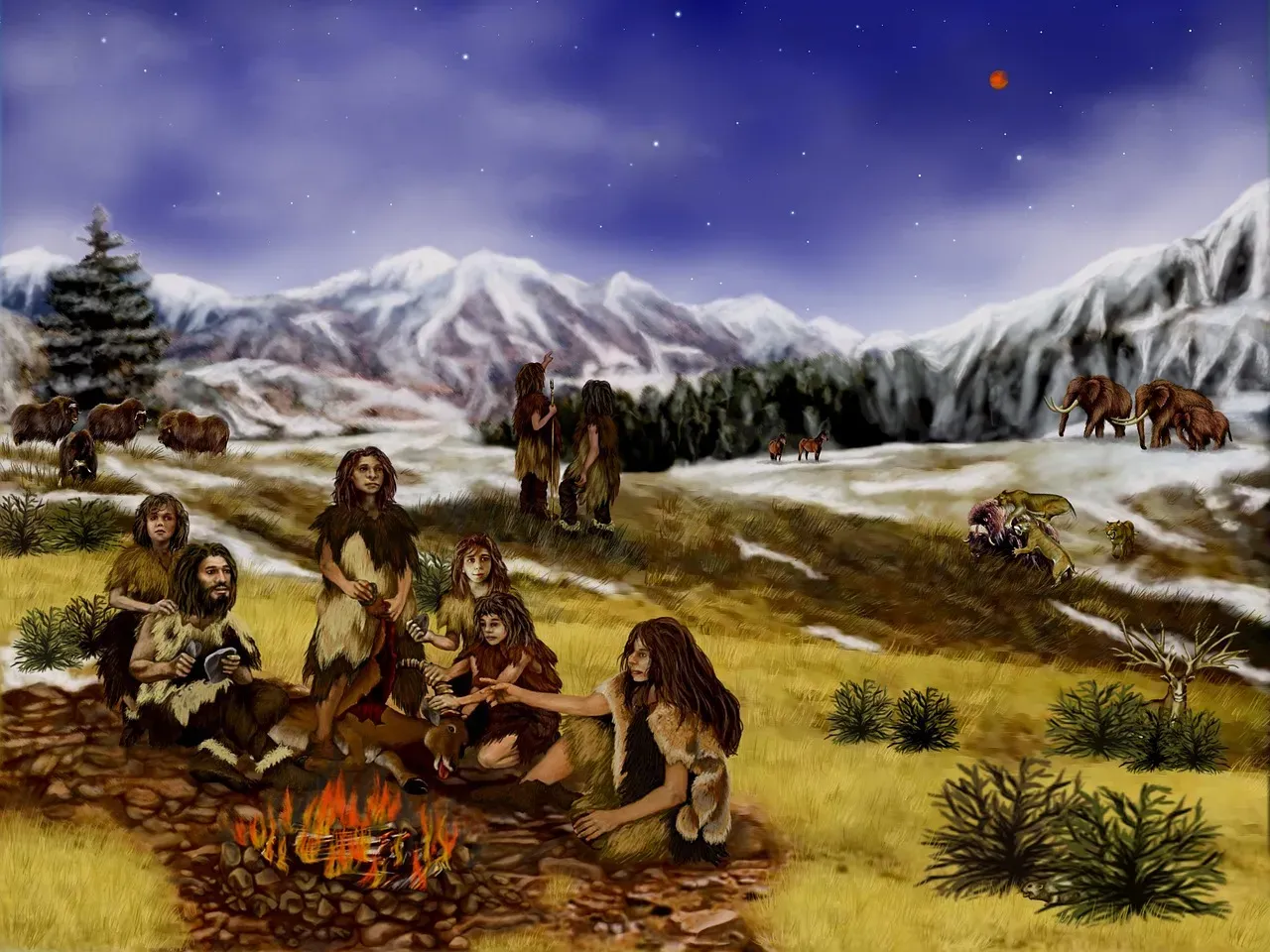
Here’s an opinion that will annoy every gym-bro following a modern “paleo diet”: actual prehistoric humans ate far more fiber than protein, and it’s not close.
Fossilized feces don’t lie, and they’ve quietly demolished the low-carb myth. Contrary to modern high-protein or low-carb interpretations of the Paleo diet, coprolites from the Upper Paleolithic show massive amounts of dietary fiber, and early humans regularly consumed a wide range of roots, tubers, wild grasses, and fruit.
This is a genuinely controversial finding for anyone who’s built a diet plan around the word “paleo.” The modern version leans hard on meat and fat while cutting carbs almost entirely – but the actual fossil evidence points the other way.
Our ancestors were closer to fiber-obsessed foragers than meat-only hunters, and that single fact undercuts an entire modern wellness industry.
#6 – Starchy Tubers Were Cooked Into Ancient Energy Bars
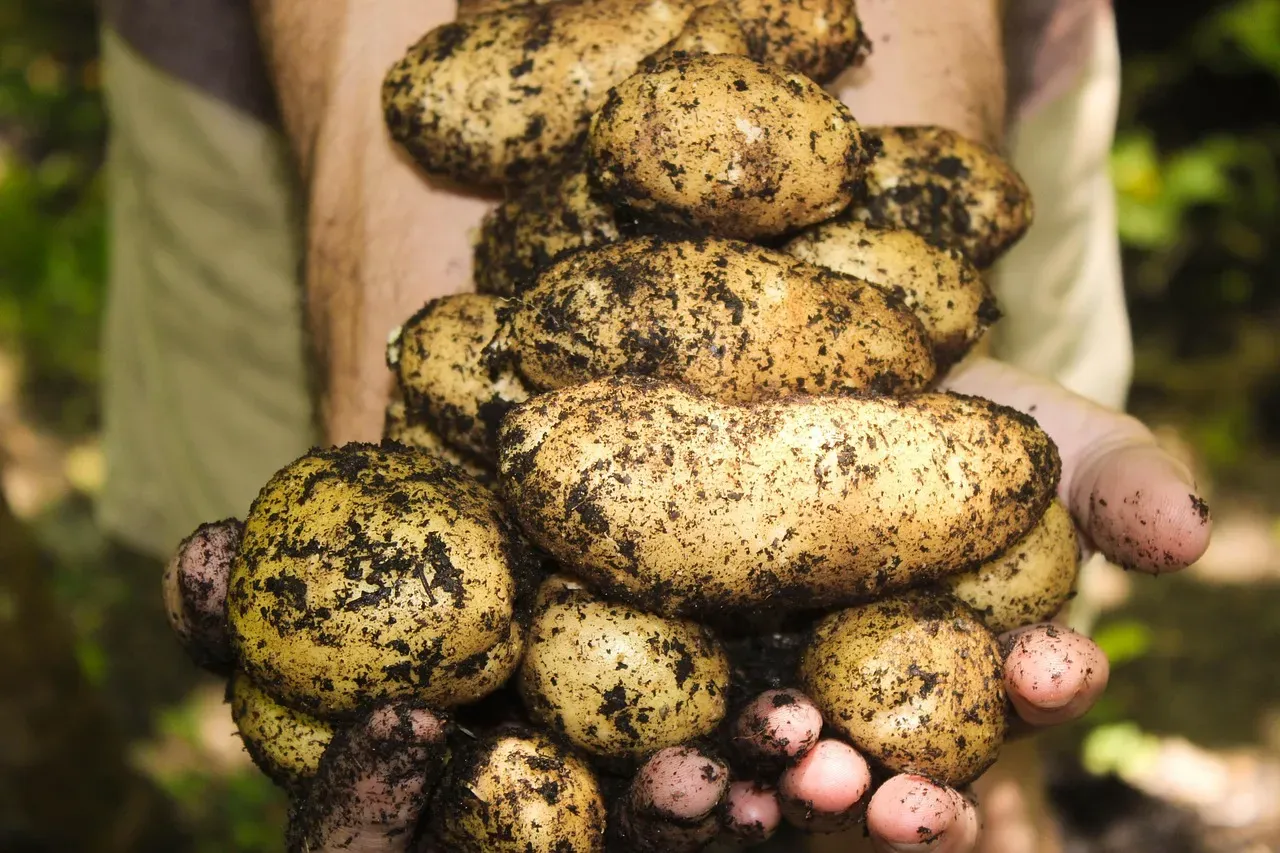
Tubers weren’t a boring backup food. They were a calculated energy source, and there’s chemical proof stuck directly in ancient teeth.
Scientists studying fossilized dental plaque found something remarkable preserved for tens of thousands of years. Starch granules found in Neanderthal dental plaque indicate they ate starchy roots and tubers, and grains of grass seeds have also been identified. That’s direct, chemical, undeniable evidence – not a guess based on nearby bones.
Cooking mattered enormously here, and it’s the part most people miss. Heating over a fire converts starch in tubers and other plants to glucose, a vital energy source for the body and brain.
In other words, roasting a root vegetable wasn’t just about taste – it was a biochemical hack that unlocked usable fuel their bodies couldn’t otherwise absorb efficiently. Fire turned dirt-covered roots into brain fuel, and that single innovation may have mattered as much as any hunted kill.
#7 – Seals, Dolphins, and Seabirds Were Coastal Staples

If you think Neanderthals only chased land animals, coastal archaeology tells a completely different story.
Populations living along the Iberian coastline built diets almost entirely different from their inland relatives. On the coast of Portugal and Spain, Neanderthals took advantage of marine riches, harvesting seals, dolphins, shellfish, and seabirds – a genuinely diverse hunting strategy requiring completely different skills than chasing mammoths across open tundra.
This regional flexibility is a big deal for how we think about early human intelligence. Inland, they set traps and snares to capture agile creatures, and their diet shifted with the seasons and followed animal migrations.
Prehistoric humans weren’t one-size-fits-all hunters – they were adaptive specialists who completely rebuilt their food strategy based on geography. A hunter-gatherer near the sea and one deep in a forest may have eaten almost nothing in common.
Quick Compare
- Coastal groups: Seals, dolphins, shellfish, and seabirds
- Inland groups: Trapped agile land animals with snares
- Shared strategy: Both shifted their diet with the seasons
#8 – Deer Carcasses Were Treated Like a To-Go Order
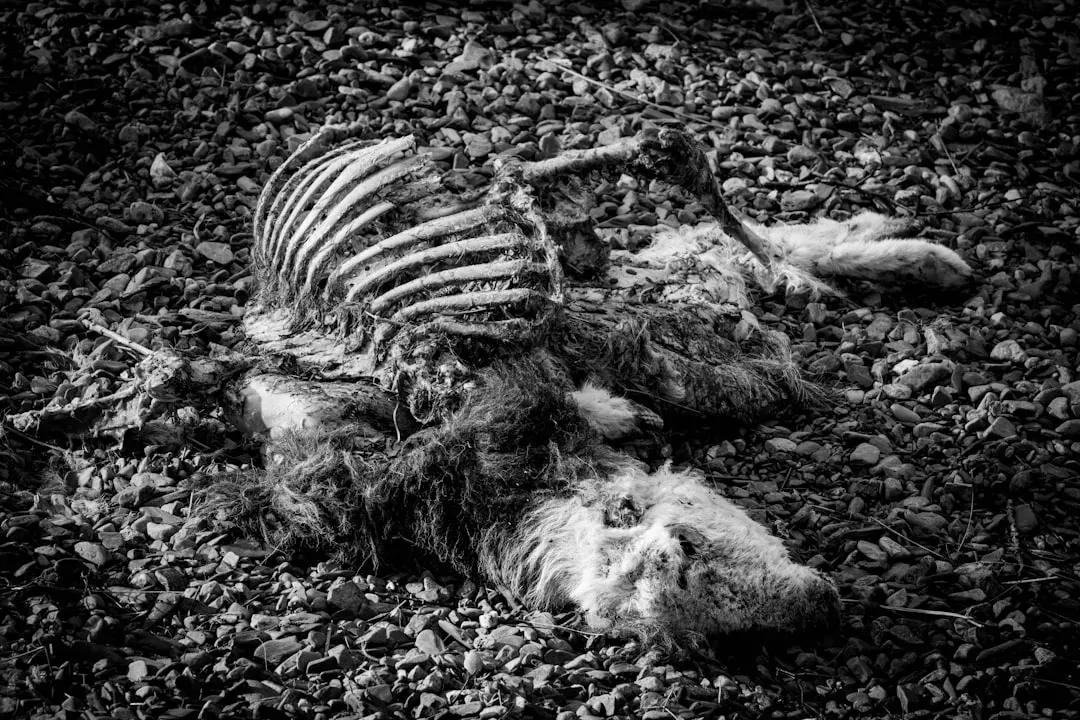
Ancient hunters weren’t dragging entire animal carcasses back to their caves. They were strategically selecting only the best parts and leaving the rest behind – a level of planning that surprised researchers.
At Qesem Cave, the most common prey wasn’t glamorous megafauna at all. The most common prey was fallow deer, and limbs and skulls were brought to the cave while the rest of the carcass was stripped of meat and fat at the hunting scene and left there.
This is essentially a Stone Age meal-prep strategy. Instead of hauling dead weight across long distances, early humans butchered efficiently on-site and carried home only the calorie-dense parts worth the effort – bone marrow and brain-rich skulls.
They were optimizing for calories-per-mile carried, hundreds of thousands of years before “efficiency” was a business buzzword. That kind of forward planning fits directly into the broader pattern of delayed consumption and food storage happening at the same site.
#9 – Mammoth Protein Fueled a Continent-Wide Migration
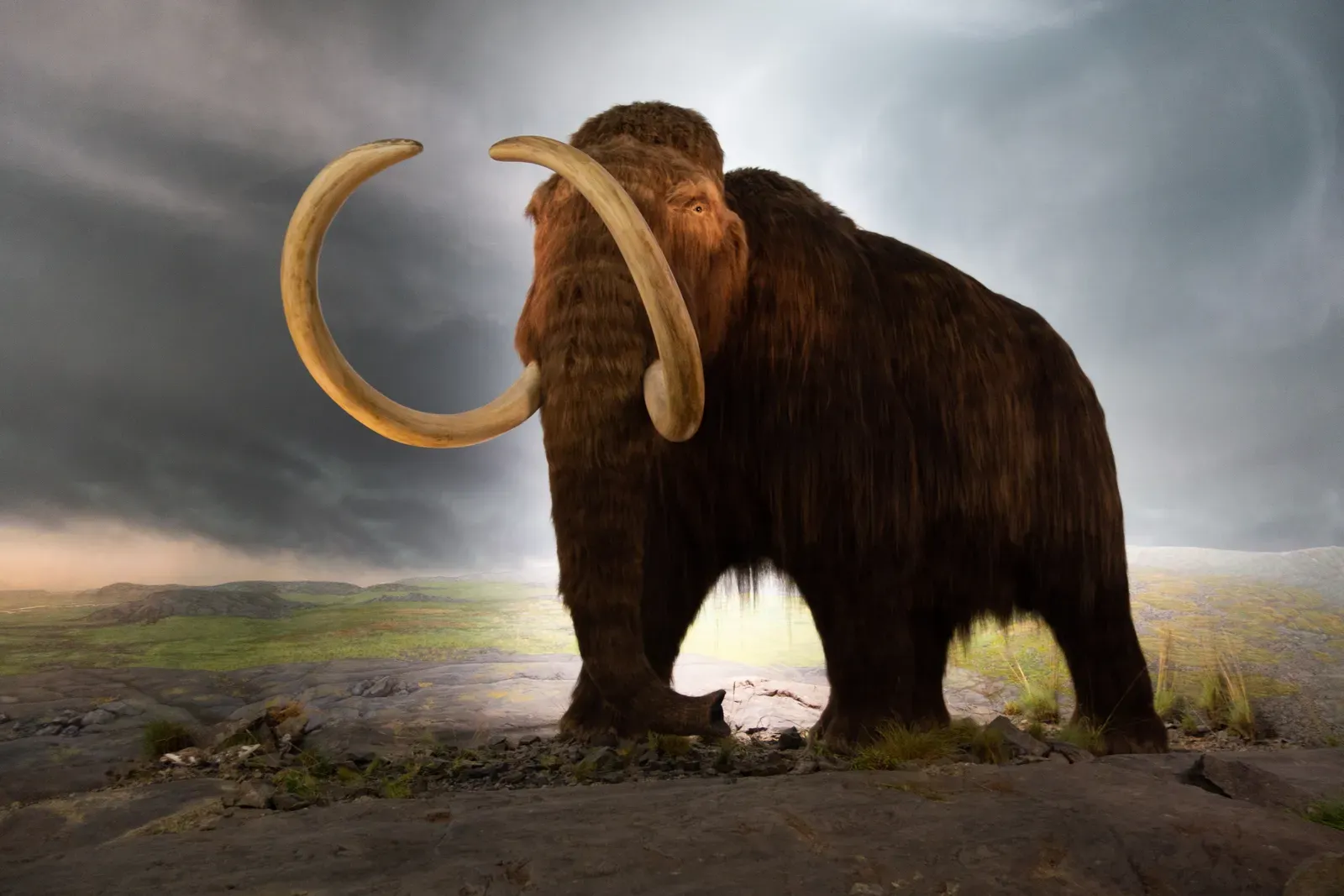
Mammoth meat wasn’t just an occasional feast. For some populations, it may have been the single food source that made an entire migration across two continents possible.
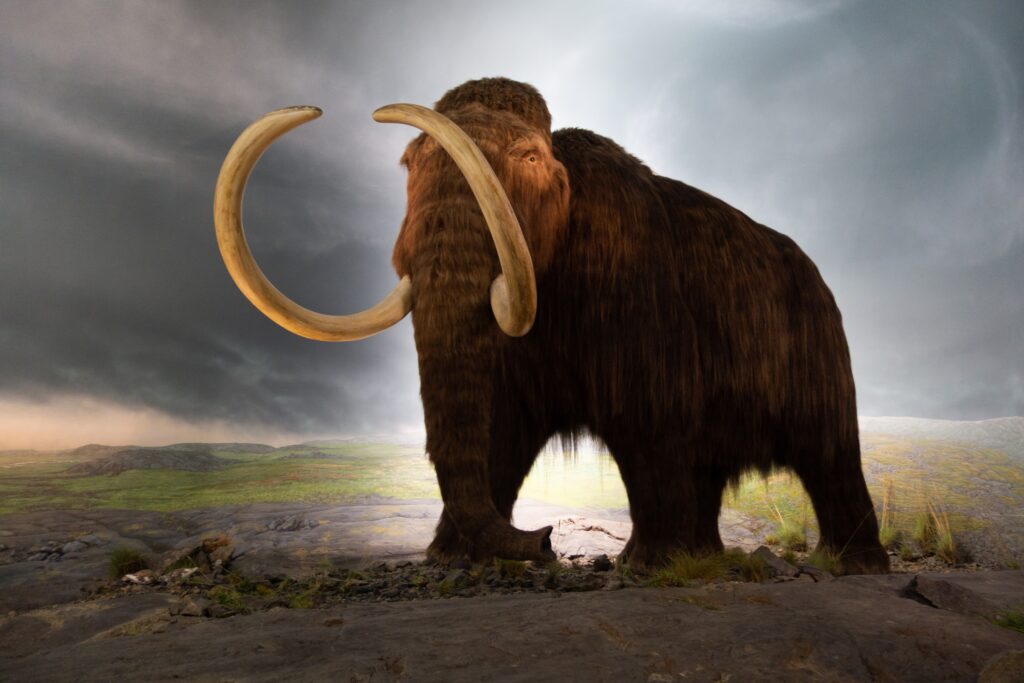
Research on the Clovis people, who crossed into the Americas roughly 13,000 years ago, points to one dominant food source. New research points to a preferred food source of these early humans: woolly mammoth protein, and the focus on mammoths helps explain how Clovis people could spread throughout North America and into South America in just a few hundred years.
That’s a stunning claim when you think about the scale involved – a single species potentially enabling one of the fastest human migrations in prehistory. Some researchers had suggested these Ice Age individuals were indiscriminate foragers of plants, small animals and even fish, but the mammoth-heavy evidence tells a more focused story.
One giant, calorie-dense animal may have powered an entire hemisphere’s worth of expansion.
At a Glance
- Migration start: Roughly 13,000 years ago
- Route: Into the Americas, then across two continents
- Speed: Spread through North and South America in just a few hundred years
- Primary fuel: Woolly mammoth protein
#10 – Rotten Meat Was Eaten on Purpose, Not by Accident
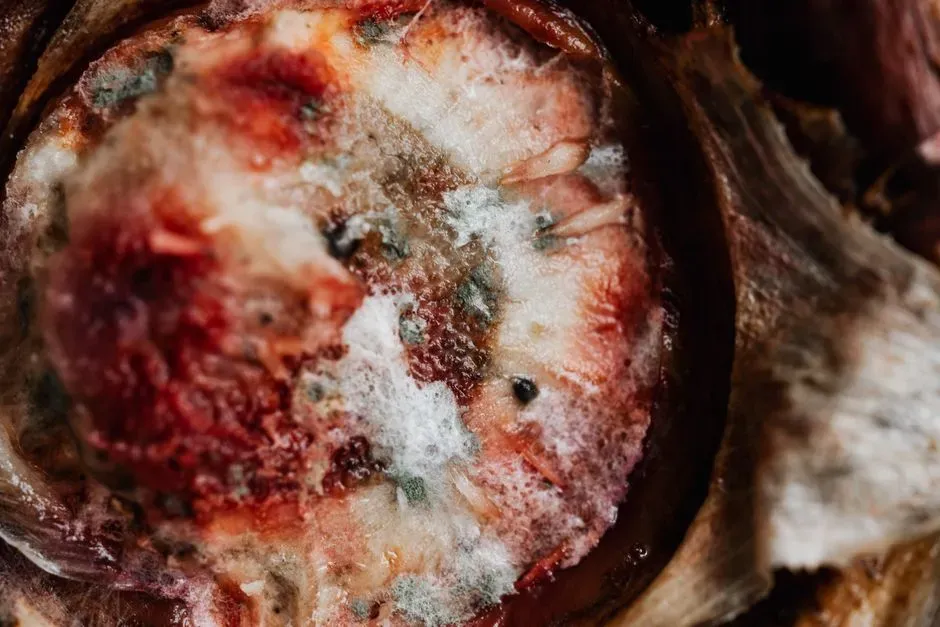
This is the one that genuinely unsettles people: prehistoric humans may have deliberately eaten putrid, decomposing meat as a normal dietary strategy – not as an act of desperation.
The theory comes from decades of anthropological research into how modern indigenous groups handle food. The findings back up a hypothesis put forward by anthropologist John Speth, who has for nearly a decade argued that putrid meat and fish would have formed a key part of prehistoric diets, based on ethnographic accounts of indigenous groups who found rotten meat and maggots acceptable fare.
There’s a real biological reason this makes sense, and it’s not just a gross-out fact. Rotten meat might be higher in nitrogen than fresh tissue and may have been responsible for boosting nitrogen levels in Neanderthal bones.
Letting meat spoil may have been a survival hack, not a mistake – a way to stretch scarce protein and avoid the lethal malnutrition that comes from overloading on pure lean meat.
#11 – Maggots Were a Hidden Protein Source Inside Spoiled Meat
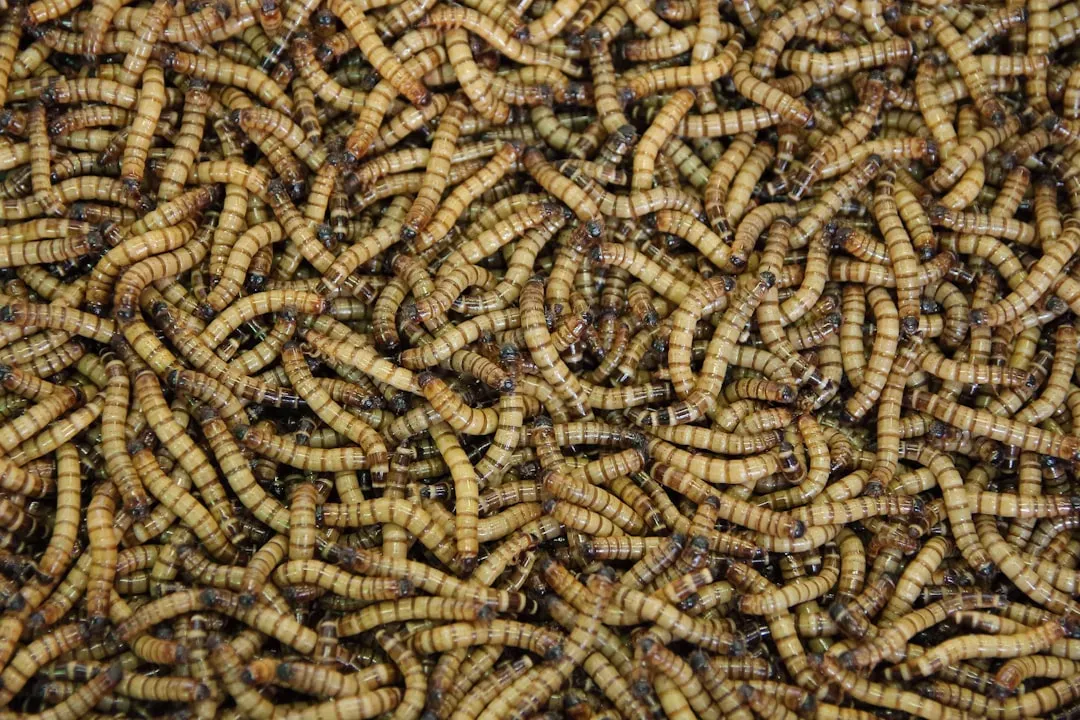
If rotten meat wasn’t unsettling enough, here’s the follow-up: the maggots living inside that meat may have been the real nutritional payoff.
A 2025 study tested this directly using data from a facility that studies human decomposition. Researchers found that nitrogen levels increased modestly over time in human tissue; however, they observed much higher nitrogen levels in the fly larvae, suggesting that Neanderthals and early modern humans likely consumed animal meat laced with maggots on a regular basis.
This finally solved a decades-old puzzle about oddly high nitrogen signatures in ancient bones – chemistry that had puzzled researchers for decades. Whether it happened by choice or by unavoidable circumstance, the science suggests it was routine.
Neanderthals may have eaten maggots, either by accident, in the process of eating rotting meat, or on purpose. Either way, maggots weren’t a contamination problem – they were likely a calculated part of the meal.
#12 – Fish and Shellfish Rounded Out a Surprisingly Balanced Diet
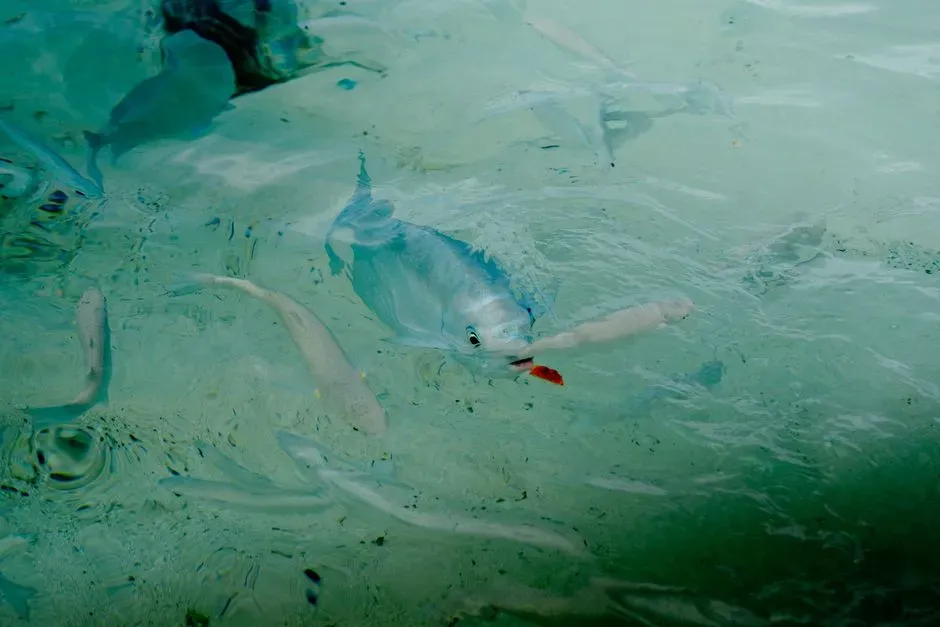
Fish gets almost none of the attention that mammoths and cave paintings get, but coastal and river-adjacent groups relied on it constantly.
This wasn’t a rare treat reserved for special occasions. Fresh and saltwater species were consumed primarily in coastal and river communities as a dependable, renewable food source that didn’t require the danger of hunting large game. Unlike chasing a mammoth, fishing carried far less physical risk while still delivering high-quality protein and fat.
This steady access to aquatic food may have given certain groups a real survival edge over populations stuck relying purely on land animals. Combined with shellfish gathering – a low-risk, high-reward activity that even children could help with – fish access likely smoothed out the unpredictable gaps between successful hunts.
A bad hunting week didn’t have to mean a hungry week if a river or coastline was nearby.
#13 – Ice Age Hunters Carved Drinking Cups From Human Skulls
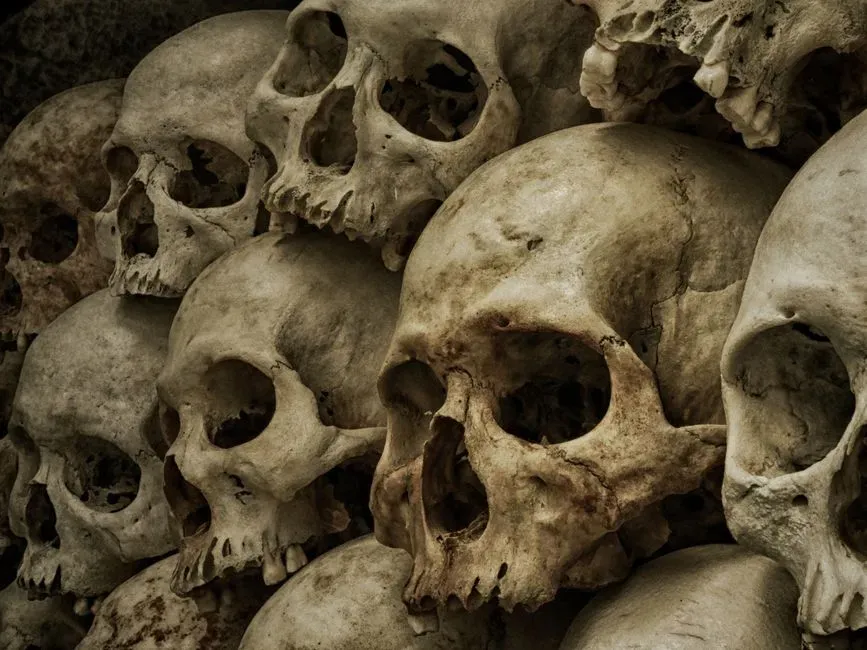
Here’s the fact that tends to end dinner conversations immediately: some prehistoric humans didn’t just eat other humans – they turned the leftover skulls into drinkware.
The evidence comes from one of the most studied sites in British archaeology. Gough’s Cave in the Cheddar Gorge is perhaps best known for the discovery of 15,000-year-old human skulls believed to have been used as cups, as well as bones that had been gnawed by other humans. This wasn’t an isolated, freak incident either.
Researchers later confirmed this practice extended far beyond one cave. Human remains dating to the same time period in the late Upper Palaeolithic, between 23,500 and 13,500 years ago, from across northern and western Europe also show evidence of being cannibalized, with 13 out of 59 examined sites showing evidence of cannibalism.
Nearly a quarter of the sites studied showed direct evidence of this practice – a rate far too high to call it a one-off tragedy.
Worth Knowing
- Site: Gough’s Cave, Cheddar Gorge, England
- Age of the skull cups: Roughly 15,000 years old
- Time span examined: Late Upper Palaeolithic, 23,500 to 13,500 years ago
- Scale of the pattern: 13 of 59 examined European sites – about 22% – show cannibalism evidence
#14 – Farmers, Not Just Hunter-Gatherers, Practiced Cannibalism Too
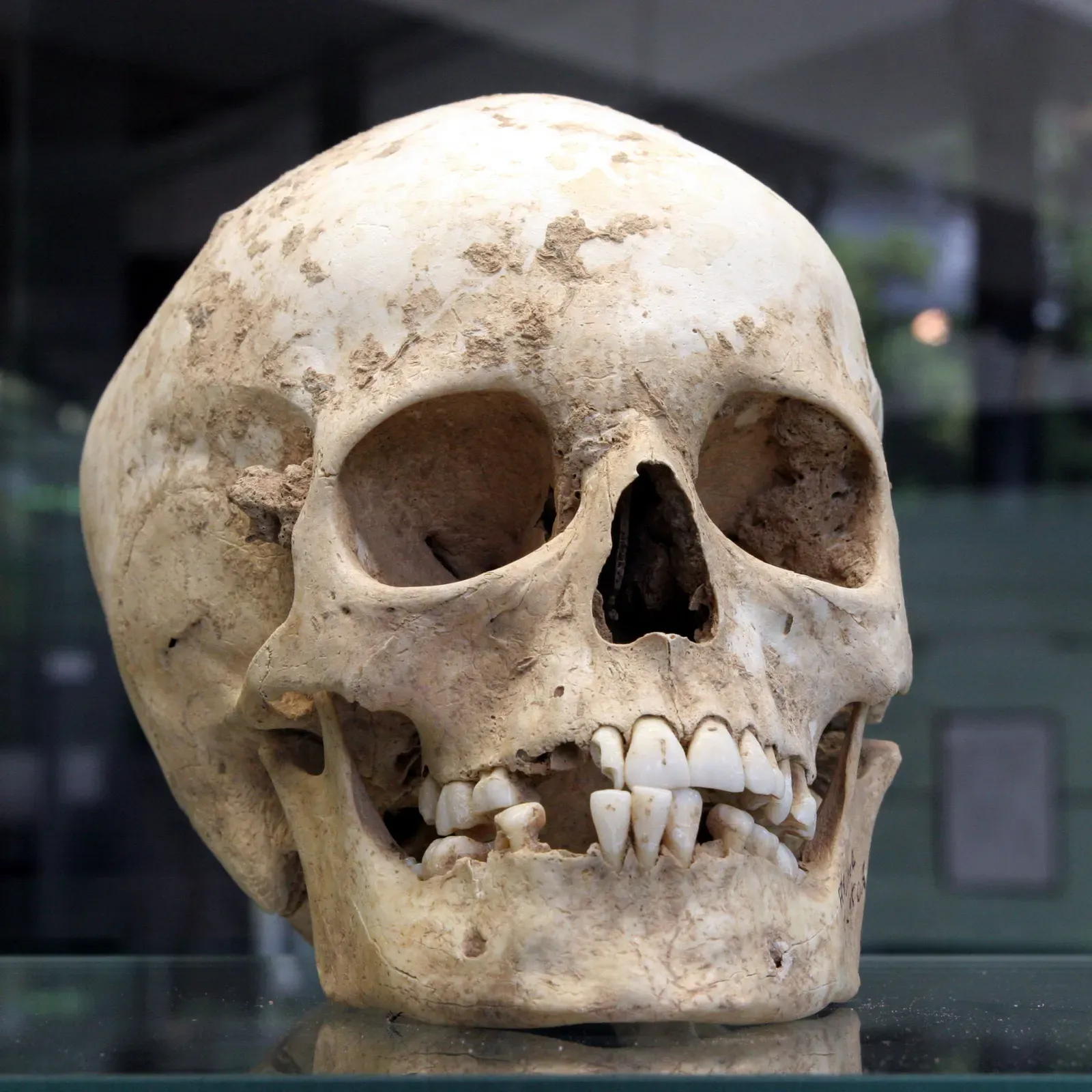
This is the fact that shatters the last comfortable assumption: cannibalism wasn’t something only “primitive” hunter-gatherers did before humans got civilized. Settled farming communities did it too, long after agriculture began.
Excavations at El Mirador Cave in Spain span an enormous stretch of time, well past the hunter-gatherer era. The layers of interest span different phases of occupation starting in the Neolithic and ending in the Middle Bronze Age, with associated dates ranging from roughly 5,600 to 3,500 years ago. These were people who farmed, built settlements, and had domesticated animals – not desperate nomads on the edge of starvation.
The physical evidence found there is hard to explain away as accidental. A small pit containing 157 human remains exhibited significant anthropogenic modifications, leading researchers to propose that they represented evidence of prehistoric human cannibalism.
Zoom out further and the pattern gets even bigger: across European prehistory broadly, there are 17 confirmed assemblages where human cannibalism has been documented. Civilization didn’t end the practice – it just changed the setting.
The real prehistoric diet wasn’t the clean, protein-forward menu modern wellness culture likes to imagine. It was messy, opportunistic, and often genuinely disturbing – stored bone marrow, deliberately rotten meat, maggot-laced protein, and skulls turned into drinking cups.
Fiber and tubers mattered more than steak. Elephants disappeared and forced total dietary reinvention. And cannibalism wasn’t confined to desperate hunter-gatherers – it showed up in settled farming villages too, thousands of years later than most people assume.
If there’s one theme here, it’s that survival always beat squeamishness. Which one of these 14 facts genuinely surprised you the most? Drop your pick in the comments.