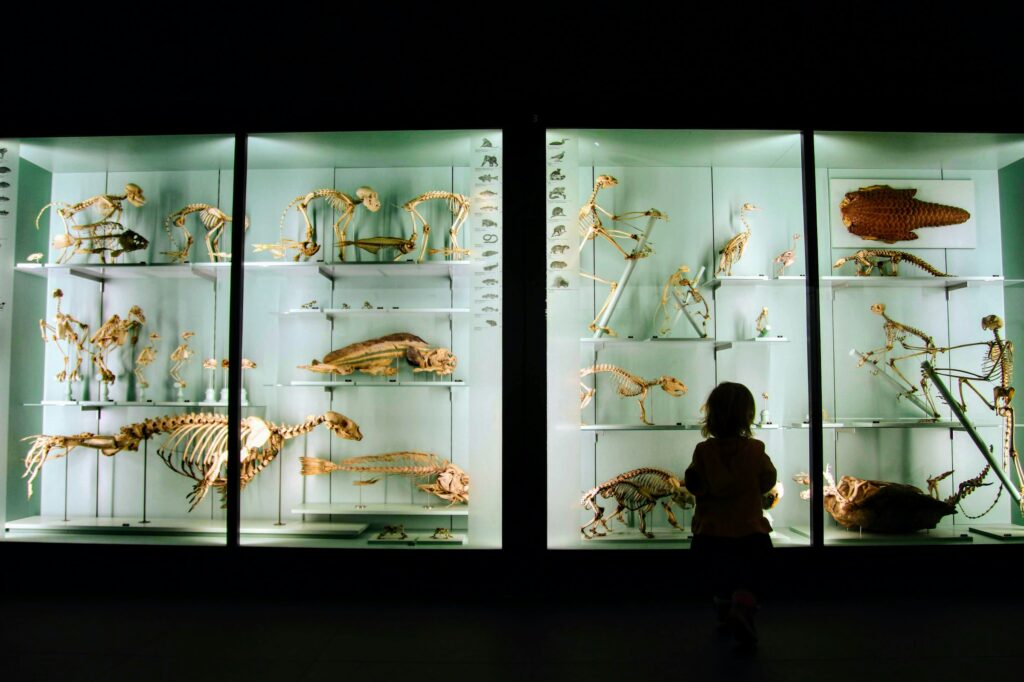
Most people assume every specimen a museum collects gets studied right away – tagged, described, and shelved as “solved.” That’s almost never true. Behind the marble halls and glass cases sit millions of bones, beetles, and fossils logged simply as “unidentified,” some for over a century.
Some of those forgotten drawers were touched by Charles Darwin himself. Others sat two feet from world-famous fossils for sixty years without a single researcher bothering to look inside. A few, once finally opened, rewrote evolutionary history overnight. Here are 15 specimens that prove the real bottleneck in science isn’t discovery – it’s attention.
#15 – The “Normal” Wait Is Two Decades, Not Two Days
Discovering a new species sounds instant and thrilling. It almost never is. An average of 21 years passes from the moment a specimen is collected to the moment it’s finally identified and reported to the world. Researchers confirmed this by tracking real records instead of guessing – they randomly sampled 600 of the 16,994 new species described worldwide in 2007, and in 570 of those cases, the original collection date was still on file.
The final number landed at 20.7 years, on average, between first discovery and formal description. That’s the “healthy” outcome – a specimen that eventually gets studied at all. Some wait so long the animal has already vanished from the wild before science even manages to give it a name, which makes what’s happening in Germany right now even harder to believe.
#14 – Germany’s Own Backyard Is Hiding Thousands of Nameless Flies
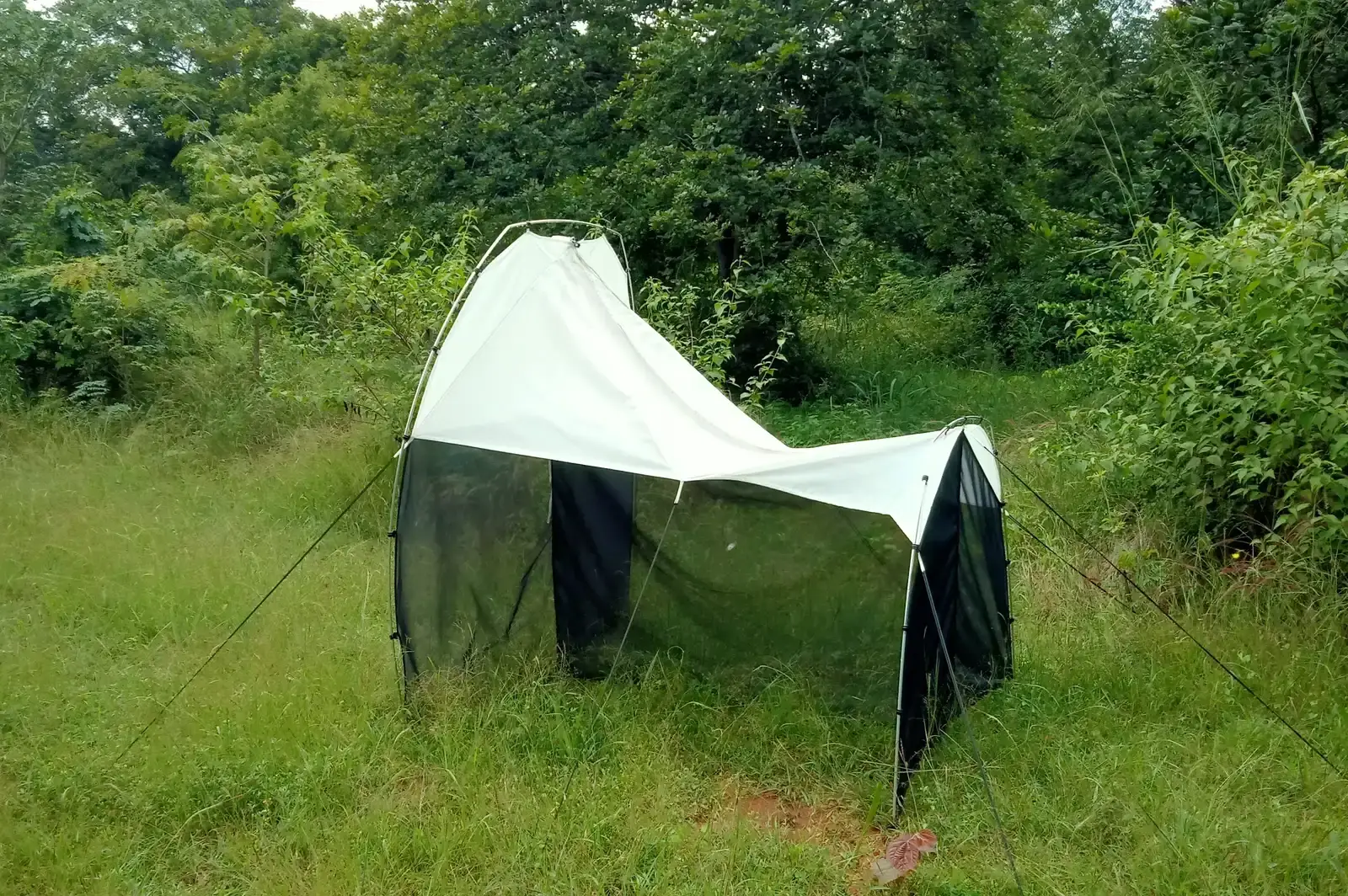
You’d think a wealthy, heavily studied country like Germany would have its insects figured out by now. It doesn’t. Researchers ran Malaise traps for a single season across southern Germany and sequenced more than 48,000 fly specimens. The results embarrassed a nation considered scientifically saturated.
The study estimates that 1,800 to 2,200 species are still waiting to be discovered and named in just four fly families – specimens already sitting in tubes and trays, physically present, simply never examined closely enough to be identified. These aren’t rainforest mysteries. They’re sitting in German lab freezers right now. Scientists call this “dark taxa”: organisms so numerous and visually similar that taxonomists quietly avoid them. Costa Rica’s wasps take that problem to a whole new level.
Fast Facts
- Over 48,000 DNA barcodes were pulled from flies caught in Malaise traps across southern Germany
- Researchers focused on four especially tricky “dark taxa” families of flies and midges
- Projections suggest 1,800 to 2,200 species in those four families alone remain unnamed
- “Dark taxa” describes groups so diverse and visually similar that taxonomists struggle to keep pace
#13 – 400 Wasps Walked Into a Trap, and Almost None Had Names
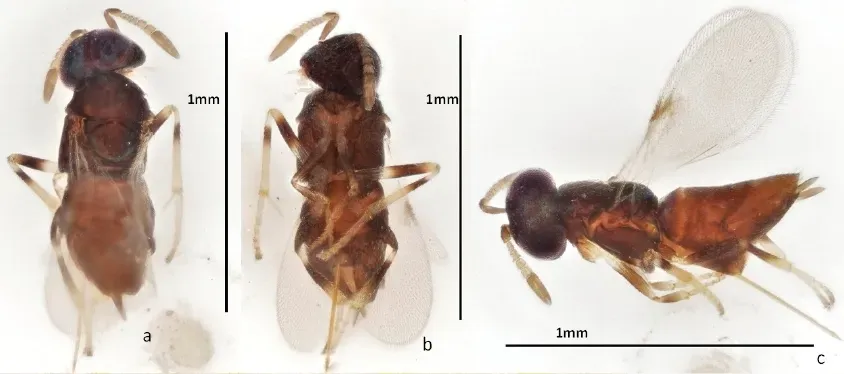
A single insect survey in Costa Rica quietly exposed how little we actually know about parasitic wasps. When researchers went looking for species that parasitize other insects, they found 416 of them – and more than 400 had never been formally described by anyone, ever.
Each one now sits catalogued, pinned, and labeled, but functionally unknown to science. Only 16 of those 416 wasps had names before the survey even began. Experts argue this trap isn’t an outlier – it’s the normal state of insect biodiversity everywhere. Singapore’s fungus gnats tell the same story with even worse odds.
#12 – A Trap in Singapore Filled a Drawer With Total Strangers
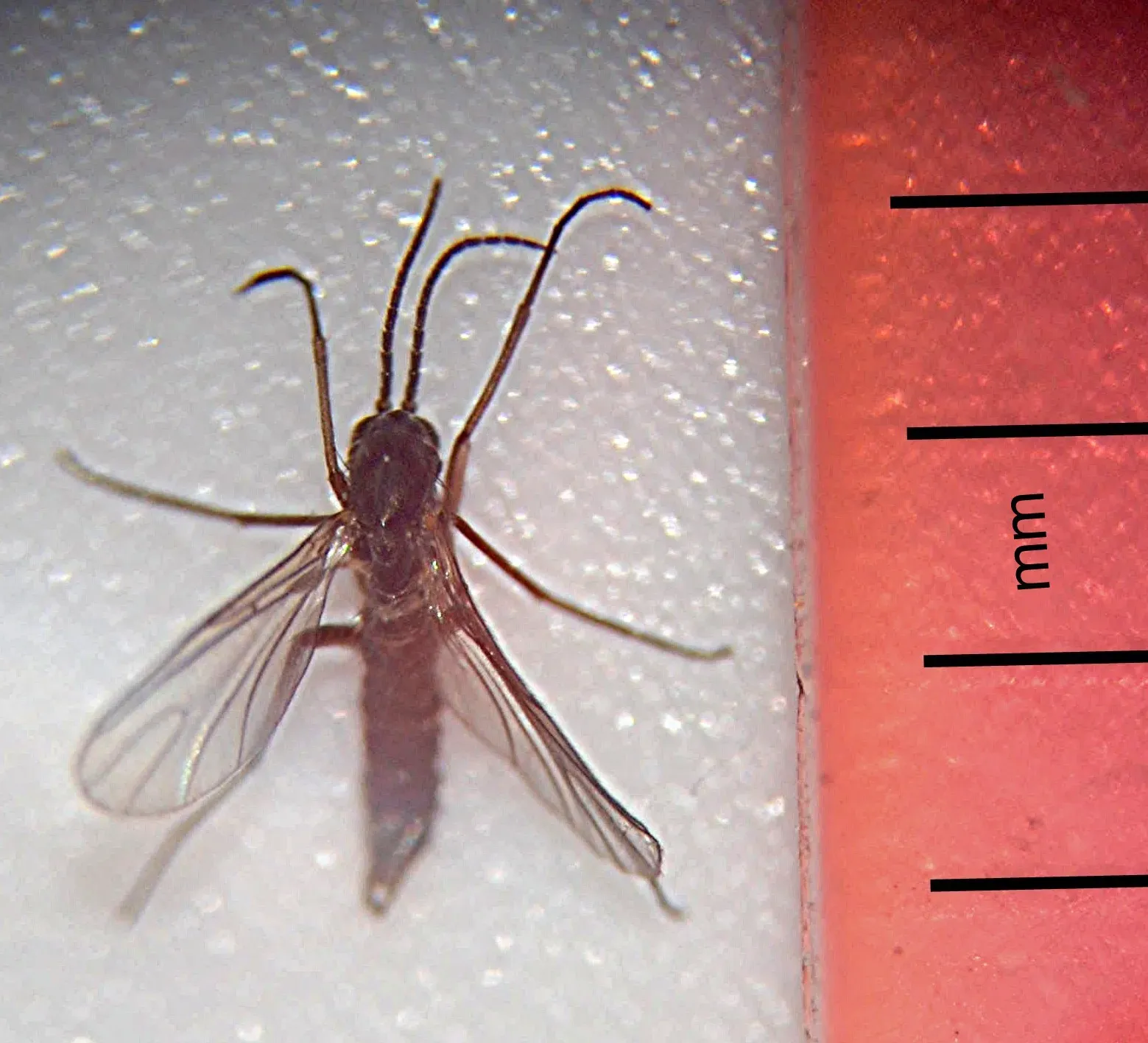
Fungus gnats look boring. They are anything but boring to taxonomists. Researchers recently collected fungus gnats across Singapore, and their traps turned up 120 species – all but four or five were completely unknown to science.
That means roughly 115 specimens are sitting in vials, technically “collected,” with zero scientific description attached to their name plates. Fewer than 5% of the gnats caught in that single trap already had names. Taxonomists say the backlog isn’t shrinking – DNA sequencing now flags “different” organisms faster than anyone can formally write them up. Scuttle flies prove the same trend hides in plain sight.
#11 – Fruit-Fly Lookalikes That Turned Out to Be Almost All New
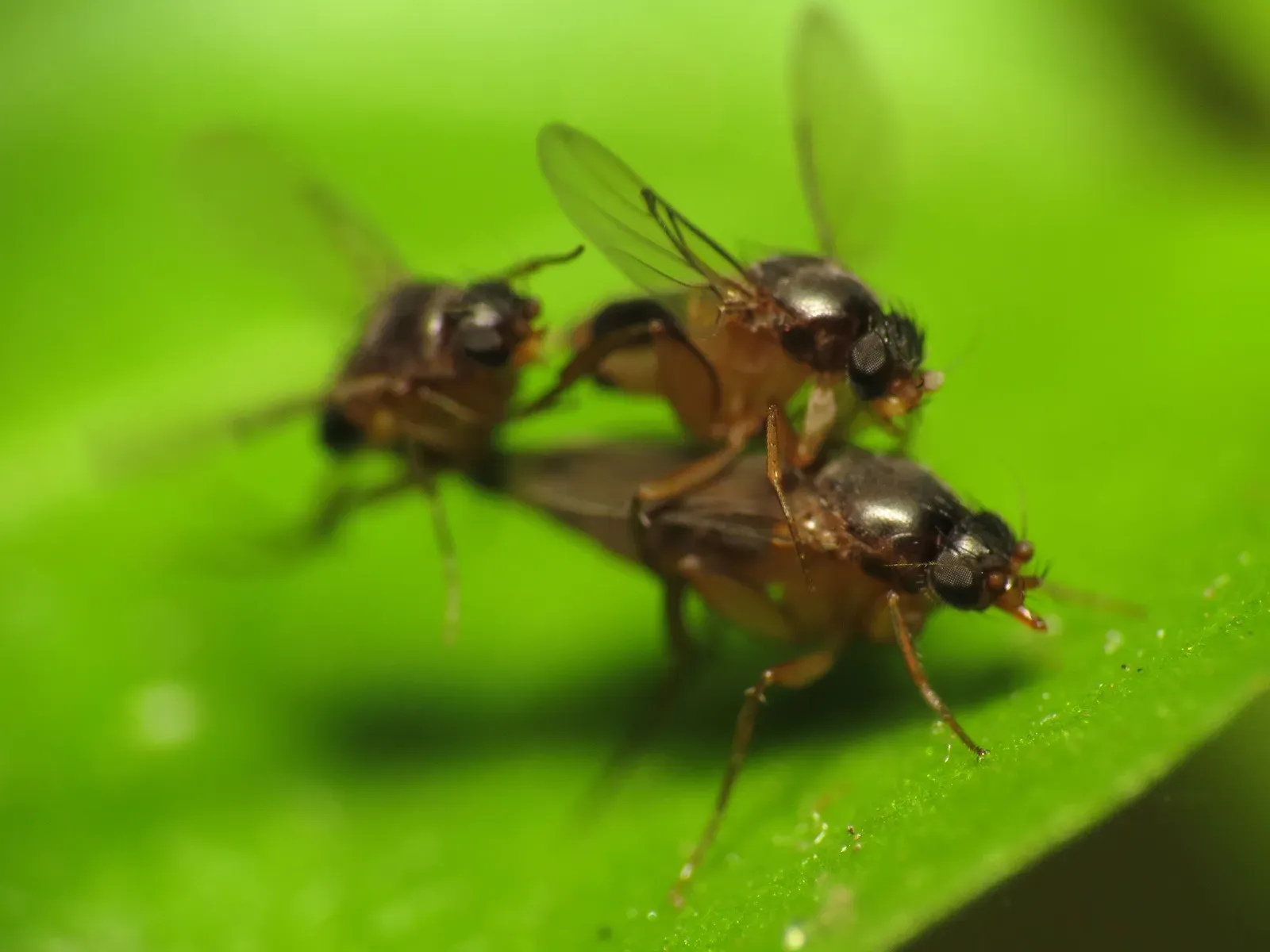
Scuttle flies look so much like ordinary fruit flies that most people would swat one without a second thought. Over just one year, traps collected 99 species of them – and 43 of those species were entirely new to science, never described before.
Nearly half the catch had simply never been catalogued before the project began. Almost half of an entire year’s trap collection had never been seen by a scientist before. This is exactly what biologists mean by “dark taxa” – groups where most species remain undescribed. One fly from the Philippines shows just how long that darkness can last.
#10 – A Blood-Feeding Fly Waited a Century for Anyone to Notice
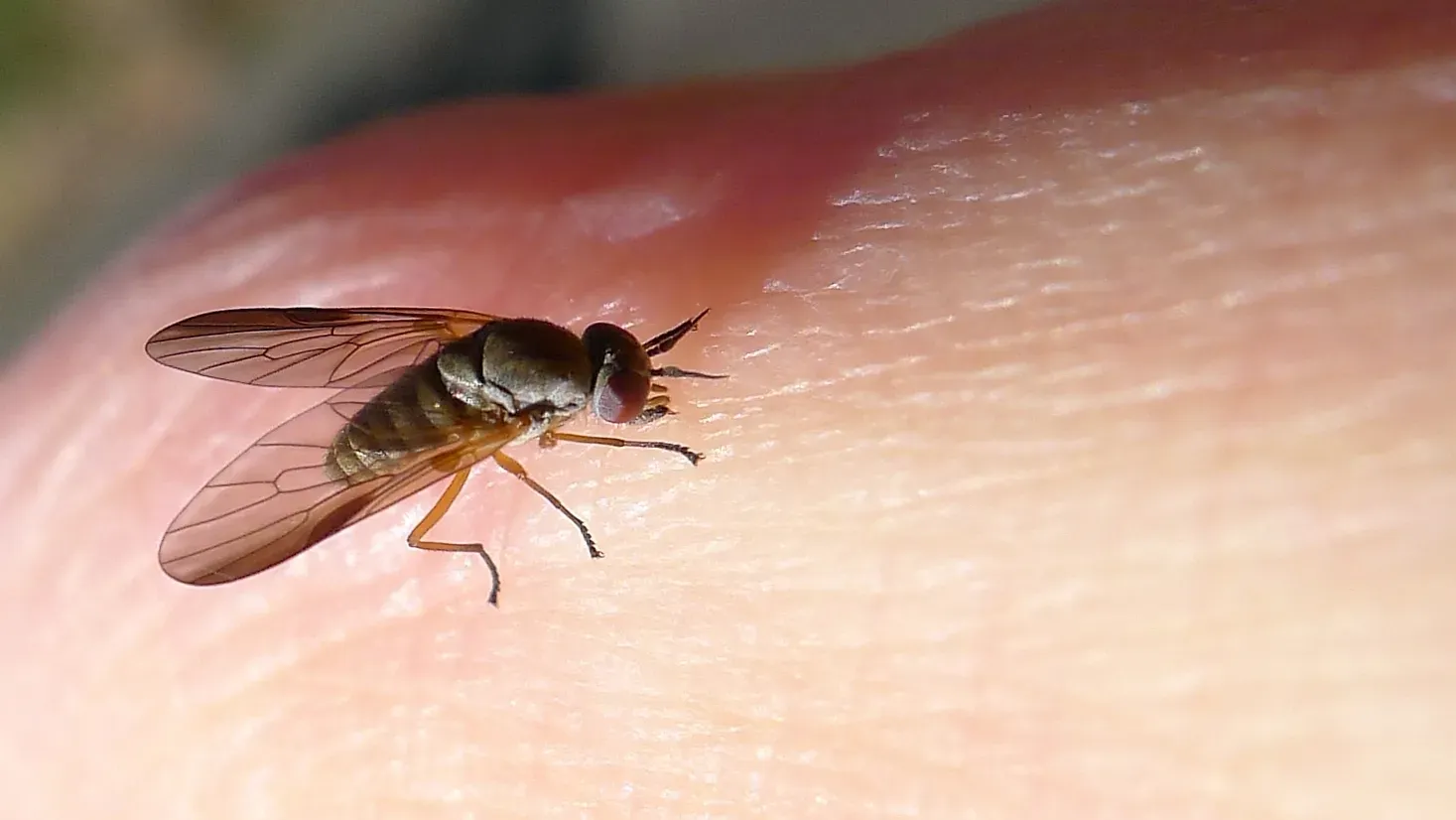
Some specimens don’t just wait decades. They wait almost a full century. Among more than 70 new species identified by researchers at the American Museum of Natural History was a biting fly collected in the Philippines nearly 100 years ago.
That fly sat in a cabinet drawer through two world wars, the moon landing, and the entire digital revolution before anyone finally examined it closely enough to realize it matched nothing on record. A single fly outlasted almost every scientist who could have identified it sooner. Scientists suspect millions of species exist in this exact kind of limbo – and a catfish sitting in a jar nearby proves it.
#9 – A Catfish Hid in Plain Sight for Generations
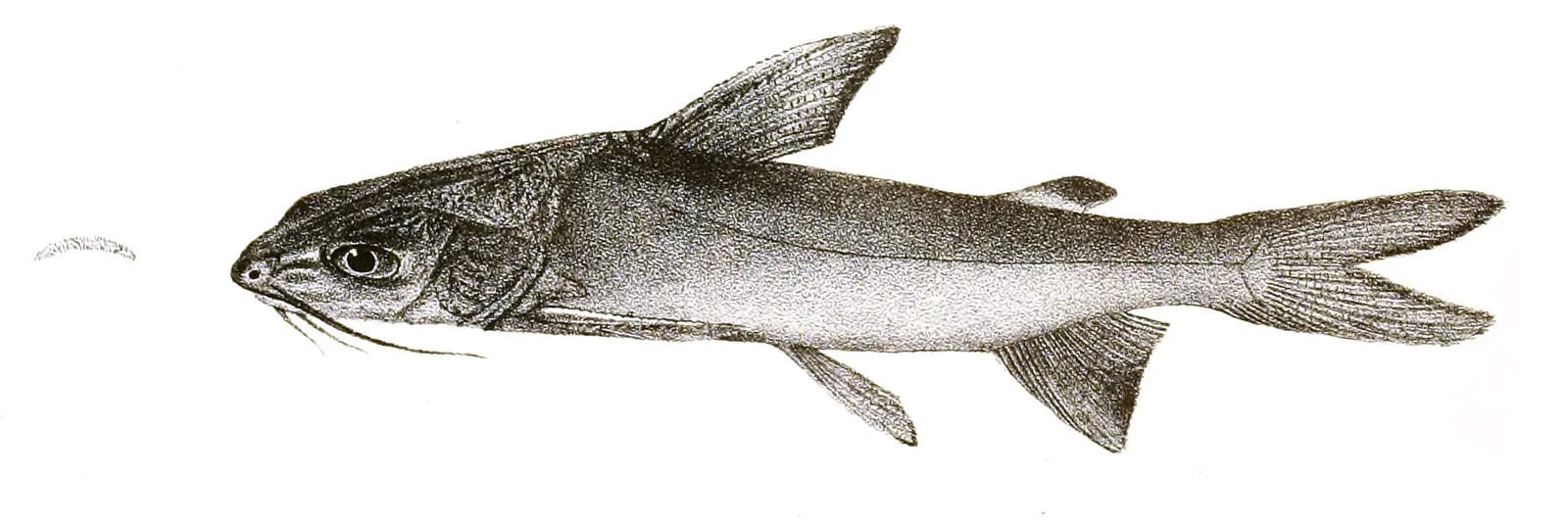
Fish specimens are notoriously easy to misfile, and one river catfish proves exactly why. Among the AMNH’s recent discoveries was a deep-river catfish that turned out to be an entirely new species. It had been sitting in preservative fluid for years, mistaken for a known relative, until closer examination finally separated it out.
Many of these organisms were never rediscovered in the wild – they were already here, waiting in a jar, overlooked because they resembled something else. The fish had been “hiding” in a jar the entire time, not the river. Curators say misidentification, not neglect, is usually the real culprit. A feathered dinosaur took that same mistake to a much stranger extreme.
#8 – A Feathered Dinosaur Kept Its Last Meal Secret for Years
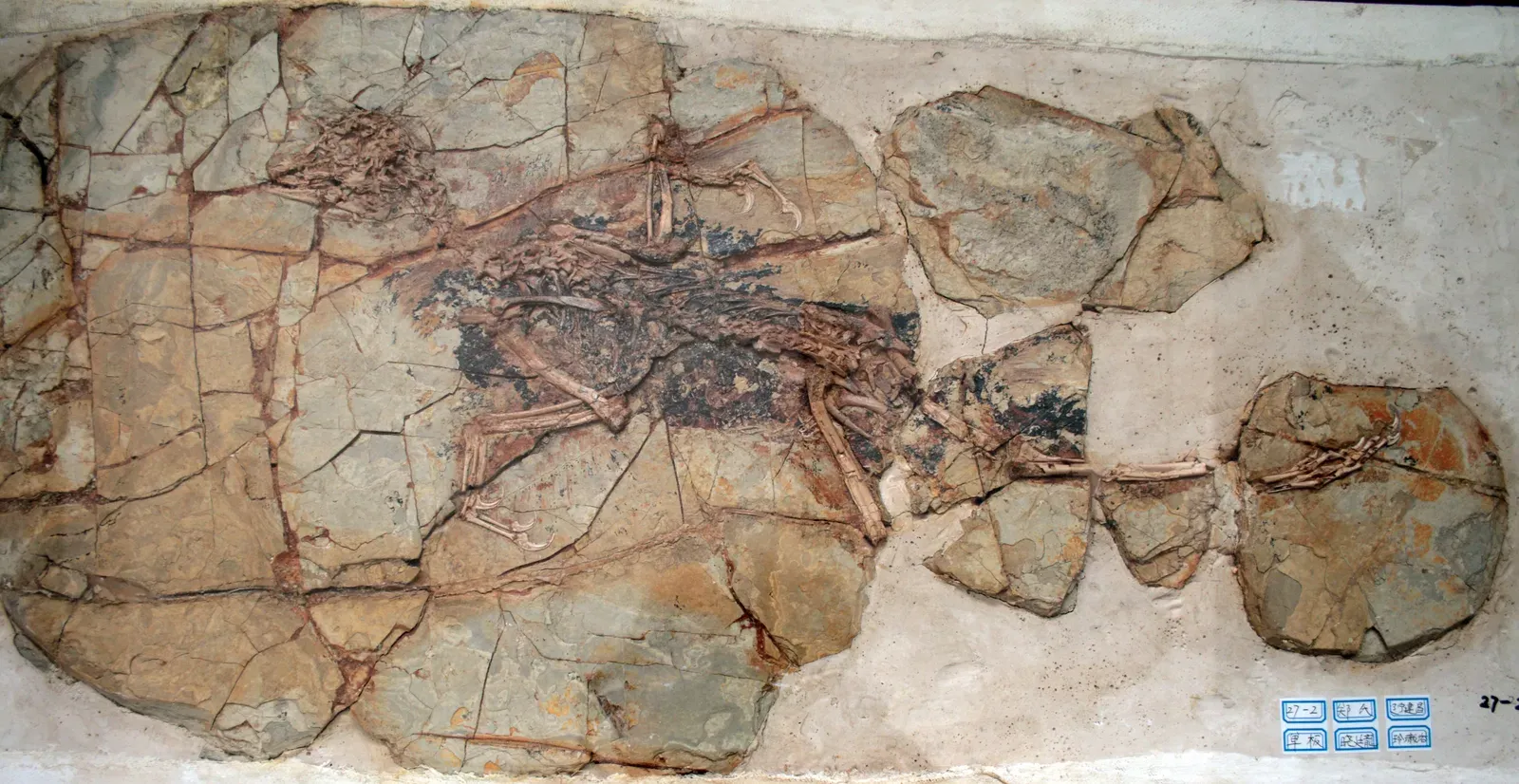
This one sounds like fiction, but it’s sitting in a real drawer right now. A feathered dinosaur, dead for 125 million years, has two small mammal skeletons still visible inside its abdomen – the remains of its final meal – and for years, nobody recognized what they were looking at.
The predator’s last supper stayed frozen in its fossilized gut the entire time it went unexamined. A 125-million-year-old crime scene sat unread in a drawer. Natural history museums aren’t passive archives – they’re active scientific infrastructure that keeps generating discoveries as methods improve. The olinguito is one of the strangest examples of that on record.
#7 – The Olinguito Was a New Carnivore Hiding in a Skull Drawer
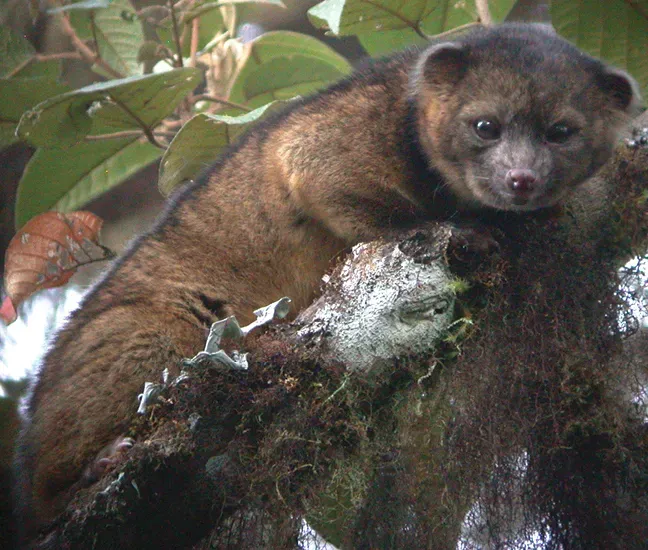
Most people have never heard of the olinguito, and that’s exactly the point. It was the first new species of Carnivora identified in decades – and it wasn’t found on a fresh jungle expedition. It was found inside a museum cabinet.
The specimens at the American Museum of Natural History had been collected in the early 20th century but sat unstudied until researchers pulled them decades later and realized the skulls didn’t belong to any known raccoon relative. A brand-new carnivore species sat in a drawer since the early 1900s. Curator Nancy Simmons has pointed out that new species are very often found in museum drawers, basically hiding in plain sight among all the other material – exactly what happened here. An 80-foot dinosaur pulled off the same trick, just on a much larger scale.
Why It Stands Out
- It was the first new carnivore species identified in the Americas in 35 years
- Weighing around 2 pounds, it lives in the foggy cloud forests of Ecuador and Colombia
- Misidentified specimens sat in U.S. museum collections for more than a century before anyone looked twice
- A live individual was even displayed in American zoos during the 1960s and ’70s, mistaken the whole time for its lookalike cousin
#6 – An 80-Foot Dinosaur Was Scattered Across a Storage Room
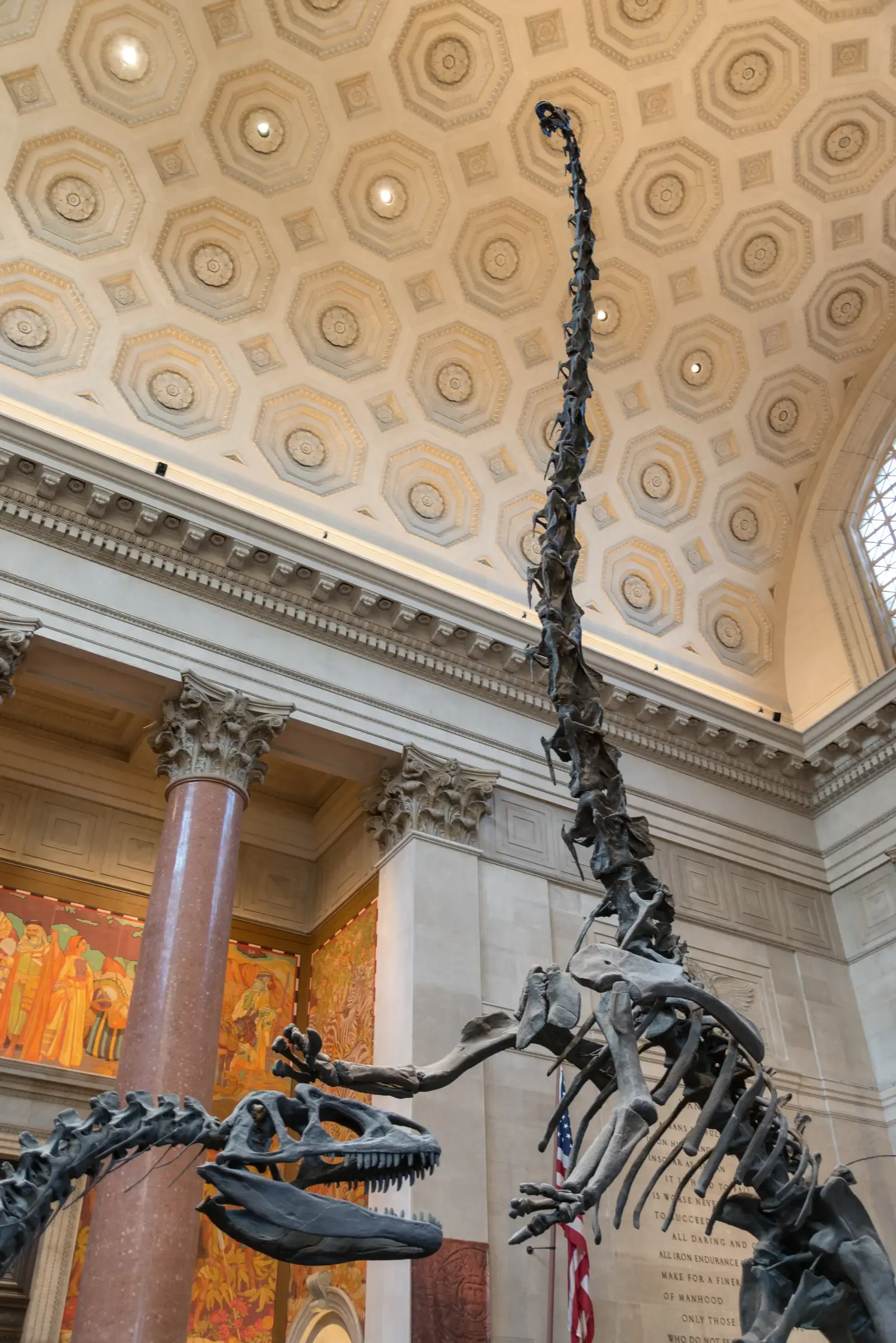
You’d think losing something the size of a school bus would be impossible. A Canadian museum managed it anyway. In 2007, scientists reported the identification of a Barosaurus – a long-necked dinosaur that had been quietly scattered through the Royal Ontario Museum’s storage rooms for years.
The bones had been catalogued separately, filed under different tags, with no one connecting them until researchers finally pieced together a nearly complete skeleton. An entire giant sauropod was broken up across multiple drawers before anyone realized the bones belonged together. Some researchers now use this case as evidence that museum storage protocols need a total overhaul, not just more funding. A crocodile fossil in the same museum sat waiting for a very different reason.
#5 – A Giant Crocodile Sat Quietly on a Shelf for Years
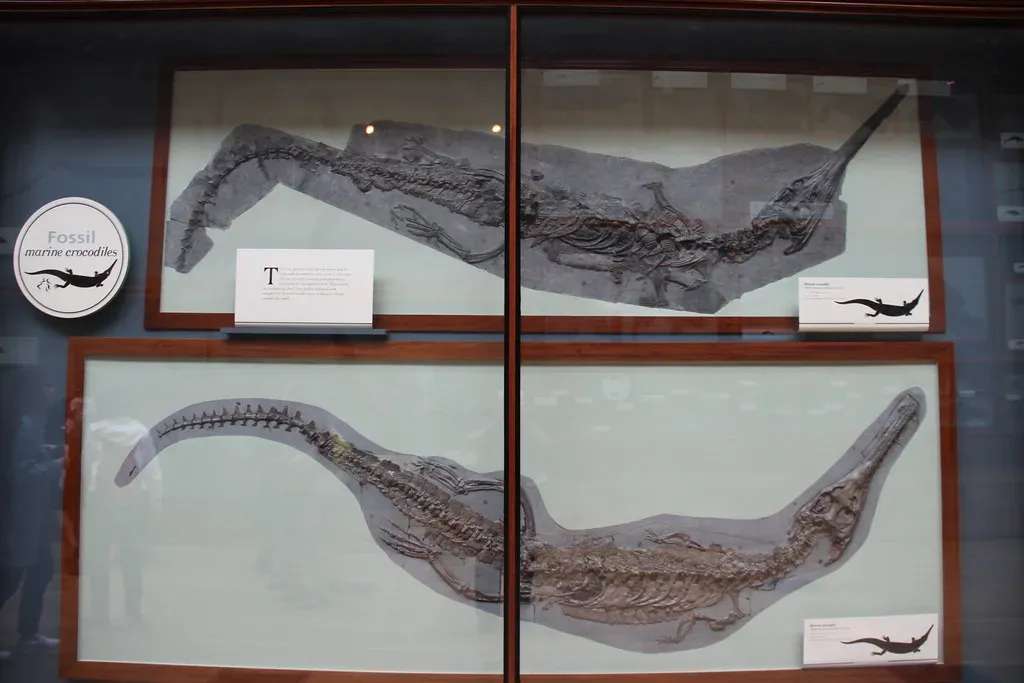
Crocodile fossils are dramatic by nature. This one still managed to get ignored. Originally collected in Morocco, the specimen that would eventually identify a giant new crocodile species sat at the Royal Ontario Museum for years before anyone turned their attention to it.
Nobody set out that week searching for a new prehistoric predator – someone simply pulled the right drawer at the right time. A predator the size of a small car went unexamined simply because nobody had gotten to it yet. Some new species are found in the wild and identified within days. Others wait in storage for years, like the fossil that follows – which waited more than half a century.
#4 – A Fossil Sat Untouched for 60 Years and Rewrote a Timeline
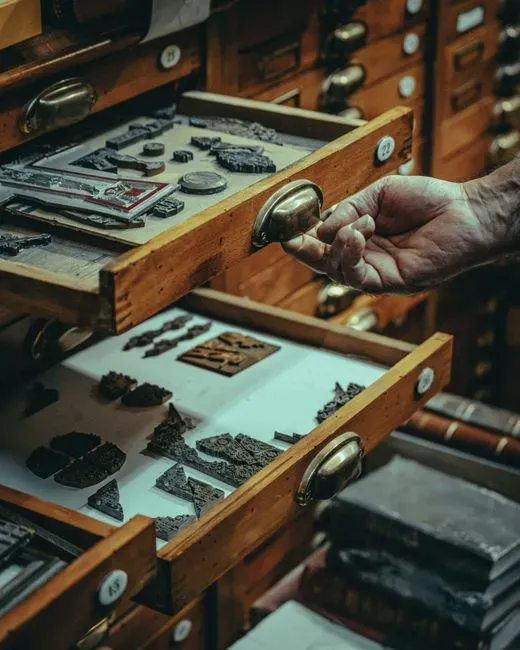
This one didn’t just wait decades. It waited over half a century inside one of America’s most visited institutions. Collected in 1962 and largely ignored, the fossil sat in a Smithsonian drawer until a researcher finally looked closely enough to notice what it actually was.
The find mattered because it plugged a notorious gap in the fossil record – a stretch known as the Furongian gap, covering roughly 497 to 485 million years ago, near the close of the Cambrian Period. A single overlooked fossil helped fill a hole in the fossil record scientists had puzzled over for decades. No one had even flagged it as unusual – it simply sat, correctly labeled but functionally invisible. Antarctica’s very first dinosaur bone had an almost identical fate.
#3 – Antarctica’s First Dinosaur Bone Sat in a Drawer for 40 Years
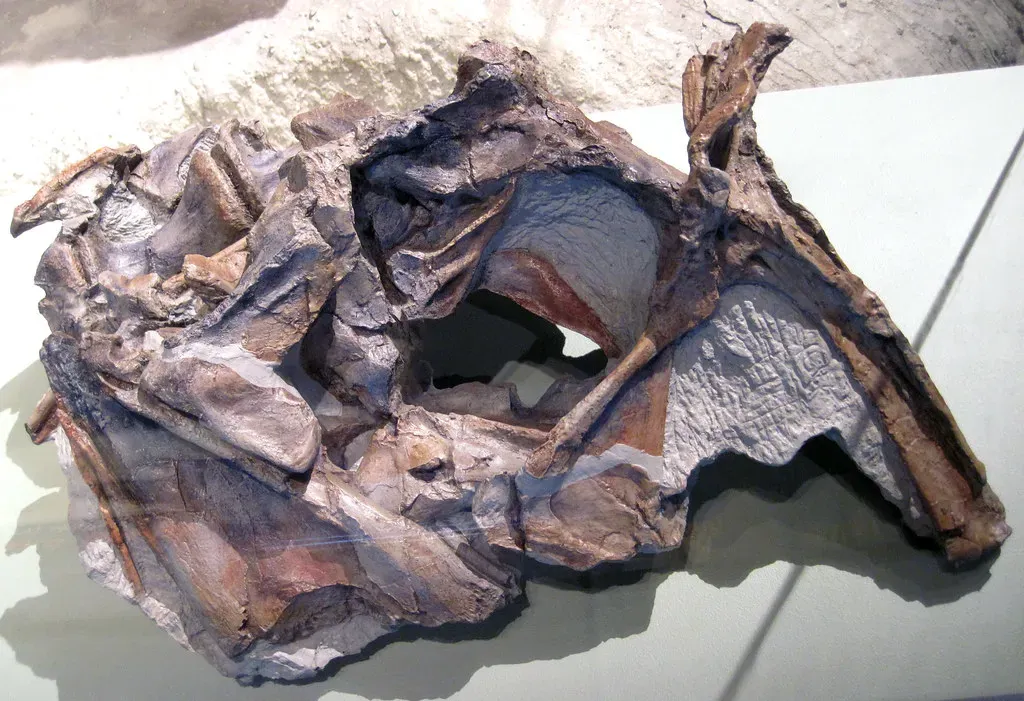
Antarctica’s fossil record is famously thin, which makes this next case even more absurd. After being forgotten for decades, a mysterious tail vertebra was finally identified as part of a titanosaur – the first dinosaur bone ever confirmed on the continent.
This bone sat in a collection drawer for decades until new research revealed it for what it was.
Matt Lamanna, paleontologist
Antarctica’s very first confirmed dinosaur bone was collected, catalogued, and then completely forgotten for 40 years. Since 1985, researchers have identified fossils from 12 named species on the continent, plus bones whose species remain unknown to this day. That last detail matters – Antarctica still has unidentified bones sitting right now. An Ice Age frog waited almost as long, quietly, in an American collection.
#2 – An Ice Age Frog Waited Since the 1950s to Get a Name
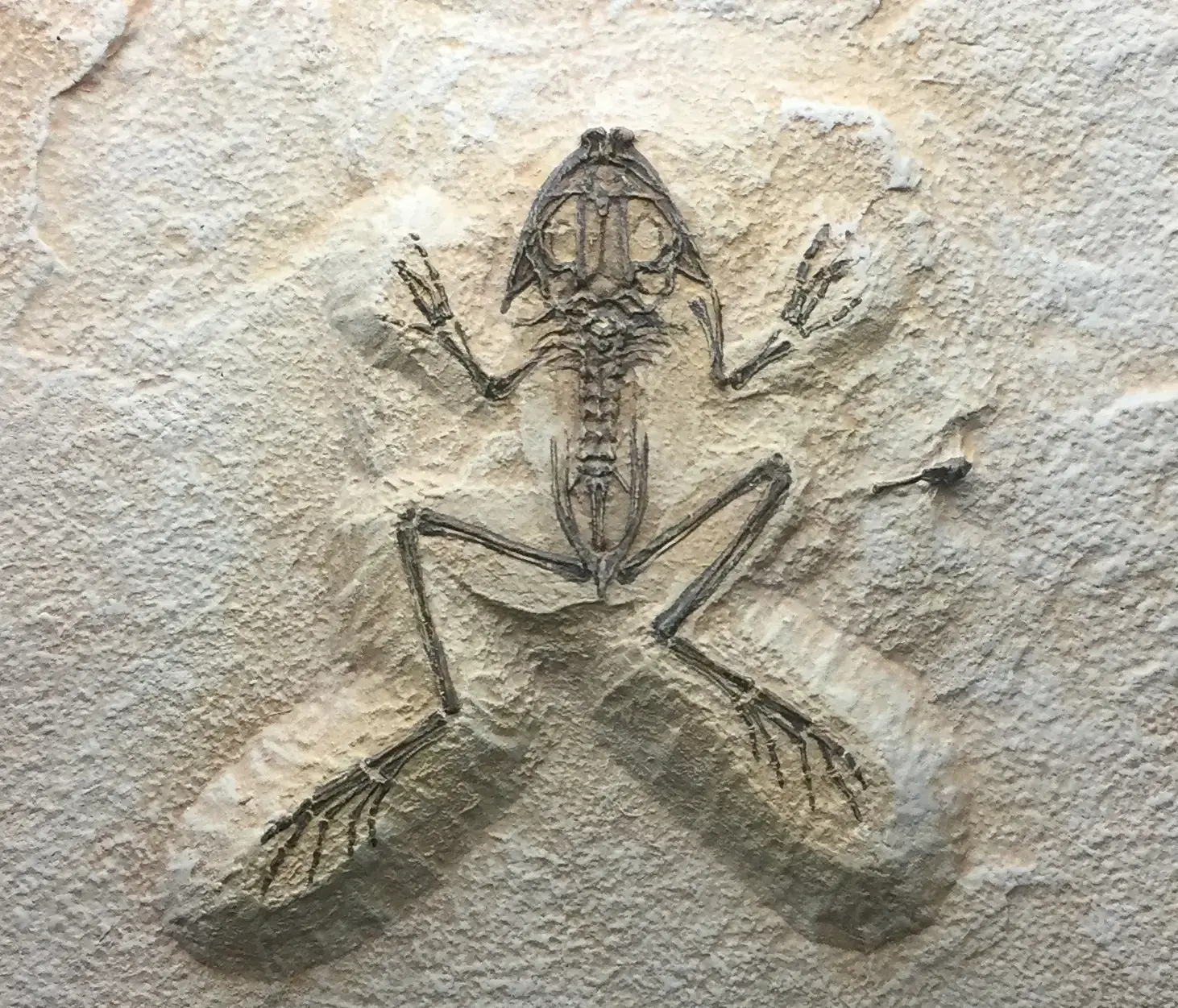
Sometimes the animal that finally gets identified isn’t dramatic at all. That’s part of what makes this one interesting. A researcher revisiting old amphibian fossils from the La Brea Tar Pits initially assumed the unusual bones simply belonged to an injured individual – until a second look suggested otherwise.
The material dated back to the 1950s, and to confirm it was a real, distinct species, researchers compared the bones with 80 specimens from two other institutions. A frog species that vanished at the end of the Ice Age sat unnamed in a collection for roughly 70 years. As the researcher himself put it, this material is originally from the 1950s, but studying it again can still uncover gold. Darwin’s own beetle waited even longer, and its story is stranger still.
#1 – Darwin’s Own Beetle Was “Lost” for Nearly 180 Years
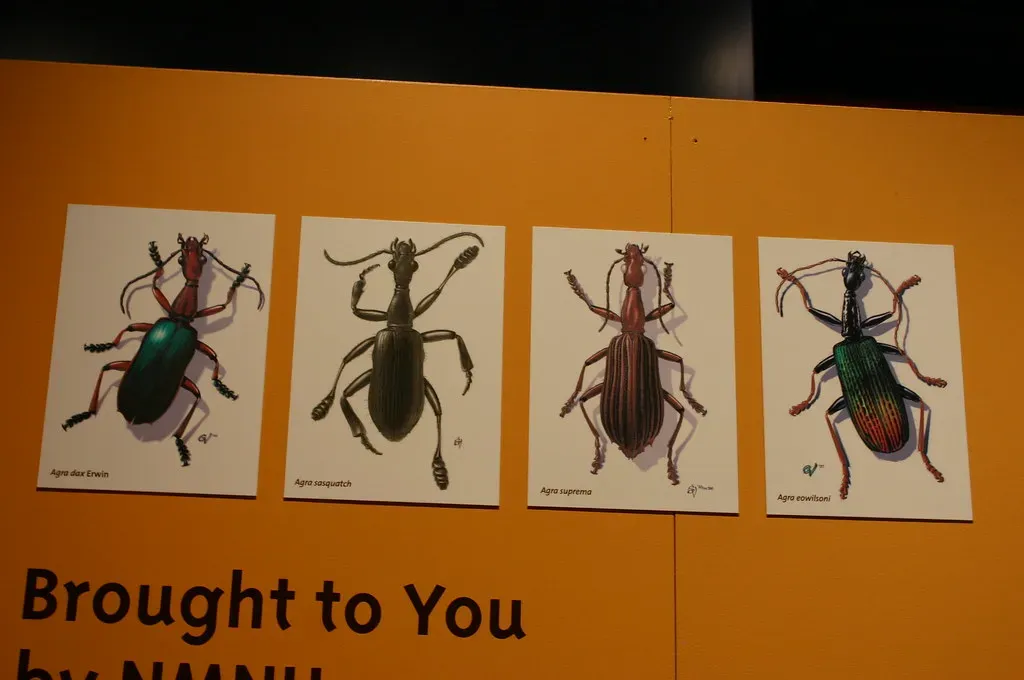
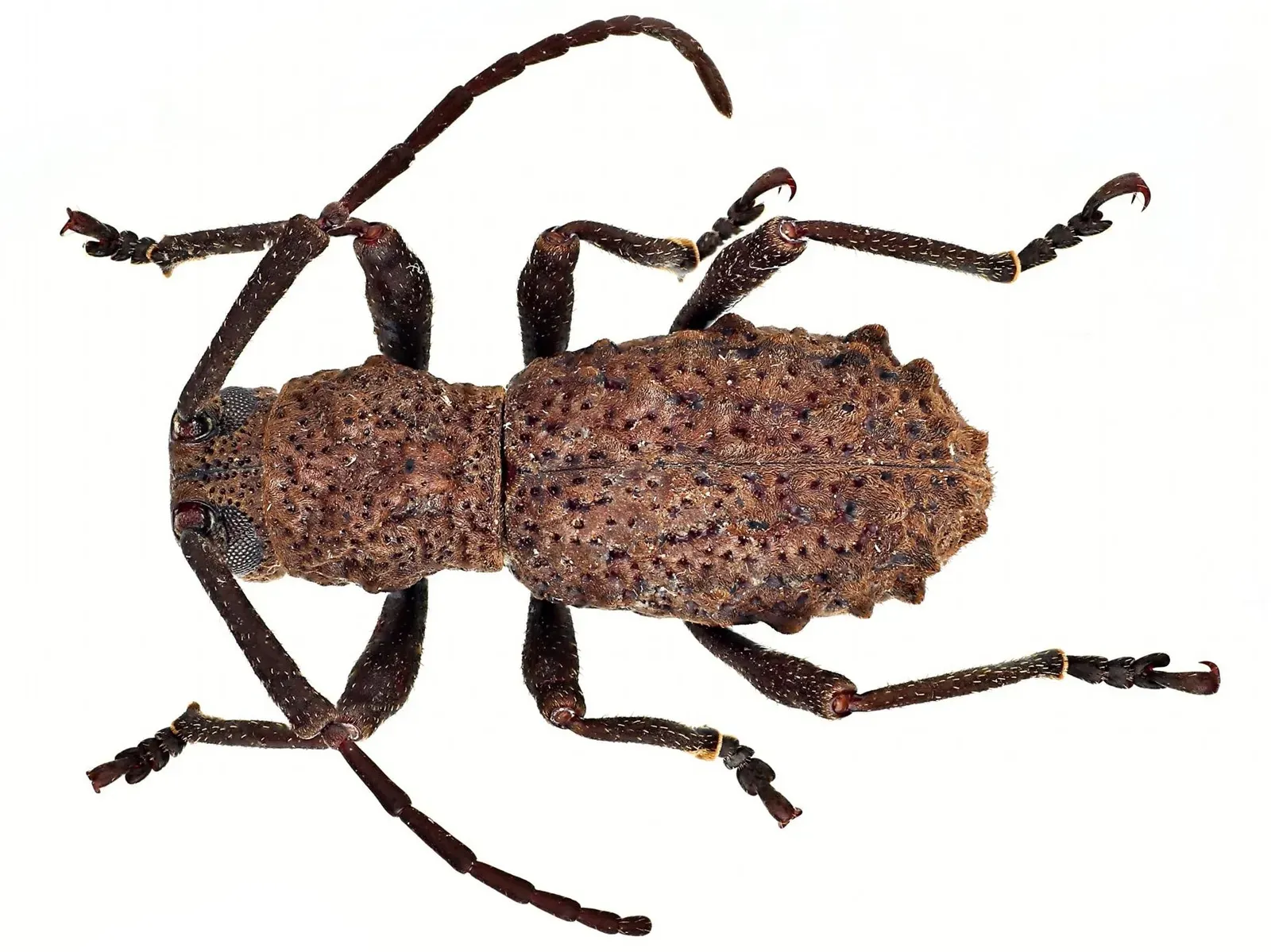
If any specimen deserves the top spot, it’s the one connected to the most famous naturalist in history. In 1832, less than a year into the voyage of the Beagle, Charles Darwin found an unusually large rove beetle in Argentina, labeled it specimen 708, and shipped it back to England. No matching beetle was ever collected again – and the sample effectively vanished.
For nearly two centuries it sat misidentified among unrelated specimens, filed under the wrong genus entirely. Darwin’s own specimen was mislabeled and buried inside a completely different genus for over 175 years. It had arrived by mail in a small box of 24 pinned beetles, all supposedly belonging to the genus Trigonopselaphus. An entomologist finally noticed its odd, saw-toothed antennae and realized nothing matched. It was renamed Darwinilus sedarisi, more than 180 years after Darwin first picked it up. Only one other specimen has ever surfaced, collected before 1935 – and most of its Argentine habitat has since become farmland, raising real fears the species may already be extinct in the wild.
Quick Compare: How Long They Waited
- Darwin’s rove beetle: nearly 180 years in a drawer
- Smithsonian’s Cambrian-gap fossil: about 60 years
- La Brea Ice Age frog: roughly 70 years
- Antarctica’s first dinosaur bone: 40 years
- Average new species worldwide: 21 years
The Uncomfortable Truth Behind “80 Million Specimens”
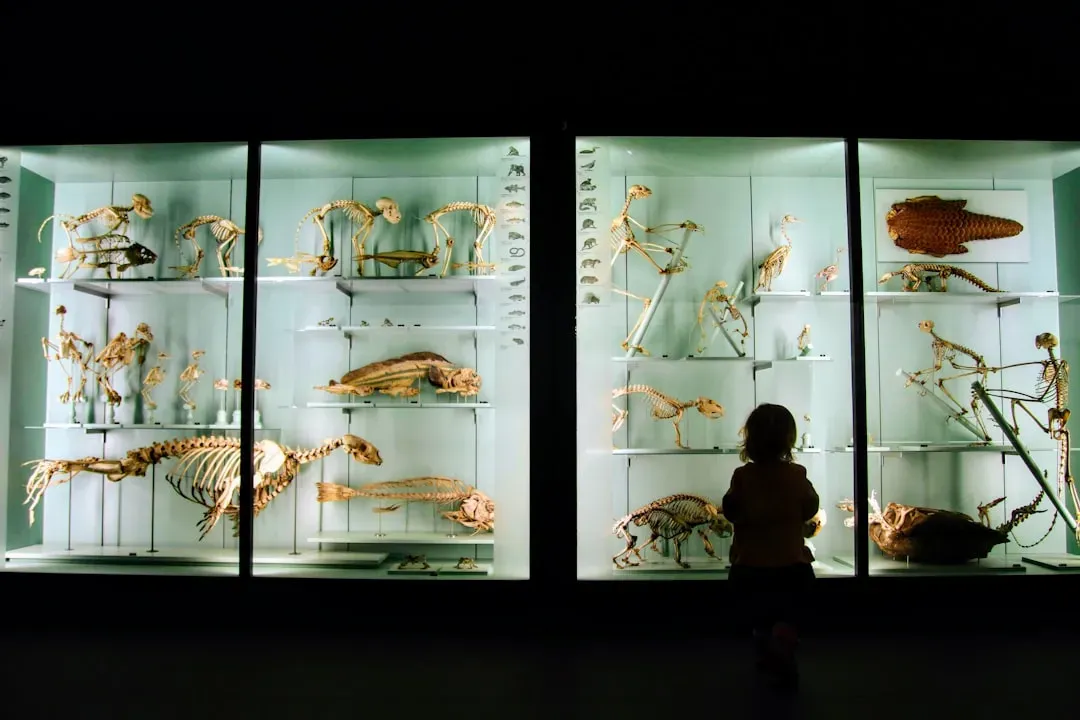
Museums aren’t finished projects. They’re massive unsolved backlogs disguised as tidy exhibit halls. From Darwin’s 180-year-old beetle to Antarctica’s forgotten dinosaur bone, the pattern repeats every single time: the specimen was never the real mystery – the missing hours of human attention were.
Institutions love bragging about their “80 million specimens” while quietly glossing over the fact that most will never be studied in our lifetimes. That’s not preservation. That’s neglect wearing a marble façade. If a species goes extinct while sitting labeled “unidentified” in a drawer somewhere, that’s a failure science rarely likes to admit out loud – and the next Darwinilus is probably sitting in a cabinet right now, waiting for someone to simply open the drawer.