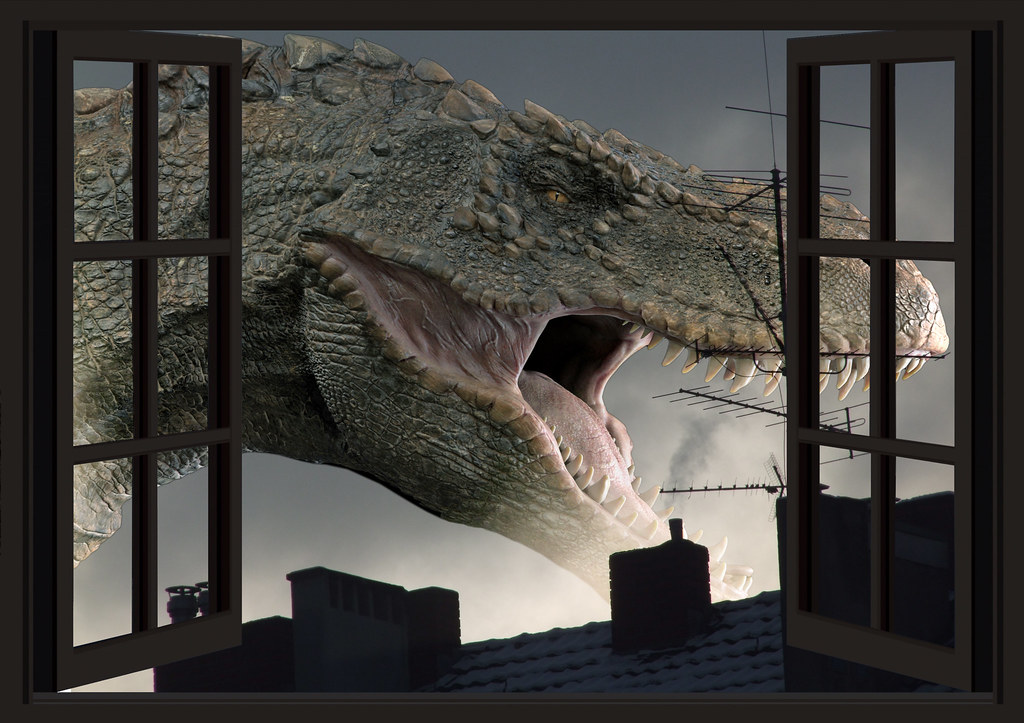
Picture this: you pull back your curtains at night and there it is – a massive T. rex head slowly turning toward your window, breath steaming in the cool air. Your heart would probably slam into overdrive, but a tiny, stubborn part of you would also be thinking: this is insane… and kind of awesome. That strange mix of fear and thrill is not random; your brain is wired to react exactly like that.
Even though dinosaurs have been gone for tens of millions of years, they still live rent-free in our imaginations, riding the line between nightmare and fantasy. When we place something as impossible as a real-life dinosaur into an everyday setting – like your quiet street or apartment building – it creates a weird emotional cocktail. You know it is not real, but your body acts like it might be. That gap between what you know and what you feel is where the magic, and the adrenaline, really lives.
The Brain’s Ancient Alarm System Meets Ancient Monsters
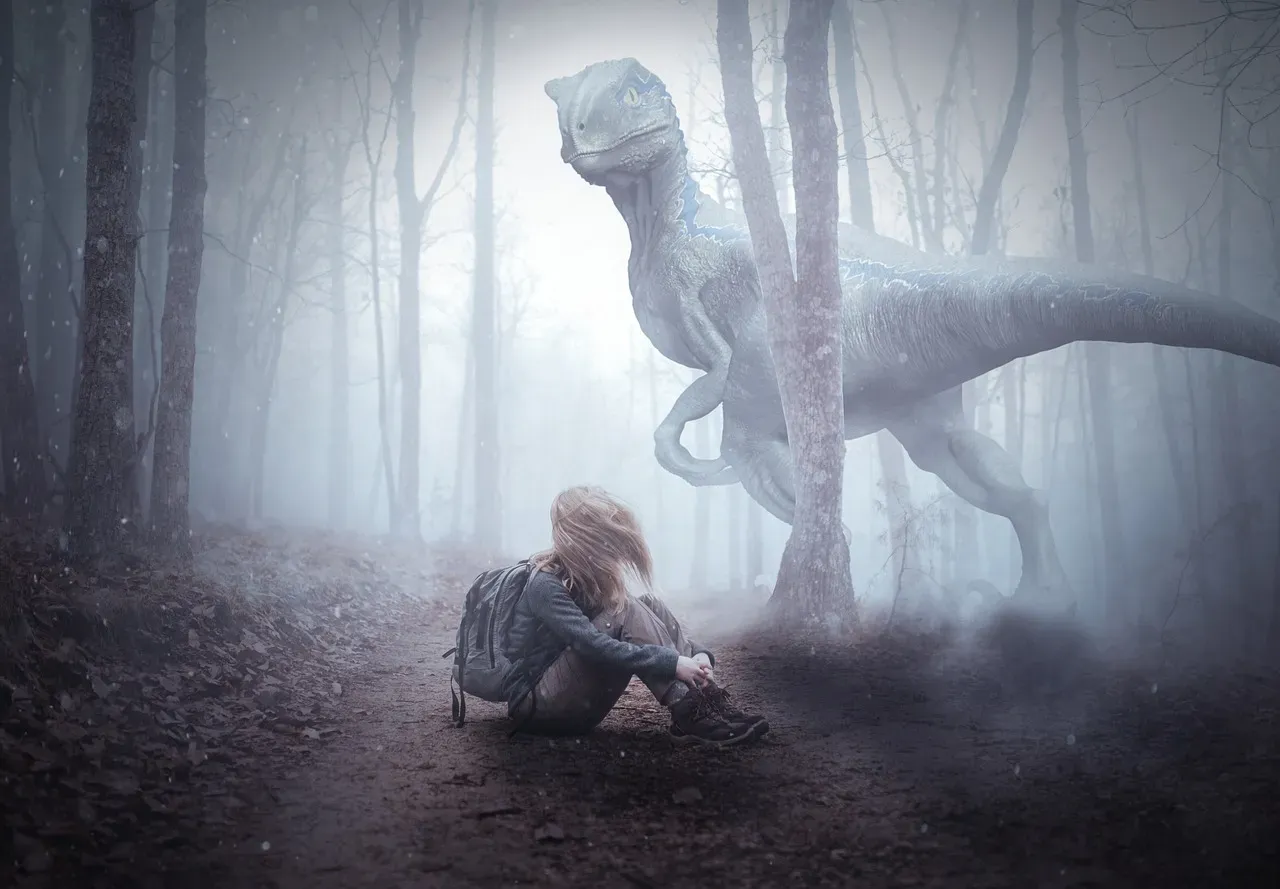
One big reason a dinosaur outside your window feels terrifying is that your brain is built to overreact to potential threats, not calmly weigh the odds. Deep in your brain, structures like the amygdala are constantly scanning for danger, especially anything big, fast, and unpredictable. A giant predator with teeth the size of knives ticks every box your nervous system is primed to fear, even if you consciously know it is impossible.
On top of that, this alarm system evolved long before cities, windows, or streaming services. It responds to shapes and movements that suggest a predator, not to logical arguments about extinction timelines. So when you imagine a hulking dinosaur silhouette moving past the streetlight, your body answers with a spike of heart rate, sweaty palms, and a rush of stress hormones. In a way, your ancient hardware is colliding with an even more ancient creature, and your biology does not care that the science says it cannot be there.
Why Your Imagination Loves High-Stakes “What Ifs”
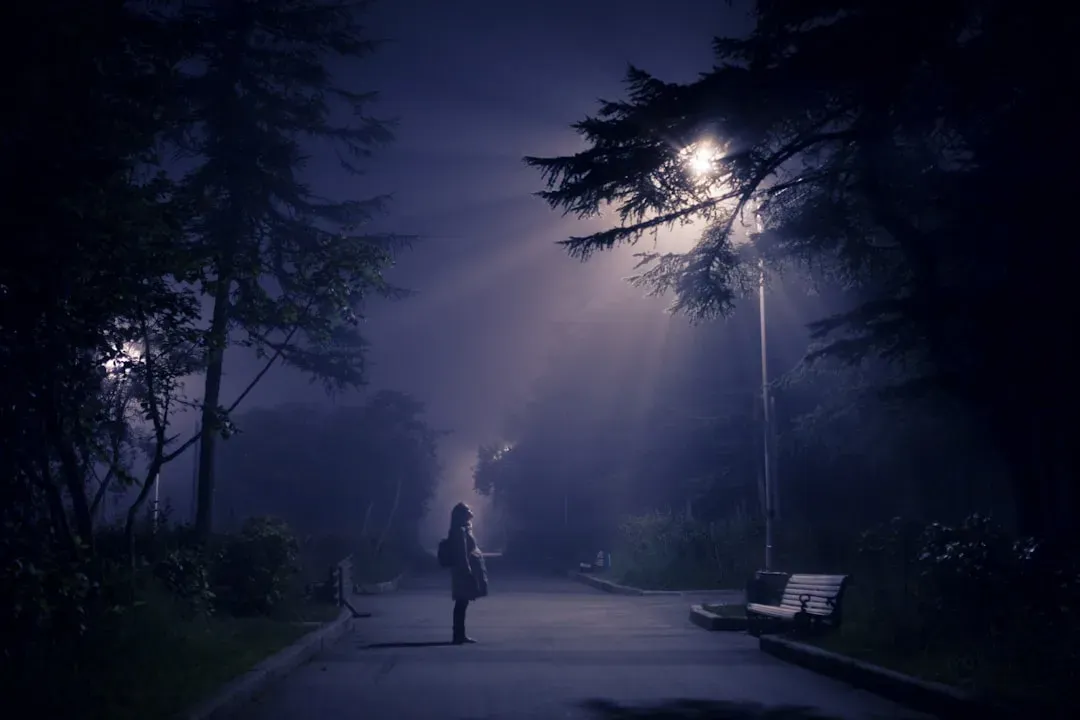
At the same time, your mind is weirdly drawn to the exact things that scare you. Humans are fantastic at running “what if” simulations in our heads, and a lot of those simulations involve danger, risk, or breaking the rules of reality. Imagining a dinosaur outside your window is like upgrading an ordinary scary scenario into a blockbuster-level threat, and your imagination eats that up.
There is also a sense of control that comes with imagining instead of actually experiencing something. In your head, you get the rush of picturing the thunder of footsteps or the shadow crossing your room, but you can hit pause whenever you want. It is a mental roller coaster: you sign up for the drops and twists, but deep down, you know you are strapped in and safe in your seat – or in this case, safe in bed, staring at the ceiling.
Nostalgia, Movies, and the Dinosaur Hype Machine
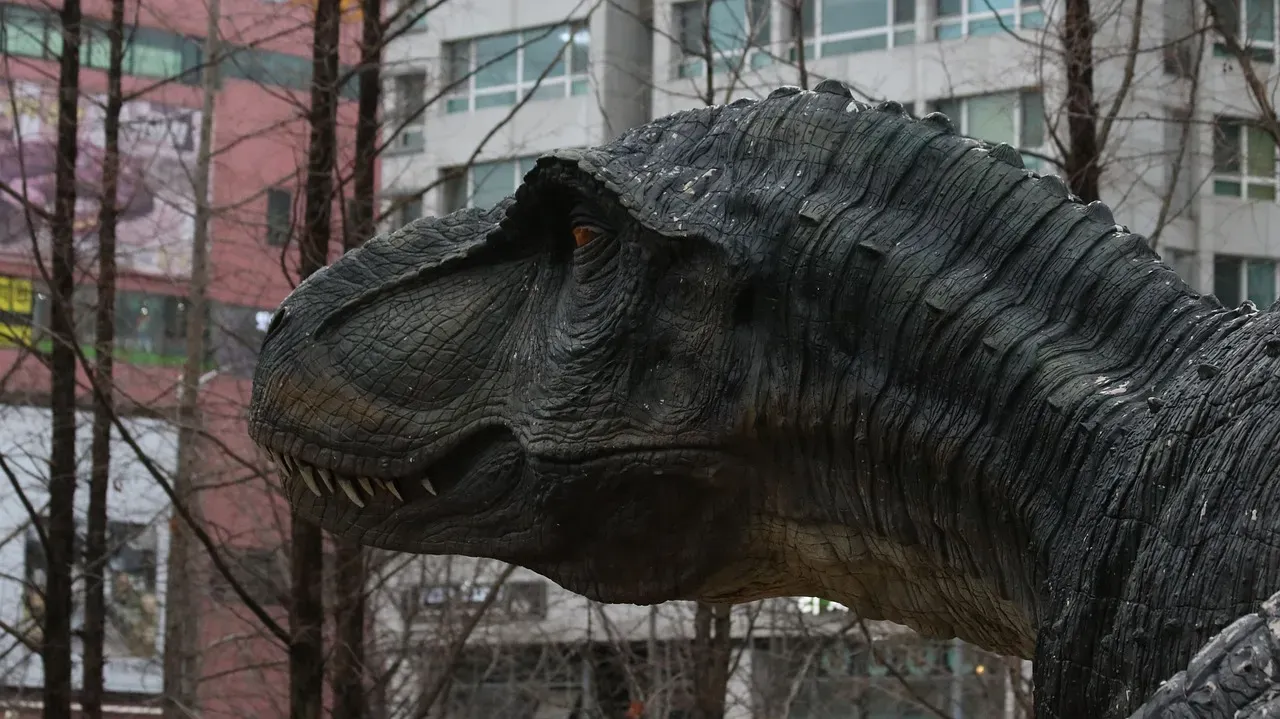
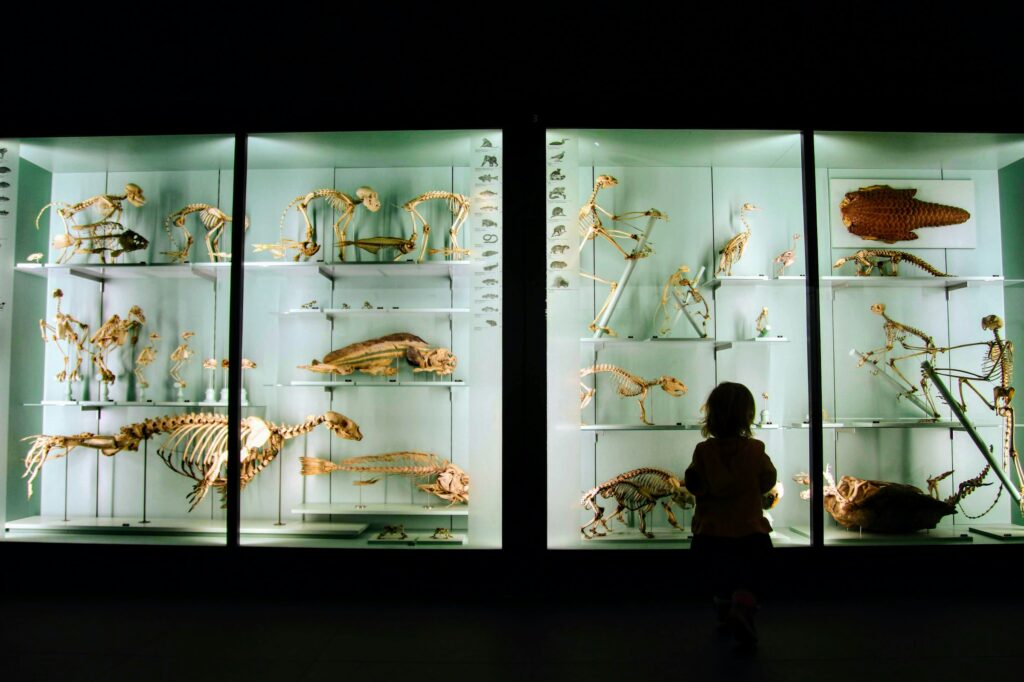
Let’s be honest: most of what we “know” about seeing dinosaurs in the real world comes from movies, games, and childhood obsessions. For a lot of us, dinosaurs were one of the first things that made science feel epic – huge skeletons in museums, dramatic scenes on screen, plastic toys locked in constant battle. So when you picture a dinosaur at your window, you are not just imagining an animal; you are replaying a lifetime of stories attached to it.
Pop culture also trains us to experience danger from a safe distance. We learn to enjoy the jump-scare that is over in a second, the chase scene where the character just barely escapes, the roar that shakes the theater but not our actual lives. So your mental image of a dinosaur is already wrapped in that movie-style framing. It is terrifying, yes, but it is also cinematic and cool, like your quiet street got randomly upgraded into the set of a big-budget action scene.
The Science of Safe Fear: Adrenaline Without the Actual Risk

That weirdly exciting feeling is your body’s fight-or-flight system firing in low-stakes mode. When you imagine a dinosaur, your brain may trigger a lighter version of the same physiological response you would get from a real threat: faster heartbeat, shallower breathing, a little jolt of adrenaline. You feel more awake, more alert, almost like your senses sharpen for a moment.
The key difference is that your rational mind still knows you are safe, and that changes everything. Without real risk, the same physical response shifts from pure terror into something that feels closer to a thrill. It is similar to what people feel on roller coasters or in haunted houses – your body reacts as if you might be in danger, but part of you is enjoying the ride because you know the odds are actually on your side.
Why Dinosaurs Feel More Awe-Inspiring Than Modern Predators
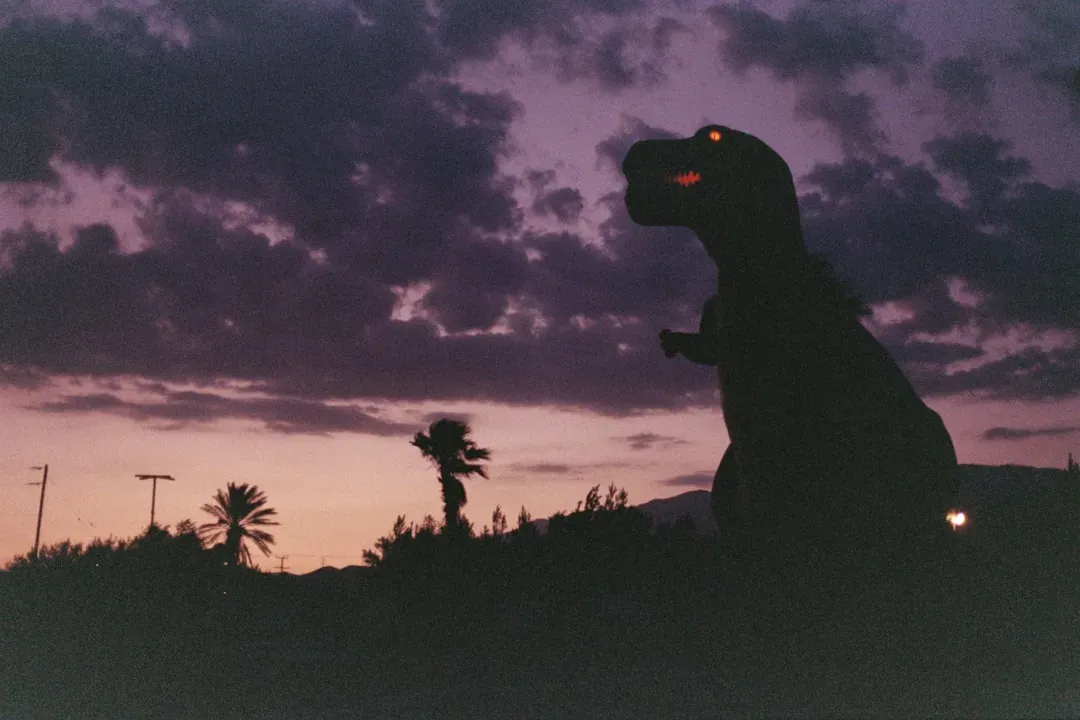
Interestingly, imagining a dinosaur outside your window often feels strangely more thrilling than imagining, say, a bear or a large dog, even though the latter are at least possible. Dinosaurs carry this extra layer of myth and mystery: they are real animals from the fossil record, but they also sit just close enough to fantasy to feel like creatures from another world. That mix of scientific reality and almost magical distance makes them uniquely captivating.
Modern predators are scary, but they are still part of the world we understand – documentaries, nature parks, safety guidelines. Dinosaurs, on the other hand, feel like the planet on “hard mode,” a reminder that Earth used to host beings that make our biggest land animals look modest. So your fear is wrapped in awe; you are not just worried about survival, you are stunned by the sheer scale and power of what you are picturing on the other side of the glass.
The Uncanny Clash of Ordinary Life and Impossible Creatures
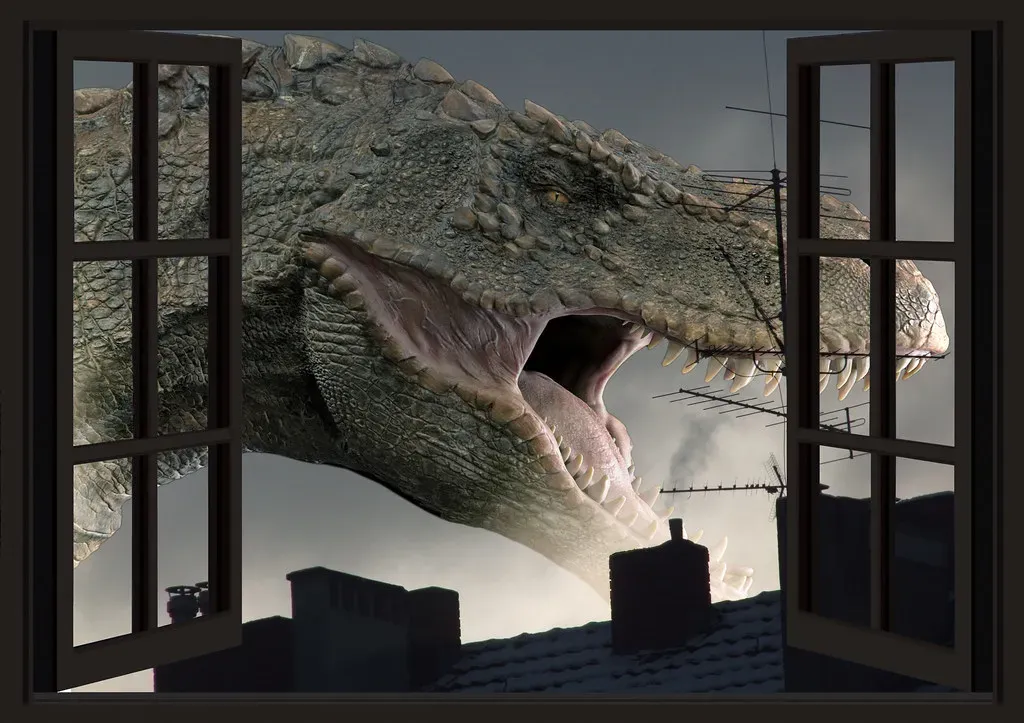
Part of what makes the image so emotionally charged is the collision between the everyday and the impossible. Your window is usually a frame for normal life: cars, neighbors walking dogs, maybe a mail carrier or a passing bird. Dropping a dinosaur into that scene breaks every rule your brain has about what belongs there, and that violation feels both wrong and fascinating at the same time.
This clash is a bit like seeing a glitch in a video game you thought you understood perfectly. A dinosaur at your window would mean reality has been hacked, and your whole mental model of the world would scramble to catch up. That sense of “this cannot be happening” is unsettling, but it is also addictive, because humans are deeply drawn to anything that hints the universe is stranger and bigger than we assumed five minutes ago.
Control, Curiosity, and the Secret Joy of Imagined Chaos
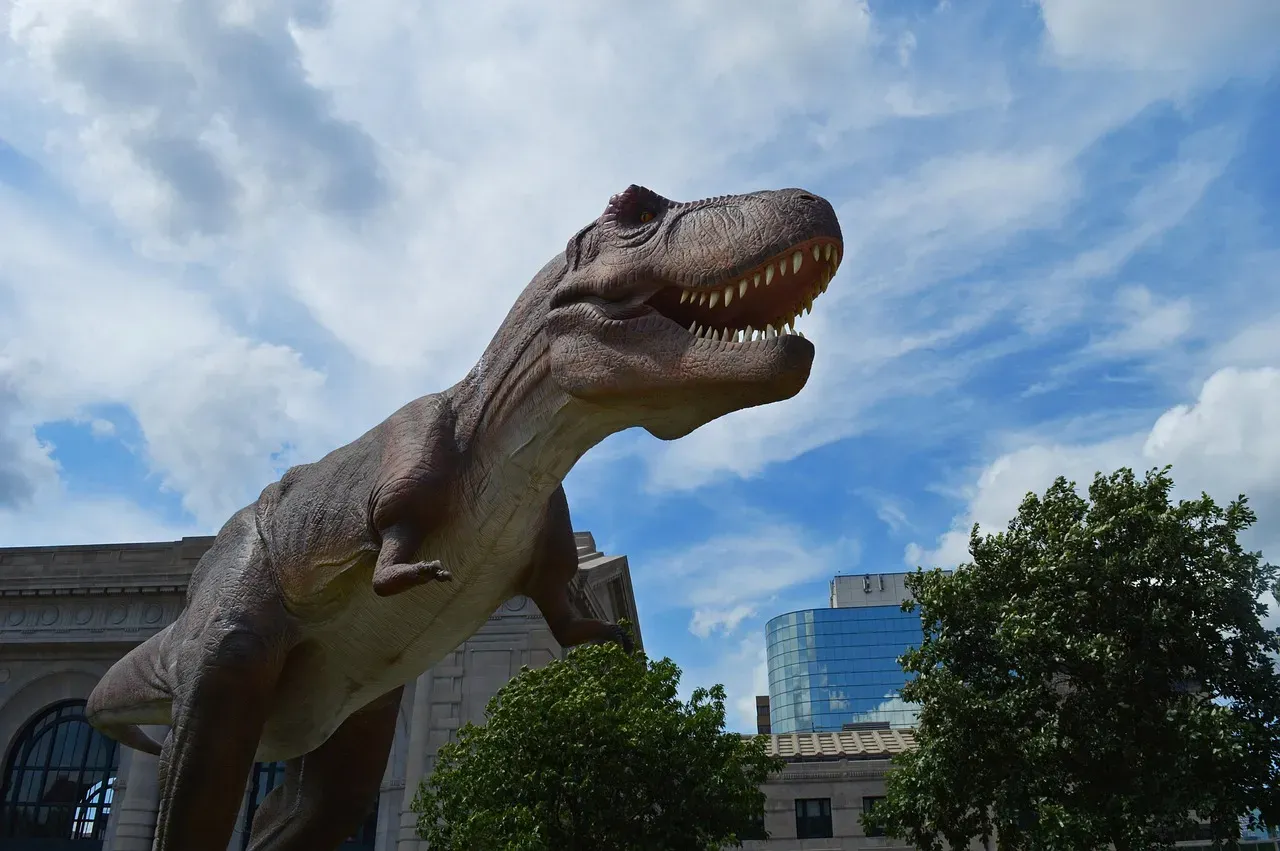
There is also a quieter psychological twist: imagining a dinosaur outside your window lets you flirt with chaos while staying in control. You can ask yourself wild questions – Would I hide? Would I film it? Would anyone believe me? – and try on different versions of yourself in that scenario. It is a safe way to explore how you might respond to extreme events without actually wanting them to happen.
On a deeper level, it taps into a stubborn human curiosity about what it would be like to witness something impossible. We are constantly poking at the edges of what we know, from space telescopes to deep-sea exploration. Picturing a dinosaur on your quiet street is the homegrown, living-room version of that same impulse: a desire to see the ordinary world crack open for a second and reveal that it was never as tame as it looked.
Conclusion: My Take on Why We Secretly Love the Scare
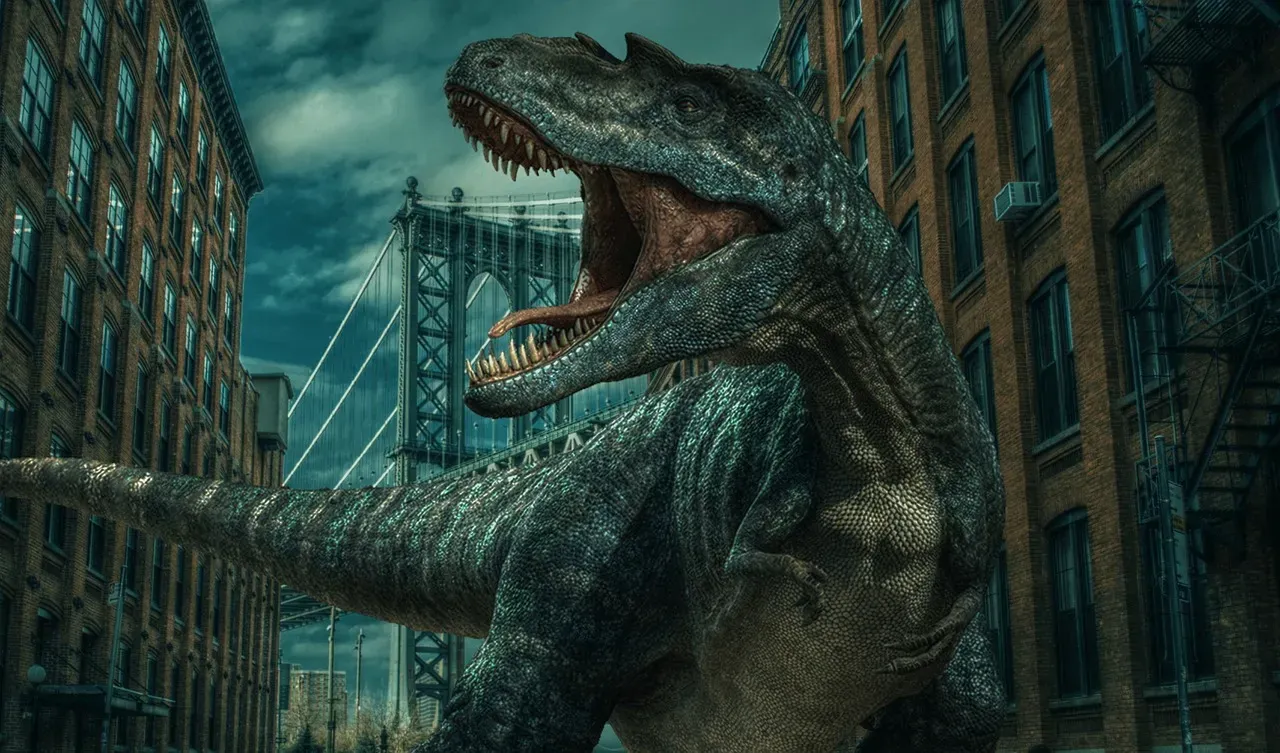
Personally, I think the reason this image sticks with so many of us is that it hits a nerve we do not often admit out loud: part of us wants the universe to be just a bit more dangerous and astonishing than our daily routines suggest. A dinosaur outside your window is every childhood fear and every adult craving for wonder rolled into one impossible visitor. It is terrifying because it would shatter your sense of safety, and exciting because it would prove that the world still has the power to shock you in a way no notification or headline ever could.
In the end, that mix of dread and delight says something flattering about us: we are scared enough to survive, but curious enough to keep imagining the impossible anyway. So the next time your brain serves up that late-night mental movie of a T. rex in the parking lot, you can smile a little and recognize it for what it is – a reminder that your inner world is still wild, still playful, and still hungry for mystery. If you could actually pull back the curtain and see anything at all, would you really choose something less extraordinary?