
Giant tortoises look solved. Slow, ancient, sleepy – what’s left to learn? Turns out, almost everything that actually matters about these animals is still a mystery. Scientists keep running into the same frustrating wall: the very traits that make giant tortoises fascinating – their extreme lifespans, their memory, their evolutionary history – are exactly the traits hardest to pin down with hard numbers.
Most people assume researchers have giant tortoise biology mapped out cover to cover. Insiders know better. Huge chunks of a tortoise’s life happen in blind spots that no lab, camera, or census can currently reach, and what follows is the actual list of things biologists openly admit they still can’t measure.
#1 – The True Maximum Lifespan Nobody Can Confirm
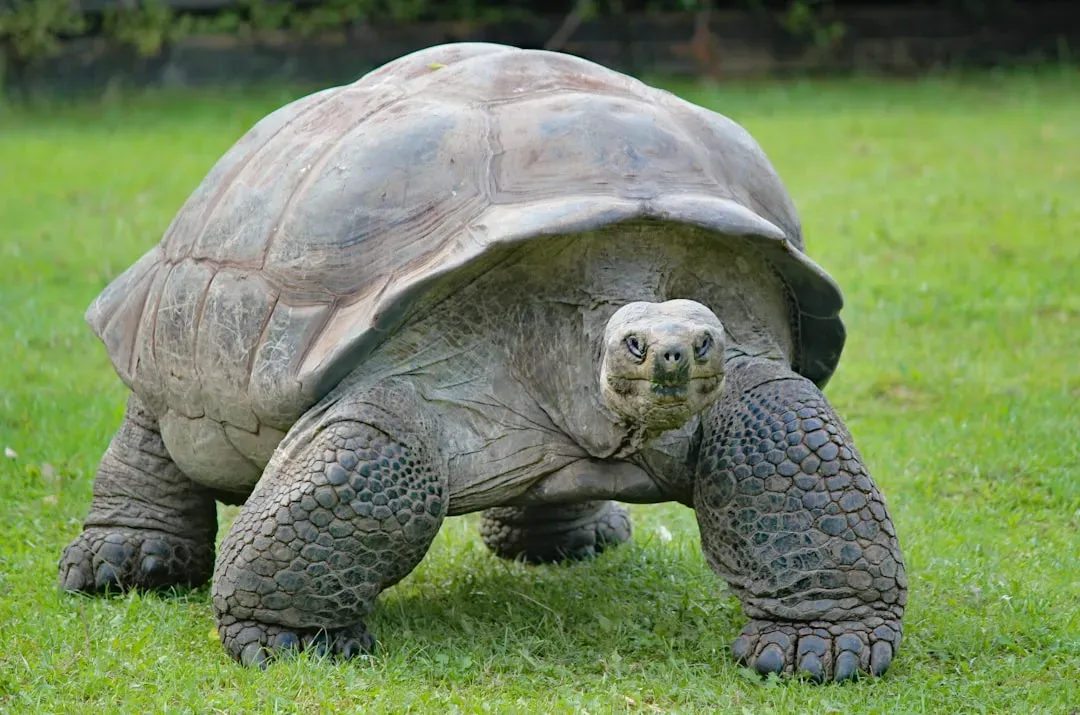
Ask a scientist how long a giant tortoise can live, and you’ll get a shrug dressed up as an estimate. Tortoises can live more than 60 years, with some claims reaching 100 to 250 years in captivity, but extreme ages are notoriously hard to verify.
The problem isn’t the tortoises – it’s the paperwork. Records have been questioned because of odd inconsistencies, like a tortoise’s reported sex or species quietly changing over the decades, suggesting some legendary “supercentenarian” tortoises may have actually been swapped out along the way. No living scientist has ever tracked a giant tortoise from hatchling to natural death, so the real ceiling on their lifespan is still theoretical – a number nobody alive will live long enough to confirm.
#2 – Jonathan’s Real Birth Year
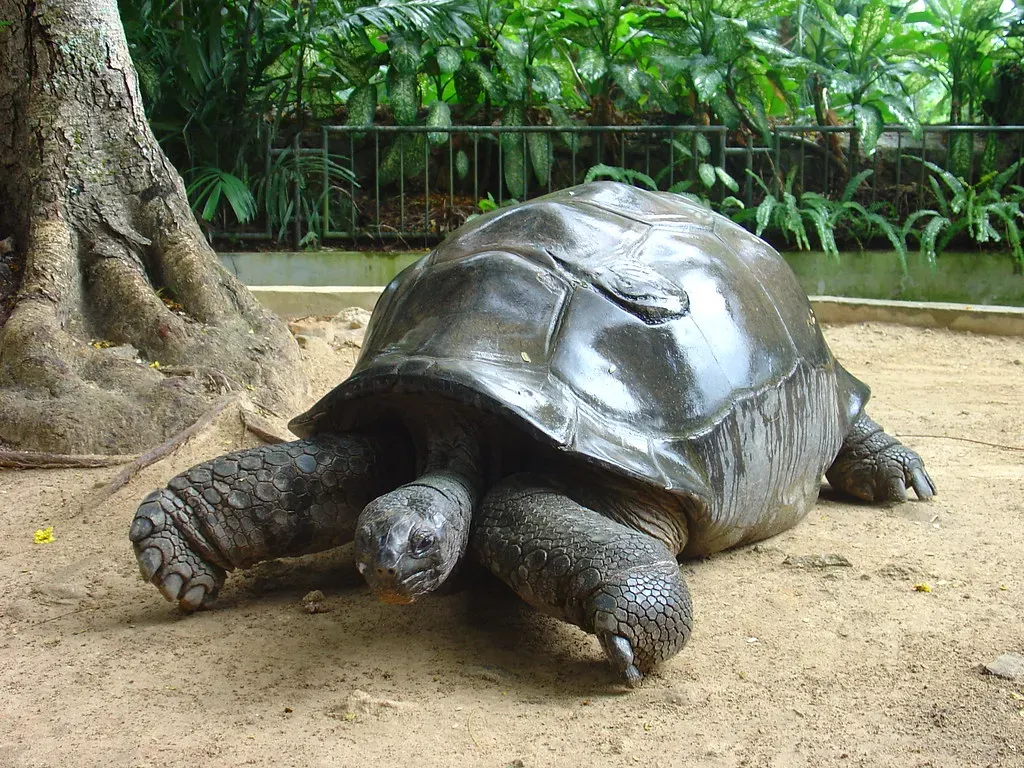
Even the world’s most famous tortoise is a walking question mark. Jonathan, the Seychelles giant tortoise recognized as the world’s oldest living land animal, marks his unofficial 192nd birthday every December – “unofficial” being the key word, since some experts suspect he was actually born even earlier than that.
Think about that: the single most documented giant tortoise on the planet doesn’t have a confirmed birth certificate. Jonathan is believed to have hatched in the early 1830s, but he wasn’t cared for by humans – and therefore wasn’t recorded anywhere – until the 1880s, leaving the first five decades of his life with zero paper trail. Researchers are essentially guessing at the age of the most famous animal alive.
Fast Facts
- Species: Seychelles giant tortoise
- Unofficial birthday celebrated every December
- Believed to have hatched in the early 1830s
- No documented care or records until the 1880s
- Recognized as the world’s oldest living land animal
#3 – Whether Tortoises Actually “Age” at All
This one flips basic biology on its head. Cold-blooded animals have long been assumed to age slowly, but nobody had actually tested that assumption at scale in the wild until recently – and the results were bizarre.
Some cold-blooded animals, tortoises included, showed no measurable increase in death risk as they got older at all, a trait almost unheard of in vertebrates. The species that aged slowest tended to share one thing in common: heavy physical protection, like a shell or venom. Scientists still can’t fully explain the mechanism behind this so-called “negligible senescence,” and it’s quietly forcing biologists to rewrite what aging even means.
#4 – The Genetic Code Behind Extreme Longevity
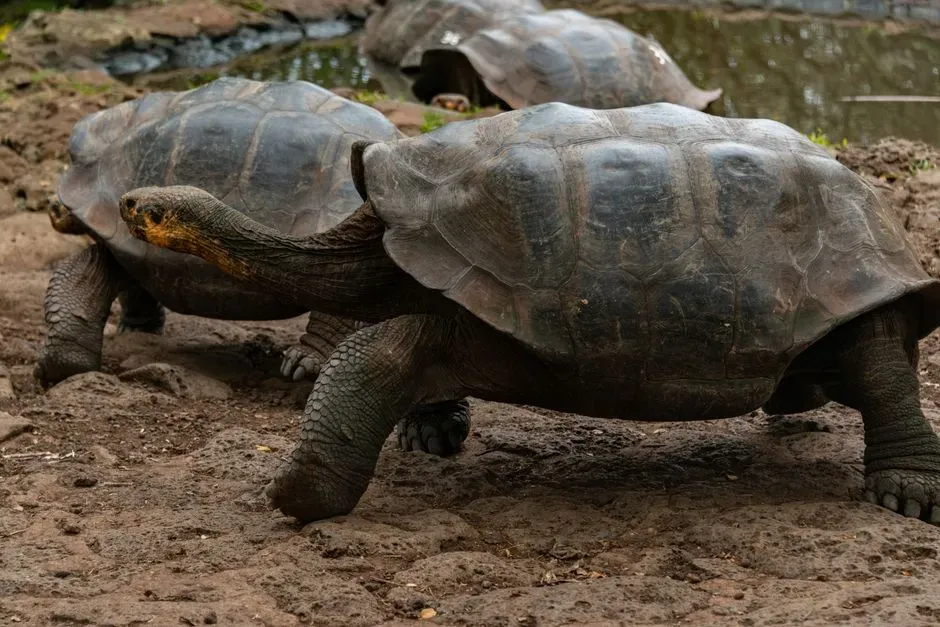
Deep inside tortoise DNA sits a puzzle nobody has fully solved. Giant tortoises are known for extreme longevity, and some species carry genetic features linked to long life, but no study has confirmed whether they actually delay or dodge the epigenetic damage that piles up with age in other vertebrate lineages.
Researchers sequencing Jonathan’s genome are hunting for answers most humans would kill for. Comparative genome analyses have flagged longevity-linked variants in genes like IGF1R in the insulin pathway, DCLRE1B in the telomerase pathway, and XRCC6 in DNA repair – but the exact combination that lets a tortoise dodge age-related disease for two centuries is still unmapped.
#5 – How Many Tortoises Actually Exist Right Now
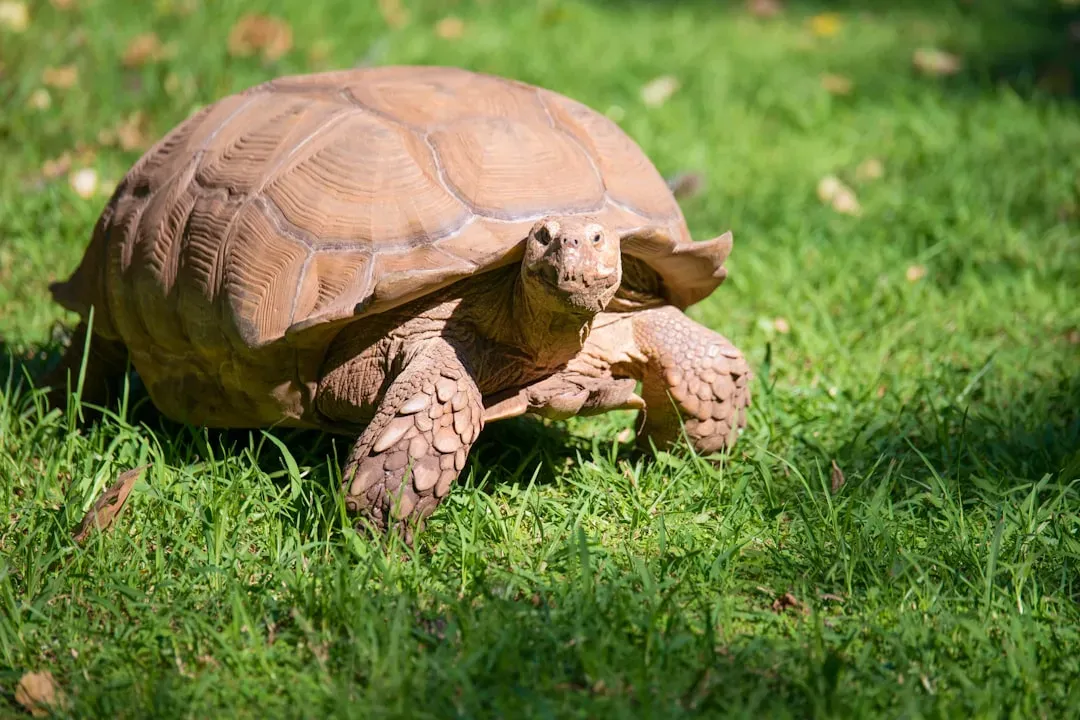
You’d think counting slow, giant animals would be easy. It isn’t. The Chelonoidis guntheri population on Sierra Negra Volcano has no recent estimate at all, and the same blank spot exists for Chelonoidis microphyes on Darwin Volcano.
Entire named species are wandering around with population figures nobody has updated in years. When the Giant Tortoise Restoration Initiative launched, the San Cristóbal population was one of the least understood on the islands, and a full island-wide census wasn’t even completed until 2016. Some tortoise species have gone decades without a single reliable headcount.
#6 – The Real Size of the Pre-Human Population
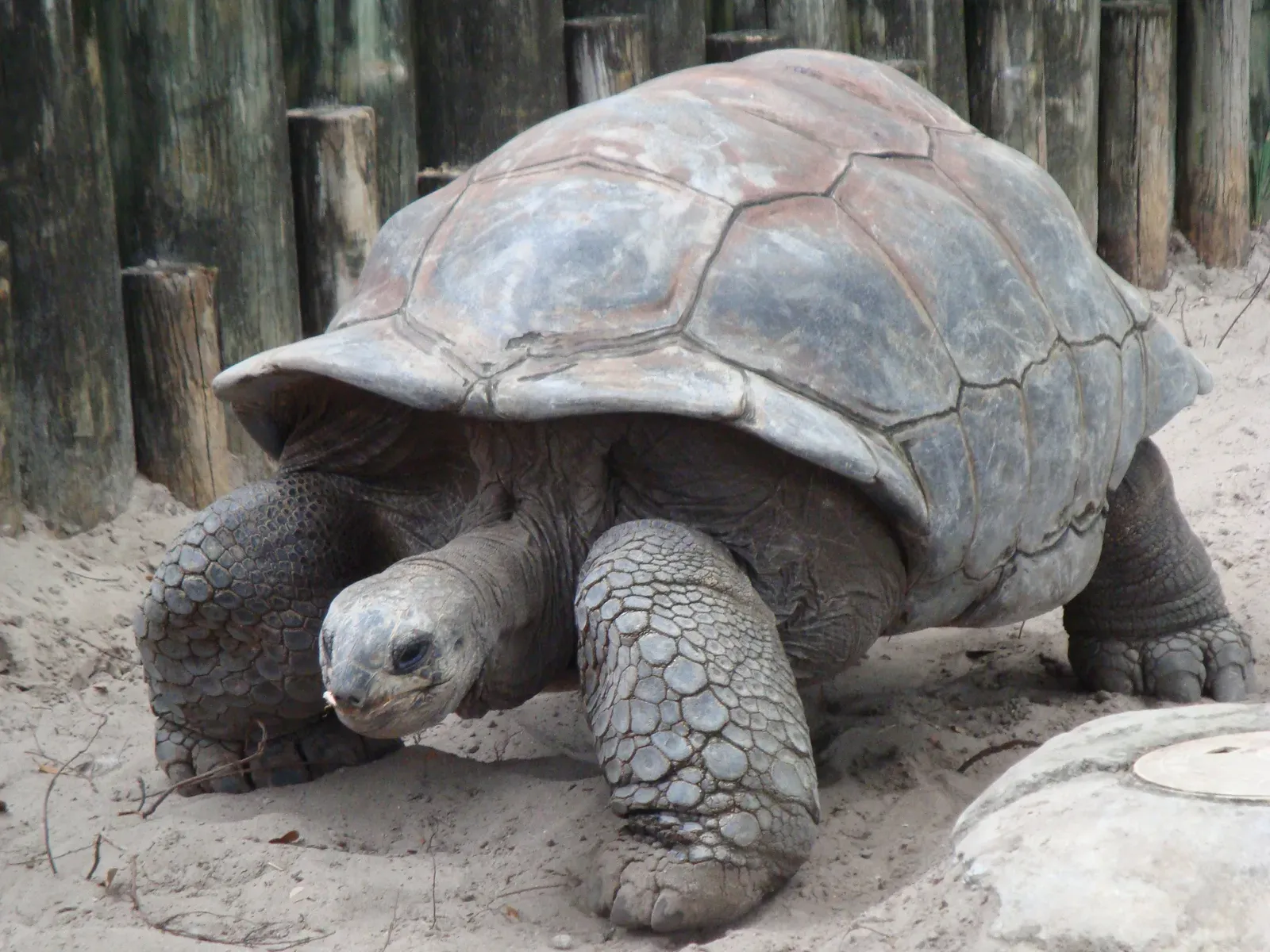
Before people arrived, nobody knows exactly how many tortoises roamed these islands – and the uncertainty is staggering. Twelve species survive today, with a combined population estimated between 24,620 and 27,325 individuals, but historically there may have been 100,000 to 200,000 tortoises across the archipelago.
That’s a gap of roughly 100,000 animals that researchers simply cannot close. Other estimates push even higher, putting the historical total at 200,000 to 300,000, which would mean today’s population is only 10 to 15 percent of what once existed. Nobody agrees on the true baseline, which makes “full recovery” a moving target that nobody can actually hit.
Quick Compare
- Today: 12 surviving species, roughly 24,620 to 27,325 individuals
- Lower historical estimate: 100,000 to 200,000 tortoises
- Higher historical estimate: 200,000 to 300,000 tortoises
- Current population: possibly just 10 to 15 percent of the historic peak
#7 – Whether More “Extinct” Species Are Secretly Alive
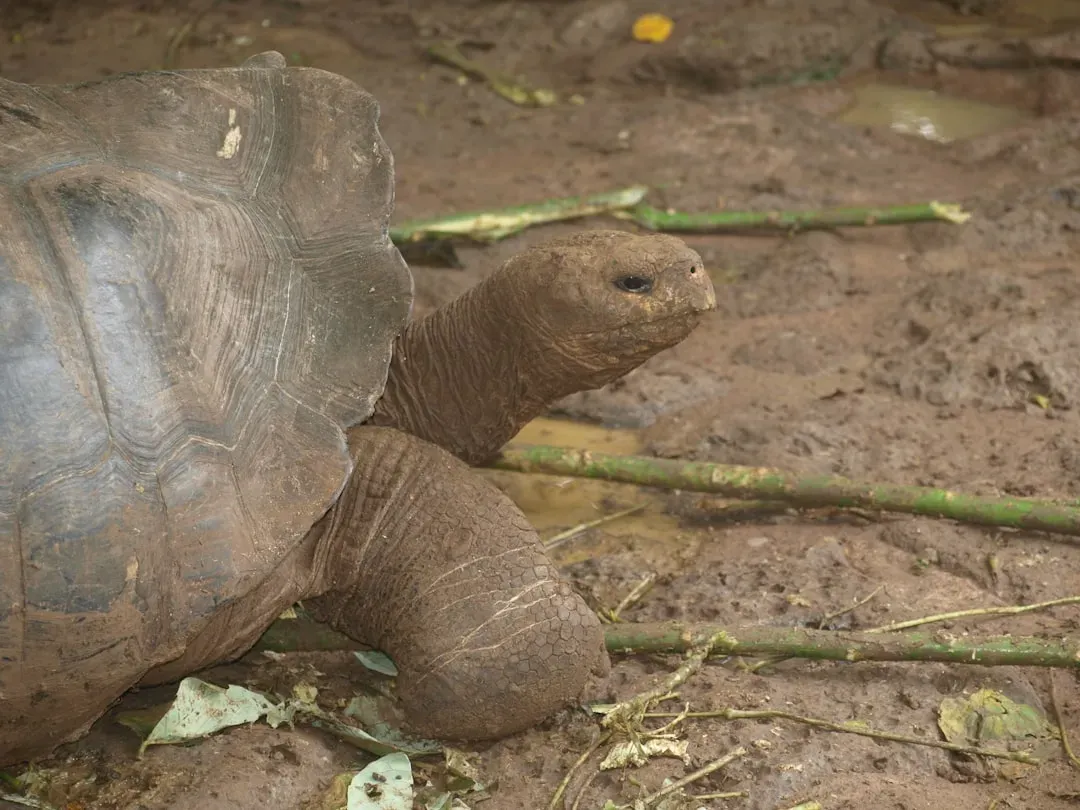
This is where giant tortoise research gets genuinely eerie. The Galápagos island Charles Darwin famously landed on was long assumed to hold only one tortoise species – until researchers found evidence that a second, now-extinct lineage may have lived right alongside it.
The discovery came from old bones sitting in a museum drawer, not from new fieldwork. Genetic markers found in those cave bones don’t match any living tortoise on the island, signaling that two separate lineages once shared the same patch of land. A species could have gone undetected for over a century simply because nobody had sequenced the right bones yet.
#8 – The Evolutionary Family Tree Still Doesn’t Add Up
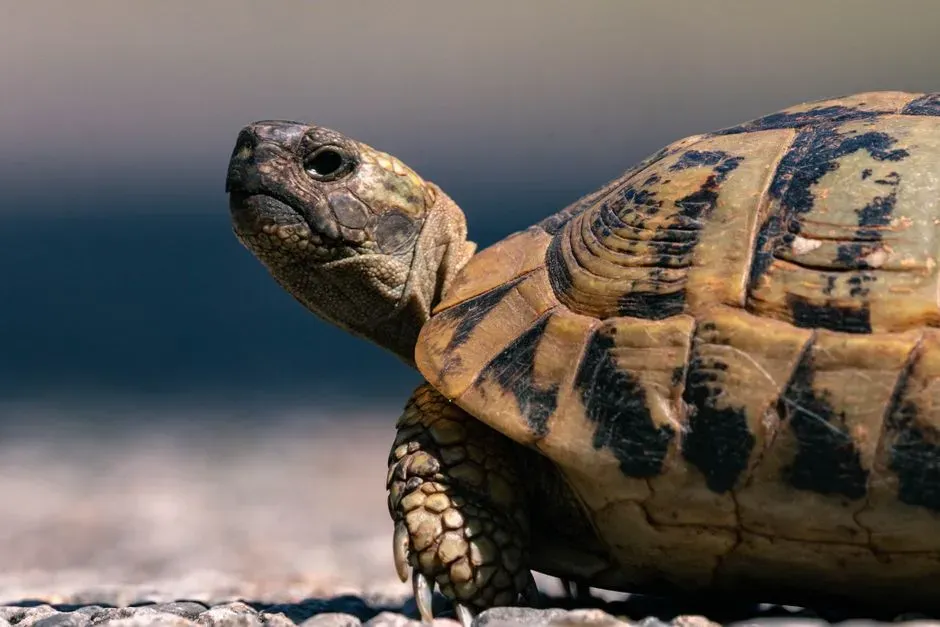
Tortoise genealogy should be simple. It’s anything but. Whole-genome analysis groups all the saddleback-shelled tortoise species into a single family branch – directly contradicting the older mitochondrial DNA tree, which scatters those same species across several separate branches entirely.
Researchers studying the mysterious Fernandina tortoise ran straight into this contradiction. Huge stretches of the genomes are nearly identical between two closely studied tortoises, but the process that explains how that happened remains unknown. Scientists can sequence an entire tortoise genome and still not know exactly how the species relates to its neighbors.
#9 – How Tortoises Actually Navigate
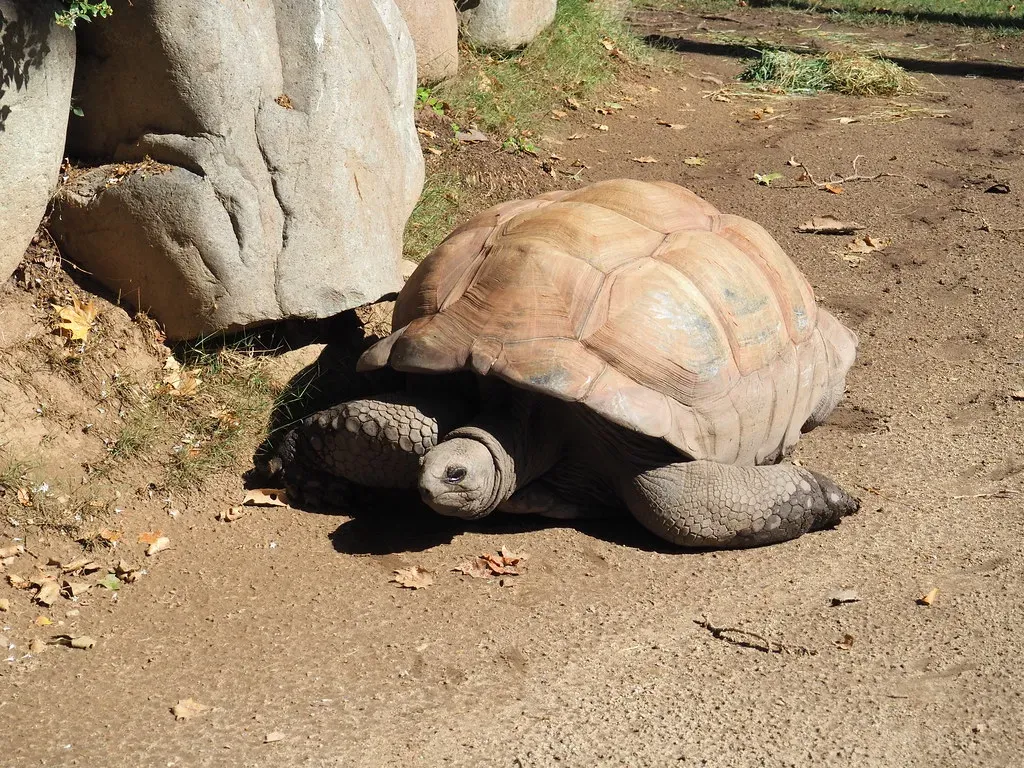
Giant tortoises travel enormous distances without GPS, maps, or guides – and nobody fully understands how. What’s known is that they sometimes cover long distances in the wild, rarely interact with others of their kind, and live for an extremely long time.
Because of these long journeys, researchers suspect the giant tortoises of Galápagos and Aldabra rely on strong memory, seeming to recall the path to a destination and the route back home. That’s still just a suspicion, not a proven mechanism – nobody has actually mapped the internal compass a tortoise uses to find its way.
#10 – The True Depth of Tortoise Memory
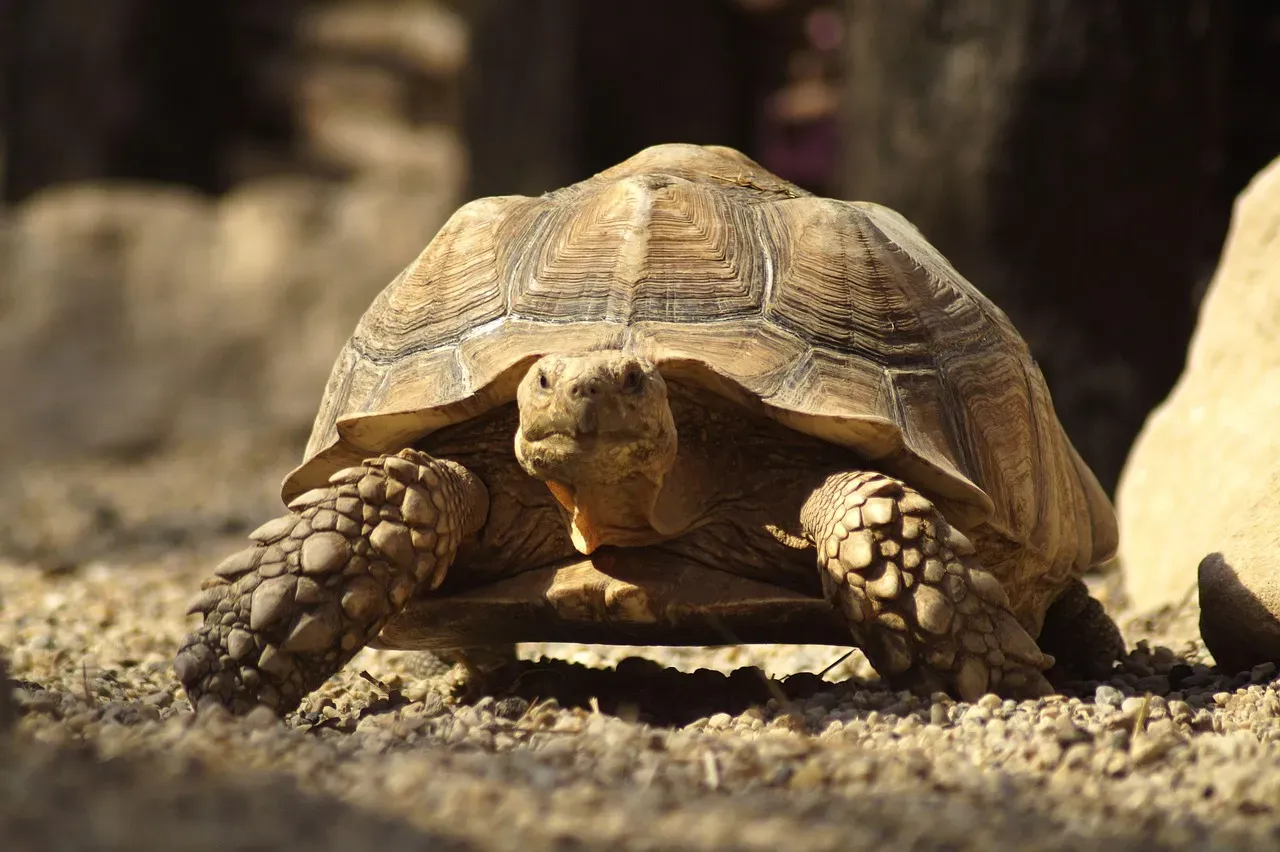
For decades, “tortoise” was basically shorthand for “dumb animal.” That reputation just collapsed. One study taught giant tortoises new tasks, then retested the same animals nine years later – and found they still remembered their training almost perfectly.
Nine years is simply the longest anyone has actually tested, not the real limit of their memory. Galápagos and Seychelles tortoises have shown they can learn new tasks quickly and hold onto that knowledge for the better part of a decade. Given that these animals can live past 150 years, a nine-year memory test barely scratches the surface of what they might actually be capable of retaining.
Worth Knowing
- Tortoises retested nine years after training still remembered it almost perfectly
- Galápagos and Seychelles tortoises can learn new tasks quickly
- Some species live well past 150 years, far beyond any memory test conducted so far
- No study has yet found the actual upper limit of tortoise memory
#11 – Whether Tortoises Actually Communicate With Each Other
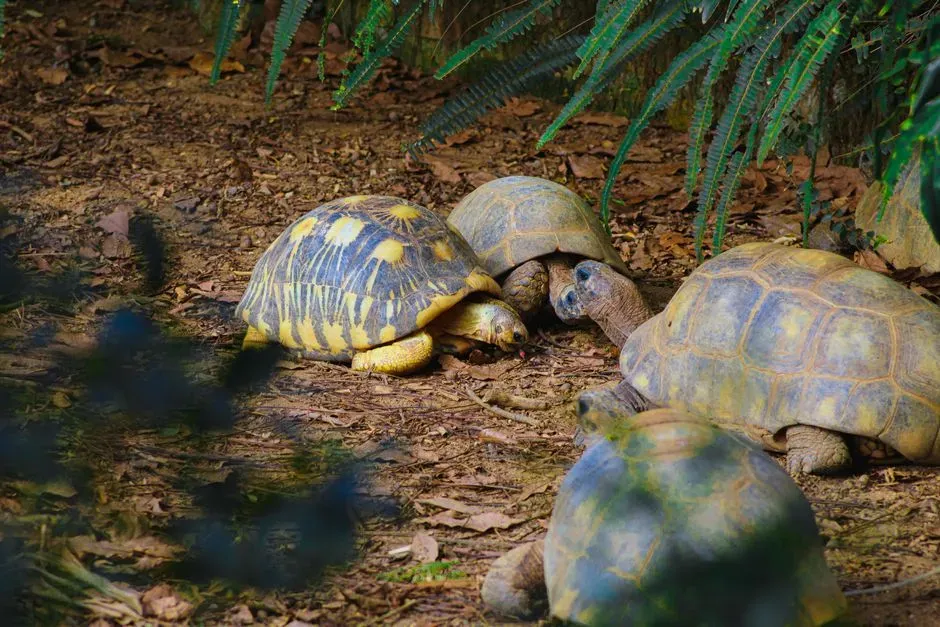
This idea sounds absurd for an animal famous for being a loner. The data says otherwise. Tortoises trained in groups learned faster than tortoises trained separately – a genuinely unexpected result for an animal not known for social behavior – marking the first documented evidence of social learning in Aldabra and Galápagos tortoises.
Researchers now suspect there’s a reason behind it. Even without complex social structures, tortoises share resources in the wild, and it’s likely they share information about those resources too, directing a gaze toward a location and watching each other feed or drink. A supposedly antisocial reptile might be quietly signaling information to its neighbors, though nobody has proven the full extent of it yet.
#12 – The Limits of Their Hearing
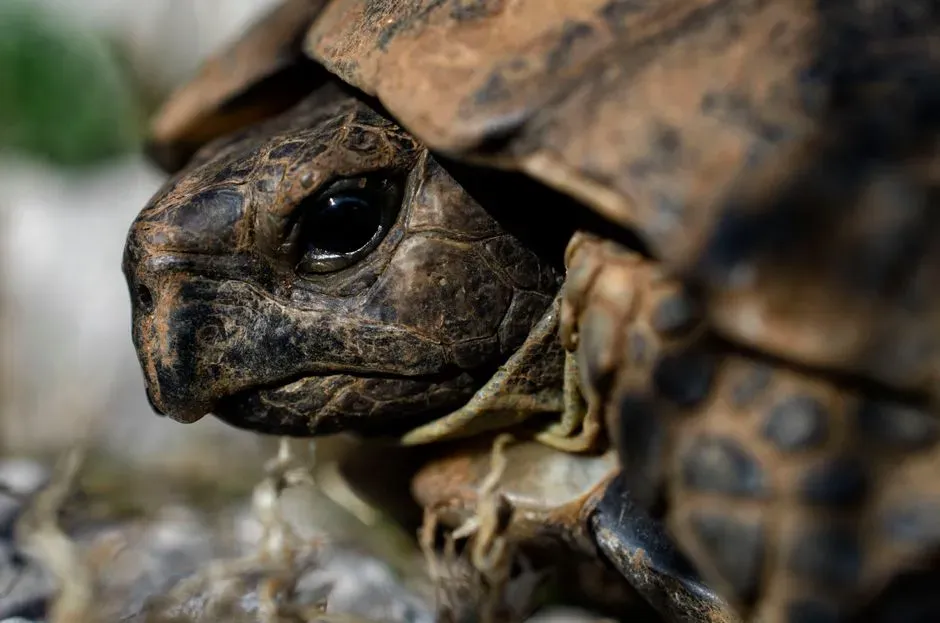
Tortoises seem to live in near-silence. They don’t. They’re adapted to hearing deep sounds, including frequencies in the infrasound range the human ear can’t perceive at all, and studies confirm they mainly pick up low, heavy sound waves.
Their shell isn’t just armor – it may double as an amplifier. Tortoises appear to have sensory receptors embedded in their shell that are sensitized to a wide range of frequencies, letting them both perceive sound waves and locate where they’re coming from. Nobody has fully mapped how much of a tortoise’s “hearing” actually happens through bone conduction in the shell rather than through its ears.
#13 – How Old (or What Sex) a Young Tortoise Actually Is
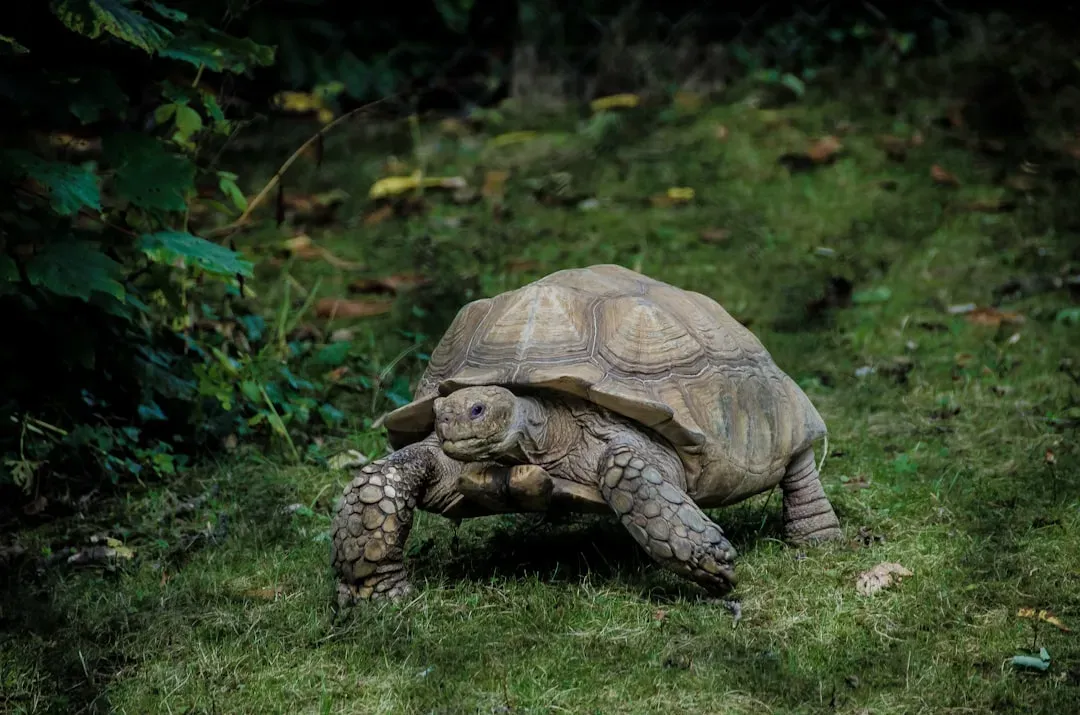
Here’s an embarrassingly basic problem: telling tortoises apart. In closely related species, males tend to show a more concave lower shell and a longer gular projection, but even at full maturity, sex can be genuinely difficult to determine with confidence.
Juveniles are worse. Many giant tortoise populations spend their first two decades essentially invisible to researchers, since young animals hide in vegetation and carry no reliable external markers. Field teams often can’t confirm a wild tortoise’s sex or precise age until it’s already an adult, which quietly throws off every population model built on that missing data.
#14 – How Many “Ghost” Genomes Are Hiding in Living Tortoises
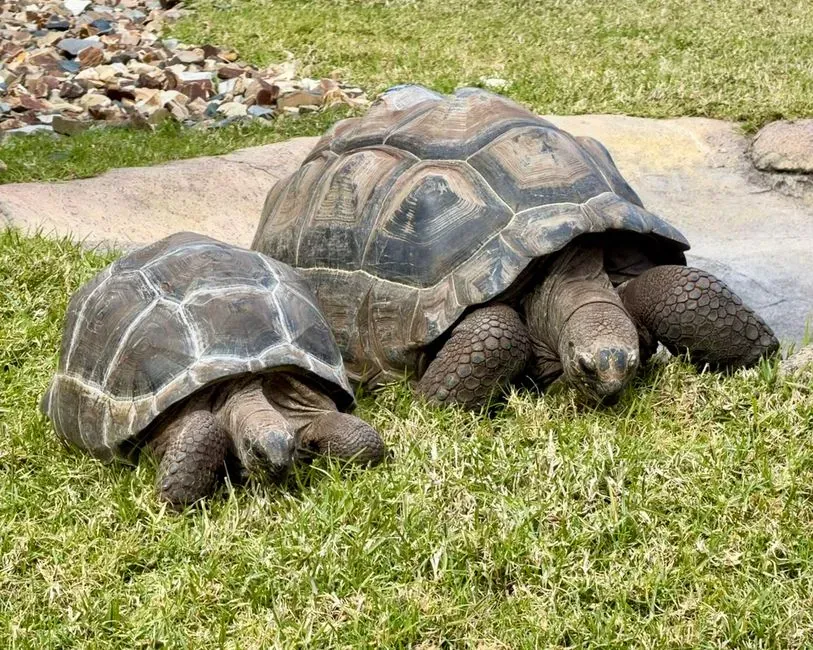
Extinction, it turns out, isn’t always permanent – at least not genetically. Researchers suspected that tortoises transported by 19th-century traders and pirates may have kept interbreeding with local populations, meaning “extinct” species could have quietly persisted on Isabela Island for 200 years.
The genetic footprint proves it. A team found DNA matching an extinct species inside tortoises of a completely different species native to Isabela, with some individuals carrying enough of that DNA to qualify as at least fourth-generation descendants. Some tortoises alive right now are walking archives of species officially declared extinct, and nobody knows how many more are out there.
#15 – Whether an Entire Undiscovered Population Is Still Out There
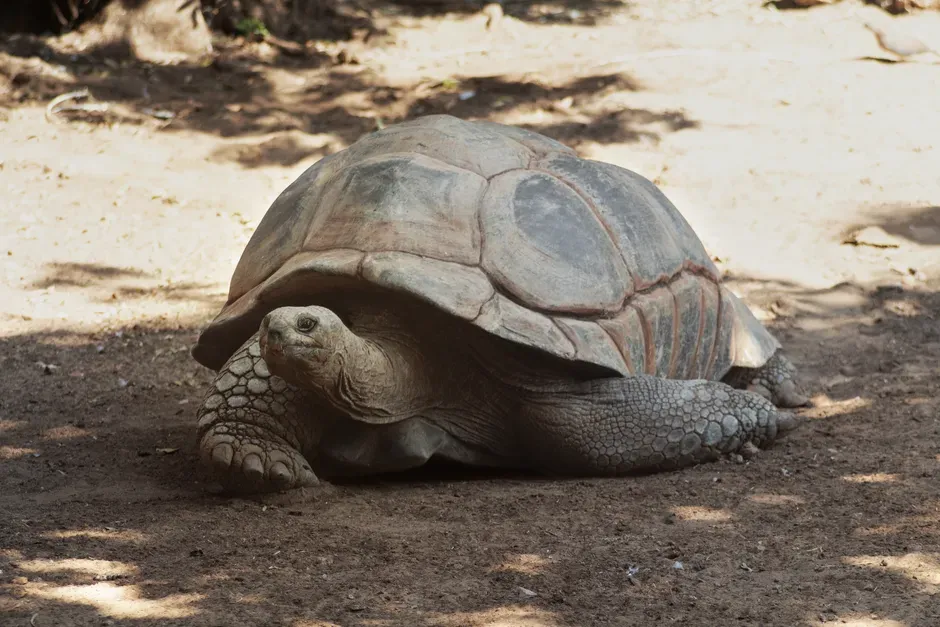
This is the mystery that keeps tortoise biologists up at night. Since 1906, scant but compelling evidence has hinted that giant tortoises might still live on Fernandina Island, an active volcano reputed to be the largest pristine island on Earth – scat attributed to tortoises turned up in 1964, more scat and a possible aerial sighting followed in the early 2000s, and another sample was found in 2014.
Then, in 2019, a single female was actually found alive. She’s now kept at a rescue and breeding facility while scientists explore what her genes can do for the species, and researchers are still asking the bigger question: are there more tortoises hidden across that volcano, and how did they even colonize it in the first place? An entire volcano’s worth of unexplored terrain might be sheltering a breeding population that nobody has confirmed exists.
At a Glance: Fernandina’s Tortoise Clues
- 1906: first scant evidence of tortoises on the island
- 1964: scat sample attributed to a tortoise discovered
- Early 2000s: more scat plus a possible aerial sighting
- 2014: another scat sample recovered
- 2019: a single living female finally found
Here’s the uncomfortable truth: “well-studied” doesn’t mean “well-understood,” and giant tortoises might be the best proof of that we have. Their real age limits, their memory depth, their hidden genetics, and even their exact numbers in the wild remain open questions, not settled science – and honestly, that’s the part I find most exciting rather than frustrating.
Every genome sequenced or bone re-examined seems to raise more mysteries than it solves, from ghost genomes hiding inside hybrid populations to entire volcanoes that might still shelter undiscovered tortoises. We’ve been staring at these animals for centuries, treating them like slow, simple background characters in nature documentaries, and it turns out we’ve barely started reading the book. If a 200-year-old reptile can still humble modern genetics, maybe it’s time we stopped assuming we’ve got nature figured out. Which of these unsolved tortoise mysteries surprised you the most? Drop it in the comments.