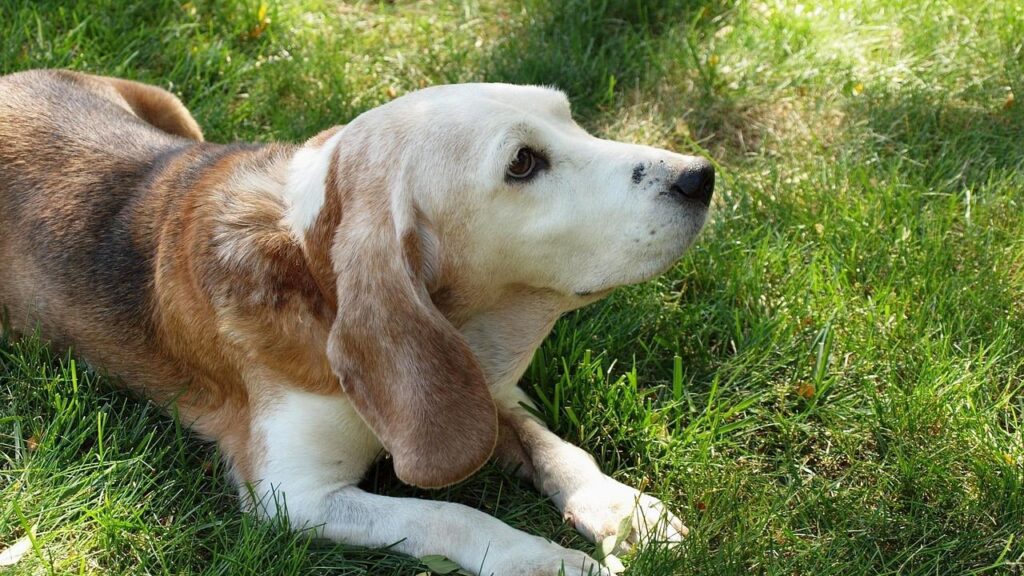
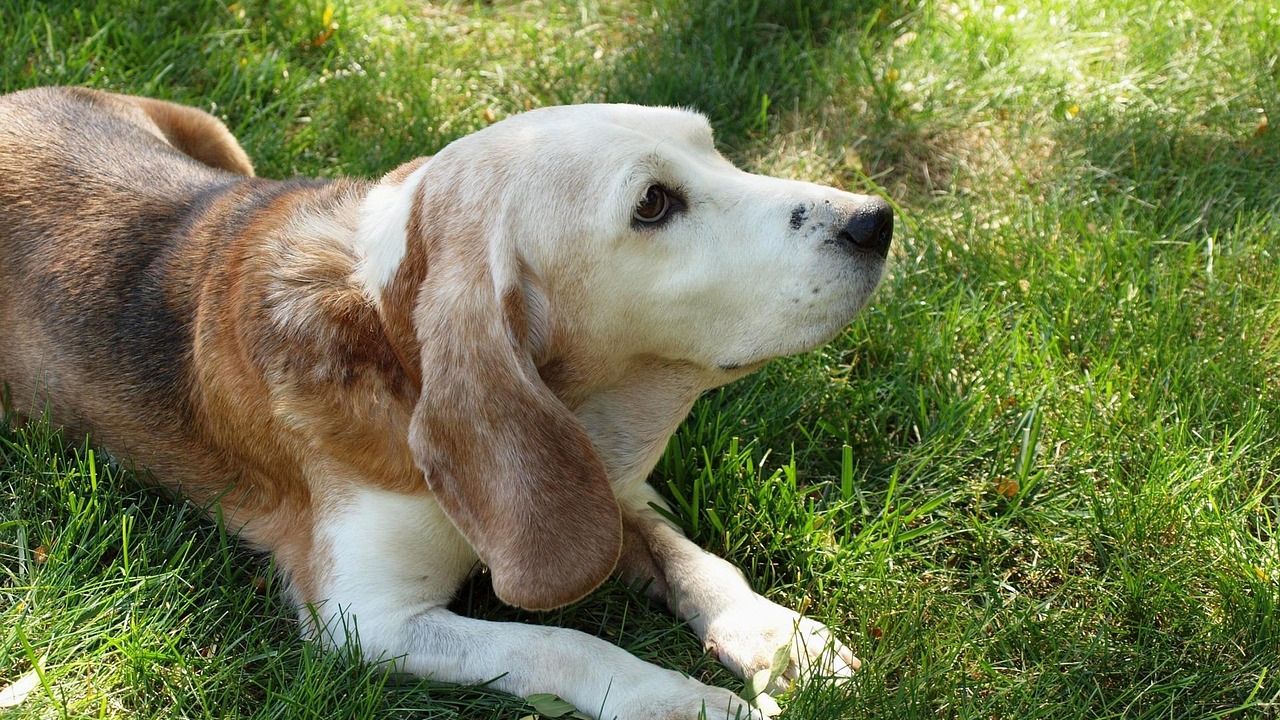
Hundreds of beagles rescued from Ridglan Farms – Image for illustrative purposes only (Image credits: Pixabay)
Blue Mounds, Wisconsin – Hundreds of beagles departed Ridglan Farms this weekend, the first wave in a coordinated effort to relocate 1,500 dogs bred for biomedical research.[1][2] The facility in Dane County handed over the animals to a network of rescue organizations following a confidential agreement announced late last week. This operation marks one of the largest single rescues from the research supply chain, offering the dogs a path to adoption rather than laboratory testing.[1]
A Collaborative Agreement Emerges
The Center for a Humane Economy and Big Dog Ranch Rescue secured the deal with Ridglan Farms, a USDA-licensed Class A breeder and Class R research facility.[3][1] Wayne Pacelle, president of the Center for a Humane Economy, described the move as part of broader efforts to reduce animal testing nationwide. Big Dog Ranch Rescue founder Lauree Simmons emphasized the structured approach: “We wanted a structured, responsible plan that guarantees every one of these dogs is safely transitioned into the care of reputable fully vetted rescue organizations.”[1]
Dane County Humane Society will stage about 500 beagles for veterinary exams, vaccinations, and initial care, with roughly 50 expected to become adoptable soon.[4] Beagle Freedom Project oversees placement for another 500, while partners like Wisconsin Humane Society prepare to receive 150 more. The transfers, which began Friday and will span about 10 days, send hundreds to facilities in Florida, Alabama, and beyond.[5][2]
Life After the Facility
These beagles, many confined indoors their entire lives, face a steep adjustment curve. Rescuers plan medical evaluations, spaying, neutering, microchipping, and socialization to prepare them for home life.[2] They must learn basic skills like leash walking and housebreaking, tasks unfamiliar in a breeding environment. Dane County Humane Society noted the dogs will need patient adopters willing to provide time and support during this transition.[4]
Simmons highlighted the challenges ahead: “These dogs need to learn to walk on a leash. They need to learn to live in a home environment, be housebroken, spayed and neutered.”[2] Big Dog Ranch Rescue, the largest cage-free no-kill shelter in the U.S., offers a safety net if adoptions falter. Local groups urged the public to adopt current shelter animals first to free up space.[4]
Years of Tension Culminate in Release
Ridglan Farms, one of the nation’s largest beagle suppliers for research, faced mounting pressure from activists over the past decade. Protests escalated in March and April 2026, with break-ins resulting in arrests and charges.[2] A violent clash on April 18 involved about 1,000 demonstrators repelled by police using tear gas and rubber bullets; 29 arrests followed.[2]
In 2025, the facility agreed to surrender its state breeding license by July 1, 2026, avoiding felony mistreatment charges. It maintains AAALAC accreditation and cites USDA records showing proper care. Ridglan representatives stated the dogs were “happy, healthy and well cared for,” expressing hope for their future homes while citing security concerns from recent incidents.[1] Discussions continue for the roughly 500 beagles remaining on site.
Key Partners in the Rescue:
- Big Dog Ranch Rescue (Florida)
- Center for a Humane Economy
- Dane County Humane Society (500 staged)
- Beagle Freedom Project (500 placed)
- Wisconsin Humane Society (150 incoming)
A Path Forward for Research Dogs
The release aligns with federal shifts, including the FDA Modernization Act 2.0, aimed at reducing animal testing reliance. Pacelle called it a step toward ending beagle and primate experiments funded by agencies like the NIH.[1] Dane County Sheriff Kalvin Barrett praised the peaceful resolution: “Violence and law-breaking are never the answer; this is a blueprint for peaceful negotiations and protests nationwide.”[1]
As the first beagles settle into rescue care, the operation underscores a rare victory for animal welfare advocates. With thousands more research dogs nationwide, this deal sets a precedent for structured transitions to loving homes.