Most people assume every fossil pulled from the ground eventually lands in a textbook, earns a fancy species name, and shows up on a museum placard. It doesn’t. Paleontologists who study the backlog inside major fossil collections estimate that more than 95 percent of the specimens sitting in those collections come from localities that have never once appeared in a published paper.
That means the dinosaurs, sea creatures, and ancient arthropods you’ve actually read about are just the visible tip of a much bigger, mostly invisible iceberg – sitting in drawers, storage rooms, and sometimes even museum floors right now. Some of these specimens are more complete, stranger, or scientifically weightier than the ones that made it into the books. Here’s what’s still waiting in the dark, counted down from merely overlooked to almost unbelievable.
#16 – The Complete Dinosaur Skeleton Italy Forgot to Publish
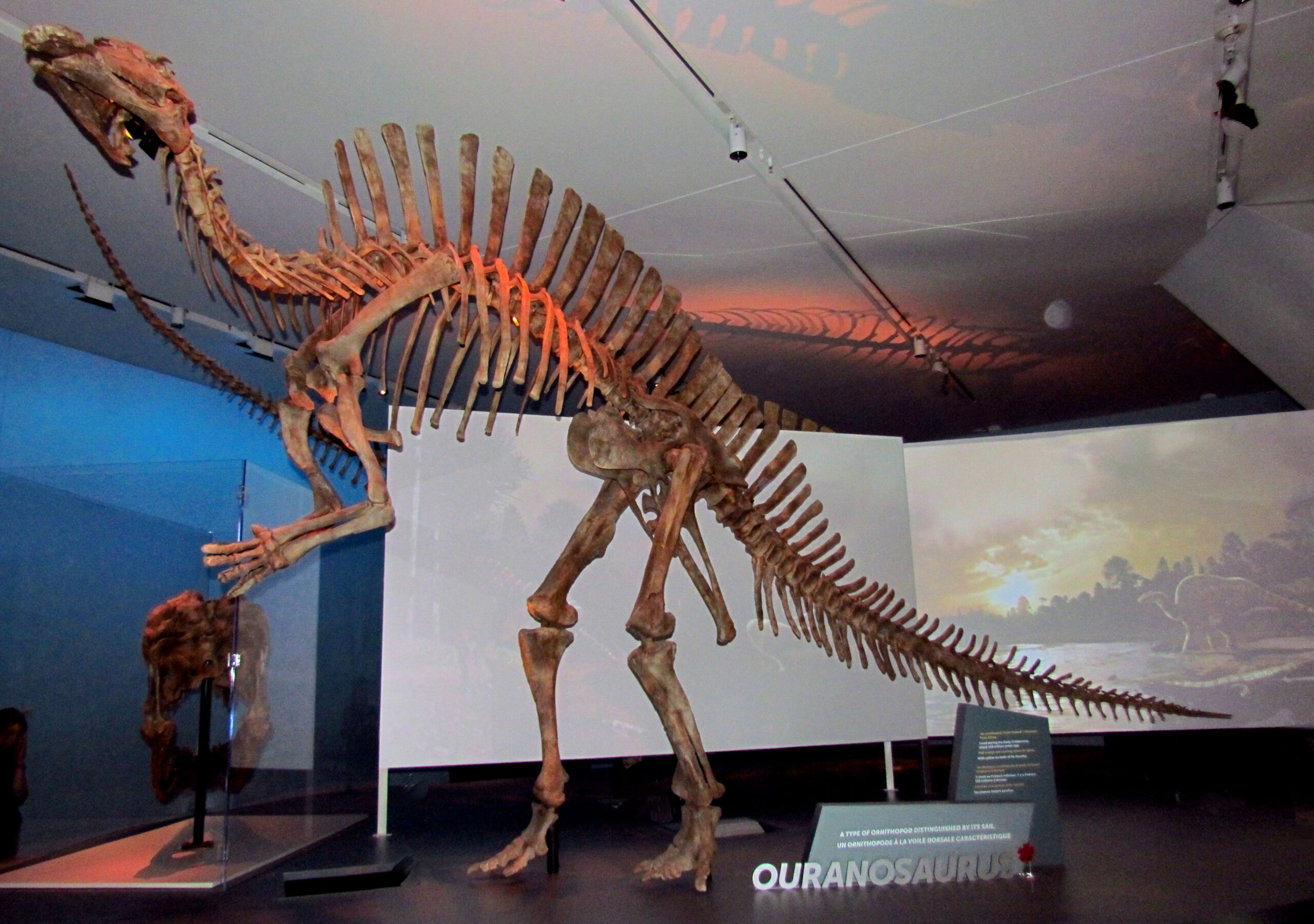
A nearly complete dinosaur skeleton has stood on public display in a major European museum since 1975 – and technically, it has never been written up in a scientific paper. Millions of visitors have walked past it, assuming a museum centerpiece must already be fully documented.
The skeleton belongs to Ouranosaurus nigeriensis, housed at the Natural History Museum of Venice, and includes paratype material collected in Niger back in 1970 and 1972. Researchers recently confirmed the Venice specimen was never referenced in the original species description or in any later paper on Ouranosaurus, making it officially undescribed. It took an unpublished field map from the original dig to finally untangle which bones belonged to which individual, since several partial skeletons had gotten mixed together over the decades.
This isn’t a fossil buried in a basement – it’s front and center in a public gallery, and it still slipped through the cracks for nearly fifty years.
#15 – The Award-Winning Skeleton Swapped Out for a Plastic Cast
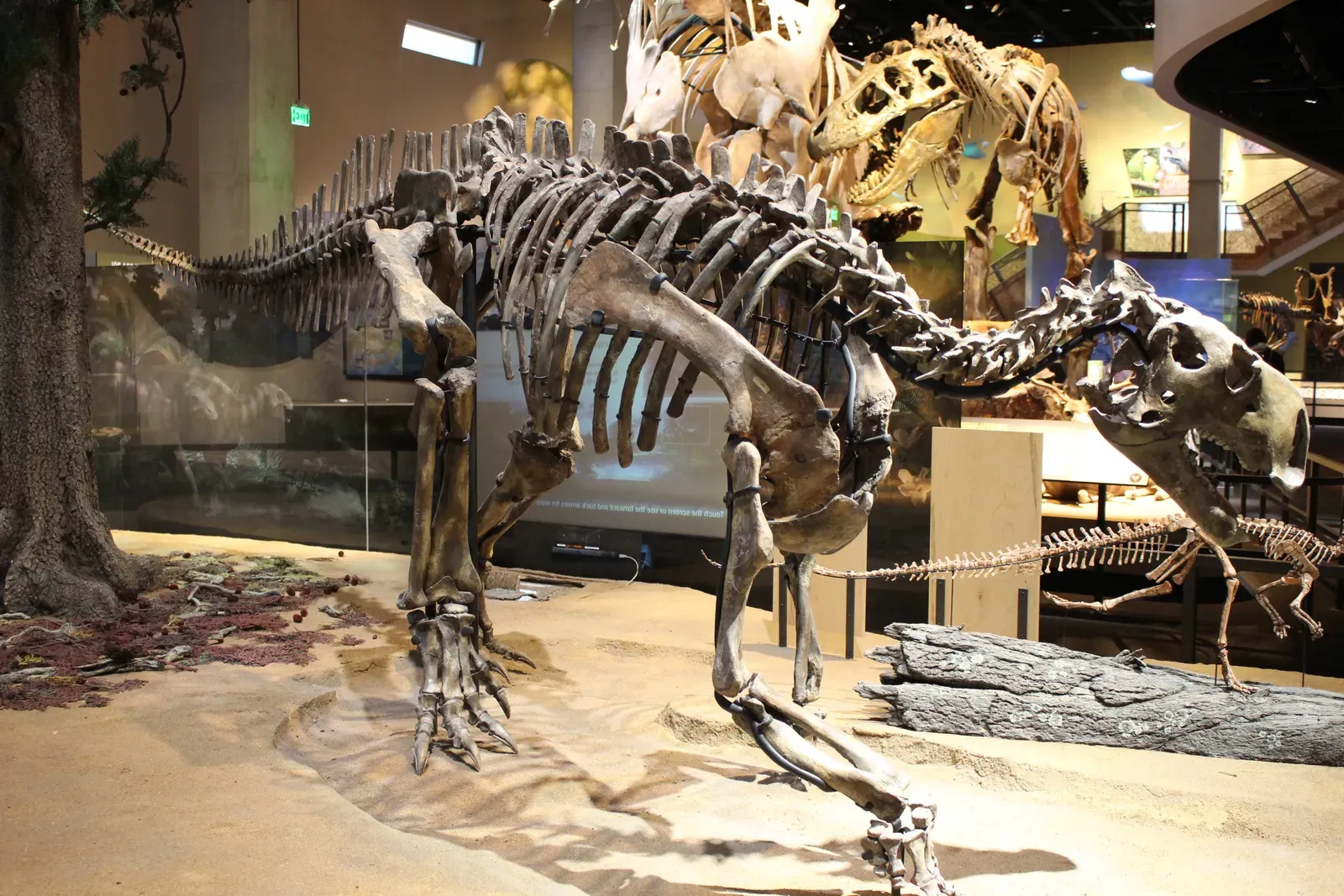
A museum spent lottery funding to build an entire gallery around one skeleton, then quietly pulled it and slid in a cast of something more famous. The animal that got bumped wasn’t obscure, either – it was described as possibly the best-preserved specimen of its species anywhere on Earth.
The Tenontosaurus tilletti specimen at Manchester Museum, cataloged as LL.12275, was purchased in 1999 and became the centerpiece of the museum’s refurbished Fossil Gallery – until it was replaced by a cast of Tyrannosaurus rex. Since being pulled from the floor, it has sat in storage, touched only by a handful of minor studies that barely scratch the surface of its importance. Its bones have also gone through repeated rounds of conservation work behind the scenes – plaster additions, varnish removal, partial dismantling – the kind of quiet handling the public never hears about.
A crowd-pleasing T. rex cast bumped a genuinely rare ornithopod out of the spotlight, and it never got its spotlight back.
#14 – Antarctica’s First Dinosaur Bone, Lost in a Drawer for 40 Years
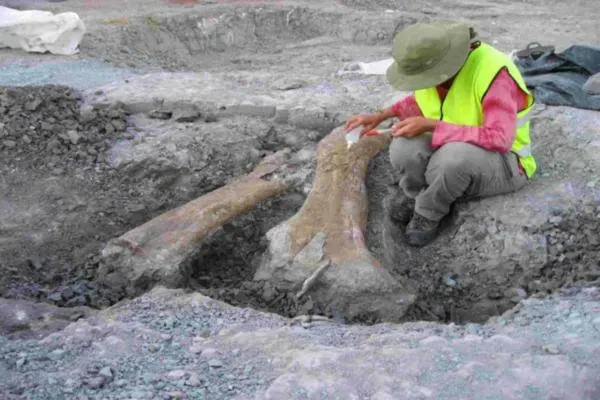
Scientists recently confirmed the very first dinosaur bone ever found in Antarctica – and it had been sitting quietly in storage since before a lot of readers were born. The fossil was originally collected in 1985 by a British Antarctic Survey team, then filed away and essentially forgotten.
It wasn’t until a paleontologist managing the geological collections happened to spot it again that anyone took a second look. Once re-examined, a study co-author called it a powerful reminder of exactly why museums collect, care for, and steward objects like this: new methods and expertise keep emerging that let scientists unlock discoveries hiding in plain sight. The bone belonged to a titanosaur – the same family of dinosaurs that includes the largest land animals ever to walk the planet.
Fast Facts
- Collected in 1985 by a British Antarctic Survey field team
- Sat in storage roughly 40 years before anyone re-examined it
- Belongs to a titanosaur, part of the family that produced the largest land animals ever
- Rediscovered simply because a collections manager took a second look
It took forty years and one curious set of eyes for that discovery to finally become real, published science.
#13 – The 60-Year-Old Fossil That Erased a ‘Dead Zone’ in Evolution
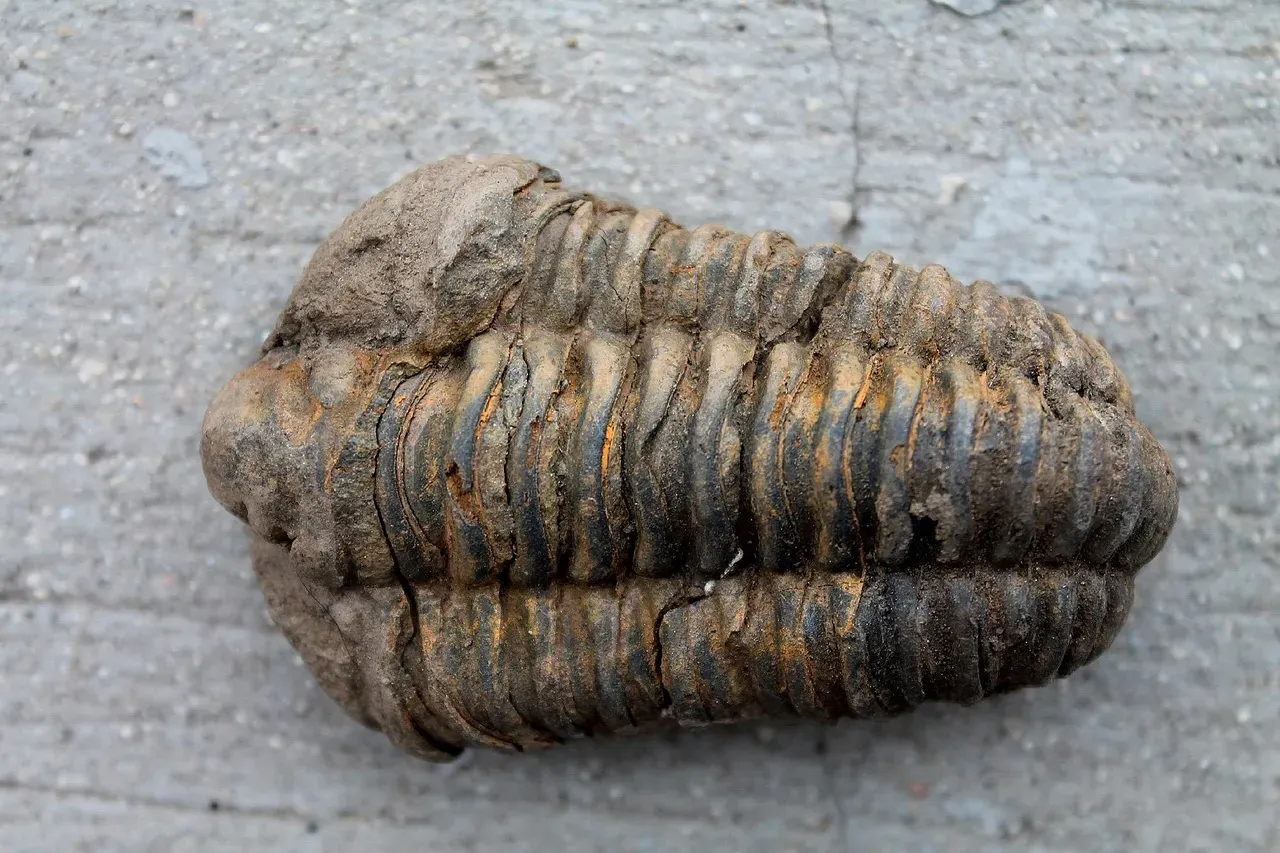
An unremarkable-looking fossil from Quebec sat forgotten in a museum drawer for more than six decades. Then someone finally looked closely enough to realize it quietly demolishes a long-standing theory about a supposed dead zone in evolutionary history.
Collected in 1962 and mostly ignored ever since, the specimen comes from a stretch of time called the Furongian gap – roughly 497 to 485 million years ago, near the end of the Cambrian Period. That window has always read like a mysterious dip in the fossil record, sandwiched between two bursts of evolutionary explosion. A single soft-bodied arthropod pulled from deep-water rock nobody thought to search is now challenging decades of assumptions about what that gap really means. As one study co-author put it, “The Furongian may not represent a true collapse in biodiversity, but rather a gap where scientists have looked and what kinds of rocks have been studied.”
A “quiet period” in Earth’s history might just be a quiet period in museum research instead.
#12 – The Sauropod Leg That Sat Fully Cataloged and Still Nameless
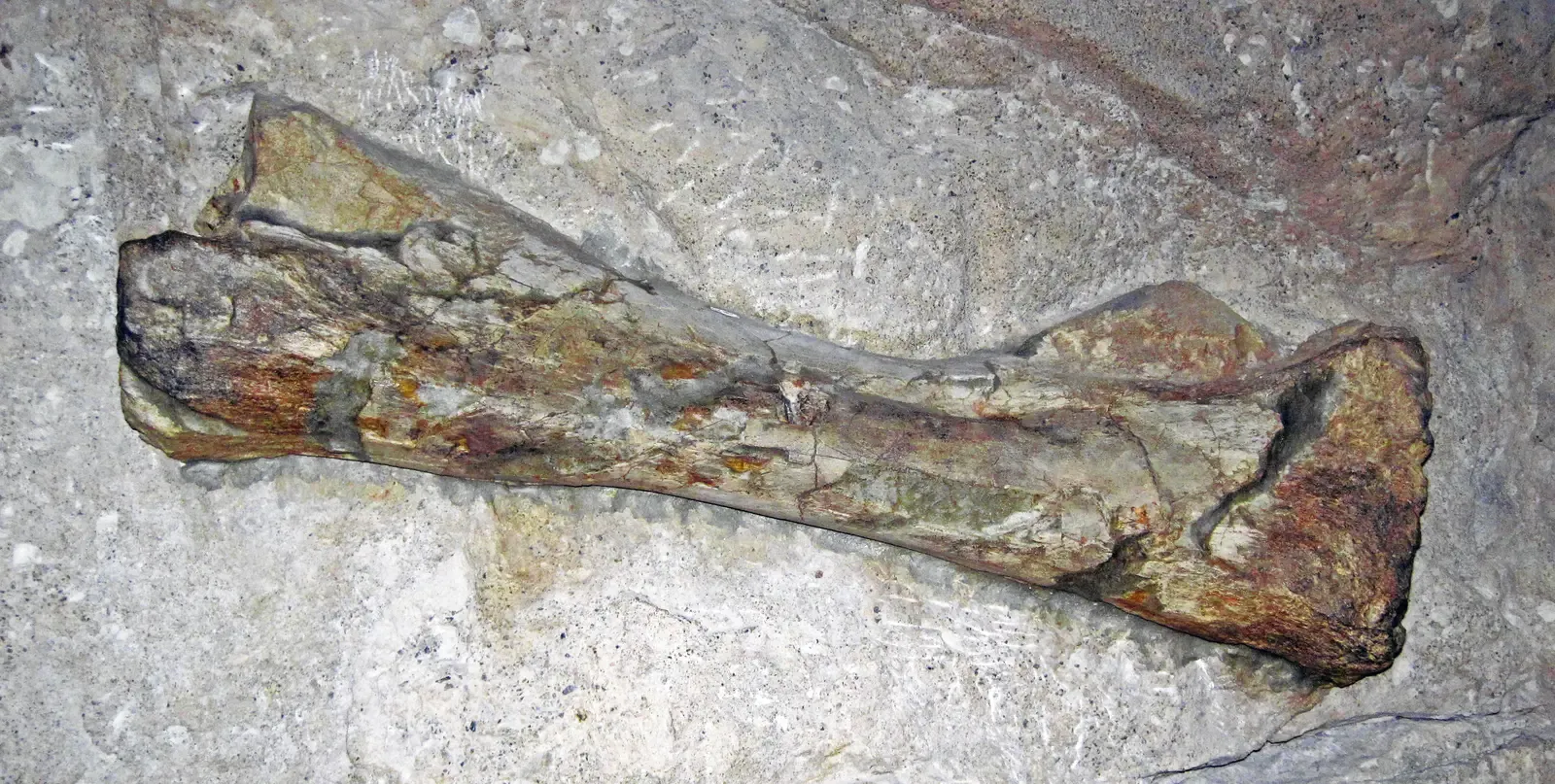
A dinosaur leg sits inside one of the world’s most famous museums in London, fully cataloged, studied internally by staff for years – and until very recently, still officially “unreported” in the scientific literature. Being logged in a database, it turns out, is not remotely the same thing as being formally known to science.
Researchers describing the specimen, cataloged as NHMUK PV R16500, identified it as an undescribed sauropod partial hindlimb from the Wessex Formation, only recently analyzing its place on the dinosaur family tree for the first time. The hindlimb preserves the left tibia, astragalus, and pes, missing only a few phalanges, and carries two distinct anatomical features found nowhere else. Even after finally getting its paper, its exact position on the family tree stays uncertain – researchers admit the results shift depending on which analytical method they run.
A catalog number kept it safe. It just didn’t make it known.
#11 – Australia’s Backlog of a Dozen Sauropods Nobody Had Named
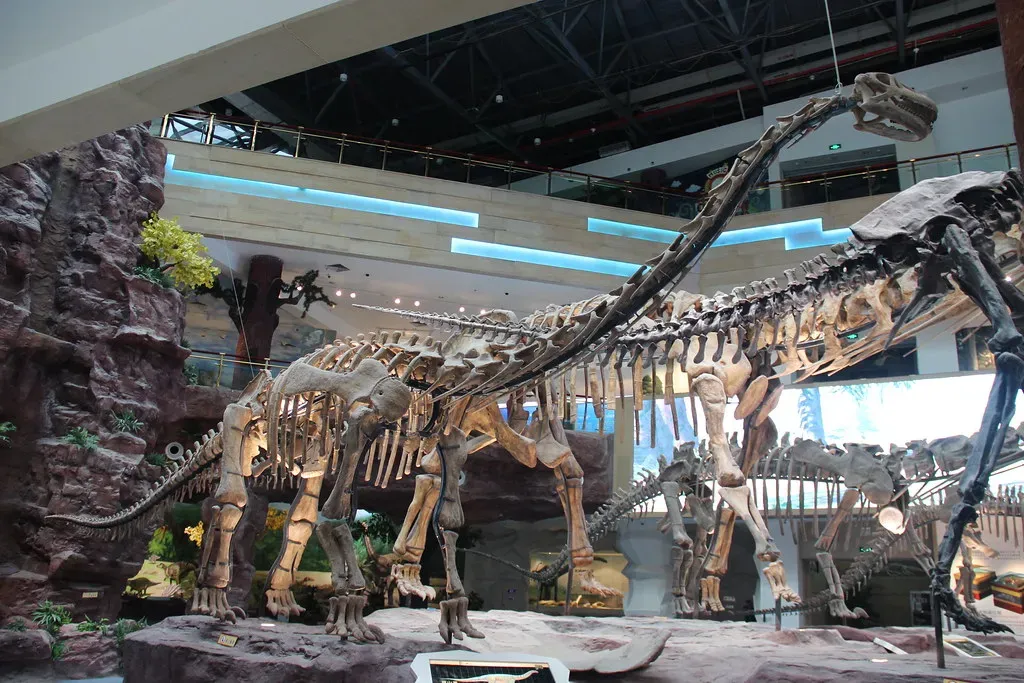
One Australian fossil vault has quietly stockpiled more individual dinosaurs than most countries ever find in a lifetime of digging – and until recently, almost none of them had a formal description to their name.
A team using advanced digitization tools worked through specimens from the Winton Formation, using 3D scanning to compare type and referred specimens against material that had never been described at all. In the process, they presented new anatomical information on an existing holotype and formally described new remains from twelve separate sauropod individuals. The digitization also let researchers place bones from different skeletons side by side on a screen – something that’s nearly impossible to do safely with fragile, one-of-a-kind fossils in real life.
Twelve animals, one region, and decades of silence before anyone catalogued what they actually had sitting in storage.
#10 – The Skeleton Marsh Died Before He Could Finish
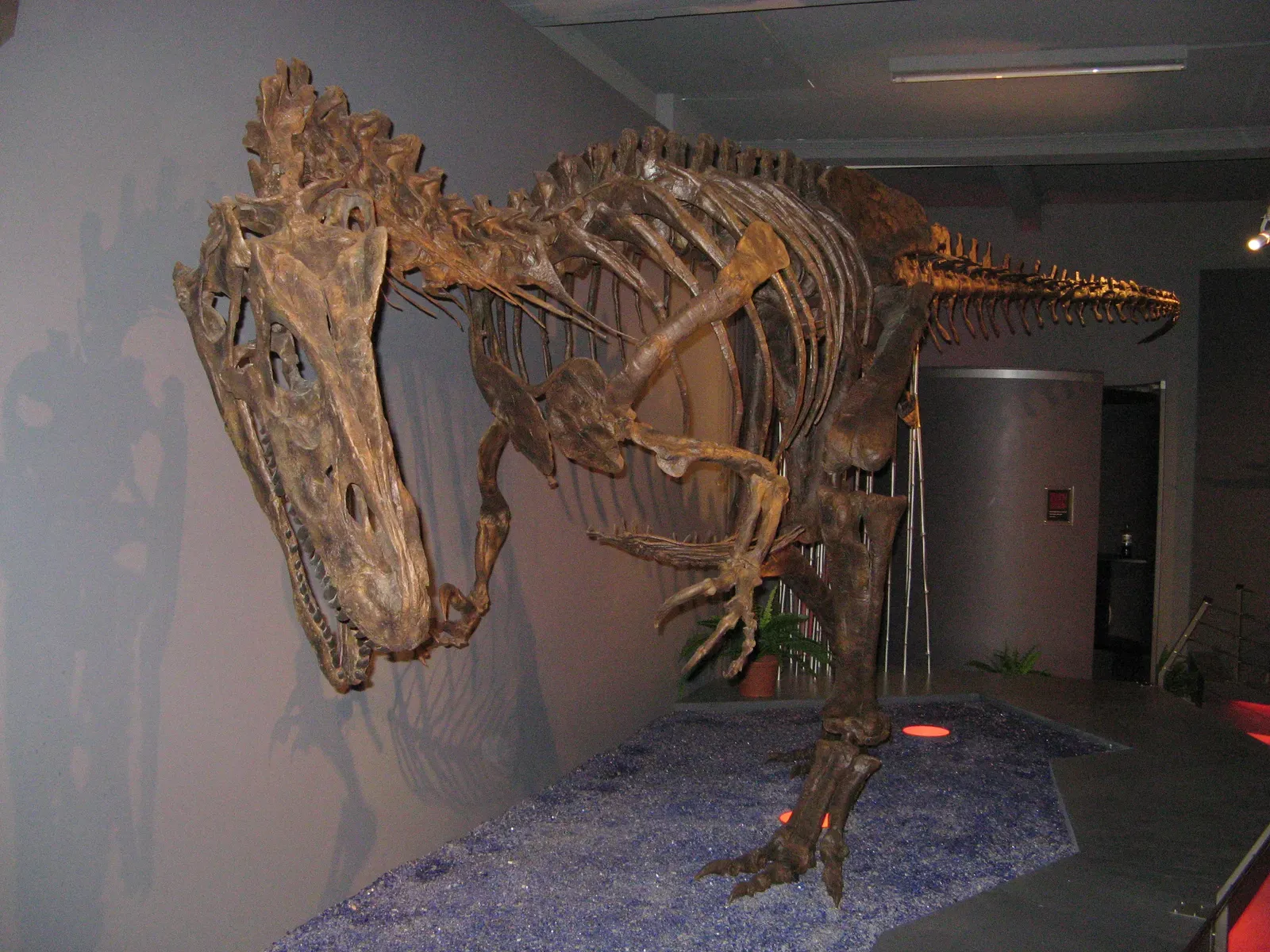
One of the most complete dinosaur skeletons ever pulled from a Colorado quarry sat waiting for its formal scientific description for roughly 36 years – because the man who collected it ran out of time.
Shortly after the original, fragmentary type specimen of Allosaurus was described, one of paleontologist Othniel Marsh’s field collectors uncovered a nearly complete Allosaurus skeleton in 1884. It was shipped straight back to Marsh, but he died in 1899 without ever writing the detailed description it deserved. It wasn’t until 1920 – more than two decades later – that another museum paleontologist finally sat down and gave the skeleton the thorough scientific treatment it had been waiting for.
Death doesn’t just end a career. Sometimes it stalls an entire species’ scientific record for a generation.
#9 – The Scientific Feud That Left a Trail of Fake Species Names
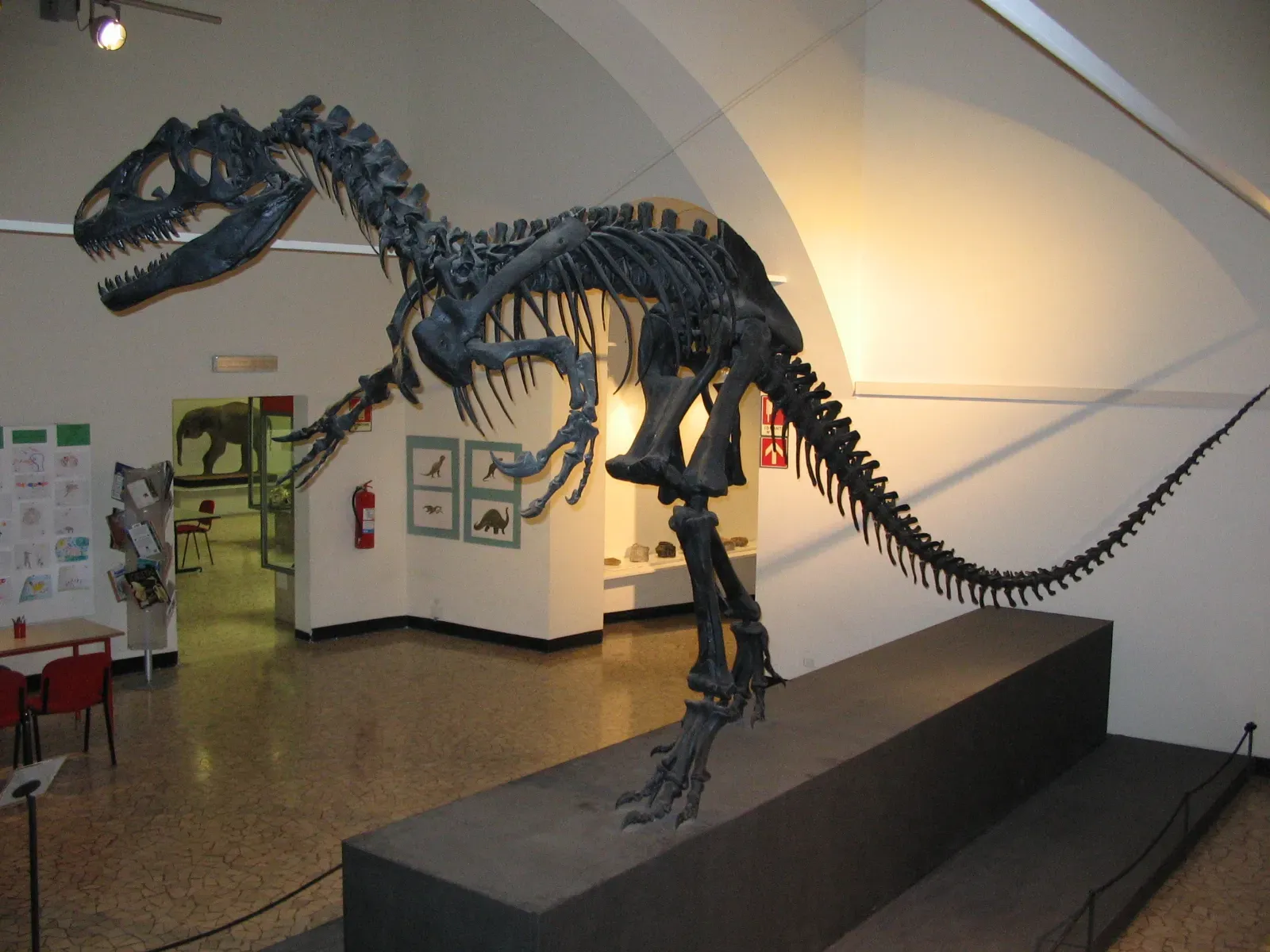
Two feuding 19th-century paleontologists moved so fast trying to out-discover each other that they left behind a paperwork mess future scientists spent decades cleaning up.
When that more complete Allosaurus skeleton finally got its full description in 1920, the resulting paper cleared up confusion that had lingered for decades – because Edward Cope and Othniel Marsh, locked in their infamous rivalry, had each mistakenly described other Allosaurus specimens as entirely different, now-defunct species. Later scientists leaned on this one complete skeleton precisely because so many prehistoric species entered the scientific record on the basis of scant remains; genuinely complete dinosaur specimens are still incredibly rare.
Worth Knowing
- Cope and Marsh’s rivalry is now known to history as the “Bone Wars”
- Both men separately misidentified other Allosaurus fossils as brand-new species
- The 1884 Colorado skeleton didn’t get its full description until 1920
- Truly complete dinosaur skeletons remain rare even by today’s standards
Speed and ego produced decades of paperwork nobody actually wanted to inherit.
#8 – The ‘Flagship’ Allosaurus That Isn’t Even an Official Holotype
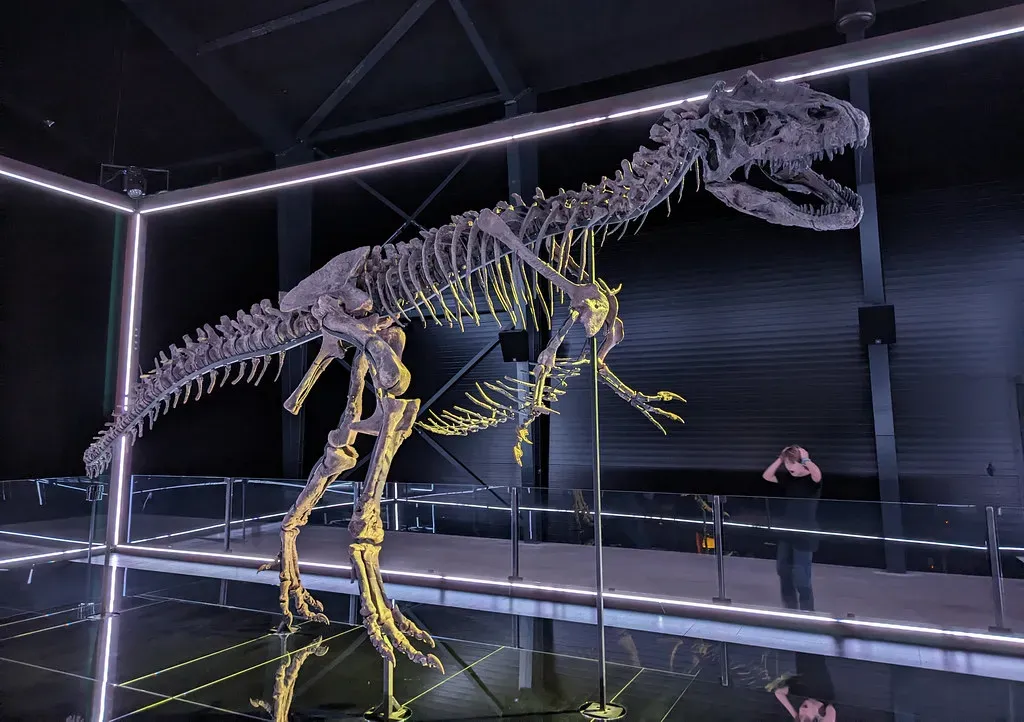
A dinosaur skeleton considered the single best reference for its entire species technically holds no official scientific title at all – and researchers are only now trying to fix that oversight.
“Gilmore’s paper has remained an important reference for paleontologists and really established our specimen as a sort of ‘flagship’ individual for Allosaurus,” said the museum’s current curator, who is now working on updating the century-old description. “As a result, our specimen has functioned as a sort of de facto type,” joining roughly 139,000 other type specimens already in the collection. Even if paleontologists eventually find a more complete specimen, the fossil that got described first usually keeps its official type status – science runs on a first-come, first-served basis.
Being the best example of something and being the official example of something turn out to be two very different things.
#7 – The Room Nicknamed for How Many Sauropods It’s Hiding

One of the world’s most famous natural history museums keeps an entire storage area nicknamed for how many giant dinosaur bones sit inside it, largely undisturbed, on open shelving.
The museum’s sauropod material comes from its extensive paleontology collection and includes dozens of fossil bones, with most of it stored in the legendary “Big Bone Room.” Fossils of sauropods and other enormous dinosaurs simply sit there on open shelves, because there are too many of them to properly display or study all at once. Some of the room’s oldest specimens date back to fossil hunters working in the field over a century ago – meaning certain bones have technically been “collected” longer than most people’s grandparents have been alive.
At a Glance
- Nicknamed the “Big Bone Room” for its sheer volume of sauropod material
- Bones stored on open shelving rather than in display cases
- Some specimens were collected more than a century ago
- Too many fossils exist to display or study all at once
Sheer volume, not lack of scientific interest, is what buries most of these bones in obscurity.
#6 – The T. Rex Skull Too Precious to Actually Show Visitors
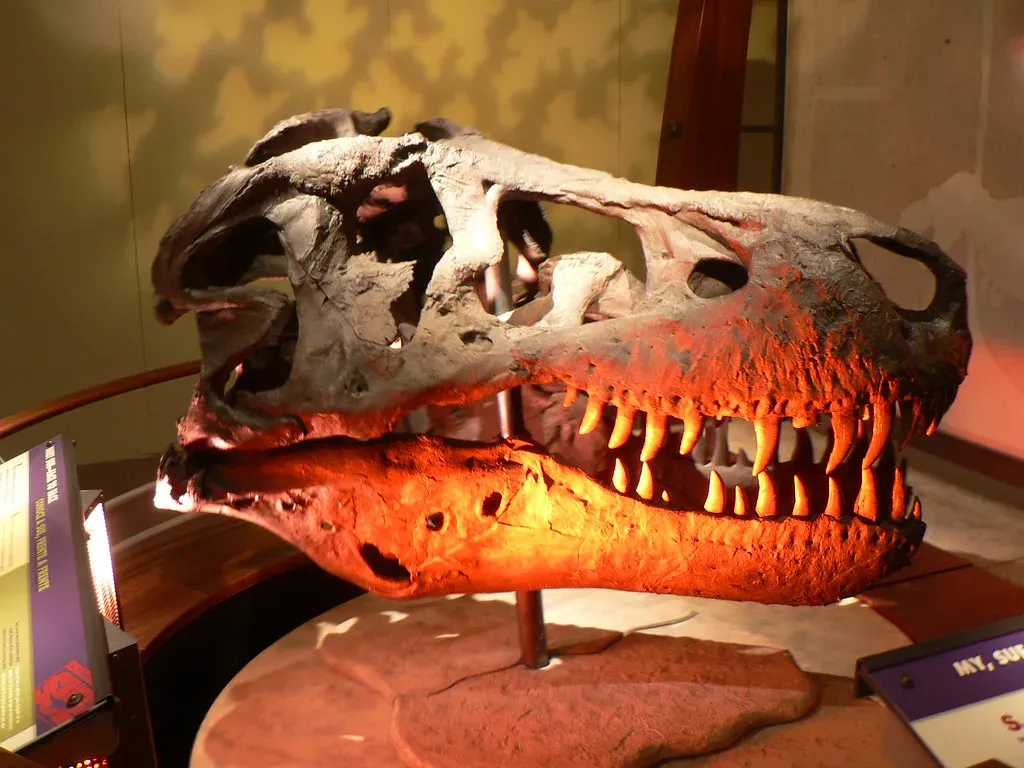
A museum’s single most valuable dinosaur skull is considered too scientifically important to show to the public – so visitors see a stand-in instead, and most never realize it.
The museum purchased the fossilized T. rex skeleton in 1941, and while it still thrills crowds as part of a permanent exhibition, the head on display is a reproduction. The real fossil skull bones are simply too heavy, too fragile, and too scientifically significant to risk on public view. Instead, they live in one of two underground rooms staff call the “Big Bone Room” and the “Little Bone Room,” where the bulk of the museum’s vertebrate paleontology collection is kept and cared for.
Sometimes the safest place for a scientific treasure is the one room tourists never get to walk into.
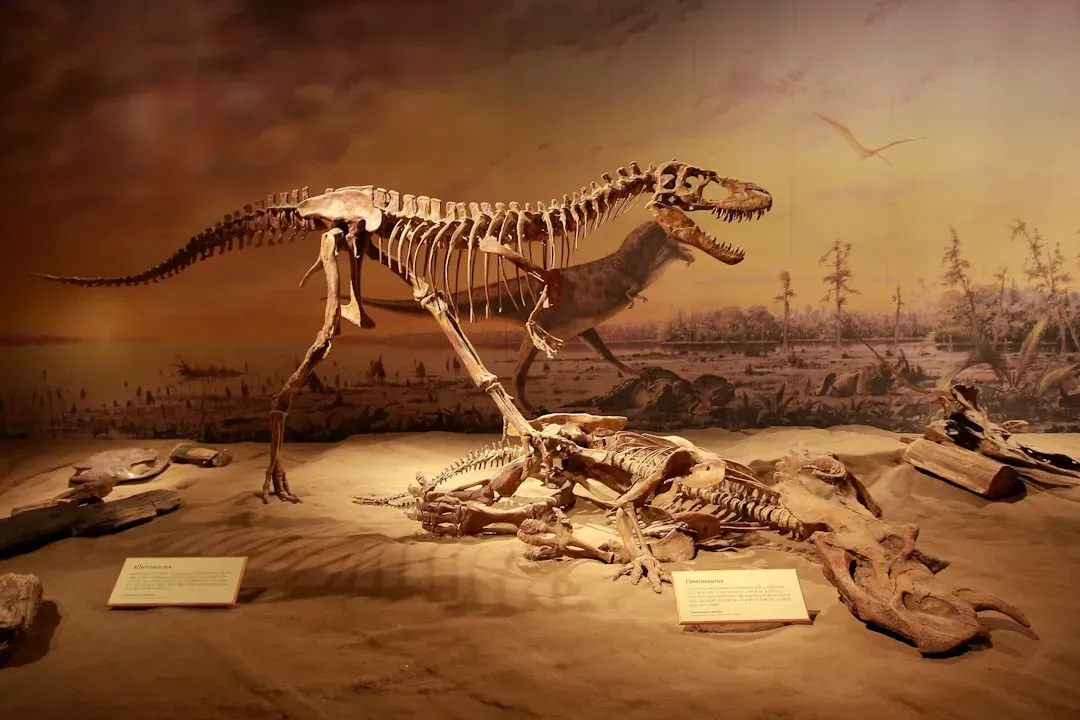
#5 – Named for Scraps While the Real Skeleton Waits in a Drawer
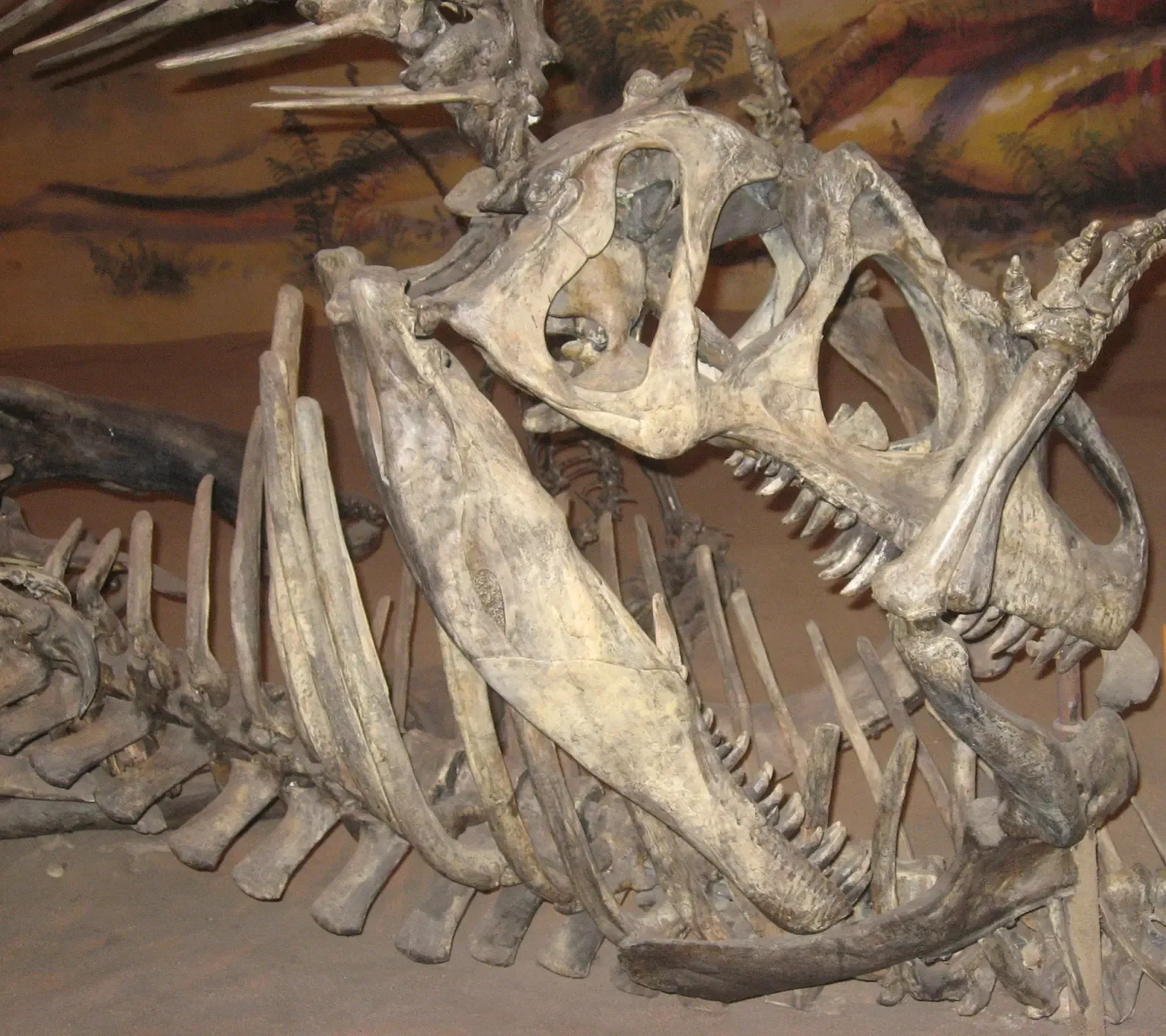
Some of the most famous dinosaur names in the world were assigned based on almost nothing at all, while far more complete versions of those same animals sit quietly undescribed in storage somewhere else.
The original Allosaurus type specimen was based on a genuinely meager haul of fossils – a tooth, a toe bone, and a couple of vertebrae – described as a new species back in 1877 and named for its unusual, delicate vertebrae. Because that scrap became the official type specimen first, even far more complete skeletons found decades later usually can’t unseat it. Type status runs on a first-come, first-served basis, which leaves fuller, more useful skeletons scientifically secondary purely on a technicality.
The most complete version of a species is rarely the one science actually named first.
#4 – The Museum Fire That Forced Scientists to Count What Was Left

It took a single catastrophic fire to force the entire field of paleontology to confront just how much irreplaceable, unpublished material was sitting one accident away from vanishing forever.
Days after flames tore through Brazil’s National Museum and destroyed specimens representing irreplaceable heritage, a team of scientists moved to quantify just how many fossils worldwide sit unstudied in natural history collections. The resulting research pushed hard for urgent digitization, warning that shelved specimens never published or documented digitally remain permanently vulnerable to loss. It became a global call for underfunded museums to start investing in preserving what researchers now bluntly call “dark data.”
It took losing irreplaceable history to make the scale of the unpublished backlog impossible to ignore any longer.
#3 – The Database Scientists Trust That’s Missing Almost Everything
The tool paleontologists rely on most for large-scale studies is quietly missing the vast majority of the raw material actually sitting in real-world museum collections.
The first digital revolution in paleontology produced online literature-based databases like the Paleobiology Database – but published literature only ever represented a small slice of the paleontological data actually stored in museums. Researchers confirmed just how deep that gap runs by checking museums along the Western coast of the United States alone, finding 23 times more marine fossil localities than were ever recorded in that same widely-cited database.
Quick Compare
- Paleobiology Database: built from published literature only
- West Coast museum audit: 23 times more marine fossil localities found than the database lists
- Takeaway: a widely-cited scientific tool may still be missing the majority of real-world collections
If one region undercounts by that much, it’s worth wondering what the true global number actually looks like.
#2 – The Quiet Digital Revolution Rewriting Old Discoveries
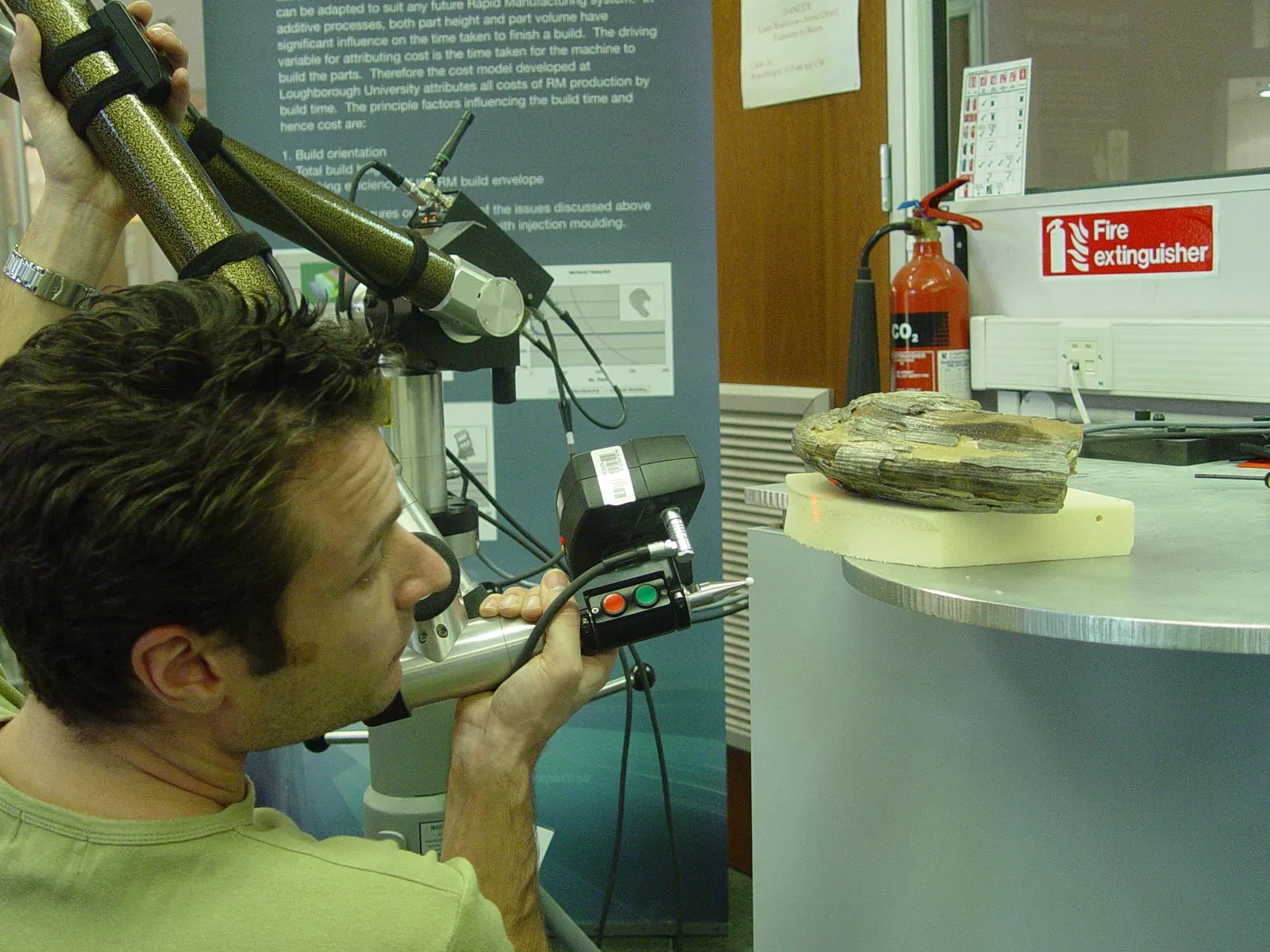
Paleontologists are increasingly finding new species not by digging fresh holes in the ground, but by scanning decades-old fossils nobody ever finished examining.
Researchers describe this shift as paleontology’s “second digital revolution” – an early-stage effort to actually measure the true scale of the field’s dark data problem. Scientists are pushing institutions to invest in digital scanning technology to capture and preserve collections before specimens are lost, damaged, or simply forgotten. The Australian sauropod project already proved the approach works, pulling a dozen new individuals out of existing storage using nothing more advanced than 3D scanners.
The next big dinosaur discovery might not come from a shovel. It might come from a laptop pointed at a box that’s been sealed since the 1960s.
#1 – Only 3 to 4 Percent of the Fossil Record Has Ever Been Published
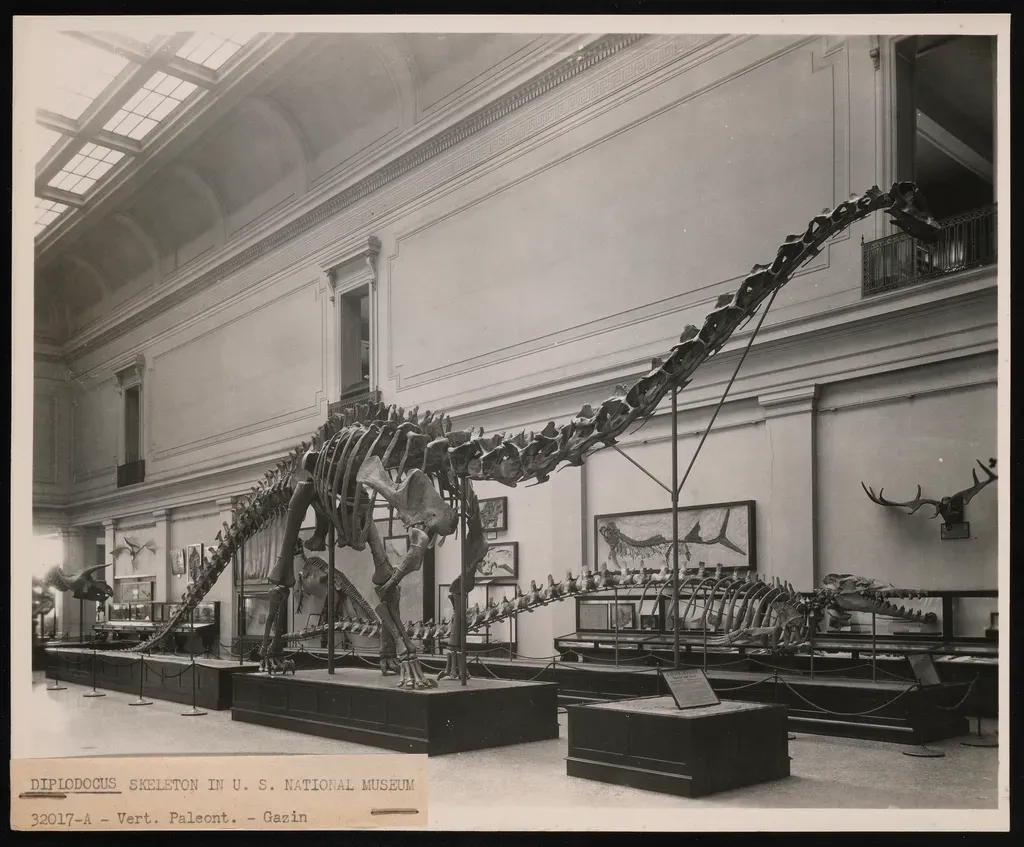
Here’s the number that should genuinely unsettle anyone who assumes science already knows most of what there is to know about prehistoric life.
Based on their findings, researchers estimate that only 3 to 4 percent of recorded fossil locations across the entire globe are currently accounted for in published scientific literature. That means roughly 96 to 97 percent of everything paleontologists have physically pulled from the ground remains functionally invisible to science – unpublished, uncited, and essentially unknown outside the museum that holds it.
There are enormous amounts of data sitting in various museum collections. Our picture of what’s going on is based on whatever small fraction we manage to study, and publish upon.
Museum curator, on the scale of paleontology’s unpublished backlog
Every drawer, skeleton, and quietly undescribed skull in this entire list is a rounding error compared to what’s still sitting in the dark.
The Bottom Line
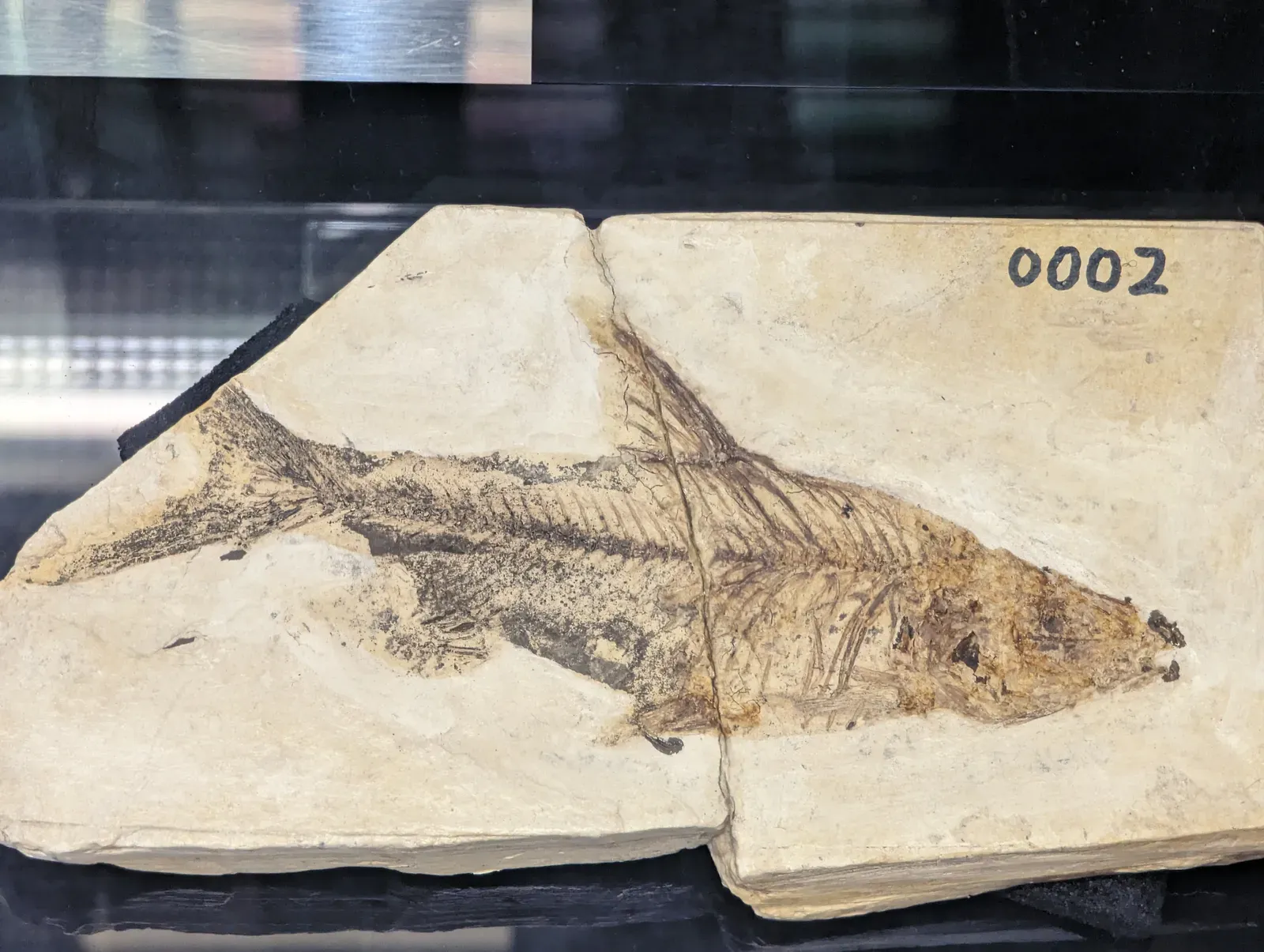
The uncomfortable truth is that paleontology’s biggest bottleneck isn’t discovery – it’s paperwork, funding, and staff time. We are drowning in fossils and starving for the people and money needed to formally study them, which means every textbook is really just a frozen snapshot of a tiny published fraction of what’s already sitting in storage.
Honestly, museums should be prioritizing digitization funding over flashy new excavations right now, because the next major scientific breakthrough is far more likely to come out of a forgotten drawer than a fresh dig site. What do you think – should museums be forced to publish or digitize their backlogs on a deadline? Drop your take in the comments.