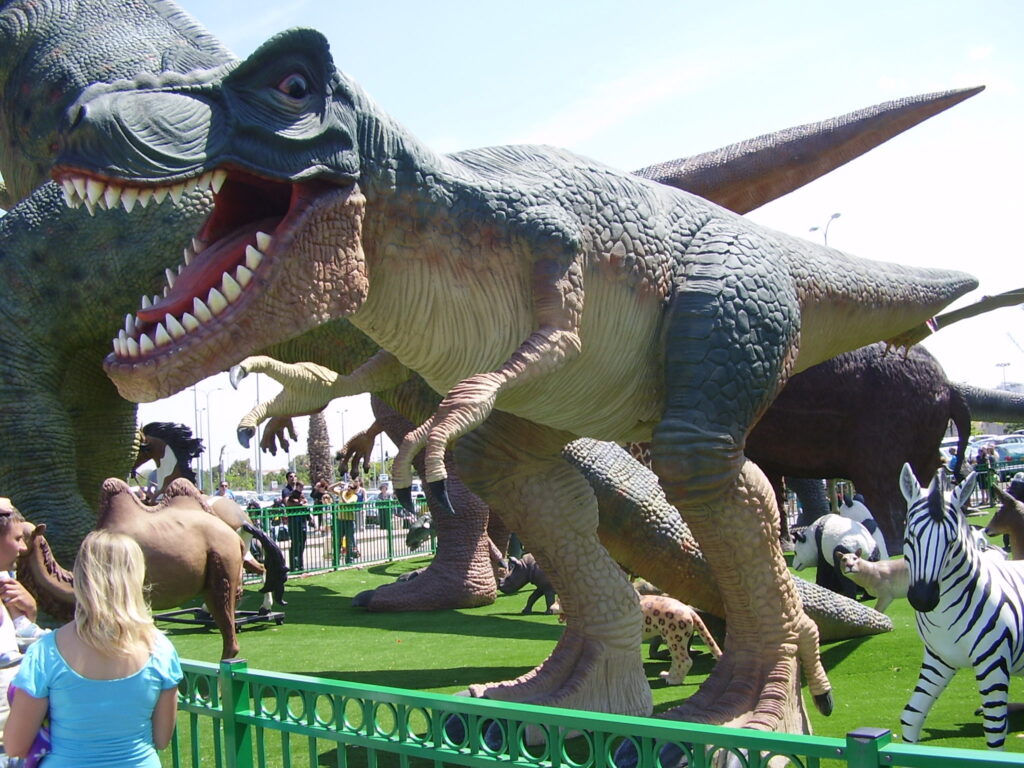
It is a little strange when you think about it: we are obsessed with creatures we have never seen alive. Dinosaurs fill movie screens, ancient sea monsters trend on social media, and kids can pronounce complex Latin names long before they know basic geography. These animals vanished tens of millions of years before humans showed up, yet our imaginations keep dragging them back to life.
This is not just a random cultural fad; it taps into deep psychological wiring. Our fascination with long‑extinct animals sits at the crossroads of fear, curiosity, memory, and identity. When you look closely, prehistoric creatures become a kind of psychological mirror, reflecting who we are, what we fear, and what we secretly want to be.
The Power of the Unknown: Our Brains Crave Mystery
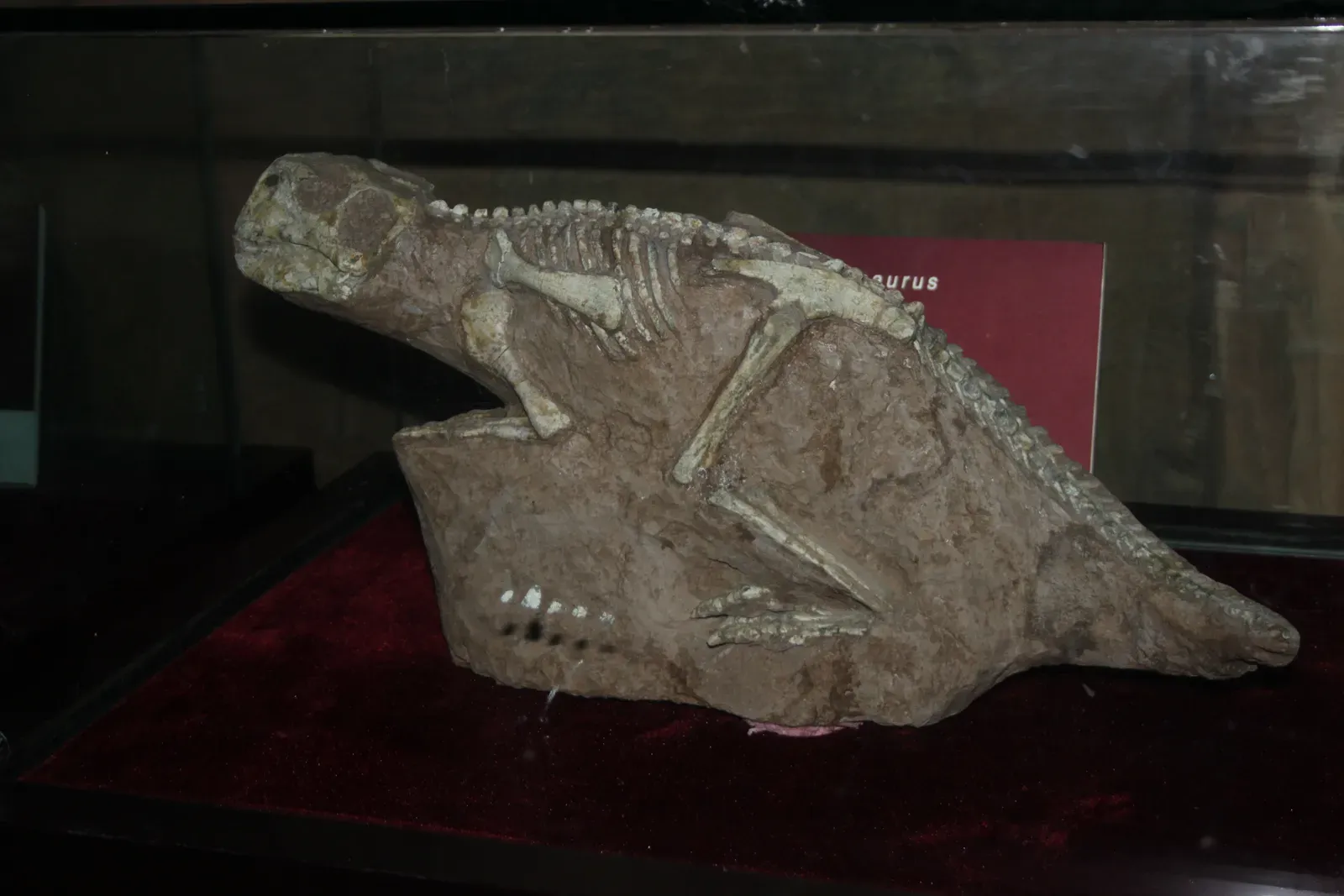
Why are we so drawn to things we can never fully know? Extinct animals are the ultimate mystery box: we have bones, footprints, and fossils, but we will never see how they truly moved, sounded, or interacted. Our brains are naturally attracted to incomplete information; when something is partly hidden, we tend to fill in the gaps with imagination, and that process itself feels rewarding.
Psychologists often point out that humans are wired to seek novelty and resolve uncertainty. With prehistoric animals, we can never completely resolve it, and that keeps our curiosity on a constant, low boil. I remember staring at a museum skeleton as a kid and feeling an almost eerie thrill, as if the missing flesh and skin made the animal more interesting, not less. Extinction turns these creatures into puzzles with no final answer, and our minds love puzzles that never quite end.
Fear, Safety, and the Pleasure of “Distant Danger”
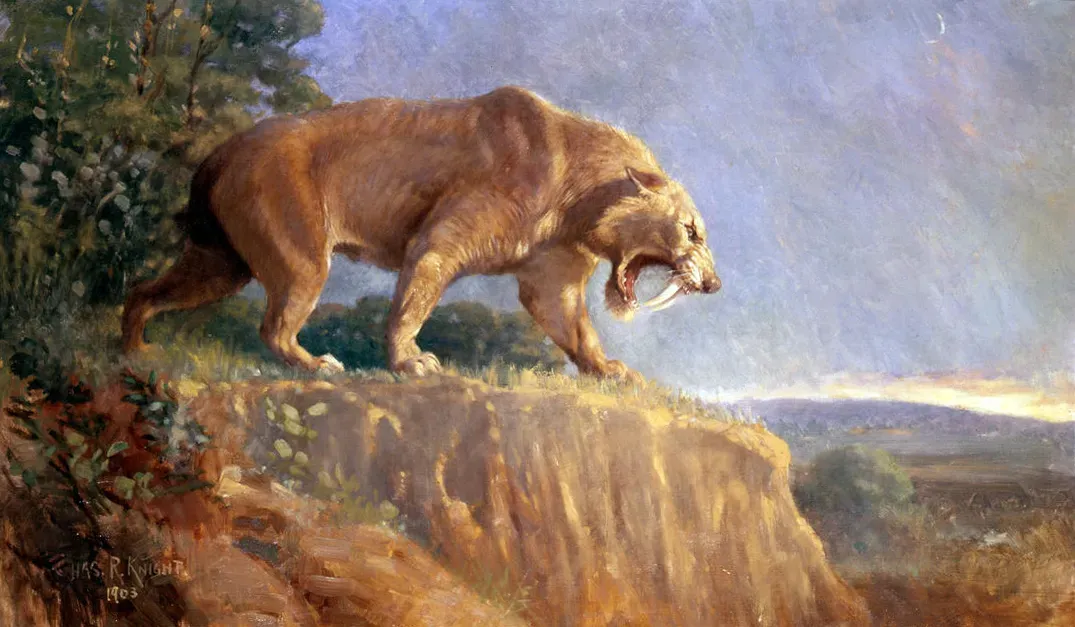
Many extinct animals were genuinely terrifying apex predators, but they are safely locked away in the past. That distance lets us experience fear as entertainment rather than a survival problem. It is the same reason people enjoy horror movies or roller coasters: the body gets the adrenaline rush, but the rational mind knows the risk is controlled.
Prehistoric predators hit this sweet spot perfectly. We can picture being chased by a giant carnivore or dragged into ancient oceans, but we know it will never actually happen. Our nervous system gets to rehearse danger while our logical brain relaxes. This blend of fear and safety is psychologically addictive; it lets us play with dread the way a cat plays with string, serious enough to feel intense, but not serious enough to hurt us.
Childhood Imprinting: Dinosaurs as a First Big Obsession

For many people, the love of extinct animals starts in childhood, and that timing matters. Early obsessions carve deep grooves in memory and identity. Dinosaurs and other prehistoric creatures often become a child’s first “special interest,” something they know more about than the adults around them, which feels empowering and exciting.
That early emotional intensity can leave a long‑lasting trace. As adults, we may not remember specific facts, but the feeling of wonder sticks around. Nostalgia then kicks in, reinforcing our fascination whenever we encounter prehistoric imagery. Prehistoric animals become tied to a simpler time when the world felt magical and wide open, and every new fact about them felt like a secret door being unlocked.
A Safe Way to Explore Violence, Power, and Survival
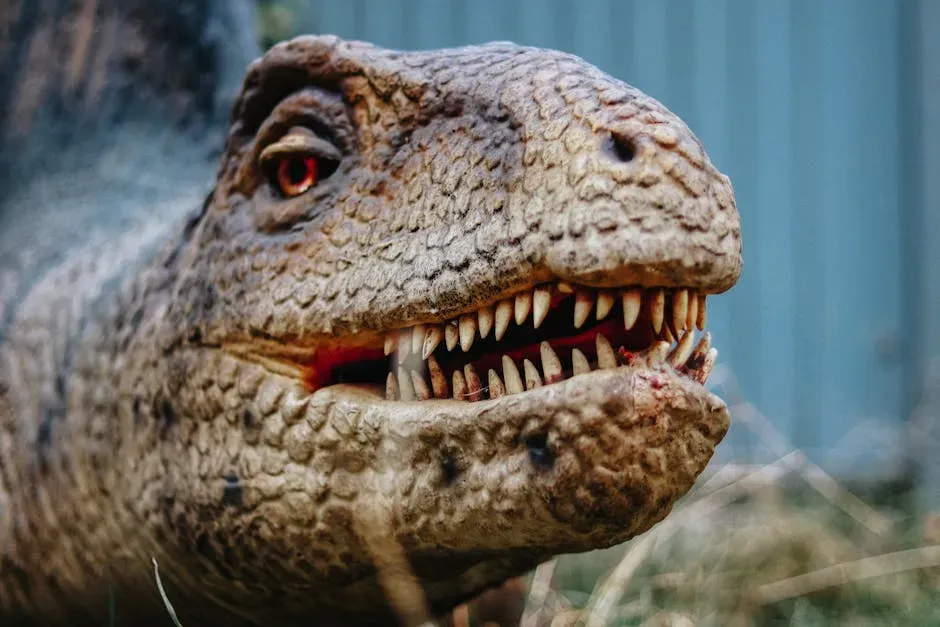
Ancient ecosystems were brutal. The fossil record is full of teeth marks, broken bones, and dramatic evidence of predators and prey. Psychologically, these stories let us explore themes like violence, dominance, and survival without getting tangled in human politics or personal trauma. It feels easier to talk about the fate of a massive predator than the conflicts in our own lives.
There is also a strange respect for creatures that survived harsh environments and then disappeared for reasons bigger than themselves. We see raw power and total vulnerability in the same frame. That mixture mirrors human experience: we feel strong in some moments and completely at the mercy of forces we cannot control in others. Prehistoric animals let us think about those contradictions in a symbolic, less threatening way.
Identity and Projection: We See Ourselves in Extinct Creatures
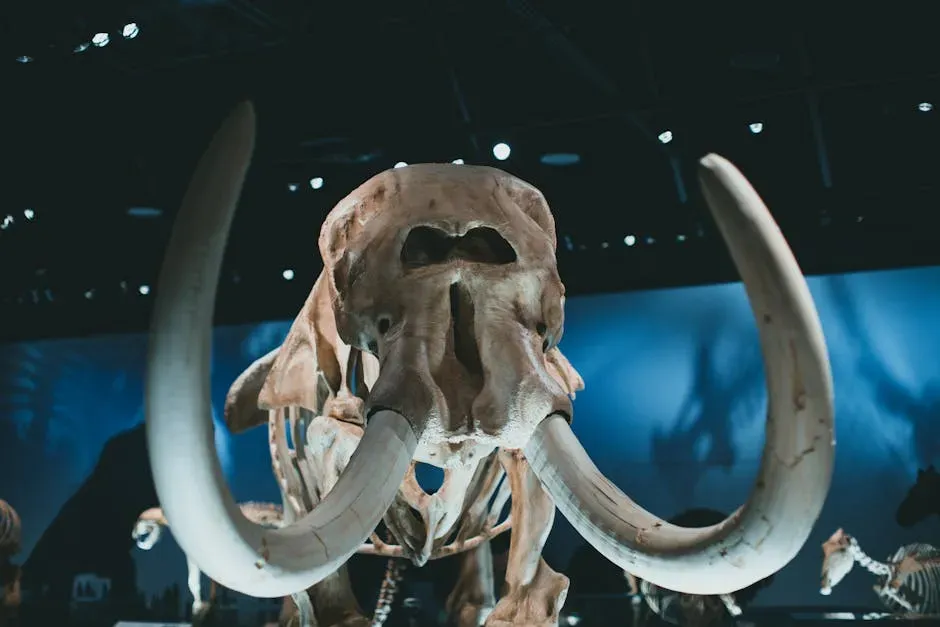
Humans are natural storytellers, and we constantly project ourselves onto the world around us. Extinct animals become characters in the stories we tell about courage, arrogance, adaptability, or failure. One species might be framed as a noble survivor, another as a tragic victim of catastrophe, and another as a symbol of unchecked power. In a way, we are not just learning about them; we are using them to talk about us.
When we imagine a massive, slow‑moving herbivore or a quick, tactical hunter, we instinctively assign human traits like patience, aggression, or intelligence. Some people identify with the underdog prey, others with the unstoppable predator. These identifications are not scientifically accurate, but psychologically they help us explore different versions of ourselves. Extinct animals become masks we can try on, with no real‑world consequences.
Control Over Time: Making Sense of Our Tiny Place in History
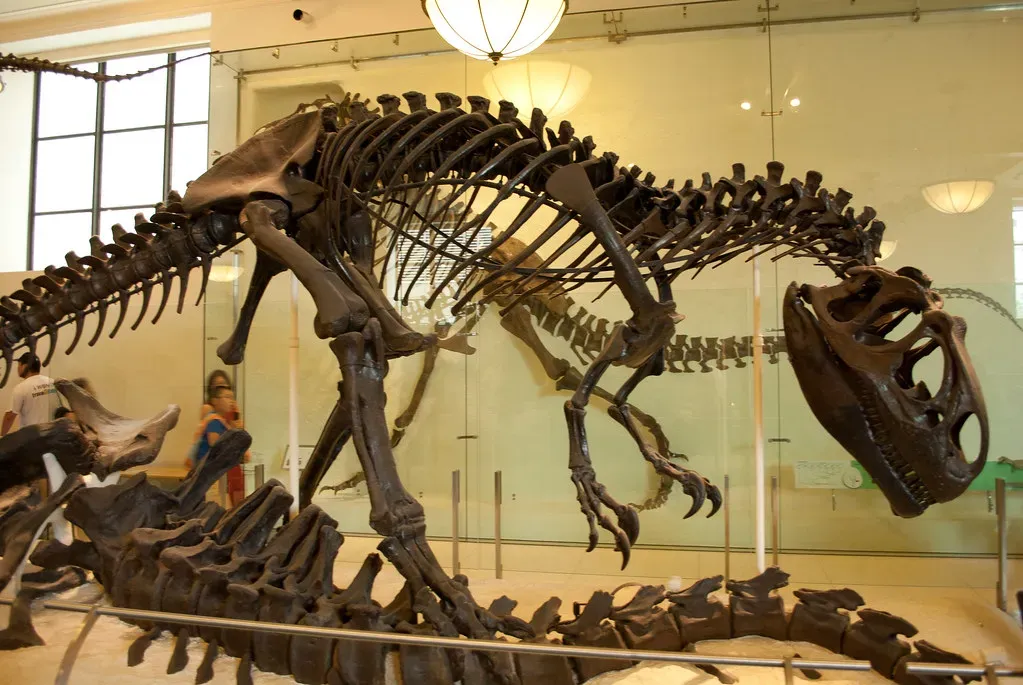
There is something humbling, almost disorienting, about realizing that entire worlds existed and vanished long before humans were around. Learning about prehistoric animals gives us a way to handle that vertigo. By naming species, reconstructing ecosystems, and mapping out evolutionary timelines, we create a sense of order in an otherwise overwhelming span of time.
This desire for order is deeply psychological. When we turn distant epochs into neatly labeled “ages” filled with recognizable creatures, we shrink cosmic time down to a scale we can emotionally digest. It is like taking a chaotic, endless ocean and drawing a simple map of bays and islands. Extinct animals become anchor points that help us navigate the unsettling idea that our own era could be just another brief chapter that future minds look back on with the same detached curiosity.
At the same time, there is a subtle comfort in seeing that life goes on in wildly different forms after massive extinctions. It suggests resilience and continuity, even when individual species or entire lineages vanish. That story of loss and renewal can quietly shape how we think about our own future, both as individuals and as a species.
Imagination, Aesthetics, and the Art of Reconstructing the Past
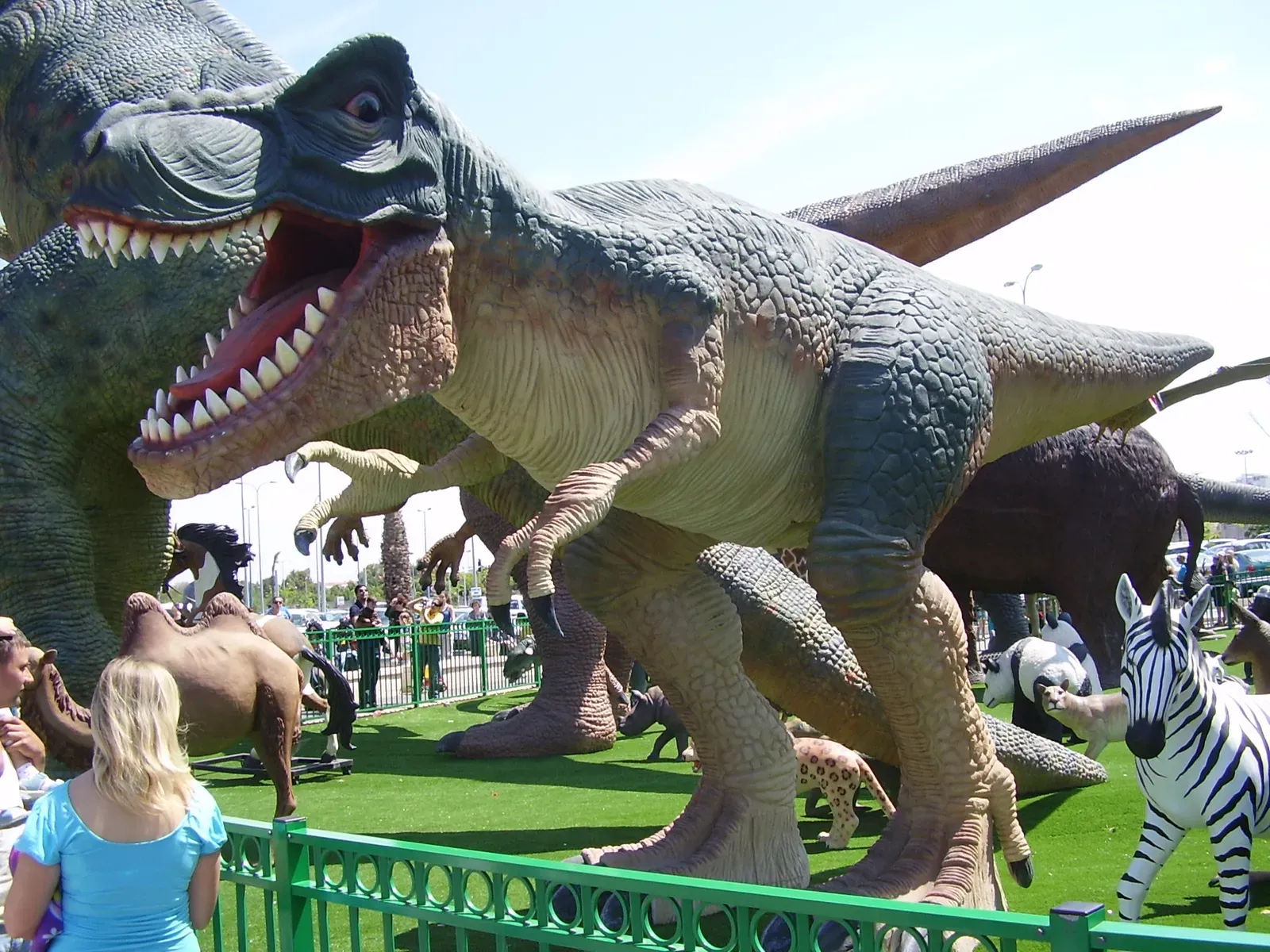
Prehistoric animals sit at a fascinating intersection of science and art. Fossils give us hard data, but turning bones into full creatures requires imagination. Artists, animators, and model makers breathe color, texture, and motion into skeletons, and that artistic layer makes these animals emotionally accessible. We are captivated not just by what they were, but by how we picture them.
There is also a strong aesthetic pull. Gigantic necks, impossible horns, toothy beaks, and armor‑plated bodies look like something out of high‑budget science fiction, yet they were once real. The sheer visual drama is hard to ignore. Psychologically, we are drawn to patterns that are just unfamiliar enough to feel alien but still recognizable as living bodies. Prehistoric animals hit that sweet spot: they are close enough to feel real, but strange enough to feel otherworldly.
Extinction as a Warning: Moral Lessons from Deep Time
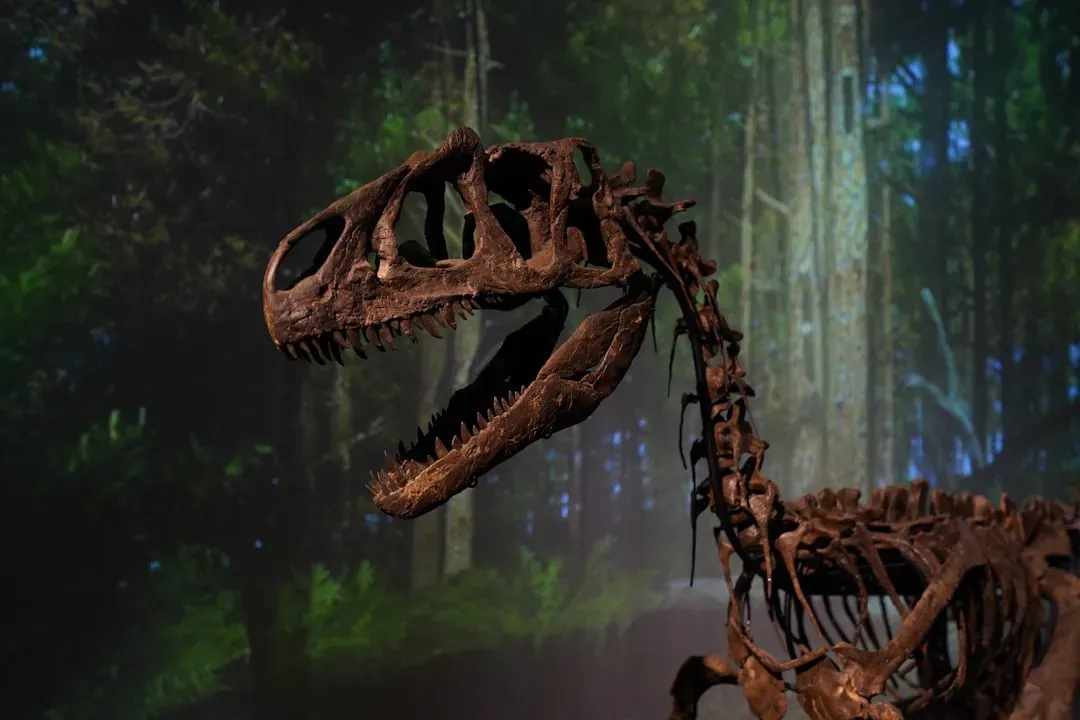
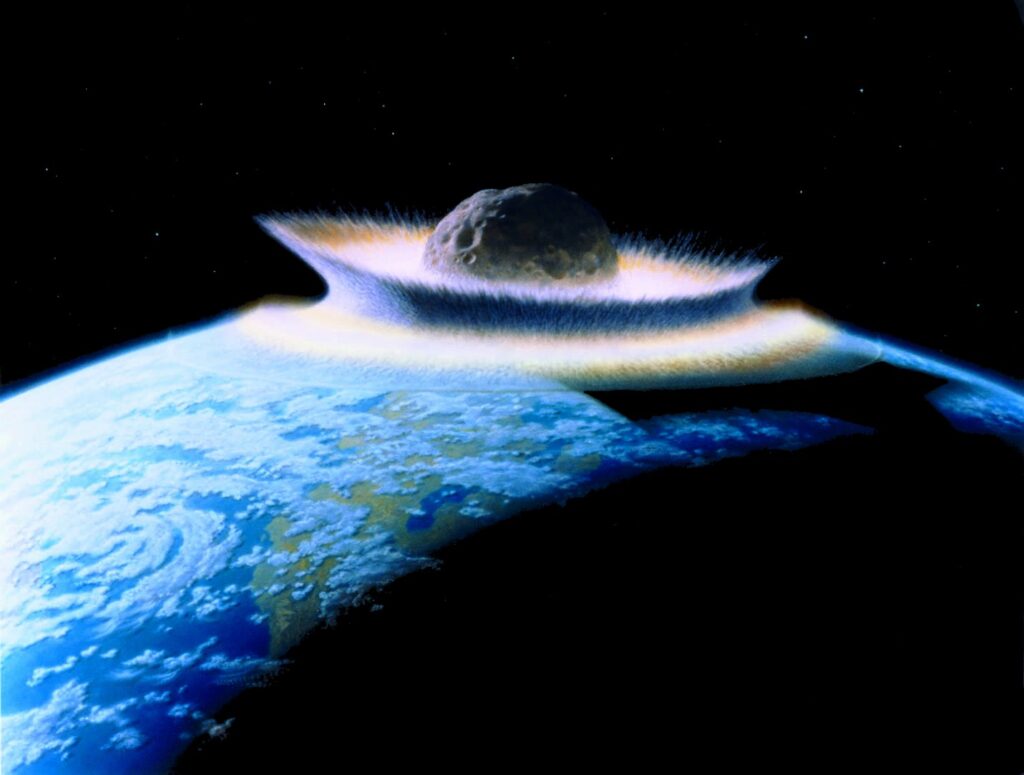
In the modern era, our fascination with extinct animals is tangled with anxiety about the future. When we learn that entire groups of animals vanished after climate shifts, volcanic activity, or asteroid impacts, it is hard not to notice parallels with current environmental crises. Prehistoric extinctions become moral stories about fragility, adaptation, and the danger of ignoring warning signs.
Even if a specific extinction event was caused by forces far beyond any creature’s control, we still read it as a cautionary tale. Psychologically, humans like to find meaning in loss; it is easier to process tragedy if it teaches us something. Extinct animals therefore become symbols of what can happen when conditions change too fast or too far, and that symbolism fuels both fear and responsibility. They are relics of worlds that ended, reminding us that our own is not guaranteed.
The Social Bond: Shared Wonder in a Fragmented World
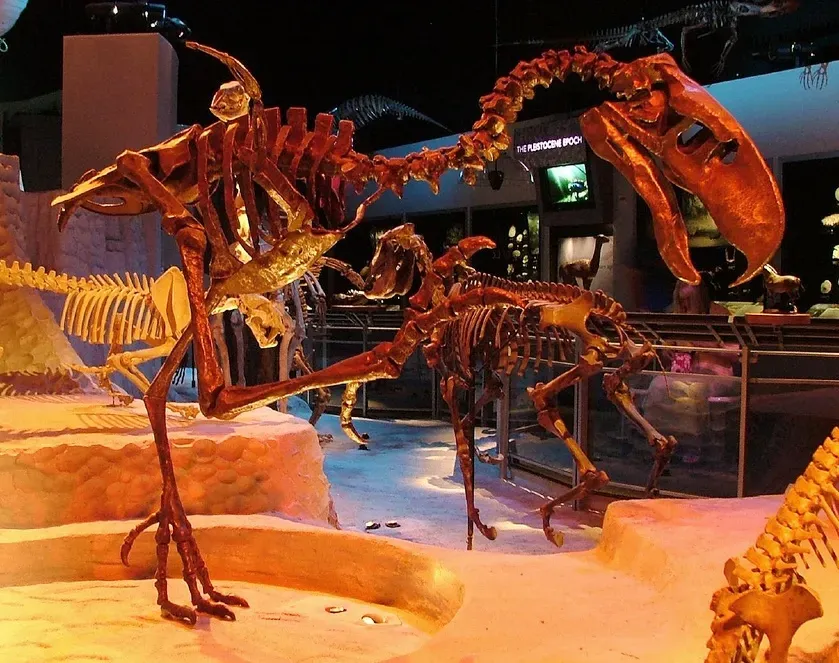
Talking about extinct animals can be surprisingly social. People share artwork, debate theories, and trade fun facts online and in person. These creatures become a neutral, almost universal topic that cuts across age, culture, and politics. It feels safe to get excited about a giant herbivore in a way that might not be true for more divisive subjects, and that safety makes space for genuine enthusiasm.
This shared wonder matters more than it might seem. In a time when many people feel isolated or overwhelmed, geeking out over the deep past can feel like joining a small, global club. I have had some of my most relaxed conversations with strangers while standing under a fossilized skeleton, both of us craning our necks and saying versions of the same thing: it is hard to believe this was real. That simple, shared disbelief becomes a quiet kind of connection.
Conclusion: Our Obsession with Extinct Animals Says More About Us Than About Them
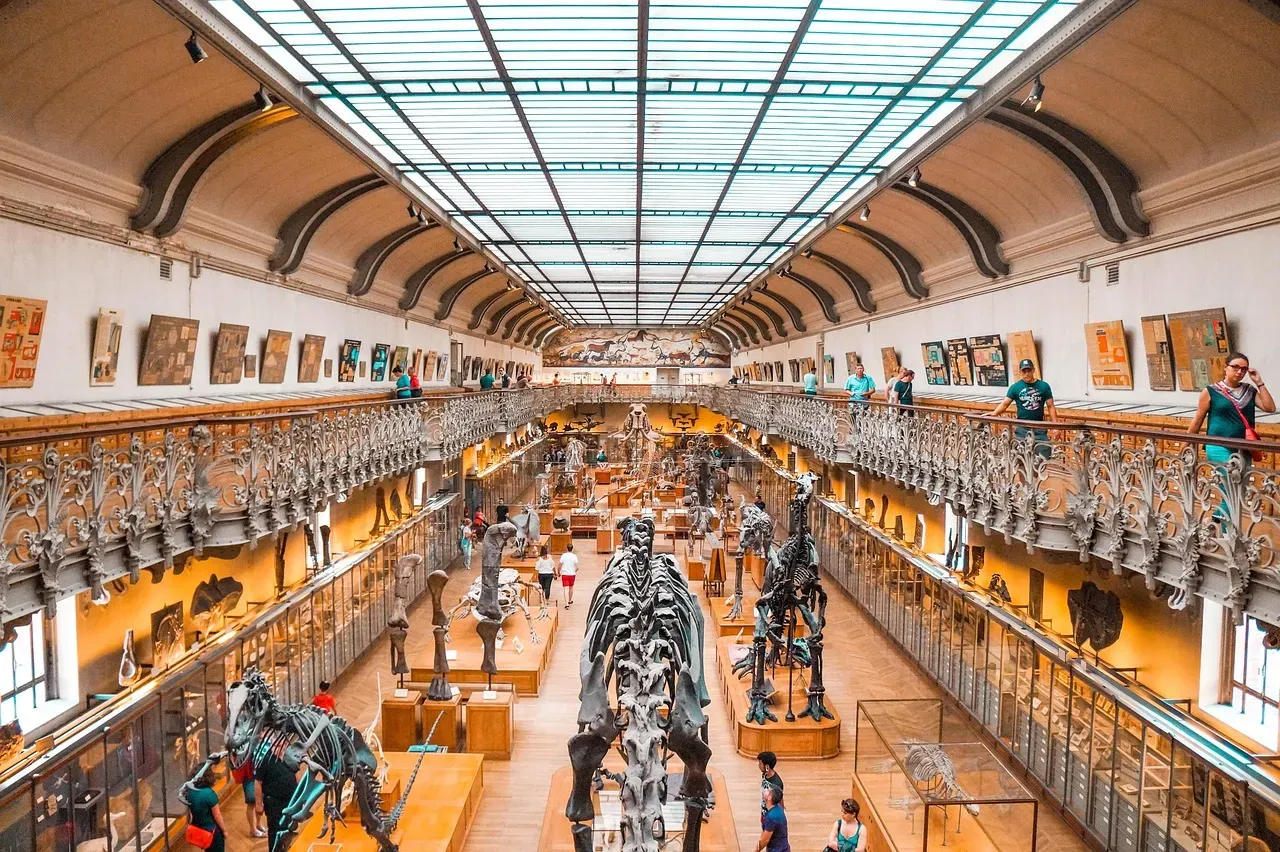
When you pull all these threads together, it becomes clear that our fascination with animals that disappeared millions of years before we existed is not just about them. It is about mystery, controlled fear, childhood awe, identity, and the need to find meaning in both time and loss. These creatures are gone, but psychologically they are very much alive, acting as screens onto which we project our deepest questions and feelings.
In my view, that is not something to dismiss as childish or nerdy; it is a sign that we are still capable of wonder in a world that often tries to flatten everything into quick content. Our obsession with the deep past keeps stretching our sense of time and possibility, reminding us that reality has been stranger and richer than anything we invent today. Maybe the real question is not why we are so fascinated by these vanished animals, but what it would mean if we ever stopped being fascinated at all. If we lose that sense of astonished curiosity, what else might quietly go extinct inside us?