
Most people assume every extinct species has a tidy origin story: humans overhunted it, the climate shifted, or a disease wiped it out. But roughly two dozen well-documented extinctions have never actually been solved – the fossil record, genetic data, and historical accounts contradict each other so badly that competing teams of scientists still publish dueling papers decades after the animal vanished.
Some of these mysteries involve creatures that died out just a few hundred years ago, with eyewitnesses and specimens preserved in museums. Others are prehistoric giants whose bones raise more questions than they answer. Here’s what the actual research says – starting with a bird everyone thinks they already understand.
#20 – The Dodo’s Death Still Doesn’t Add Up
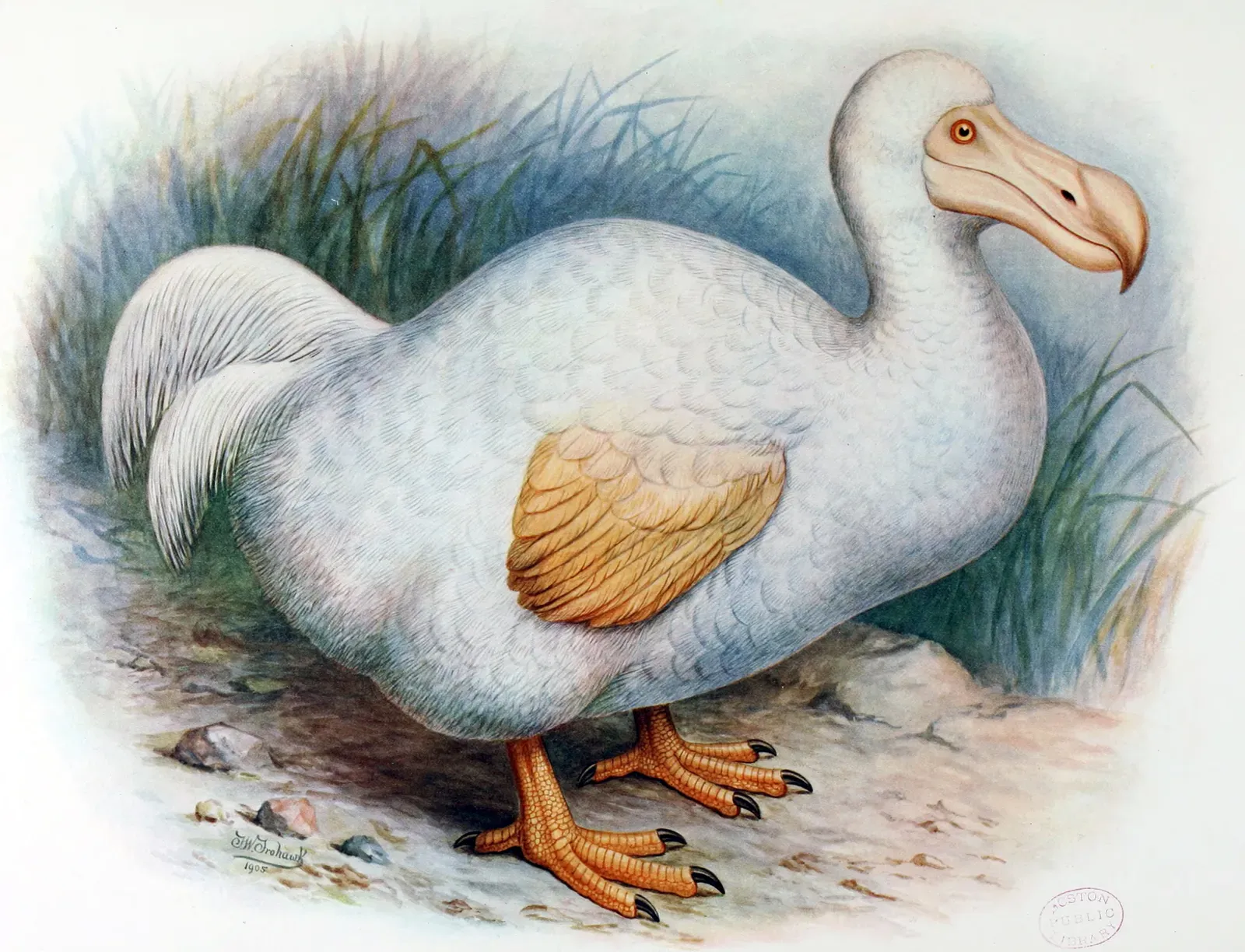
Everyone “knows” sailors ate the dodo into oblivion, but the actual paper trail is embarrassingly thin. Historical shipping logs from Mauritius mention dodo meat only a handful of times, and several accounts describe the bird’s flesh as tough and unpleasant – hardly the stuff of a hunting frenzy.
Most researchers now believe introduced pigs, rats, and crab-eating macaques destroyed dodo nests faster than any human ever could, yet nobody can prove which invasive species did the most damage, or in what order they arrived and multiplied. The exact extinction date isn’t even settled; estimates range across several decades in the late 1600s. Some scientists argue habitat clearing for sugar plantations mattered more than any single predator. Without a confirmed final sighting or a preserved cause-of-death specimen, the dodo’s disappearance remains a patchwork of educated guesses.
But #19 has an even bigger problem: the math doesn’t even work.
#19 – The Passenger Pigeon’s Collapse Happened Too Fast for the Official Story
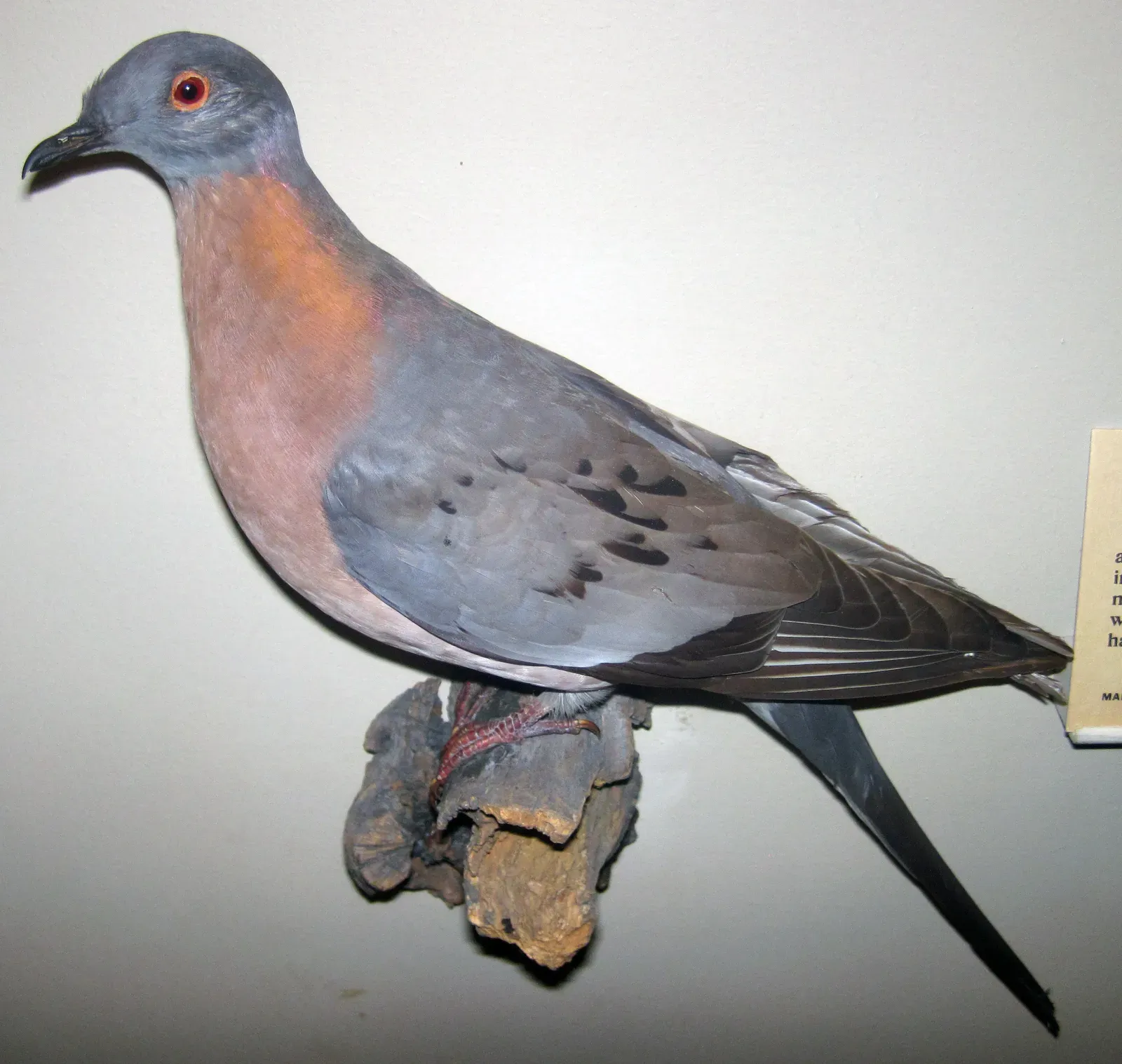
Billions of birds to zero in a single human lifetime shouldn’t be mathematically possible through hunting alone. The standard narrative blames market hunters who shipped millions of birds to city markets, and that hunting pressure was absolutely real and devastating.
But ecologists have long puzzled over why the population didn’t just shrink and stabilize at a lower number, the way most hunted species do. Instead the passenger pigeon’s numbers appeared to crash from billions to functionally extinct in the wild within roughly two decades, a collapse curve that hunting pressure alone struggles to explain. The leading patch-up theory involves an “Allee effect,” where the species needed enormous flock sizes to breed, roost, and find food successfully – meaning that once the population dipped below some invisible threshold, extinction became inevitable even without further hunting. No one ever recorded that threshold while it was happening.
Fast Facts
- Population once estimated in the billions, possibly the most abundant bird species in North America
- Massive migrating flocks could reportedly block out sunlight for hours at a time
- Martha, the last known passenger pigeon, died on September 1, 1914, at the Cincinnati Zoo
- The wild population apparently collapsed within roughly two decades of peak commercial hunting
Case #18 is stranger still – nobody can even agree on the day the animal disappeared.
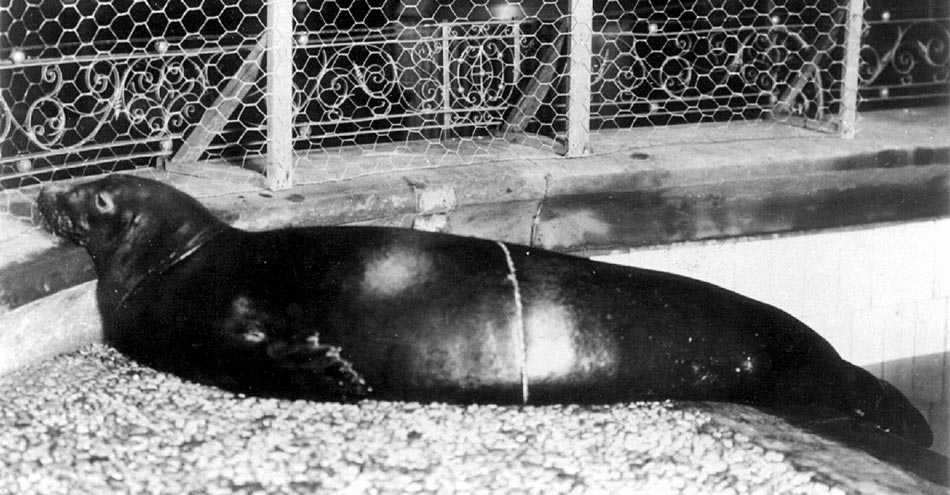
#18 – The Caribbean Monk Seal Disappeared Without a Final Verified Sighting
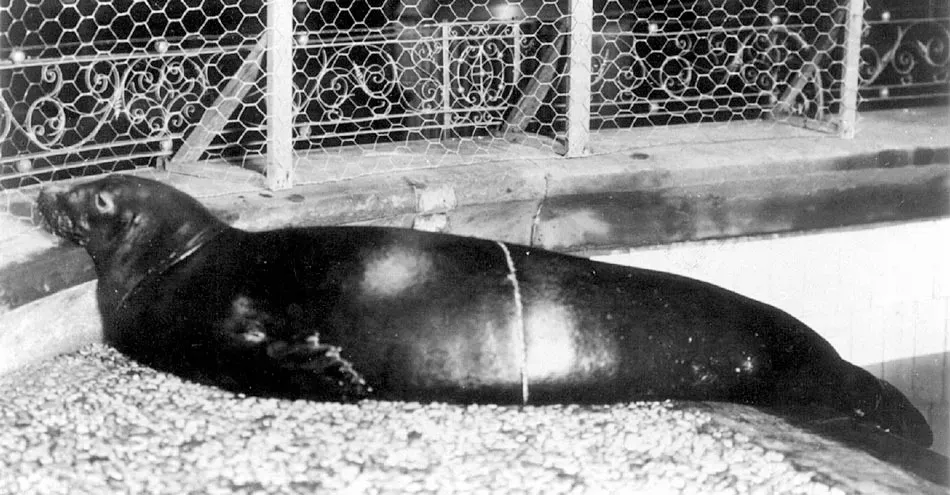
This is the only seal species native to the Caribbean, and it vanished so quietly that scientists can’t agree on the actual last date it existed. Spanish colonizers documented monk seals being clubbed for oil starting in the 1500s, and that exploitation continued for centuries.
The last widely accepted sighting occurred in 1952 near Jamaica, but unconfirmed reports trickled in for decades afterward, and the species wasn’t officially declared extinct until 2008 – more than fifty years after anyone reliably saw one. Researchers still debate whether overfishing, which depleted the seal’s food supply, or direct hunting delivered the final blow, since both pressures overlapped for centuries without anyone tracking population numbers systematically. No necropsy, no final colony count, no clean cause of death – the animal simply stopped being seen.
Up next, #17 raises a question scientists still can’t answer: was it even a real species?
#17 – The Xerces Blue Butterfly’s Extinction Has an Identity Problem
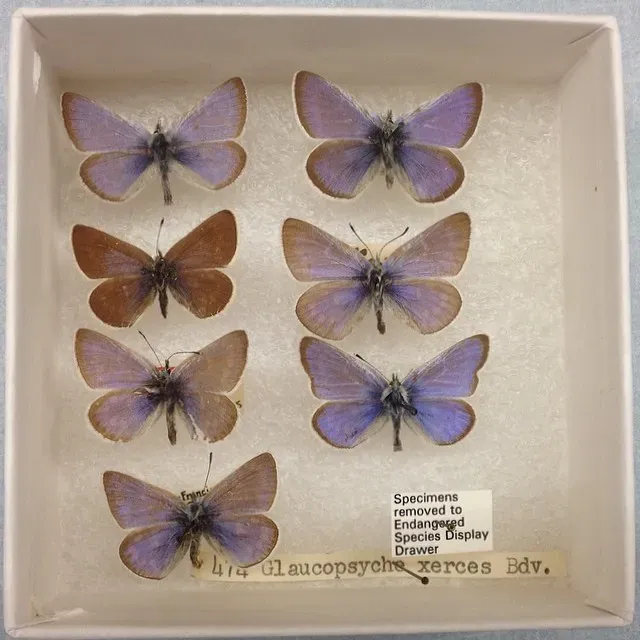
This shimmering blue butterfly only ever lived in the sand dunes of San Francisco, and its disappearance is often used as the textbook example of urbanization killing a species. The standard story is simple: the dunes got paved over, the host plants disappeared, and the butterfly had nowhere left to breed.
What’s murkier is the exact timeline. Some entomologists argue the “last” Xerces blues collected in the 1940s may have already been a relict population clinging to fragmented habitat for years, meaning the species was functionally doomed long before its official extinction date. Recent genetic work on preserved museum specimens has even reopened debate about whether the Xerces blue was a fully distinct species or a regional population of a related butterfly. If scientists can’t agree on what the animal was, pinning down exactly why it disappeared becomes even harder.
#16 gets even weirder – a colony collapse that outpaced the hunters themselves.
#16 – The Great Auk’s Final Colony Vanished Faster Than the Hunting Records Explain
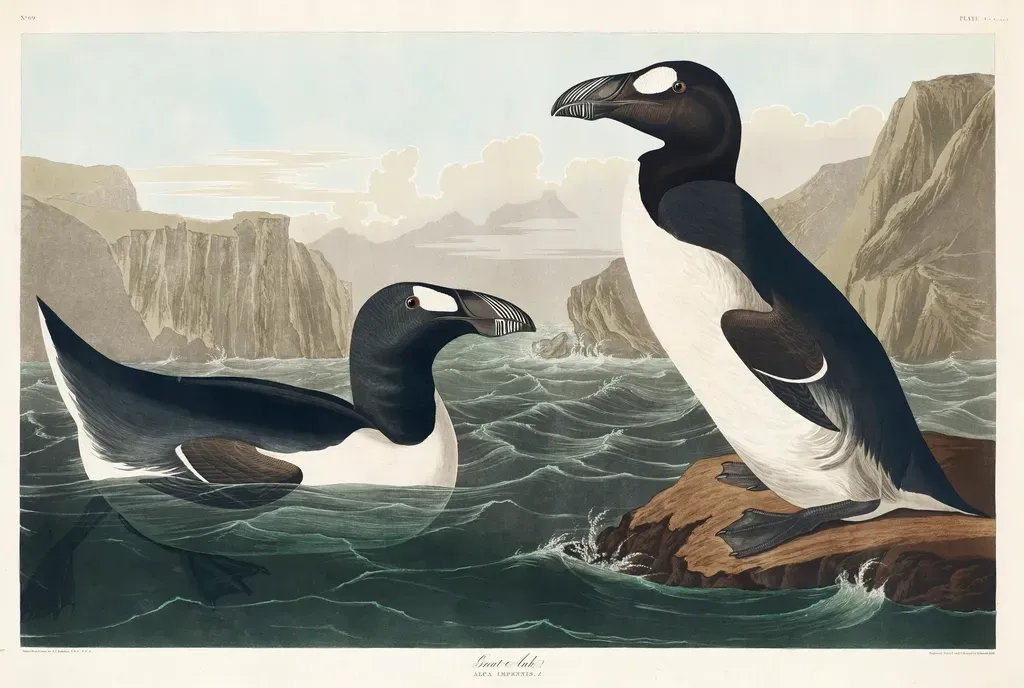
Feathers, oil, and eggs made the great auk a target for centuries, but the speed of its final collapse still puzzles historians. Hunting pressure on this flightless North Atlantic seabird is extensively documented, with crews raiding breeding colonies for down feathers used in pillow stuffing.
What is disputed is why the last known breeding population on Eldey Island, Iceland, collapsed so abruptly in 1844, when hunting pressure at that specific remote site was comparatively lower than at other colonies decades earlier. Some researchers suspect volcanic activity destroyed a major breeding rock years before the final killings, concentrating the entire species onto one vulnerable island and setting up a collapse that hunting merely finished off. That combination theory has never been proven, and the exact population size in the auk’s final years was never properly surveyed.
Wait until you see #15, where humans might not even be the main villain.
#15 – Steller’s Sea Cow Might Have Been Doomed Before Humans Ever Arrived
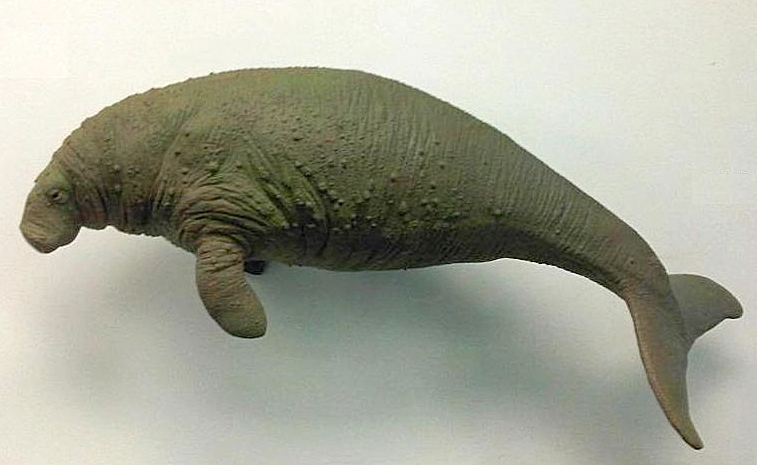
This gentle giant relative of the manatee was hunted to extinction in just 27 years after Europeans first discovered it in 1741, which sounds like an open-and-shut case. It isn’t.
Some marine biologists argue the sea cow’s population was already crashing before Russian fur traders showed up, pointing to a controversial hypothesis that the collapse of sea otter populations, hunted for fur, triggered an explosion of sea urchins, which then devastated the kelp forests the sea cows depended on for food. If true, humans delivered the final blow to a species already in ecological freefall – not the sole cause of its demise.
Critics say the evidence is too indirect and that straightforward overhunting explains the timeline just fine. Neither side has definitive proof, because almost no scientific observation of the species happened before it was already being slaughtered for meat and oil. The “healthy population” baseline everyone argues about is essentially a guess.
#14 will make you rethink everything you learned about first contact.
#14 – The Elephant Bird’s Extinction Timeline Keeps Getting Rewritten
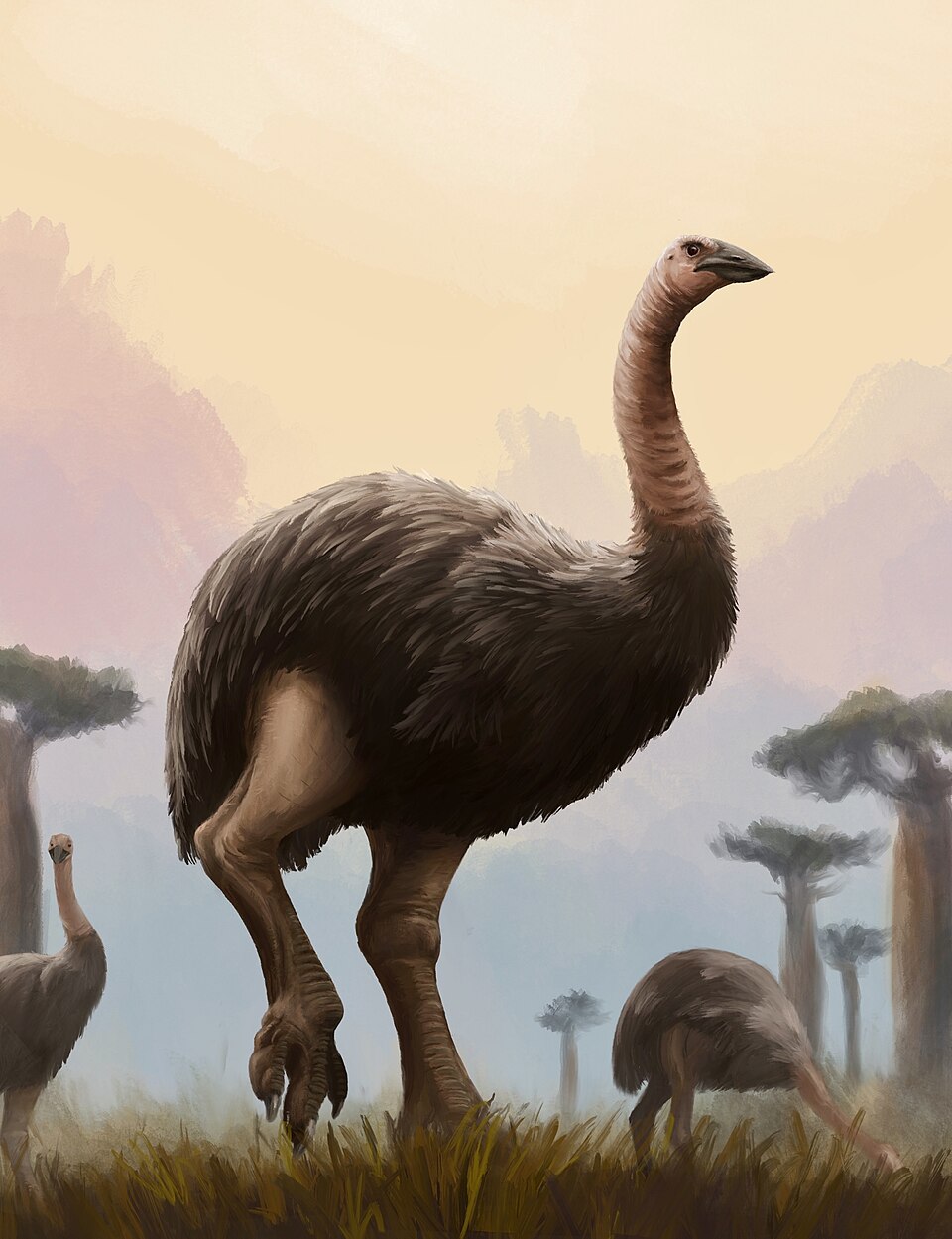
Standing up to ten feet tall and laying eggs the size of watermelons, Madagascar’s elephant bird should have left an obvious extinction story. It didn’t. For decades, textbooks claimed humans arrived on Madagascar and quickly wiped out these flightless giants through hunting and egg collection.
But radiocarbon dating of elephant bird bones has repeatedly pushed the extinction date later than expected, and some specimens show human tool marks thousands of years before the species actually disappeared. That means humans and elephant birds apparently coexisted for a very long stretch of time without the birds going extinct, undercutting the simple “humans showed up and killed them all” narrative. Habitat conversion, introduced egg predators, or a slow-motion decline nobody documented are all still on the table, and researchers genuinely disagree on which mattered most.
Then there’s #13, a die-off so fast it breaks basic population math.
#13 – New Zealand’s Moa Vanished in a Blink That Still Confuses Ecologists
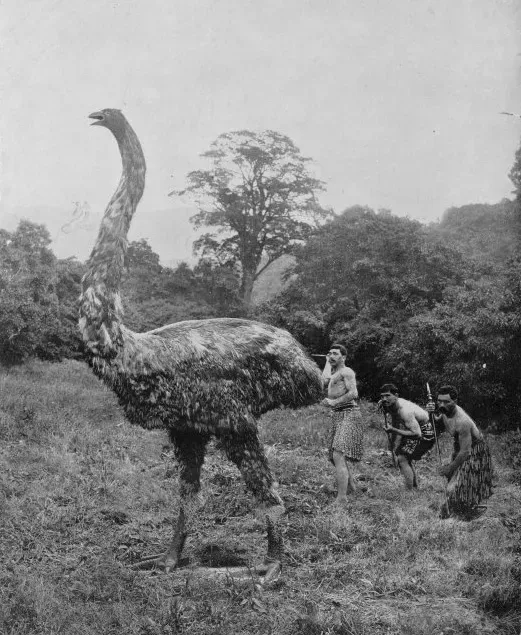
Nine species of giant flightless moa lived in New Zealand for millions of years, then disappeared within roughly a century of Polynesian settlers arriving. That speed is the whole problem. Overhunting is the dominant explanation, and archaeological middens packed with moa bones support heavy predation.
But population modeling suggests the human population of New Zealand at the time was too small to hunt every moa species to extinction that quickly through direct killing alone. Some researchers argue habitat burning to clear land for agriculture destroyed nesting grounds faster than hunting killed adult birds, while others suspect introduced rats devastated moa eggs and chicks in ways the fossil record simply can’t detect. Because moa reproduced slowly, even modest additional pressure could have triggered a total collapse – but nobody can prove which pressure mattered most.
#12 asks an uncomfortable question: what if the eagle hunted more than birds?
#12 – Haast’s Eagle Lost Its Prey and Its Story at the Same Time
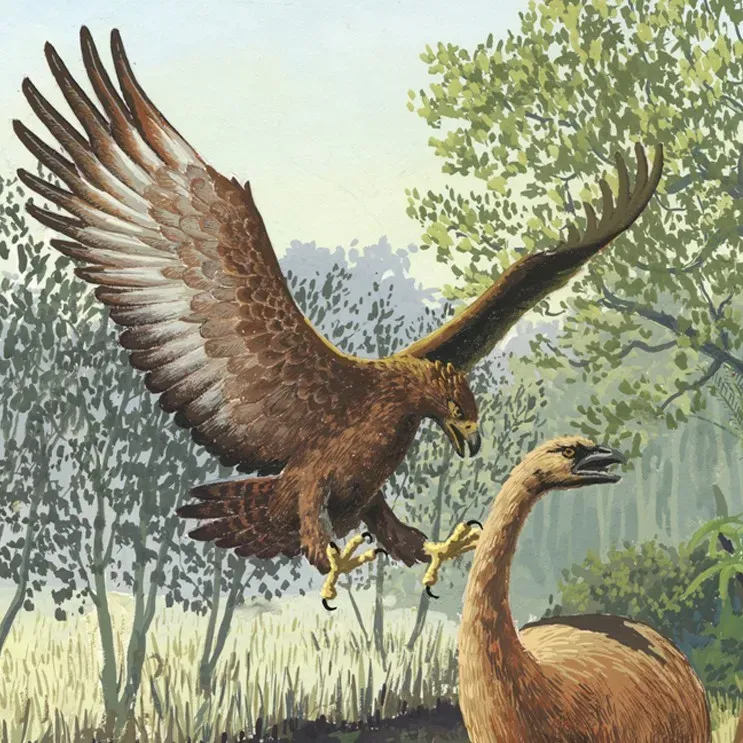
The largest eagle known to science, capable of hunting prey many times its own body weight, disappeared almost exactly when its main food source – the moa – went extinct. That timing makes the standard explanation seem obvious: no moa, no eagle.
But this “collapsed with its prey” theory has never been rigorously tested, because almost no fossil or genetic evidence documents the eagle’s final population directly. Researchers don’t actually know whether Haast’s eagle also hunted humans or human children, a claim rooted in Maori oral tradition that scientists still can’t confirm or dismiss with physical evidence. If the eagle was flexible enough to hunt other prey, the moa’s disappearance alone shouldn’t have been an instant death sentence, and some paleontologists suspect direct persecution by humans played a larger role than the tidy “prey collapse” story suggests.
#11 has not one, not two, but three competing theories – and none of them hold up alone.
#11 – The Short-Faced Bear’s Extinction Has Three Competing Theories That All Have Holes
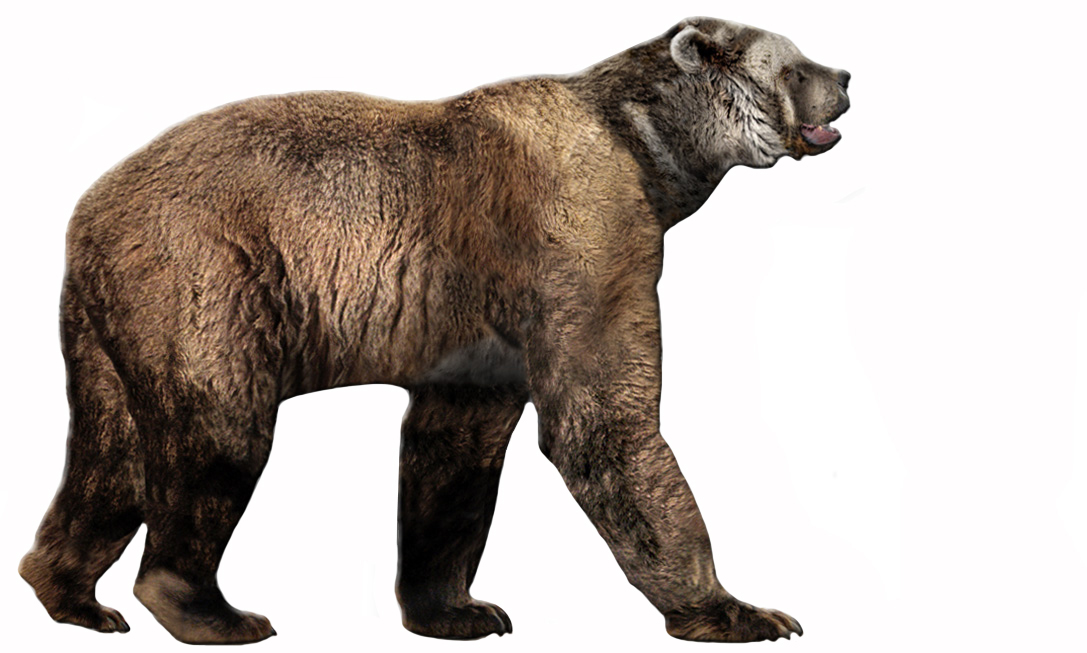
North America’s giant short-faced bear was faster and taller than any bear alive today, and its disappearance around 11,000 years ago still splits paleontologists into camps. One camp blames the disappearance of the giant herbivores the bear likely scavenged from. Another points to direct competition with newly arrived human hunters and gray wolves.
A third group argues rapid climate warming changed vegetation patterns so drastically that the bear’s entire ecosystem simply stopped existing, independent of any prey-collapse or competition story. None of these three theories has been proven, and the timing overlaps awkwardly with all of them, making it statistically difficult to isolate a single trigger from the fossil record alone. Some researchers now suspect a genuine perfect storm of all three factors hitting at once.
Even armor couldn’t save #10, and nobody can explain why.
#10 – Glyptodon’s Armor Couldn’t Save It, and Nobody Knows Exactly Why It Failed
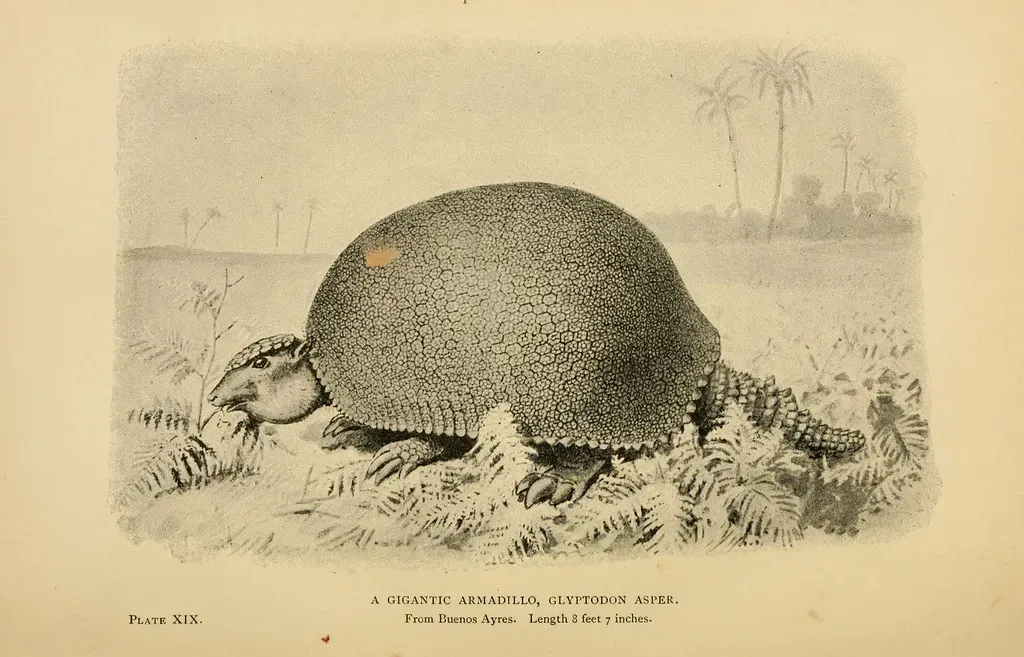
Picture an armadillo the size of a small car, covered in a solid bony shell, and you’ve got Glyptodon – a South American giant that should have been nearly impossible to kill. Human hunting is the leading theory, supported by some archaeological sites showing possible evidence of the shells being used as shelters after the animals were killed.
But critics point out that direct kill sites are extremely rare relative to how common Glyptodon fossils are. A heavily armored, slow-moving animal with almost no natural predators shouldn’t have vanished as quickly as the fossil record suggests, which is exactly what makes this case so puzzling. Climate-driven vegetation shifts at the end of the last Ice Age are the other major suspect, since Glyptodon likely had specialized dietary needs a rapidly changing landscape couldn’t support. Whether hunting, climate, or both delivered the final blow remains genuinely unresolved.
Worth Knowing
- Its closest living relatives today are modern armadillos, despite the massive size difference
- Adult Glyptodon could weigh close to two tons, encased in a nearly solid bony shell
- Some ancient shells show possible signs of reuse as shelters by early human groups
- It disappeared near the end of the last Ice Age, alongside much of South America’s megafauna
#9 breaks its own evolutionary logic in a way that still bothers biologists.
#9 – The American Cheetah’s Extinction Broke Its Own Evolutionary Logic
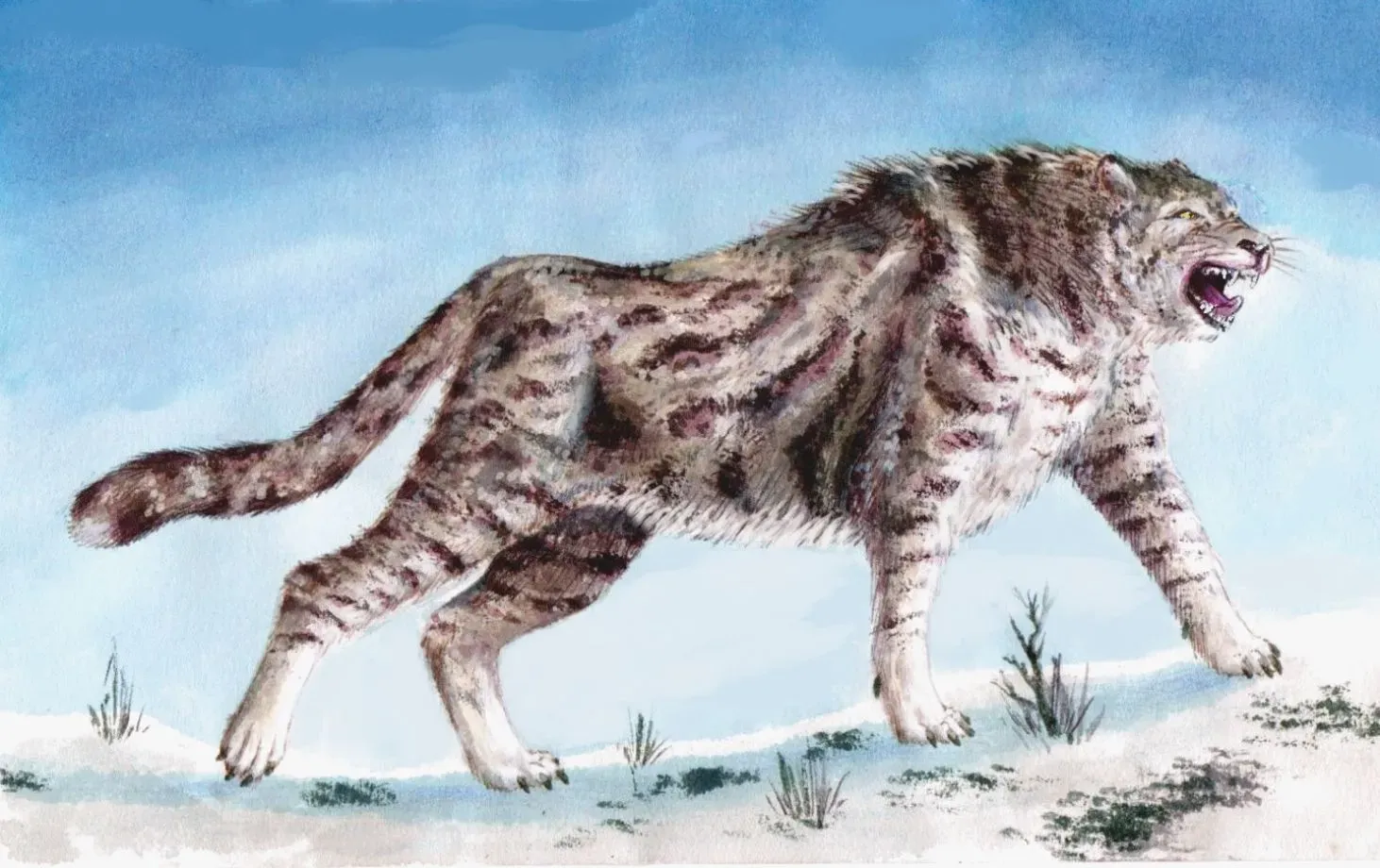
This fast, slender predator evolved specifically to hunt pronghorn antelope across an evolutionary arms race that shaped both species for thousands of generations. Then the cheetah vanished – and the pronghorn didn’t.
If prey scarcity or climate change explains the cheetah’s extinction, it’s strange that pronghorn survived the same environmental shifts largely intact. Pronghorn today still run at speeds far faster than any modern predator requires, a living evolutionary fossil of a chase that no longer needs to happen. Some researchers suspect competition from larger predators like the American lion crowded the cheetah out of its niche; others blame a narrow dietary specialization. No consensus has emerged, and the survival of its intended prey remains an awkward loose end.
#8’s extinction pattern literally contradicts itself depending on where you look.
#8 – Giant Ground Sloths Disappeared in a Pattern That Contradicts Itself
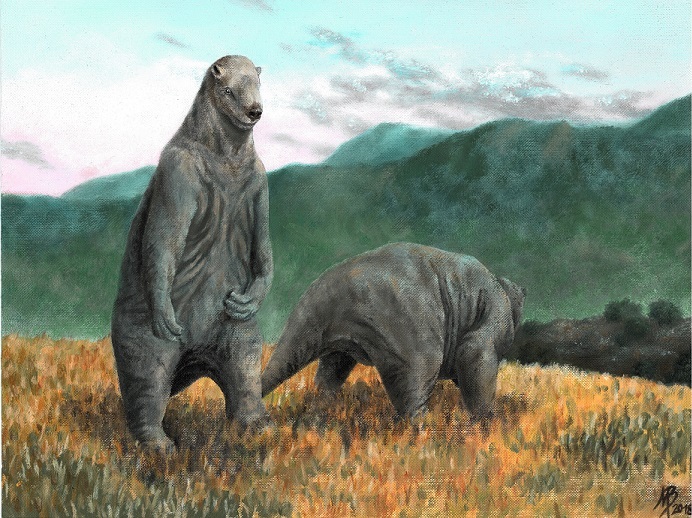
Megatherium and its ground sloth relatives were some of the largest land mammals in the Americas, some standing taller than a modern giraffe. In some areas, their extinction lines up neatly with human arrival, supporting the overkill hypothesis.
But in other regions, radiocarbon dating shows ground sloths survived for thousands of years after humans were already present and hunting other megafauna nearby. Certain island populations of ground sloths even persisted for thousands of years longer than their mainland relatives, surviving well into periods when humans were already established elsewhere in the Americas. Climate change clearly played some role, but it can’t fully explain why some populations outlasted others under similar pressures.
#7 was dying long before anyone noticed – the numbers prove it.
#7 – The Cave Bear’s Extinction Broke the Rules of Its Own Biology
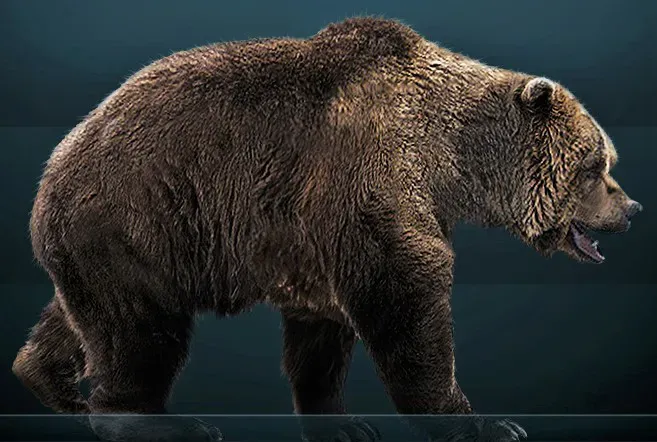
Cave bears were mostly herbivorous despite being closely related to modern brown bears, and that unusual diet sits at the center of an extinction debate that’s raged for over a century. The leading theory argues cave bears were too specialized as plant-eaters to survive rapid vegetation changes at the end of the Ice Age, unlike the flexible omnivorous brown bear, which survived the same period just fine.
But genetic studies of cave bear population decline show numbers dropping tens of thousands of years before the final extinction event. That means whatever ultimately killed the cave bear had already been quietly working against the species for millennia before anyone delivered a final blow. Competition with humans for cave shelters used during hibernation is another proposed factor, since both species needed the same limited real estate during harsh winters.
Quick Compare
- Diet: Cave bears leaned heavily on plants; brown bears stayed flexible omnivores
- Fate: Cave bears vanished roughly 24,000 years ago; brown bears still thrive today across three continents
- Decline pattern: Cave bear numbers dropped for millennia before extinction; brown bears held steady through the same climate shifts
#6’s diet turns out to be way more complicated than the textbooks admit.
#6 – Smilodon’s Extinction Doesn’t Match Its Prey’s Extinction Timeline
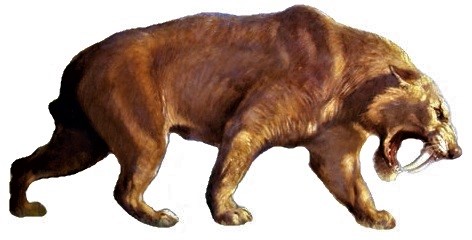
The saber-toothed cat is one of the most famous predators in the fossil record, and its enormous canine teeth were clearly built for taking down massive prey. The problem is that its extinction doesn’t line up cleanly with the disappearance of that prey.
Standard logic says Smilodon went extinct because the giant herbivores it hunted disappeared first. But fossil dating at several major sites, including the La Brea Tar Pits, shows Smilodon persisting in meaningful numbers even as some of its preferred prey species were already declining. Isotope analysis of Smilodon teeth actually shows a surprisingly varied diet across different populations, undermining the idea that it was too specialized to adapt. If that’s true, something else – competition with humans, direct hunting, or a climate-driven shift in hunting strategy – needs to explain its disappearance instead.
#5 debunks one of the most famous extinction myths ever taught in schools.
#5 – The Irish Elk’s Extinction Theory Was Wrong for Decades, and the Replacement Isn’t Much Better
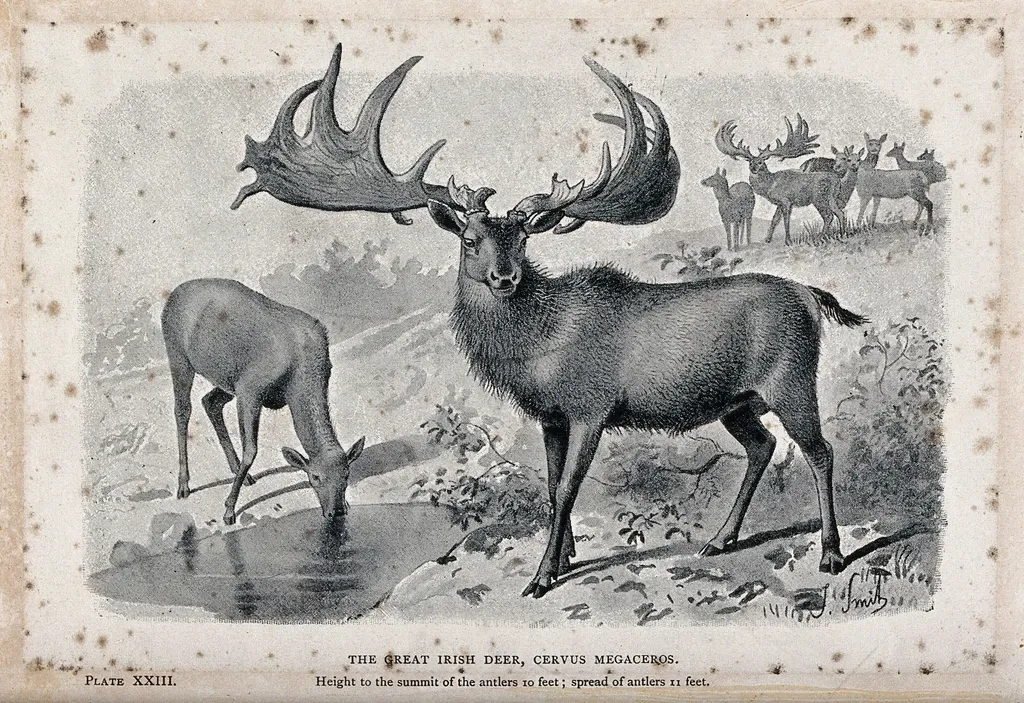
For most of the 20th century, scientists taught that the Irish elk – the largest deer species ever known, with antlers spanning up to twelve feet – went extinct because its antlers grew too large to be biologically useful. That theory has since been thoroughly debunked; antler size actually tracked body size proportionally.
The “antlers killed it” explanation dominated science education for generations despite never having solid supporting evidence, a remarkable case study in how extinction myths spread through textbooks unchecked. The current leading theory blames the loss of nutrient-rich grasslands tied to climate shifts at the end of the Ice Age. But radiocarbon dating shows Irish elk populations survived in parts of Siberia thousands of years after they vanished from Ireland and most of Europe, meaning even the “corrected” theory is incomplete.
At a Glance
- Antlers could span up to 12 feet across – the largest of any known deer species
- Roamed across Europe and Asia during the Pleistocene, not just Ireland
- Disappeared from Ireland roughly 10,500 years ago, based on fossil dating
- Survived in isolated Siberian populations thousands of years after vanishing elsewhere
#4 has kept scientists arguing for a hundred years straight, with no end in sight.
#4 – The Woolly Mammoth Debate Has Lasted a Full Century Without Resolution
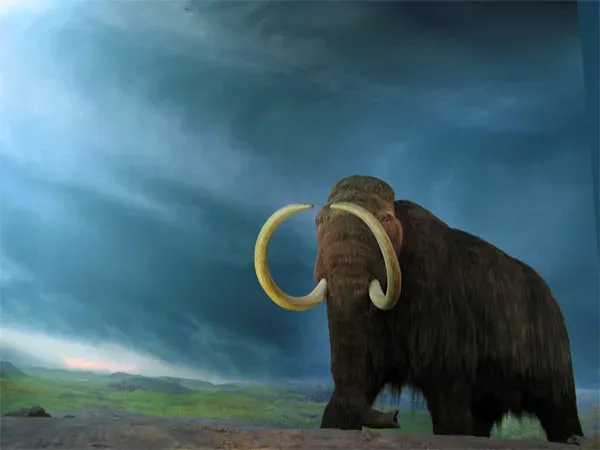
Few extinctions have generated more scientific argument than the woolly mammoth’s, and despite headlines periodically declaring the mystery “solved,” the debate keeps reopening. Scientists have argued for 100 years about why mammoths went extinct, with humans often blamed because the animals had survived millions of years of climate change before, but didn’t last long once they lived alongside human hunters.
A major 2021 genetic study using environmental DNA argued it became far too wet for the giant animals to survive because melting ice sheets wiped out their vegetation. That research team’s lead scientist even said the findings weren’t necessarily the final word, noting he wouldn’t consider the case fully closed despite the strength of the new data. Other researchers push back hard, since warming probably couldn’t have killed the megafauna without additional help, and a separate tooth study even suggested delayed weaning patterns left mammoth calves unusually vulnerable to nighttime predation.
#3 flips the climate-change narrative completely on its head.
#3 – The Golden Toad’s Death Started a Fight That Climate Scientists Still Haven’t Settled
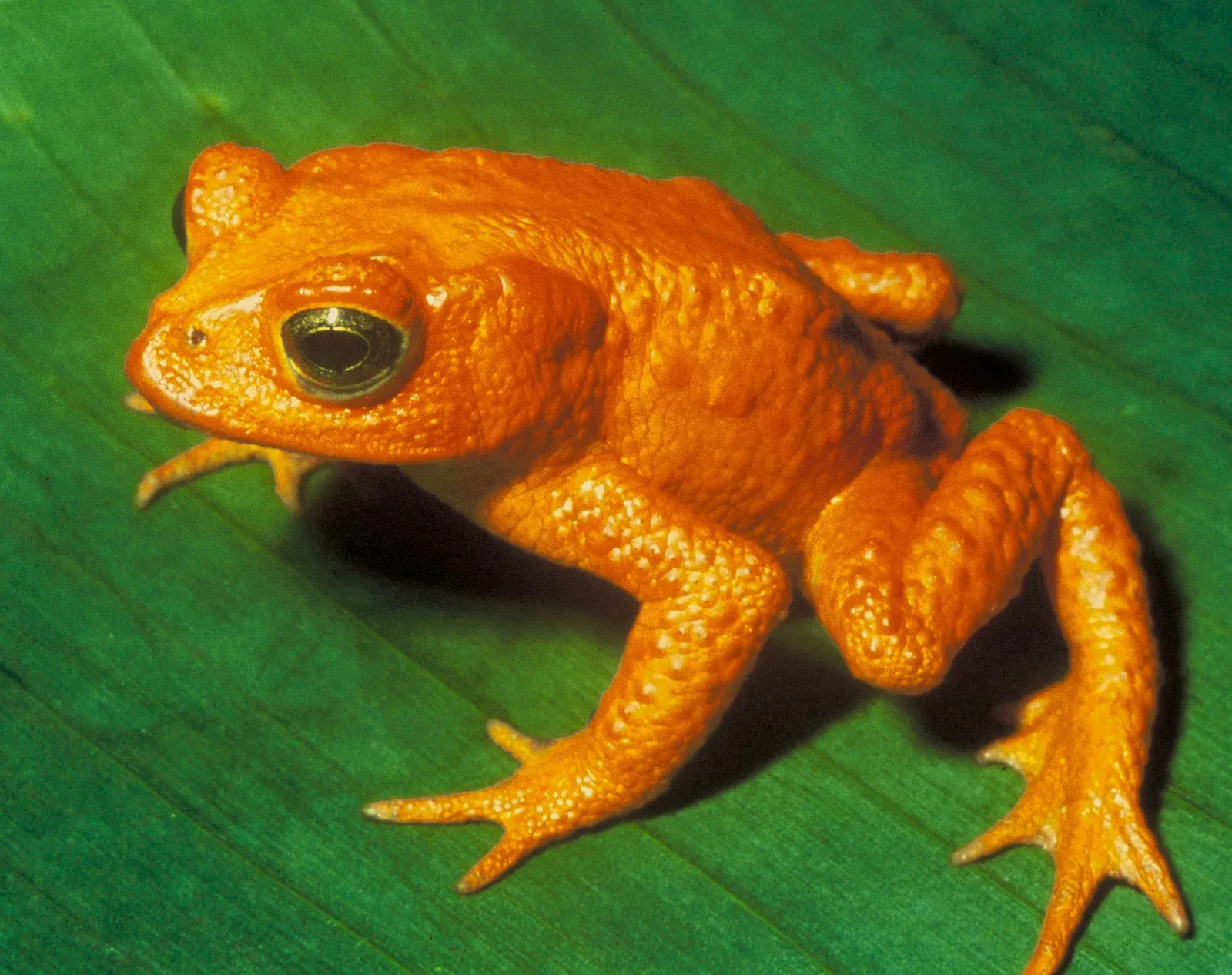
This vivid orange amphibian from a tiny patch of Costa Rican cloud forest became the poster child for climate-driven extinction – until researchers started actually digging into the data and found the story wasn’t so simple. The golden toad was the first species where climate change was identified as a key driver of extinction, and about 99 percent of the population declined within a single year.
The toad’s demise was initially blamed on gradual global warming making conditions favorable for a deadly fungal disease. But a 2010 study using tree-ring climate reconstructions found something inconvenient: climate variability was dominated by interannual variance associated with El Niño events, with no evidence of a trend associated with global warming. That study concluded the extinction coincided with an exceptionally dry interval caused by the 1986-1987 El Niño rather than long-term warming.
A species blamed for years as the textbook victim of man-made climate change may have actually been killed by a naturally occurring weather cycle combined with an introduced fungus, and researchers still openly disagree about how much credit or blame each factor deserves.
#2 is still generating brand-new, contradictory research in 2025.
#2 – The Thylacine’s Extinction Cause Is Still Being Published and Republished
![#2 - The Thylacine's Extinction Cause Is Still Being Published and Republished (Report of the Smithsonian Institution. 1904from the Smithsonian Institution archives. Published example
other information: [1]
Additional information: Female thylacine (front) with juvenile male offspring (rear).(30 September 2020). "A Catalogue of the Thylacine captured on film". Australian Zoologist 41 (2): 143–178. DOI:10.7882/AZ.2020.032., Public domain)](https://nvmwebsites-budwg5g9avh3epea.z03.azurefd.net/dinoworld/ee0e6a188bcecee0808c5e490c79bdee.webp)
The Tasmanian tiger is arguably the most photographed and filmed extinct animal in history, with the last known individual dying in captivity in 1936. You’d think with that much documentation, the cause of extinction would be obvious. It isn’t.
A widely cited 2013 University of Adelaide study concluded humans alone were responsible for the thylacine’s demise, contradicting the popular belief that disease must have been a factor. Yet the disease theory refuses to die: other research groups maintain a disease similar to canine distemper could have helped drive the species to extinction, and as recently as 2025, new genomic research found a canine-distemper-like disease played a role in exacerbating its decline, even while other models suggest disease played only a minor part.
Many people believe bounty hunting alone could not have driven the thylacine extinct and therefore claim an unknown disease epidemic must have been responsible.
University of Adelaide research team, 2013
Two credible scientific camps are still publishing directly contradictory conclusions about this animal more than a decade apart, one pinning it entirely on hunting and the other insisting disease was a genuine contributing factor. Add in genetic research suggesting the thylacine had lost several immune-related genes, and you have an extinction case that keeps generating new papers instead of settling into consensus.
And #1 might be the biggest twist of all – the animal wasn’t even what everyone thought it was.
#1 – The Dire Wolf Might Not Have Even Been a Wolf, Which Changes Everything We Thought We Knew
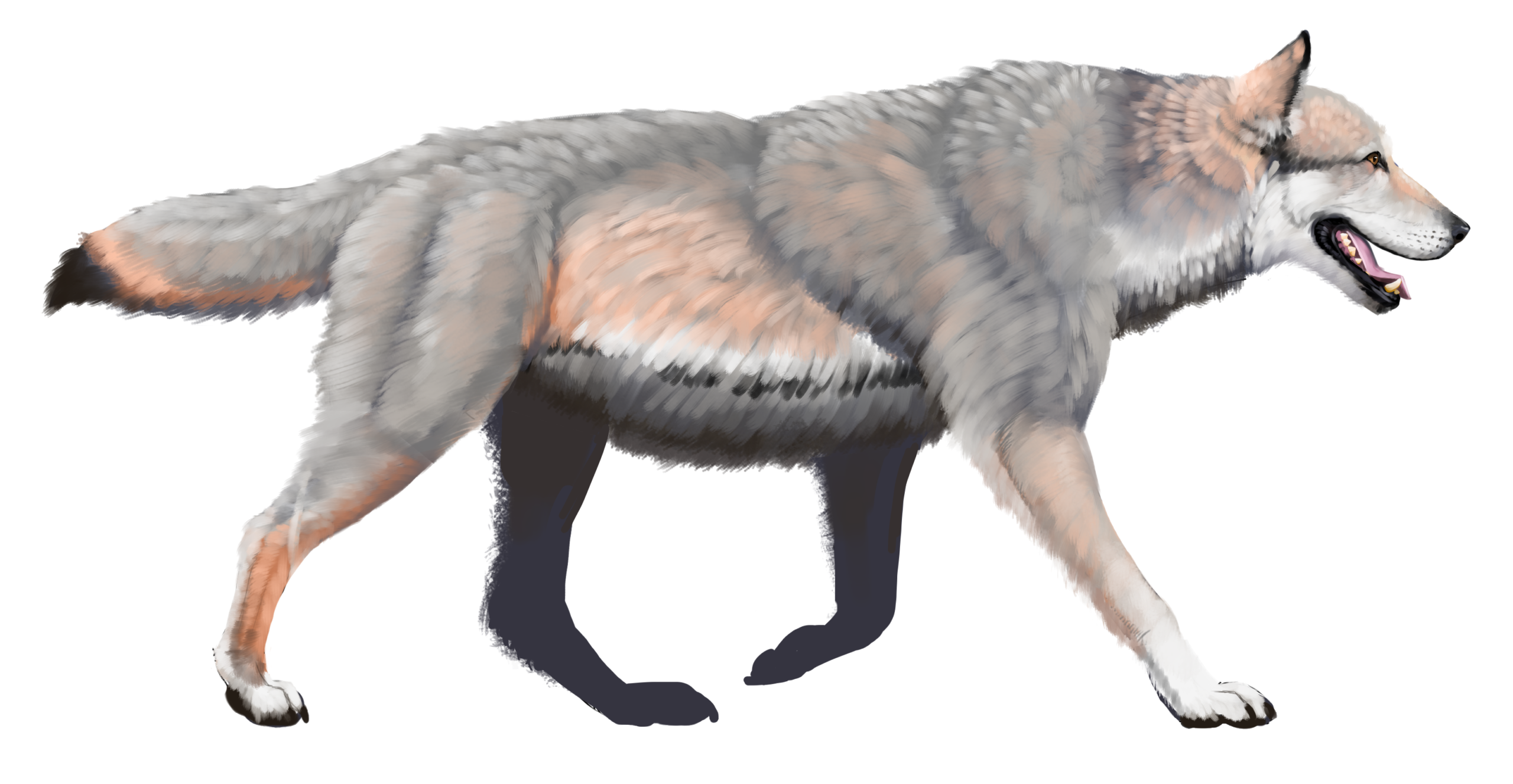
For over a century, scientists assumed dire wolves were simply oversized cousins of the gray wolf that died out when their giant Ice Age prey disappeared. That assumption collapsed almost entirely in 2021 – and the aftershocks are still reshaping the extinction story today.
A 2021 genetic analysis found the dire wolf might not even be a wolf at all, belonging instead to a North American lineage of dogs that diverged from the ancestors of gray wolves more than 5 million years ago – meaning it likely resembled something closer to a giant reddish coyote than any wolf alive today. Researchers found dire wolves were so genetically distinct from other canine species that they could not interbreed with them, having split off almost 6 million years earlier.
A species everyone assumed was essentially a big wolf turned out to be an entirely separate evolutionary lineage that had been isolated for millions of years, which throws the old “it died out with its prey” explanation into serious doubt. If dire wolves couldn’t interbreed with gray wolves or coyotes to pick up helpful new genetic traits as the climate shifted, isolation itself may have doomed them independent of any prey collapse. The fossil record shows shrinking skull sizes during the Last Glacial Maximum, with reduced population sizes possibly causing inbreeding and deleterious genetic variation – supported by ossification disorders found in limb bones dating to thousands of years before extinction.
Why It Stands Out
- Diverged from the ancestors of gray wolves and coyotes roughly 5-6 million years ago
- Genetically distinct enough that interbreeding with true wolves may not have been possible
- Likely resembled a heavily built, reddish coyote-like animal rather than a classic gray wolf
- The 2021 genetic study overturned more than a century of assumptions almost overnight
A 2025 biotech attempt to “revive” the species using gene-edited gray wolves only underscored how little is actually settled. An animal humans thought they understood for 170 years turned out to be a near-total scientific mystery the moment anyone actually sequenced its DNA.
The Bottom Line
Here’s the uncomfortable truth: extinction science loves clean narratives, but nature rarely provides them. The dire wolf wasn’t even a wolf. The golden toad’s “climate change” story got quietly rewritten by tree-ring data. The thylacine debate is still generating contradictory peer-reviewed papers in 2025. Every single animal on this list has a textbook explanation that sounds definitive – right up until you check the actual research and find scientists still arguing.
That’s not a failure of science; it’s proof that real extinction events are messy, layered, and resistant to tidy one-sentence summaries, no matter how badly documentaries want to give you one. If anything, the mess is the most honest part of the story – these twenty animals don’t deserve neatly closed files. They deserve to be remembered exactly as what they are: unfinished arguments written in bone, feather, and fading eyewitness ink.