
When you picture dinosaurs, you probably see them thundering across steamy jungles and swampy plains, not trudging through snow, island-hopping over tropical seas, or stalking ancient river deltas where your neighborhood might sit today. Yet as paleontologists keep digging, you keep finding these animals in places that rewrite everything you thought you knew about their world. The more fossils turn up, the more you realize the age of dinosaurs was stranger, colder, hotter, and more widespread than the simple textbook picture.
As you walk through modern cities, drive across deserts, or dream of polar lights, you’re often standing right on top of landscapes where dinosaurs once lived, hunted, nested, and died. Some species show up in climates you’d swear they could never survive; others pop up thousands of miles from where you’d expect their kind to be. In this article, you’ll step into eight surprising settings and meet dinosaurs that absolutely did not care about your assumptions.
Nanuqsaurus: The Tyrannosaur You Meet in the Arctic
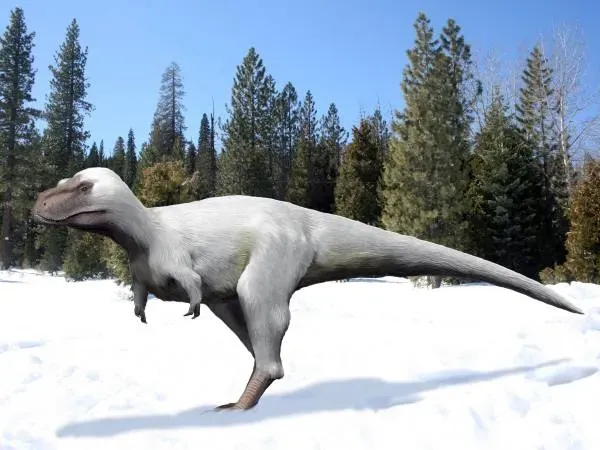
You probably imagine tyrannosaurs stomping through muggy forests, not crunching across snow under months of winter darkness. Yet Nanuqsaurus, a close relative of Tyrannosaurus rex, lived far north in what is now Alaska, inside the Arctic Circle during the Late Cretaceous. Back then, the region was warmer than today but still dealt with long polar nights, chilly seasons, and forests that had to cope with low light instead of endless sunshine.
When you picture this animal, you should imagine a smaller, more compact predator adapted to seasonal scarcity, not a giant desert king. You would have seen this tyrannosaur stalking through dense polar conifer forests, hunting hadrosaurs and other plant‑eaters that stayed year‑round instead of migrating away. The fact that a top predator could thrive so far north tells you dinosaurs were far more tolerant of cold, dark environments than you might expect.
Kunmingosaurus and Friends: Sauropods in High, Rugged Plateaus
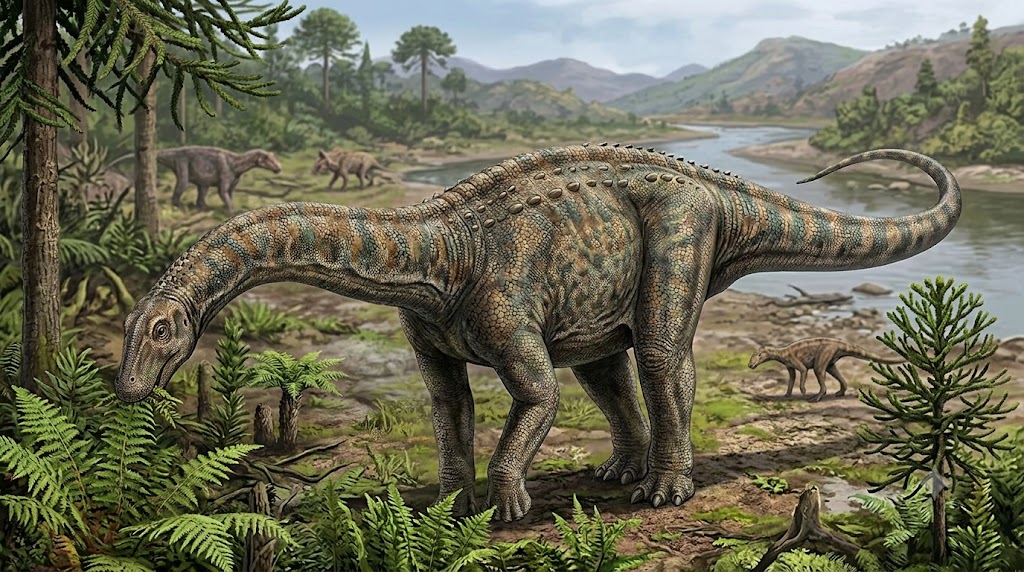
When you think of long‑necked sauropods, your mind probably goes straight to broad floodplains and flat savannas, not mountain country. But in parts of what is now southwestern China, you find sauropod fossils in regions that later rose into dramatic plateaus and highlands. While the exact elevations were lower back then, these areas were still more varied and rugged than the classic endless plain you’re used to imagining for giants like these.
If you walked there, you’d see long‑necked dinosaurs weaving between river valleys, lakes, and patchy forests, perhaps moving upslope and downslope as food and seasons changed. You would not be watching them on some completely flat horizon; instead, they would have been part of a landscape that already hinted at the complex relief that would one day become steep, eroded hills and terraced fields. Their presence shows you that colossal body size did not confine sauropods to perfectly level ground.
Cryolophosaurus: The Antarctic Hunter Beneath the Ice
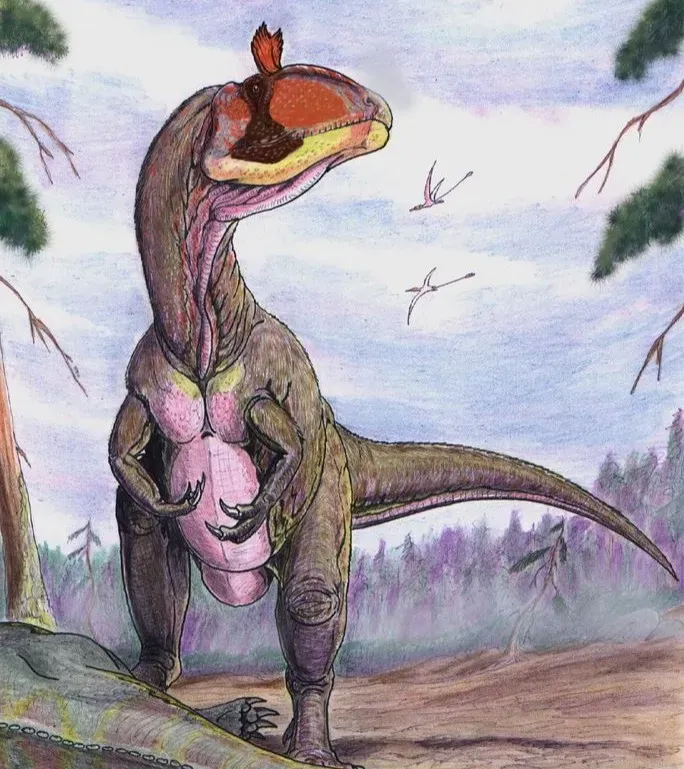
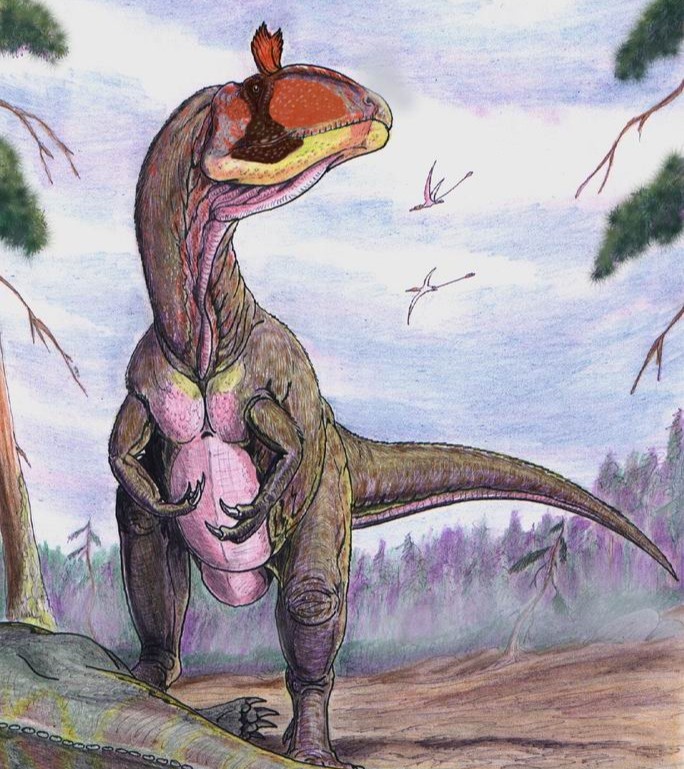
Antarctica probably feels like the last place you’d look for dinosaurs, yet that’s exactly where you meet Cryolophosaurus, a large predatory dinosaur from the Early Jurassic. You might assume any Antarctic dinosaur must have been living on a frozen wasteland, but back then the continent supported forests, milder temperatures, and abundant life because the global climate was warmer and the land had a different position and ocean circulation around it. Even so, it still dealt with long dark winters that would feel very alien to you.
If you could stand in that ancient landscape, you’d walk through polar forests where this crested meat‑eater was the dominant hunter, moving between stands of tall trees instead of ice fields. You’d feel the strange mix of plentiful summer daylight and extended winter gloom, conditions that would challenge any animal relying on sight to hunt. This dinosaur’s very existence shows you that the poles were not dinosaur‑free zones, just parts of their world that demanded special tolerance for extreme light and dark cycles.
Amargasaurus: The Spiny‑Necked Sauropod in Windy, Near‑Desert Plains
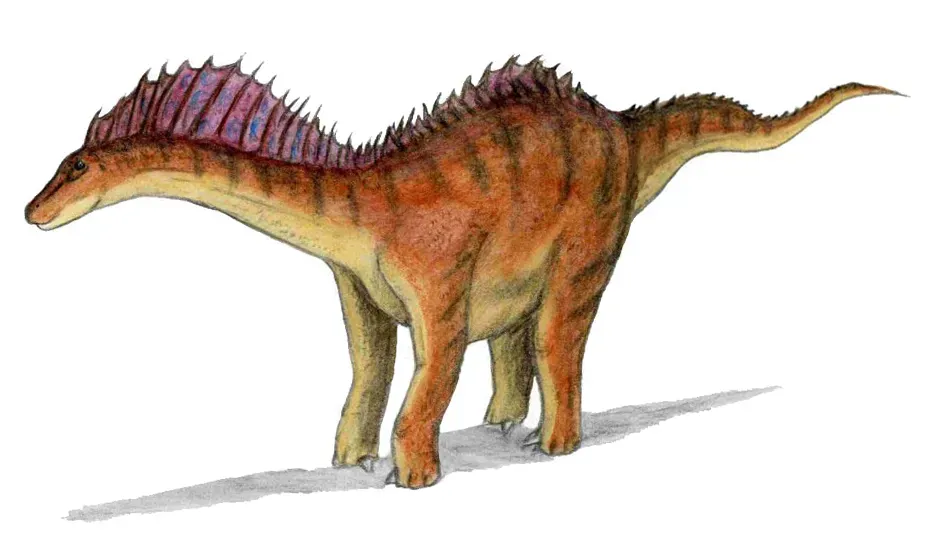
When you picture desert or semi‑desert habitats, you might think of smaller, tough animals clinging to survival, not a hulking plant‑eating dinosaur dragging a neck lined with spines. Amargasaurus, from what is now Argentina, lived in a landscape that was much drier and more open than the lush rainforests you usually associate with sauropods. The environment looked more like a mix of scrubland, river corridors, and windswept plains, with vegetation clustered near water rather than carpeting the whole region.
If you visited that world, you’d see this relatively small sauropod moving in areas where water and greenery were precious, perhaps following seasonal rivers like modern antelope or wild horses do. The double row of elongated spines along its neck might have supported skin sails or thick ligaments, and they would have stood out starkly against a stark sky. Its survival in such a setting reminds you that giant plant‑eaters were not limited to deep, wet jungles; they also made a living in harsher, more marginal lands.
Spinosaurus: An Aquatic Specialist in Ancient River Deltas
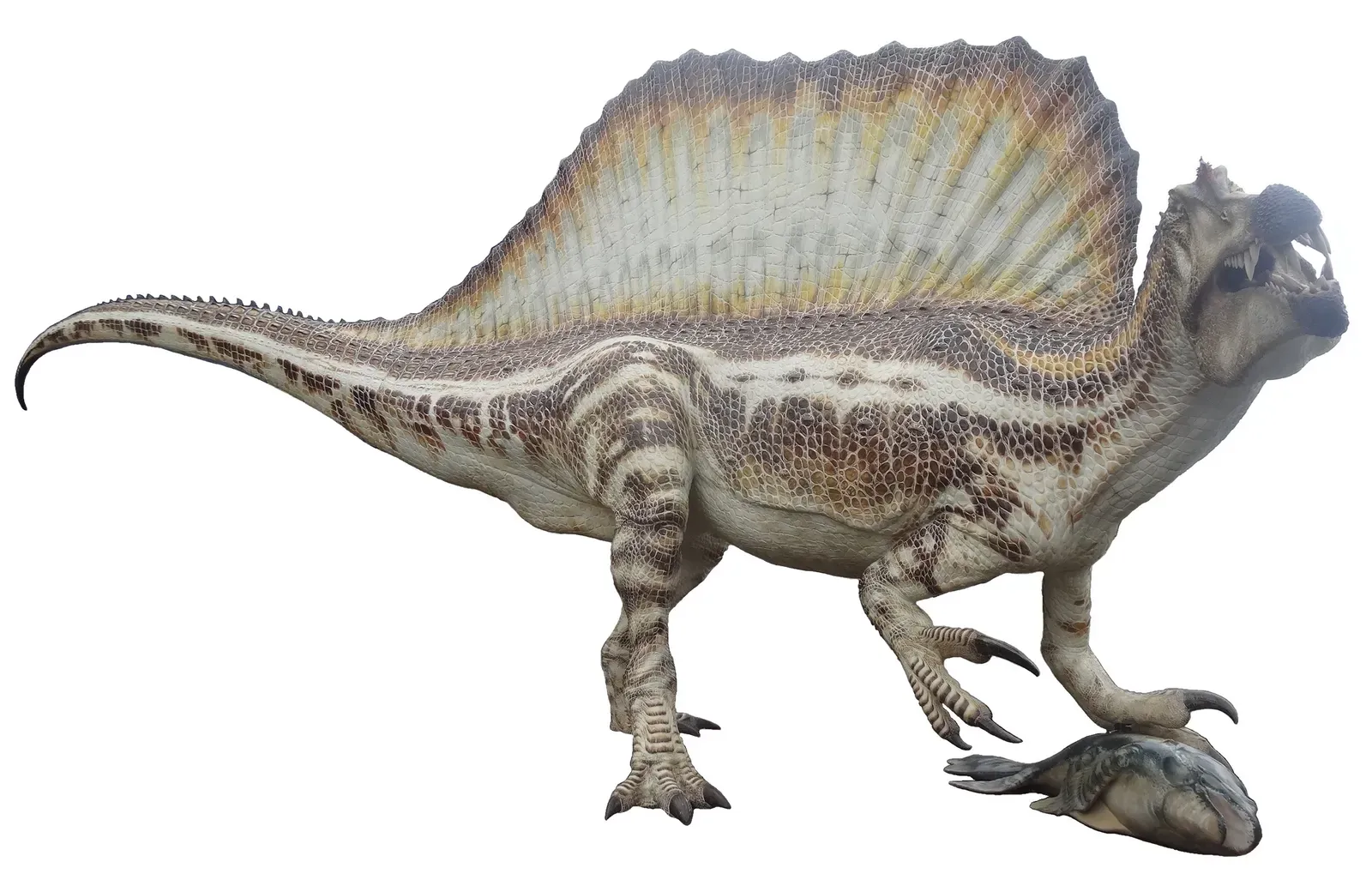
Most of the time, when you place theropod dinosaurs in your mind, you see them as land‑based hunters chasing down prey on dry ground. Spinosaurus, from what is now North Africa, breaks that pattern by showing strong adaptations for a semi‑aquatic life, living in broad river systems and swampy deltas that once crossed regions you now connect with baking desert. Fossils and anatomy hint that it spent much of its time in and around water, snapping at fish and other aquatic animals almost like a gigantic reptilian heron or crocodile analogue.
If you could watch it, you wouldn’t find this animal ruling dry dune seas; you’d find it wading through deep channels, swimming between sandbars, and lurking among submerged logs. Wide, flat claws, a long narrow snout full of conical teeth, and a center of mass that suited aquatic movement all point you toward a very different lifestyle from most big carnivores. This dinosaur shows you that some of the biggest predators on land actually preferred to spend much of their time off their feet and in the water.
Psittacosaurus: Parrot‑Beaked Dinosaurs in Volcanic Lake Districts
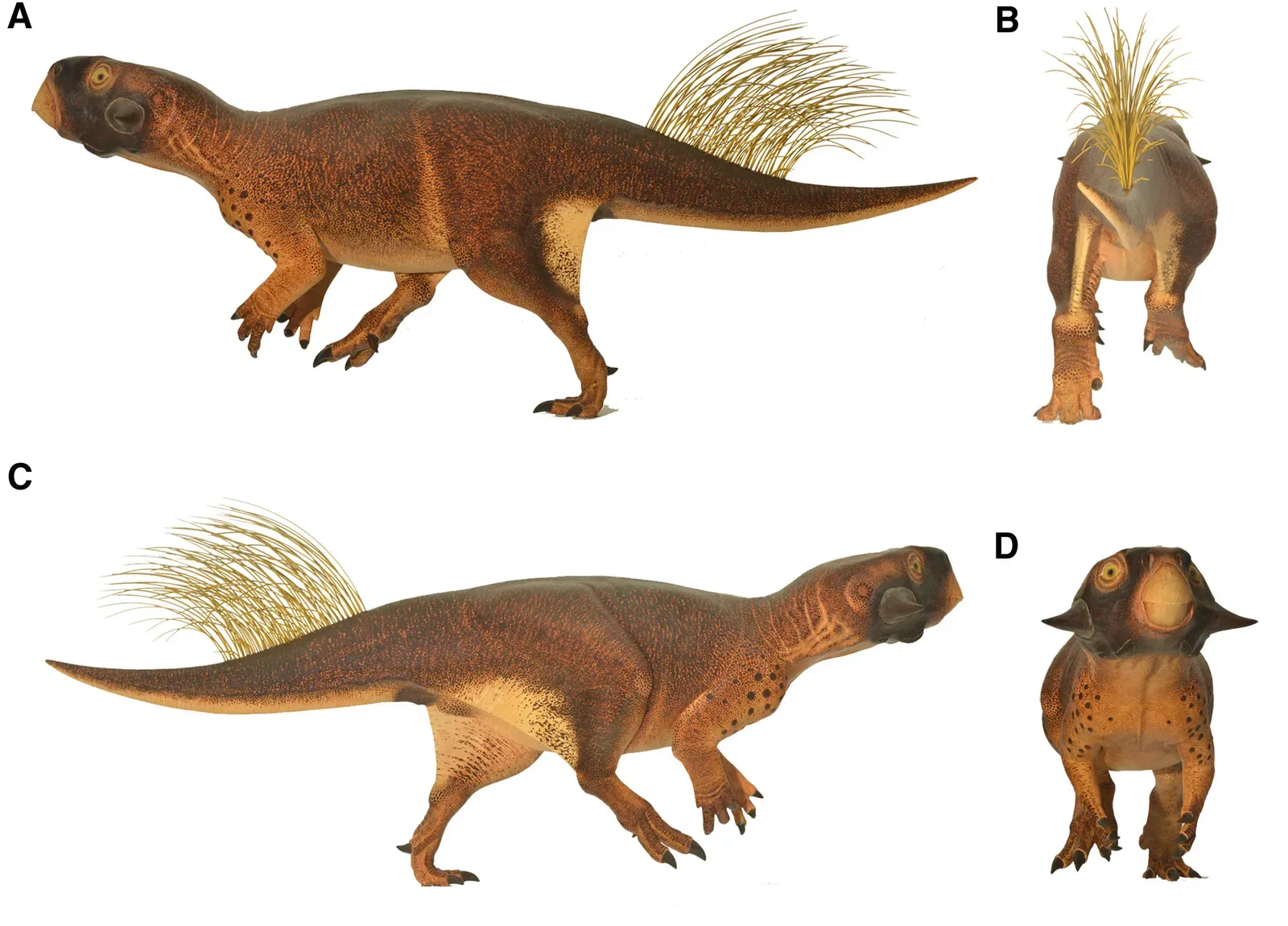
When you see the beaked, horned faces of ceratopsian dinosaurs in your head, you probably set them in open prairies or forest clearings grazing in herds. Psittacosaurus, a small, early member of that wider group, often turns up in ancient environments shaped by volcanoes, lakes, and ash‑rich sediments in what is now East Asia. The rocks that preserved it sometimes record catastrophic events, like sudden ashfalls or lake‑margin collapses, that trapped individuals and entire groups in fine detail.
If you walked through that region in its time, you’d find yourself in a patchwork of forests, clearings, and waterways, with volcanic activity in the distance constantly reshaping the terrain. You would see these small, parrot‑beaked dinosaurs scurrying under shrubs, foraging near lake edges, and perhaps darting between fallen logs dusted with ash. Their fossils remind you that dinosaur life did not always unfold in stable, gently rolling grasslands, but often in restless, geologically active landscapes that could turn deadly in an instant.
Theropods in What Is Now Downtown London: Urban Ground Beneath Your Feet
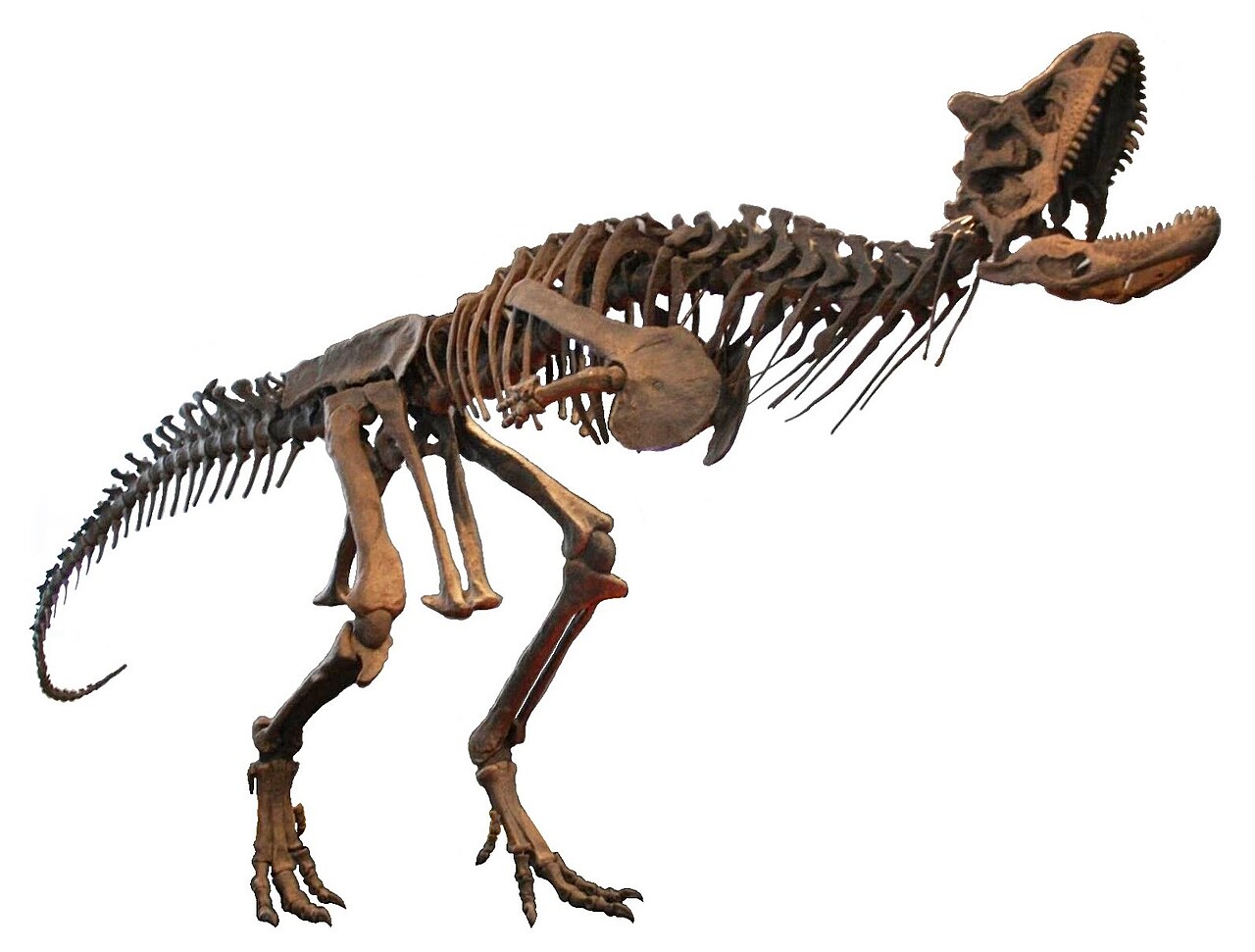
You might walk through a modern city like London and never suspect that the ground below your office towers and train stations once held carnivorous dinosaurs. Yet Cretaceous rocks beneath parts of southeastern England preserve footprints and remains from various theropods, including medium‑sized meat‑eaters that roamed coastal plains and river deltas. Where you now see glass and steel, you once would have found mudflats, tidal channels, and low‑lying wetlands filled with dinosaurs going about their daily lives.
If you strip away the skyline in your mind, you can imagine these predators leaving tracks as they stalked along soft shorelines, hunting smaller dinosaurs, fish, or anything else they could catch. The same sediment layers that recorded their steps later sank and were buried, eventually becoming the foundations for modern streets and buildings. Every time you cross a crowded intersection, you are unknowingly stepping over what used to be someone else’s hunting grounds.
Hadrosaurs in the American West’s Ancient Swamps and Bayous
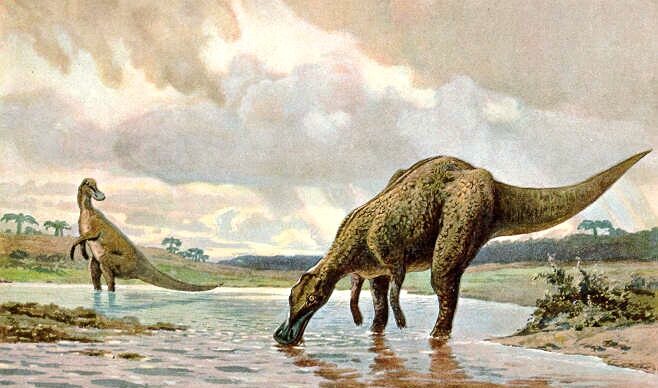
When you look at the dry, dramatic landscapes of the American West today, you see canyons, mesas, and sparse vegetation, not ancient swamps. But many hadrosaur, or duck‑billed dinosaur, fossils from places like Montana, Wyoming, and the Dakotas come from environments that once resembled vast river floodplains, wetlands, and coastal swamps. Instead of stone deserts, you’d be wading through humid lowlands with dense vegetation, insects buzzing, and water channels winding everywhere.
If you could visit that world, you would see herds of hadrosaurs moving along river margins, browsing on soft plants, and perhaps using water as a refuge from larger predators. The muds and sands deposited by those rivers later hardened into the rock layers you hike through today when you explore badlands and national parks. That contrast between today’s arid cliffs and yesterday’s lush wetlands reminds you how radically Earth’s surface can transform while still preserving the fossils of animals that once called those places home.
Conclusion: Dinosaurs Lived in a World More Familiar Than You Think
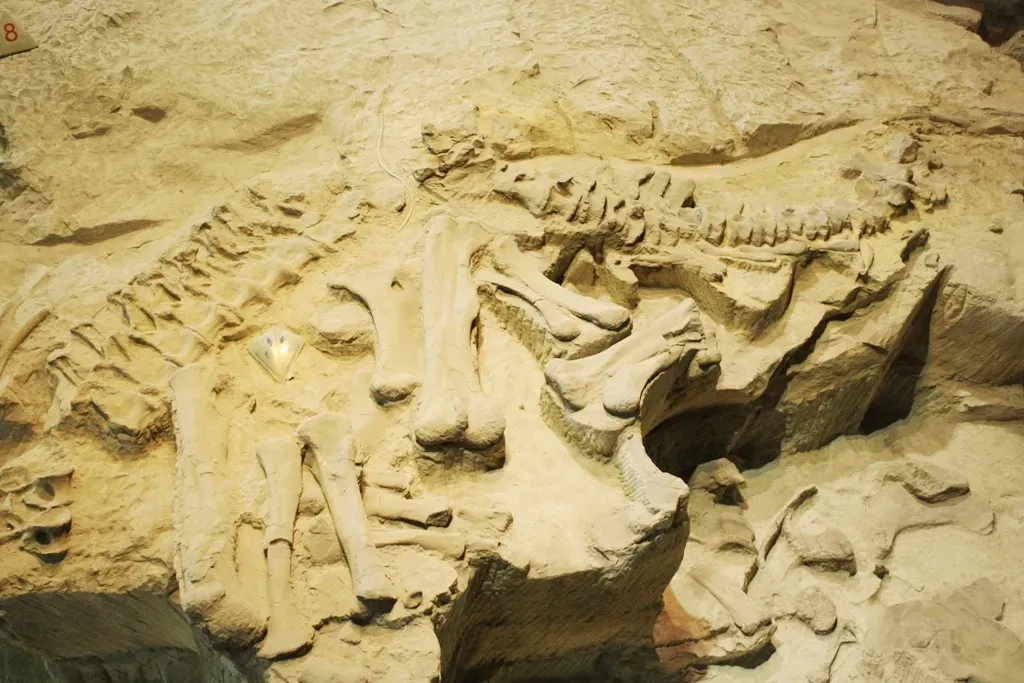
As you trace these dinosaurs across polar forests, volcanic lakes, river deltas, semi‑deserts, and the buried ground beneath cities, you start to realize something important: their world is not as alien to you as it first seems. Yes, continents were arranged differently and climates were often warmer, but the basic ingredients you know today – coastlines, mountains, wetlands, and seasonal extremes – were all there. Dinosaurs simply filled those spaces in ways you might not have guessed until the fossils spelled it out for you.
The next time you drive across a dry plateau, stand in a winter snowfield, or gaze up at skyscrapers, you can quietly imagine the dinosaurs that may have stood, walked, or hunted in that same spot millions of years ago. Their surprising locations show you that life is constantly adapting, pushing into every niche, and refusing to fit inside your expectations. When you picture the age of dinosaurs now, will you still see only steamy jungles – or will you let your imagination follow them into every unexpected corner of the planet?