
Most of us grew up believing science had already closed the case on Earth’s story: fossils lined up neatly from slime to sapiens, rock layers stacked like chapters in a book, geology quietly confirming the exact timeline we memorized for the test. That confidence feels good. It’s also not quite what you find once you actually start digging.
Talk to working paleontologists, geologists, and archaeologists long enough, and a different picture emerges – one full of quiet admissions, awkward gaps, and best-guess reconstructions standing in for hard proof. They’re not abandoning the big framework. But dig into the actual dirt, and you’ll find at least 20 places where the confident textbook story runs way ahead of what’s physically sitting in the ground. Here’s what they don’t put in the diagrams.
#20 – A Perfectly Continuous Fossil Record of Life
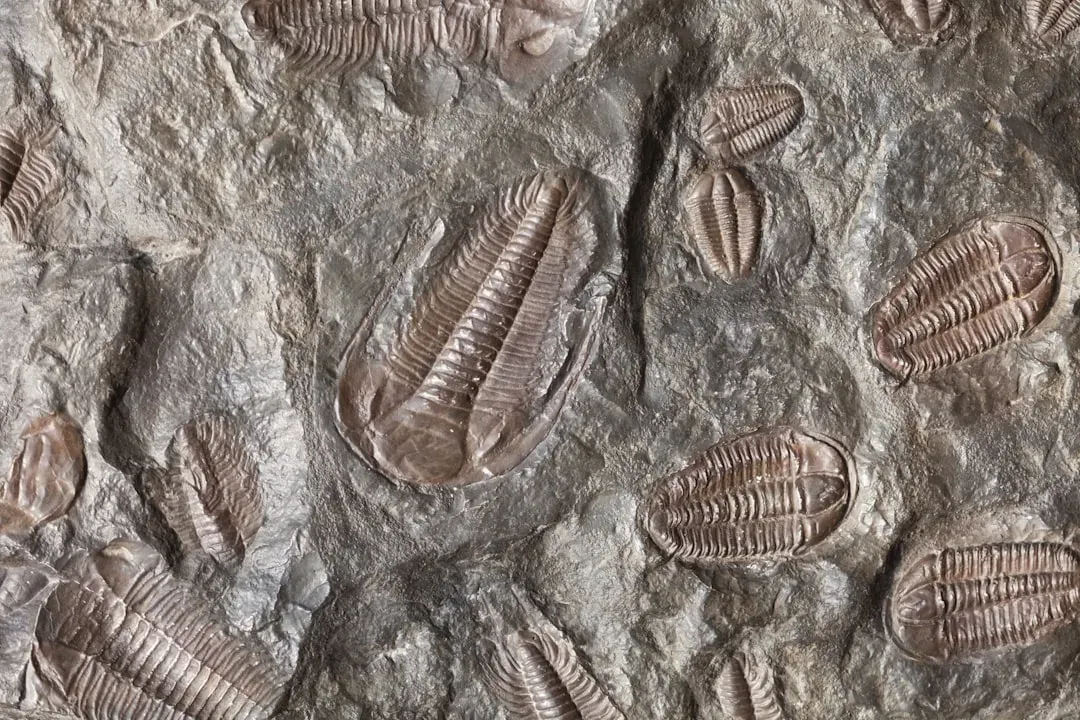
Picture a movie of life on Earth with every frame intact – from the first cell to the last dinosaur to you reading this sentence. That’s the image school gives you. It isn’t what’s actually preserved in rock.
Paleontologists will tell you plainly: the fossil record is riddled with holes. Whole ecosystems vanish without a trace. Entire branches of the tree of life leave nothing behind but silence in the sediment.
The “fish to philosopher” progression sold in textbooks skips over the fact that fossil-bearing layers are patchy and biased. They favor creatures with shells or bones, living in shallow seas where sediment piles up fast. Soft-bodied animals, tropical forests, high mountain ecosystems? Mostly gone, dissolved by time before they ever had a chance to become stone.
What scientists actually do is stitch scattered snapshots into a coherent story – not assemble a frame-by-frame film. That’s honest work. It’s just not the seamless record most people assume is sitting in a museum drawer somewhere. But that’s nothing compared to what we found about #19…
Fast Facts
- Estimates suggest fewer than 1% of species that ever lived left any recognizable fossil trace.
- Soft-bodied organisms almost never fossilize outside rare, oxygen-poor “conservation” sites.
- Most named fossil species come from shallow marine environments, not land.
- Single rock layers can hide gaps spanning millions of missing years.
#19 – A Simple, Linear “Ladder” of Human Evolution
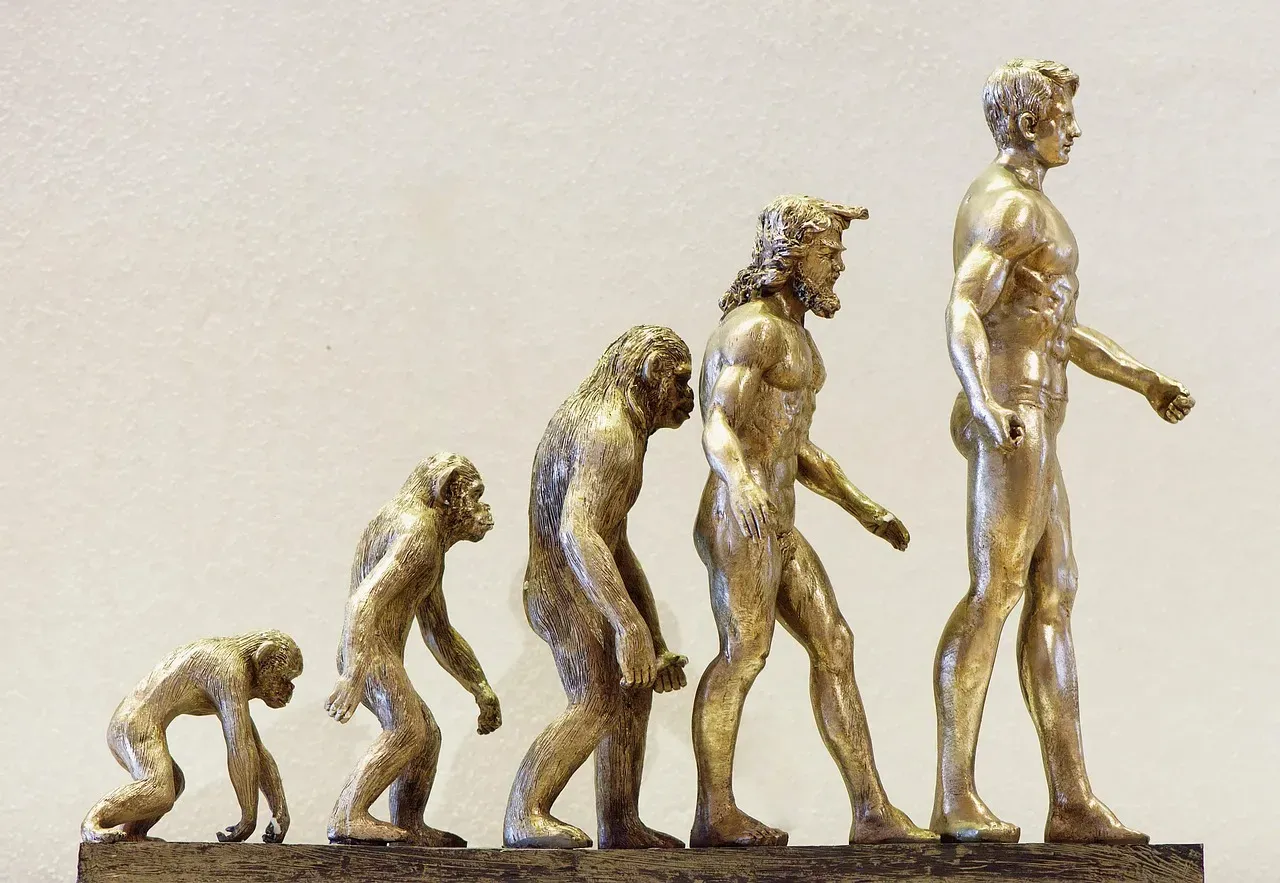
The classic chart – ape-like figure on the left, upright modern human on the right – looks clean and authoritative. The rocks tell a far messier story.
In the sediments that preserve early human fossils, there is no tidy ladder. There are overlapping species, branching lineages, and long unexplained gaps. Multiple hominin species coexisted, vanished, and reappeared with no clear ancestor sitting neatly in between.
Even the origin of Homo sapiens isn’t marked by one obvious “missing link” skeleton. Researchers argue over fragmentary skulls, partial jaws, and scattered teeth – and much of the tidy narrative is interpretation stacked on top of limited material.
Scientists now talk about a tangled bush, not a ladder. It’s a more honest picture, but a much less Instagram-friendly one. Wait until you see what #18 reveals…
#18 – A Global, Uniform “Textbook” Geological Column
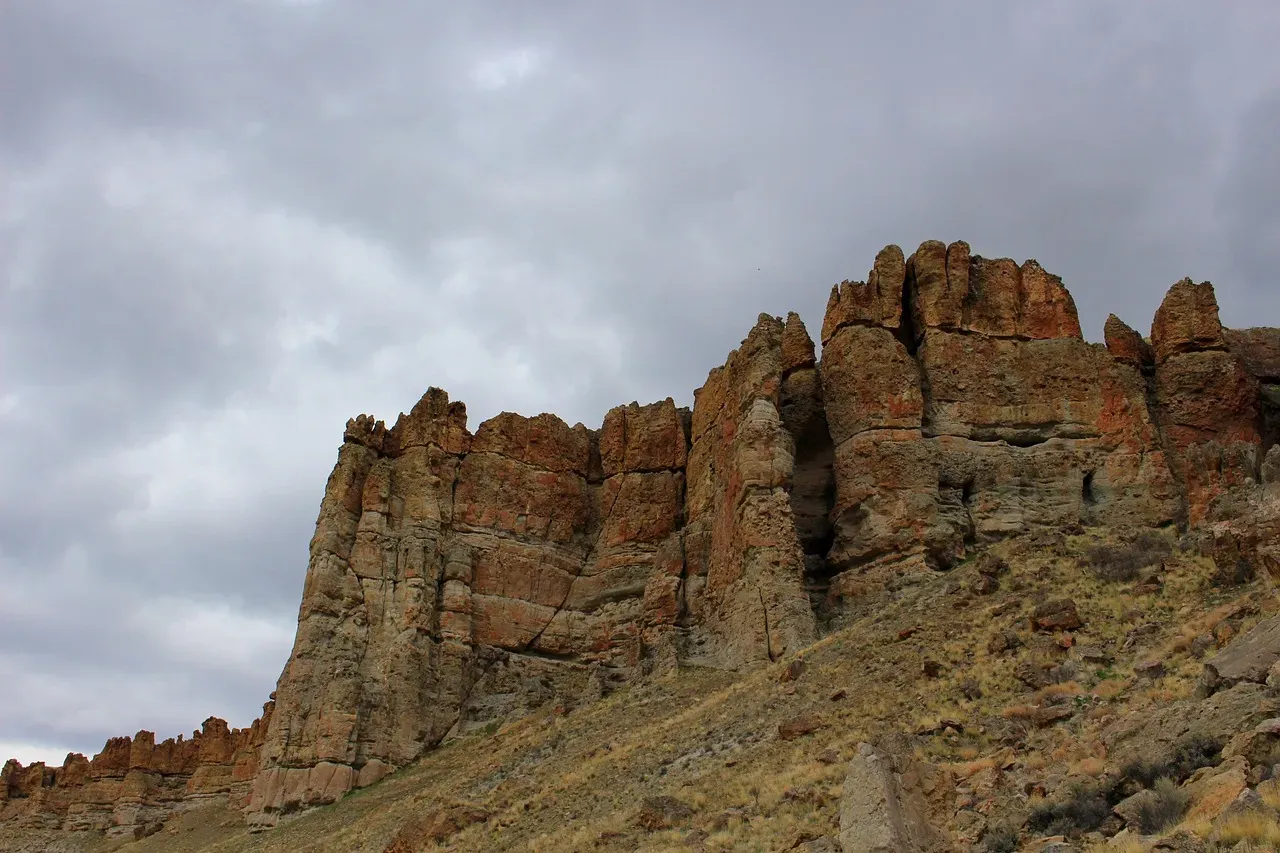
Open any science book and you’ll see one stacked diagram: Cambrian, Ordovician, Devonian, all the way up, as if every square mile of Earth holds that full pile of rock.
It doesn’t. Geologists will tell you plainly that no single location on Earth contains the entire textbook column exactly as drawn. The “standard” version is a composite, assembled from dozens of sites scattered across continents.
Real outcrops look more like Swiss cheese. Layers are missing, folded, faulted, or simply never deposited there at all. Massive unconformities – gaps representing millions of missing years – separate units that sit neatly stacked in the famous diagram, as if nothing happened between them.
You can’t drill straight down anywhere and read Earth’s whole history like a library shelf. Fieldwork is a jigsaw puzzle with huge missing pieces, held together by correlation and educated guesswork. That’s unsettling enough. #17 goes even further…
#17 – Direct Fossil Evidence for Every Major Evolutionary Transition
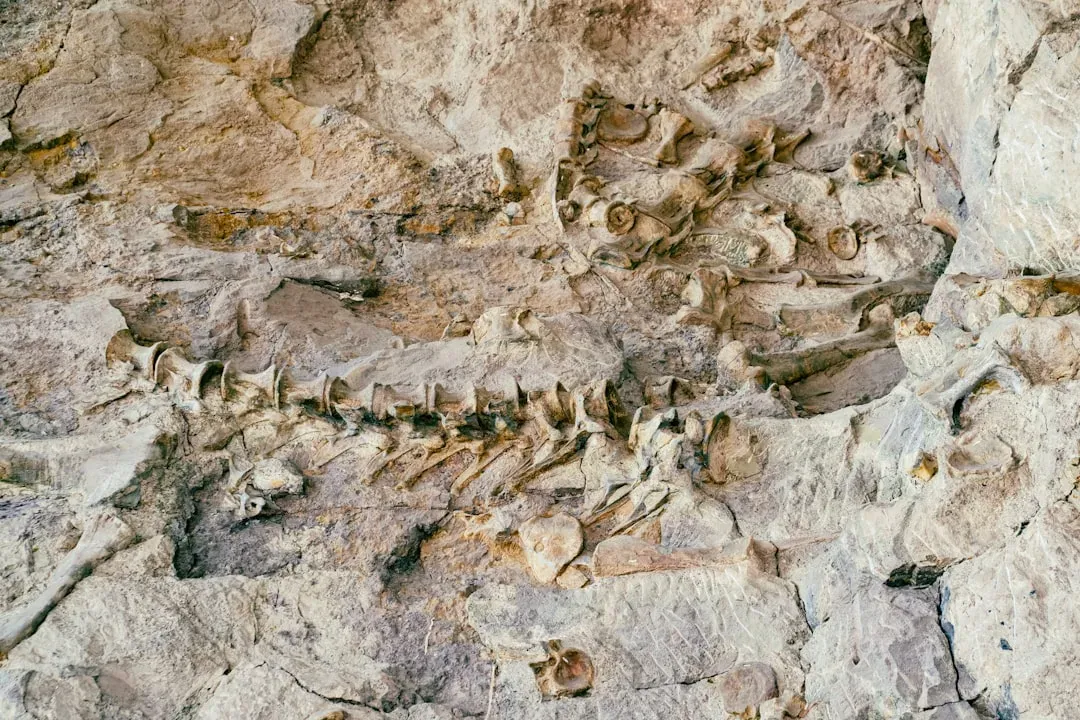
People hear “we have fossils documenting evolution” and assume every big leap – fins to feet, reptiles to birds, land mammals to whales – comes with a long, detailed film strip of intermediates. It isn’t that simple.
Transitional fossils absolutely exist. But for many of the most famous shifts, the rock record hands us scattered snapshots, not gradual step-by-step sequences. Huge anatomical leaps often get compressed into surprisingly tiny windows of fossil time, especially for soft-bodied or fragile creatures where the record goes almost silent.
The extreme rarity of transitional forms in the fossil record persists as the trade secret of paleontology.
Stephen Jay Gould
Researchers fill the gaps with comparative anatomy, genetics, and modeling – and that’s legitimate science. It’s just not the same as holding every intermediate stage in your hand as an actual fossil, and the public rarely hears that distinction spelled out. Yet #16 takes it a step darker…
#16 – A Fully Preserved Record of Earth’s Earliest Life
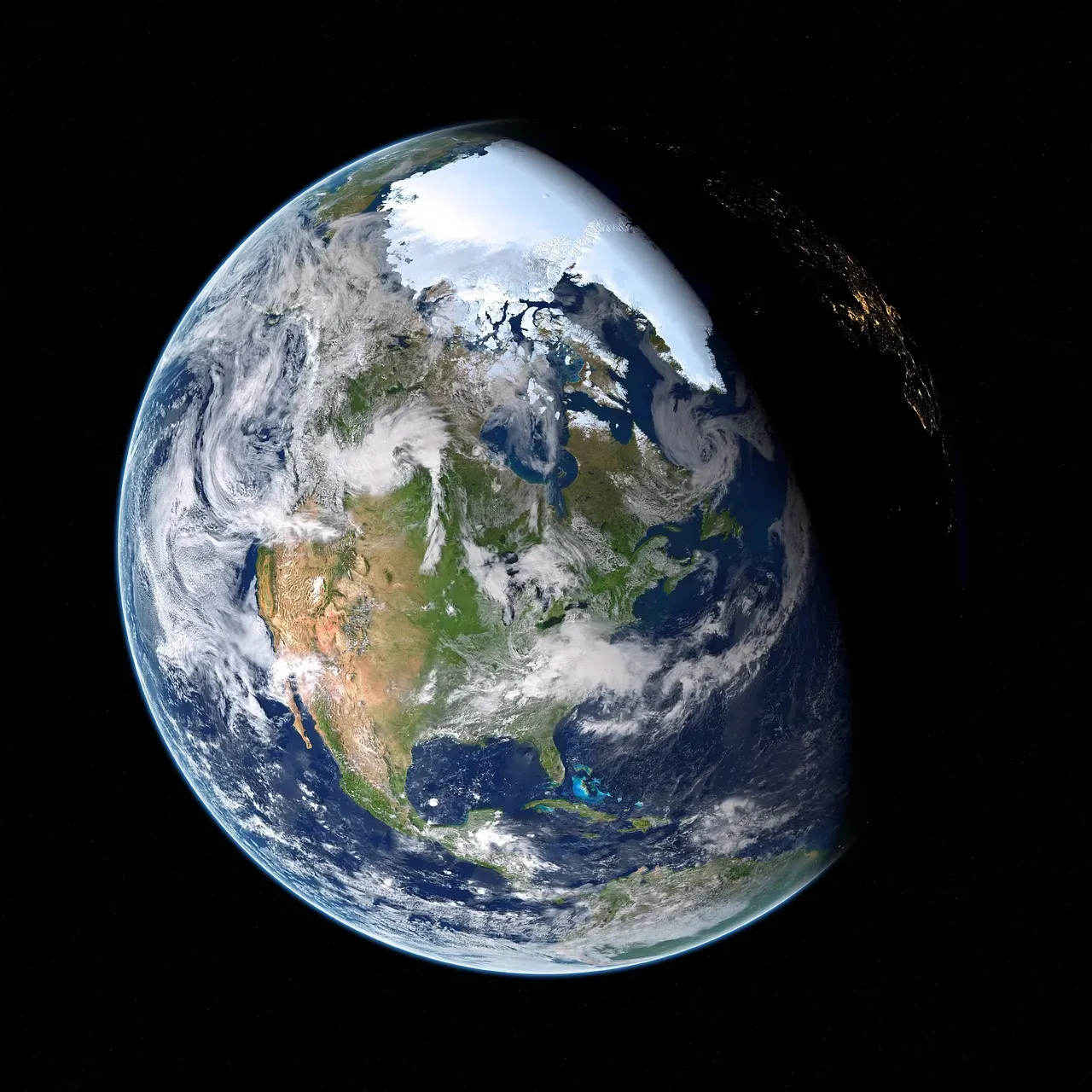
Textbooks confidently show life starting in ancient oceans over 3.5 billion years ago, as if we know the exact scene. The sediments say otherwise.
The deeper you go into Earth’s history, the scarcer and more ambiguous the evidence gets. Early “microfossils” are often little more than tiny structures that might be biological, or might not be. Some proposed oldest fossils have since been reinterpreted as purely chemical or mineral artifacts, formed with no life involved at all.
Stromatolites – layered structures thought to be built by microbes – are hotly debated in the oldest rocks, because non-living processes can mimic the same patterns. Scientists can’t point to a continuous, unambiguously biological record documenting life’s first appearance.
Instead, much of the story rests on chemical clues like carbon isotope ratios – suggestive, but not something you can photograph the way you’d photograph a shell. The origin of life is still largely inferred, not directly preserved. Hold that thought, because #15 is worse…
#15 – A Single, Simple Cause for Every Mass Extinction
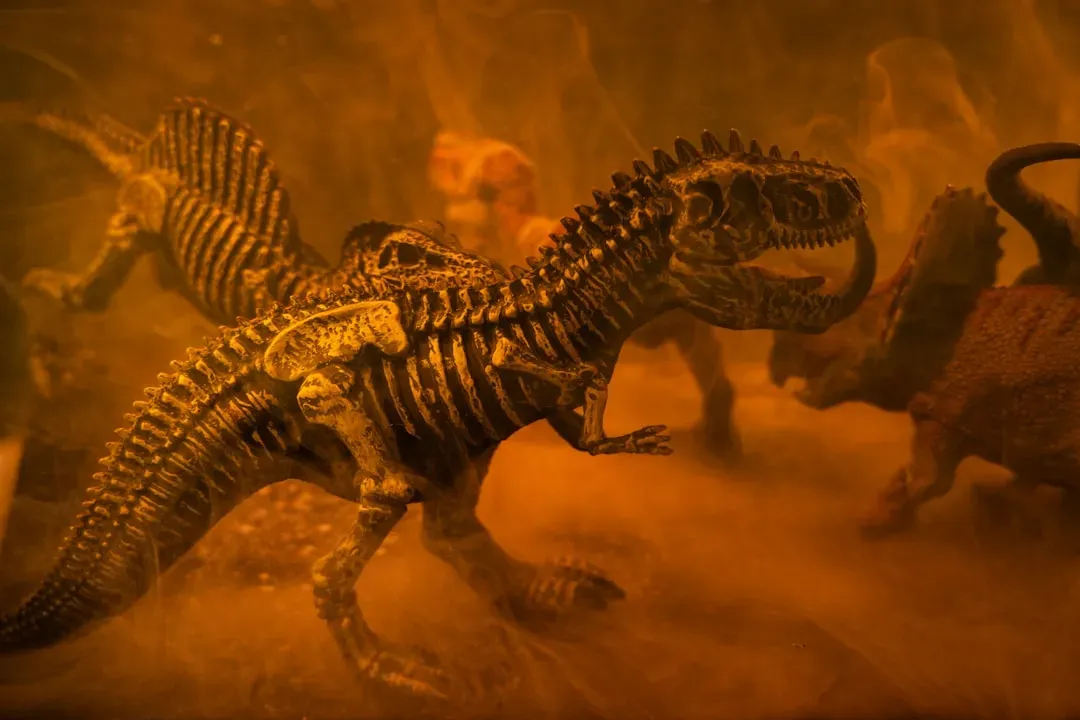
You’ve heard the headlines: dinosaurs died because of one big asteroid, other die-offs came from massive volcanoes. Clean, decisive, easy to remember. The rocks tell a messier story.
For several of the “Big Five” extinctions, the sedimentary record shows multiple overlapping stressors rather than a single clean trigger. Asteroid impacts, huge volcanic eruptions, sea-level swings, and climate shifts often cluster within the same broad window of time.
Fossil layers reveal staggered die-offs, regional differences, and species that survive far longer than simple models predict. In some cases, the “smoking gun” crater or lava flow doesn’t line up as neatly with the fossil disappearances as the infographics suggest.
For events like the Late Devonian or end-Triassic extinctions, no single mechanism is fully supported by the ground evidence alone. The dirt doesn’t hand us a one-sentence explanation, no matter how satisfying that sentence would be. Still, nothing prepares you for #14…
At a Glance
- End-Ordovician (~443 million years ago): tied to glaciation and dramatic sea-level swings.
- Late Devonian (~372 million years ago): staggered die-offs with no single agreed trigger.
- End-Permian (~252 million years ago): the largest known extinction, linked to massive volcanism.
- End-Triassic (~201 million years ago): overlapping volcanic and climate stress.
- End-Cretaceous (~66 million years ago): asteroid impact layered on long-term volcanic activity.
#14 – A Rock-Solid, Lab-Proven Origin of Life Scenario
People assume scientists already have a favorite “origin of life” experiment that basically solved the mystery – warm ponds, hydrothermal vents, primordial soup, case closed. They haven’t.
Look for actual geological evidence of how life started and there’s almost nothing direct in the ground. No fossil protocells. No preserved ancient RNA strands. No rock formation that clearly captures the first self-replicating system in the act.
What we have instead are plausible modern analogues and lab experiments that produce some biological building blocks under controlled conditions. The exact ingredients, concentrations, and sequence of steps on early Earth are still debated and largely speculative.
No single scenario can yet be traced from the lab bench back to a specific rock formation that proves “it happened this way, here.” The field is serious and thriving – it just hasn’t gotten its definitive answer from the ground yet. Compare that to #13, and the pattern gets stranger…
#13 – A Clean, One-Direction Story of Climate Change in Deep Time
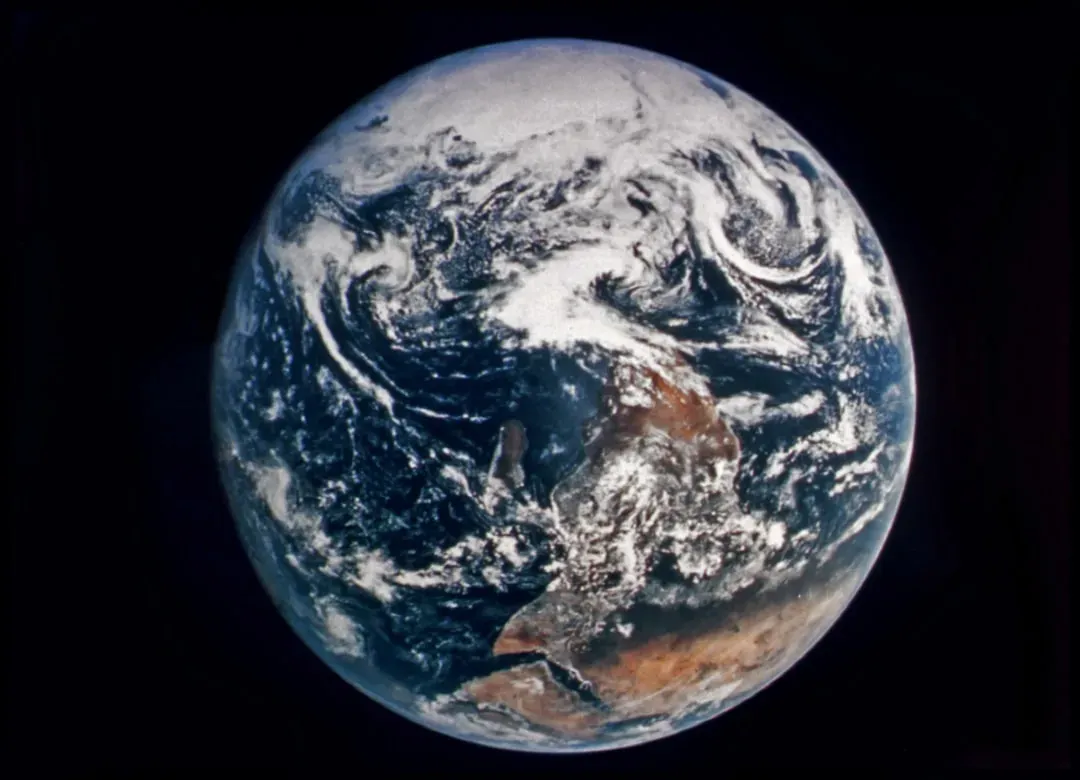
CO2 goes up, temperature goes up, ice melts, ecosystems shift. That broad pattern is real. But the sedimentary record is full of exceptions nobody puts on the poster.
Ice cores, marine sediments, and ancient soils preserve abrupt swings, regional contradictions, and unexplained lags. There are stretches when CO2 runs high but certain regions stay strangely cool, and moments when temperature spikes faster than known forcings can comfortably explain.
Some ancient abrupt warming events leave sharp fingerprints in ocean mud, yet their exact triggers and feedback chains are still argued over. Scientists now lean on complex, tangled feedbacks – ocean circulation, vegetation, methane, aerosols – rather than one tidy cause-and-effect line.
The big picture holds up. The fine details, the ones textbooks flatten into a single smooth curve, are often murkier than advertised. But #12 might be the most overlooked gap of all…
#12 – A Fully Mapped Underground Water System
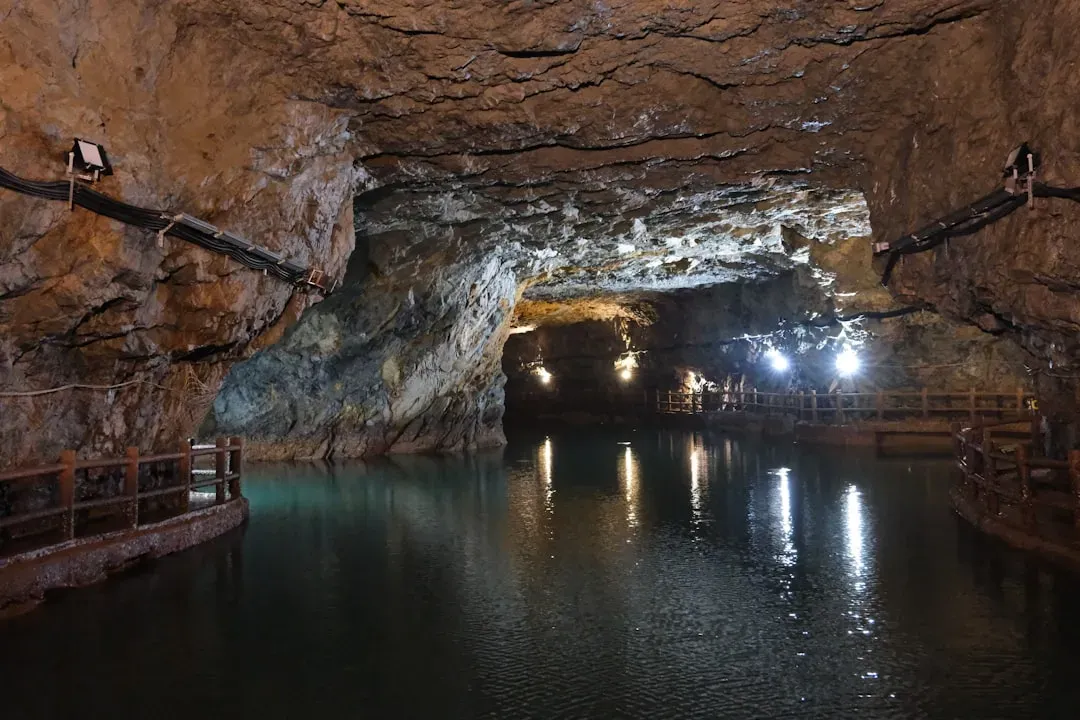
Most people picture groundwater as a hidden lake, fully charted, sitting neatly beneath the soil. In reality, what’s under our feet is largely invisible and sampled in tiny pockets.
Hydrogeologists rely on wells, boreholes, and a handful of cross-sections to guess at the shape, volume, and flow of aquifers. Even in wealthy, heavily developed countries, vast regions have never been drilled deeply enough to know for sure.
Aquifers can be compartmentalized, fractured, or cut off in ways nobody discovers until something breaks – a well suddenly running dry, contamination spreading in a direction no one predicted. Ancient groundwater, tens of thousands of years old, can sit completely undocumented until a project happens to punch into it.
There is no complete, high-resolution map of global groundwater. When someone confidently tells you exactly how many years a region’s water supply has left, that number usually comes from sparse drilling data, not a fully surveyed reservoir. Then there’s #11, which flips the script entirely…
#11 – A Detailed, Layer-by-Layer Record of Every Major Erosion Event
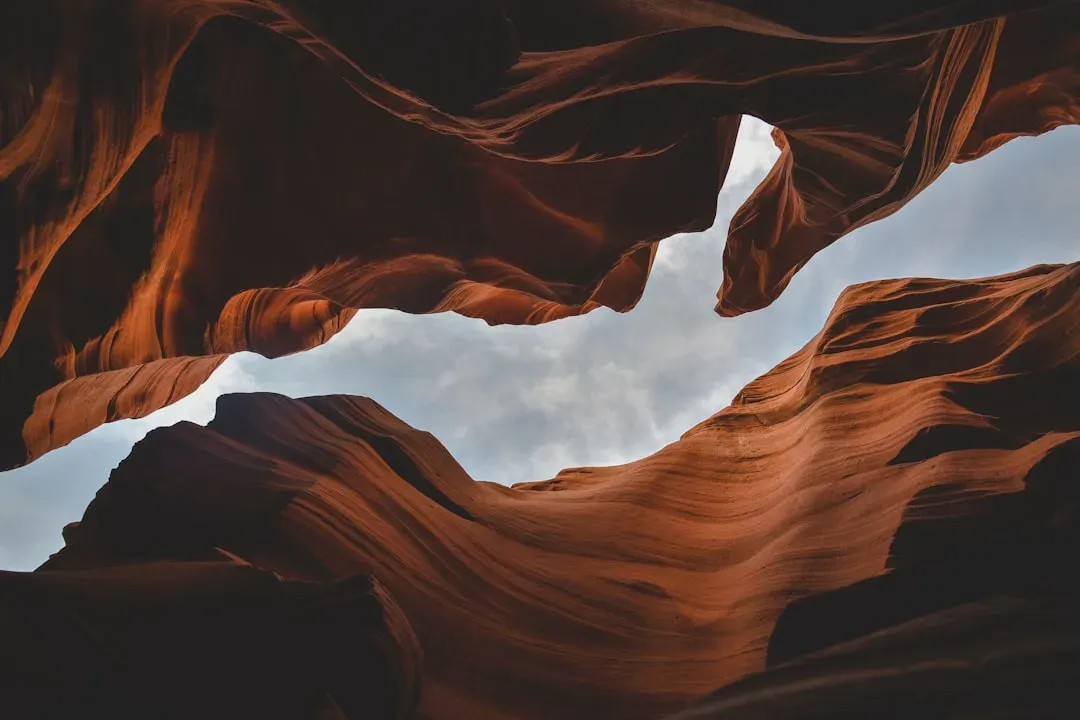
We talk about canyons “carved” over millions of years as if we watched every step. But erosion, by definition, destroys its own evidence – the rocks mostly record what stayed, not what left.
Geologists reconstruct erosion histories from indirect clues: unconformities, sediment piles far downstream, and stranded terraces. The exact timing, rate, and pattern of many famous erosion events remain poorly pinned down.
In some regions, you genuinely can’t tell whether a canyon deepened gradually or through sudden, violent bursts of flooding and uplift, because the downstream sediment record is incomplete or scrambled. Even at the Grand Canyon, arguments continue about when different segments formed and how fast.
The story of slow, steady carving is partly an interpretive preference, not a continuous film the ground actually recorded. None of that matches what’s waiting at #10…
#10 – A Clear, Unbroken Magnetic Reversal Record Linked to Specific Events
Earth’s magnetic field has flipped many times, and lava flows freeze those directions in place. That sounds like an objective, continuous tape of planetary behavior. It isn’t.
Paleomagnetic records come from scattered volcanic rocks and sediments, with huge temporal and spatial gaps in between. Many reversals are recognized, but their exact durations, global timing, and links to extinctions or climate shifts remain fuzzy.
Conflicting signals from different rock cores sometimes can’t be reconciled at all, and data simply don’t exist for vast stretches of oceanic crust that have long since been swallowed back into the mantle.
Scientists have built a detailed geomagnetic timescale, but it’s stitched together from many partial archives. Claims that a specific extinction lines up perfectly with a specific reversal often outrun what the rock record can actually prove. But #9 cuts even closer to the bone…
#9 – Direct Fossil Evidence for Consciousness or Complex Behavior
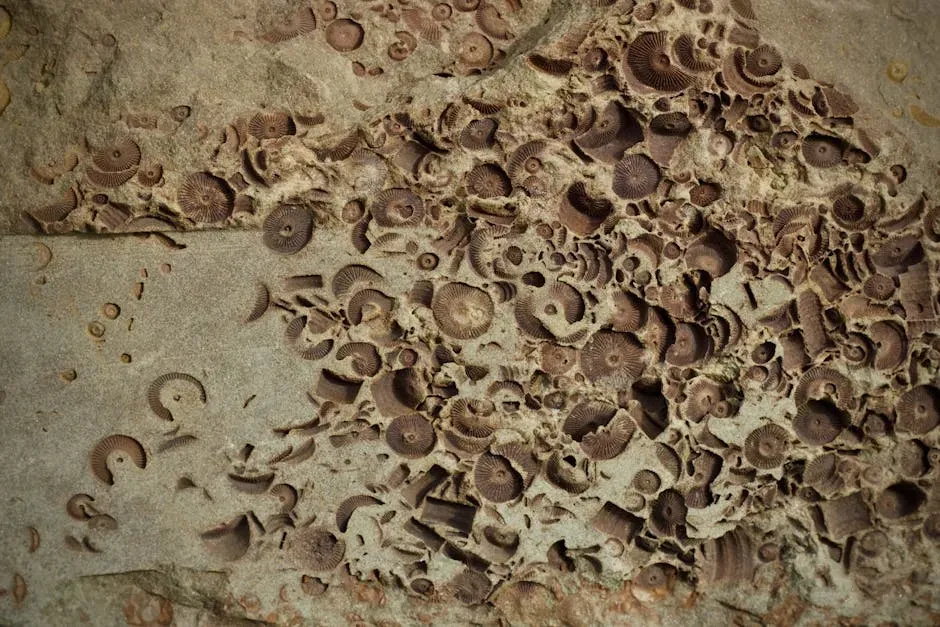
People talk about “smart dinosaurs,” “social trilobites,” or “problem-solving early humans” as if the fossils show behavior directly. They don’t – not even close.
What we dig up are bones, shells, trackways, sometimes burrows. These can hint at movement patterns or group living, but they tell us almost nothing about subjective experience. Brain impressions in skulls suggest size and structure, but intelligence was never simply a matter of volume.
Even with early humans, stone tools in the ground don’t record language, culture, or inner life. They show capability, not consciousness – and every scientist walking that line has to be careful not to sound either dull or fictional.
The rocks support certain minimum behavioral inferences. Grand claims about feelings, minds, or levels of awareness go well beyond what fossils alone can justify. Then #8 shows just how much erasure has happened…
Worth Knowing
- Fossils can preserve bone shape, brain-case volume, and occasionally skin or feather impressions.
- They cannot preserve thought, emotion, language, or subjective awareness.
- Brain size alone is a poor stand-in for intelligence, even in living animals.
- Stone tools show capability and planning – not proof of inner experience.
#8 – A Complete Record of Ancient Catastrophic Events
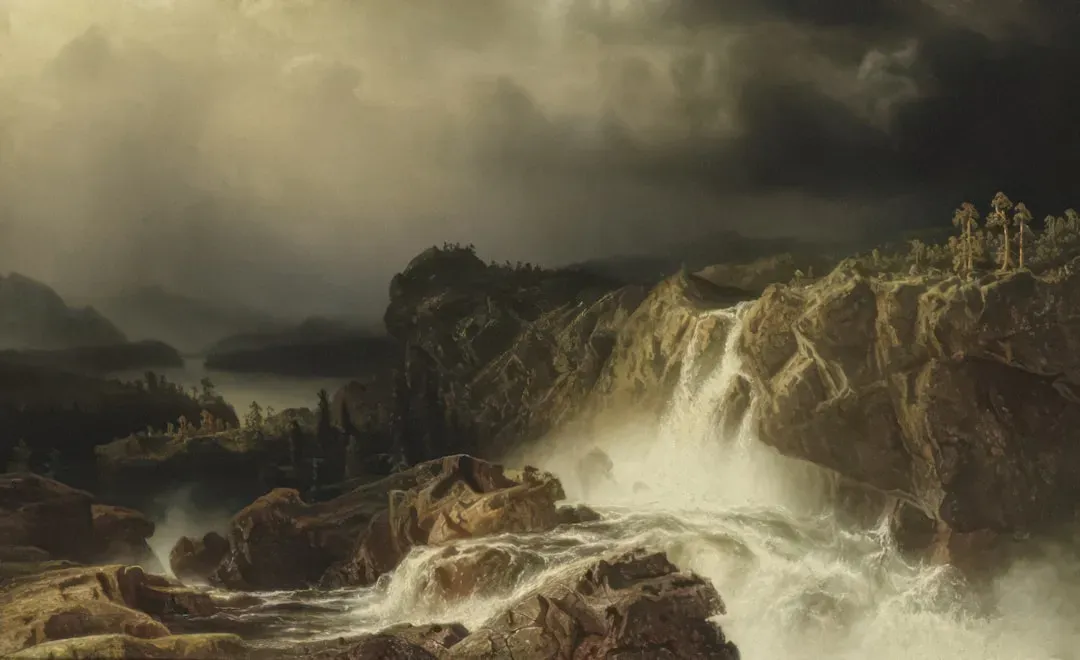
We love stories of ancient super-tsunamis, mega-earthquakes, and continent-spanning floods. Some are real. The sedimentary record is not, however, an exhaustive catalog of them.
Catastrophic deposits – tsunami sands, megaflood gravels – are often patchy, reworked, or erased by later processes. One major storm layer can look almost identical to another, making them nearly impossible to tell apart.
In deep time, many catastrophic outbursts – glacial lake failures, sudden dam breaks – may have happened with little or no distinctive sediment surviving, especially in erosive or tectonically restless regions. A single preserved flood layer can quietly stand in for what might have been dozens of similar or larger events that left nothing behind at all.
Absence of evidence in the ground doesn’t prove absence of catastrophe. It mostly reflects how easily violent events erase their own fingerprints. Still, #7 might be the hardest pill to swallow…
#7 – Direct Fossil Evidence for the Exact Timing of Key Human Traits
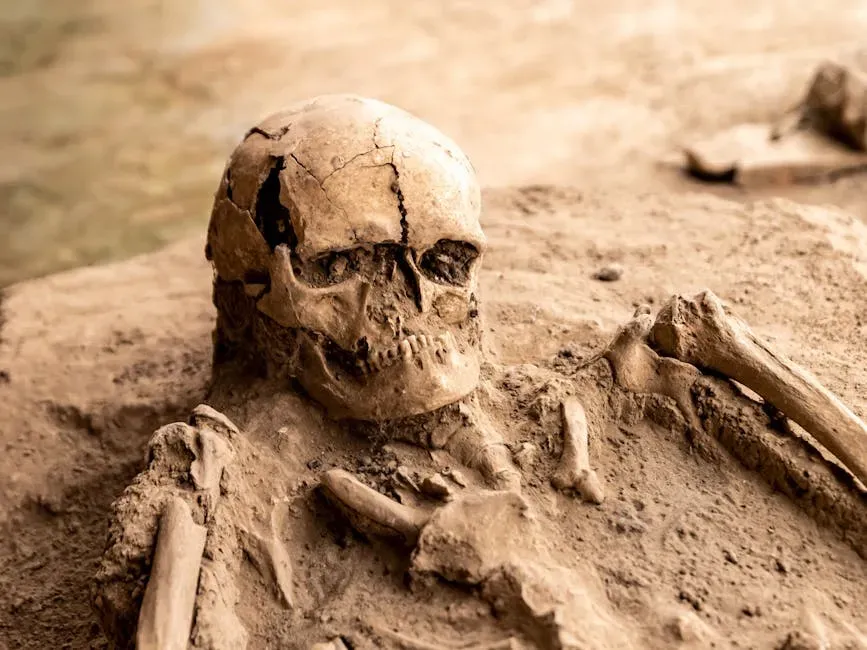
We talk about “the moment” humans started using language, religion, or symbolic art like it’s a date circled on a calendar. The ground doesn’t give timestamps that precise.
Archaeological layers hold tools, pigments, carvings, and remnants of structures. They reveal that certain behaviors existed by a given time – not exactly when they first appeared. The oldest known cave paintings or burials only mark the oldest examples we’ve happened to find, not the true birth of art or ritual.
Earlier instances could easily have existed on wood, skin, or sand – materials that vanished completely, leaving nothing for anyone to dig up thousands of years later. Even “modern” skull shape doesn’t guarantee modern cognition the way we experience it.
Nobody can pull a fully formed language or belief system out of bones in the dirt. “Humans became fully modern at date X” is an interpretation built on sparse, biased data points – not a continuous archaeological record. But #6 turns the whole “progress” story on its head…
#6 – A Simple “From Simple to Complex” Progression Everywhere You Look
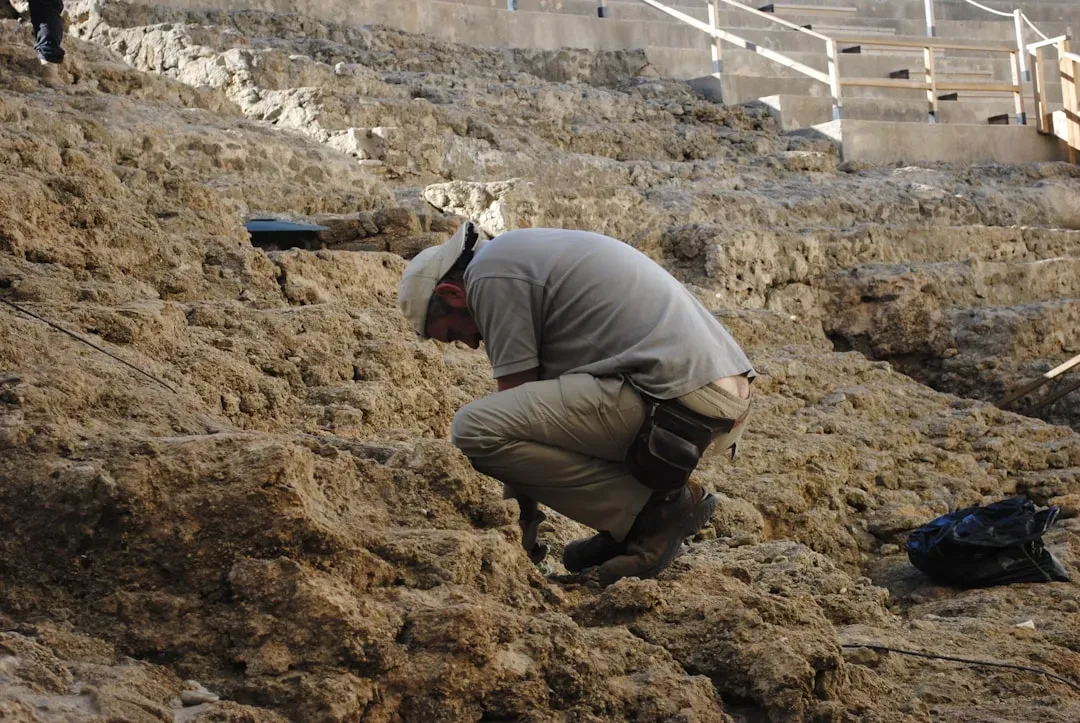
There’s a comforting idea that the deeper you dig, the simpler life gets, and the shallower you go, the more complex everything becomes. Actual stratigraphy refuses to cooperate with that story.
Some deposits show high ecological complexity showing up abruptly, like the Cambrian explosion, where diverse body plans appear in the fossil record with few obvious ancestors below them. Other layers show simplified communities lingering for long stretches after mass extinctions.
Environments swing between complexity and simplicity more than once, driven by local conditions rather than any universal march of progress. Microbial ecosystems – genetically and metabolically staggering in their complexity – dominate most of Earth’s history while leaving barely a trace behind.
The rocks are full of stops, starts, explosions, collapses, and long plateaus – not a tidy one-way climb from blob to human. Yet #5 shows even the calendar isn’t as solid as advertised…
#5 – A Definitive, Ground-Based Dating for Every Major Geological Boundary
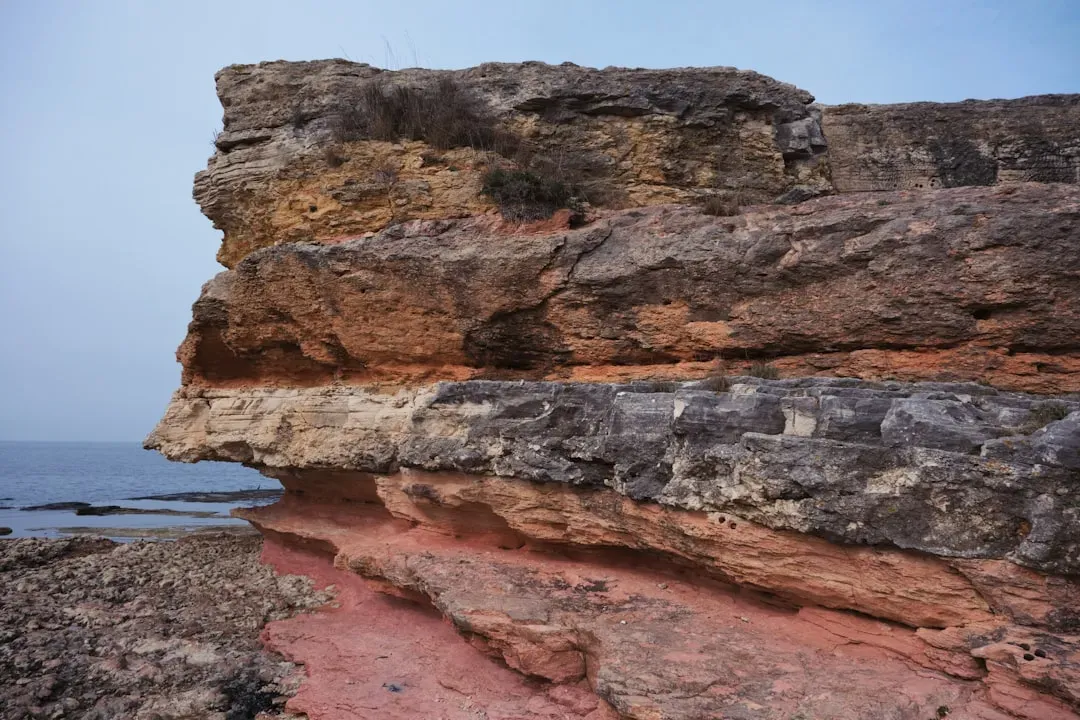
Most people assume every geological boundary is nailed down to a specific year, or at least a tight range. It isn’t.
Radiometric dating, fossil correlation, and magnetostratigraphy together give impressive but imperfect age estimates. Key layers needed for dating are often missing, metamorphosed, or contaminated exactly where you’d want them most.
Ash beds suitable for radiometric dating may simply be absent near the transition scientists actually care about, forcing them to interpolate from more distant dated horizons. For some famous boundaries, different dating methods return slightly conflicting ages with real uncertainty attached.
The official timescale keeps updating as new data arrive – that’s science working as intended. But the idea that every line on the chart is pinned to a precise, universally agreed date is more myth than reality. Then #4 takes on your favorite dinosaur documentary…
#4 – Fossil Evidence That Cleanly Supports Every Popular Dinosaur Story
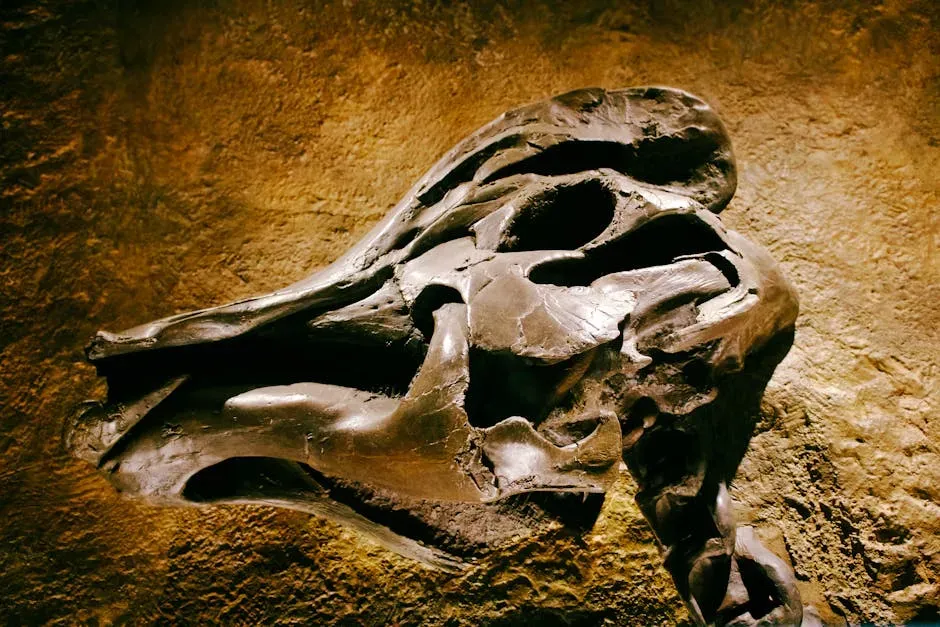
Dinosaurs have become pop-culture celebrities, each with a personality: this one hunted in packs, that one nurtured its young, another roared like a lion. The fossils themselves are far more tight-lipped.
Bones can hint at muscle attachment, posture, sometimes growth rates. Nests and trackways can suggest parental care or group movement. But many of the dramatic behaviors in documentaries – specific hunting tactics, precise social structures, even colors and sounds – are educated guesswork layered on top of limited physical remains.
Soft tissue, vocal organs, and full skin patterns almost never survive fossilization. Feathered dinosaurs are real, but their exact hues and patterns are mostly inferred from rare preserved microstructures in a handful of specimens.
Paleontologists are usually careful in their papers, but the public walks away believing there’s direct fossil evidence for cinematic scenes that never happened in front of any lab or camera. The rocks support broad plausibilities, not frame-by-frame biographies. But #3 dismantles a story taught in nearly every classroom…
#3 – A Geologically Proven Single “Cradle of Civilization”
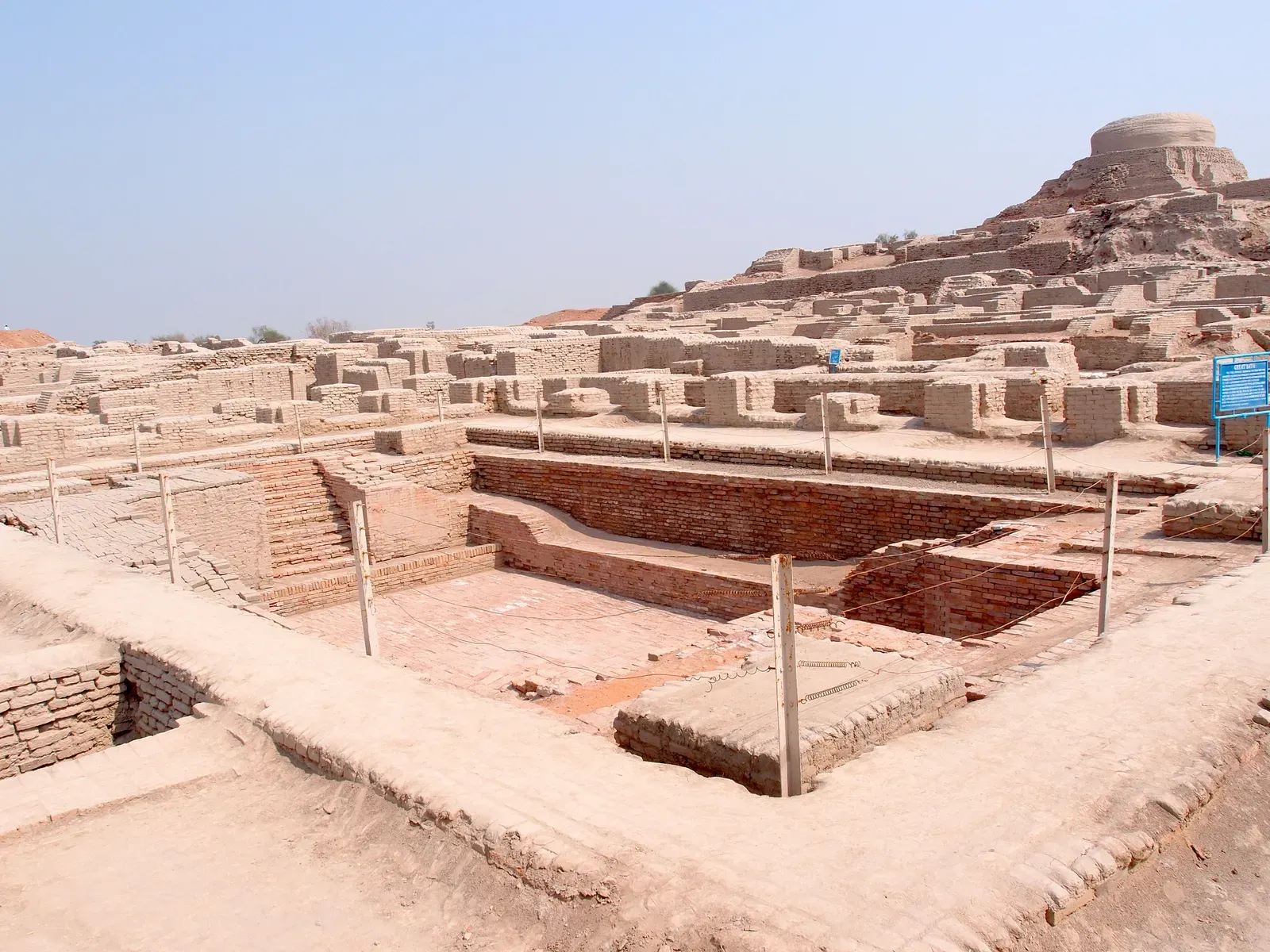
You’ve heard the phrase “cradle of civilization” tied to Mesopotamia, the Nile, or another famous river valley – as if there’s one clear birthplace of complex society, carved into stone. Archaeology says: not so fast.
Excavations show multiple centers of early urbanism, writing, and state formation arising semi-independently – Mesopotamia, Egypt, the Indus Valley, parts of China, and complex societies across the Americas. In many regions, the ground is still barely explored, buried under thick sediment or entombed beneath modern cities.
New digs routinely push agriculture, monumental architecture, and long-distance trade back further, in places nobody expected. No single location can claim, on the strength of what’s actually in the soil, to be the one true cradle.
The evidence points to parallel experiments in complexity, many of which we’ve barely scratched the surface of. School narratives still push one singular origin story the ground simply doesn’t back up. Still, #2 might be the sneakiest gap of them all…
Quick Compare
- Mesopotamia: early cities and writing emerging by roughly 3500 BCE.
- Egypt: unified state and monumental building by roughly 3100 BCE.
- Indus Valley: planned cities emerging by roughly 2600 BCE.
- Andes (Norte Chico, Peru): monumental complexes dated to roughly 3500 BCE.
- China: state-level society taking shape by roughly 2000 BCE, with deeper roots still being unearthed.
#2 – A Ground-Proven, Exact Population History of Ancient Humans

Charts of human population over time look smooth: tiny numbers for millennia, then a neat curve rising after agriculture arrives. The actual physical evidence is nowhere near that tidy.
Archaeologists estimate past populations from site counts, settlement sizes, burial numbers, and food remains. But most sites are undiscovered, many have eroded away, and others sit buried under modern construction we’ll never excavate.
Burials skew toward elites or specific cultural practices, while countless unmarked dead left no trace anyone could ever find. Genetic studies help fill in gaps, but they lean on assumptions and models of their own.
The ground does not contain a census. Population estimates for, say, Europe in 10,000 BCE are extrapolations from a handful of excavated sites and environmental proxies – ranges dressed up as facts. But #1 is the biggest admission of all…
#1 – A Fully Evidence-Backed, Single Narrative of Earth’s Entire History
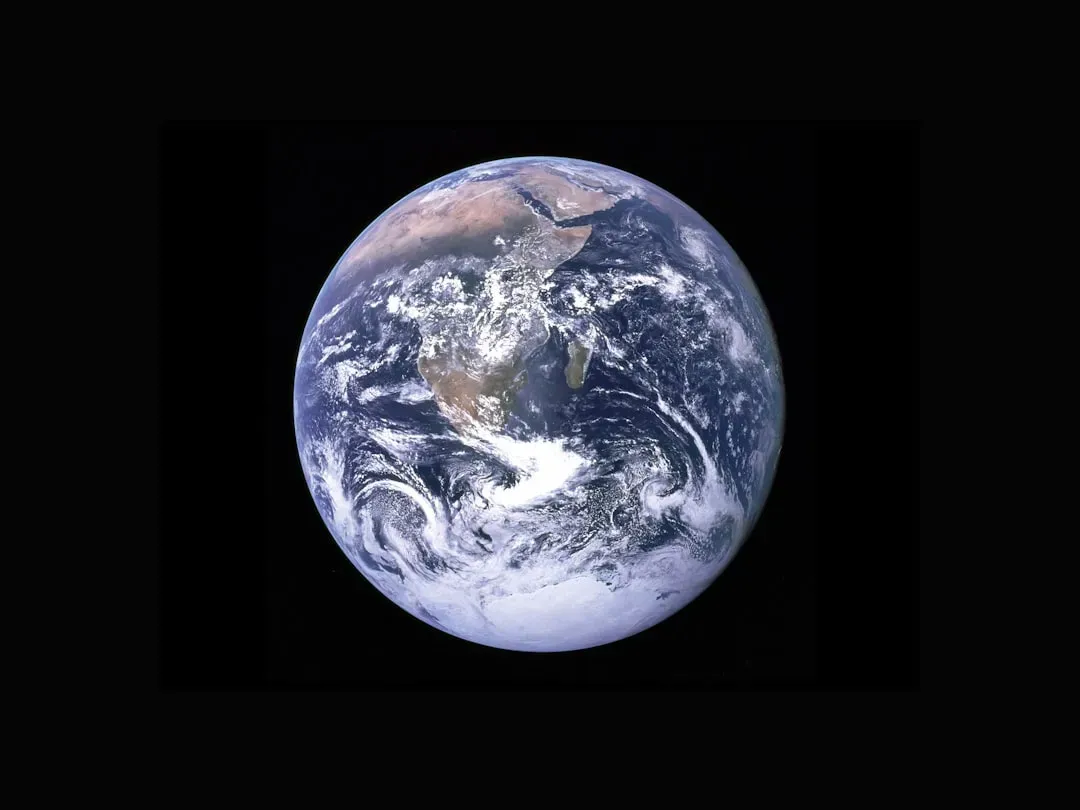
The biggest unspoken assumption is that scientists have one coherent, complete story of Earth from day one to now, cleanly backed by rocks and fossils. They don’t – and they’ll say so if you ask the right questions.
What actually exists is a framework that works remarkably well at large scales, anchored by solid data points: continental drift, deep time, evolution, past climates. Inside that framework, though, sit enormous unknowns.
Entire oceans of crust have been recycled and erased. Vast landscapes eroded away without leaving more than a whisper. Most organisms that ever lived decayed completely without ever fossilizing at all.
Scientists fill the gaps with physics, chemistry, biology, and increasingly powerful models – that’s how knowledge actually advances. But when those stories get retold as if we’ve dug up a complete, self-contained biography of Earth, we’ve quietly crossed from evidence into overconfidence. The truth is smaller, messier, and honestly more interesting.
The Bottom Line
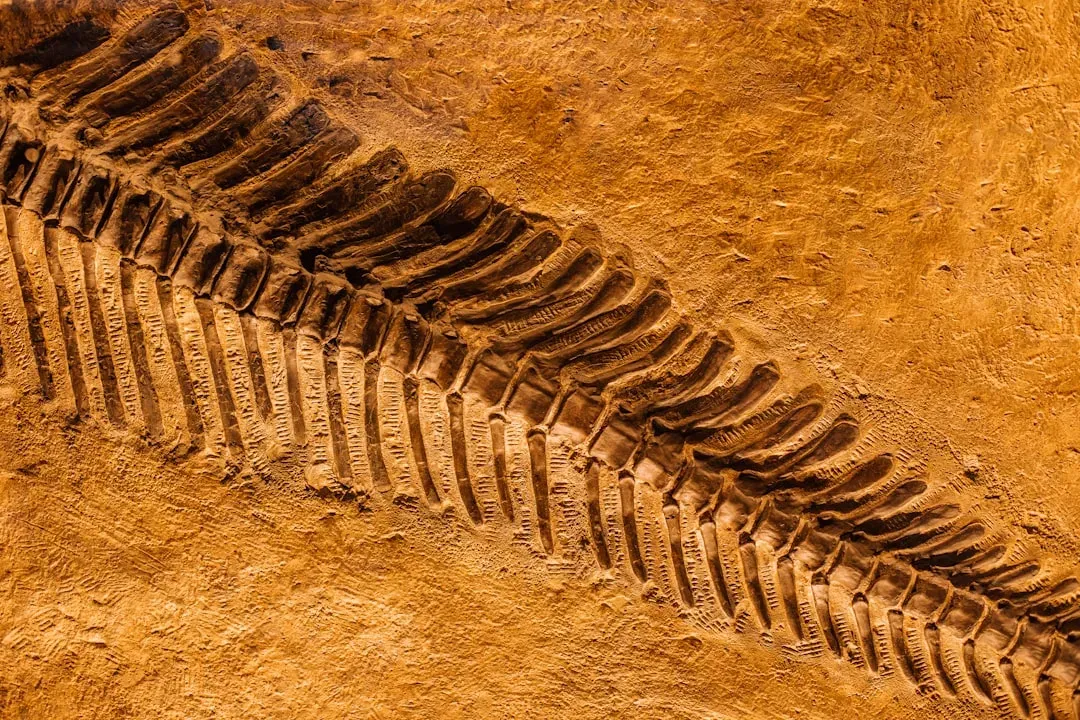
Behind the confident diagrams and polished documentaries, working scientists are far more cautious than the public ever hears. They know the rocks and fossils are partial, biased, and sometimes maddeningly silent about the stories we most want answered – how life began, how consciousness arose, exactly why whole worlds vanished.
None of this destroys the big-picture conclusions – an old Earth, changing climates, evolution across deep time. But it absolutely undercuts the idea that every single detail is “proven by what we find in the ground.”
That tension is where real science actually lives – in the gap between data and story, not in the tidy chart on the classroom wall. Some readers will find that unsettling. Others will see it as an invitation to think harder about what counts as evidence in the first place.
So which camp are you in – and which popular story do you now suspect is resting on a lot less rock than you were told?