
The natural world has a filing problem. Museums worldwide hold roughly 2 billion specimens, and a startling number of them represent the *entire* scientific record of a species – one skin, one skull, one jar of formaldehyde, and nothing else, ever again. Most people assume that once biologists document a creature, they can always find it again.
Turns out, that’s rarely true. Some animals vanish back into the wild the moment we blink, leaving researchers with a single data point and a lifetime of unanswered questions. Here’s what taxonomists and museum curators actually say about the creatures science met exactly once – and, in a few cases, never really lost at all.
#21 – The Golden Mole That Vanished Into an Owl’s Stomach
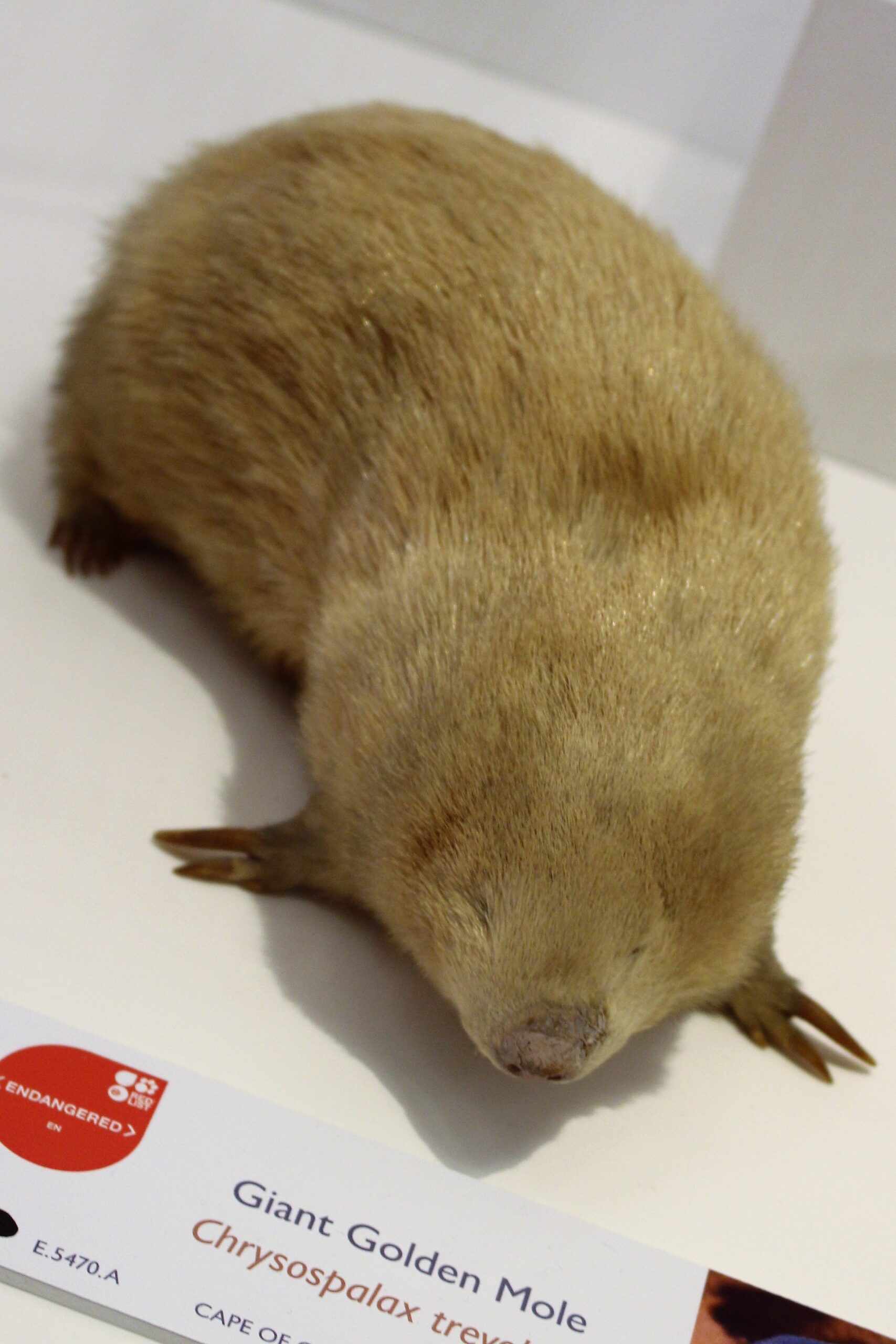
A mole that spends its entire life “swimming” through sand has left behind one of the strangest founding fossils in taxonomy: a partial skeleton pulled from a regurgitated owl pellet.
The only remains ever found were fragments discovered in an owl pellet in 1964 – the undigested leftovers an owl coughs back up after a meal. Scientists had to reconstruct an entire species from what a predator couldn’t stomach. No live Somali golden mole has ever been examined by a scientist. It’s presumed to burrow through loose Somali sand using a shovel-shaped nose, but everything beyond that skeletal fragment is educated guesswork.
#20 – South Africa’s Ghost Mole From a Farm Estate
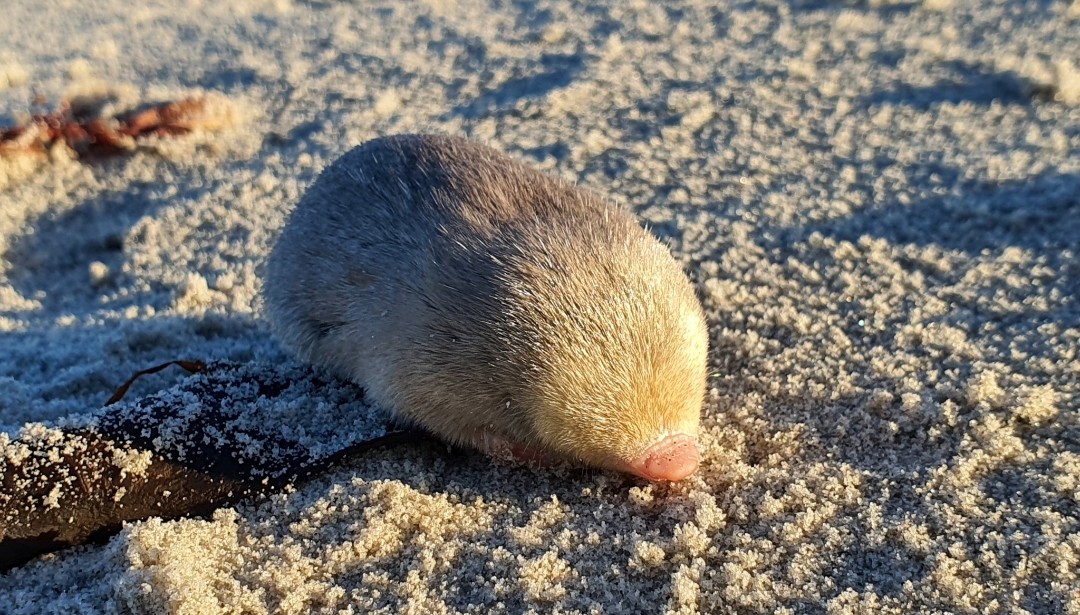
Some species are described from a single specimen collected almost by accident, and this golden mole is the textbook example. If #21 felt thin, this one is thinner still.
Only one specimen was ever found, back in the 1950s, on an estate in Gouna, South Africa. Decades of dedicated survey work have turned up exactly zero additional individuals, even with modern trapping techniques that didn’t exist when the original was collected. Some biologists now quietly wonder if the original habitat patch was destroyed before anyone realized what lived there. Visagie’s golden mole remains listed as “Critically Endangered (possibly extinct)” – a label reserved for animals nobody wants to declare fully gone.
#19 – The Nightjar That Only Exists as Two Museum Skins
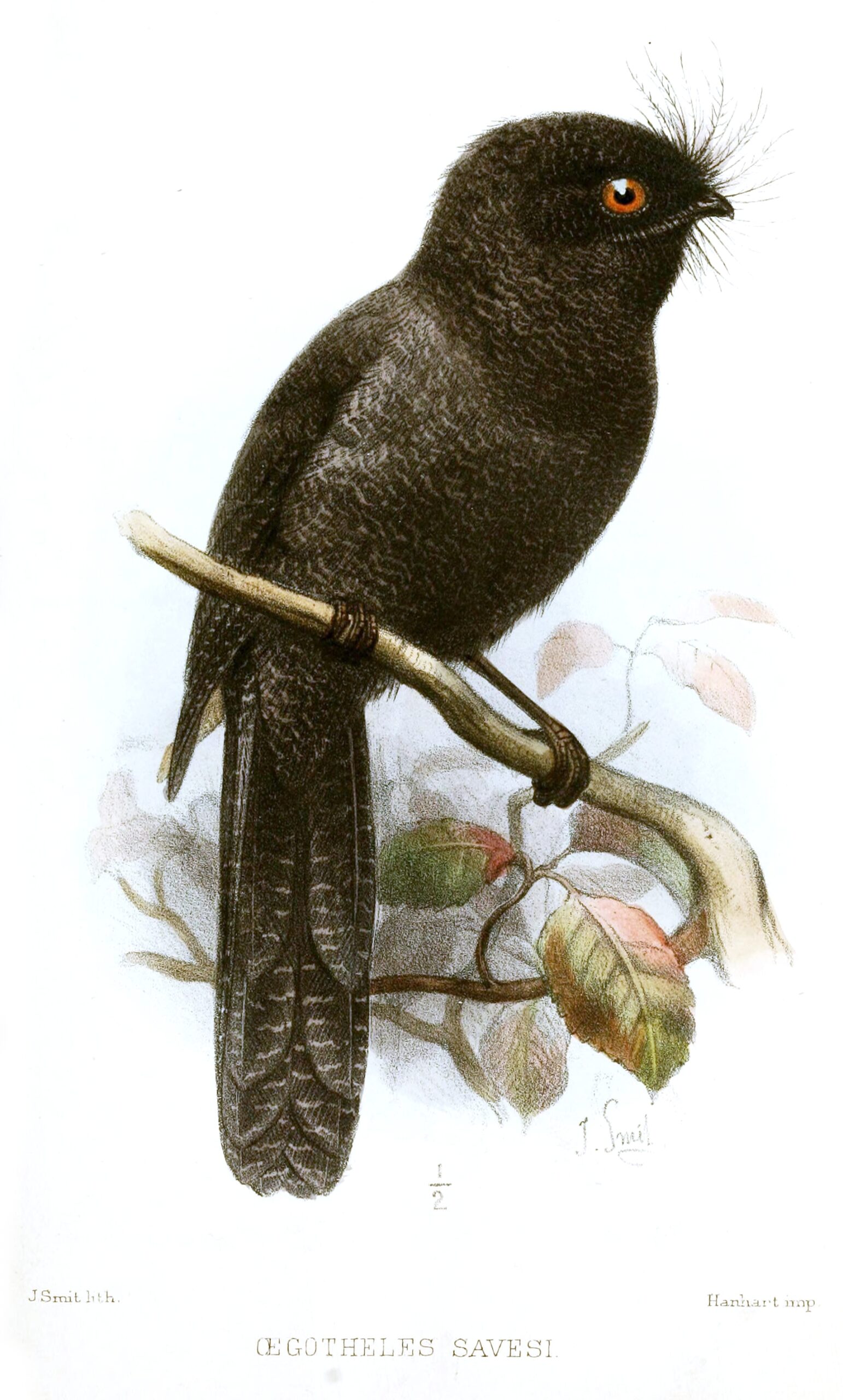
Most bird species have thousands of recorded sightings logged over decades. This one has two specimens and absolutely nothing else.
A private 19th-century collection at Knowsley Hall happens to hold one of only two known specimens of the New Caledonian nightjar – a pair of preserved birds assembled by a wealthy Earl who never once set foot in New Caledonia. That’s the entire global scientific record for this species. No photograph of a living New Caledonian nightjar has ever been confirmed, and ornithologists still argue over whether it persists in remote forest or quietly disappeared sometime in the last century without anyone noticing.
#18 – The Squid With Human-Looking Lips
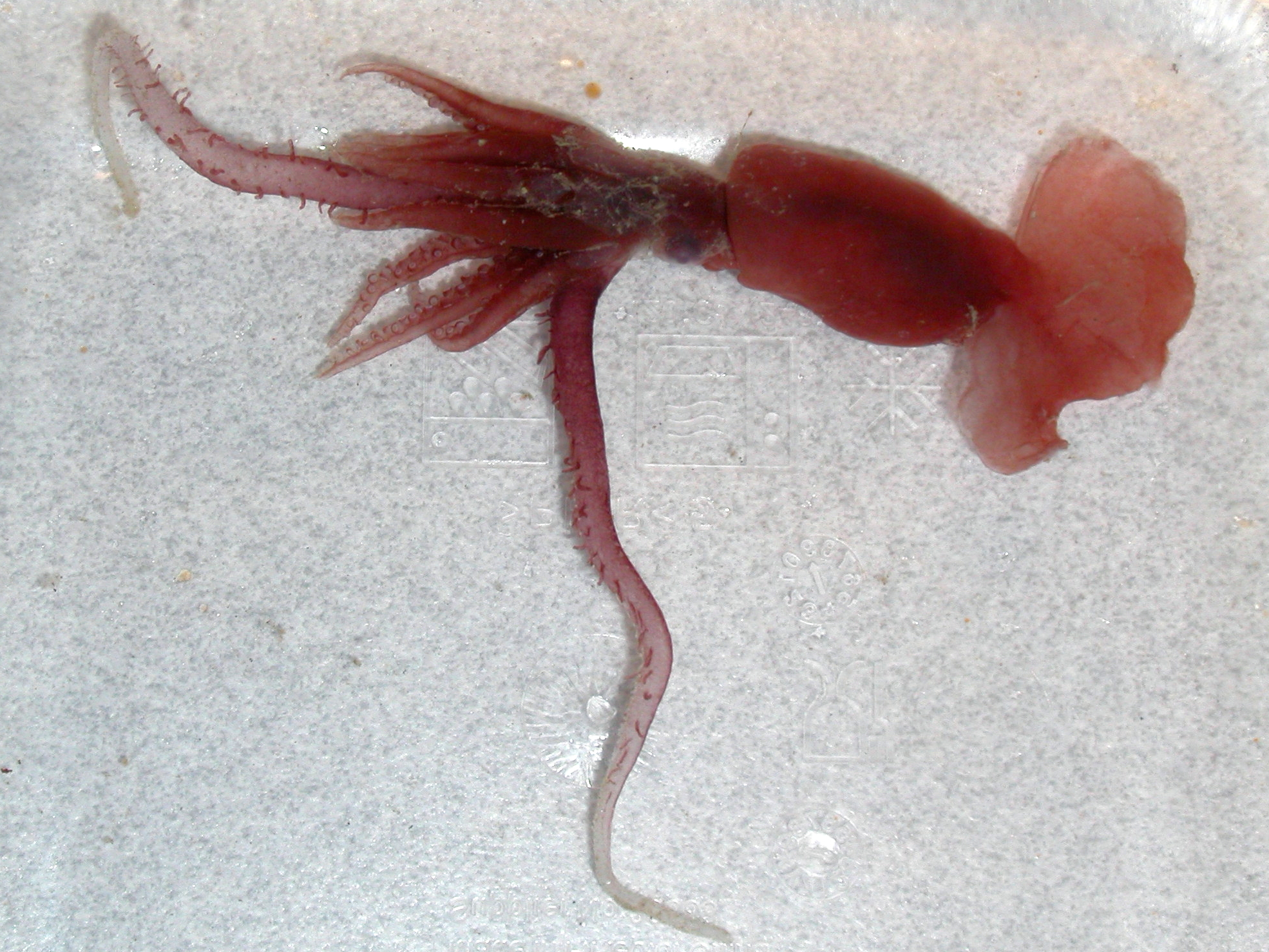
Deep-sea trawls occasionally haul up something so bizarre that scientists aren’t sure what to do with it. This squid is the case study everyone remembers.
The Promachoteuthis sloani squid exists as a single juvenile specimen, just over an inch long, collected in 1869 from the South Atlantic and never seen since. Its most striking feature is what looks unmistakably like a set of human teeth, though it’s actually exposed, tooth-like lips. Because the only known individual was a juvenile, nobody knows what an adult looks like, how large the species grows, or where else it might live. The South Atlantic has been trawled thousands of times since 1869. Not one has turned up.
Fast Facts
- Collected: 1869, South Atlantic Ocean
- Specimen size: just over an inch long, a juvenile
- Signature trait: lips that mimic a row of human teeth
- Confirmed sightings since 1869: zero
#17 – The Bird Declared Extinct Before Anyone Saw It Fly
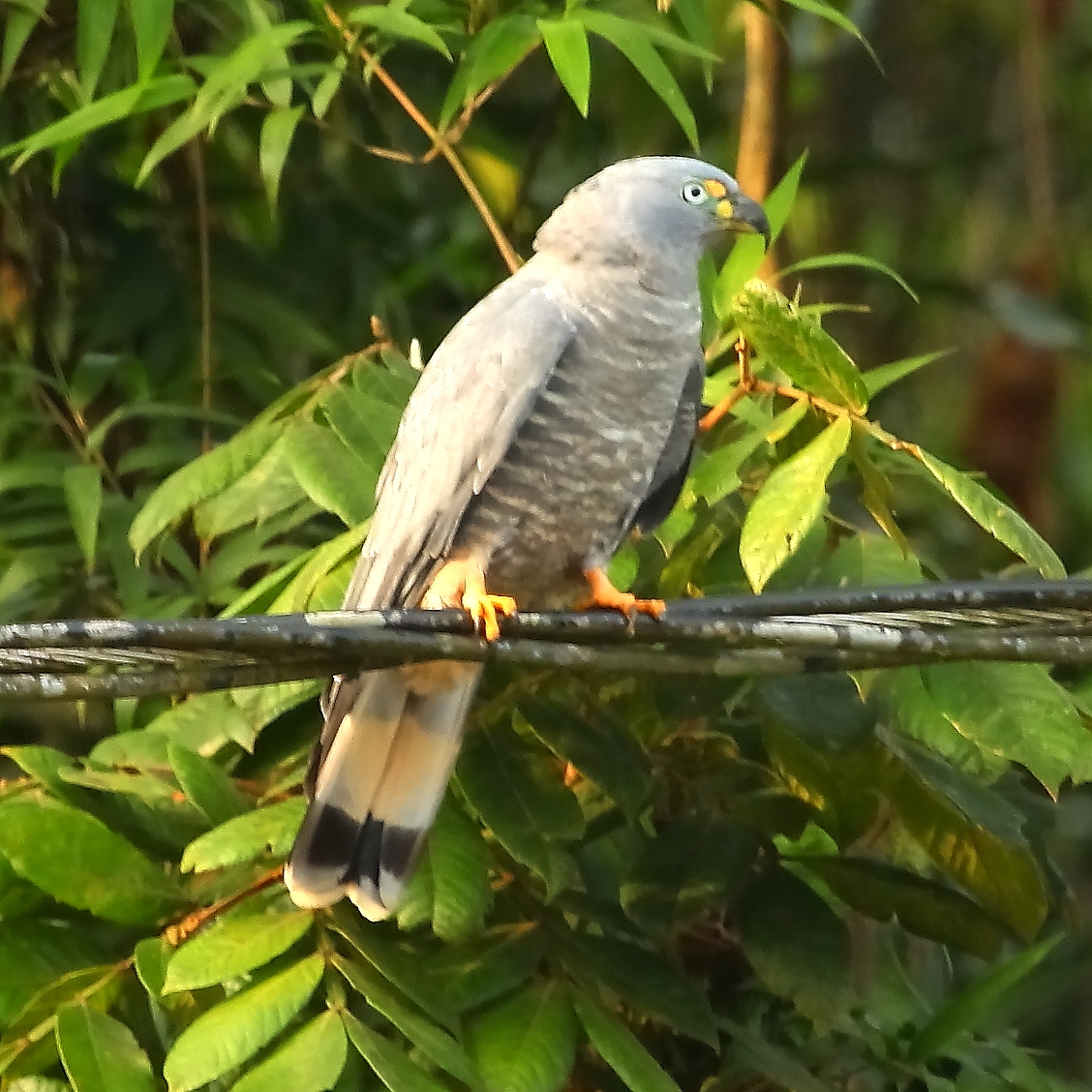
Some species get the extinction label attached almost immediately. This raptor is the clearest example on record.
A striking bird with rust-colored plumage, the Cuban kite was documented just once, in 1839, when a specimen was collected near Havana – and it was declared extinct without a scientist ever watching one hunt, nest, or fly. Everything known about its behavior is inferred purely from anatomy. Some ornithologists still question whether it was ever a distinct species at all, or simply a color variant of another kite. That debate can never be settled, because there’s no second specimen to compare it against.
#16 – The Whale That Might Be a One-of-a-Kind Hybrid
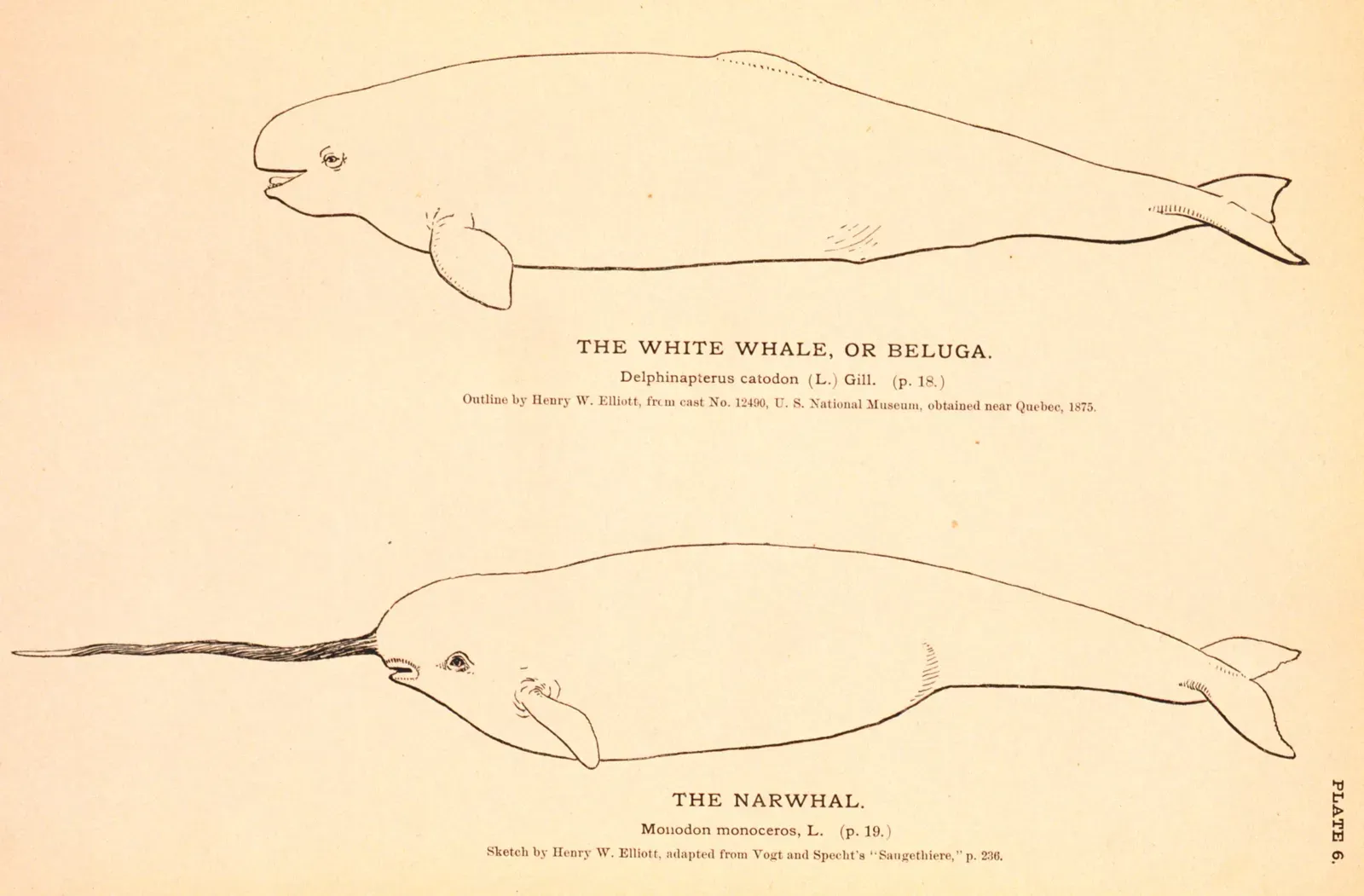
Occasionally biology produces something so improbable that scientists spend decades just confirming it’s real. This whale fits that mold exactly.
Discovered in Greenland in the 1980s, a strange skull puzzled researchers for years until DNA testing finally confirmed it: a natural hybrid between a narwhal and a beluga, the only one ever documented. Inuit hunters had noticed the odd skull long before Western science caught up – it just took genetic sequencing technology that didn’t exist in the 1980s to prove what it was. No second “narluga” skull or carcass has ever surfaced, anywhere on Earth.
#15 – The Seahorse Named After a Minotaur
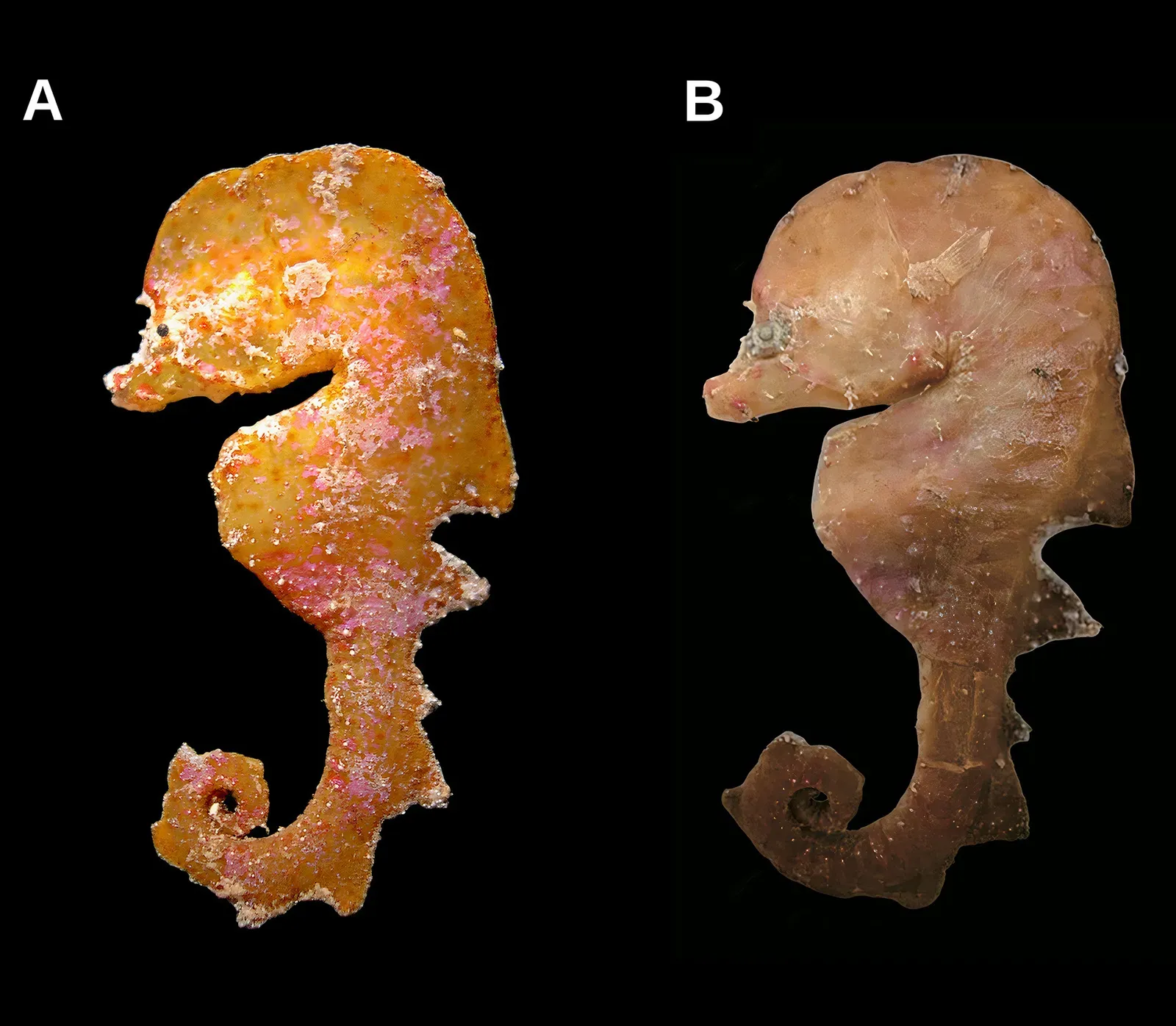
Named for its unusually large head, this seahorse made one documented appearance and then went completely silent.
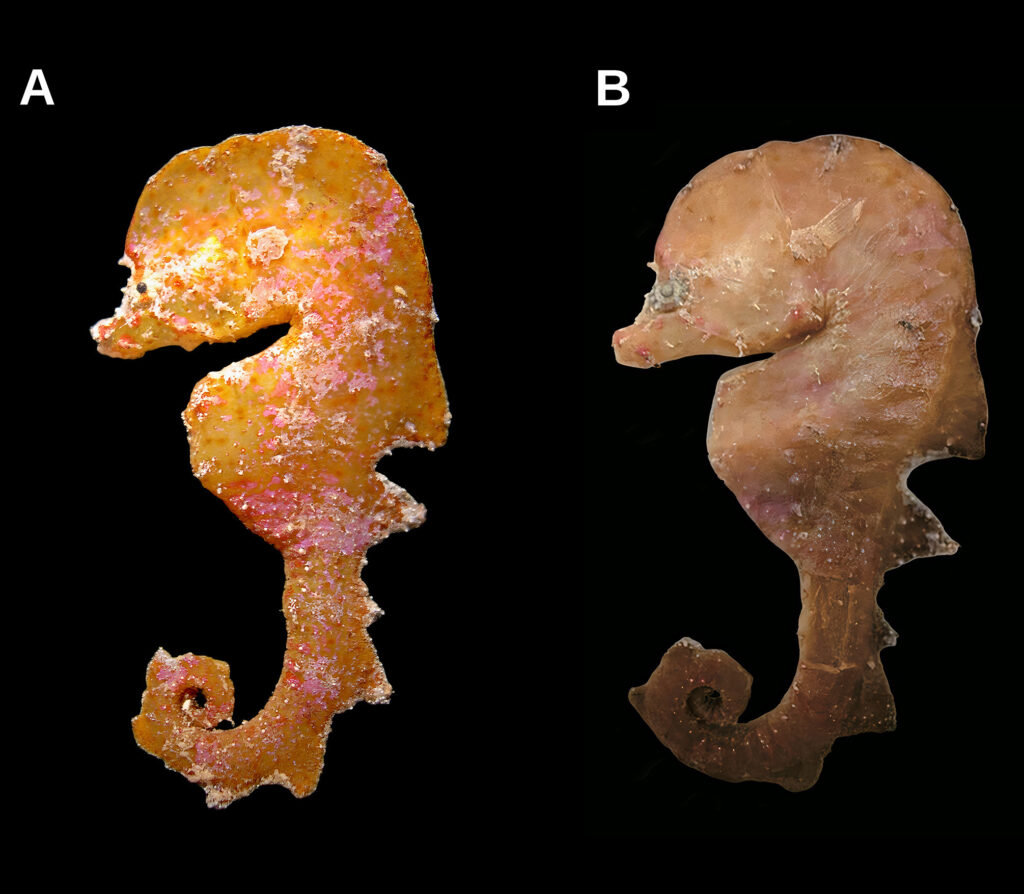
The bullneck seahorse carries the scientific name Hippocampus minotaur, and a handful of individuals were spotted off the coast of Eden, Australia, in 1997. Nobody has found one since, despite the species sitting on the official “25 Most Wanted Lost Species” list for over two decades. Marine biologists suspect it lives at depths of up to 300 feet, and deep-water surveys near Eden have specifically targeted it and repeatedly come up empty. Whether it’s genuinely rare or just too deep and too well-camouflaged to spot remains an open question.
#14 – The Giant Gecko Rebuilt From One Dusty Taxidermy Mount
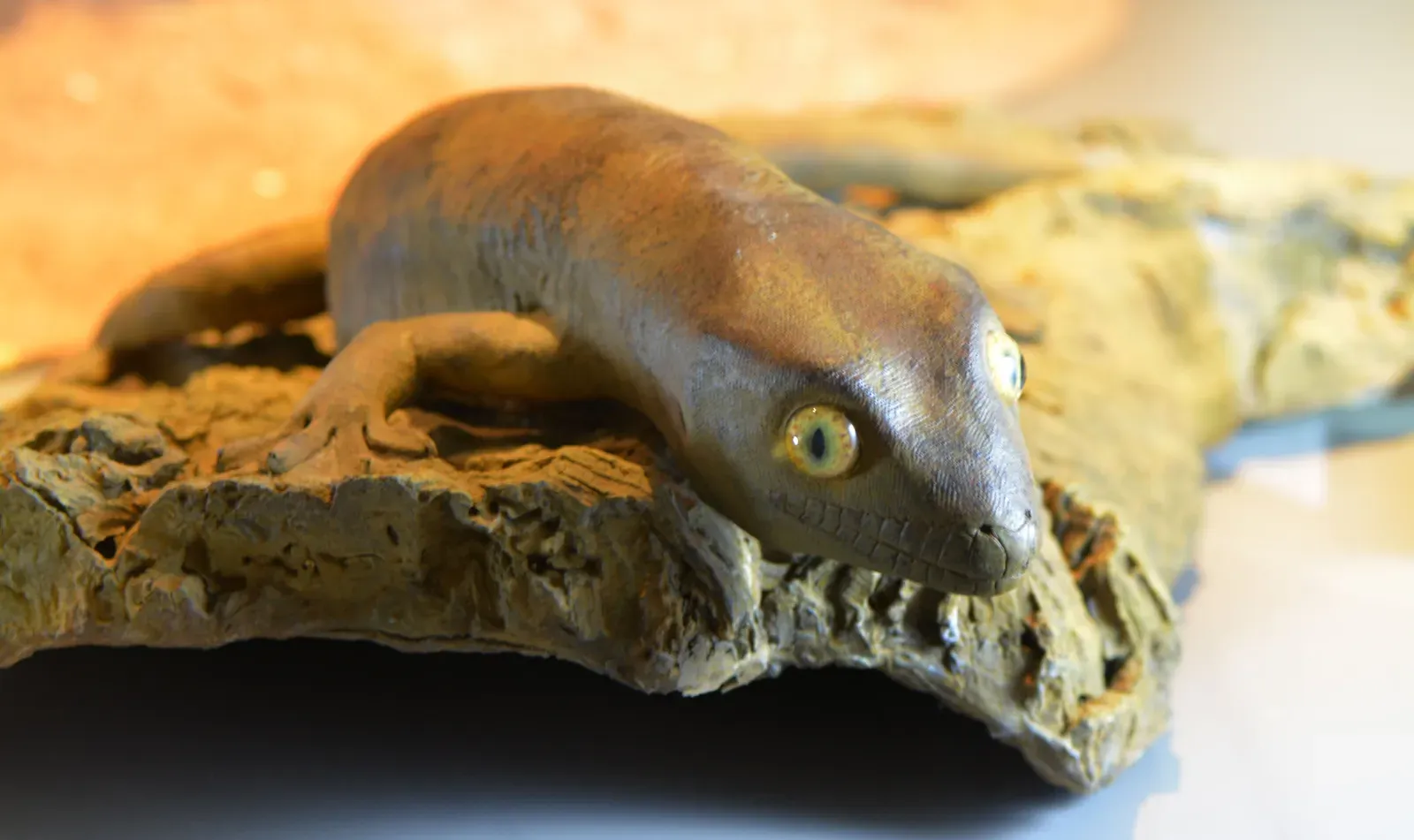
Sometimes an entire species survives in scientific memory as a single stuffed object misfiled in storage for decades. This gecko is the most dramatic example on this list.
Delcourt’s gecko is almost certainly extinct – nobody alive has ever reported seeing a giant lizard roaming New Caledonia. The one dusty taxidermy specimen sat unidentified in a French museum basement for years before anyone realized it belonged to a species science had never named. By the time it was properly catalogued, its native forests had already been reshaped by logging and invasive predators. At roughly two feet long, it would have been the largest gecko ever documented – and now it exists only as a shelf specimen.
#13 – The Turtle That Was Declared Extinct, Then Declared Fake
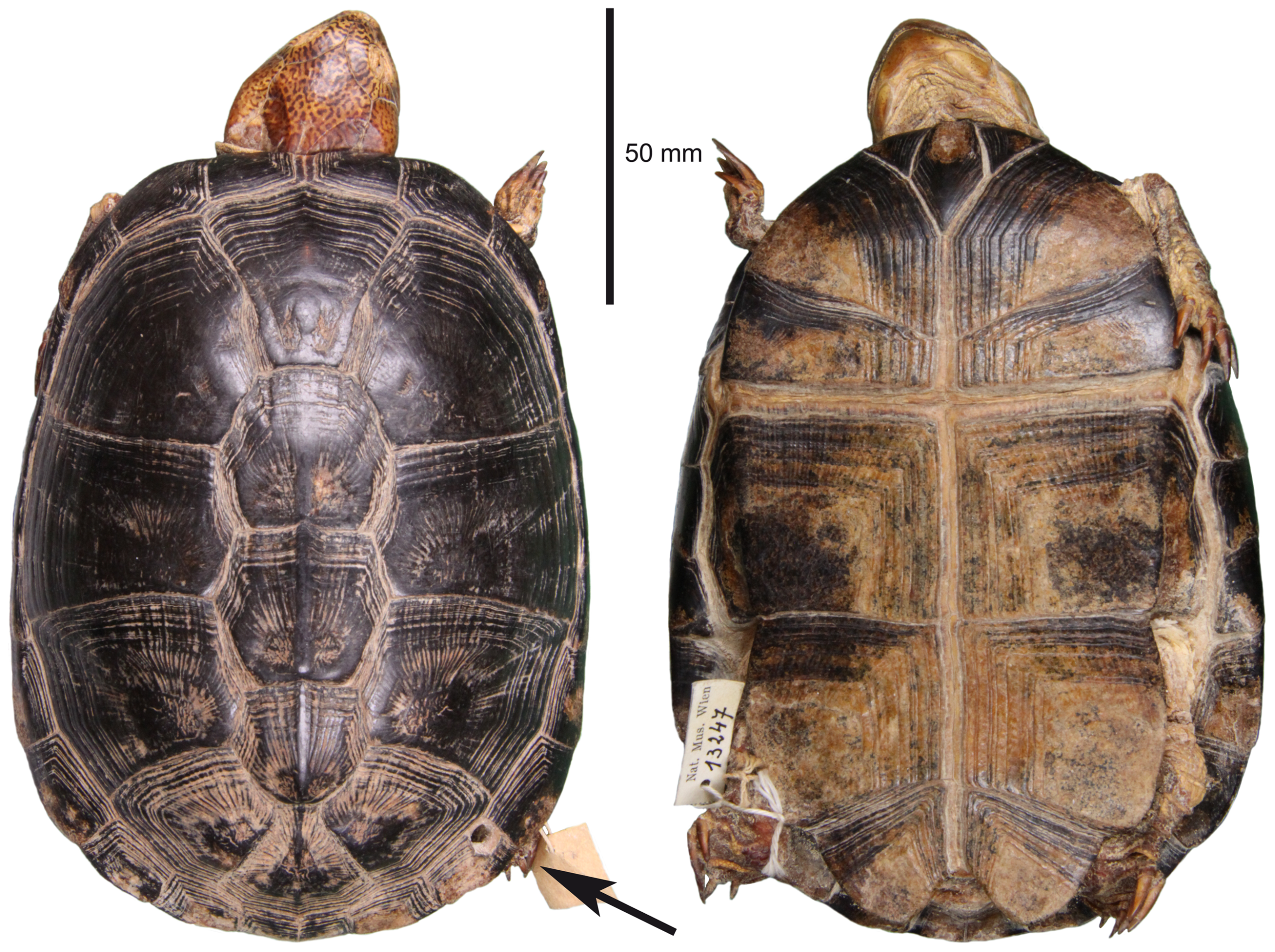
This entry breaks the pattern entirely, because the “lost” species turned out to never have existed in the first place.
Pelusios seychellensis, a freshwater turtle supposedly endemic to Mahé, Seychelles, was known from only three late-19th-century museum specimens. It was never seen again despite intensive searches, so the IUCN declared it “Extinct” – the only freshwater turtle species to carry that specific label. Then researchers finally sequenced DNA from the original type specimen and discovered the “species” was actually a mislabeled specimen from an entirely different, still-living turtle population on mainland Africa. An extinction that took over a century to declare was reversed the moment someone finally ran the lab work.
#12 – The Giant Cormorant Eaten Into Oblivion
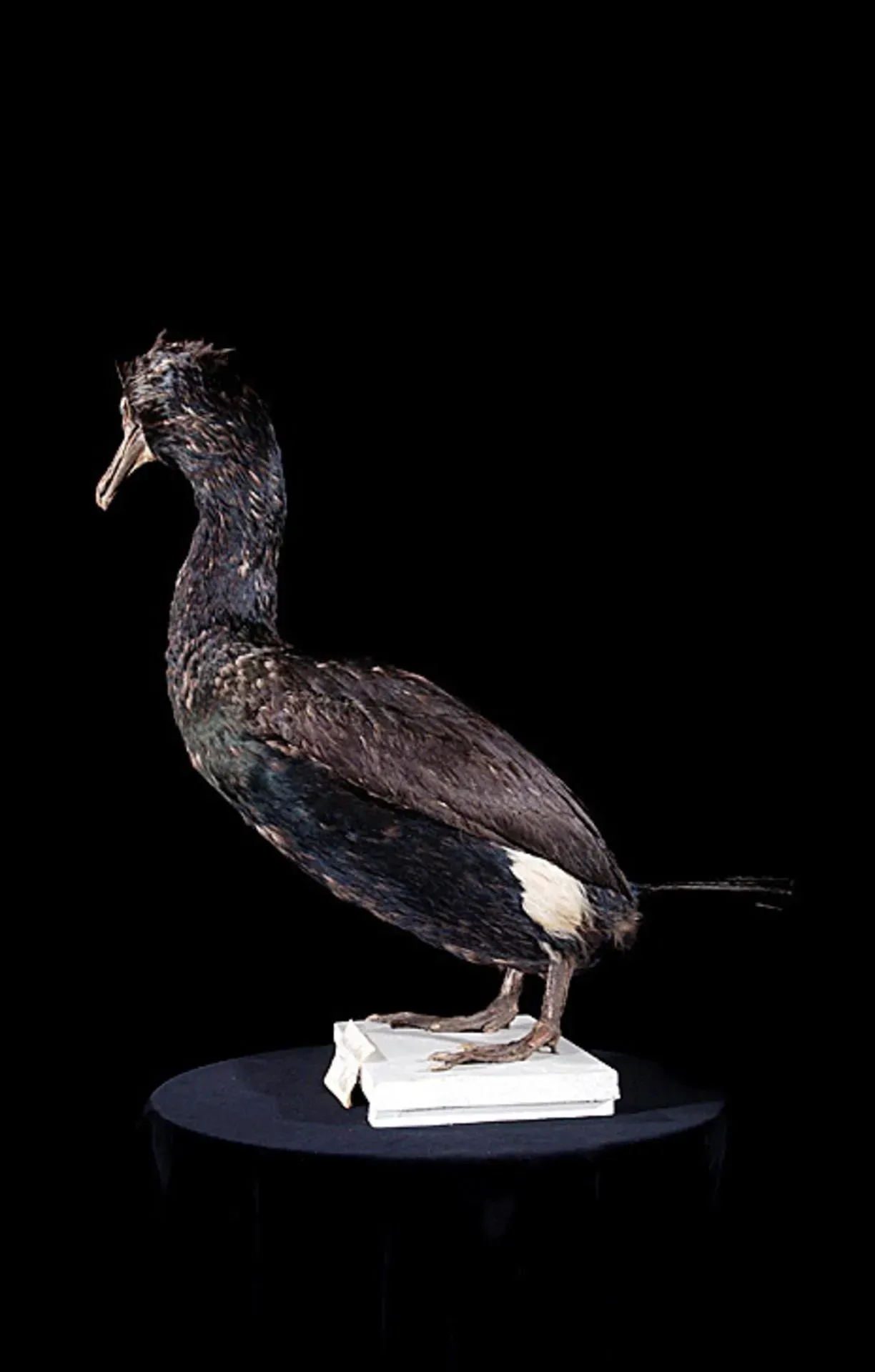
This bird was so large, and so unbothered by humans, that it became a walking dinner buffet the moment sailors found it.
Standing around a meter tall and weighing as much as 6.5 kilograms, the spectacled cormorant was the largest cormorant that ever lived – though its extinction in the 1850s went largely overlooked, reduced to a footnote in history. Naturalist Georg Steller first documented it in 1741 after being shipwrecked on the island that now bears his captain’s name. Within roughly a century, unrestrained hunting by fur traders and whalers erased it completely; within 41 years of its formal listing in the scientific literature, naturalist Leonhard Stejneger declared it extinct after finding only bones on Bering Island. Only six preserved skins exist anywhere in the world today.
At a Glance
- Height: about one meter (3.3 feet) tall
- Weight: up to 6.5 kilograms
- First documented: 1741, by naturalist Georg Steller
- Declared extinct: 1850s, roughly a century after discovery
- Preserved skins remaining worldwide: six
#11 – The Tortoise Known From One Shell for 113 Years
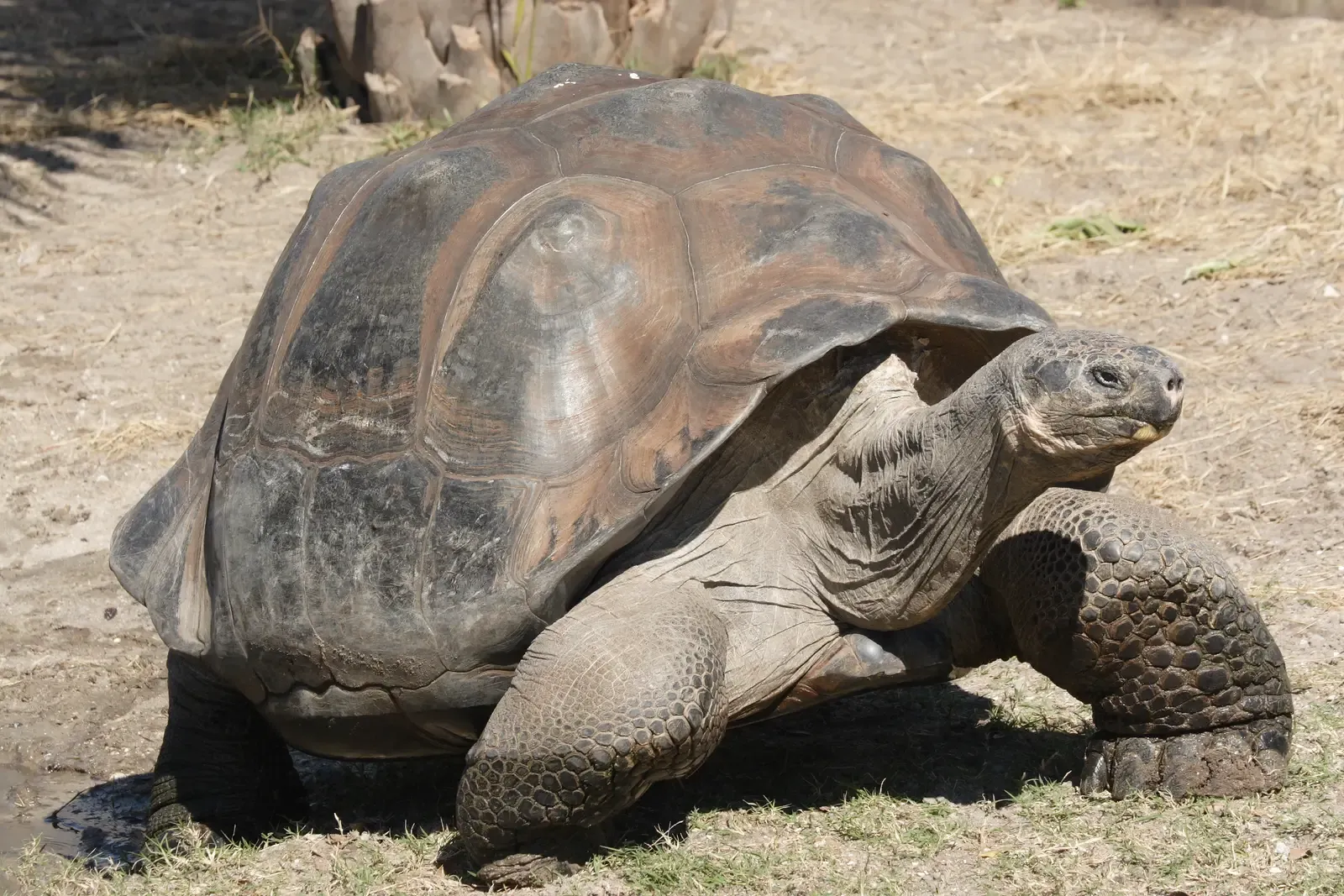
For over a century, this Galápagos tortoise existed in scientific literature purely as a single preserved specimen, presumed extinct the entire time.
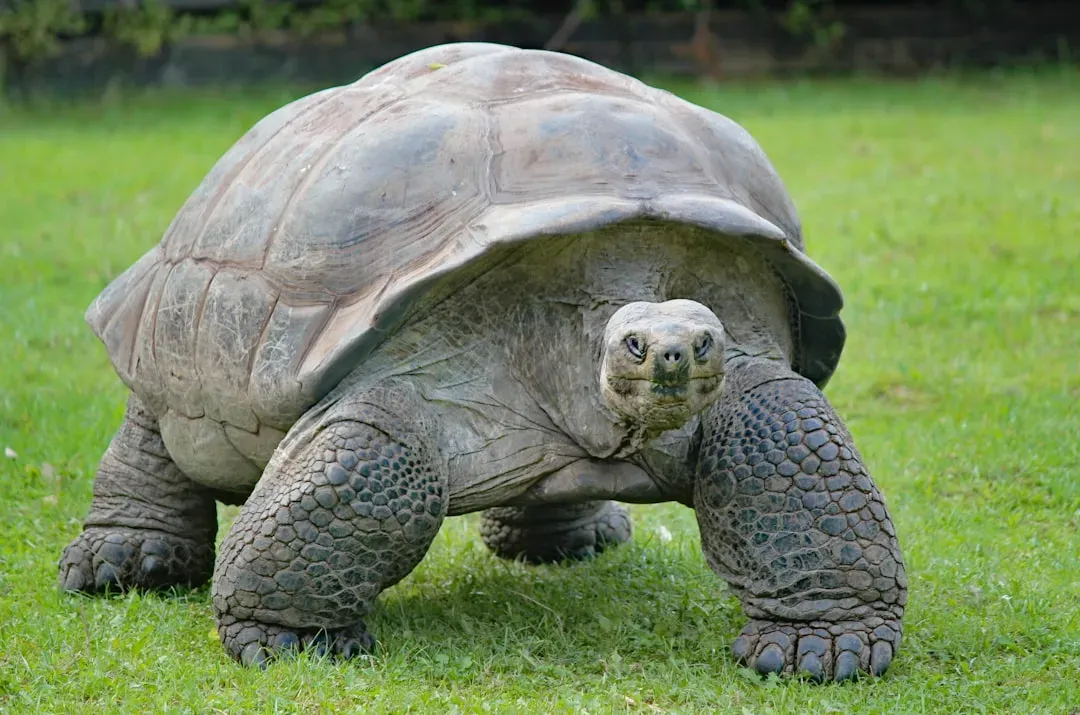
Collected in 1906, the lone Fernandina tortoise shell sat in a museum while generations of biologists assumed the species had died out entirely on its volcanic island home. Mitochondrial DNA later confirmed it as genetically distinct from every other Galápagos tortoise species – but nobody expected a living individual to ever turn up again. Then, in 2019, an expedition found a solitary elderly female tortoise on Fernandina Island – proof that a “single-specimen extinct species” can quietly persist for over a century without anyone confirming it.
#10 – The Egg-Laying Mammal Lost for Over 60 Years
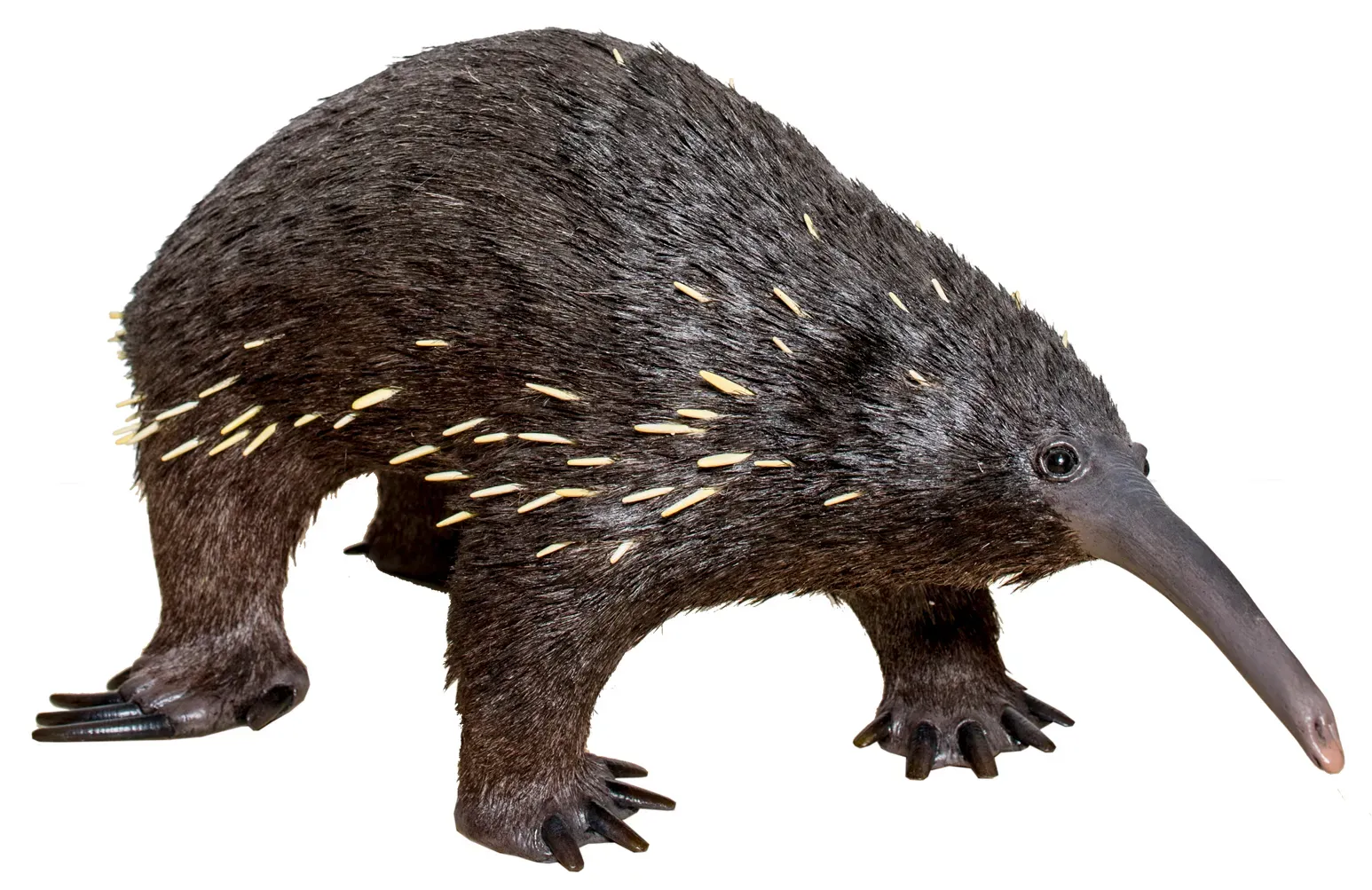
Named after a famous broadcaster, this spiny, egg-laying mammal spent six decades as nothing more than a damaged museum specimen.
Known only from a single damaged specimen collected in Indonesia’s Cyclops Mountains in 1961, Attenborough’s long-beaked echidna wasn’t seen again by scientists for more than 60 years – until a 2023 Oxford-led expedition finally caught it on camera trap footage, on the last day of a month-long search. It remains the only confirmed video record of the species alive. An entire month of searching produced nothing until the literal final day; the team had already begun packing up equipment. The echidna uses electroreceptors on its snout to hunt earthworms underground, a trait shared with only a handful of mammals worldwide.
#9 – The Tree Kangaroo Known From a Single 1928 Pelt
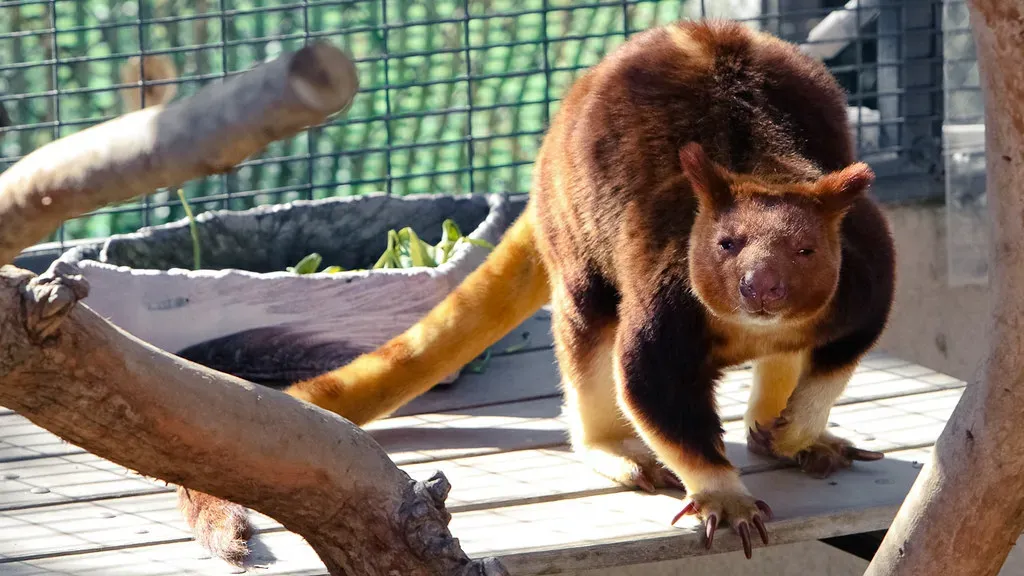
This marsupial spent nine decades as literally one preserved skin in a London museum drawer, with no confirmation it was even still alive.
The Wondiwoi tree kangaroo was first spotted by evolutionary biologist Ernst Mayr in 1928, in the mountains of the Wondiwoi Peninsula. Mayr shot what became the only specimen known to science, sending its pelt to the Natural History Museum in London, where it was formally described in 1933. Ninety years passed with zero scientific contact after that. Then in 2018, an amateur botanist searching for rhododendrons stumbled onto one clinging to a branch and snapped the first photograph ever taken of a living individual.
#8 – The Deer-Sized Creature Known Only From Corpses
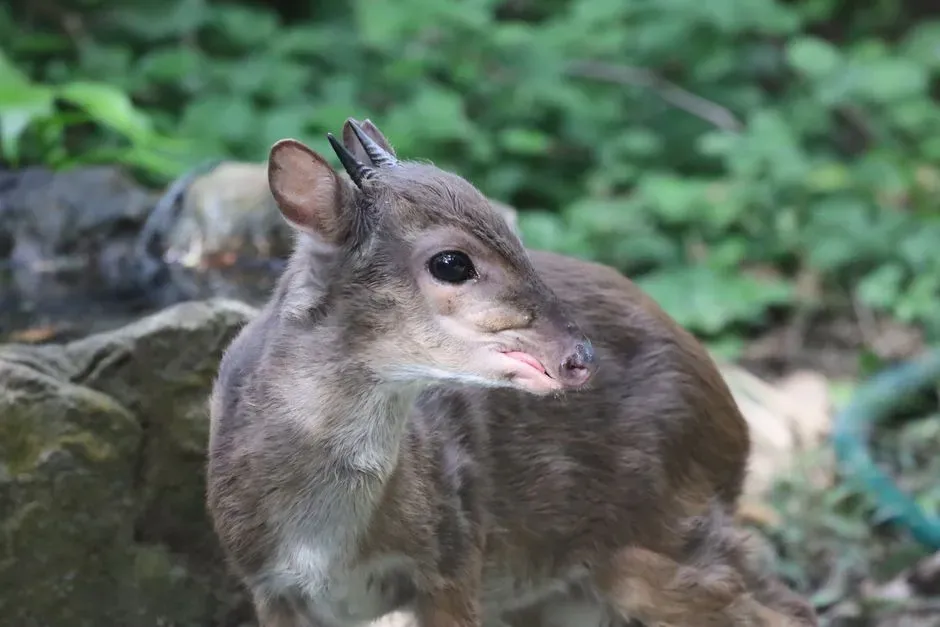
For nearly 30 years, science’s entire understanding of this tiny, fanged, deer-like mammal came exclusively from dead bodies.
The silver-backed chevrotain resembles a rabbit-sized deer with tiny fangs instead of antlers, and until 2019 it had only ever been studied from carcasses – not a single scientist had watched one move, eat, or behave while alive. Local hunters in Vietnam knew it existed long before Western researchers took the reports seriously. Camera traps deployed purely on village tip-offs finally closed a three-decade gap in the species’ living record.
Quick Compare
- Attenborough’s long-beaked echidna – over 60 years missing
- Wondiwoi tree kangaroo – 90 years missing
- Silver-backed chevrotain – nearly 30 years with no live sighting
- New Guinea big-eared bat – 122 years missing
- Voeltzkow’s chameleon – more than a century missing
#7 – The World’s Largest Bee, Lost Not Once But Twice
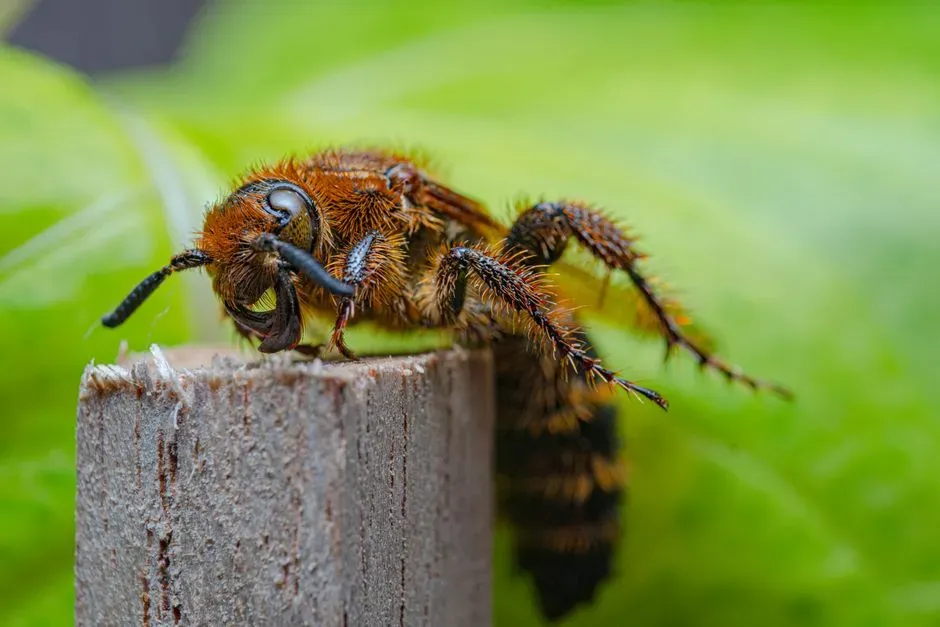
This insect has gone missing from scientific view on two separate occasions, decades apart, which is almost unheard of for a described species.
Wallace’s giant bee was described in 1858, spotted again in 1981, then lost for another 38 years – until 2019, when a search team finally photographed and filmed a living individual nesting inside an active termite mound. Roughly the size of a human thumb, with jaws large enough to gather resin for its nest, it had quietly resurfaced online before scientists even knew it: two specimens had been traded by collectors in the years just before the rediscovery. That it vanished from scientific record twice, over a span of 160 years, says everything about how thin our knowledge of insect populations actually is.
#6 – The Chameleon Lost for More Than a Century
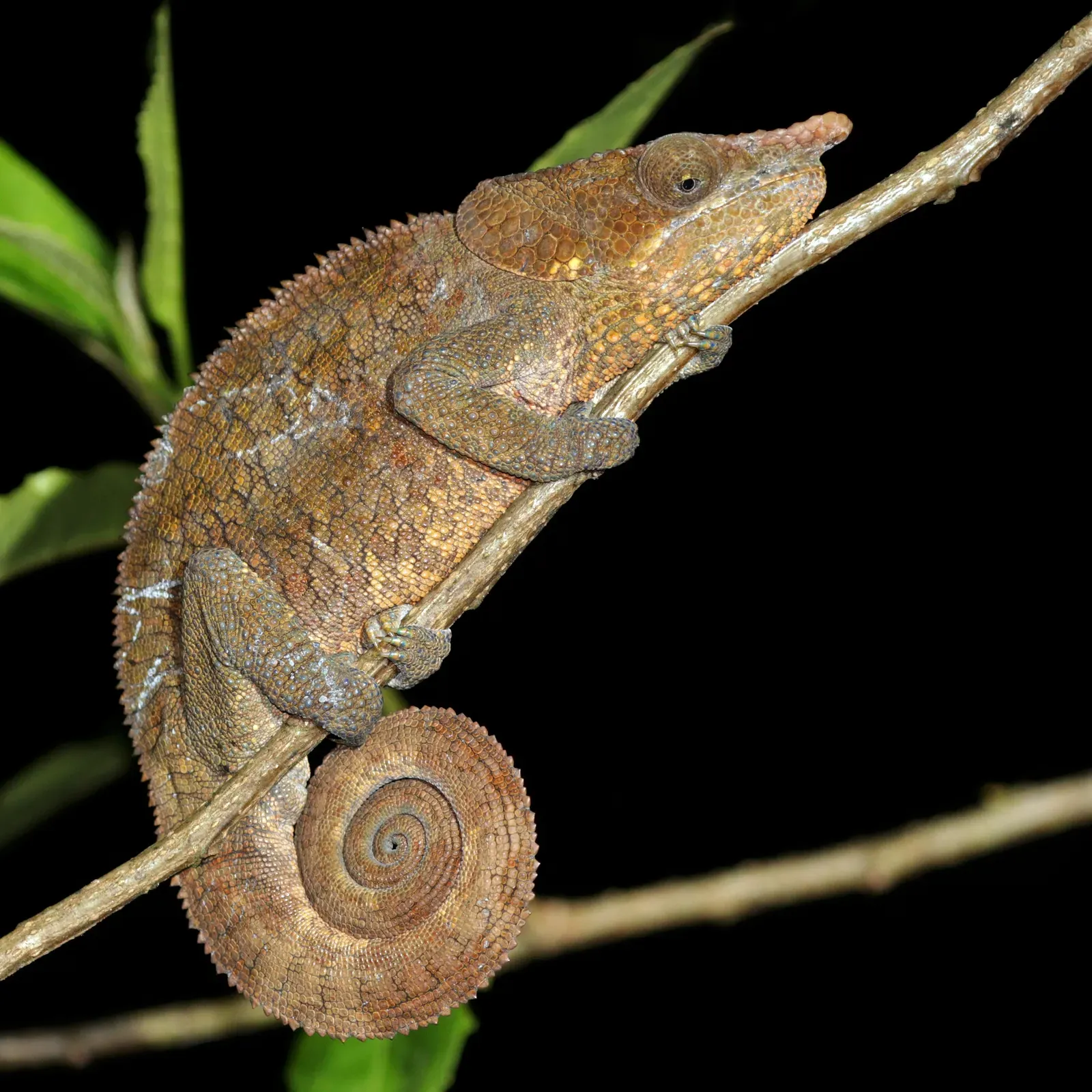
Described once in the 1890s, this Madagascar reptile then vanished so completely that most researchers assumed the population had simply died out.
First described in 1893 and unseen since 1913, Voeltzkow’s chameleon was presumed lost for more than a century – until a 2018 expedition finally rediscovered it, giving researchers their first-ever look at living females, whose coloring turned out far more dramatic than the males’. For 105 years, scientists had literally never seen a female of the species; only male specimens existed in collections. The chameleon lives in habitat that floods seasonally, which may explain why field teams kept missing it – the window to find it alive only opens for a few weeks each year, during the rainy season.
#5 – The Tree Rat “Dissected” Out of Existence for 113 Years
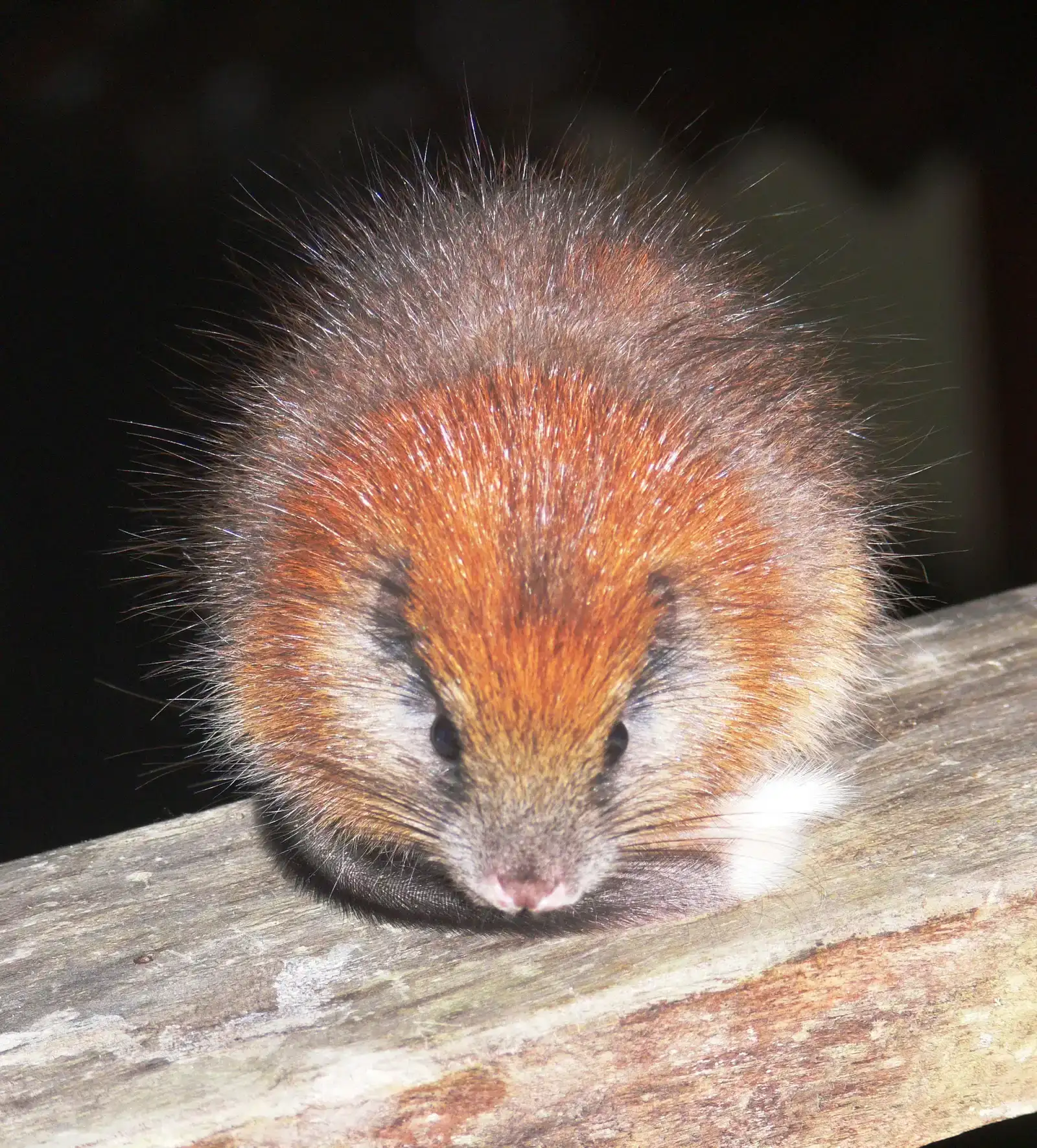
Colombia’s red-crested tree rat has one of the darkest single-specimen backstories on this entire list, and it starts with old-school scientific practice.
In 1898, a pair was trapped and studied – but probably not released, since scientists of that era usually preferred to dissect their specimens rather than return them. No one saw a red-crested tree rat again until 2011. The very act of studying the first individuals may have wiped out the only known population. When one finally reappeared in 2011, it walked directly into a group of conservationists, seemingly unbothered by their presence – a stroke of luck that ended over a century of scientific silence about whether the species even still existed.
#4 – The Dog Whose Howl Sounds Like Whale Song

Some animals aren’t missing because they’re extinct – they’re missing because their habitat is nearly impossible for humans to reach. This dog is the clearest example.
The New Guinea singing dog lives in the remote mountains of New Guinea and is a relative of the Australian dingo, named for vocalizations described as “a wolf howl with overtones of whale song.” It’s so elusive that it’s more common to hear one than to see one – it has only been photographed twice in the wild, once in 1989 and again in 2012. Zoo populations exist, but geneticists have long debated how closely captive singing dogs actually resemble the true wild lineage, since almost no wild individuals have ever been examined up close.
#3 – The Bat Rediscovered by Accident, 122 Years Later
![#3 - The Bat Rediscovered by Accident, 122 Years Later ([1], CC BY-SA 4.0)](https://nvmwebsites-budwg5g9avh3epea.z03.azurefd.net/dinoworld/da6c7ee4928e78c58f3958bb6ab446c6.webp)
This species’ entire modern history hinges on two graduate students who weren’t even looking for it.
The only previously known specimens of the New Guinea big-eared bat were collected by an Italian scientist in 1890 and named in 1914 – then the species simply wasn’t seen again. That is, until 2012, when two University of Queensland PhD students, out collecting bats of many species for an unrelated survey, caught one they couldn’t easily identify and nearly logged it as something else entirely. For 122 years, the species existed purely as a description in a 19th-century paper, with no verified sighting, photograph, or genetic sample to confirm it hadn’t quietly gone extinct decades earlier.
#2 – The Parrot That Hid From Science for a Century
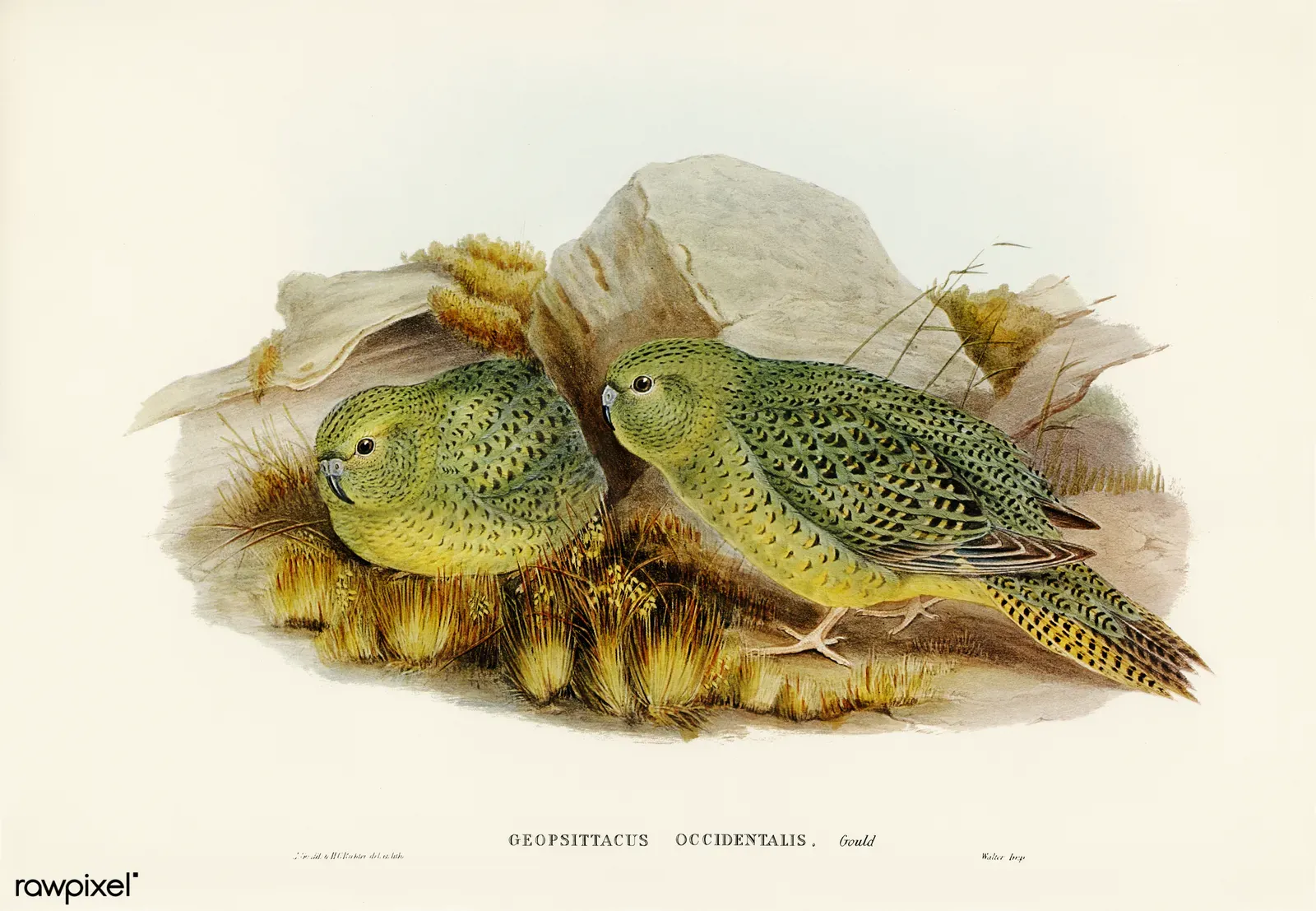
Few birds illustrate how thoroughly a species can disappear quite like this one, and its origin story reads like a museum mystery novel.
That same private 19th-century collection at Knowsley Hall included the holotype of the night parrot, gathered alongside countless other living animals and birds shipped back from across the world. This nocturnal, ground-dwelling parrot went unconfirmed alive for close to a century, kept off the extinction list only by a handful of dead specimens and secondhand reports. Australian ornithologists spent decades chasing rumors, feathers, and unverified calls in the outback before a live bird was finally, definitively photographed again – proof that a species can survive invisibly in plain sight of an entire continent.
Worth Knowing
- Holotype housed at the same Knowsley Hall collection as the New Caledonian nightjar
- Went unconfirmed alive for close to a century
- Known for most of that time only from dead specimens and secondhand reports
- Finally photographed alive after decades of searching in the Australian outback
#1 – The Woodpecker America Refuses to Let Go Of
![#1 - The Woodpecker America Refuses to Let Go Of (By Original photo by Arthur A. Allen, 1935 [1], watercolored by Jerry A. Payne, USDA-ARS, CC BY 3.0 us)](https://nvmwebsites-budwg5g9avh3epea.z03.azurefd.net/dinoworld/974a3d1908f792279b2cb4fcf04a64f6.webp)
No species on this list has generated more obsession, controversy, and heartbreak than the ivory-billed woodpecker, and that’s exactly why it earns the top spot.
Once found across the swampy forests of the American South, its last universally accepted sighting dates back to the 1940s. Since then, dozens of disputed sightings, blurry photographs, and contested audio recordings have surfaced – and none has satisfied the entire scientific community. Wildlife agencies have gone back and forth for years on whether to officially declare it extinct, only to pause the decision each time a new claimed sighting reignites the debate.
Believing is seeing.
A phrase often used by ivory-billed woodpecker searchers to describe the decades-long hunt for the bird
Secretly, many biologists believe the species is gone and has been for decades – but nobody wants to be the one who closes the book on America’s most iconic “maybe.” That tension, more than any single specimen or photograph, is what keeps the ivory-billed woodpecker at the center of one of the longest-running mysteries in American ornithology.
The Bottom Line
Twenty-one creatures, one thread running through every single story: science’s grip on the natural world is far looser than most people assume. A mole known from an owl’s vomit. A turtle species that turned out to be a paperwork error. A tortoise presumed dead for 113 years that was quietly alive the entire time. These aren’t obscure footnotes – they’re proof that entire species can slip through the cracks of human observation, sometimes for over a century, before anyone notices.
Here’s the uncomfortable opinion: we should stop treating “last recorded sighting” as a countdown to extinction and start treating it as a confession of how little we’ve actually looked. The real controversy isn’t whether more of these animals are still out there – it’s how many we’ve already permanently lost without ever realizing it. Which of these surprised you the most, the mole from the owl pellet, or the tortoise that outlasted 113 years of “extinct” paperwork? Drop your pick in the comments.