
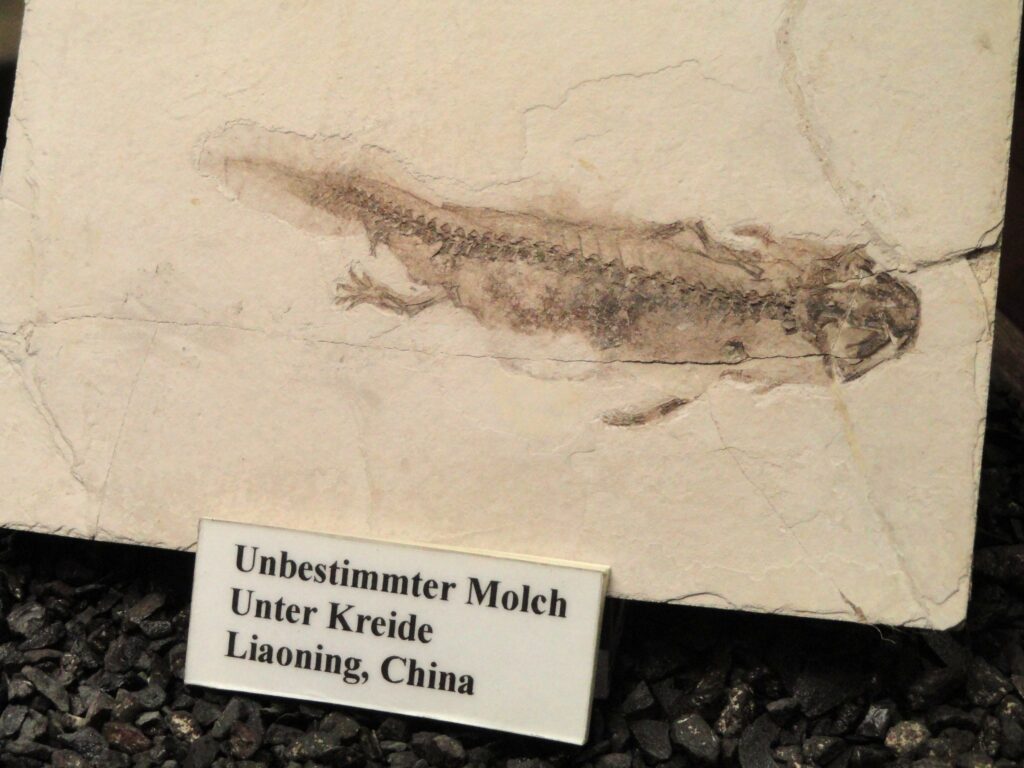
Most people assume every fossil eventually earns a tidy label – a phylum, a class, a clean little branch on the tree of life. That assumption is wrong, and it’s wrong in some genuinely unsettling ways. Buried in museum drawers and sealed inside rock half a billion years old are creatures that have humiliated generations of paleontologists: animals with eyes on stalks, guts full of teeth, bodies with no known analog anywhere in nature, and symmetry that doesn’t match a single living thing on Earth.
Some of these mysteries have been argued over in scientific journals for more than 60 years with zero resolution in sight. One case even dragged particle accelerators into the fight. Below are 22 of the strangest, best-documented specimens on record – real fossils, real debates, and real scientists who still cannot agree on what these things actually were.
#22 – Namacalathus, the Goblet Nobody Can Place
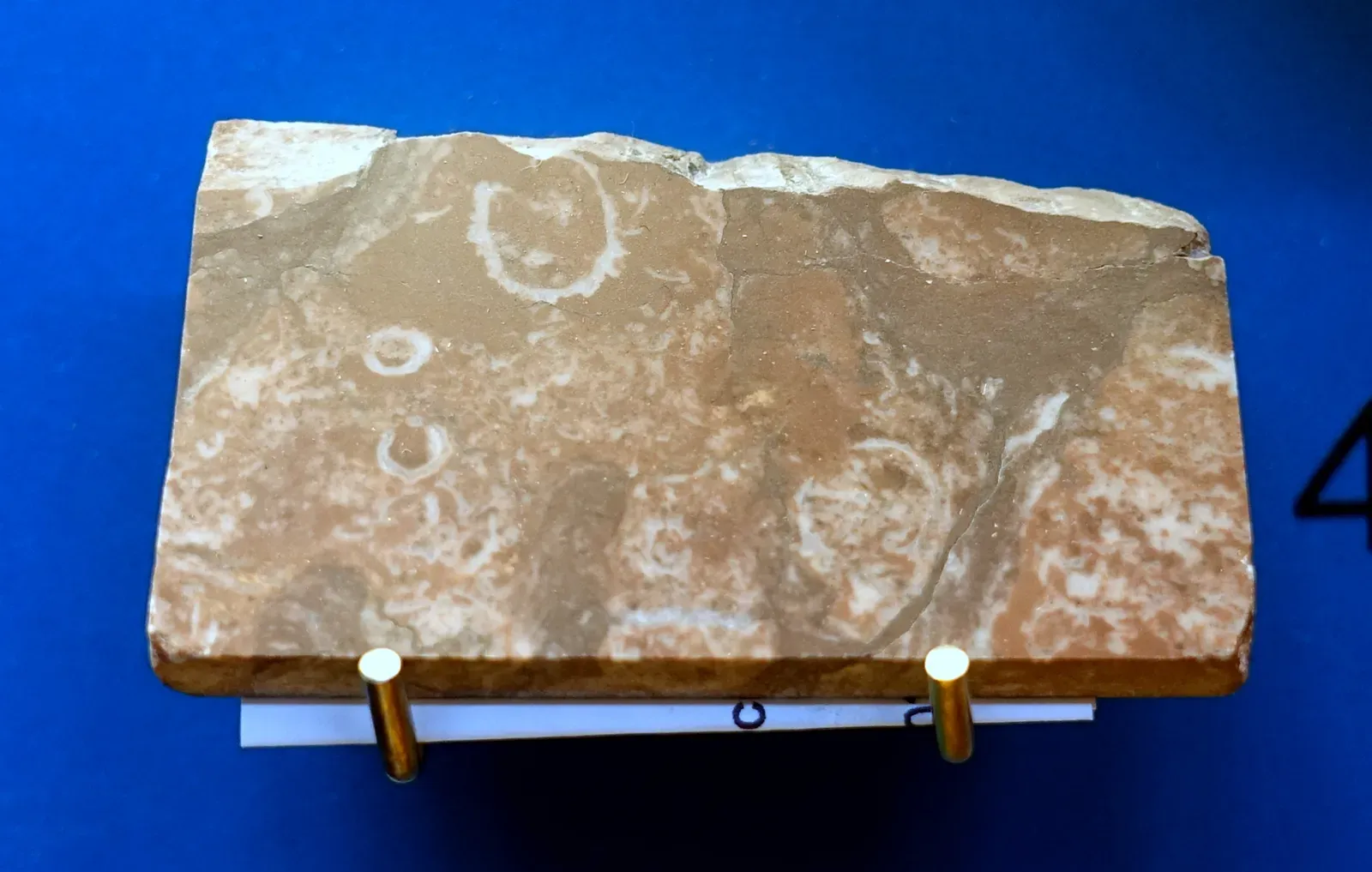
Namacalathus looks almost too geometric to be real – a hollow, goblet-shaped body perched on a short stalk, dotted with regular holes around its rim. It shows up in Namibian rock roughly 550 million years old, making it one of the last big mysteries before the Cambrian Explosion supposedly rewrote the biological rulebook. Its symmetrical, holed structure doesn’t cleanly match cnidarians, sponges, or any known Ediacaran group, so it sits filed under “uncertain affinity” in nearly every paper that mentions it.
Some researchers argue it’s an early animal with a mineralized skeleton – a genuine pioneer of hard-bodied life. Others think it represents a completely separate, now-extinct experiment in multicellular architecture that left no descendants at all. Either way, Namacalathus predates the supposed “big bang” of animal diversity, and that’s exactly why it makes textbook writers nervous.
Fast Facts
- Age: found in Namibian rock roughly 550 million years old
- Shape: hollow, goblet-like body on a short stalk with rimmed holes
- Timing: predates the Cambrian Explosion
- Official status: classified as “uncertain affinity” in most published papers
#21 – Cloudina, the Tube That Broke the Rules of Time
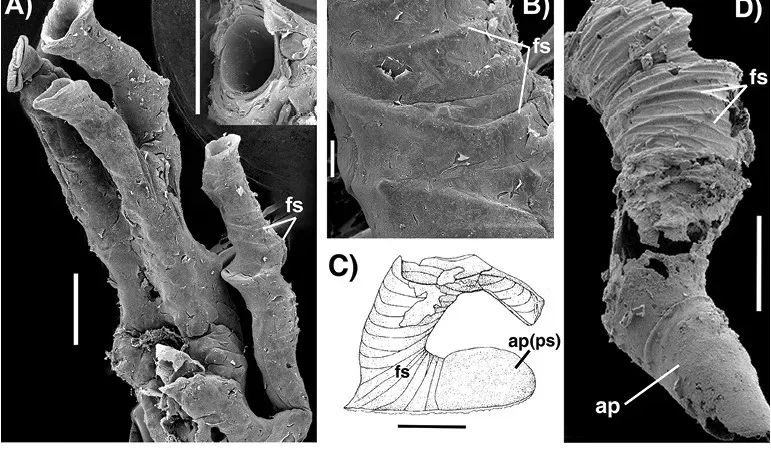
Cloudina looks like a stack of tiny ice-cream cones fused together, and it may be the reason the “Cambrian Explosion” story is incomplete. This small, tubular fossil built itself out of cone-in-cone segments and shows up in rocks from multiple continents dated to the very end of the Ediacaran period. Some specimens even show drill holes that look exactly like predation damage – meaning something was actively hunting Cloudina millions of years before predators were supposed to exist in complex ecosystems.
Scientists still can’t agree whether Cloudina was a cnidarian relative, an annelid worm, or something with no living descendants whatsoever. The predation evidence is the real kicker: if something was already drilling through its shell for a meal, that implies a functioning predator-prey arms race existed before the Cambrian Explosion supposedly kicked evolution into high gear. Paleontologists have proposed at least four different phyla as its home, and none of the arguments have won a decisive majority.
#20 – Charnia, the Frond That Isn’t a Plant
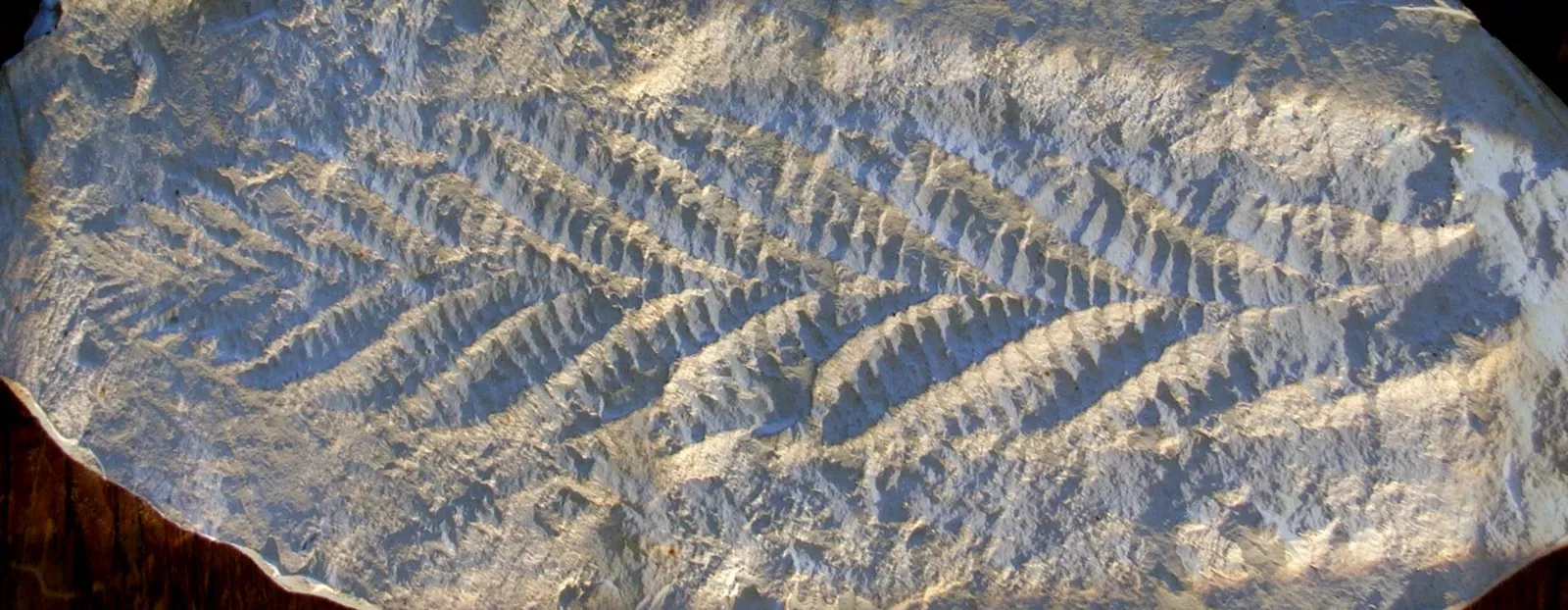
Charnia looks exactly like a fern frond pressed into stone, and for decades that’s precisely what everyone assumed it was. Discovered in England and instantly recognizable by its leaf-like, branching fronds, it was initially dismissed by geologists as a plant impression too old to be real – an embarrassing mistake, since it turned out to be one of the oldest complex life-forms ever documented. The frond has no roots, no reproductive structures typical of plants, and no mouth, gut, or limbs typical of animals.
Modern consensus treats Charnia as part of the “Rangeomorphs,” a group so alien that some scientists argue it represents an entirely failed kingdom of life that vanished before true animals diversified. It absorbed nutrients directly through its surface, shows no sign of nervous tissue, and grew in a fractal branching pattern unlike anything in the modern ocean. Whether it counts as an early animal, a fungus-like organism, or something outside every existing kingdom is still argued in academic circles today.
#19 – Parvancorina, the Shield With No Legs
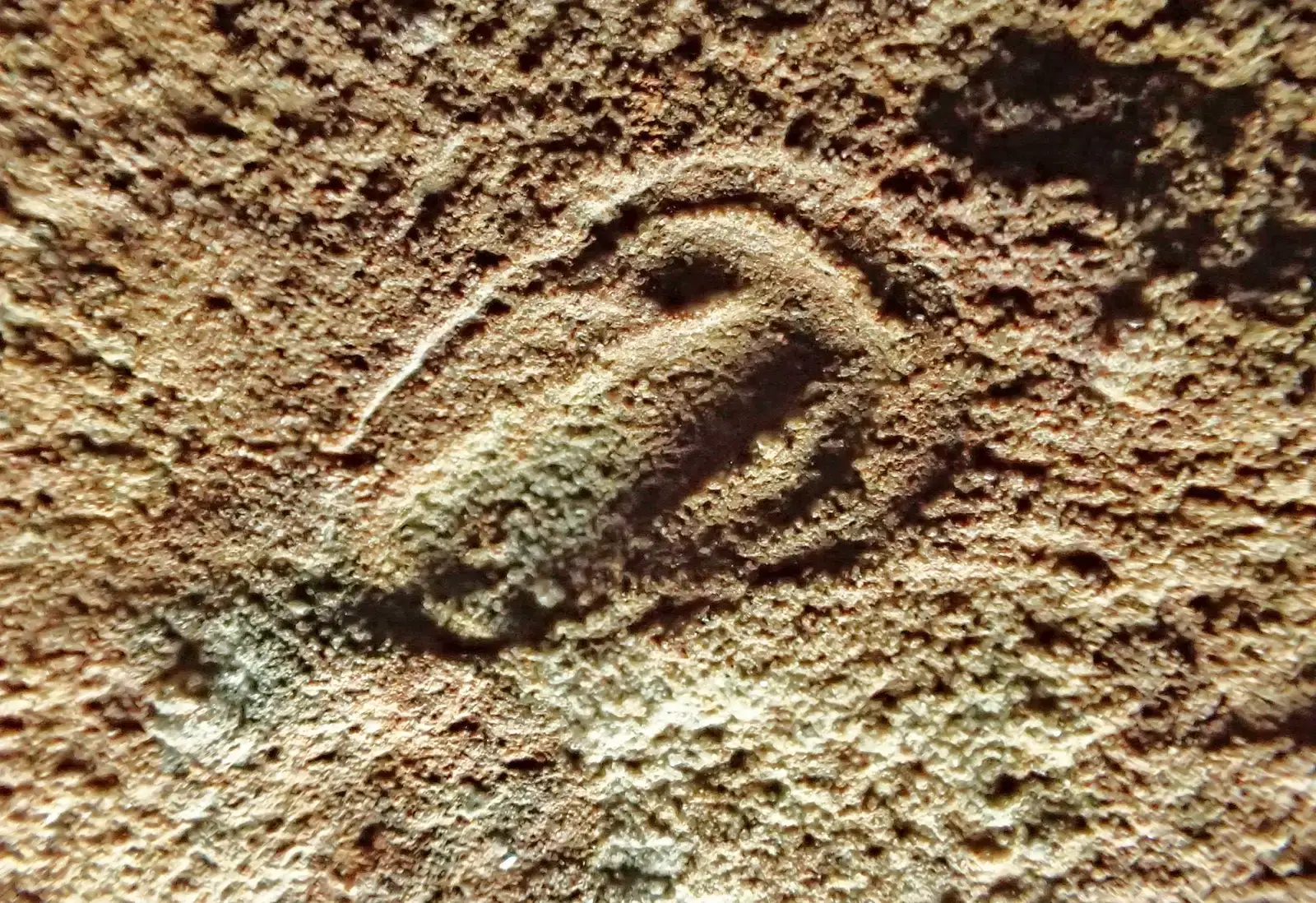
Parvancorina has the outline of a horseshoe crab and almost nothing else that matches one. This small, shield-shaped fossil has a raised T- or anchor-shaped ridge running down its center, which immediately made early researchers think “arthropod.” Despite decades of searching through hundreds of specimens, not a single one has ever shown legs, antennae, or the jointed appendages that would confirm that identification.
The fossil has also never revealed a mouth, eyes, or any feeding structure at all, leaving scientists to guess how it even ate. Some think it absorbed nutrients passively while resting on the seafloor, like some of its Ediacaran neighbors. Others insist legs and mouthparts simply didn’t survive fossilization, and that it really was some kind of primitive arthropod relative – and honestly, nobody has proof either way.
#18 – Tribrachidium, the Animal With Impossible Symmetry
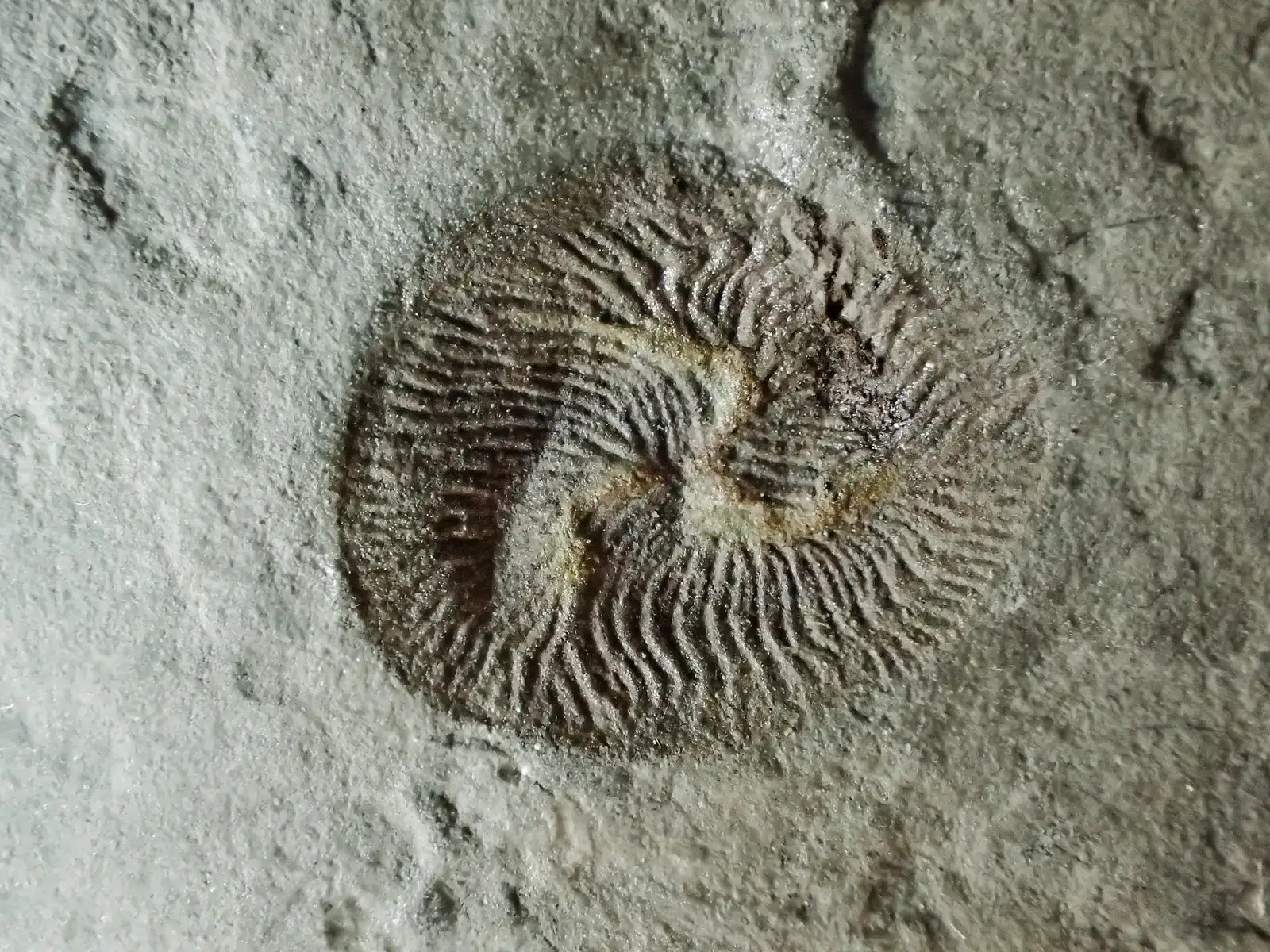
Tribrachidium’s body plan breaks a rule most biology students are taught as unbreakable. Nearly all animals fall into either bilateral symmetry, like humans, or radial symmetry, like jellyfish. Tribrachidium does neither – it has three-fold symmetry, three raised, curved ridges spiraling from a central point like a turbine pressed into rock.
This threefold body plan doesn’t match any living animal phylum, and no confirmed descendants of that layout exist anywhere in the modern tree of life. Early guesses connected it to sea anemones or echinoderms, but neither group naturally produces true three-fold symmetry as its baseline structure. Some paleontologists now argue Tribrachidium represents an entirely extinct experiment in body architecture – a symmetry type evolution tried once and then abandoned forever.
#17 – Spriggina, the Fossil That Named an Entire Period
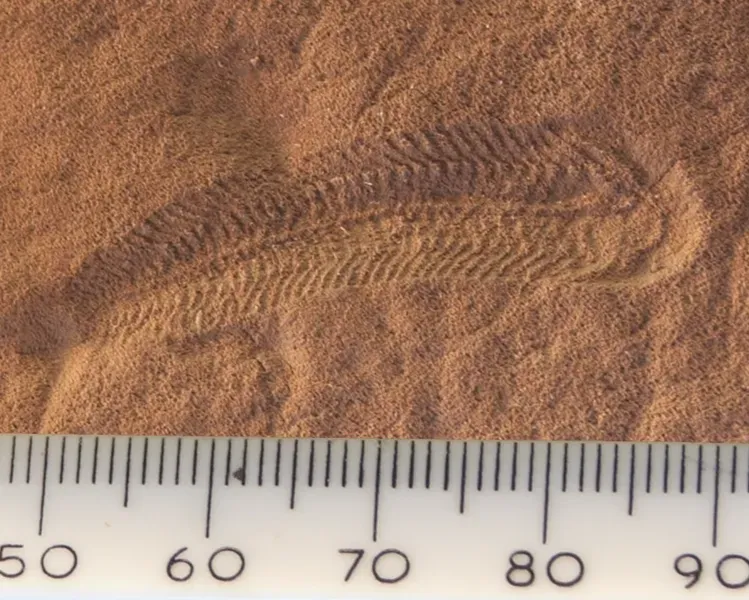
Spriggina was significant enough to help name an entire geological period, and scientists still can’t agree what kind of animal it actually was. This elongated, segmented creature with a horseshoe-shaped “head” region was one of the first Ediacaran fossils ever formally described. Early interpretations pegged it as a primitive arthropod ancestor or a trilobite relative, largely because of its segmented body – but no legs, antennae, or hardened exoskeleton have ever been confirmed on a single specimen.
More recent analysis suggests Spriggina might not even have true bilateral symmetry. Some specimens show the classic “glide symmetry” pattern seen in Dickinsonia and its relatives, where the two sides are offset rather than true mirror images. That detail alone knocks it out of the traditional arthropod lineup and back into the murky “unique Ediacaran body plan” category so many of its neighbors occupy.
#16 – Kimberella, the Mollusk That Might Not Be One
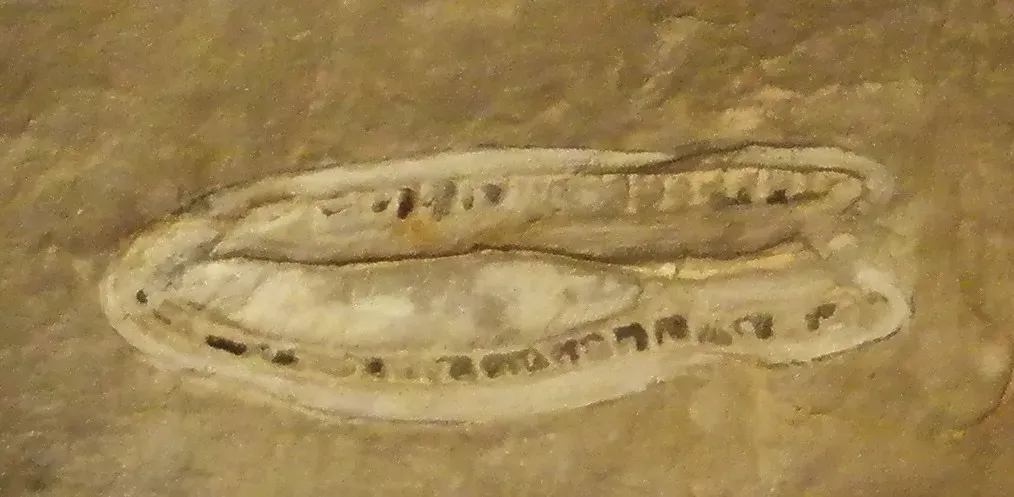
Kimberella gets cited constantly as “the earliest mollusk,” but that label carries more confidence than the fossil evidence actually supports. Shaped like a teardrop with a muscular foot-like underside, Kimberella is frequently associated with scratch marks in the surrounding sediment that look like feeding traces from a radula – the rasping, tooth-covered tongue unique to mollusks. That single detail launched Kimberella into textbooks worldwide as proof that mollusks existed before the Cambrian Explosion.
But no shell, radula, or internal mollusk-specific organ has ever actually been preserved in a Kimberella fossil, meaning the entire “earliest mollusk” claim rests on circumstantial trace evidence rather than direct anatomy. Skeptics argue it could just as easily represent an entirely separate, extinct lineage that evolved a radula-like feeding structure independently – a case of convergent evolution. Without a preserved shell or internal structure, there’s no way to rule that out.
#15 – Ainiktozoon, the Silurian Riddle in Its Own Name
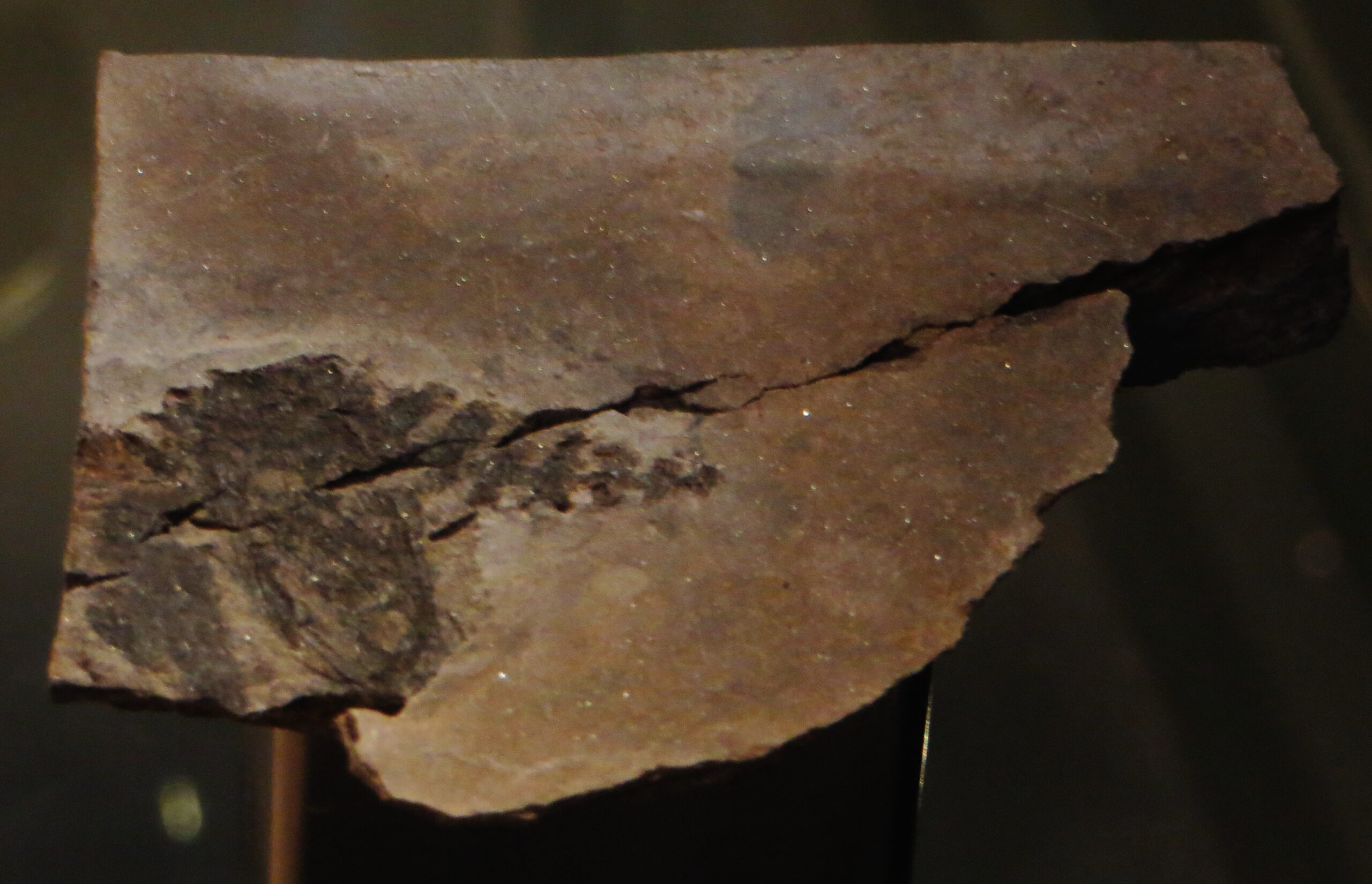
Ainiktozoon’s name literally translates to “enigmatic animal,” which tells you everything about how it’s been received since its discovery. Found in Silurian rock roughly 420 million years old, this small, oval, laterally compressed creature was initially proposed as an early chordate – possibly even a distant tunicate relative, which would make it relevant to the deep ancestry of animals with backbones. That interpretation stuck around in textbooks for years.
More recent re-examinations argue it actually shows features closer to a bivalved crustacean, a conclusion that would place it in a completely different branch of the animal kingdom. Both interpretations rely on the same handful of poorly preserved specimens, none detailed enough to settle the question. Half the literature treats Ainiktozoon as a proto-vertebrate, the other half as an ordinary crustacean, and nobody has produced the specimen that breaks the tie.
#14 – Xenusion, the “Walking Cactus” With No Fixed Address
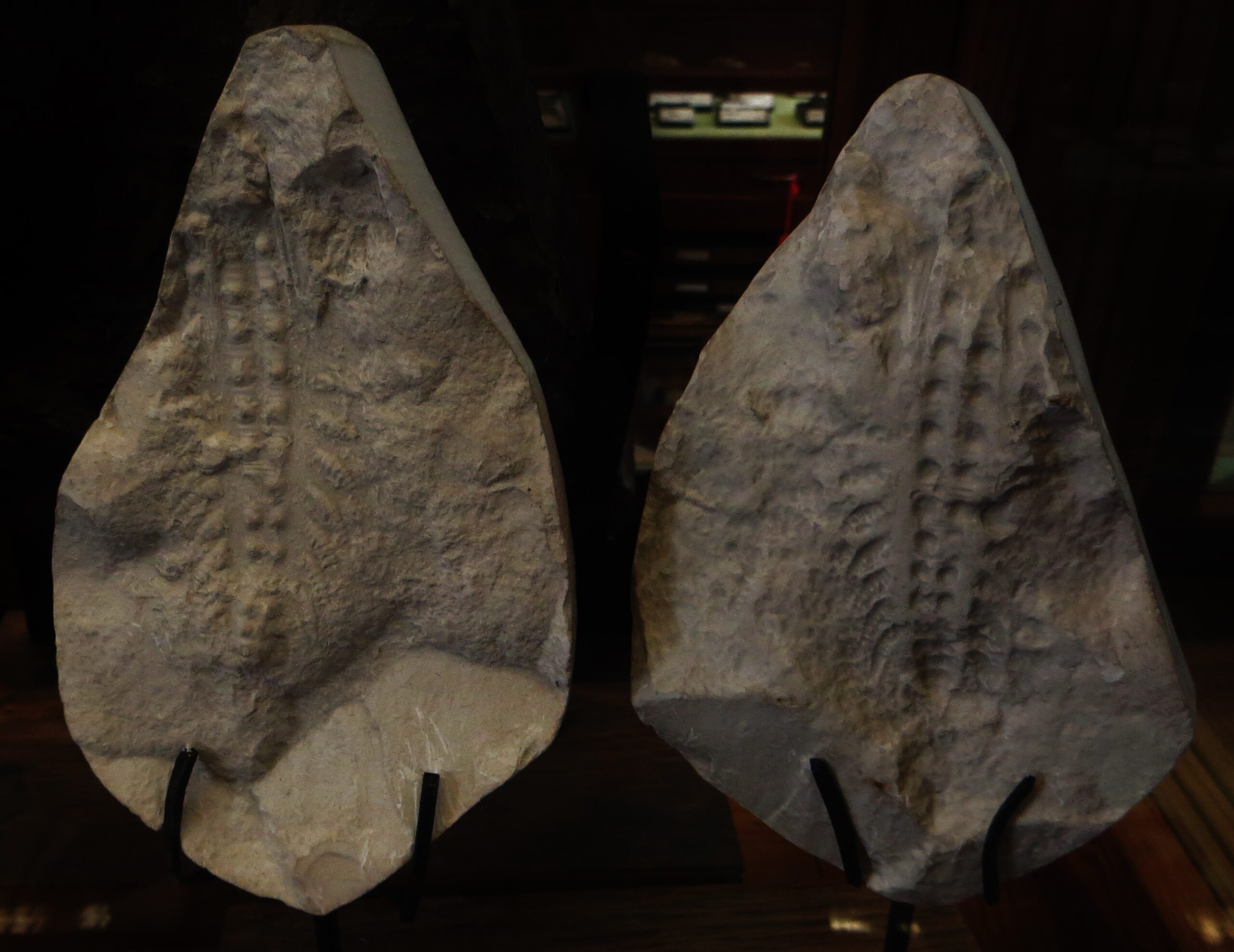
Xenusion looks like a spiky caterpillar crossed with a sea cucumber, and it’s been quietly confusing collectors since it was first found in a glacial boulder in Germany. This armored, worm-like creature belongs to a broader group called lobopodians – soft-bodied, many-legged animals often nicknamed “walking cacti” for their bristling rows of spines. Its original fossil was found loose in a glacial erratic, completely disconnected from any datable rock layer, meaning scientists can’t even confirm exactly when it lived.
Lobopodians as a group sit at an evolutionary crossroads between modern velvet worms, water bears, and arthropods, and different species lean toward different branches. Xenusion has never been cleanly slotted into any single one of those lineages. Some researchers argue it may represent a now-extinct side-branch that shared a common ancestor with all three groups but belongs definitively to none of them.
#13 – Facivermis, the Worm With Arms It Shouldn’t Have
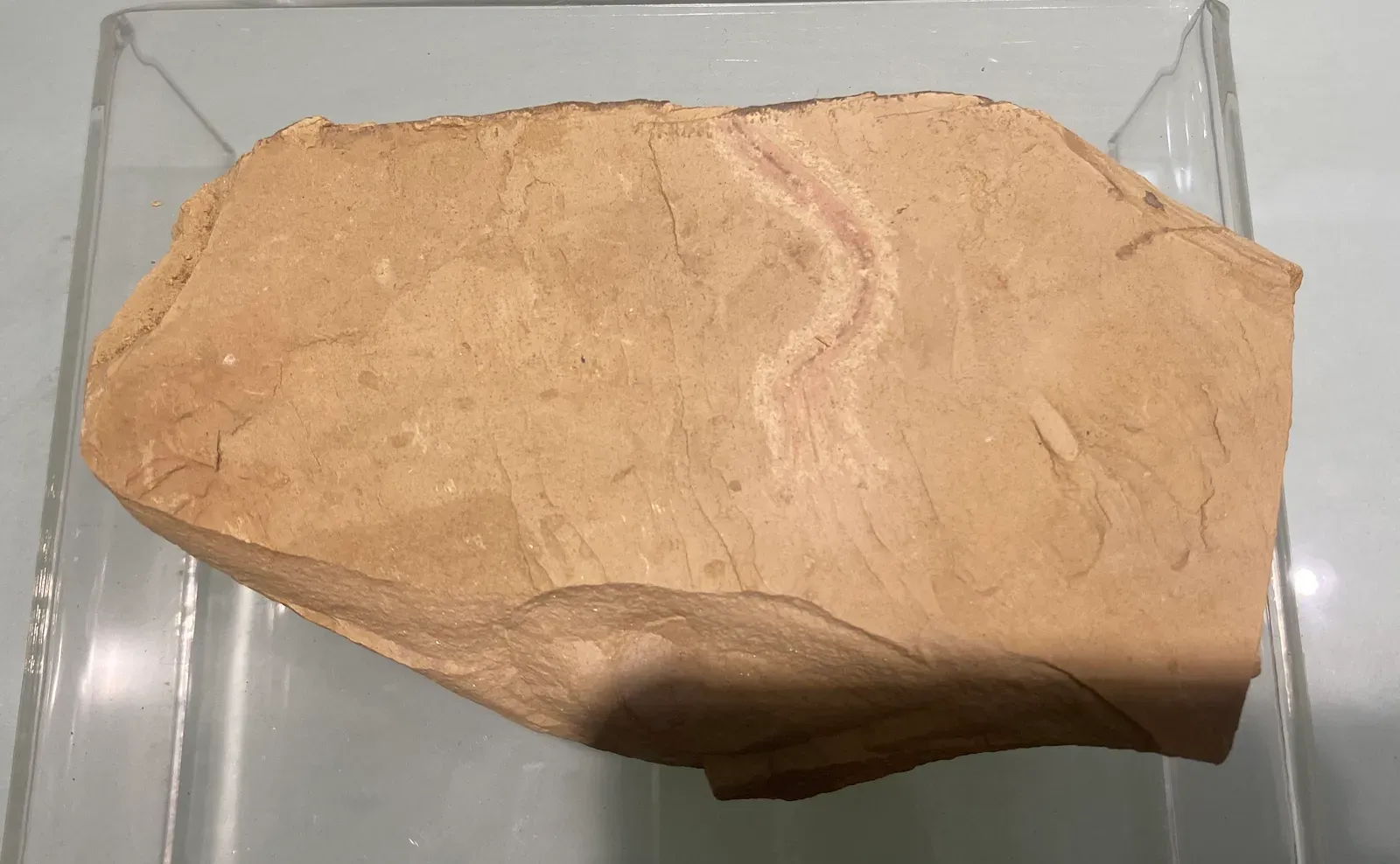
Facivermis looks like evolution changed its mind halfway through building it, and honestly, that might be exactly what happened. This Cambrian creature has a long, tapering, worm-like body anchored to the seafloor – but near its head, it sprouts a cluster of stubby, clawed limbs that look like they belong on a completely different animal. Facivermis appears to be a lobopodian that lost its walking legs entirely except for a few near the mouth, essentially “de-evolving” its own limbs while keeping just enough to grab passing food.
That makes it a genuinely rare fossil example of an animal actively simplifying its own body plan rather than adding complexity – which runs counter to the popular (and technically wrong) assumption that evolution always trends toward more elaborate structures. Some researchers argue it’s a transitional form on the way to becoming a tube-dwelling filter feeder; others think it’s simply a dead-end oddity with no modern descendants. Either way, it doesn’t map cleanly onto any living phylum’s standard body plan.
#12 – Herpetogaster, the Tentacled Mystery Anchored to the Seafloor
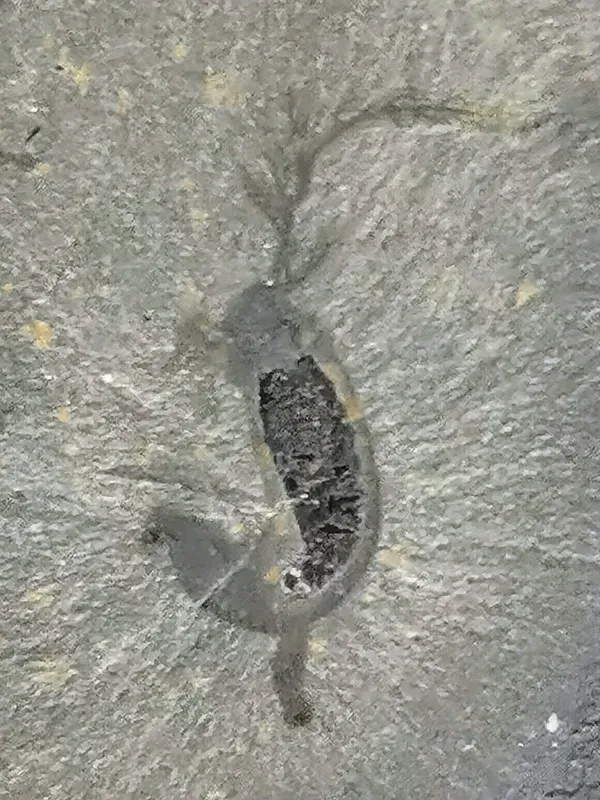
Herpetogaster looks like a fossil that got its head and tail confused, and paleontologists are still arguing about which end is which. This Cambrian animal had a bulbous body, a long stalk anchoring it to the ocean floor, and a crown of tentacle-like feeding arms extending outward. That basic layout invites comparisons to modern echinoderms – the group containing starfish and sea cucumbers – as well as hemichordates, a completely separate branch of deuterostome animals.
Herpetogaster shows features that overlap with both groups without fully matching either one, making it a genuine transitional puzzle rather than a simple misidentification. If it really does sit near the split between echinoderms and hemichordates, it would be an extraordinarily rare snapshot of an evolutionary branch point almost never preserved in the fossil record. But several competing papers have proposed different placements within the broader deuterostome family tree, and none has achieved anything close to consensus.
#11 – Banffia, the Vetulicolian Nobody Can Fully Explain
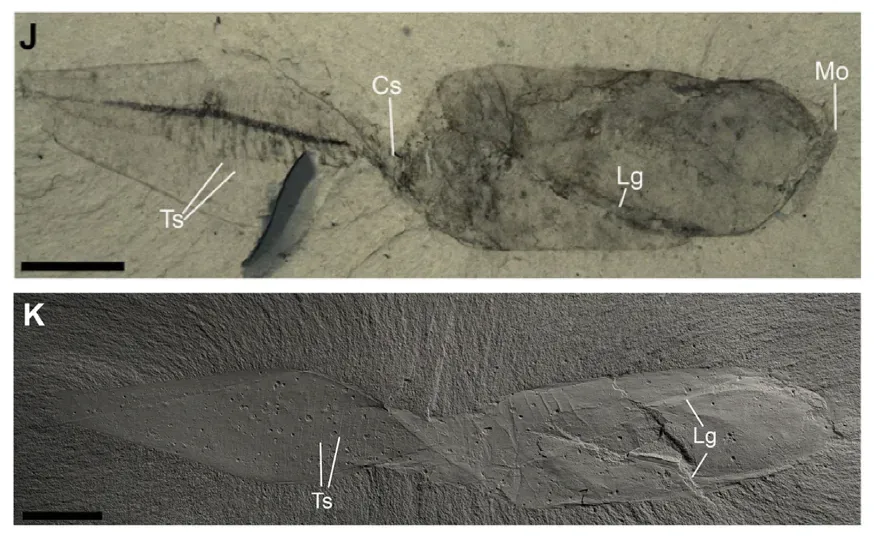
Banffia belongs to a group of Cambrian animals so strange that scientists had to invent an entirely new category just to have somewhere to put them. Shaped like a segmented, bean-like pod with a long tail extending from one end, Banffia is part of the vetulicolians – a small, bizarre group found primarily in the Burgess Shale and Chengjiang deposits. Vetulicolians as a whole have been proposed as arthropods, as early deuterostomes related to vertebrates, and even as a completely independent phylum with no living relatives at all.
Banffia specifically complicates things further because its segmented body superficially resembles an arthropod’s, yet it lacks the jointed limbs, antennae, or hardened exoskeleton that would confirm that placement. Meanwhile, structures some researchers interpret as gill slits have fueled the competing argument that vetulicolians sit closer to the lineage that eventually produced vertebrates. Depending on which paper you read, Banffia is either a distant cousin of arthropods or a distant cousin of humans – and that is not an exaggeration of how wide the disagreement actually runs.
#10 – Vetulicola, the Namesake Nobody Can Classify
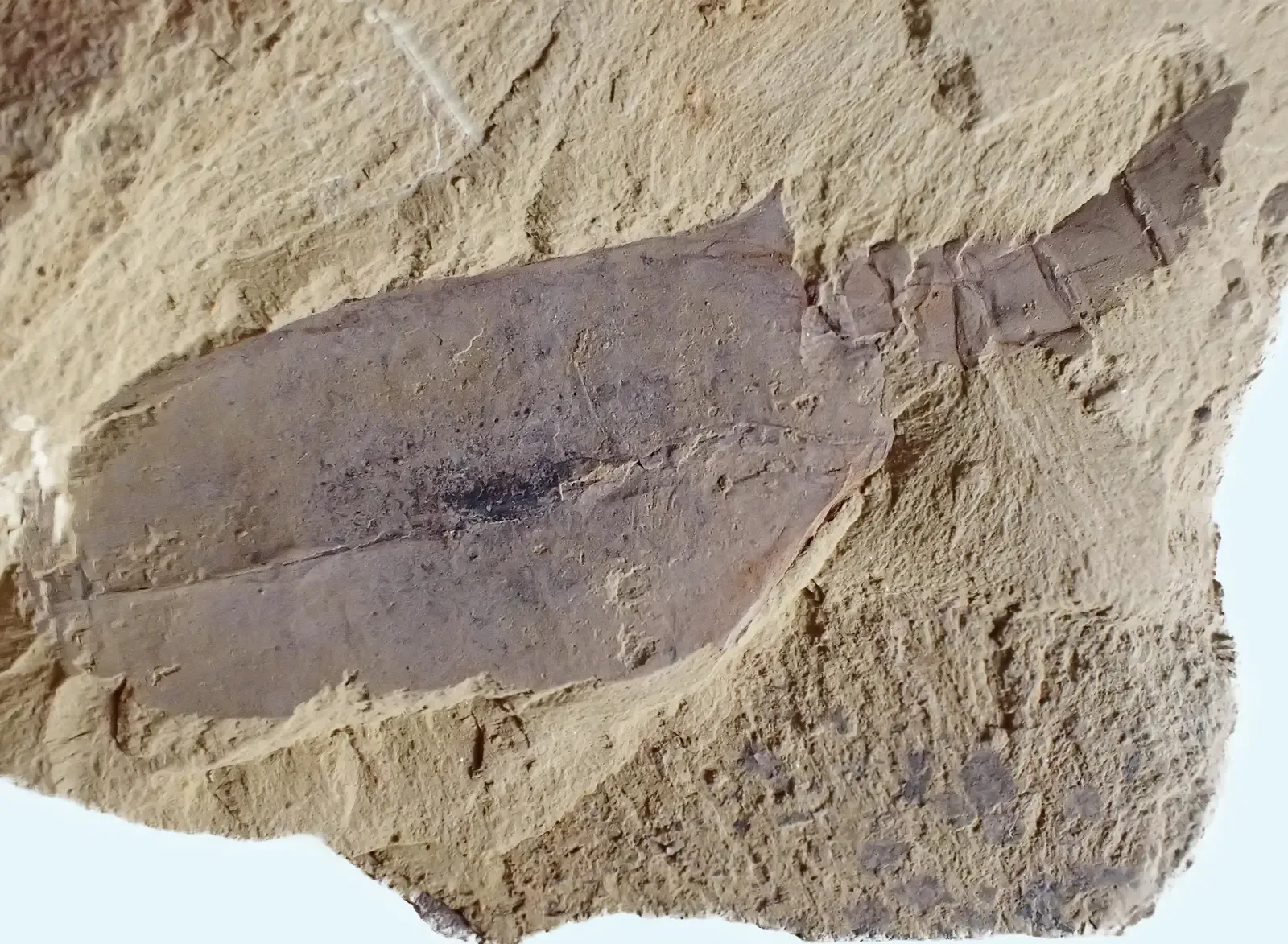
Vetulicola gave its name to an entire group of animals, and it still doesn’t have a confirmed home within that group’s proposed family tree. With a hard, box-like front section and a segmented tail, it looks a little like an armored tadpole, which is part of why it’s confused researchers since its initial description. The debate over whether vetulicolians belong with arthropods or with early deuterostomes hinges heavily on structures in Vetulicola’s front carapace, which some scientists interpret as gill slits used for filter feeding.
If those structures really are gill slits, Vetulicola would represent one of the earliest deuterostomes ever found – putting it distantly on the same branch as fish, amphibians, and eventually humans. Critics argue the structures could just as easily be simple openings unrelated to respiration, and that its overall body plan fits better with an early, now-extinct arthropod lineage. The stakes are unusually high: it’s essentially a fight over whether an entire obscure Cambrian group belongs on humanity’s side of the evolutionary tree or a completely separate branch.
Quick Compare
- Arthropod theory: segmented body plan looks superficially similar, but no jointed limbs or antennae have ever been confirmed
- Early deuterostome theory: possible gill-slit structures in the front carapace could link vetulicolians to fish, amphibians, and eventually humans
- Independent phylum theory: some researchers argue the group simply doesn’t fit either camp and deserves its own extinct branch
#9 – Yunnanozoon, the Fossil Fought Over by Three Different Phyla
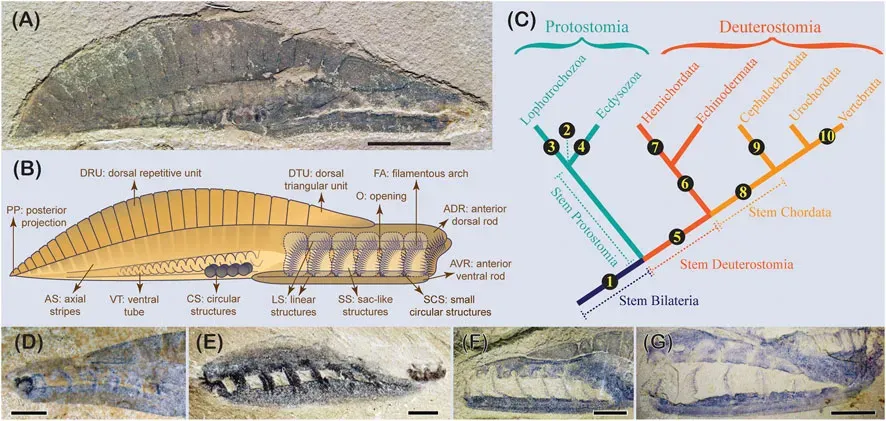
Yunnanozoon has been claimed by chordates, hemichordates, and an entirely separate extinct group, and none of those claims has ever been fully retracted. Discovered in China’s famous Chengjiang deposits, this small, elongated Cambrian creature has segmented structures along its body that different research teams have interpreted as gill arches, pharyngeal structures, or entirely non-respiratory anatomy, depending on which paper you’re reading. If Yunnanozoon really is a primitive chordate, it would be one of the very oldest animals on the direct evolutionary line leading to vertebrates – and, eventually, humans.
Multiple competing studies published across several decades have gone back and forth on this exact question. Some teams have reclassified it as a chordate, others have pulled it back toward hemichordates – a group that includes modern acorn worms – and still others argue it deserves its own entirely separate classification outside both groups. Few Cambrian fossils have swung this dramatically between such fundamentally different phyla, and every reclassification effectively rewrites a small piece of the story of how backboned animals began.
#8 – Amiskwia, the Arrow Worm That Might Not Be One
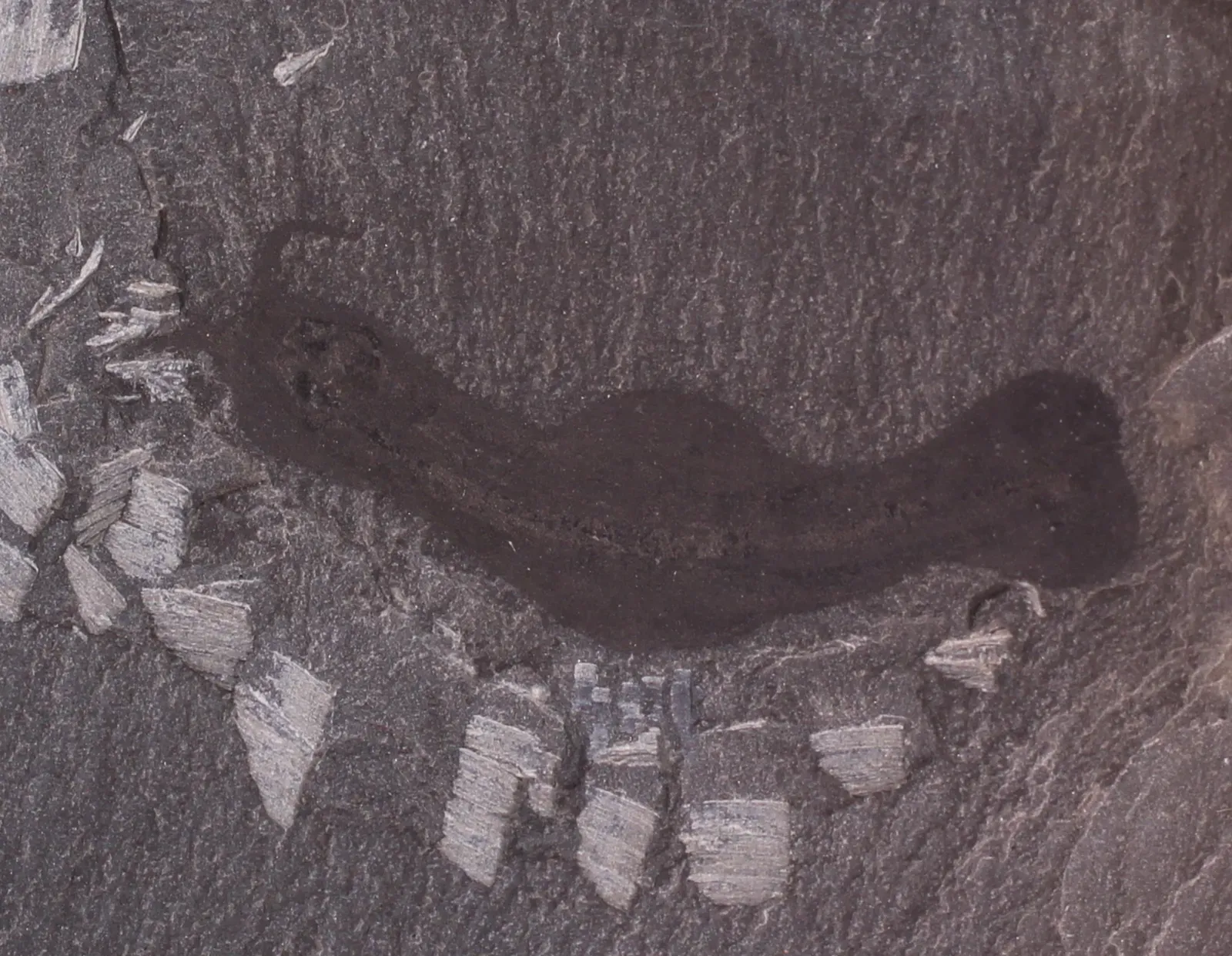
Amiskwia looks simple – a flattened, ribbon-like body with two small tentacles and a tail fin – and that simplicity is exactly why it’s been so hard to classify. For decades, it was confidently labeled a chaetognath, the technical name for modern arrow worms, small predatory ocean animals still alive today. That comparison was based mainly on general body shape, since arrow worms also have an elongated, fin-tailed profile.
The problem is that Amiskwia lacks the hooked grasping spines around the mouth that define every living arrow worm species, an absence serious enough that many specialists now reject the label entirely. Alternative proposals have piled up since: some researchers suggest it’s an early relative of modern nemertean ribbon worms, others propose a lineage with no modern survivors at all. Because it’s known from a small number of Burgess Shale specimens, none preserved well enough to show fine internal anatomy, the debate has stalled rather than resolved.
#7 – Odontogriphus, the “Tooth Riddle” Still Unsolved
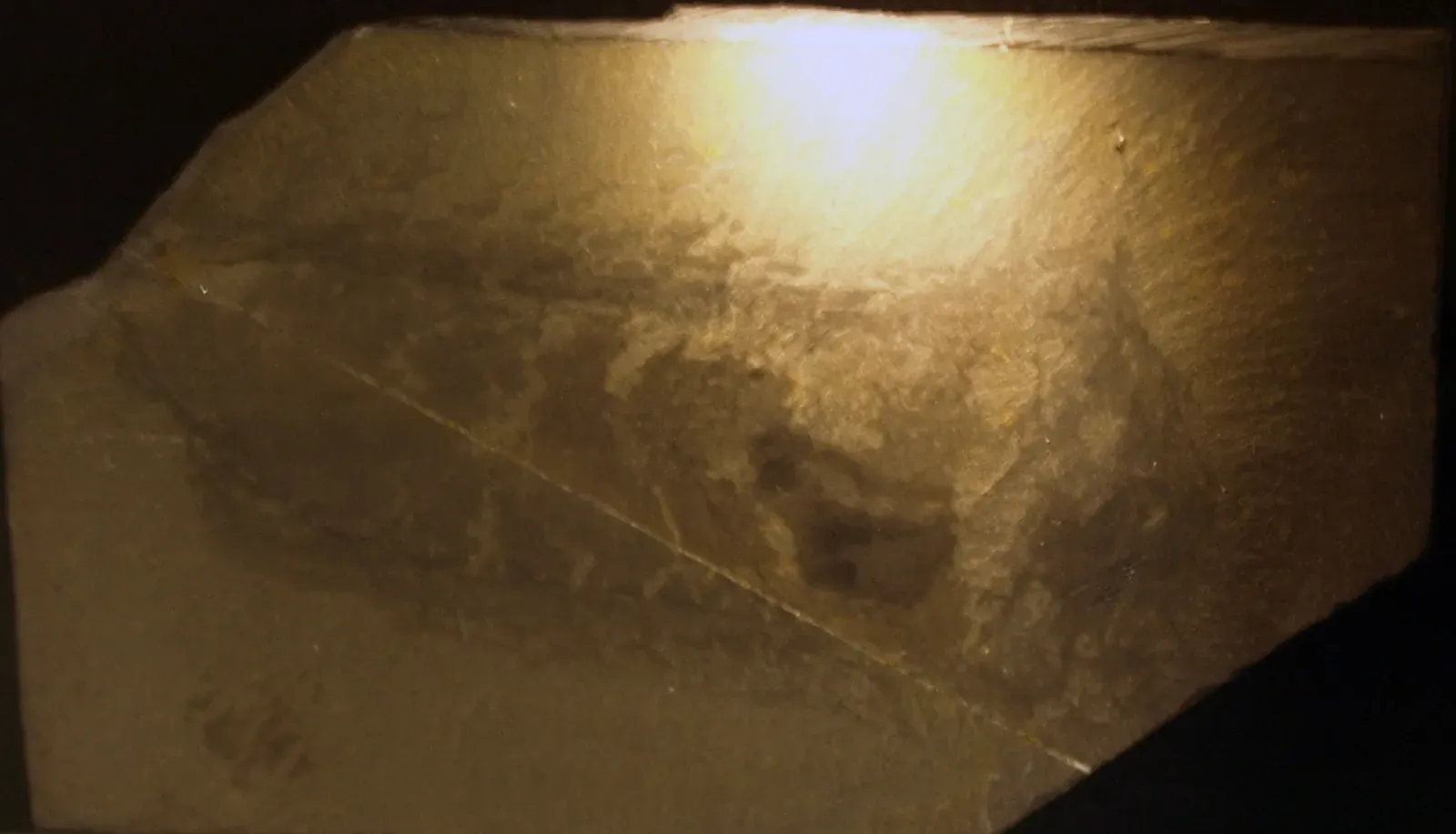
Odontogriphus literally translates to “tooth riddle,” a name chosen specifically because nobody could agree what its mouth structure actually was. This soft-bodied, oval Cambrian animal has a row of tiny hook-like structures around its front end that immediately reminded early researchers of a radula, the rasping tongue structure unique to mollusks. Based on that resemblance, Odontogriphus was proposed as an early stem-mollusk – a genuinely big deal for tracing when that entire phylum first appeared.
But other researchers argue those same structures are actually a completely different, unrelated feeding apparatus with no direct mollusk connection at all, and that disagreement has never been fully resolved. Adding to the confusion, Odontogriphus shares enough overall body shape with the equally puzzling Wiwaxia that some scientists think the two might be closely related, or even variations of the same body plan at different growth stages. Depending on which recent paper you trust, Odontogriphus is either a primitive mollusk ancestor or something that merely evolved mollusk-like feeding structures independently.
#6 – Wiwaxia, the Scaled Slug With an Identity Crisis
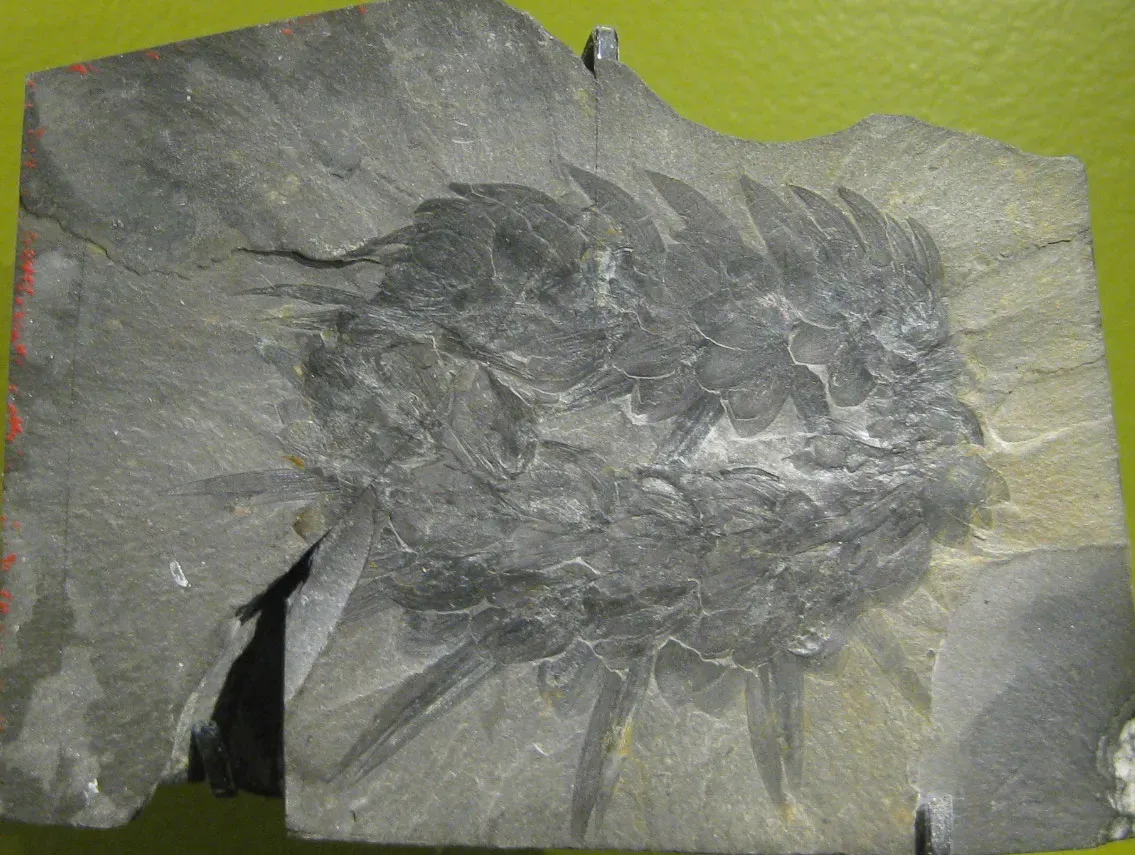
Wiwaxia is covered in overlapping armor scales and long defensive spines, and paleontologists have spent decades arguing over which major animal group it actually belongs to. At first glance, this slug-shaped Cambrian creature looks like it should be an easy classification – soft body, hard external plates, defensive spikes running along its back. The trouble starts underneath, where Wiwaxia has a small feeding structure that some researchers interpret as an early radula, pointing toward mollusks, while others interpret the exact same structure as evidence of an annelid worm relationship instead.
That single feeding structure has split the scientific literature into two competing camps for more than 40 years, with neither side producing a fossil detailed enough to end the argument. If Wiwaxia really is an early mollusk, it reshapes the timeline for when that massive, modern-day phylum – everything from clams to octopuses – first branched off. If it’s closer to annelids instead, it belongs with earthworms and leeches on a completely different branch of the tree, and it has been reassigned back and forth between these two positions more times than almost any other Cambrian fossil.
Worth Knowing
- Covered in overlapping armor scales plus long defensive spines
- The mollusk-vs-annelid debate has run for more than 40 years
- A single feeding structure is the entire source of the disagreement
- Reassigned between competing phyla more times than almost any other Cambrian fossil
#5 – Hallucigenia, the Animal Science Put Upside Down for Decades
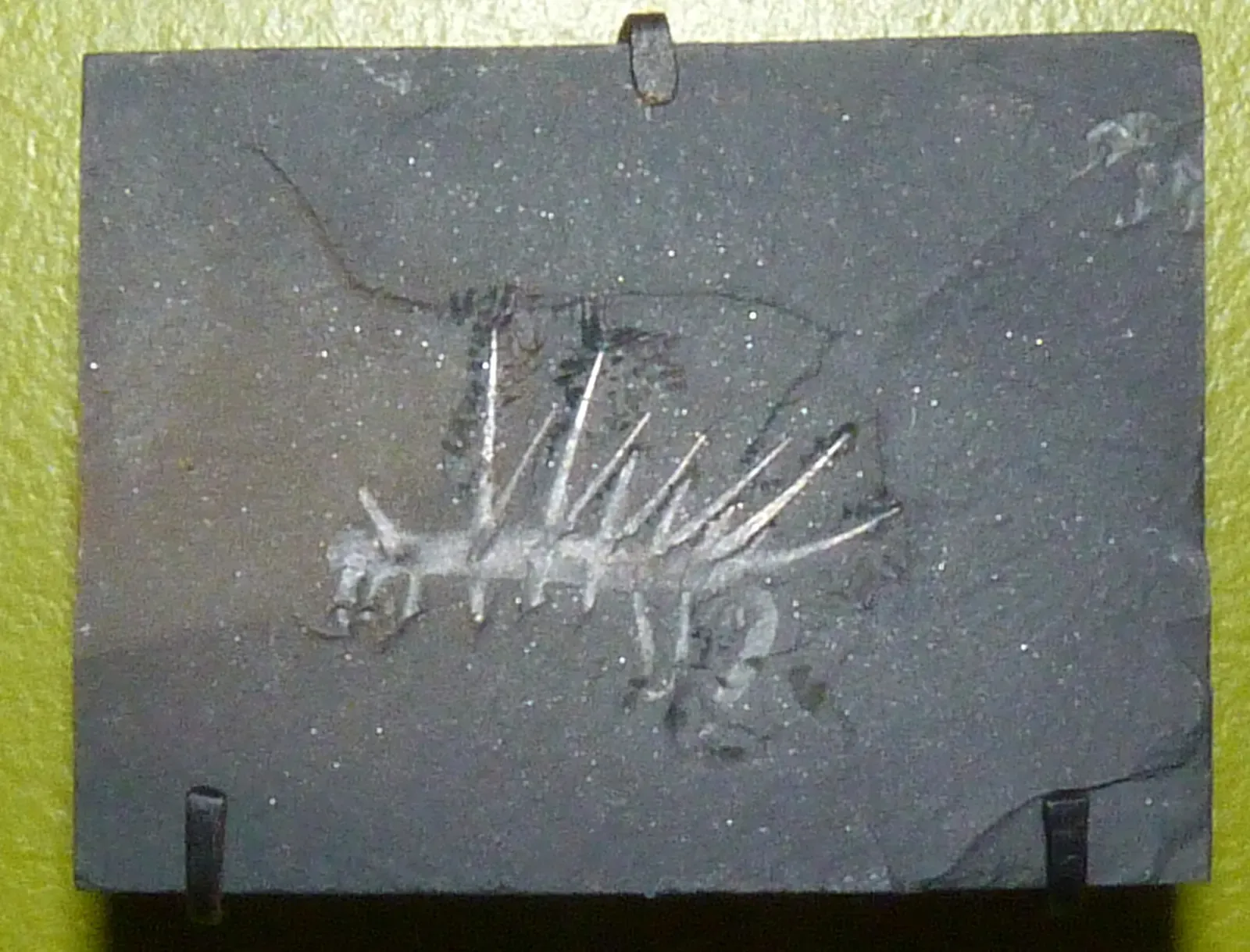
Hallucigenia was so bizarre that scientists literally reconstructed it backward and upside down for over a decade before anyone noticed the mistake. This spiny, worm-like Cambrian creature has rows of rigid spikes running along its back and pairs of thin, clawed legs underneath – or at least, that’s the current interpretation. For years, paleontologists assumed the spikes were legs and the legs were tentacles sprouting from its back, meaning the earliest published reconstructions had the entire animal walking on stilts with its “legs” pointed skyward.
That reversed interpretation stood as accepted science for roughly a decade before new specimens forced a total reconstruction of the body plan. Even after the orientation was corrected, Hallucigenia’s broader classification remained genuinely contested for years, with competing camps arguing over whether it belonged with modern velvet worms, water bears, or an entirely separate lobopodian lineage with no living descendants. It stands as one of the most cited cautionary tales in all of paleontology – proof that even a complete fossil can be assembled entirely backward before anyone catches the error.
#4 – Dickinsonia, the “Animal” That Still Divides Experts
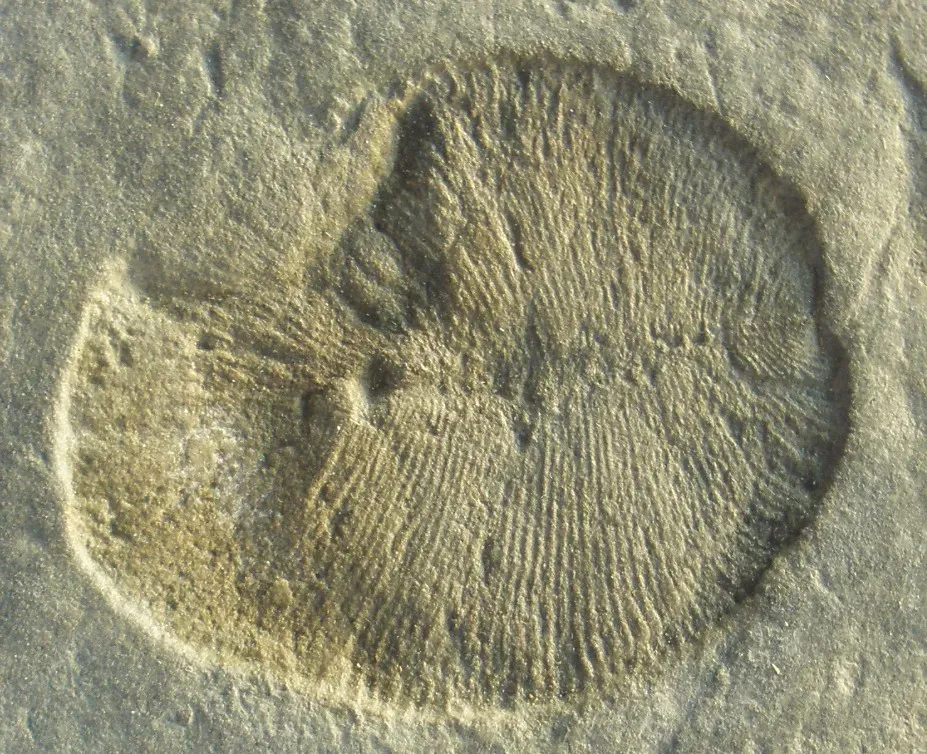
Dickinsonia is routinely called one of Earth’s earliest known animals, but that label is far shakier than most headlines let on. This flat, ribbed, oval-shaped Ediacaran organism could grow to over four feet across and sports a distinct ridge down its center, making it one of the largest and most recognizable fossils from before the Cambrian Explosion. For decades, competing camps have argued it was an animal, a fungus, a giant single-celled protist, or something entirely outside every modern kingdom of life.
A 2018 biomarker study finally moved the needle: fossilized tissue was found to contain overwhelming amounts of ancient cholesterol, up to 93 percent, which strongly points to an animal origin, since fungi and algae don’t produce cholesterol at that concentration. That’s a real breakthrough – but “basal animal” is not the same as “solved.” Dickinsonia’s exact affinities are still contested, and it’s been placed in its own extinct phylum precisely because it doesn’t cleanly fit anywhere else.
#3 – Nectocaris, the Squid That Predates Squid Evolution
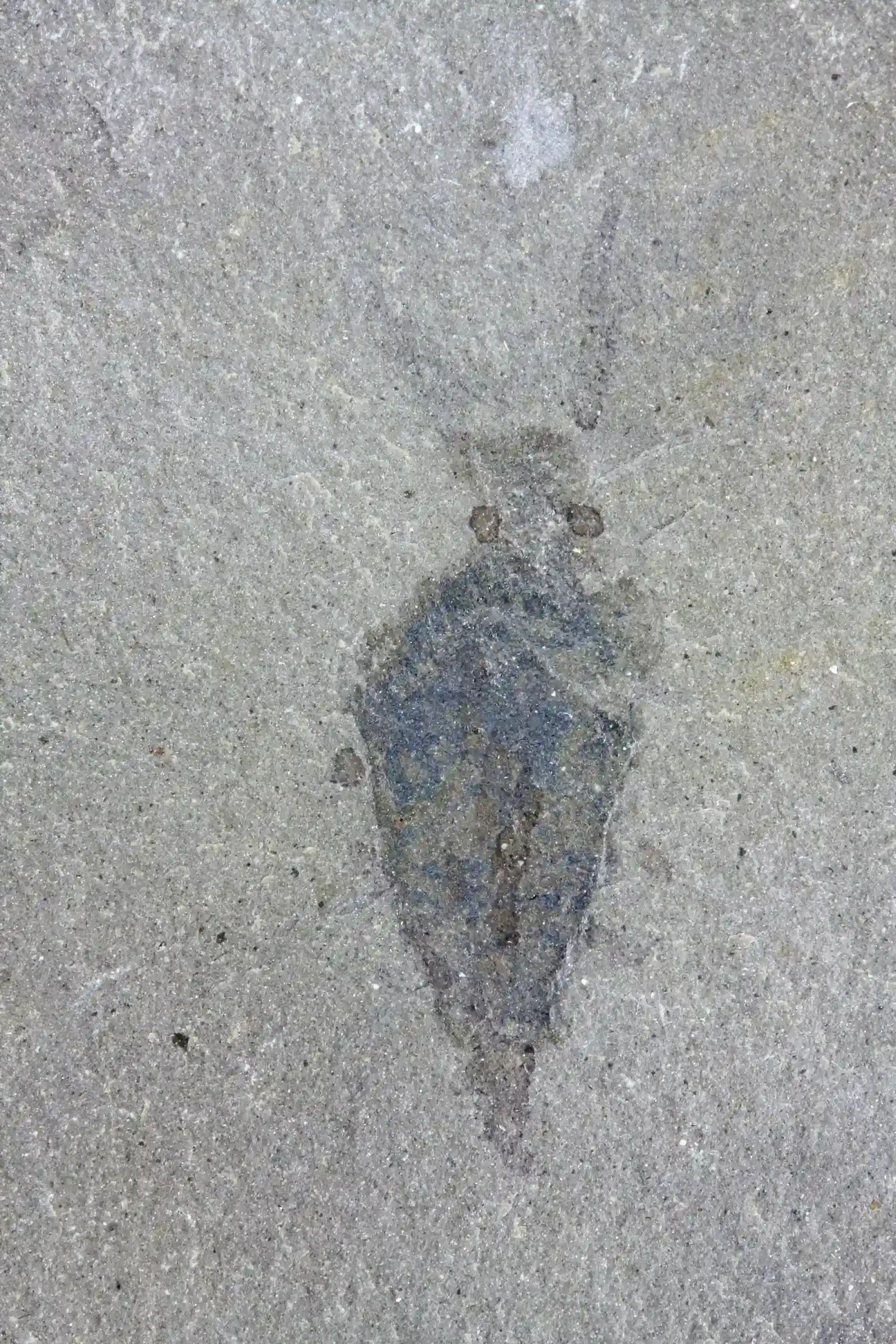
Nectocaris looks unmistakably like a small squid, except it swam through Cambrian oceans roughly 250 million years before true squids existed – and that timing problem still hasn’t been fully resolved. With a small head bearing eyes, a pair of tentacle-like appendages, a flattened body, and broad lateral fins running along its sides, it earned comparisons to modern cephalopods almost immediately. Researchers who redescribed the animal using newly available Burgess Shale specimens argued it represented the oldest cephalopod relative ever found.
The catch is that Nectocaris completely lacks a shell, a feature every early true cephalopod is expected to have had, which some specialists say rules it out of the cephalopod family entirely. Other researchers have pushed back hard, with one detailed reassessment arguing its anatomy actually fits better inside the phylum Chordata, comparing its tail to structures seen in modern tunicate larvae. It’s a fossil that keeps getting assigned a phylum, only to have that assignment challenged a few years later.
#2 – Typhloesus, the “Alien Goldfish” With No Confirmed Family
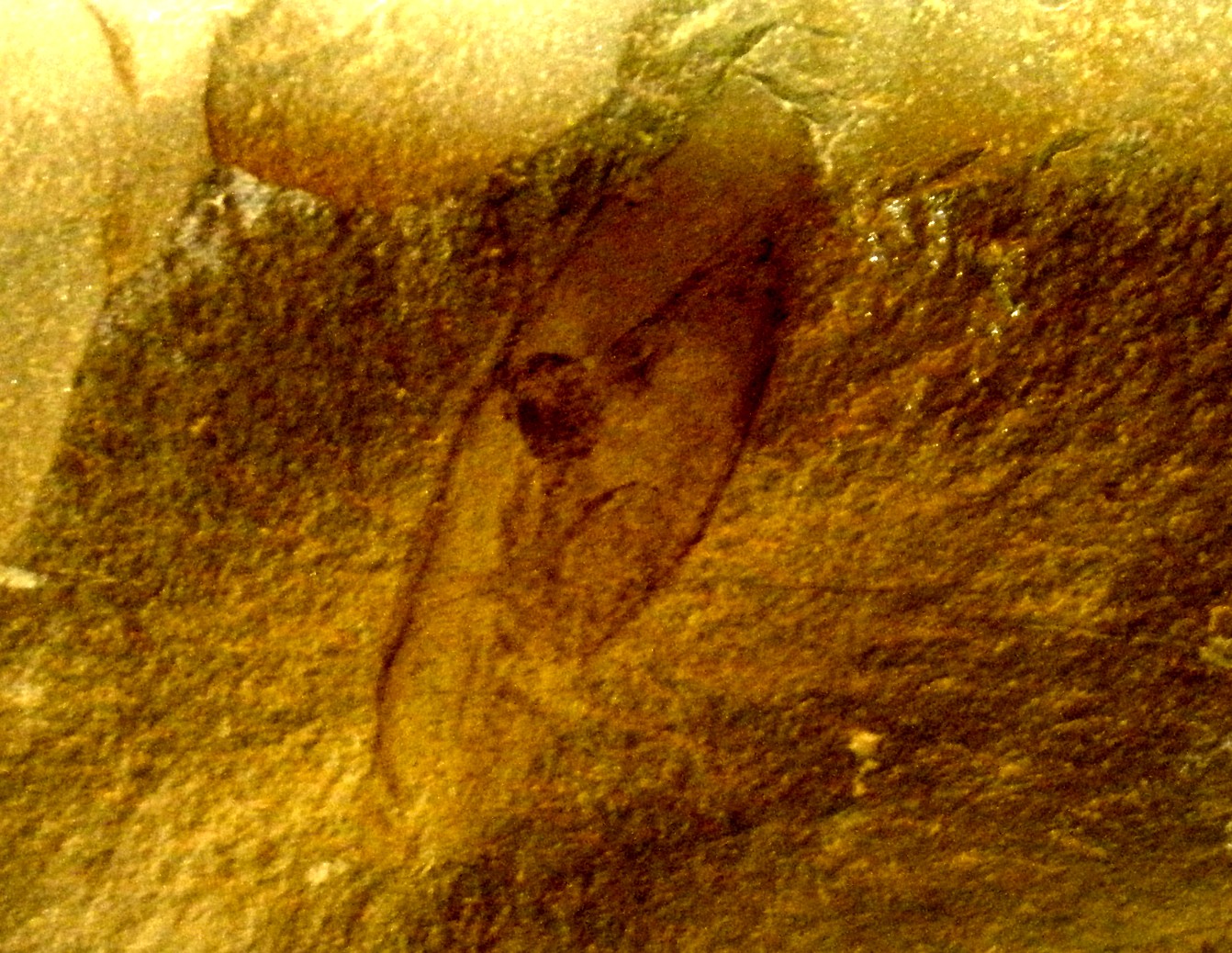
Typhloesus earned the nickname “alien goldfish” because absolutely nothing about its anatomy matches any known animal group, and that nickname has stuck for good reason. Pulled from Montana’s 330-million-year-old Bear Gulch Limestone, this streamlined, finned creature has defied taxonomic placement for nearly 50 years. It had a substantial tail fin and a gut often packed with the remains of early fish, and scientists couldn’t decide whether it was more closely related to a worm, a jawless fish, or something else entirely.
It was initially mistaken for the long-sought “conodont animal” in the 1970s, since it was one of the first body fossils found containing conodont elements – until true conodont animals were later discovered elsewhere looking nothing like it. Strangest of all, Typhloesus had a pair of mysterious iron-rich organs nicknamed “ferrodiscus,” disc-shaped structures packed with iron whose function remains completely unexplained. Recent research has even uncovered a radula-like feeding structure in several specimens, leading some scientists to argue it may represent an independent lineage of ancient sea snails – though that’s simply the newest guess layered on top of five decades of conflicting ones.
#1 – Tullimonstrum, the “Tully Monster” Still Defying Every Category
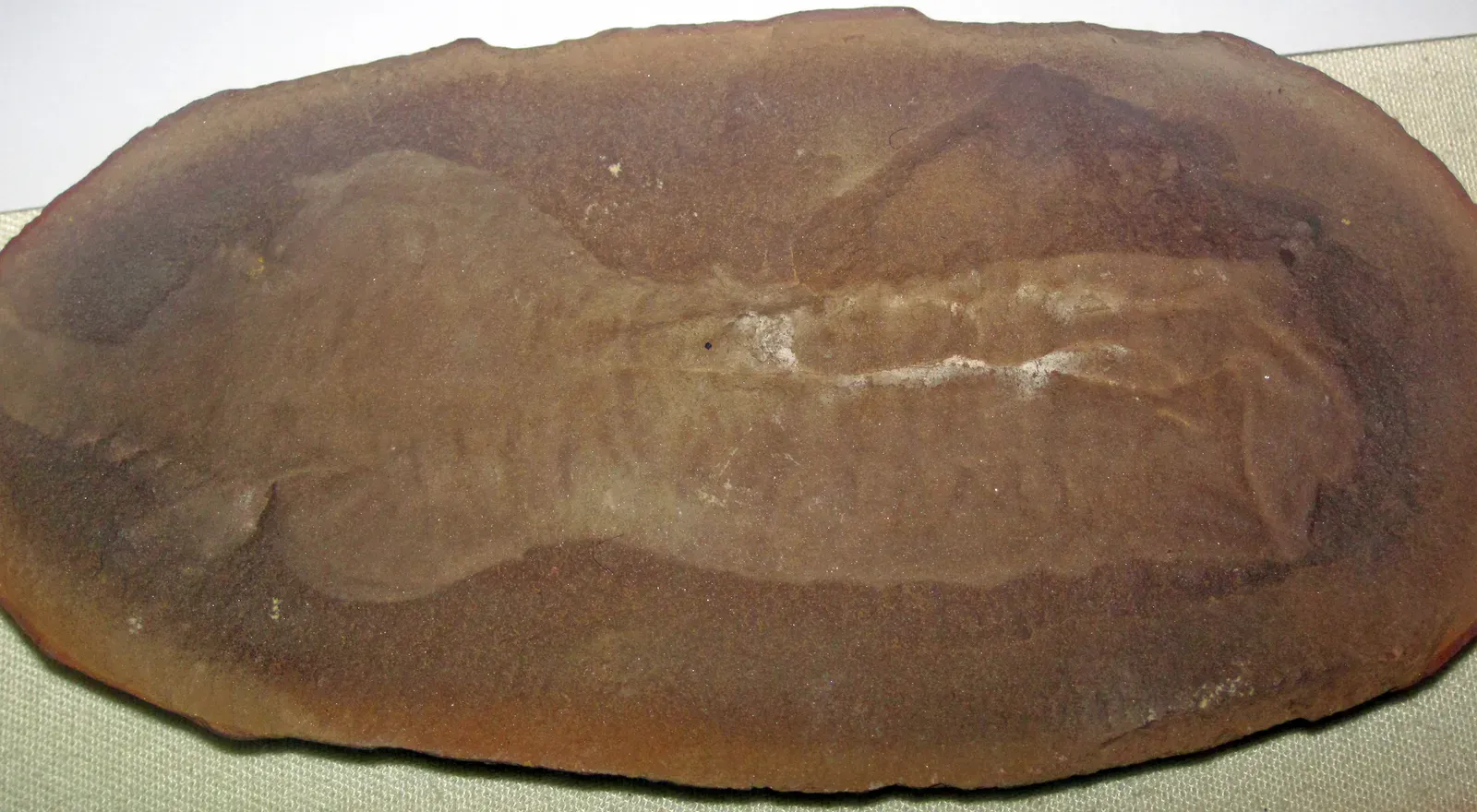
The Tully Monster is Illinois’s official state fossil, and after nearly 70 years of intense study, scientists still cannot agree whether it had a backbone. Amateur collector Francis Tully found the first fossils in Illinois’ Mazon Creek formation in 1955 and brought his unidentified “monster” to the Field Museum of Natural History, where it confounded paleontologists and opened a debate that would last decades. With stalked eyes and a long, pincer-tipped proboscis unlike any known animal structure, it was formally described in 1966 and became the official state fossil in 1989.
In 2016, one research team argued it was a vertebrate closely related to lampreys – then a completely different team, using particle-accelerator imaging technology, argued the exact opposite just a few years later. That back-and-forth has never fully stopped; the most recent 3D-imaging work concludes only that the Tully Monster was an invertebrate, without settling what kind. Seventy years, thousands of specimens, and multiple particle accelerators later, science still can’t tell you what family this animal belongs to.
At a Glance
- 1955: First fossils found by amateur collector Francis Tully in Illinois
- 1966: Formally described by scientists
- 1989: Named Illinois’s official state fossil
- 2016 onward: Competing research teams reach opposite vertebrate-vs-invertebrate conclusions
The Bottom Line
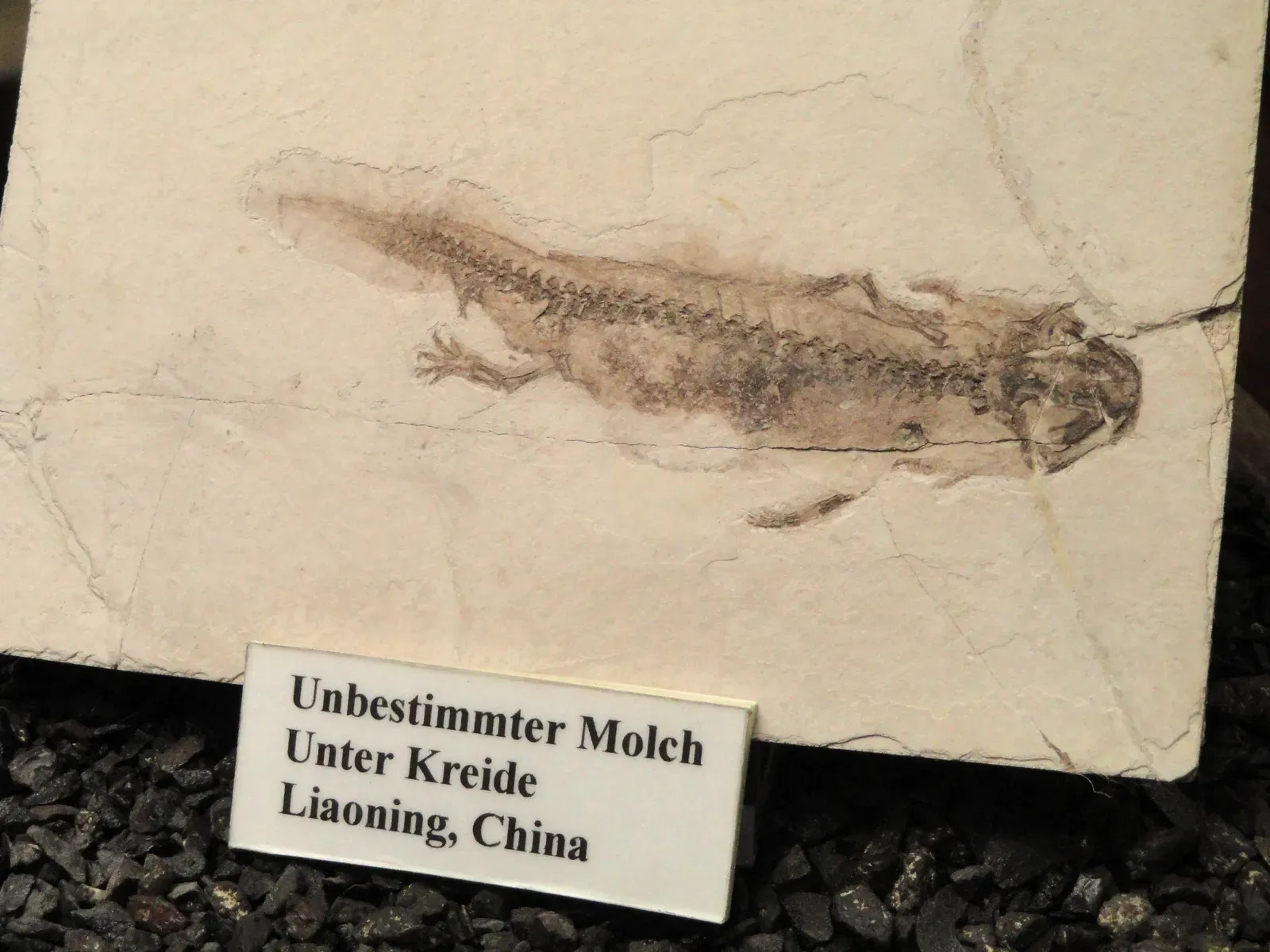
Here’s the uncomfortable truth: paleontology is nowhere near as “solved” as museum placards make it look. Twenty-two genuinely different creatures, spanning nearly 500 million years, still don’t have a confirmed home on the tree of life – and several of them, the Tully Monster especially, have been fought over by rival teams using increasingly expensive technology without a clear winner.
Honestly, that’s the best part of the story, not the embarrassing part. Every one of these unresolved fossils is proof that the tidy diagrams in biology textbooks are a simplified best-guess, not a finished map. Science doesn’t get less interesting when it admits it doesn’t know something – it gets more interesting, because somewhere out there is the specimen, the scan, or the stray fossil sitting in a drawer that finally settles one of these arguments for good.
Which of these do you think will finally get classified first – and which one do you think will still be a mystery a hundred years from now? Drop your guess in the comments.