
Most people assume the fossil record works like a filing cabinet: one drawer per era, everything sorted, nothing out of place. Crack open the actual field reports, though, and that tidy image starts to wobble almost immediately.
Ancient animal remains keep turning up in rock layers, caves, and sediments where they technically “shouldn’t” exist – sometimes millions of years too early, sometimes thousands of years too late. Scientists usually have an explanation ready: reworked fossils, contamination, mis-dating. But a few of these cases refuse to fit neatly into any box, and once you see the pattern across all 23, the “settled” timeline starts to look a lot more fragile than the textbooks let on.
#23 – Dinosaur Bones Buried in Rock That’s “Too Young” to Hold Them
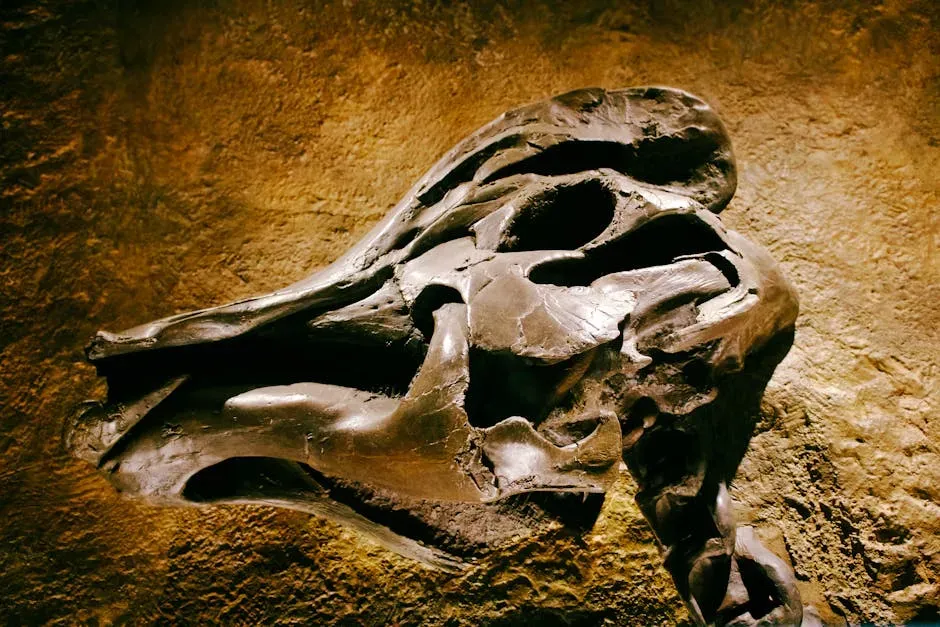
It sounds like a typo in a museum label: dinosaur bones sitting inside rock layers that are supposed to date from long after the dinosaurs died out. But it’s not a typo. Scattered sites across North America and Europe have logged fragmentary dinosaur remains inside Paleocene-age rock – the very geological chapter that opens right after the mass extinction line at 66 million years ago.
The standard fix is “reworking”: older Cretaceous bones eroding out of one layer and getting redeposited into a younger one. That’s real, and it explains plenty. But at a few sites, the bones look surprisingly fresh and sit inside undisturbed layers, which raises an uncomfortable question – is that extinction boundary really as sharp as the charts make it look?
Wait until you see what turned up right next to “long extinct” megafauna at #22.
#22 – Stone Tools Sitting Beside Megafauna That “Shouldn’t” Have Met Humans Yet
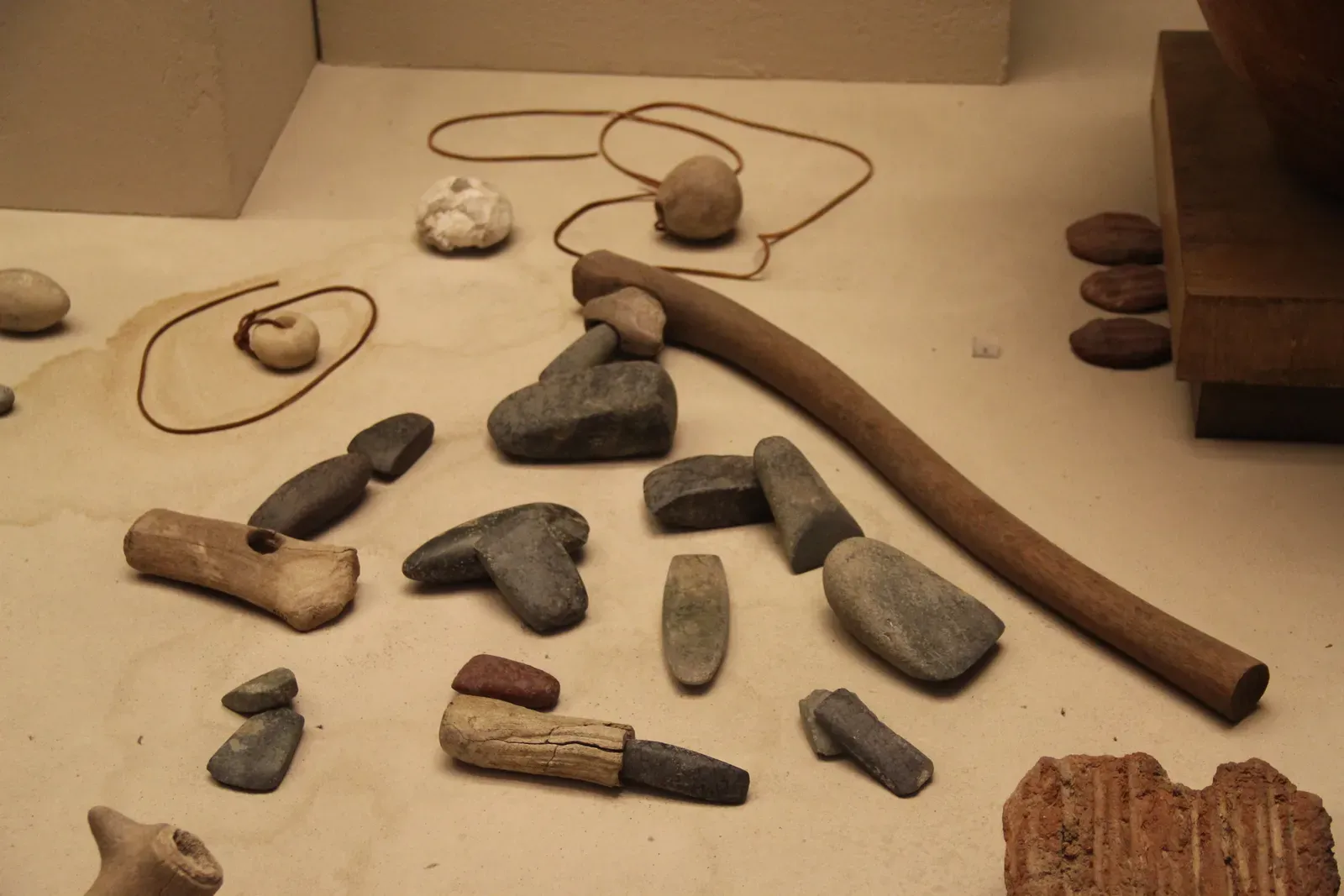
Archaeology textbooks long drew a clean line: modern humans reached the Americas around 13,000 years ago, right as mastodons and giant ground sloths were fading out. Several controversial sites blow past that line entirely, showing stone tools apparently tied to megafauna bones in layers dated tens of thousands of years earlier.
Mainstream researchers often push back – maybe the tools slipped down from a higher layer, maybe burrowing animals mixed things up. But in a handful of digs, the stratigraphy is clean, the tools show real use-wear, and the bones carry cut marks exactly where a butcher would leave them. If those associations hold, humans and “already extinct” animals shared the landscape far longer than the timeline admits.
The next case involves a fish that supposedly died with the dinosaurs – and then just kept swimming.
#21 – The Coelacanth’s 65-Million-Year Disappearing Act
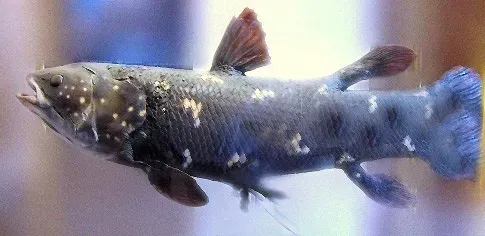
Everyone knows the coelacanth as the “living fossil” that stunned scientists when a live one was hauled off a fishing boat in 1938. What gets left out of that story is how badly its fossil record wrecks the idea of clean timelines. Officially, coelacanths vanish from the fossil record at the end of the Cretaceous, then reappear alive after a supposed 65-million-year absence.
Later fossil finds quietly pushed that “last” coelacanth much younger than first believed, forcing an awkward revision nobody likes to advertise. The bigger lesson: if an entire lineage can vanish from the rock record for tens of millions of years and then swim right up to a fishing boat, the logic of “we don’t find it in this layer, so it wasn’t alive then” is a lot weaker than scientists like to admit.
Fast Facts
- The first live specimen was caught in 1938 off South Africa’s coast, decades after the species was presumed extinct for roughly 65 million years.
- A completely separate population turned up in 1997, spotted at an Indonesian fish market on the island of Sulawesi, thousands of miles from the first find.
- Early studies pegged coelacanth lifespan at just 20 years; newer scale analysis suggests they can live closer to 100.
- Living coelacanths can stretch past 6 feet long and weigh nearly 200 pounds, hiding in volcanic caves hundreds of feet down.
Now picture that same trick – but with mammoths, and a timeline barely older than written history.
#20 – Mammoths That May Have Outlived the Pyramids’ Ancestors
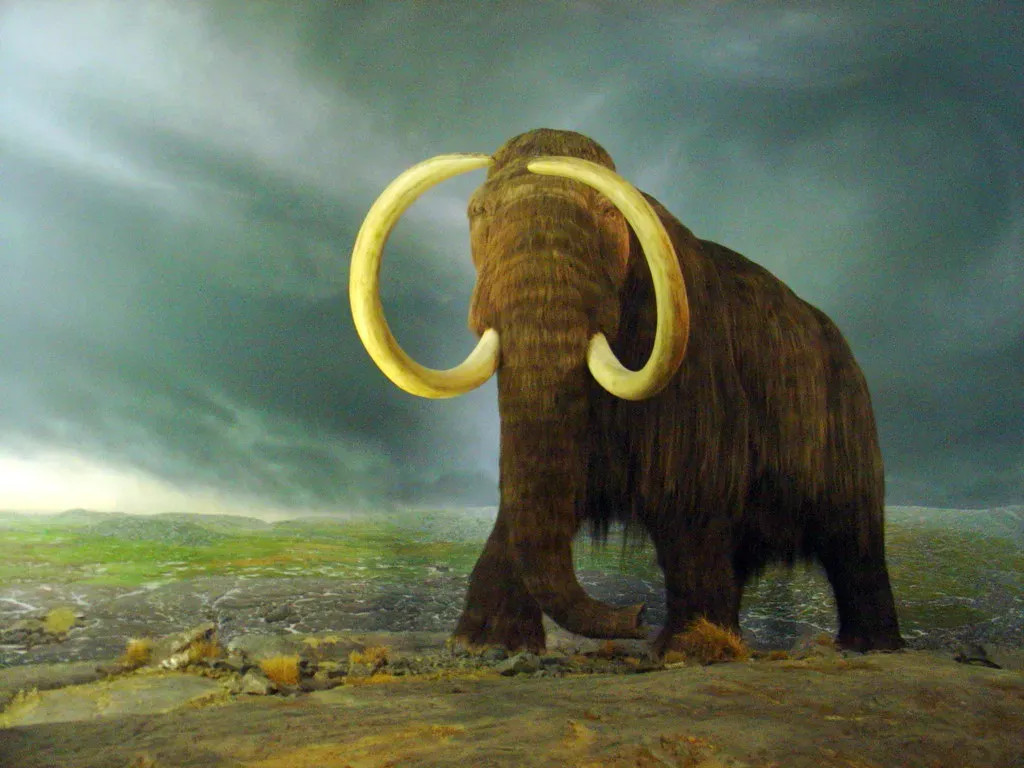
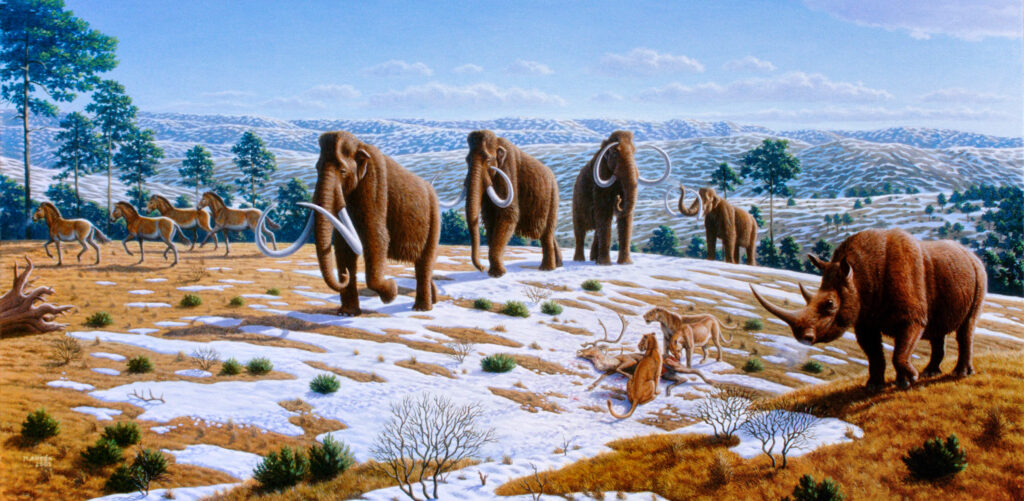
The line everyone repeats is that mammoths died out around 10,000 years ago, with a few dwarf holdouts on remote Arctic islands. But a growing stack of evidence points to mammoth remains dated as young as roughly 4,000 years old – overlapping with Bronze Age cultures and early written history.
In Siberia and the Arctic, radiocarbon dates on mammoth hair, tusk, and bone sometimes cluster shockingly close to the dawn of civilization. Some researchers blame contamination or dating errors; others argue small, isolated herds simply survived far past their “official” extinction date. Either way, even a well-studied animal like the mammoth doesn’t have as crisp a finish line as most people assume.
South America’s version of this mystery is even stranger, and it involves horses nobody was supposed to see.
#19 – Horses and Camels Turning Up Where the Map Says They Shouldn’t
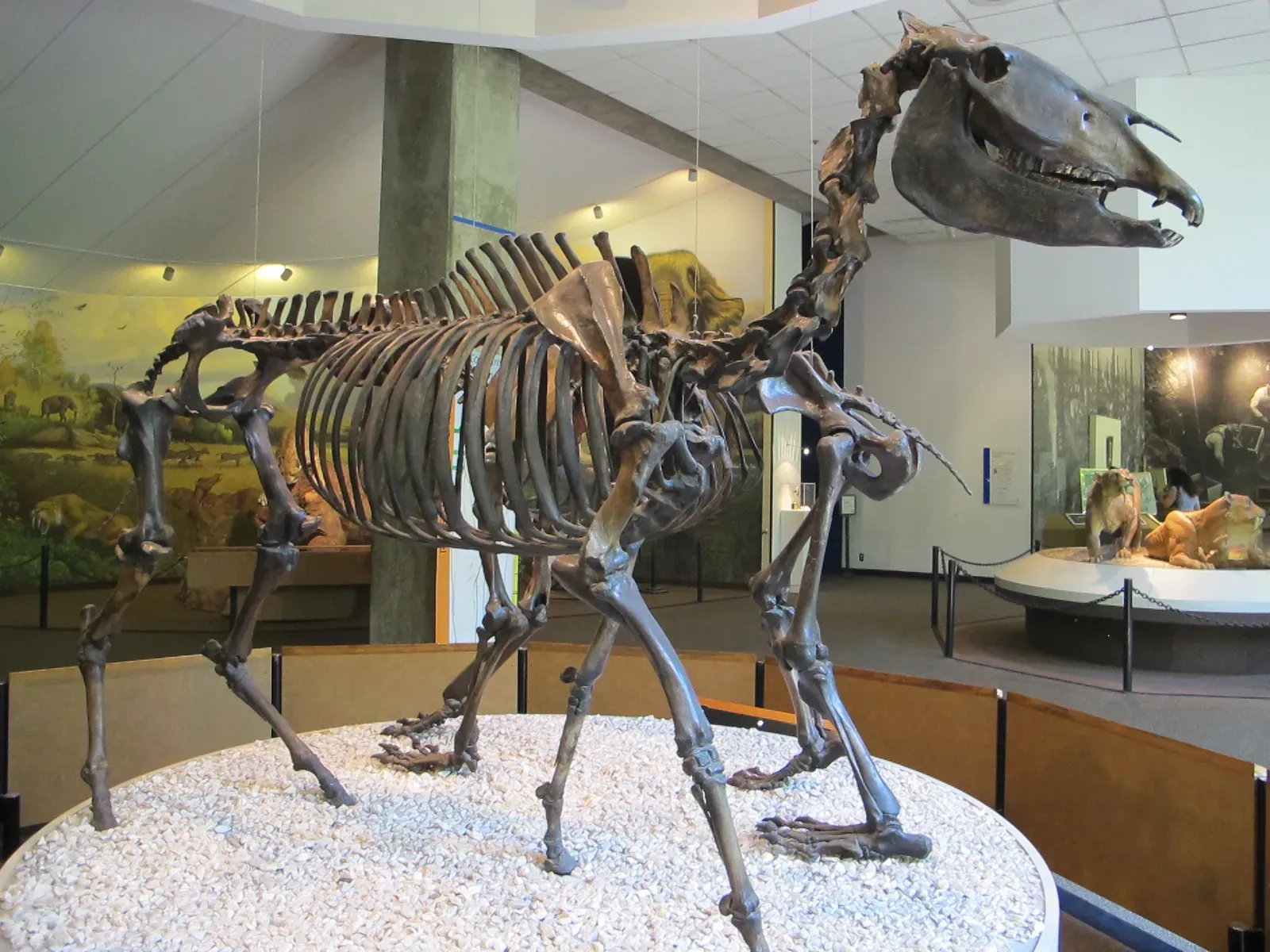
The standard story has horses and camels going extinct in the Americas at the end of the Ice Age, only reappearing after Europeans reintroduced them. South America tells a messier version. Fossil horse and camelid remains show up in layers that don’t match the expected extinction and migration windows, blurring who was living where and when.
Some South American sites suggest horses survived well into the Holocene – overlapping with indigenous cultures supposedly never exposed to native horses at all. The usual reworking and mis-dating explanations get trotted out, but a few specialists quietly admit late survival is plausible. If true, the clean “horses vanished for 10,000 years” story is more classroom shorthand than hard fact.
Sharks pull the same disappearing-and-reappearing trick, just underwater and out of sight.
#18 – “Extinct” Shark Teeth Showing Up in Rivers Millions of Years Too Late
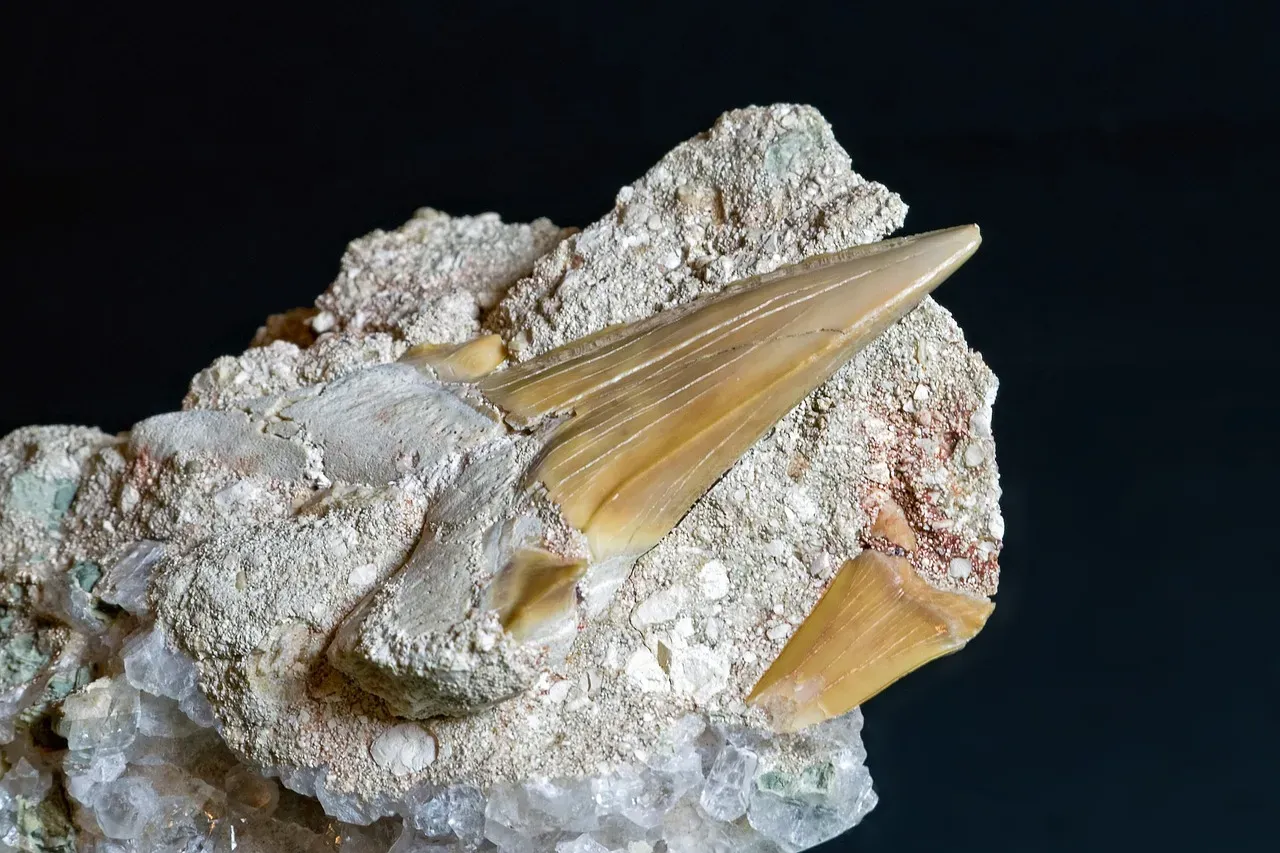
Marine fossils found inland usually get a simple explanation: ancient seas, or rivers that carried them there. A handful of sites add a twist involving time itself. At some river terraces and cave deposits, shark teeth from species thought extinct millions of years earlier appear in much younger sediment.
Skeptics say the teeth eroded out of older marine rock upstream – and sometimes that’s obviously correct. But in a few cases, the teeth sit mixed with animals that supposedly lived tens of millions of years later, with no visible sign of reworked sediment. Either the species ID is wrong, or those sharks survived in hidden refuges long past their assigned cutoff. Neither option is comfortable for a perfectly sequenced timeline.
Tropical caves hide an even weirder version of the same problem.
#17 – Ice Age Animals Hiding Inside Tropical Caves Long After They Were Supposed to Be Gone
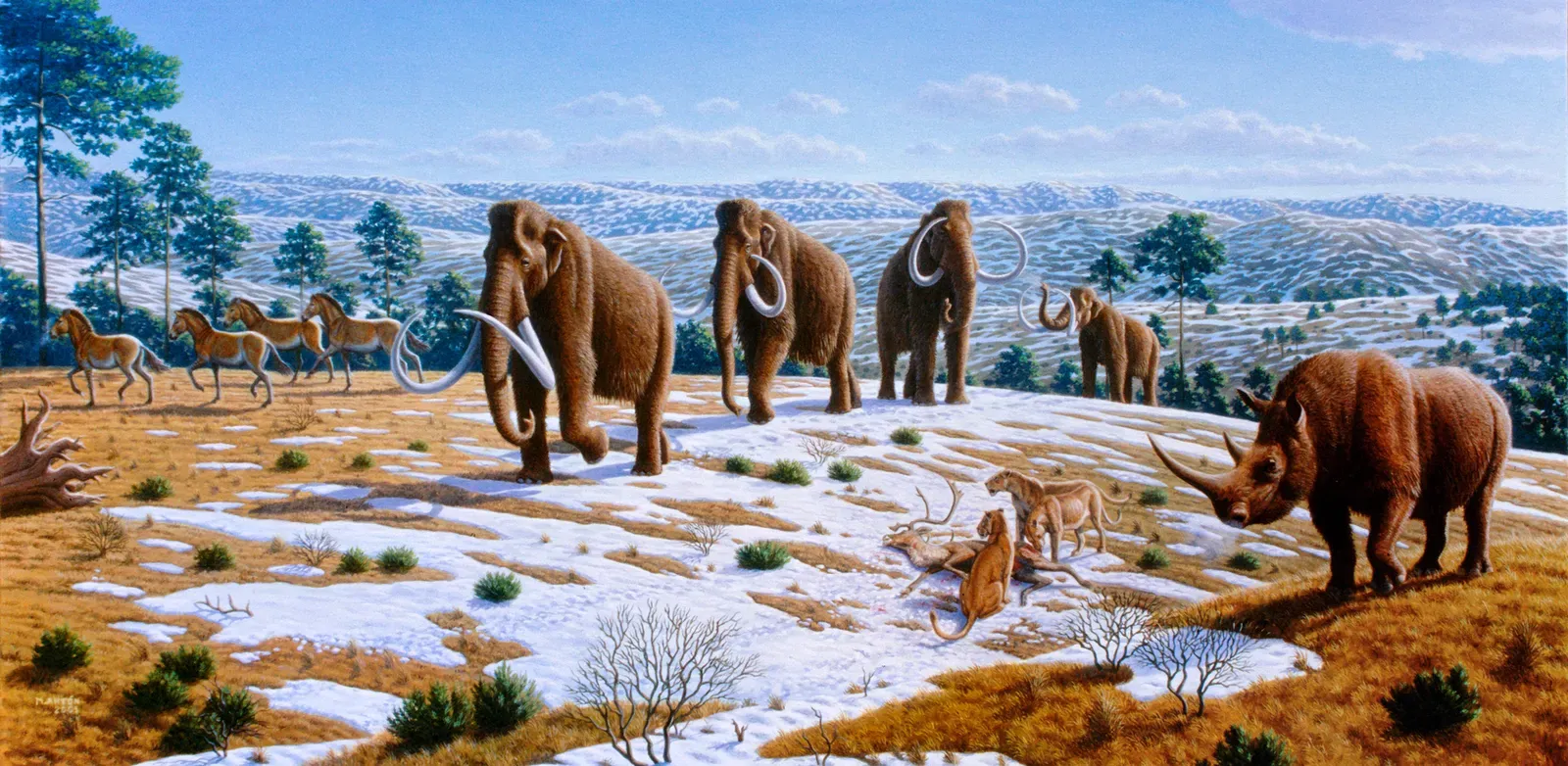
Caves are natural time capsules, but they can scramble timelines just as easily as they preserve them. In several tropical caves across Southeast Asia and the Caribbean, researchers have pulled Ice Age mammal remains from sediment layers dated far younger than their supposed regional extinction.
The go-to explanation is vertical mixing – animals falling into old voids, or burrowing creatures dragging bones up and down through the layers. But some deposits show clean, well-ordered sequences where extinct megafauna sit almost directly beneath modern species, separated by surprisingly little time. Radiocarbon dates occasionally suggest survival long after climate models say these animals should have vanished, and those inconvenient numbers rarely make it into public-facing charts.
Marine reptiles cause the same headache for a completely different reason.
#16 – Mosasaur Fragments Showing Up in the “Wrong” Chapter of the Cretaceous
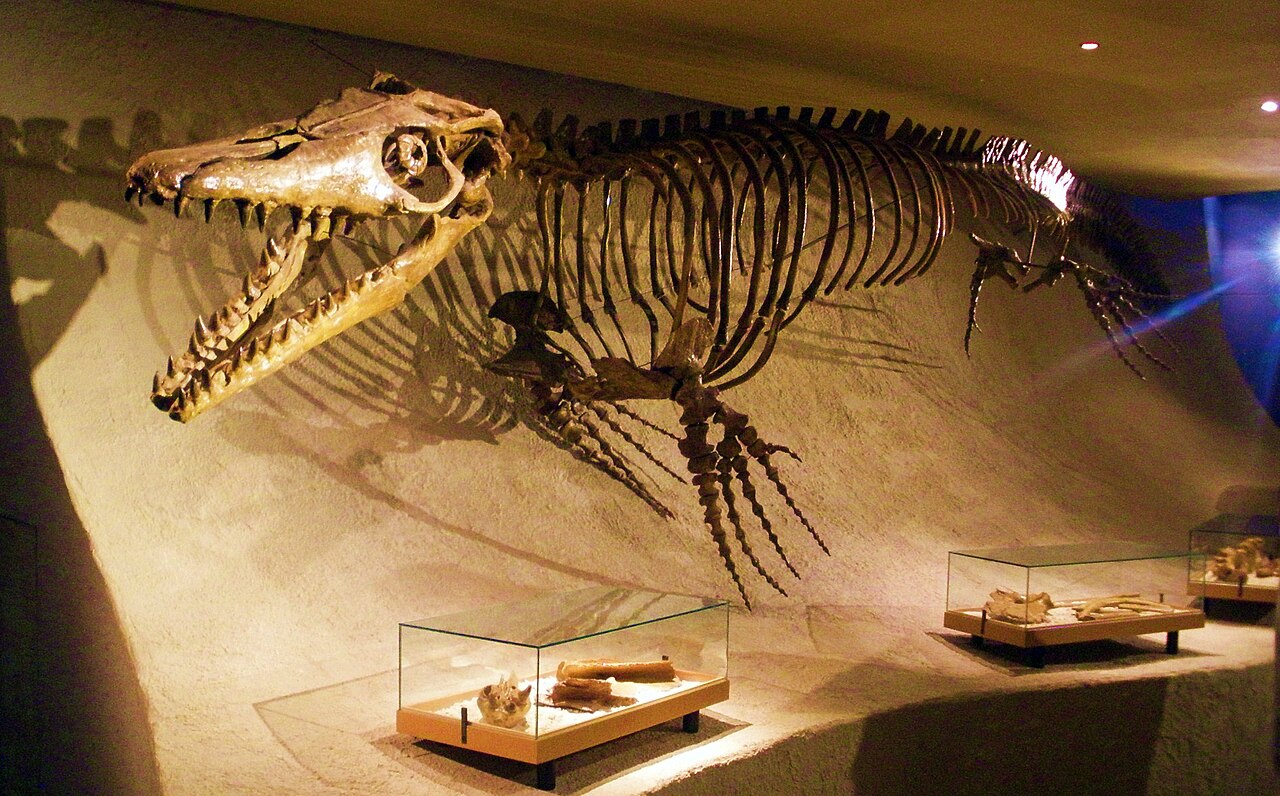
Marine reptiles like mosasaurs and plesiosaurs are supposed to track neatly with specific Cretaceous stages. Yet field geologists occasionally log mosasaur or plesiosaur fragments in beds mapped to stages where those lineages were already in decline or gone entirely.
Because fragmentary bones are harder to pin down, critics say the finds are misidentified or the local stratigraphy is mismapped. But when experienced specialists stand by their identification, the fallback is reworking – older fossils recycled into younger sediment. Reworking is real, but the pattern is telling: whenever remains land outside the expected window, the timeline itself is almost never the thing put on trial.
Tiny fossils cause an even bigger identity crisis for the entire dating system.
#15 – The “Extinct” Index Fossils That Turned Up Alive
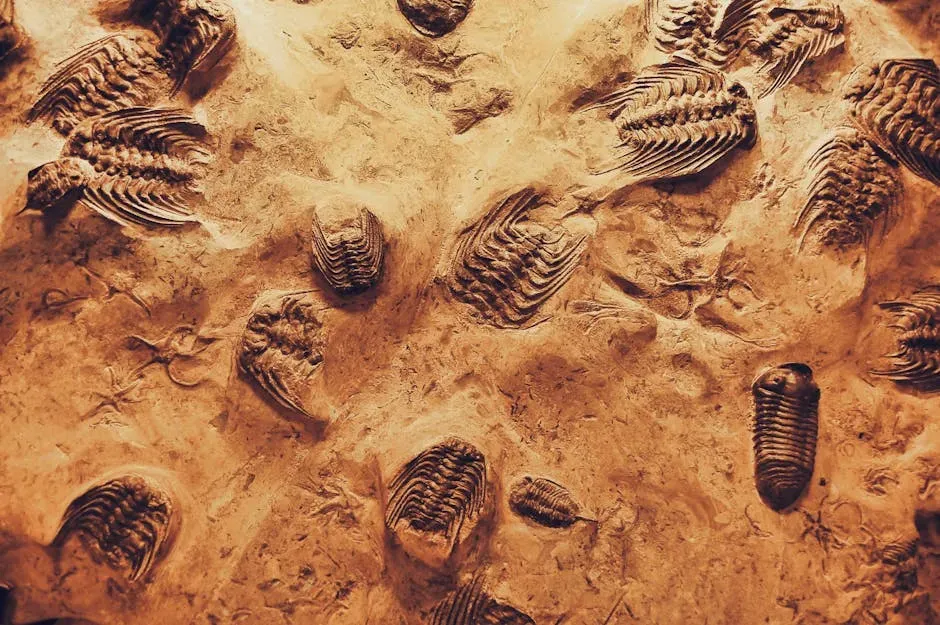
Invertebrates are the quiet workhorses of dating rock layers – tiny shells and microfossils used to pin down exactly when a layer formed. The whole system leans on knowing roughly when each species appears and disappears. Then nature cheats. Several invertebrate species long used as reliable index fossils have later been found alive, or in far younger layers than expected, instantly scrambling local timelines.
When a species presumed extinct for 100 million years turns up in a modern ecosystem, scientists carve out a “ghost lineage” on the family tree and quietly redraw the chart. That keeps the bigger narrative intact, but it exposes a real weakness: absence from the fossil record isn’t proof of absence in real life – even though that same absence gets used constantly to pin creatures to a specific era.
Sometimes those “ghosts” wash right up on a modern beach.
#14 – Ice Age Giants Sticking Out of Beaches That Look Almost New
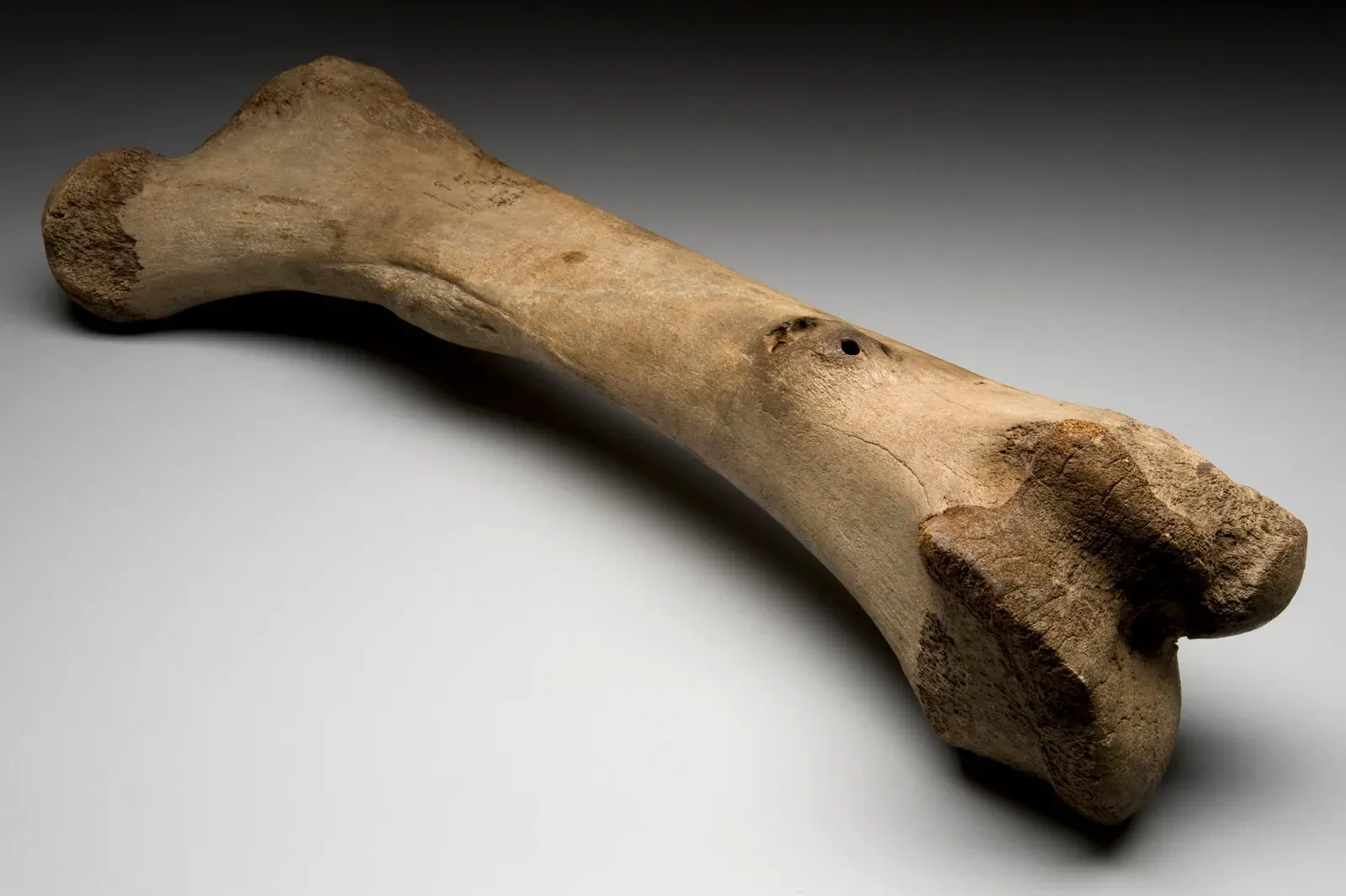
On some modern Arctic and subarctic shorelines, people have literally tripped over large Ice Age bones – mammoth, bison, even rhinoceros – poking out of relatively fresh coastal deposits. This isn’t buried treasure hunting; it’s a walk on the beach.
Officially, thawing permafrost spills older fossils into younger sediment constantly, and that’s often exactly what’s happening. But in certain cases, the bones show minimal weathering and sit inside undisturbed layers that genuinely look only a few thousand years old. That means either the bones are younger than assumed, or our mapping of sea-level change and sediment age needs work. Neither answer is comfortable, which is probably why these borderline finds rarely make headlines.
Ground sloths pull off an even bolder disappearing act on a handful of islands.
#13 – Ground Sloths That Survived Long Enough to Meet Farmers
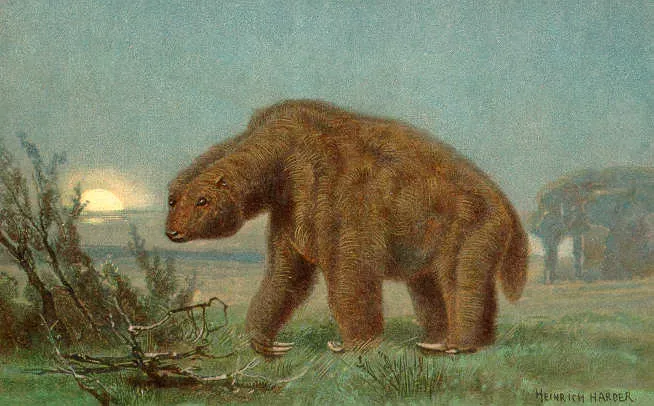
Textbooks say ground sloths vanished from the Americas roughly 10,000 years ago. Yet on several Caribbean islands, ground sloth remains appear in contexts thousands of years younger, overlapping with clear evidence of human presence, pottery, and even agriculture.
Some radiocarbon dates push these sloths into the last few thousand years, meaning isolated island populations may have hung on long after their mainland relatives went extinct. Most experts now accept late-surviving Caribbean sloths as real, yet the story rarely makes it into the big-picture extinction narrative – because it breaks the tidy idea of humans and climate wiping out megafauna everywhere on the same schedule. Instead, extinction looks like a staggered, patchwork fade-out.
Worth Knowing
- Mainland ground sloths in North and South America went extinct roughly 10,000 to 11,000 years ago.
- The survival of relatively large terrestrial mammals for such a lengthy period after the arrival of Homo sapiens indicates that insular extinctions in the Late Quaternary did not always occur in a “blitzkrieg” manner.
- The youngest confirmed radiocarbon date for a Cuban ground sloth tooth comes in at around 4,190 years before present.
- That last-known date falls roughly 1,000 years after the first plausible evidence of humans reaching the Greater Antilles.
Neanderthals tell a similar story, and it upended an entire branch of anthropology.
#12 – The Neanderthal Overlap That Rewrote the Handoff Story
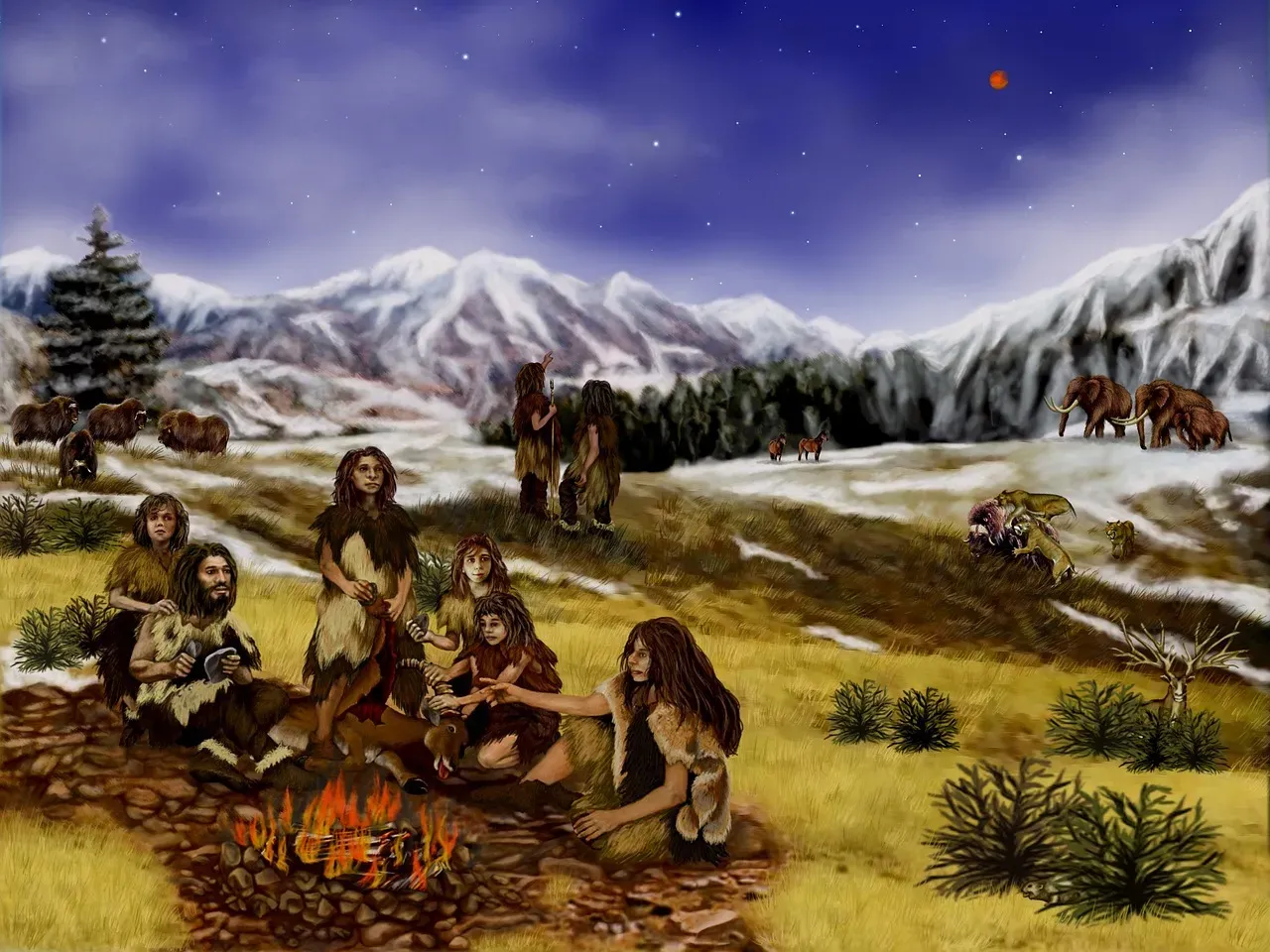
The old story had Neanderthals disappearing before modern humans spread widely across Europe, like a clean relay-race baton pass. Then better dating and DNA blew that up. In some caves, Neanderthal remains and tools sit in sediment layers that overlap or closely interleave with early Homo sapiens material, compressing a supposedly neat handoff into a messy coexistence.
These finds shredded the simplistic idea of one group vanishing right as another appears. Instead, there were several thousand years of overlap, complete with gene flow between the two populations. In strict timeline terms, the “Neanderthal era” doesn’t end where mid-20th-century charts drew it – the fossils forced the timeline to bend, not the other way around.
The extreme rarity of transitional forms in the fossil record persists as the trade secret of paleontology.
Stephen Jay Gould
Footprints cause an even messier fight, and it’s still not fully settled.
#11 – Human-Like Footprints Walking Beside Animals That Should Have Outdated Them by Millions of Years
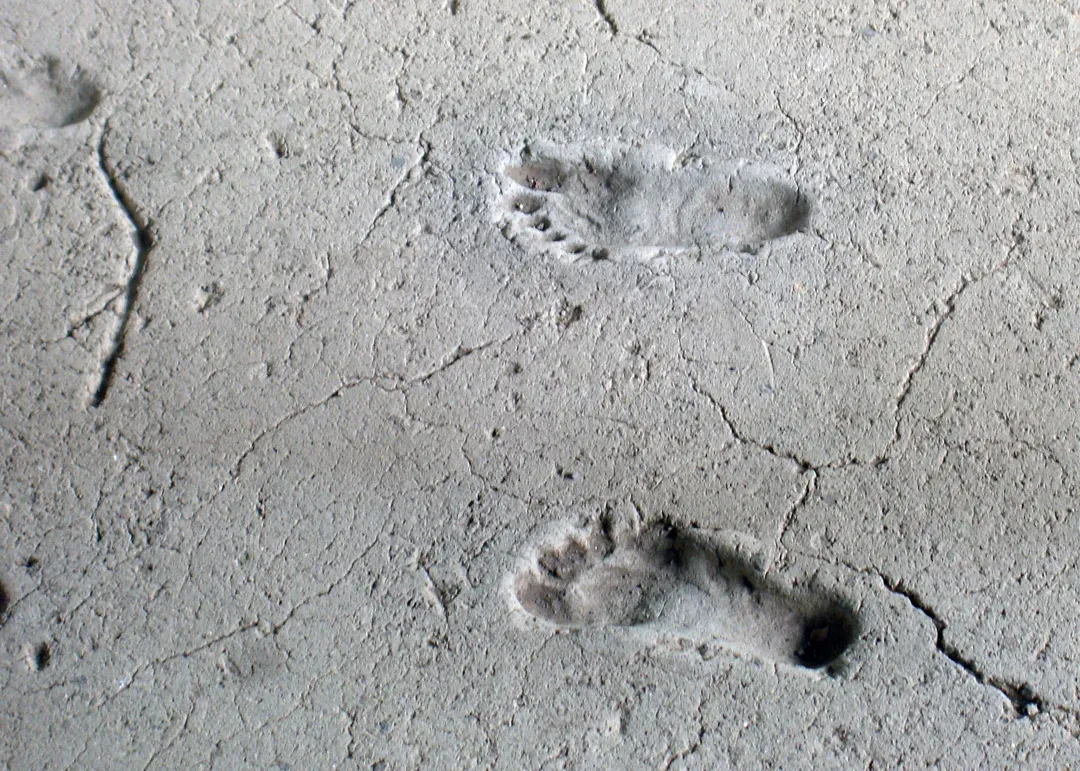
A few sites around the world have triggered fierce debate because of human-like footprints found in rock layers associated with very old animal tracks, sometimes belonging to dinosaurs or other long-extinct creatures. Most of these cases get reinterpreted eventually – erosion marks, animal tracks that only resemble human feet, or outright hoaxes.
Even after the obvious fakes are tossed out, though, a few ambiguous impressions simply refuse to fit cleanly into the accepted timeline. Caution is warranted here – extraordinary claims need extraordinary evidence. But the reflexive insistence that these prints “must” be misidentified, sometimes before any serious study happens, says more about how tightly the timeline is guarded than about the evidence itself.
Genetic detective work makes the next case even harder to dismiss.
#10 – Genetic “Ghosts” of Animals Found Where No Bones Exist

New techniques let scientists pull environmental DNA (eDNA) straight from sediment – essentially genetic fingerprints left behind by organisms that once lived there. Sometimes this DNA shows up in layers where no bones exist, for species that supposedly couldn’t have survived that late.
Traces of mammoth and other cold-adapted animals have turned up in sediment dated younger than their conventional extinction window. Skeptics rightly flag contamination risk, or older DNA mixing into younger layers via groundwater. Those concerns are real. But when multiple independent labs detect the same “wrong-time” genetic signature in carefully handled samples, the picture gets much harder to wave away – animals can apparently outlive their own fossil record.
At a Glance
- Two-million-year-old microscopic fragments of environmental DNA were pulled from Ice Age sediment in northern Greenland – the oldest genetic material ever recovered.
- That record shattered the previous mark, which had come from a roughly one-million-year-old mammoth tooth found in Siberia.
- The Greenland sediment revealed traces of mastodons, reindeer, and other animals that “should not have survived in those areas” according to the researchers, yet the DNA said otherwise.
- eDNA lets scientists detect a species’ presence in a layer even when not a single bone or tooth has survived.
Whale bones take that same confusion and drag it uphill – literally.
#9 – Whale Bones Stranded Miles Inland With Animals From the Wrong Climate
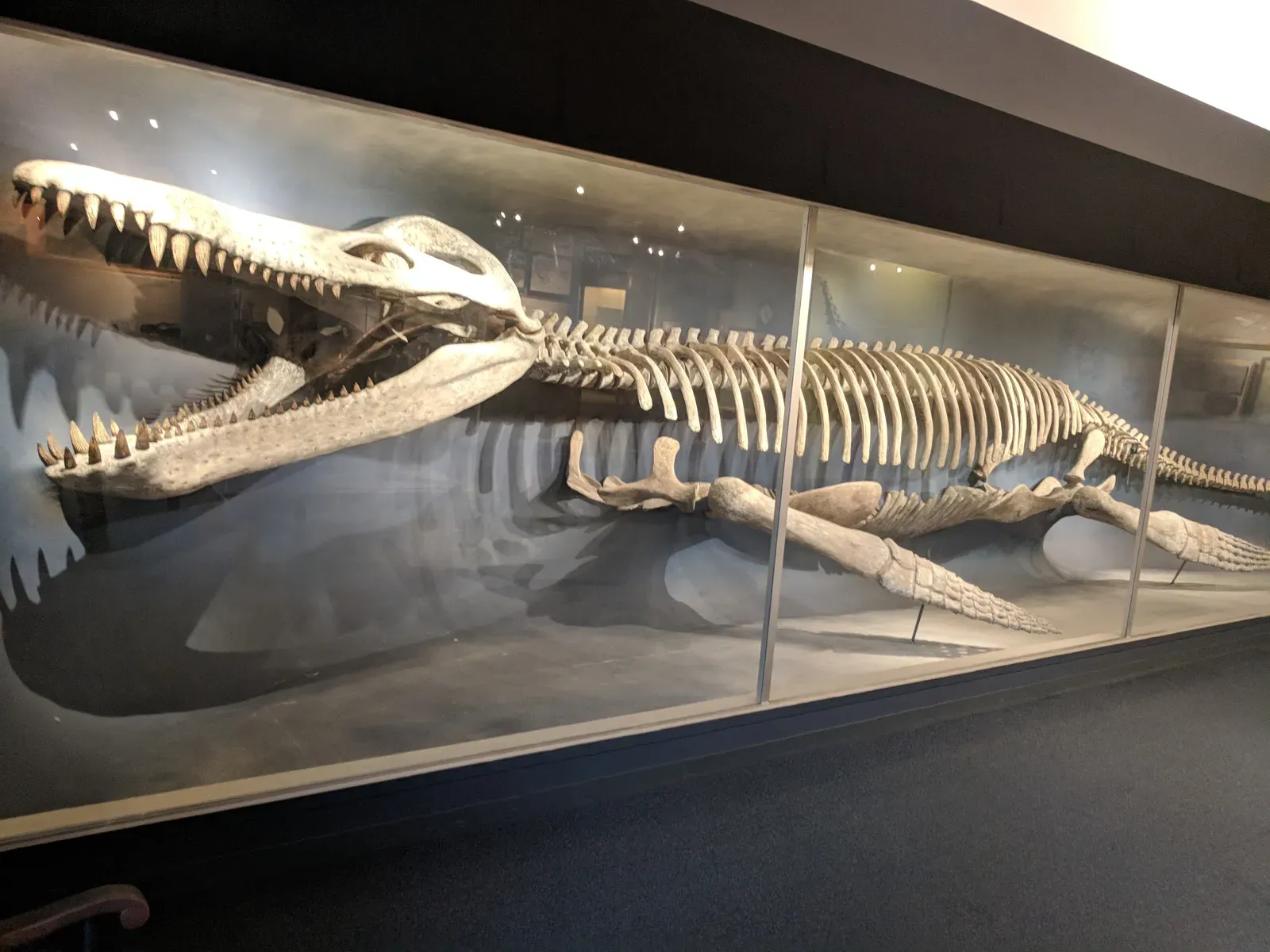
In coastal regions undergoing tectonic uplift, it’s not unusual to find marine fossils – including whales – sitting high above current sea level. The explanation, ancient shorelines lifted by geology, is solid on its own. But some terraces contain whale bones mixed with land animals belonging to very different climatic periods, muddying the story of who lived when.
Geologists often chalk this up to repeated cycles of deposition and erosion, with old bones reworked into younger terraces again and again. That’s plausible, but each added layer of “reworking” makes the local timeline more speculative, not less. The raw, strange fact remains: you can stand on a cliff top miles inland, holding a whale vertebra sitting beside terrestrial animals that seem far too young to be its neighbors.
Radiocarbon dating itself has its own dirty secret, and it’s next.
#8 – The Radiocarbon Dates Scientists Quietly Throw Away
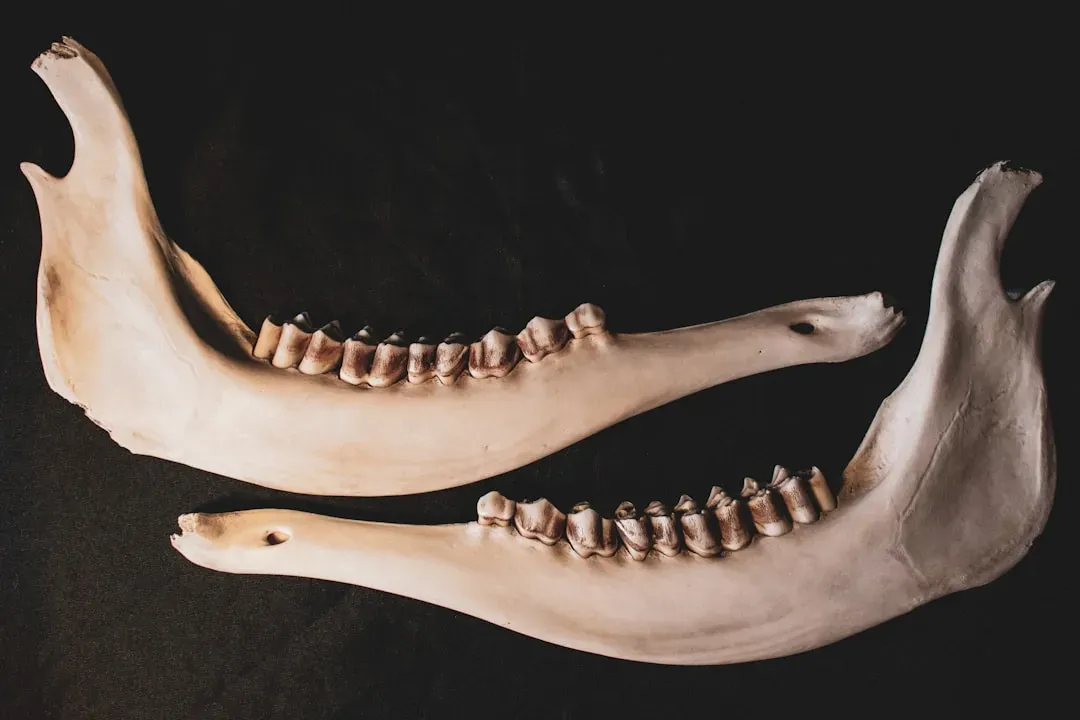
Radiocarbon dating is powerful, but it’s far from infallible. In lab records, animal bones assumed to be very ancient sometimes return surprisingly young radiocarbon ages, or the reverse. When that happens, the default move is to discard the result as contaminated.
Sometimes that call is absolutely correct – groundwater carbon, conservation chemicals, and handling can all skew a sample. But the pattern matters: dates that match the expected timeline get accepted, dates that don’t get quietly sidelined. Over decades, that selection bias makes the textbook curve look far smoother than the raw lab data ever actually was. On paper, extinctions look abrupt; in the lab, there’s often a stubborn tail of dates hinting at survival outside the “approved” window.
Fish fossils expose the exact same problem, just with less drama.
#7 – Fish That Refuse to Respect Their Assigned Geological Boundary
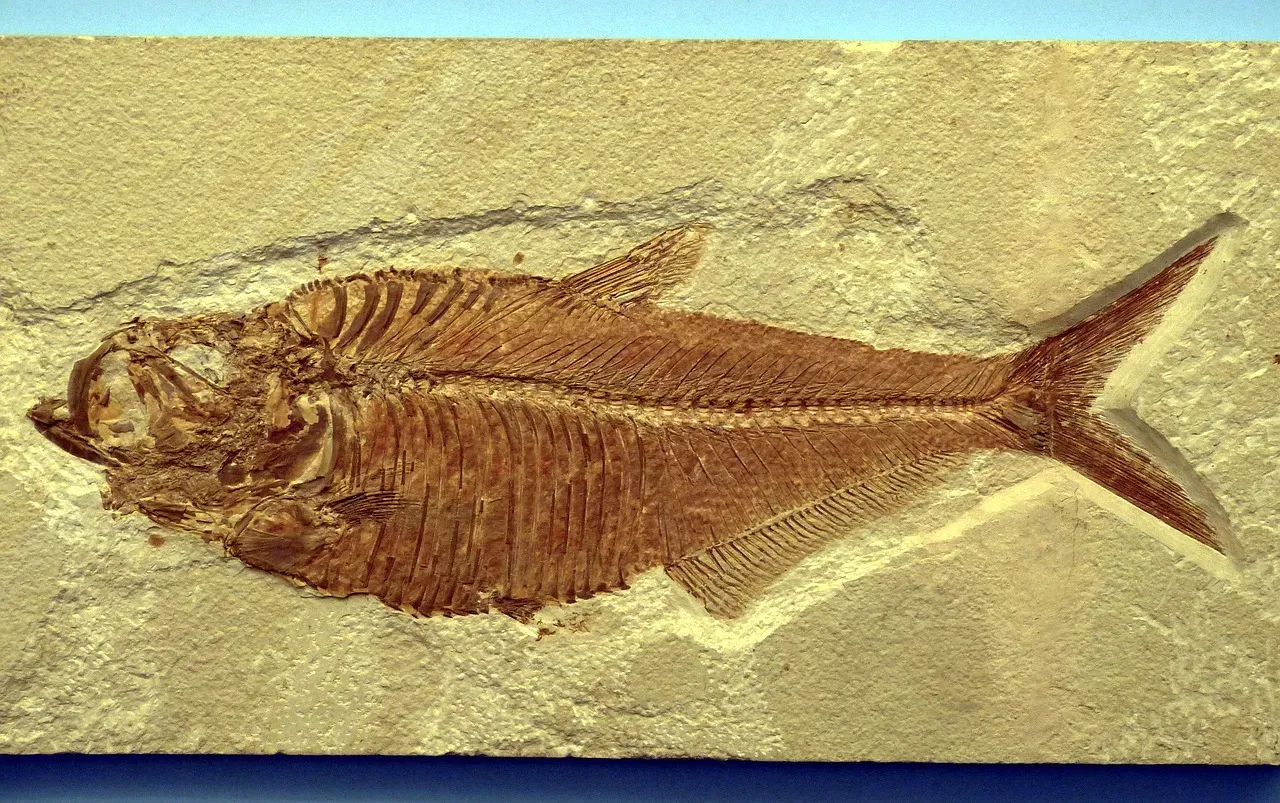
Fish fossils are often used to distinguish one geological period from the next. Yet a number of fish lineages appear to span boundaries they were once thought to respect, turning up in rock layers mapped to both older and younger eras than expected.
Every time this happens, stratigraphers face a choice: is the dating wrong, or is the fish’s range simply longer than believed? Usually, the answer is to quietly extend the species’ known range and leave the time scale intact. That’s reasonable, but it means creatures once treated as precise time markers become fuzzier with every new discovery – and multiplied across thousands of species, the illusion of razor-sharp time boxes starts to dissolve.
The next case touches the most famous extinction boundary of all.
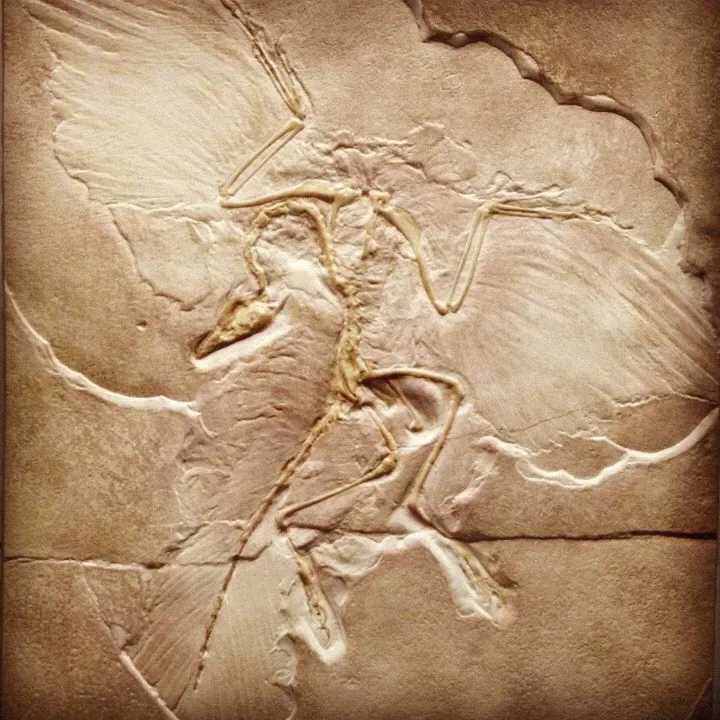
#6 – The Dinosaur-to-Bird Handoff That Wasn’t Nearly as Clean as Advertised
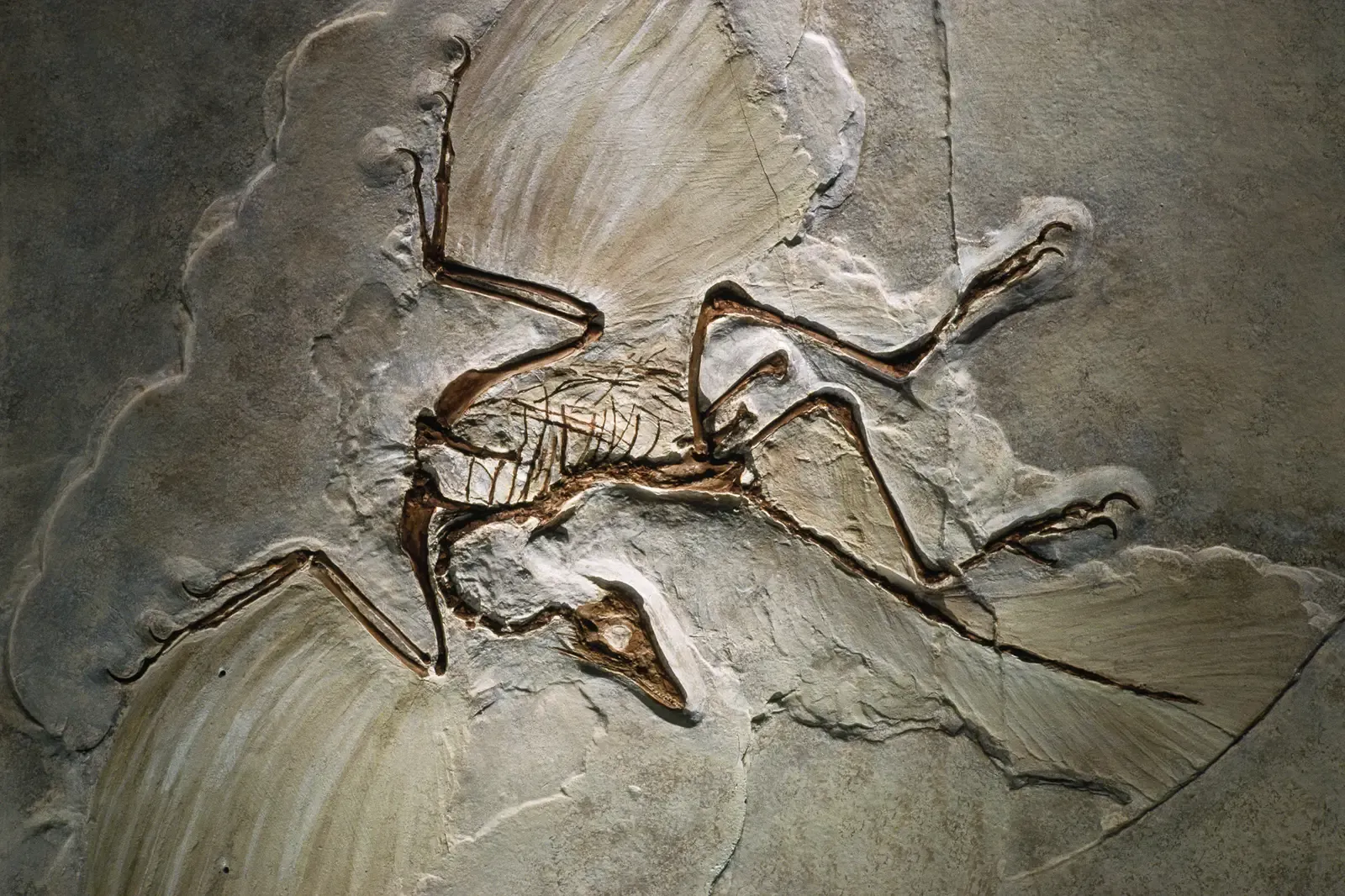
The textbook story used to be simple: non-avian dinosaurs die out 66 million years ago, birds inherit the planet. New fossil finds complicate that neat picture, showing bird-like dinosaurs and dinosaur-like birds overlapping more deeply in time than once thought, with some archaic birds persisting after the impact that supposedly wiped out their cousins.
To be clear, nobody’s found a full-grown T. rex living alongside humans. But these overlaps show that the line between “dinosaur era” and “bird era” isn’t a cliff – it’s a messy, sloping transition with survivors and late branches. If even the most famous extinction event on Earth turns out blurrier up close, that should make everyone a little more careful about treating other boundaries as absolute.
Quick Compare
- Archaeopteryx: lived roughly 150 million years ago in the Late Jurassic, tens of millions of years before T. rex ever existed.
- Overlap window: for almost 100 million years birds lived alongside their dinosaur cousins, not a quick handoff at the very end.
- End of the Cretaceous: a remarkable array of birds thrived, gliding above Tyrannosaurus rex and foraging among Triceratops right up to the extinction event.
- The survivors: birds are the only dinosaur lineage that made it through the 66-million-year-old mass extinction.
Cave animals hide an even quieter version of this same trick.
#5 – “Extinct” Cave Animals That Were Secretly Alive the Whole Time
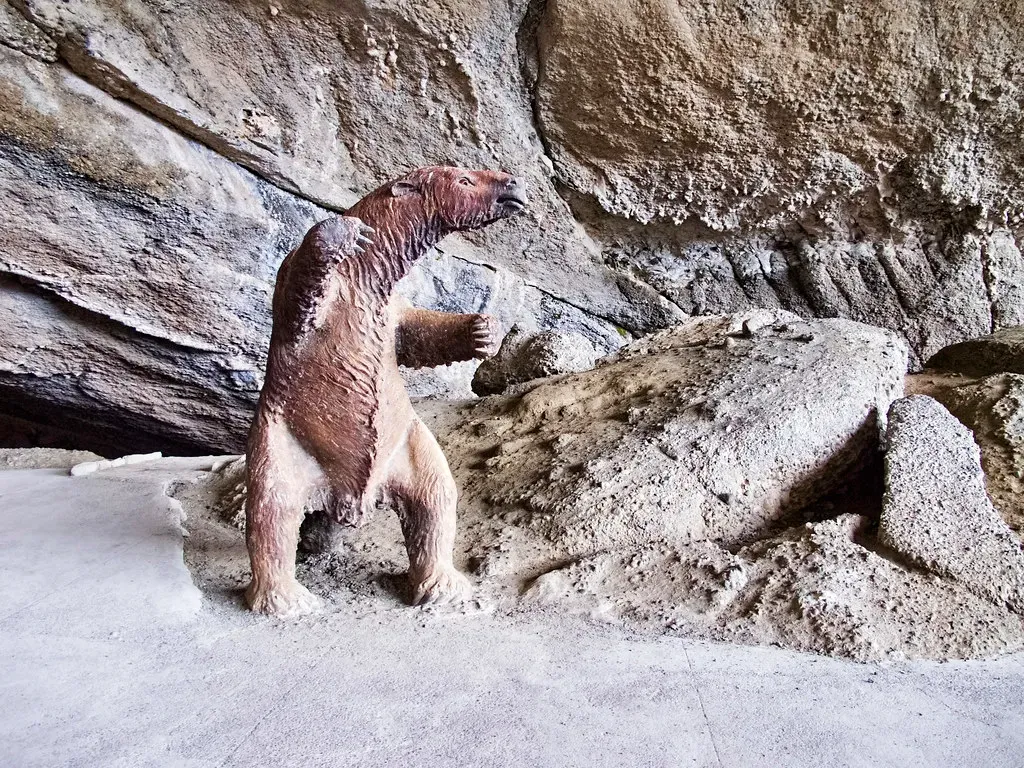
Cave deposits often preserve small mammals, bats, and birds assumed to be ancient and long-gone. Yet some cave faunas labeled strictly Pleistocene have later turned up in historical or even modern surveys, implying survival well outside their assigned fossil window.
In a few cases, species once written off as extinct were rediscovered alive in remote habitats, while older reports still described them as Ice-Age-only. That forces an awkward, quiet correction: those same bones stop being proof of an extinction event and become evidence of a species with a far longer, uninterrupted run. Cave by cave, this chips away at the idea that everything in those deep layers died on the same global schedule.
Rock art takes this same question and puts it directly in front of your eyes.
#4 – Cave Art That Suggests Humans Watched Mammoths Longer Than the Bones Admit
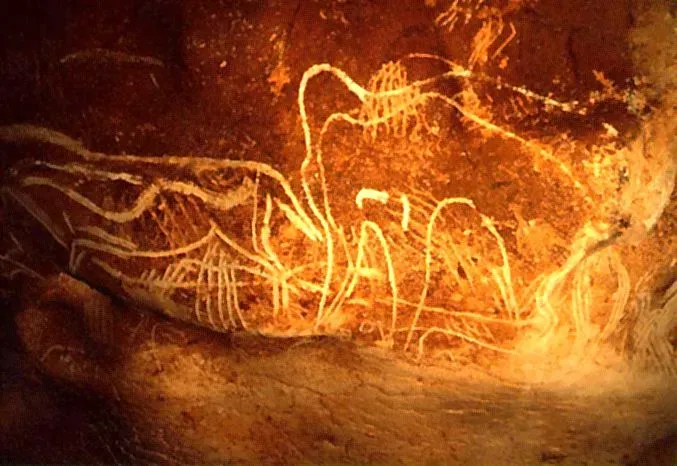
Rock art isn’t a fossil, but it’s evidence of what real people were actually seeing. In some regions, petroglyphs and carvings closely resembling extinct megafauna – mammoths, giant sloths – appear in contexts dated younger than the last known bones of those animals in the area.
Skeptics argue the artists may have been copying older stories or images, and that’s sometimes a fair point – humans are excellent at seeing shapes they want to see. But in a few cases, the anatomical detail is hard to dismiss as coincidence. If even a fraction of this art is literal, humans coexisted with “already extinct” creatures longer than the bone record alone would ever suggest.
Frozen carcasses make that same disconnect impossible to ignore.
#3 – Frozen Mammoths So Fresh They Break People’s Sense of Deep Time
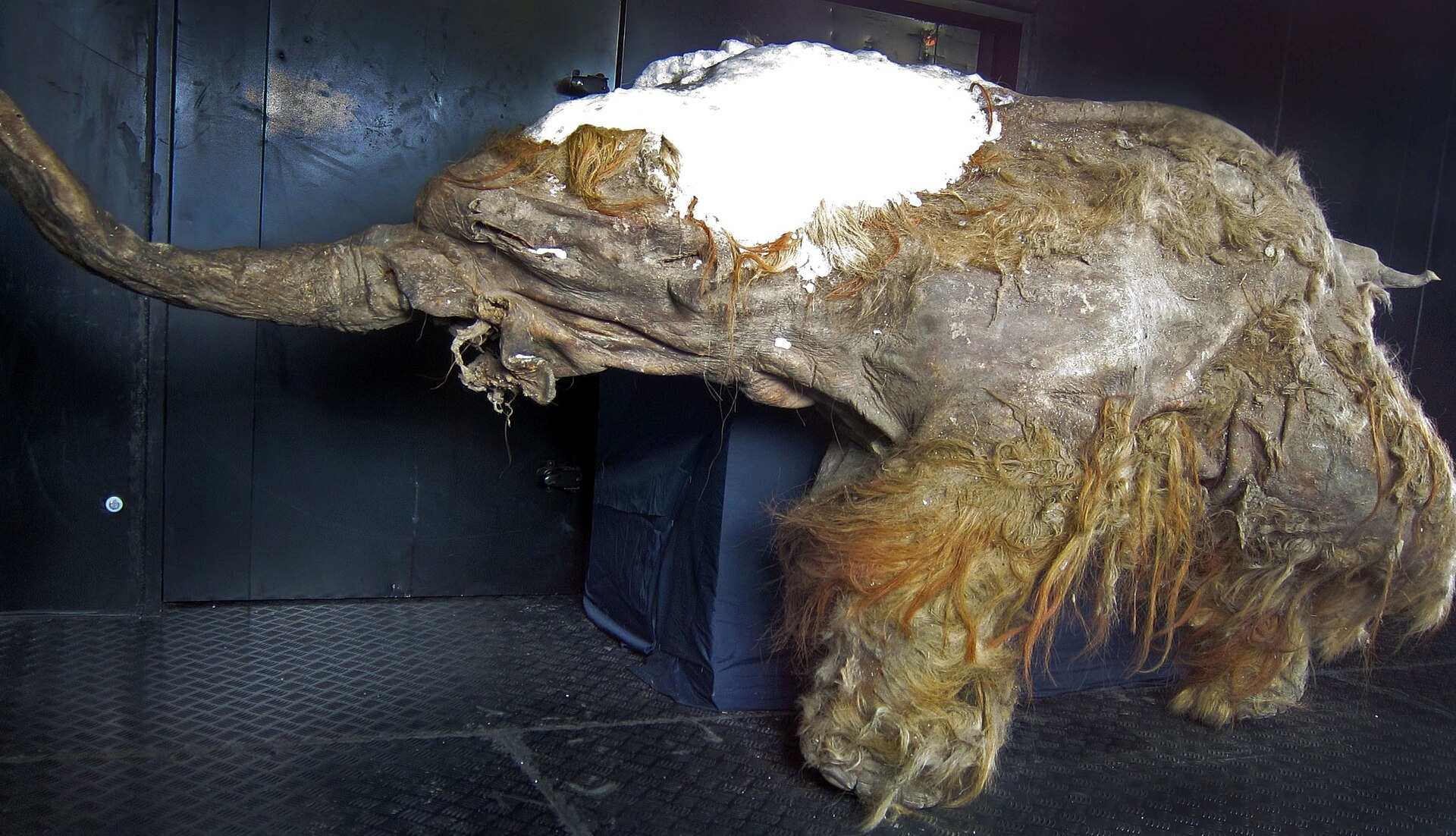
Permafrost in Siberia and Alaska has produced remarkably well-preserved mammoths, bison, and other Ice Age animals, complete with soft tissue, stomach contents, and intact cells. Radiocarbon dating usually places them tens of thousands of years old, squarely inside the Late Pleistocene.
The disconnect is visceral. People see a photo of a mammoth carcass so fresh it looks almost edible, then get told it predates every known human civilization. Cold, low oxygen, and rapid burial genuinely can preserve tissue for that long – the science checks out. But that visual mismatch between “looks brand new” and “is older than agriculture” quietly erodes public trust in the timeline, even when the dating itself is solid.
Why It Stands Out
- Frozen specimens sometimes preserve stomach contents intact enough to identify exactly what an animal’s last meal was.
- Soft tissue and hair survival is so good that many first-time viewers assume the animal died recently, not tens of thousands of years ago.
- Cold temperatures, low oxygen, and rapid burial in permafrost genuinely explain this level of preservation – the science isn’t in dispute here.
- It’s the gap between visual freshness and assigned age, not the dating method, that quietly unsettles public trust.
The strangest gap of all, though, isn’t a carcass – it’s an absence.
#2 – “Ghost Lineages”: Animals That Existed for Millions of Years and Left No Trace
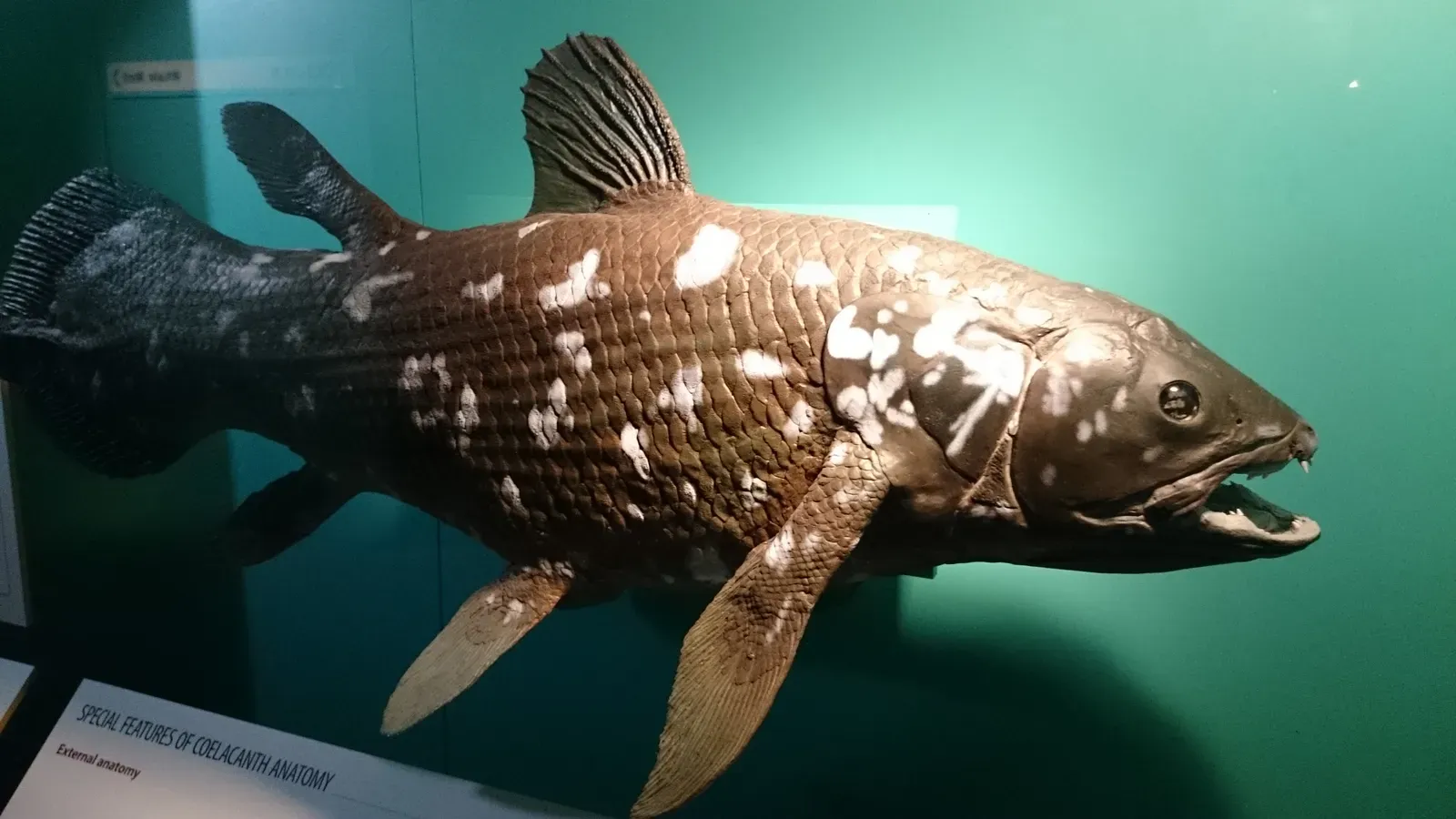
One of the strangest features of the evolutionary tree is the number of ghost lineages – animals that must have existed for millions of years but leave no fossils for enormous stretches of time, only to reappear later. Coelacanths are the famous example, but they’re far from alone; many lineages carry these long fossil blackouts.
To keep the evolutionary tree looking continuous, paleontologists draw dotted lines through these gaps, essentially admitting “we know they were there; we just haven’t found them yet.” That’s probably true – but it’s also an admission that the fossil record is far patchier than most people assume. An animal’s “known range” is often just the visible tip of a much longer, invisible existence, which means claiming a species definitely didn’t exist outside the layers we’ve found it in is overstating our certainty.
And that brings us to the pattern behind every single case on this list.
#1 – The Real Pattern: Anomalies Always Bend Around the Timeline, Never the Reverse
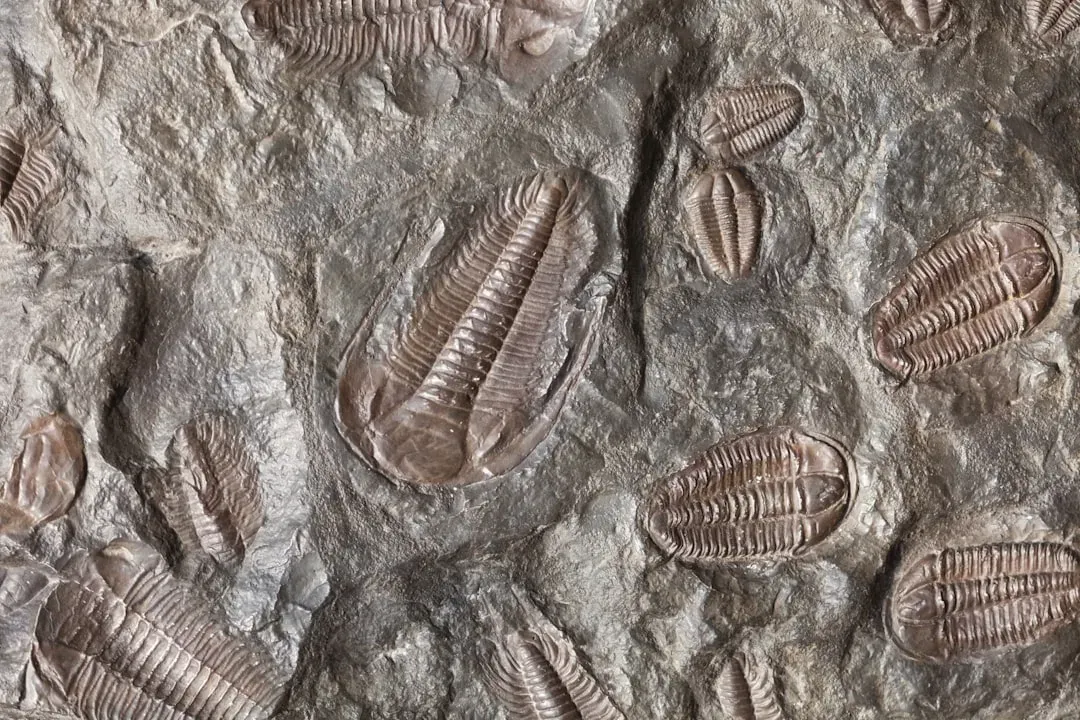
The single most revealing “ancient animal out of era” isn’t any one fossil – it’s the pattern in how anomalies get treated. When remains show up outside the expected window, the first assumption is almost always that the fossil, the layer, or the dating is wrong – never the timeline itself. Over decades, that habit creates a self-reinforcing system where the grand narrative is insulated from inconvenient data.
To be fair, most of the time the conservative explanation genuinely is correct: reworked fossils, lab contamination, misidentification, messy local geology. But it’s intellectually dishonest to pretend those answers are proven in every single case just because they’re convenient. Our deep-time timeline is an impressive, evolving model built from fragmentary evidence and a lot of inference – and fossils that seem “far outside their era” don’t rewrite Earth’s history on their own. They should, however, keep everyone a little more humble about how final those charts really are.
The Bottom Line
None of these 23 cases are smoking guns that blow up geology or evolution overnight. Most have reasonable, boring explanations: reworked sediment, dating glitches, misidentified fragments, quirky local geology. Dismissing every anomaly out of hand, though, is its own kind of mistake.
Taken together, these finds reveal a fossil record that’s patchy, biased by what gets published, and genuinely messier than the polished diagrams in school textbooks let on. The real scandal was never a mammoth bone showing up somewhere it “shouldn’t.” It’s that the public keeps getting sold a falsely precise timeline when the people actually doing the digging know the picture is full of holes, ghosts, and stubborn exceptions.
The broad strokes of Earth’s history are almost certainly right. But the fine print is still being argued over in labs and quarries right now – and that’s exactly the kind of uncertainty a tidy textbook chart was never built to show. Which of these 23 deserves a second look, and which ones are just wishful thinking dressed up as evidence? That’s the debate worth having.