
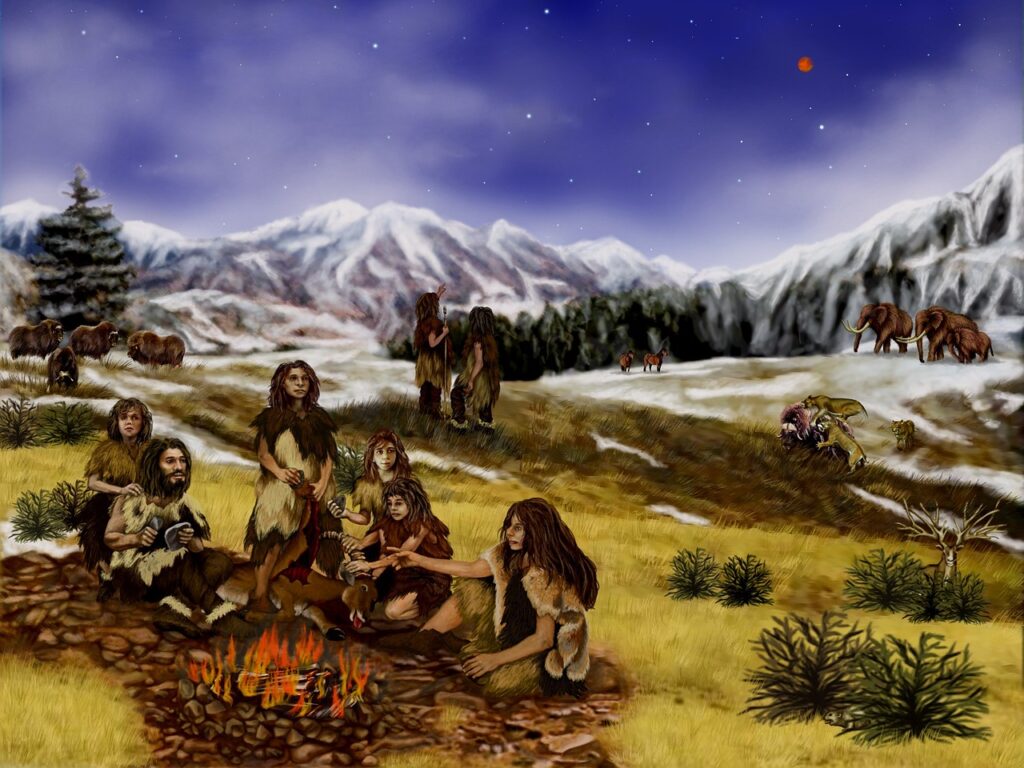
Cavemen grunting their way toward fire, then farming, then finally civilization – that’s the story diagrammed on the wall of practically every classroom in America. Neat arrows, neat boxes, neat ending. The problem is that almost nobody who actually digs up the evidence believes it anymore.
New dating techniques, ancient DNA, and sites that shouldn’t exist where they do have quietly wrecked the tidy sequence. Early humans crossed oceans before they were supposedly capable of it, made art before they were supposedly capable of abstract thought, and had children with a species we were told they wiped out. Here are 24 places where the real story refuses to follow the script.
#1 – Early Humans Crossed to Australia Long Before They Were “Ready”
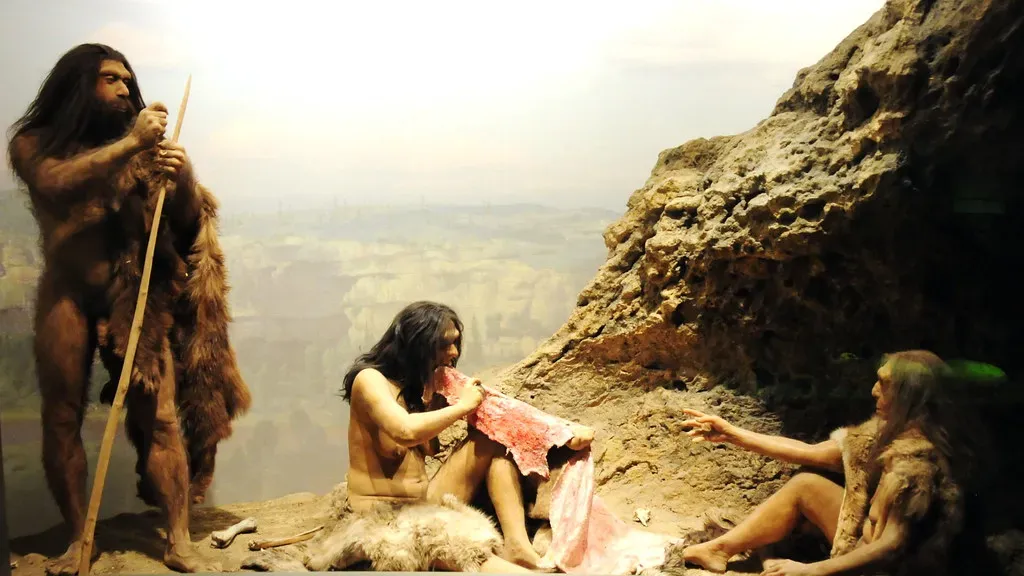
Most people still imagine early humans stuck hugging coastlines in flimsy rafts until very late in the timeline. The Australian evidence quietly ruins that picture. Stone tools and charcoal layers suggest modern humans were in Australia at least 50,000 years ago, and possibly earlier – which means open-water crossings happened way ahead of schedule.
This wasn’t a lucky accident. Reaching Australia required planning, navigation, and enough group coordination to build seaworthy craft and cross real ocean, not just paddle along a shoreline. Some archaeologists argue this shows sophisticated cognitive ability long before agriculture ever existed, which quietly flips the usual cause-and-effect story most of us learned in school.
#2 – Neanderthals Didn’t “Disappear” – They’re Living in Your DNA
Textbooks love the dramatic line: Neanderthals vanished, replaced by smarter modern humans. The genetics say that’s basically wrong. If you have non-African ancestry, you likely carry 1–3% Neanderthal DNA, and some of those genes still help with immunity and cold adaptation today.
That means early Homo sapiens didn’t simply outcompete Neanderthals into oblivion – they met them, lived near them, and had children with them. Instead of a clean handoff from one species to the next, we get a messy, overlapping population web with interbreeding across thousands of years and multiple regions. Calling Neanderthals “extinct” is technically true and completely misleading at the same time.
Fast Facts
- Non-African genomes average about 1–3% Neanderthal DNA, present in every population with roots outside Africa.
- East Asians inherited 15 to 30 percent more Neandertal DNA than Europeans did, a gap researchers are still working to fully explain.
- Admixture between Neanderthals and modern humans did not occur at a single time and place, but repeatedly across generations and regions.
- Some inherited Neanderthal variants still shape modern immune responses and cold-weather adaptations.
#3 – Brain Size Didn’t March in a Straight Line
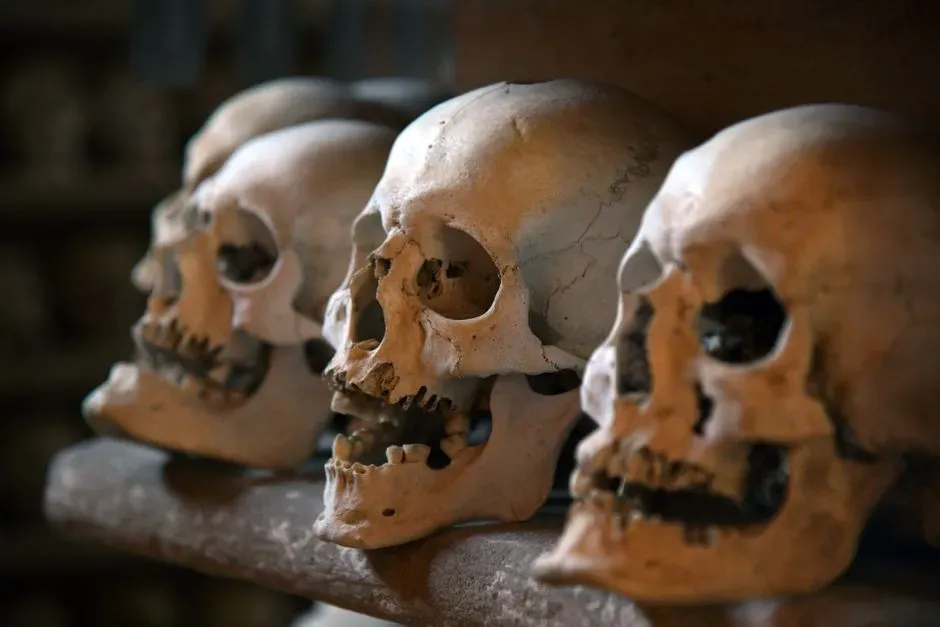
Most school diagrams show skulls steadily inflating over time, as if bigger automatically means smarter. Reality is messier and far more interesting. Several archaic humans had brain sizes equal to or larger than modern humans, yet never built a single skyscraper. Even within our own species, average brain size actually shrank somewhat over the last 10,000–20,000 years, right as “civilization” was taking off.
That timing isn’t a coincidence people love to admit. It suggests raw brain volume was never the magic ingredient – organization, wiring, and culture mattered just as much. Some anthropologists suspect that as societies grew more complex, individuals could offload cognitive work onto groups, tools, and traditions, allowing smaller brains without losing an ounce of problem-solving power.
#4 – Stone Tools Stayed “Simple” Even When Minds Weren’t
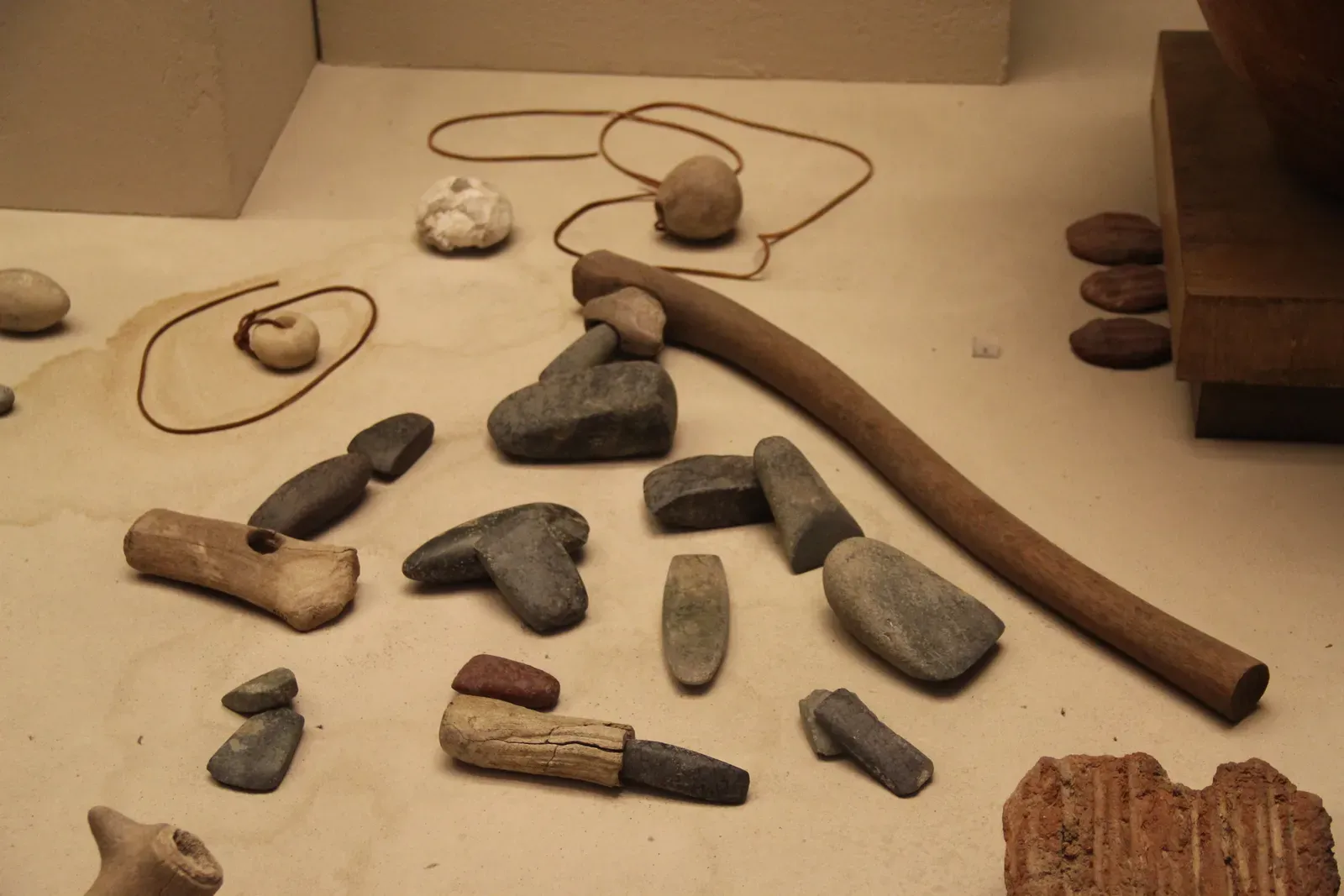
Textbooks treat tool complexity like a direct stand-in for intelligence – crude tools mean crude thinking, fancier tools mean sharper minds. But excavations show people with fully modern brains using nearly identical stone toolkits for tens of thousands of years, even while making art, ornaments, and long-distance trade networks on the side.
That disconnect matters. “Simple” tools don’t necessarily mean simple minds – sometimes they just mean a stable, efficient tradition with no reason to change. Imagine judging an entire modern century by nothing but forks and spoons. Some regions even show tool “regressions,” where later layers look cruder than earlier ones, which doesn’t fit a one-way progress chart at all.
#5 – Modern Humans and Neanderthals Traded Ideas, Not Just Genes
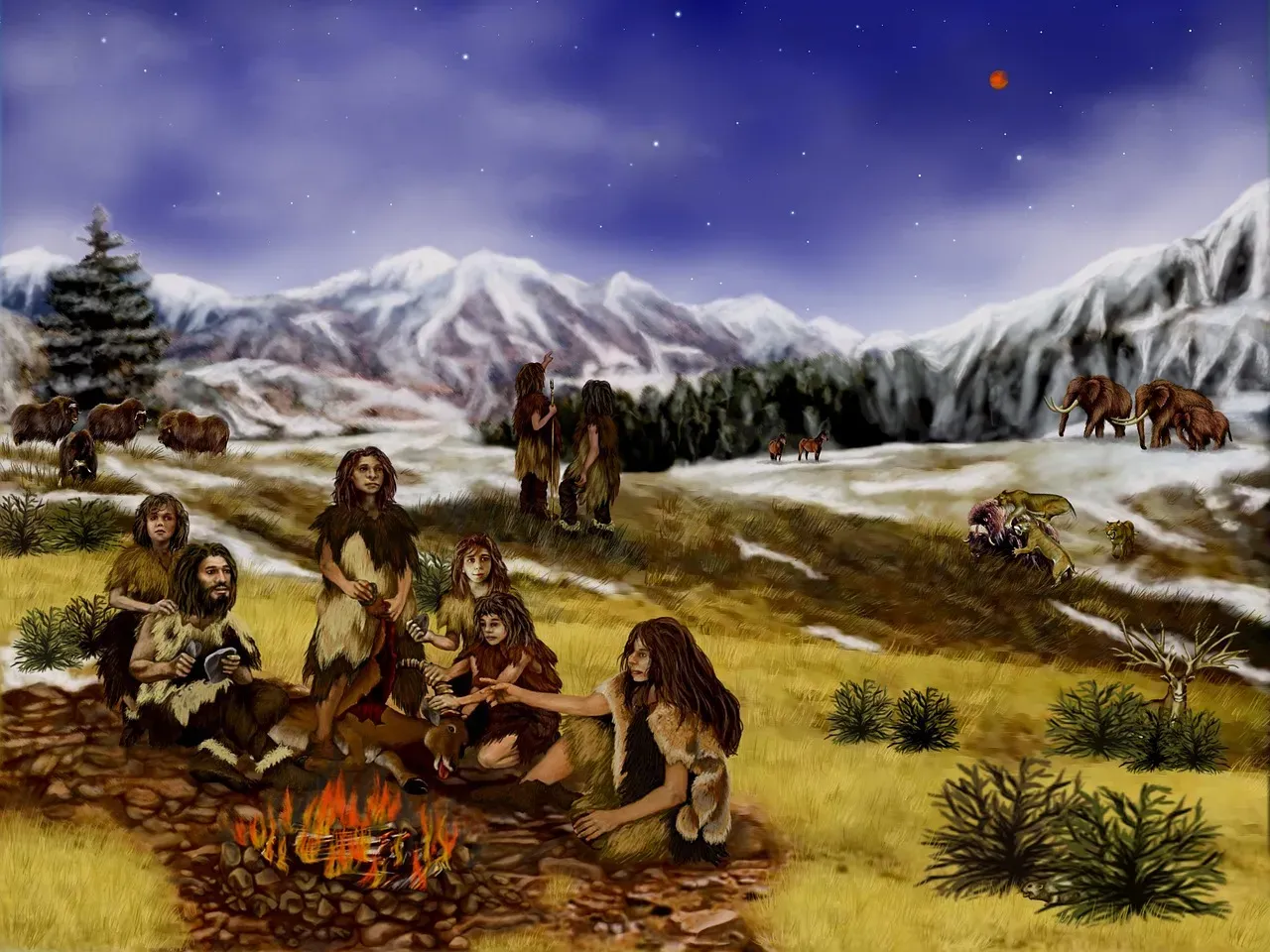
We’re taught that human groups evolved in sealed boxes, each inventing culture alone. But in Europe and western Asia, certain tool traditions and ornaments show up almost simultaneously at Neanderthal and modern human sites – shell beads, specific blade shapes, and pigment use that hint at borrowing, not coincidence.
That pushes back hard against the idea that Homo sapiens alone “invented” symbolism and then replaced everyone else. It’s entirely plausible that early modern humans learned techniques from Neanderthals, and the other way around, through joint hunts, mixed camps, or intermarriage. Some researchers even argue Neanderthals developed symbolic behavior on their own – which means the clean split between “innovators” and “dead ends” simply collapses.
#6 – Early Humans Survived the Arctic Cold Way Earlier Than Expected

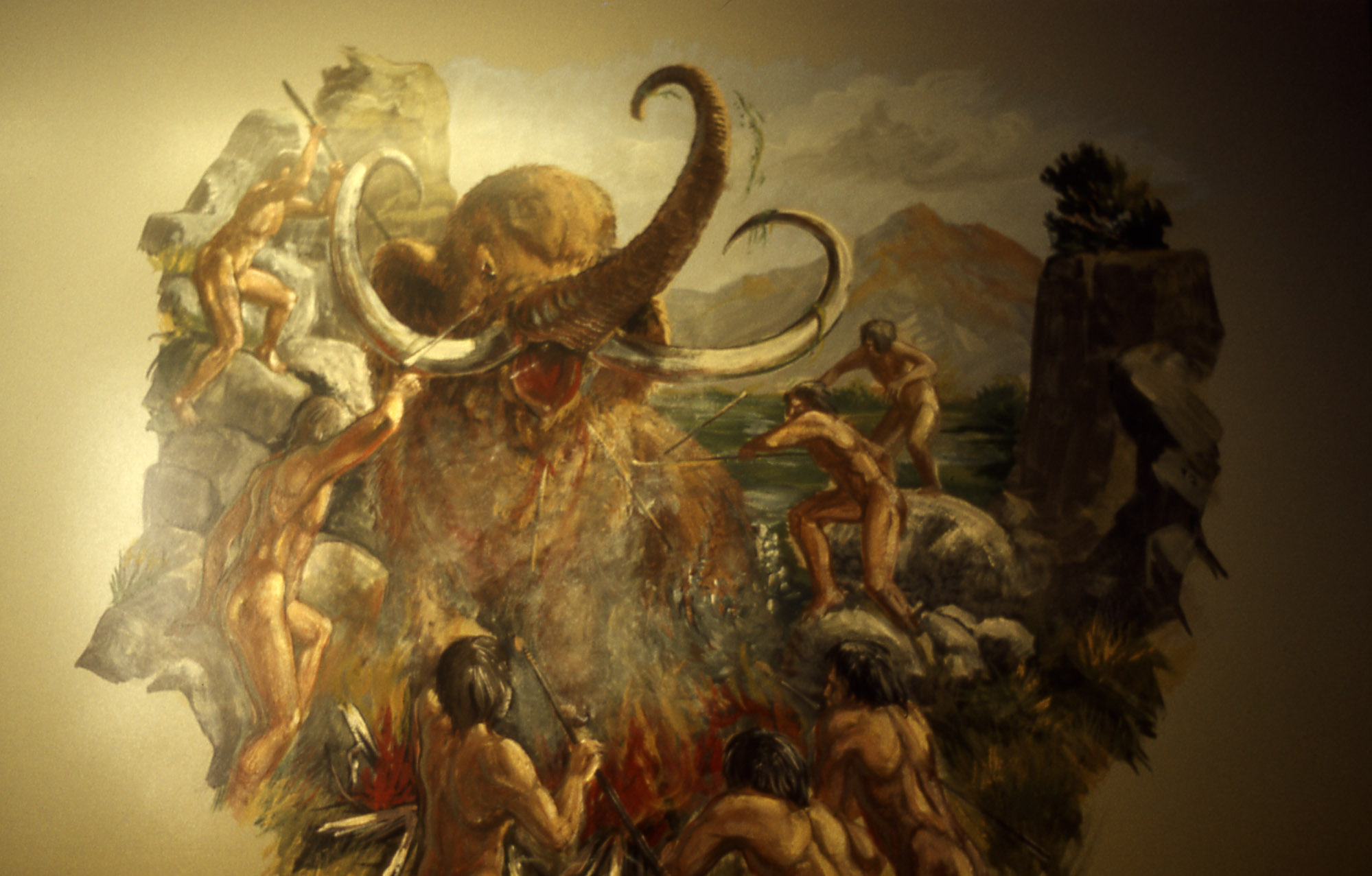
Older textbooks quietly imply that brutal, high-latitude environments were off-limits until humans had proper clothing and shelter figured out. Yet sites across Siberia and northern Eurasia show modern humans thriving in savage cold more than 30,000–40,000 years ago, complete with mammoth hunts and complex shelters.
What’s really jarring is the speed. In evolutionary terms, the jump from tropical savanna to Ice Age steppe happened almost overnight. That points to a species that was hyper-flexible from the start – adapting culturally through tools and cooperation rather than waiting around for slow genetic change. Some climate historians now argue early humans handled sudden climate swings better than plenty of modern societies manage today.
#7 – Megafauna Didn’t All Die in One Neat “Overkill” Wave
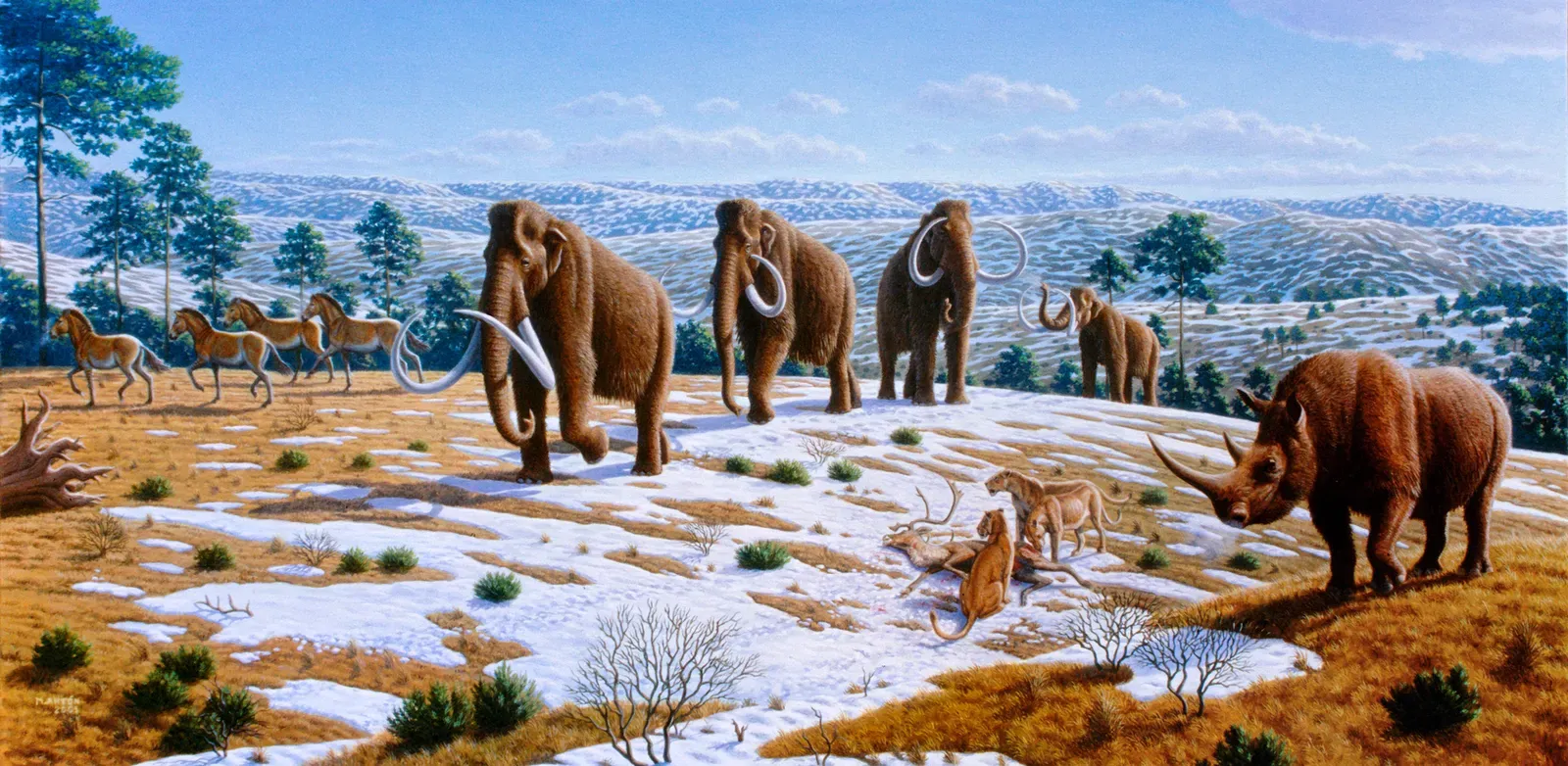
The classic story goes: humans arrive, hunt giant animals into extinction, move on. It’s clean and dramatic – and increasingly oversimplified. In some regions, giant animals vanish thousands of years after humans show up, syncing more closely with climate shifts than obvious mass hunting. In others, megafauna hang on for ages despite dense human populations nearby.
This doesn’t let early humans off the hook entirely; in places like the Americas and Australia, hunting almost certainly played a role. But the pattern is a patchwork of local outcomes, not one tidy global collapse. Some ecologists now argue early humans occasionally helped maintain landscapes through fire and selective hunting, rather than only destroying them.
#8 – Fire Use Was Older, Smarter, and Far More Strategic
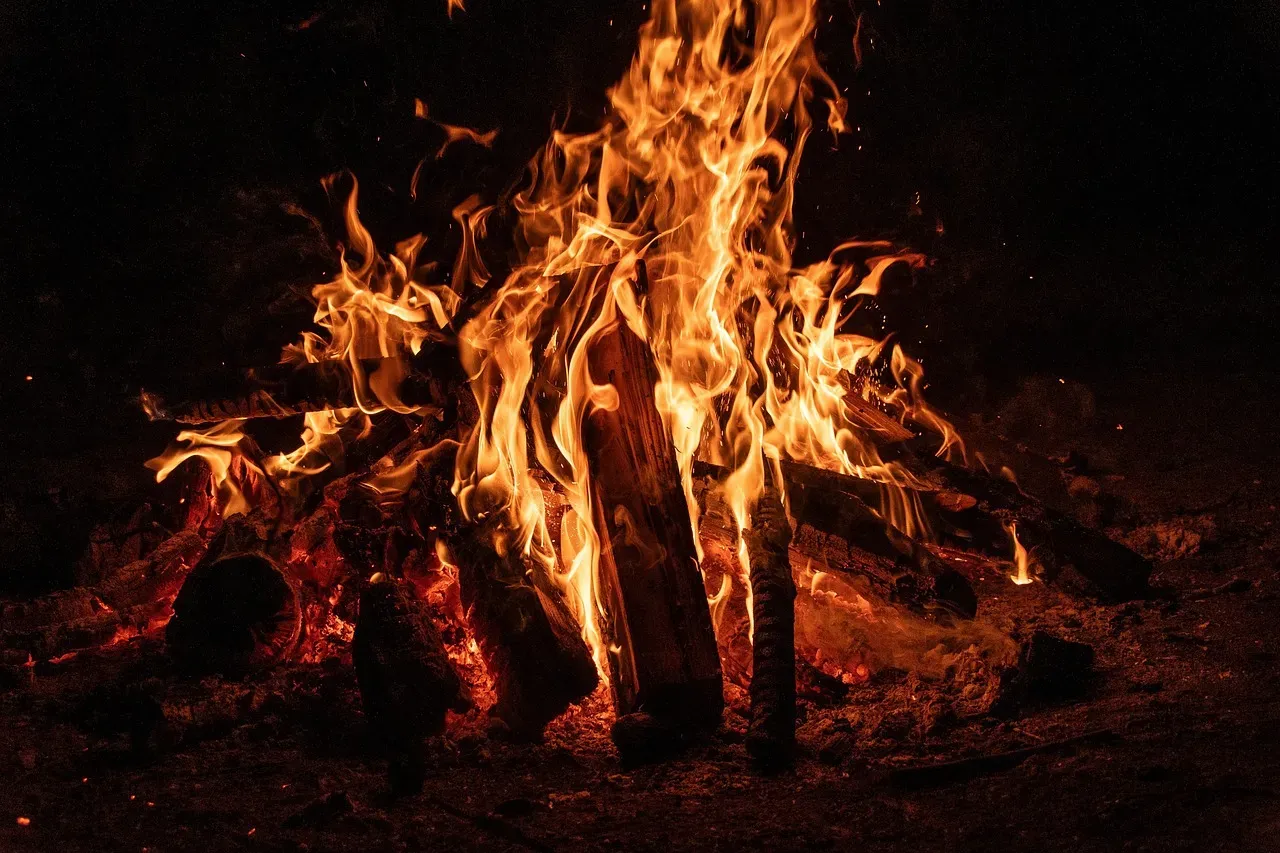
You probably learned that “mastery of fire” flips on like a switch at one point in the story and stays on forever. The actual evidence is a long, uneven journey, with hints of controlled burning and hearths hundreds of thousands of years old – well before fully modern humans existed.
What really scrambles the timeline is how strategic some groups got. In Australia and parts of Africa, indigenous burning traditions create predictable mosaics of vegetation that attract game and protect key resources. Archaeologists now suspect early groups were already nudging entire ecosystems this way in deep prehistory – less “discovering fire” and more experimental land management.
#9 – The Oldest Symbolic Art Isn’t Where Textbooks Say It Should Be
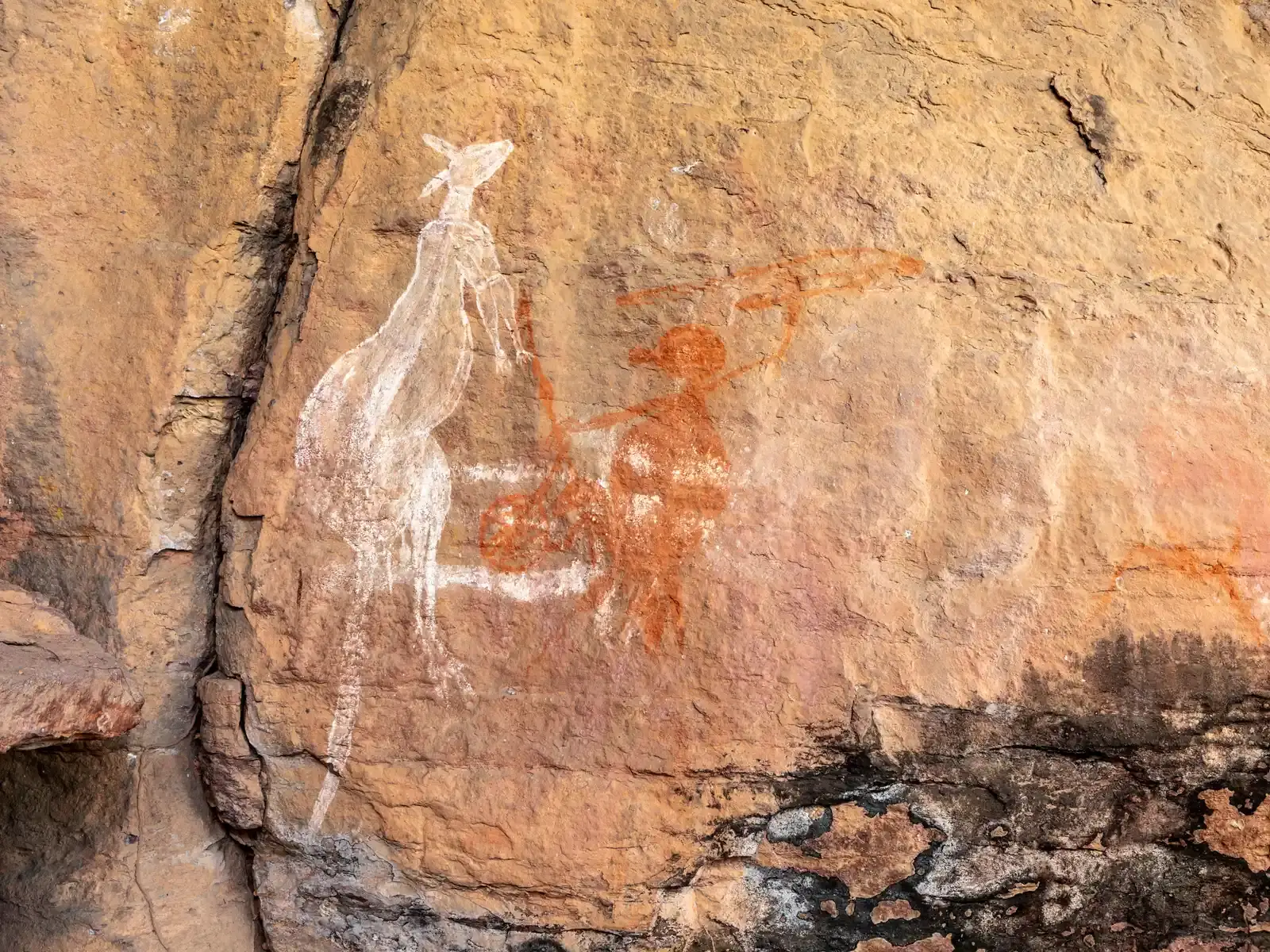
Textbooks love placing the birth of art neatly inside Ice Age Europe, with those famous cave paintings as the big bang moment. But carved ochre, pierced shells, and geometric engravings in Africa and the Levant point to symbolic behavior tens of thousands of years earlier than the European explosion. Some pieces look startlingly modern in their abstract patterning.
That means European cave art can’t be treated as the sudden spark of human creativity – it’s more like a late, dramatic flowering of a tradition that already existed elsewhere in quieter, smaller forms. The sequence is basically backwards: subtle marks came first, and only much later did anyone get the grand, movie-ready masterpieces we put on postcards.
#10 – Farming Didn’t Replace Foraging Overnight

The standard line says people discovered agriculture, settled down, and left hunting and gathering in the dust. Reality: in many regions, farmers and foragers coexisted for thousands of years, with some groups happily mixing both strategies depending on the season or the year.
That blurs the supposed “revolution” almost completely. For plenty of populations, full-time farming wasn’t a triumphant breakthrough – it was closer to a last resort. Health data even shows early farmers often had worse diets, more disease, and shorter statures than nearby foragers. Farming likely won in the long run simply because it supports bigger populations, not because it made anyone’s individual life better.
#11 – Domestication Wasn’t Just a Human Invention

You’re told humans domesticated plants and animals like we were running a grand, deliberate experiment. In reality, some biologists argue plenty of species self-domesticated around us, exploiting niches our behavior created. Early dogs likely began as wolves drawn to camp scraps; the friendliest ones thrived, and humans slowly leaned into the partnership. The “invention” of the dog may be as much their move as ours.
Crops followed a similar logic. Plants that did well in disturbed, human-churned soil – around campsites and waste piles – got a head start long before anyone chose to plant them on purpose. Over time we favored the tastiest, easiest ones, but the initial push came from ecology, not a lightbulb moment. Domestication looks less like a single event and more like a long, blurry feedback loop.
#12 – “Isolated” Hunter-Gatherers Had Surprisingly Huge Social Networks
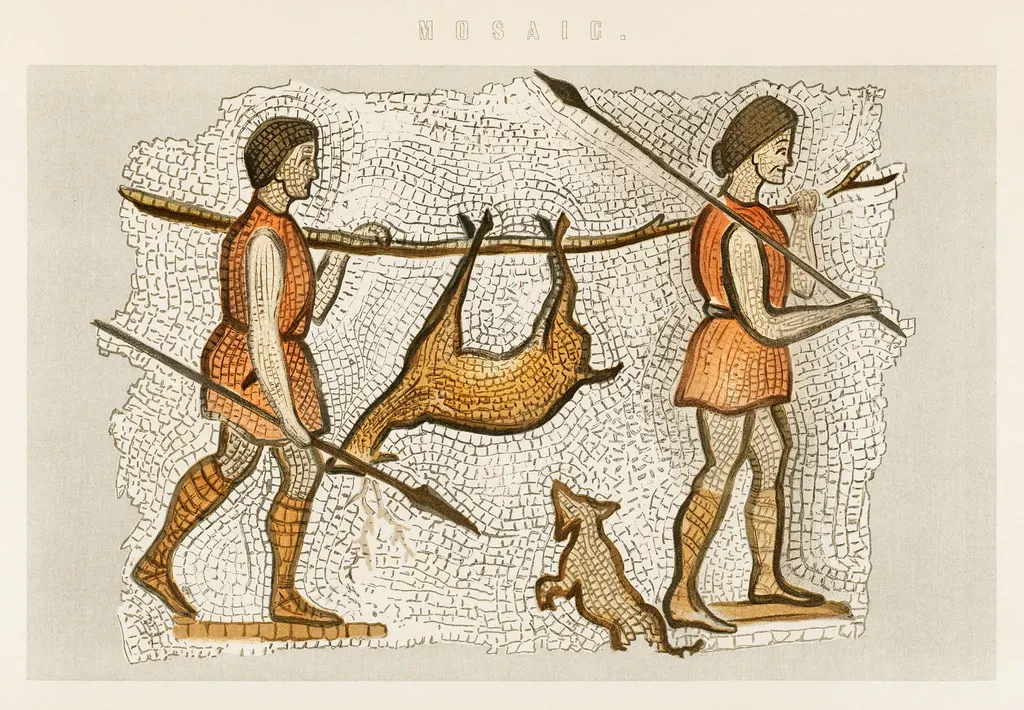
Popular images still show tiny, cut-off bands wandering through empty landscapes alone. But obsidian sourcing, shell distribution, and genetic diversity all point to surprisingly large, long-distance networks among early humans, with objects turning up hundreds of kilometers from where they were made.
This reframes how ideas spread. New hunting techniques, symbolic styles, or shared myths could ripple through these networks without anyone needing to mass-migrate. It also meant early humans had a social safety net – if one band hit famine or conflict, distant allies might offer refuge. Some anthropologists now think these invisible threads were a secret weapon for Homo sapiens compared with more localized hominins.
Worth Knowing
- Obsidian and shell ornaments recovered far from their geological source point to trade or gift exchanges spanning huge distances.
- Genetic diversity patterns suggest small bands regularly exchanged marriage partners with distant groups, not just close neighbors.
- These networks likely functioned as insurance policies, offering refuge during local famines, conflicts, or environmental shocks.
- Shared symbols and techniques could spread across an entire region without anyone relocating permanently.
#13 – “Civilization” Didn’t Actually Start With Cities
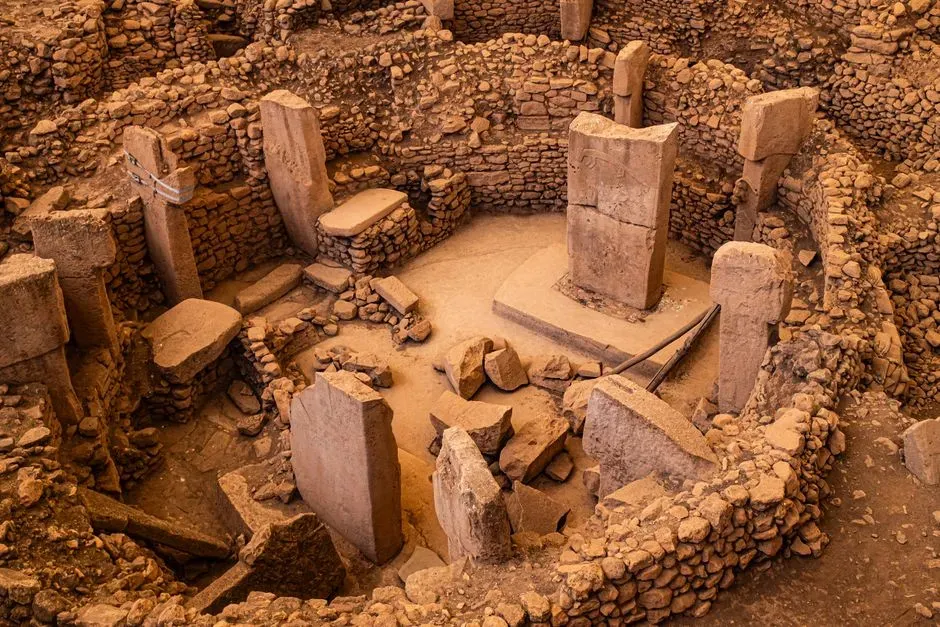
The schoolbook version treats cities, writing, and states as the starting gun for civilization. But enormous ritual sites and gathering places appear before true cities and before full-time farming in some regions – massive earthworks, stone circles, and monumental architecture built by people who were still living loosely or seasonally.
That flips the usual order on its head: instead of agriculture leading to surplus leading to monuments, it looks like symbolic and social projects came first in some places, pulling people together and maybe even motivating more intensive food production to support them. Shared belief, not economics alone, may have sparked large-scale organization long before any political state existed.
#14 – Early Humans Were Not All Tall, Muscular “Cavemen”
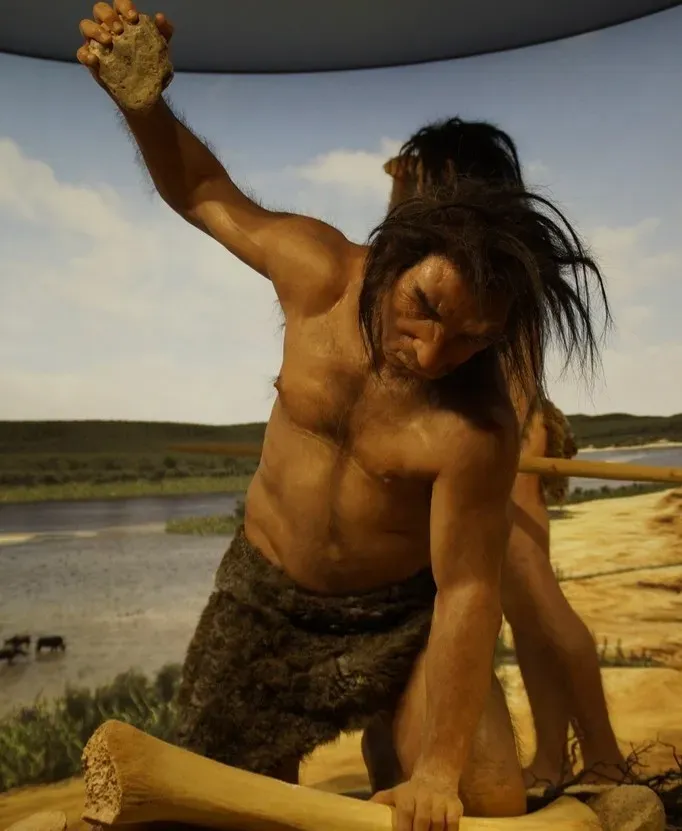
Textbook illustrations love the barrel-chested, heavy-browed caveman towering over modern people. Some fossil populations really were robust, but skeletal studies reveal huge variation in body size and build across time and geography – some early modern humans were small and lean, especially in hot climates built for shedding heat efficiently.
Even within a single region, childhood nutrition, workload, and disease exposure show up clearly in bones and teeth. There was never one “caveman physique.” Plenty of modern people are physically stronger than some ancient populations, depending entirely on lifestyle. The cartoonish, one-size image erases real human diversity that’s been there from the very start.
#15 – Gender Roles Weren’t as Rigid as You Were Taught
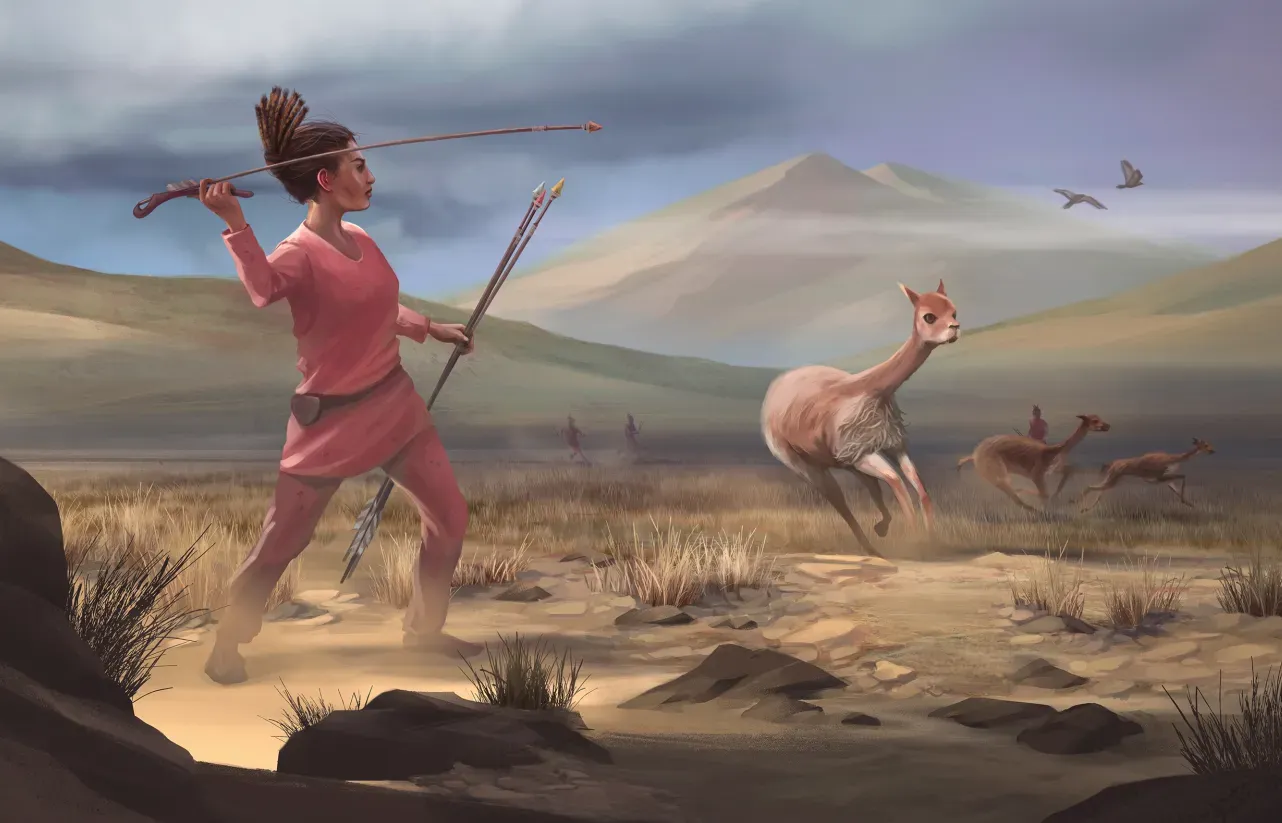
Older narratives confidently declared: men hunted, women gathered, case closed. But burial goods, skeletal wear patterns, and artifact placement are poking real holes in that division. In some early human and hunter-gatherer contexts, females are buried with hunting tools, and both sexes show clear signs of heavy physical labor.
Some anthropologists argue that strict, binary task divisions are more a product of later agricultural and industrial life than of deep prehistory. For many early groups, flexibility was survival – whoever could hunt, hunted; whoever could gather, gathered. Women’s knowledge of plants and social networks may have been just as critical to group survival as big-game hunting, which the old heroic-hunter story conveniently left out.
#16 – Cooperation, Not Constant Warfare, Ran Daily Life
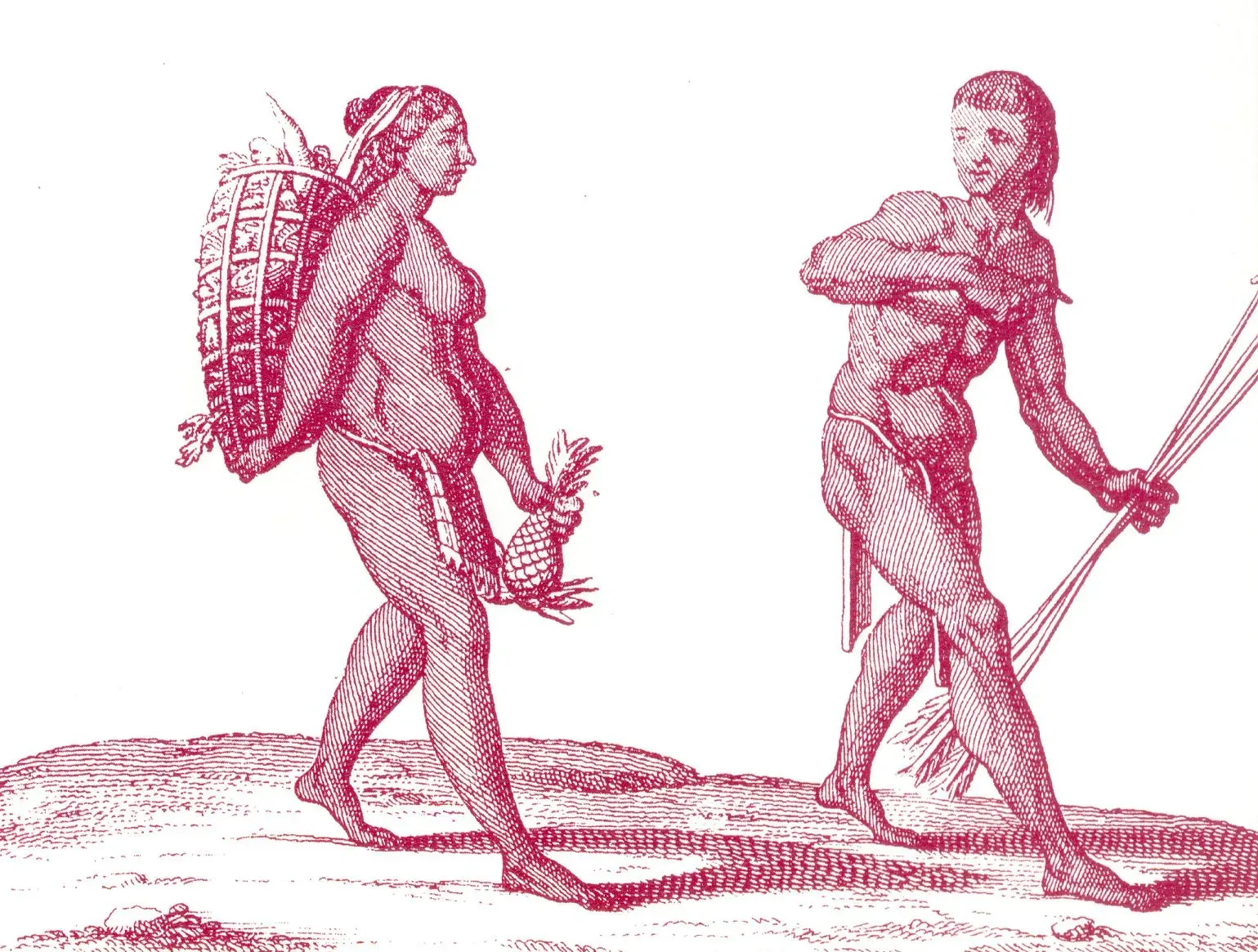
Textbooks love lingering on skulls with trauma, implying early humans lived in permanent, brutal war. Violence certainly existed. But look at the full archaeological record and most skeletons show no lethal injuries at all, with many communities appearing relatively peaceful over long stretches.
Modern hunter-gatherer studies back this up, showing high levels of sharing and conflict mediation as the default. The most consistent survival strategy was cooperation – sharing meat, trading information, caring for the sick, adopting orphans. Some researchers now suspect evolution favored people who could navigate complex social alliances, not just the strongest fighters. It’s a far less macho story, which may be exactly why it took so long to reach schoolbooks.
#17 – Our Ancestors Didn’t Live “Brutally Short” Lives by Default
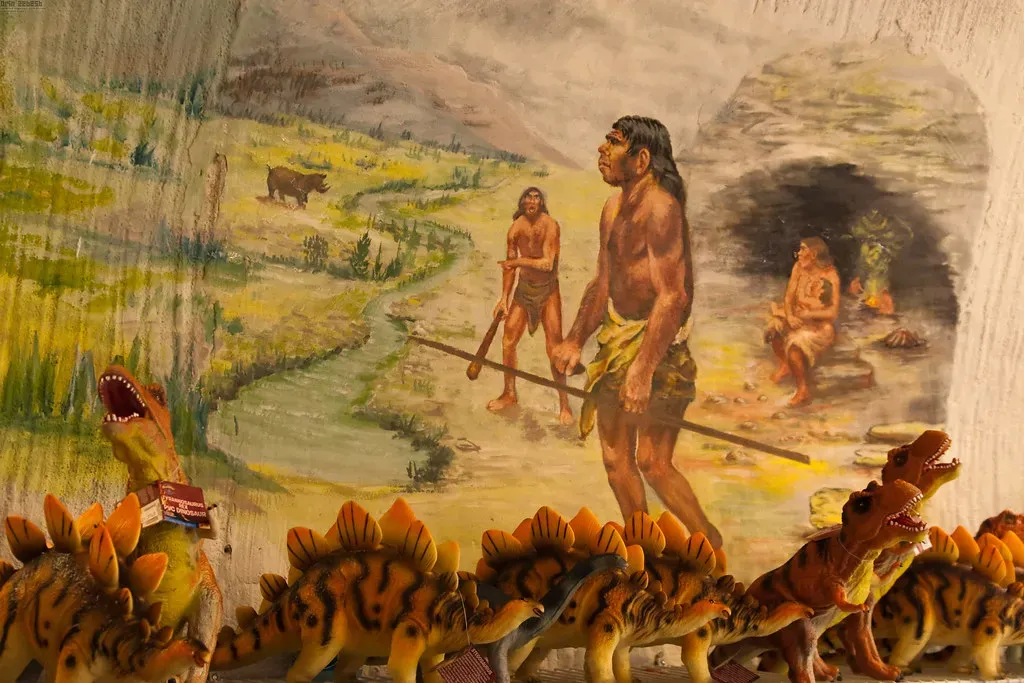
You probably heard early humans were lucky to see 30. That’s misleading. Average life expectancy looked low mostly because infant and child mortality was brutal – but if someone survived childhood, reaching their 50s or beyond was genuinely common, and skeletal remains show older adults present in many prehistoric groups.
Long lives change culture. Grandparents pass down knowledge, remember rare disasters, and watch grandchildren while parents hunt or forage. Some anthropologists argue that having elders around was a real cognitive advantage, boosting group memory across generations. Our ancestors weren’t dropping dead at 25 en masse – plenty lived long enough to become the old-timers with the stories that kept everyone else alive.
At a Glance
- Life expectancy at birth averages about 30 years for hunter-gatherers, a number dragged down almost entirely by early childhood deaths.
- Only 57% of children survive to age 15 years in hunter-gatherer populations on average.
- If a hunter-gatherer child reaches the age of 15, there is a 64% chance that he or she will live to or past the age of 45.
- Researchers argue for an adaptive life span of 68-78 years for modern Homo sapiens once someone cleared childhood’s dangers.
#18 – Ancient DNA Keeps Finding “Ghost Populations” No Textbook Explains
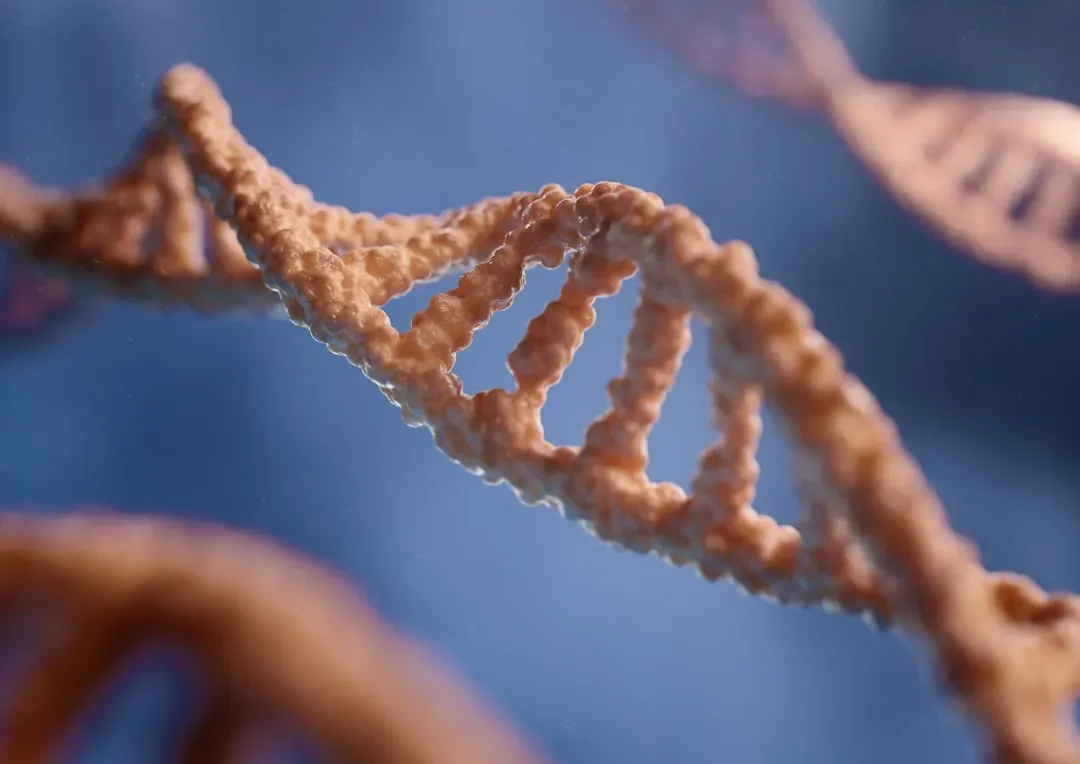
The timeline charts in most books show a few tidy arrows: Homo erectus here, Neanderthals there, modern humans sweeping across everything. Ancient DNA keeps blowing that apart. There are signals of unknown “ghost” populations that contributed genes to modern humans but aren’t represented by any fossil we’ve actually found.
That points to a tangled evolutionary bush, not a simple family tree – multiple hominin groups overlapping, interbreeding, and vanishing, leaving only faint genetic fingerprints behind. Some experts suspect we’ve barely scratched the surface of this hidden diversity, since so many bones never fossilized or simply haven’t been found yet. The true human story includes entire groups we know only from scraps of DNA, no name attached.
#19 – “Out of Africa” Wasn’t One Clean Exodus

You probably learned that modern humans left Africa once, at one specific point, then spread across the globe. Evidence now points to multiple waves of movement in and out of Africa, some early, some late, some that likely failed or got absorbed back into other populations.
This doesn’t erase Africa as our origin – it complicates what “origin” even means. Populations split, mixed, and re-mixed across regions, with Africa acting as a long-term engine of diversity rather than a single launchpad. It just means we’ve always been a restless, mobile species, repeatedly testing new frontiers and folding what we learned back into the core.
#20 – Technology Sometimes Went Backward, Not Just Forward
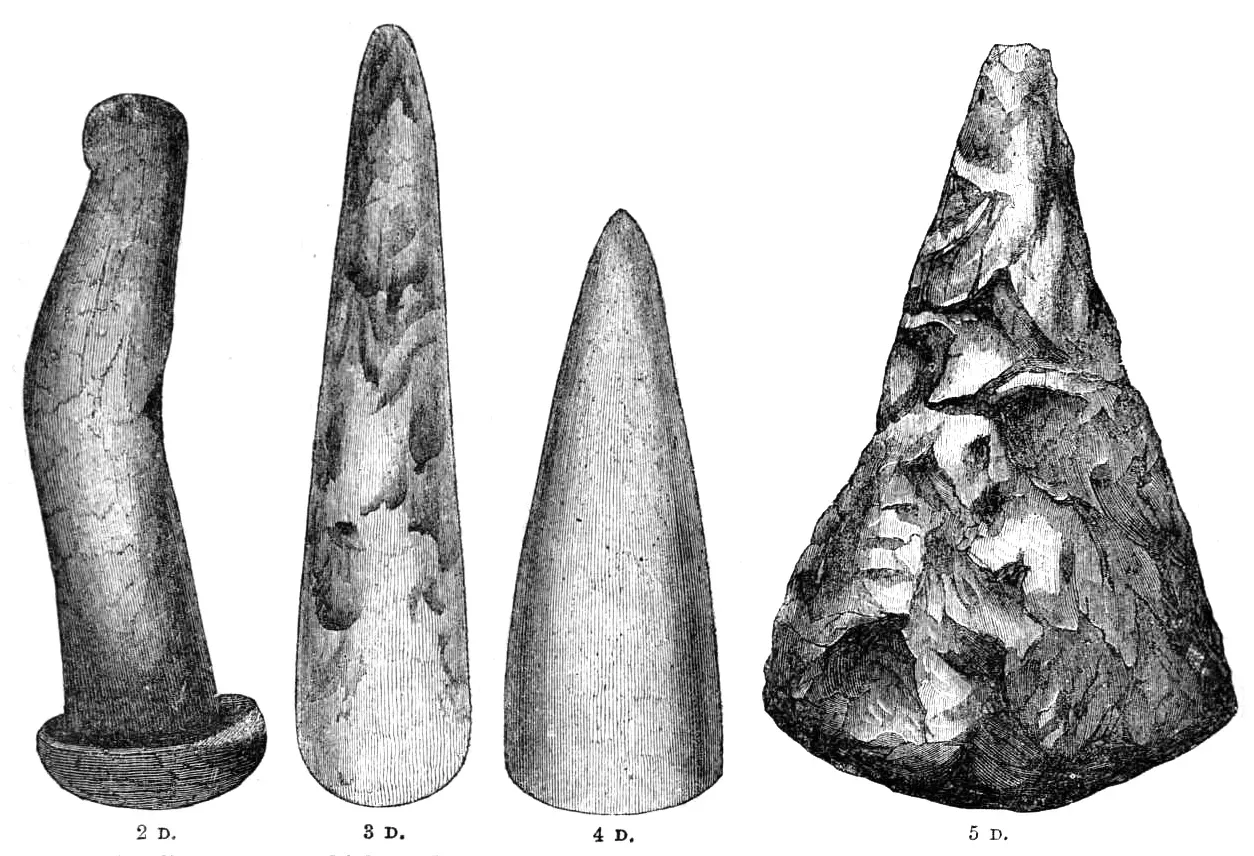
The myth of constant progress claims each new tool permanently replaces the old one. Archaeology shows patches where later layers contain simpler tools than earlier ones in the very same region – a reversal that might reflect shifting environments, lost artisans, or groups moving somewhere old techniques simply didn’t work.
That’s uncomfortable for linear thinking; it means people sometimes chose efficiency over complexity on purpose. Why maintain delicate blade technology if your new environment rewards quick, disposable tools instead? In some cases, entire crafts vanished because key experts died in disasters or migrated away, leaving real gaps in cultural memory – the opposite of an unstoppable tech ladder.
#21 – Climate Swings Drove Culture Faster Than Culture Drove Climate

Today we talk about humans reshaping the climate, and rightly so. But for most of prehistory, climate reshaped humans far more dramatically. Abrupt shifts in temperature, rainfall, and sea level forced repeated relocations, food crises, and bursts of cultural innovation.
Some of the biggest leaps in tools, art, and social organization line up closely with harsh, unstable periods – meaning many “creative breakthroughs” were less about sudden genius and more about sheer survival under stress. Groups that reorganized fast, found new foods, or struck new alliances made it through; others didn’t. Nature pushed, we scrambled, and only afterward did the scrambling look like smooth progress on a chart.
#22 – Diets Were Wildly Diverse – There Was No Single “Paleo Menu”
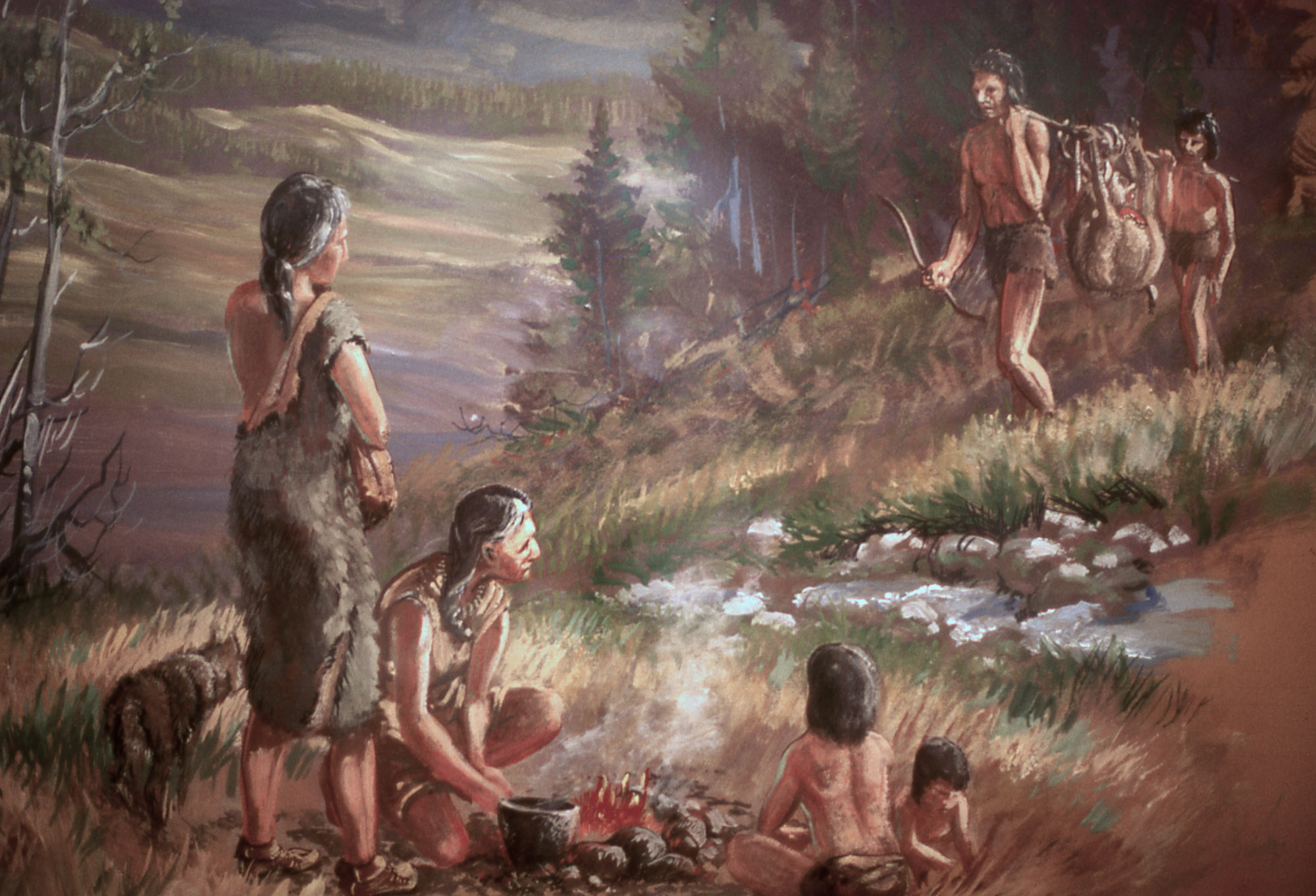
The whole idea of one authentic “paleo diet” collapses under real evidence. Isotope studies, plant residues on tools, and dental wear patterns show huge variation in early human diets depending on region and season. Some groups leaned on seafood, others on tubers and nuts, others on migratory herds whenever they could catch them.
That flexibility was a feature, not a flaw. Our ancestors were opportunistic omnivores constantly experimenting with whatever local resources offered, not sticking to one idealized menu. So when modern influencers insist there’s one true ancestral way to eat, they’re erasing the exact diversity that made the species successful in the first place. The real “paleo” story is improvisation, not a cookbook.
Quick Compare
- Coastal groups: shellfish, fish, and marine mammals formed a dependable, high-protein base.
- Savanna dwellers: tubers, nuts, and seasonal game filled out a leaner, plant-heavy diet.
- Arctic populations: fat-rich meat and marine blubber replaced carbohydrates almost entirely.
- Forest communities: a rotating mix of fruit, insects, and small game kept the menu unpredictable year-round.
#23 – Language Likely Existed Long Before We Can Prove It
Textbooks often hint that complex language shows up relatively late, tied to symbolic art or modern skull shapes. But language doesn’t fossilize. Many linguists and cognitive scientists argue that by the time we see clear symbolic artifacts, humans must already have had rich, flexible spoken language for a long time – coordinated hunts and complex kin networks basically demand it.
Some researchers even suspect Neanderthals had robust speech abilities, though possibly with different nuances than ours. If that’s true, the single biggest invention in human history predates most of the visible markers we use to date it. Our timelines mark where we can see language’s echoes, not where it actually began – and we may never pin down the real date at all.
#24 – The Line Between “Us” and “Them” Was Never Clean
The biggest thing textbooks get wrong is the sharp line they draw between “early humans” and “modern humans.” Ancient DNA, fossils, and cultural evidence all point to blurred boundaries, overlapping traits, and constant mixing. There was never a single day when a non-human gave birth to a fully human child.
The past is a foreign country: they do things differently there.
L.P. Hartley
It’s a beautiful line, but the evidence keeps arguing the opposite. There were countless generations of people who would look almost modern to you, with familiar fears, jokes, and ambitions. They buried their dead, decorated their bodies, argued, raised children, and navigated messy social webs. Calling them “primitive” is less a scientific statement than a modern ego boost – the real shock is that our tidy textbook sequence says more about our need for a clean story than about who our ancestors actually were.
Strip away the classroom cartoons and early humans stop looking like stepping stones on the way to us – they start looking like us. Inventive, contradictory, constantly improvising under pressure. The evidence doesn’t hand us a prettier straight line; it hands us a tangle of migrations, experiments, dead ends, and quiet successes that refuse to stay in order.
Seafaring before “civilization,” art before agriculture, interbreeding where we were promised clean replacement – everywhere you look, the official sequence bends or breaks. That makes some people uncomfortable, because tidy timelines are easier to teach and easier to mythologize. But honestly, the messy version is more impressive: our species didn’t climb a ladder in order, we surfed chaos for 300,000 years and somehow didn’t drown. Maybe it’s time the textbooks admitted that’s the more interesting story.