Most people imagine fossils as a neat, finished story: a bone gets a label, a date, and a spot behind glass – mystery solved. But tucked away in basements and back rooms, museums are quietly sitting on thousands of specimens that refuse to play along.
These fossils contradict timelines. They mix traits from species that supposedly never overlapped. Some are so anatomically confused that curators would rather leave them in a drawer than rewrite the textbook chapter they’re supposed to support. None of this is internet hoax territory – these are real, catalogued specimens, mostly kept off display. Here are 29 of them, and why each one makes museums quietly nervous.
#29 – The Dinosaur With Bird Hips… But Not Bird Feet
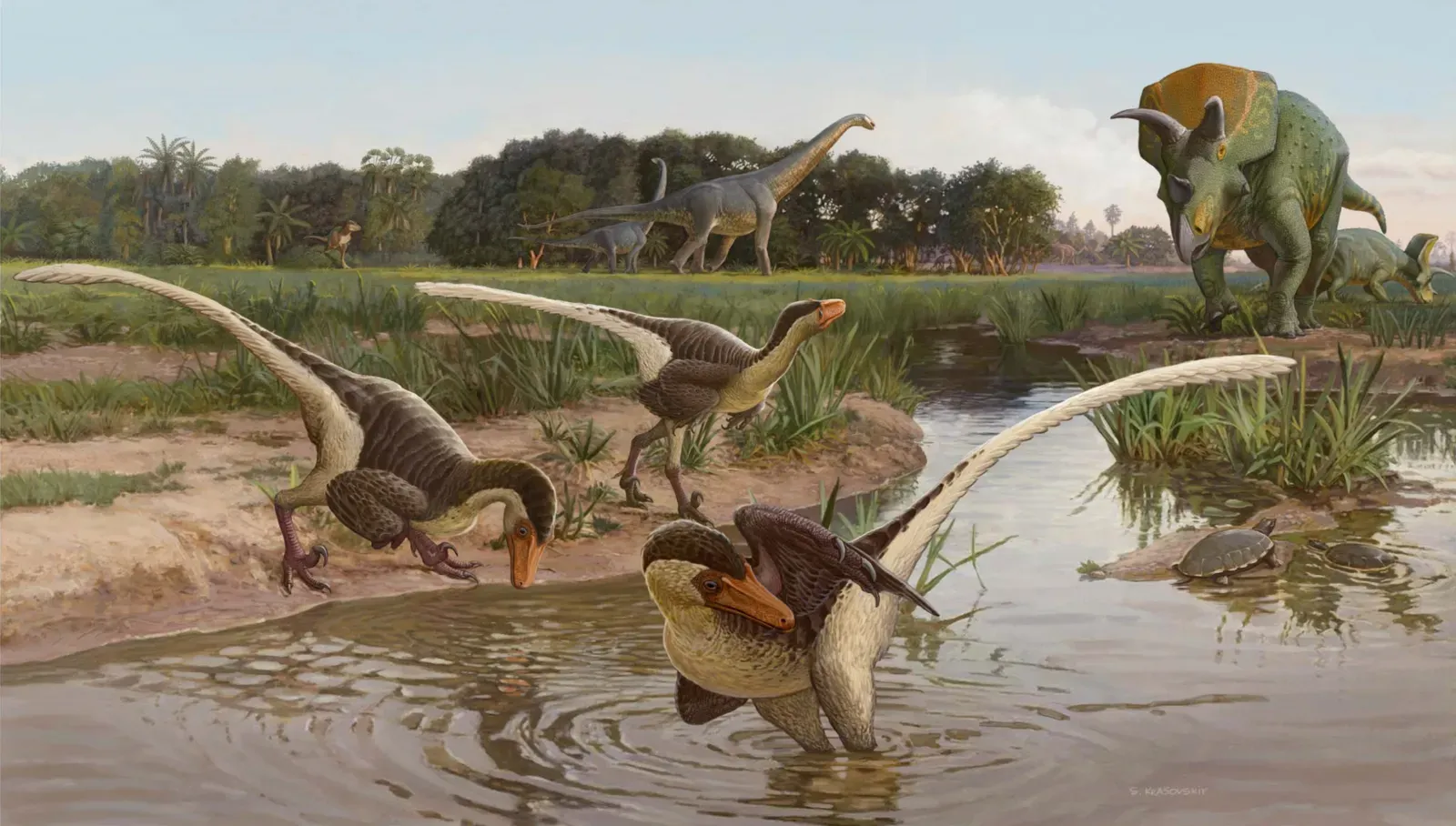
This one sounds like a nerdy technicality, but it quietly breaks the “dinosaurs became birds” story most of us memorized in school. A small theropod fossil with bird-like hips but stubbornly non-avian feet has spent far more time in collections than it ever has on public view. The pelvis angles and socket shapes look like something out of a later bird lineage, yet the toes, claws, and ankle bones scream classic predatory dinosaur.
For curators selling a clean evolution diagram, that’s a headache, not a headline. Move it closer to birds and you have to explain why its legs look evolutionarily “backwards.” Keep it with the meat-eating dinosaurs and you’re admitting bird-style hips showed up earlier – and maybe more often – than anyone expected. Either way, it hints that key “bird” features may have evolved, vanished, and re-evolved across different dinosaur branches entirely.
#28 – The Whale With Legs That Shouldn’t Exist
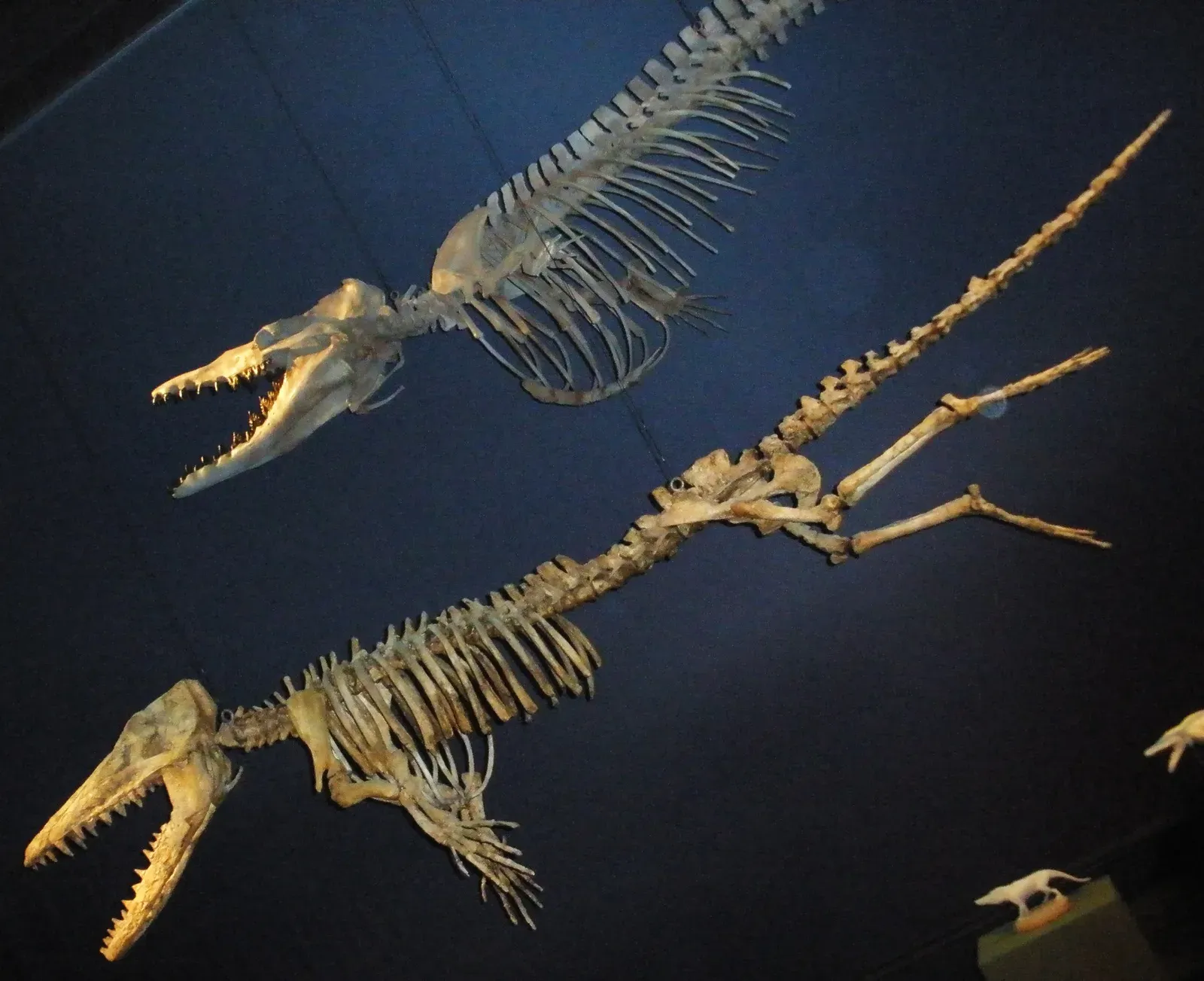
Most museum visitors get the tidy version: land mammals slowly turn into fully aquatic whales, one careful step at a time. But one transitional fossil sitting in storage looks like it cheated on the exam. This early whale has well-developed, weight-bearing hind limbs and surprisingly modern inner-ear structures built for underwater hearing – in the same skeleton.
In other words, here’s an animal that could probably still walk on land but already heard like a deep-diving specialist. If hearing and locomotion were supposed to evolve in neat, gradual stages, this fossil isn’t playing by the rules. Some researchers now think whales adapted to marine life far faster than we assumed; others suspect the whole “steady transition” story was oversimplified from the start. Either way, it’s the kind of skeleton that ends up in a drawer, not a diorama.
Fast Facts
- Pakicetus, around 50 million years old, still had four legs and lived mostly near water.
- Ambulocetus, roughly 49 million years old, could both walk and swim.
- Basilosaurus, about 40 million years old, was fully aquatic but kept tiny, non-functional hind limbs.
- Fully modern whale body plans show up in the fossil record around 34 million years ago.
#27 – The Human-Sized Penguin That Breaks the Climate Story
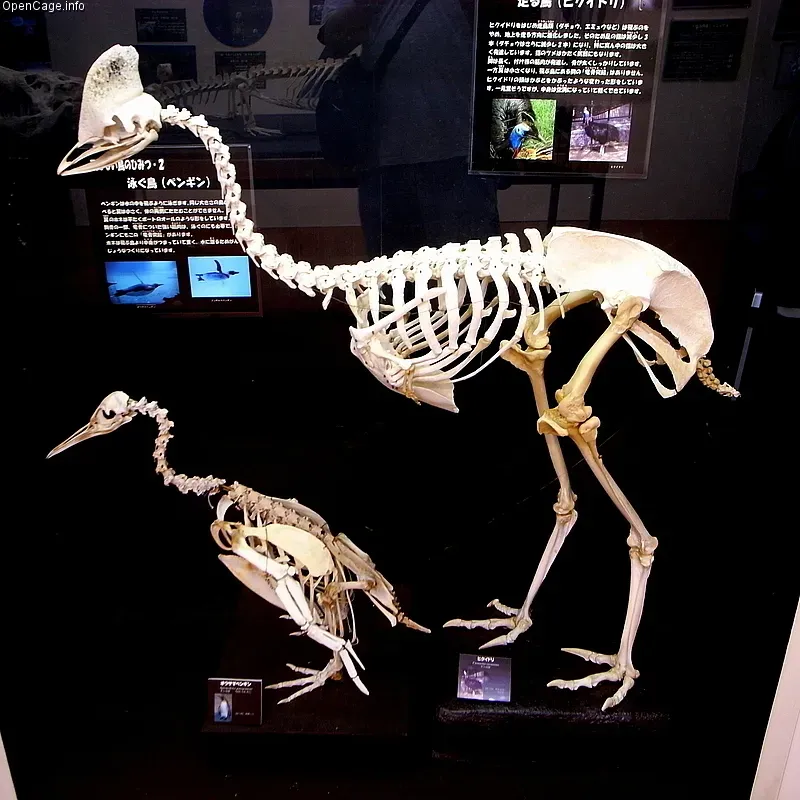
You’ve probably seen cute penguin fossils in kid-friendly exhibits. What you don’t often see is the human-sized penguin skeleton that makes our climate assumptions wobble. Found in ancient coastal deposits, this penguin stood around five feet tall, with massive wing bones built for underwater flight and heavy leg bones suggesting serious deep-diving habits.
The problem is timing. Standard models say giant penguins should peak in cold, nutrient-rich seas – but this specimen turns up in a warmer interval, in a region that supposedly couldn’t support that kind of marine productivity yet. That points to either ocean conditions we’ve badly misread, or a penguin ecology stranger than anything alive today. Visitors would probably love this fossil. Museums just aren’t thrilled about admitting their climate reconstructions might be off by more than a rounding error.
#26 – The Trilobite With a Bite Pattern It Shouldn’t Have
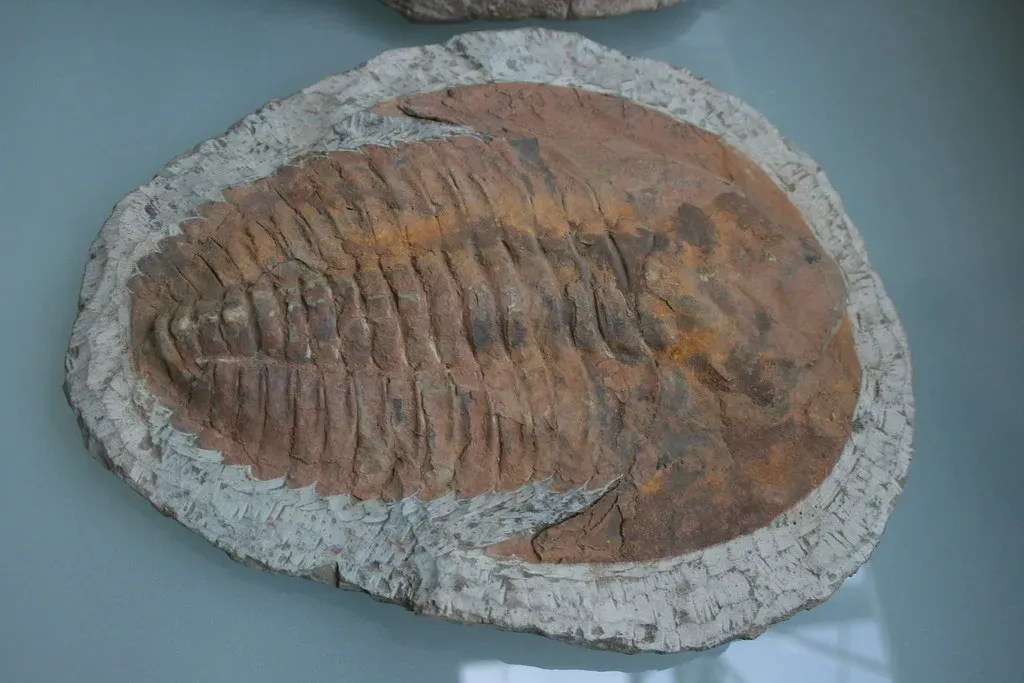
Trilobites are textbook fossils: armored little arthropods that crawled the seafloor for hundreds of millions of years. Simple, right? Except some drawers hold trilobite shells with odd, symmetrical bite marks that don’t match any known predator from their era. The gouges are deep, patterned, and consistent across multiple specimens, like something with precision mouthparts kept coming back for seconds.
Here’s the catch: the rock layers say these trilobites lived before the predators supposedly capable of that kind of damage even existed. That leaves two uncomfortable options – either there was a major predator we haven’t found yet, specialized enough to crack armored shells, or our fossil dating has a gap nobody’s accounted for. Most public galleries just show the “clean” trilobites and quietly skip the mauled ones.
#25 – The Giant Sloth That Died in the Wrong Place
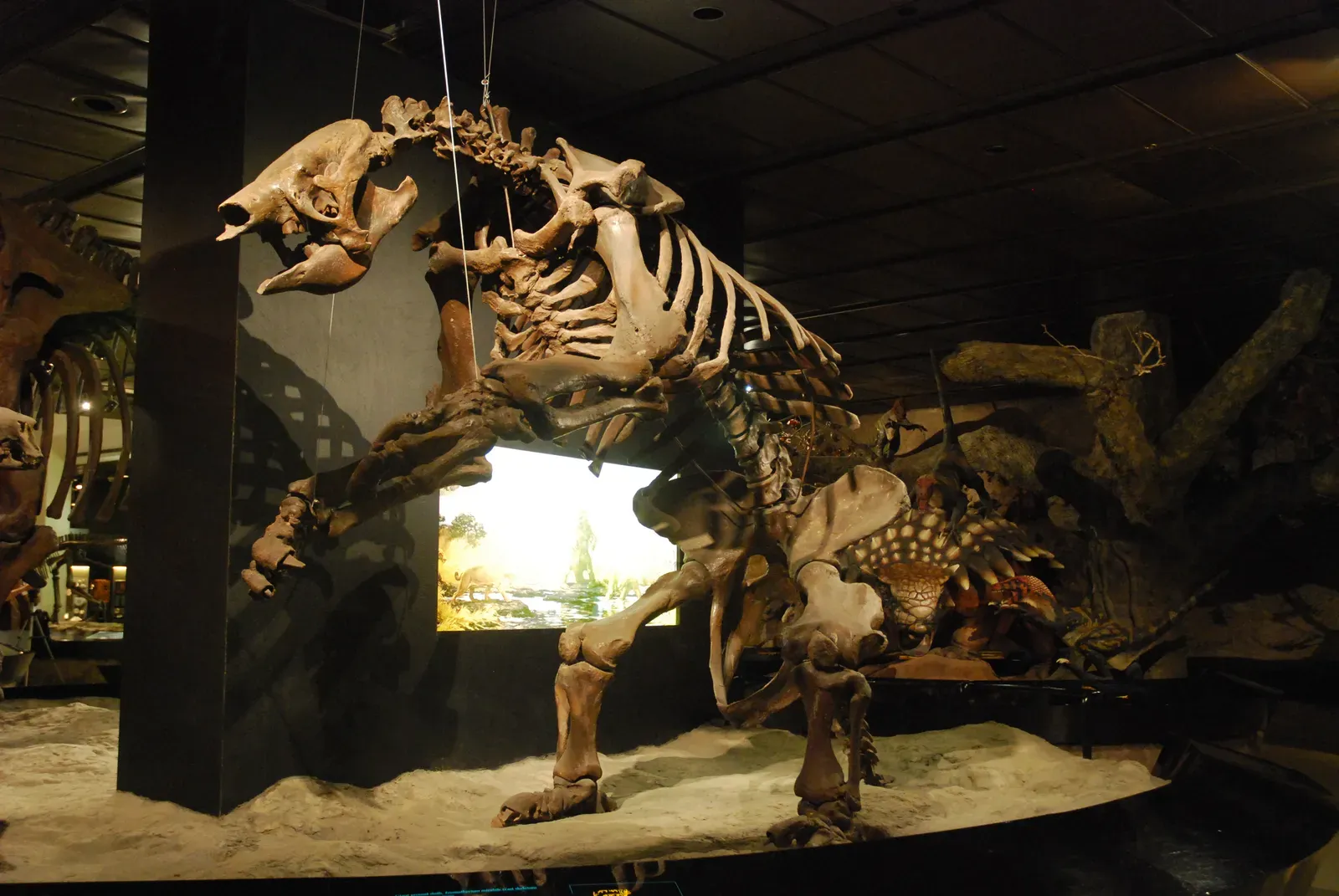
Ground sloths are supposed to be slow, tropical, and long gone. So explain the giant sloth bones pulled from a high-altitude, unexpectedly arid region, alongside signs the animal had been butchered or at least scavenged by early humans. The skeleton’s proportions and tooth wear match known species – but the pollen, soil chemistry, and surrounding fauna all point to a habitat far drier and colder than the standard sloth story allows.
Some scientists think this means ground sloths were tougher and more adaptable than we’ve given them credit for, capable of pushing into harsh marginal habitats humans were also exploiting. Others suspect the dating or the site itself got muddled over time. Either way, it hints at human-megafauna overlap in places we didn’t think either species could survive together, which complicates the tidy extinction story museums like to tell.
#24 – The Fish With Lungs and Fins in the “Wrong” Era
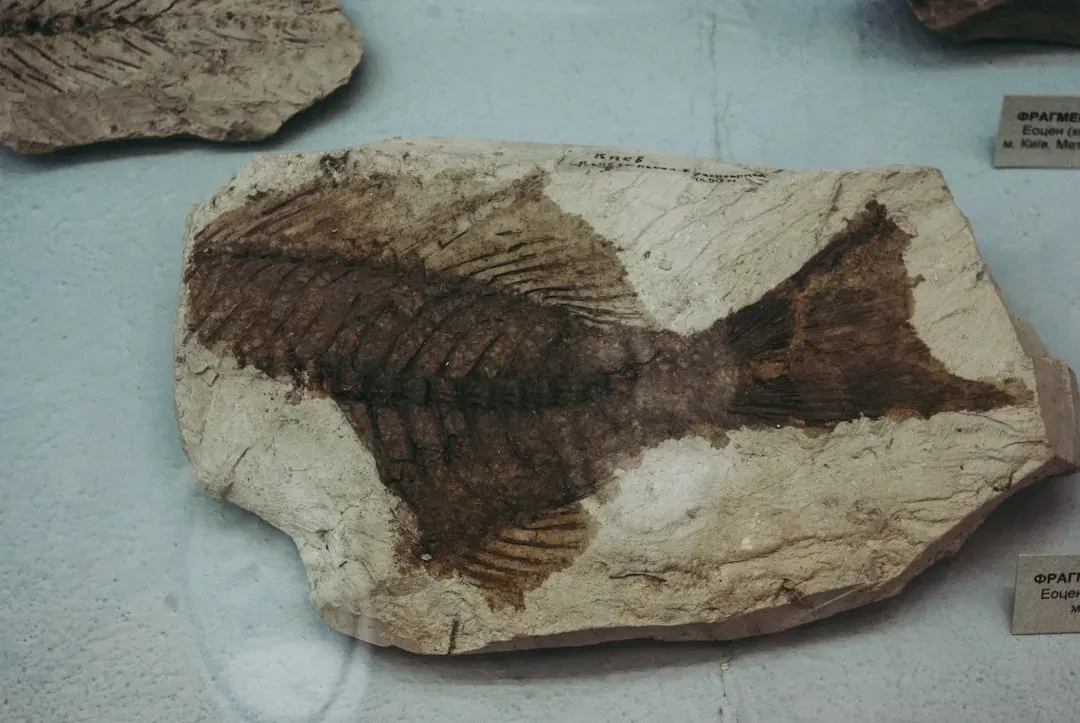
We all learned the iconic version: lobe-finned fish evolve lungs and sturdy fins, then crawl onto land. But one rarely displayed fossil fish has complex lung structures and limb-like fins in rock layers far older than expected. Its internal bone pattern looks shockingly close to later tetrapod ancestors, even though the surrounding sediment says it’s too early for that.
Multiple labs have cross-checked the dating, and it keeps holding up. If it’s right, the origin of air-breathing and proto-limbs may stretch back millions of years earlier than our standard diagrams suggest – meaning several “failed experiments” in land-going fish never made it into the textbooks at all. For a museum trying to keep the story simple, a fish that says “we’ve been walking toward land longer than you thought” doesn’t just need a tweak. It needs a rewrite.
#23 – The Mammoth With DNA That Doesn’t Add Up
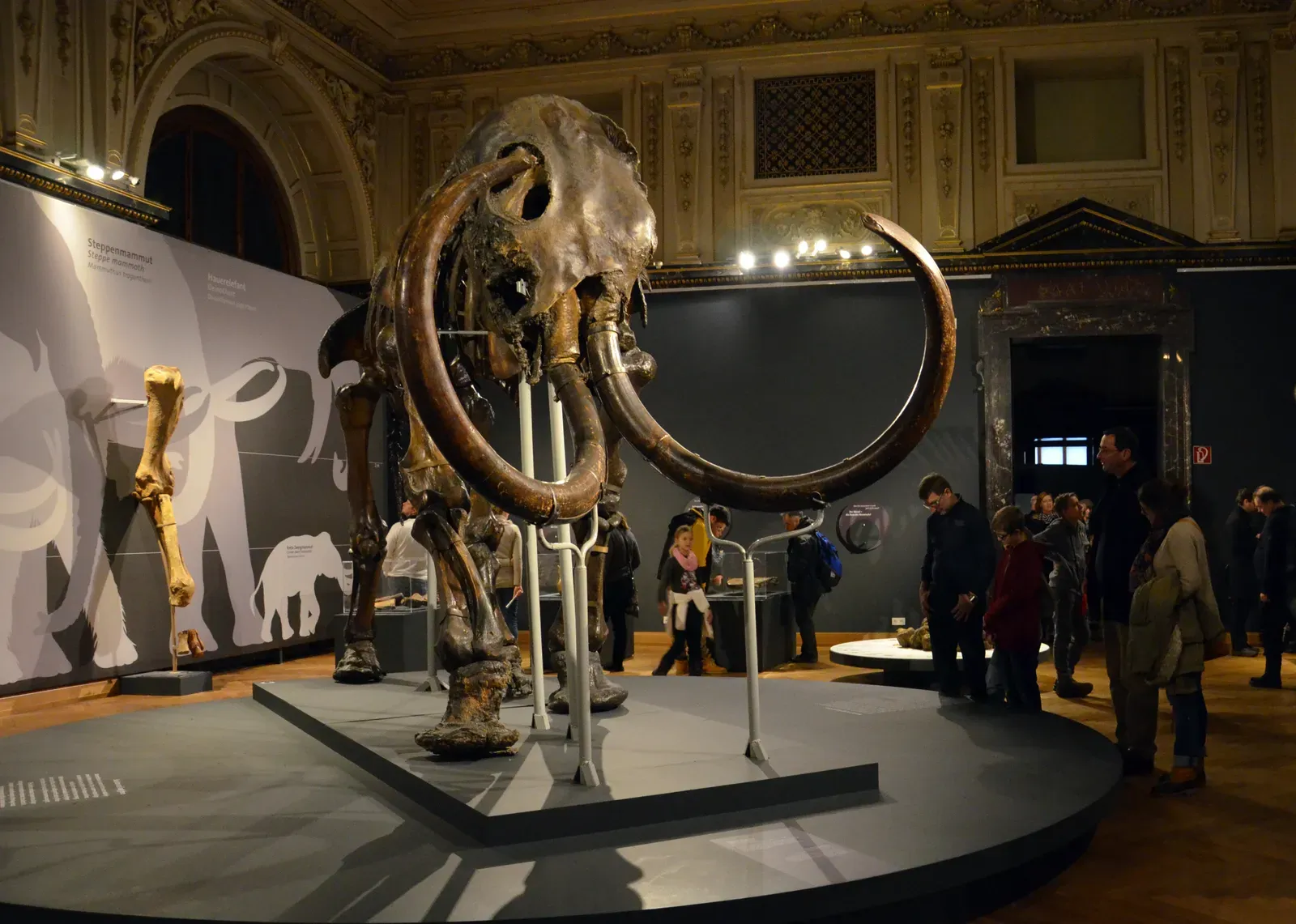
Most people think mammoths are a solved case: hairy elephants adapted to the cold, wiped out by climate and humans. Then genetics walked into the room. In one well-preserved mammoth, segments of its DNA don’t match neatly with known mammoth lineages or modern elephants. The mitochondrial patterns suggest gene flow from some unknown, closely related population we’ve never identified.
Some experts think there were “ghost populations” of mammoths or elephant relatives whose fossils simply haven’t turned up yet. Others chalk it up to contamination or rare mutation – except the tests keep coming back consistent. Rather than mount a specimen that basically announces “we don’t know what this animal was mingling with,” museums tend to display the straightforward mammoths and quietly file the genetic outliers away.
#22 – The “Feathered” Dinosaur That Might Not Be a Dinosaur
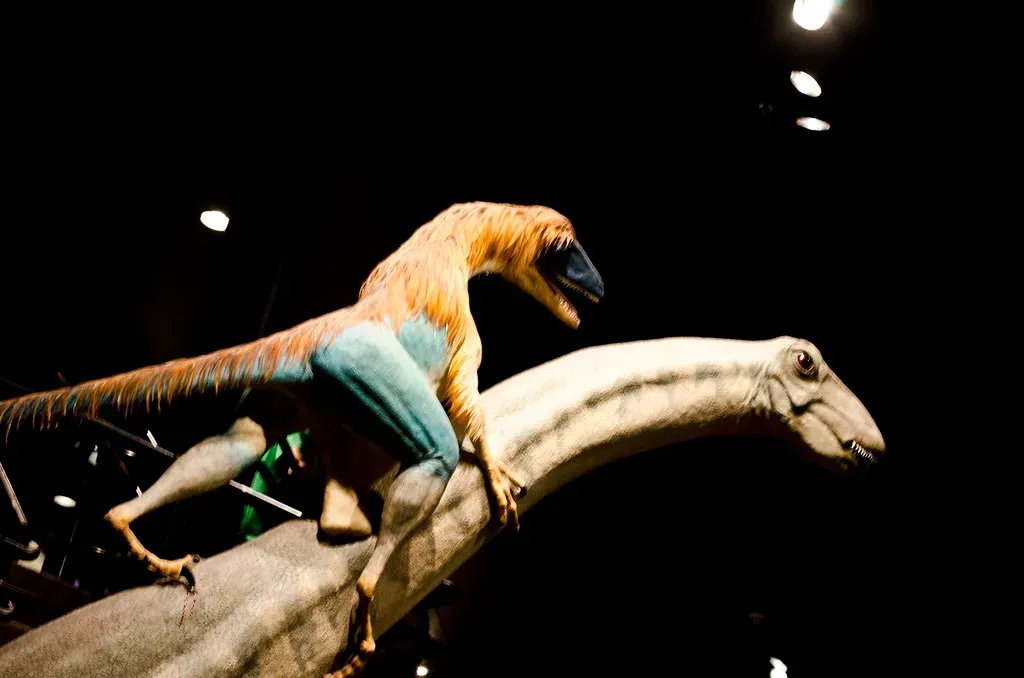
Feathered dinosaurs get plenty of press, and deservedly so. But one controversial fossil has specialists quietly wondering whether it belongs inside Dinosauria at all. It has filament-like coverings resembling proto-feathers, a long bony tail, and toothy jaws – but its skull and hip features line up better with early birds, or possibly a separate branch entirely.
The fossil itself isn’t in question; it’s been CT-scanned and studied thoroughly. The classification is what’s messy. If it really sits outside standard dinosaur clades, that means feather-like structures evolved independently more than once, undercutting the tidy “feathers equal dinosaurs becoming birds” story. That’s a nuance most museum labels can’t fit without confusing visitors, so the fossil gets loaned out for research, cited in papers, and quietly returned to storage.
#21 – The Coral Reef That Grew Where It Should Have Died
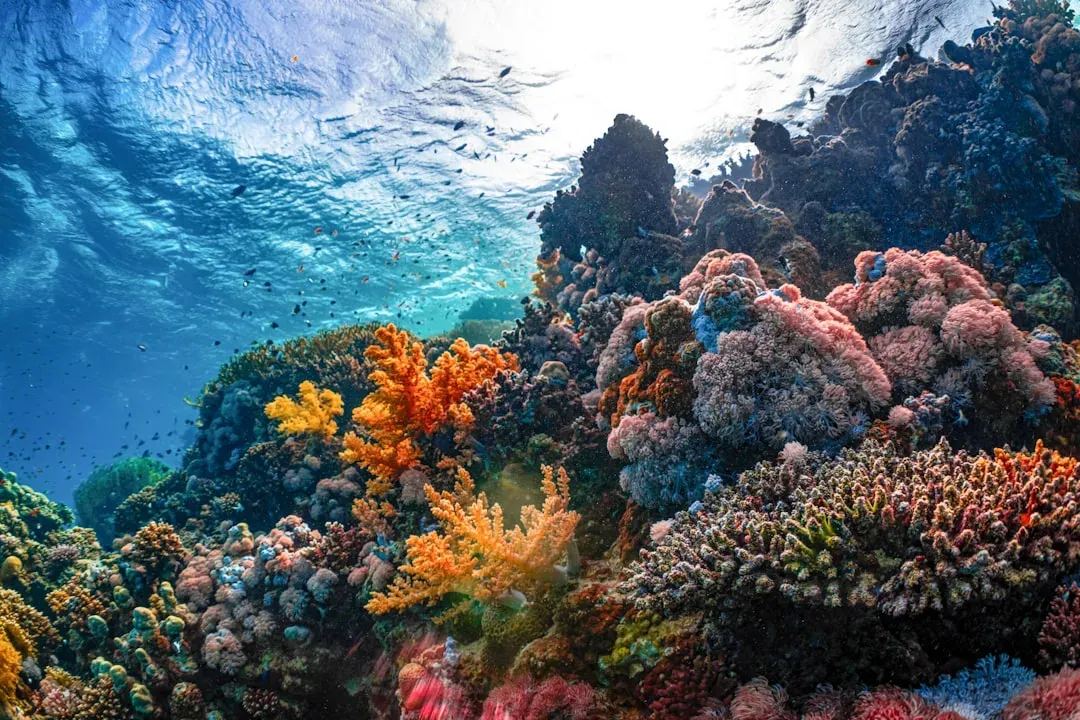
Ancient reefs are basically climate time machines. But one reef complex, fully documented and boxed away, appears to have thrived through temperature and acidity spikes that should have wiped it out. Geochemical analysis of the surrounding rock shows a jump in CO₂ and ocean warming – exactly the kind of shift we associate with reef collapse. And yet this fossil reef kept growing dense and diverse right through it.
That leaves a hard question: were these corals doing something extraordinary to survive, or have we overestimated how deadly certain stressors really are? Some researchers think the reef had unique symbionts or growth strategies no longer seen today. Others suspect our proxies for ancient temperature and acidity are shakier than we admit. Either way, it undercuts the simple “warming equals instant reef death” line that’s so easy to put on a gallery wall.
#20 – The Insect Locked in Amber With Plants That “Weren’t There Yet”
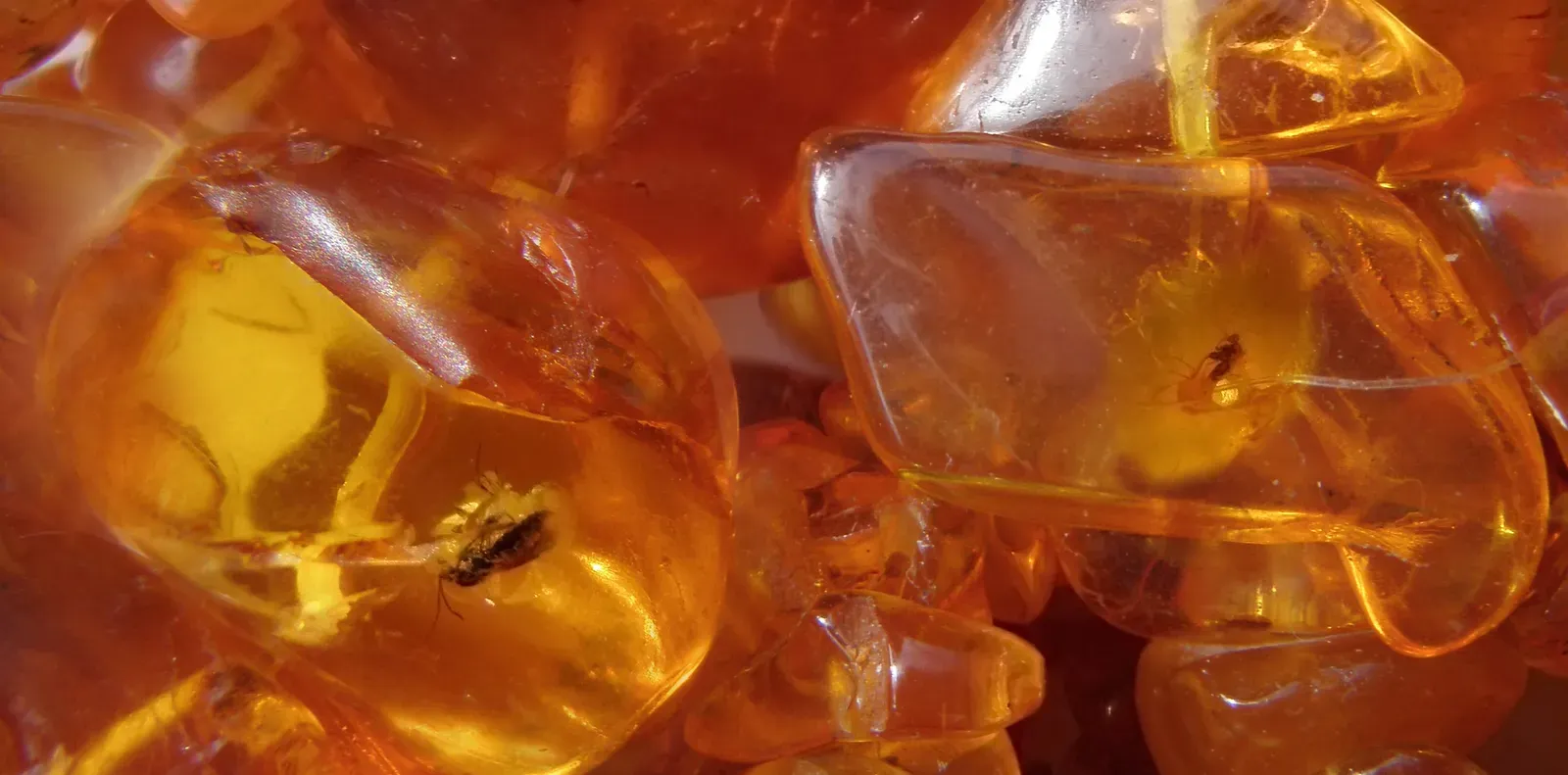
Amber scenes look like perfect prehistoric snapshots – until you find an insect trapped in resin that doesn’t match the plant community recorded in the same rock formation. In one case, the insect’s anatomy strongly suggests it specialized on flowering plants that, according to the fossil record, hadn’t shown up in that region yet.
Either the insect’s identification is way off, or those plants existed but left almost no trace behind. The second option is the unsettling one: it means entire plant communities can vanish from the rock record without a trace, which means our pretty murals of “Cretaceous forests” might be missing whole categories of vegetation. You’re not likely to see this piece of amber in a family exhibit – it raises more “how do we even know?” questions than any label can answer.
#19 – The Shark Tooth in a Layer With No Ocean
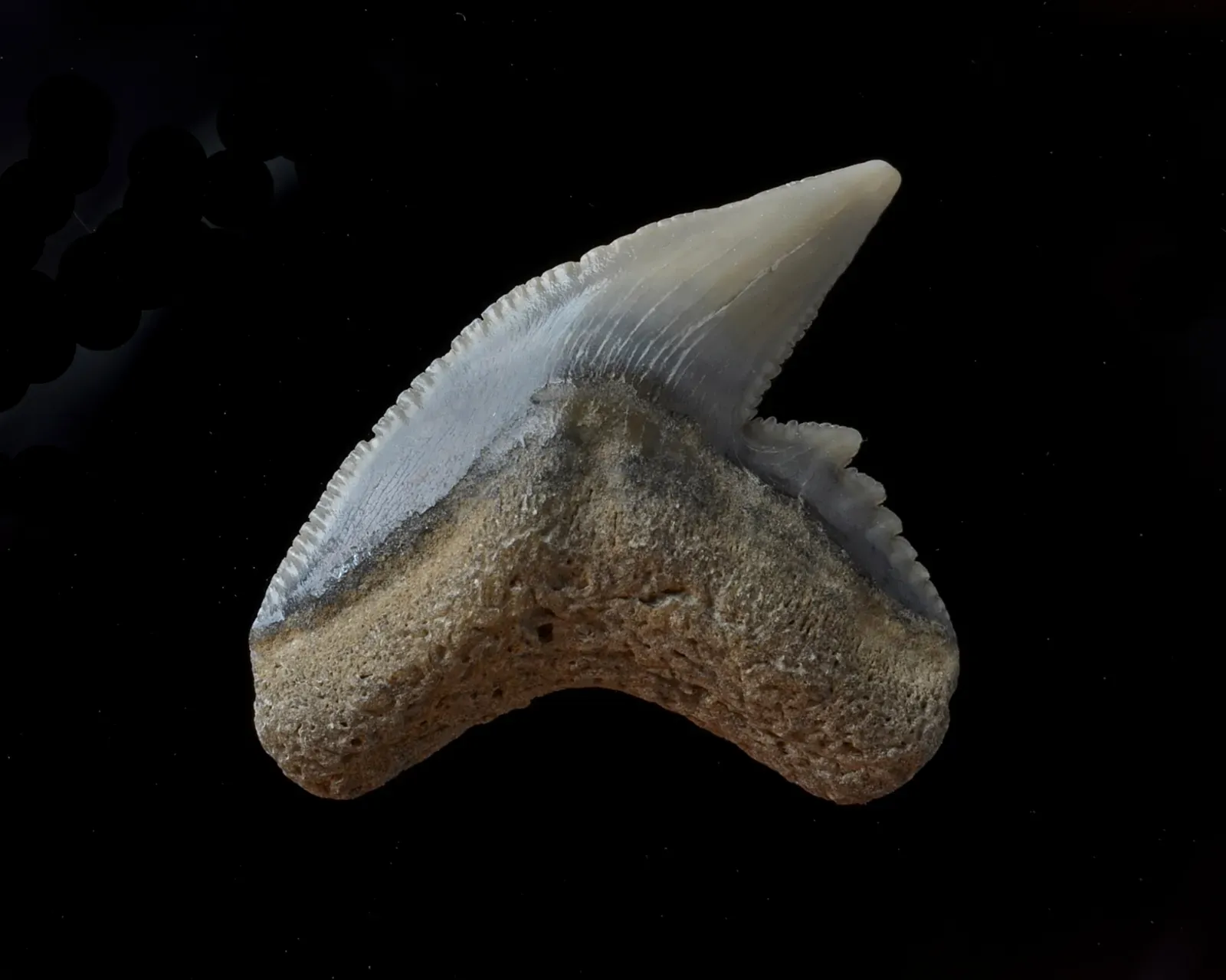
Shark teeth turn up almost everywhere, but one set of large, serrated teeth was found in a sedimentary layer thought to represent dry, inland terrain at the time it formed. There are no seashells, no marine microfossils nearby – just land plants and terrestrial animals. Yet the chemistry and shape of the teeth point unmistakably to a shark, not a freshwater fish.
That’s sparked quiet arguments among stratigraphers. Some think the layer was misread and there was a brief marine incursion after all. Others think the teeth traveled a long way downriver, or were dragged inland by a scavenger. The uncomfortable possibility is that certain sharks exploited environments we’ve never seriously considered, blurring the line between marine and freshwater worlds. That’s a messy detail for a simple “ocean versus land” map, so the teeth tend to stay in drawers.
#18 – The Reptile With a Mammal-Like Jaw Joint
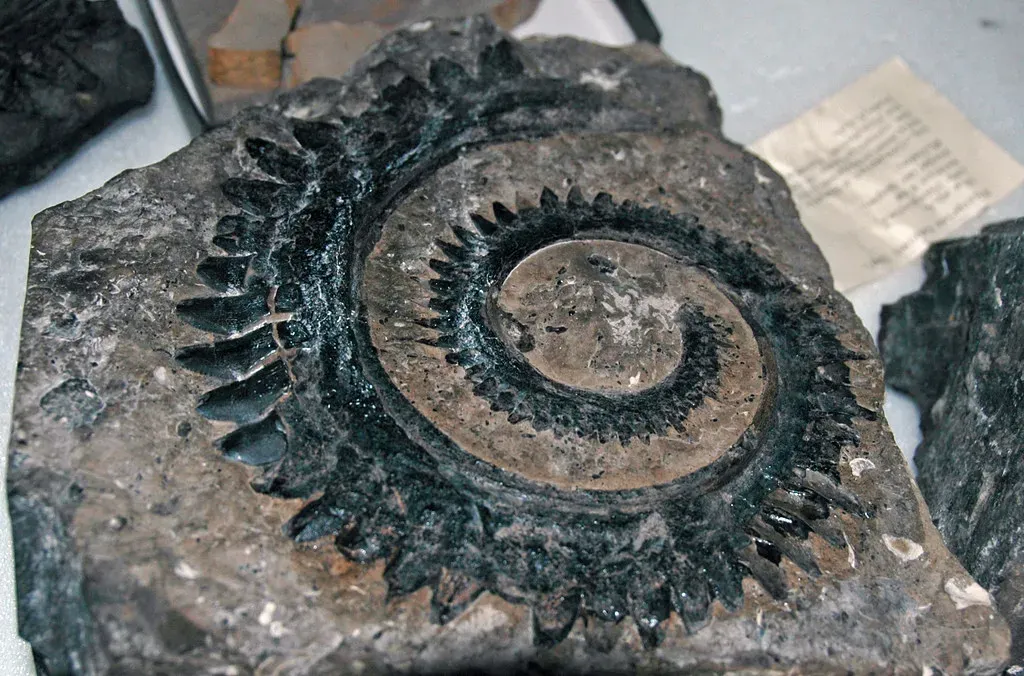
Reptiles and mammals are supposed to be cleanly separated by their jaw and ear bones. Then there’s a reptile-grade skeleton sitting in a museum basement with a jaw joint that’s frighteningly close to the mammalian condition. The bones that, in reptiles, form the jaw joint – and in mammals migrate into the middle ear – show a transitional setup that doesn’t map cleanly onto the known path from reptile to mammal.
Some paleontologists see it as a rare side experiment, a lineage that explored mammal-like chewing without ever giving rise to actual mammals. Others admit, quietly, that the line between “reptile” and “proto-mammal” is more of a blur than a clean boundary. Either way, it makes those confident evolutionary diagrams look suspiciously like an oversimplified subway map – a nuance that’s hard to teach in a kids’ hall, so it mostly fuels conference talks instead.
#17 – The Bird That Seems to Have Re-Evolved Teeth
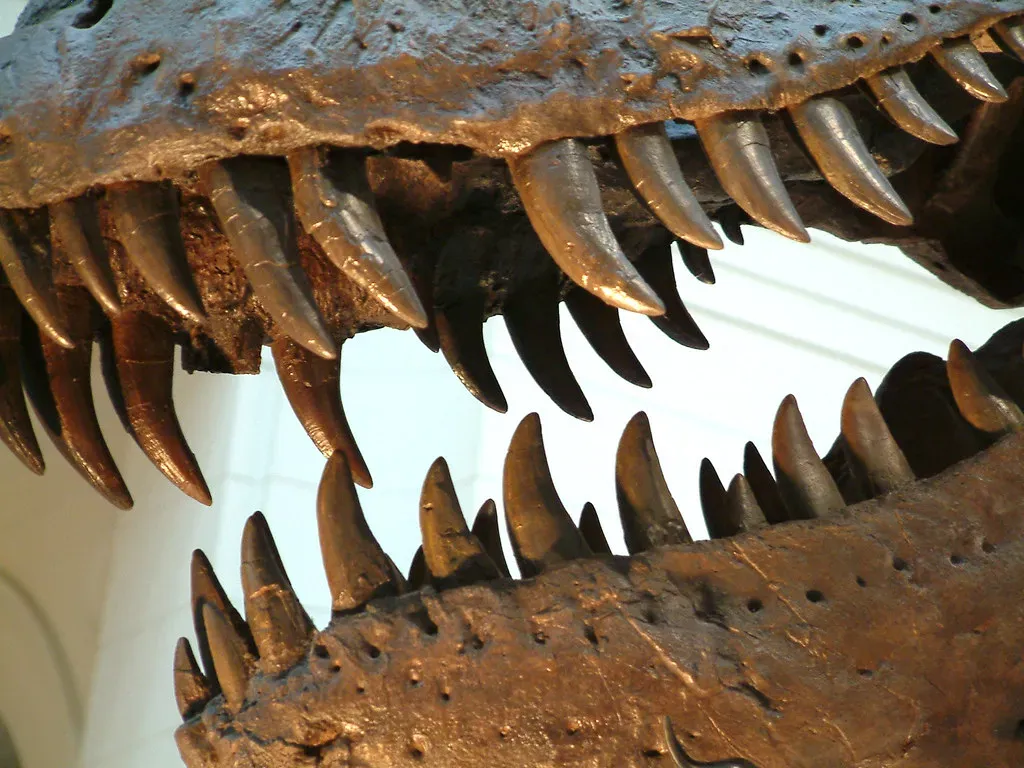
Modern birds lost their teeth tens of millions of years ago – or so the story goes. Then researchers got a close look at an odd fossil bird skull with small, tooth-like projections along the jaw that may represent a partial reactivation of dormant genetic programs. They’re not full dinosaur teeth, but they’re more than simple serrations, with tissue organization sitting uncomfortably between “toothless beak” and “true dentition.”
If that reading holds up, it means the genetic toolkit for teeth never fully disappeared in at least some bird lineages, and could resurface under the right evolutionary pressure. That turns evolution from a one-way street into something far more reversible than most people assume. Museums love a clean “once gone, always gone” story because it’s easy to explain – a bird implying evolutionary rollback just doesn’t fit the script.
#16 – The Dinosaur Trackway That Shows Herd Behavior Too Early
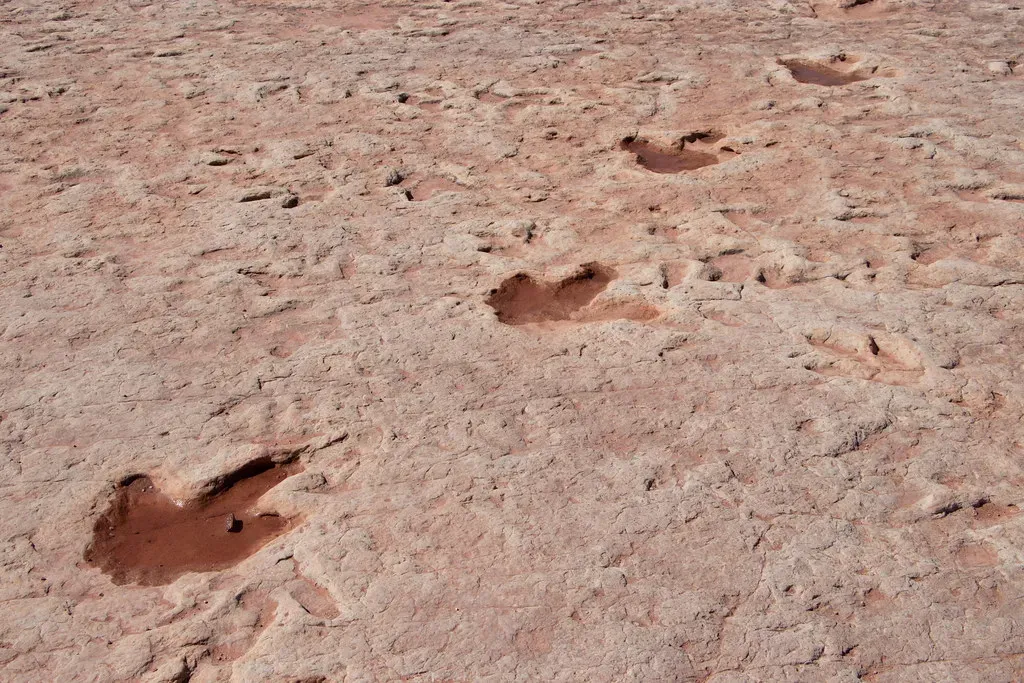
Footprint trackways are behavior stories written in mud. One exquisitely preserved set of dinosaur tracks suggests complex herd movement at a time when that kind of behavior is supposed to be rare or nonexistent. Multiple individuals of different sizes walk in coordinated directions, with spacing that looks eerily like modern herd animals pacing off each other’s speed.
The problem is the age – this layer predates the strongest evidence we have for social herding in these dinosaur groups. If it’s genuine, it pushes the origin of group behavior back millions of years and forces a rethink of dinosaur intelligence. Some researchers hedge, suggesting the pattern could be shaped by the landscape rather than real coordination, but the statistical clustering is hard to wave away. Telling visitors “they were smarter and more social, earlier, than we predicted” is a bombshell most institutions quietly leave in the archives.
#15 – The Primate Fossil That Doesn’t Match Any Living Group
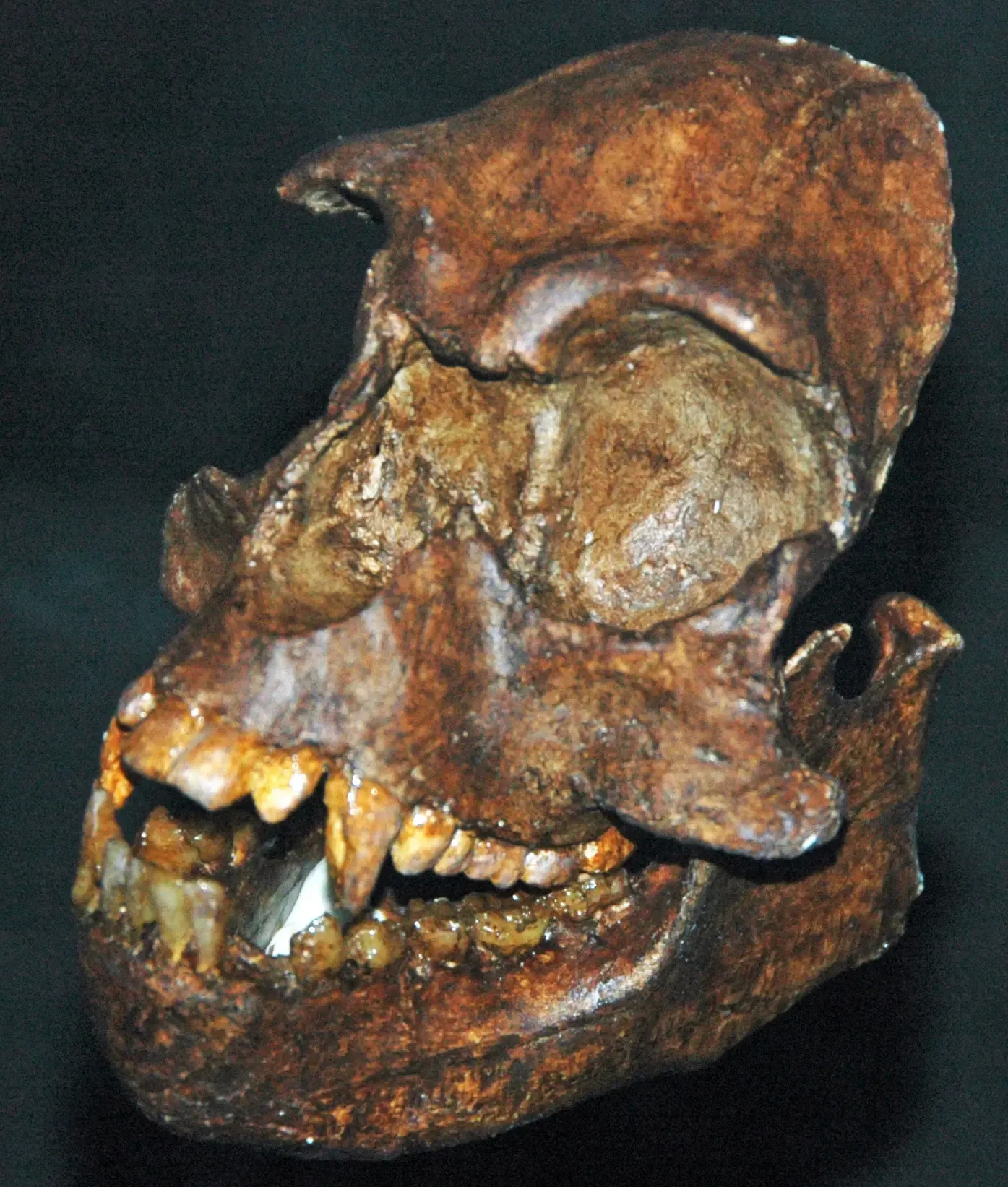
In human-evolution galleries, you see a neat tree: lemurs, monkeys, apes, humans. Then there’s a partial primate skeleton in storage that shares traits with multiple branches without clearly belonging to any of them. Its ankle and wrist bones look like early monkeys, while its teeth and skull lean toward prosimians – a combination that doesn’t map onto the current primate family tree at all.
Some scientists think it’s a now-extinct side branch, proof the primate tree once had far more twigs than we’ve accounted for. Others chalk the mix of features up to convergent evolution. Either way, it’s an awkward reminder that primate evolution as a tidy branching diagram is probably far too clean, and that plenty of lineages left no descendants at all. That’s a confusing answer for visitors trained to ask “is this our ancestor?” – so curators usually point them toward more linear-looking fossils instead.
#14 – The Soft-Tissue Dinosaur That Preserved Too Much
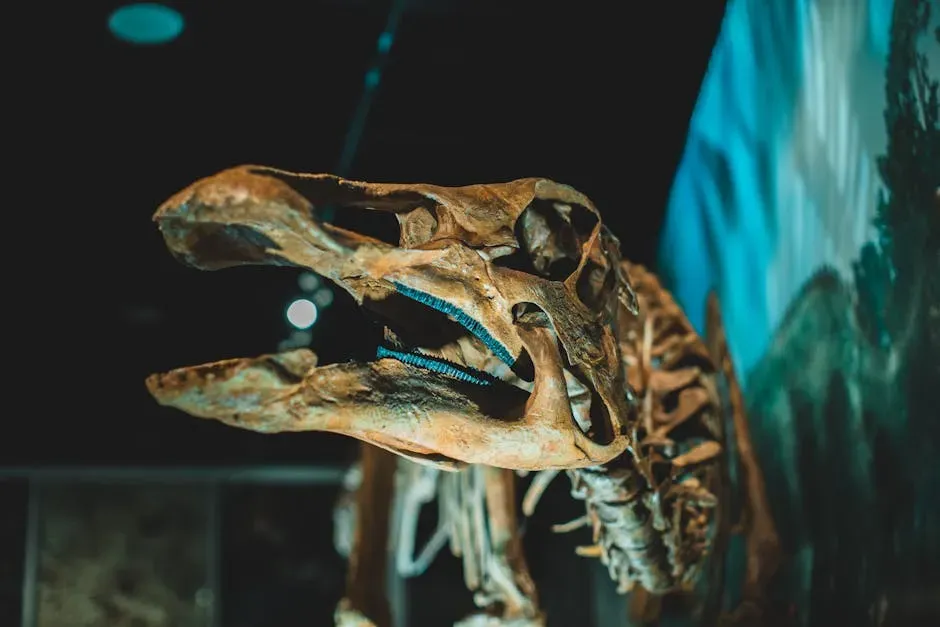
Every so often, news breaks about dinosaur “soft tissue,” but one specimen in particular left even cautious researchers blinking. Microstructures inside its bones suggest organic remnants preserved far better than standard decay models allow for its supposed age and burial conditions. It’s not a Jurassic Park scenario – but the sheer resilience of the proteins found here badly strains the textbook timeline for how fast organic material should break down.
Multiple labs tested it with different methods and ruled out most contamination explanations. The most conservative read is that under the right chemical conditions, organic molecules can survive far longer than we assumed – which changes how confidently we can interpret ancient proteins or pigments elsewhere. Put that nuance on a gallery wall and you invite every fringe theory imaginable, so most institutions keep the real fossil in the research wing and let the public admire a cast.
Worth Knowing
- In 2005, researcher Mary Schweitzer reported flexible, blood-vessel-like structures inside a Tyrannosaurus rex thigh bone.
- Similar soft-tissue-like structures have since turned up in other dinosaur and even older fossils.
- Standard decay models predict proteins should break down within roughly a million years under normal conditions.
- Scientists still debate whether these structures are original biological material or later bacterial residue.
#13 – The “Out-of-Place” Human Tools Beside Ancient Bones
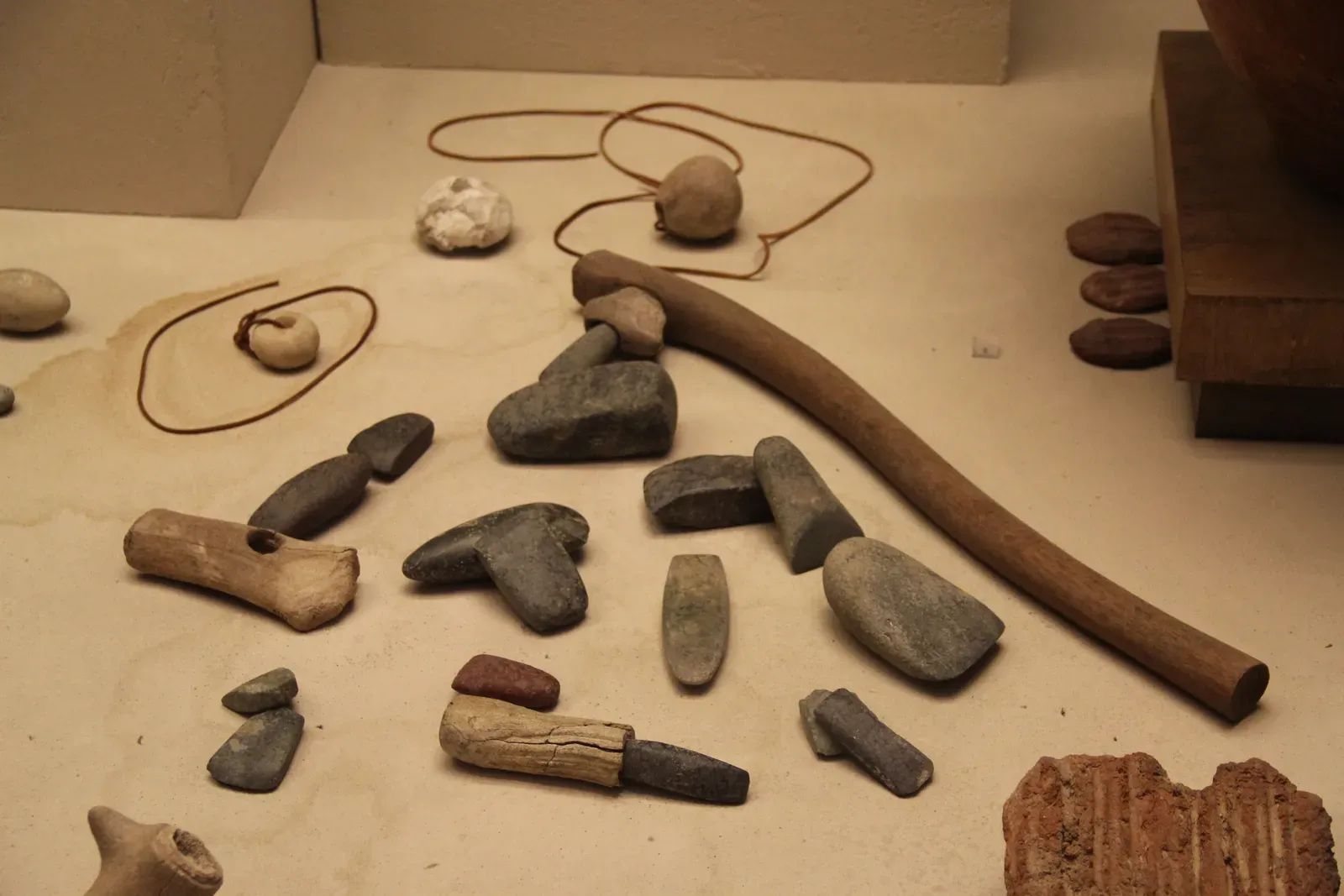
No, this isn’t about humans walking with dinosaurs. But there are sites where stone tools or worked bone fragments sit uncomfortably close to animal fossils dated just outside the accepted window for human presence in that region. One such assemblage, tucked in a museum back room, shows clear cut marks and flake patterns right next to megafauna remains – remains that, if the oldest dates hold, force a rethink of migration timelines entirely.
Most experts lean toward mundane explanations: shifted sediment, intrusive artifacts from a later period, or naturally fractured stone mistaken for tools. Still, the wear patterns and context refuse to go quietly. If even a fraction of these sites are genuine, humans or human relatives reached certain continents earlier than the standard story allows – and that’s the kind of claim museums won’t put on wall text until the evidence is overwhelming.
#12 – The Amphibian With a Neck That Shouldn’t Bend That Way
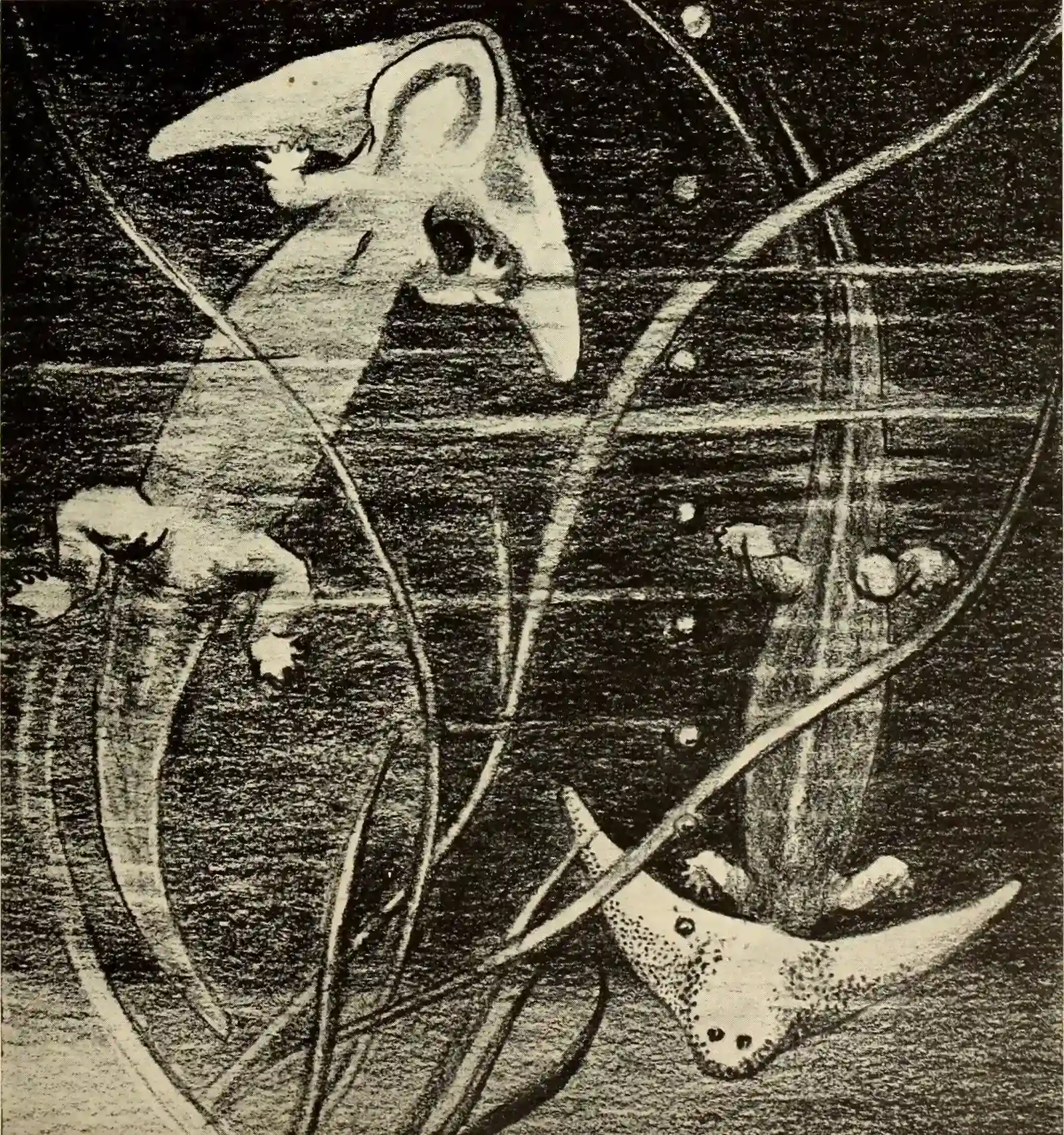
Early amphibians are usually drawn as stiff-necked, flat-headed swamp dwellers. Then there’s the specimen with cervical vertebrae and joint surfaces suggesting a surprisingly flexible, elevated head posture – bones shaped for rapid, agile movement, maybe for ambush hunting above the waterline, maybe for scanning the air more like a land animal.
That doesn’t sound dramatic until you realize it compresses the timeline for when complex head mobility and sensory hunting strategies actually took off. Some specialists think this lineage experimented with behaviors we usually associate with reptiles or small mammals, long before those groups existed. It disrupts the neat, slow-and-steady water-to-land cartoon that’s so easy to put in a hallway mural, so the fossil mostly lives in technical drawings instead.
#11 – The Shell Bed That Records a Storm No Model Predicts
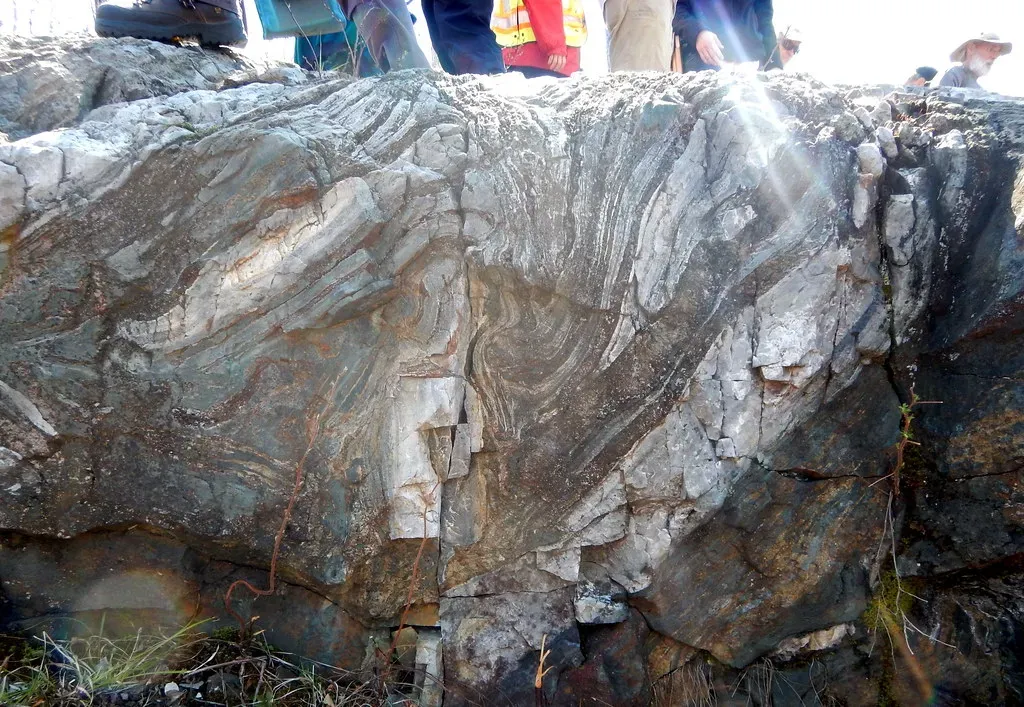
Layered shell beds are supposed to quietly record ordinary sedimentation, year after year. But one spectacular shell layer in a coastal formation shows evidence of an ultra-high-energy event – orientation, breakage, and size-sorting patterns consistent with a catastrophic storm or tsunami – during a period when the climate proxies say things were calm. There’s no volcanic ash layer or impact marker nearby to explain it away.
If the best climate and sea-level proxies say “nothing happened here” while the fossil bed screams otherwise, something in our models is missing. Maybe storms of a certain intensity leave weaker geochemical fingerprints than we thought. Maybe local reconstructions are missing key variables entirely. Either way, it undercuts the confidence museums project when they talk about past climate stability – it’s a reminder that even well-studied intervals hide curveballs we’re not catching on our graphs.
#10 – The Crocodile That Lived Like a Fast-Running Predator
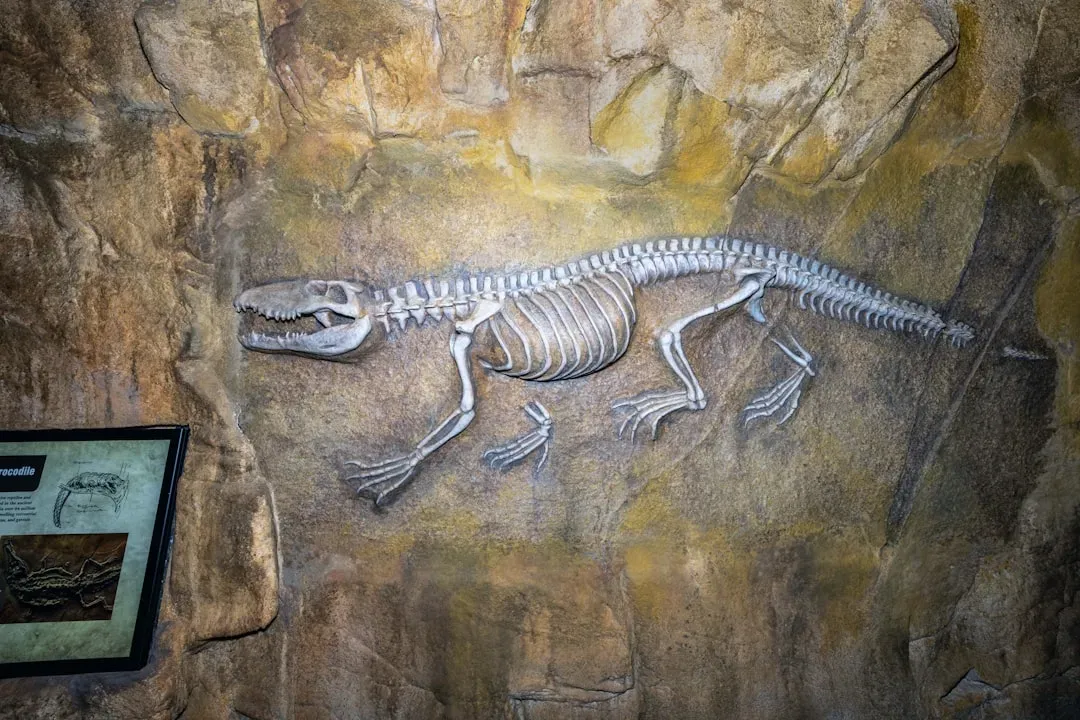
Everyone “knows” ancient crocs lurked in water just like their modern cousins. A lesser-known fossil, though, has limb proportions and joint surfaces built for a surprisingly cursorial, land-running lifestyle – long legs, an upright stance, and tail muscles suited for bursts of speed on firm ground. Its teeth even show slicing wear more typical of a pursuit predator than an ambush grappler.
That means some croc relatives filled ecological roles we now hand to big cats or wolves, which blows up the lazy idea that crocodilians are “living fossils” frozen in one niche forever. Museums love a simple continuity story – same design for millions of years – because it’s sticky and easy to explain. A croc that used to sprint across open ground doesn’t fit that script, so it stays in specialist exhibits while the classic swamp lurkers keep the spotlight.
#9 – The Plant Fossil That Predicts a Climate Turn We Don’t See Anywhere Else
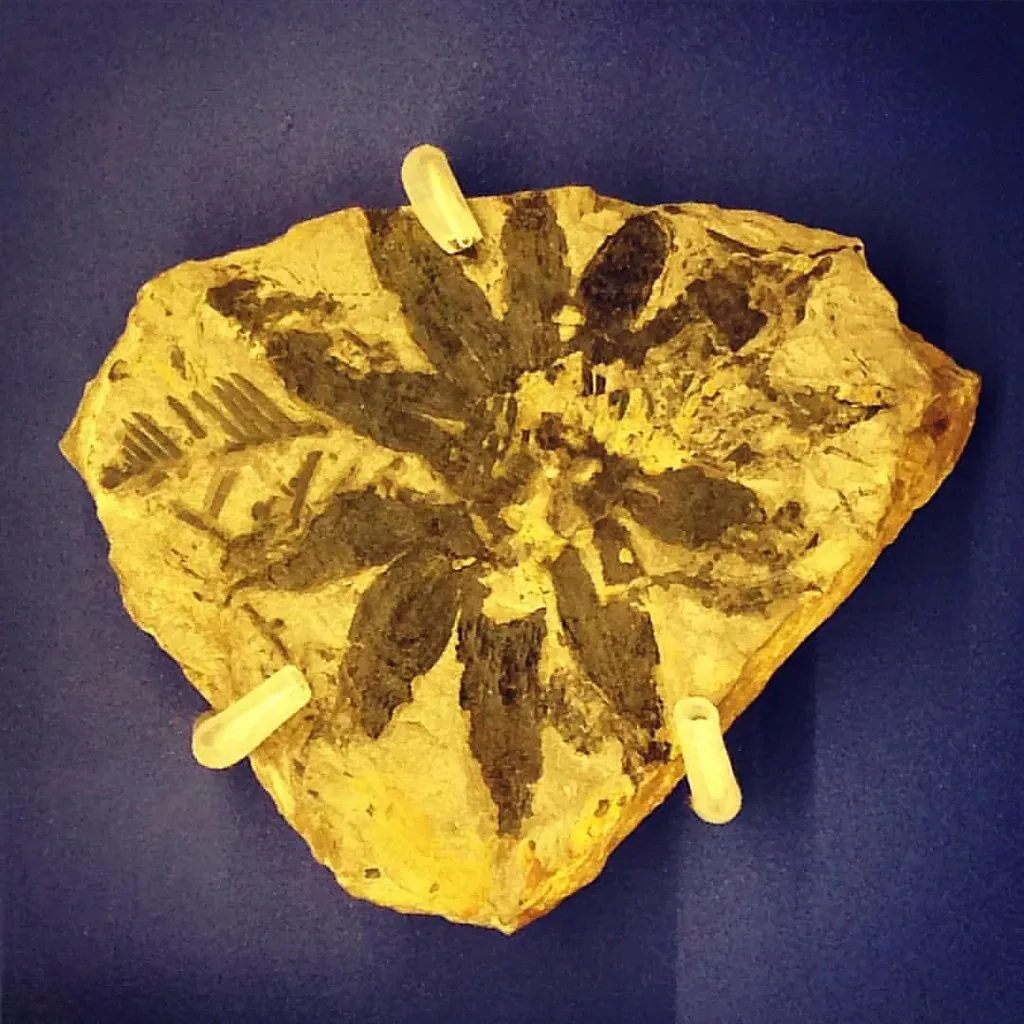
Leaf fossils let us infer past CO₂ and temperature just by their shape. But in one sequence, a plant assemblage abruptly shifts to forms that, by modern analogy, signal a cooler, drier climate – right as other proxies, like isotopes and marine records, suggest the warmth kept going. The leaves show tighter venation, smaller size, and cuticle traits we associate today with water stress and cold.
If the analogy holds, this should mark a real regional cooling pulse. Yet the global record at that exact time is suspiciously flat. Either our leaf-to-climate correlations are too simplistic for deep time, or local climate swings were far more extreme than global averages let on. That’s a nuance that melts under a “simple climate timeline” panel, so most museums just spotlight the sequences that line up neatly and let this one live on in journal diagrams.
#8 – The Marine Reptile With a Baby in the “Wrong” Position
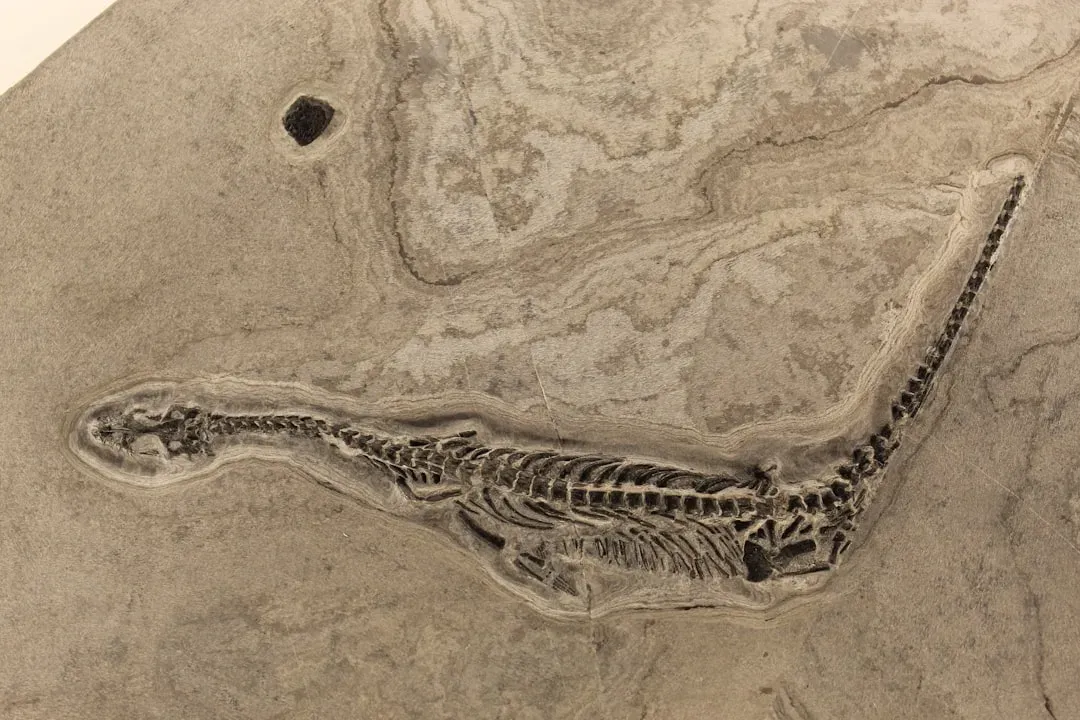
Fossils of pregnant marine reptiles are rare and genuinely powerful finds. But one specimen in a major collection shows a near-term embryo positioned in a way that implies live birth in open water – in a lineage and time period where many experts assumed egg-laying on land was still standard. The fetus’s orientation, paired with the mother’s pelvic anatomy, suggests she gave birth tail-first, the same way modern marine mammals do.
If that’s right, live birth evolved earlier and more independently in marine reptiles than the standard charts show, and the usual story – a long transitional period of hauling out to nest before going fully aquatic – might just be wrong. Some lineages may have skipped straight to full aquatic reproduction. Museums are understandably cautious here, since misreading this fossil could ripple through a lot of teaching material, so it mostly comes up on behind-the-scenes tours rather than under bright lights.
#7 – The Unclassifiable “Worm Thing” From the Cambrian
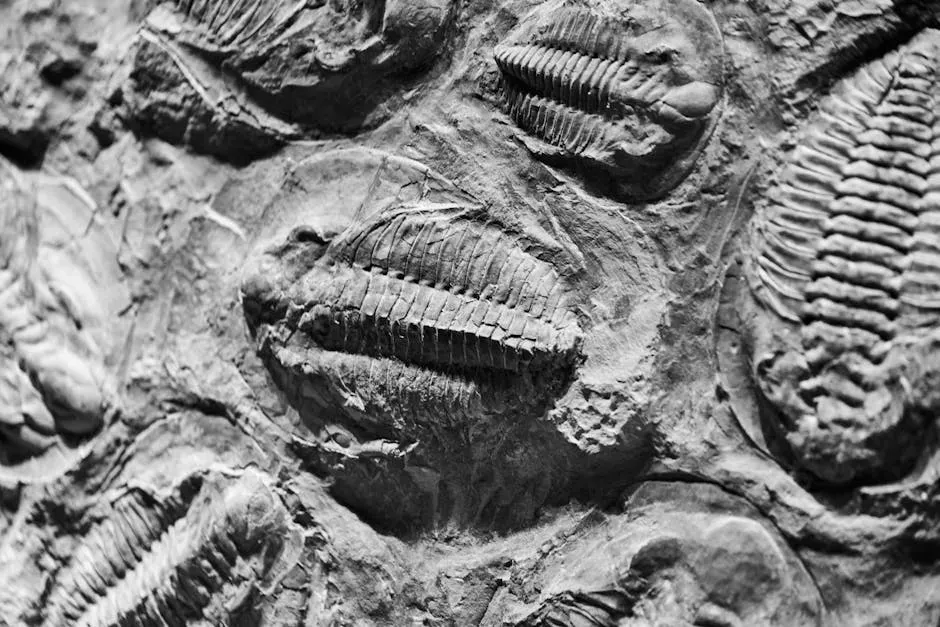
The Cambrian explosion already feels strange enough; this fossil turns the dial up another notch. Nicknamed “the worm thing” in some labs, it has a body plan that borrows features from several phyla at once – paired appendages like an arthropod, soft-bodied segments like an annelid worm, and a feeding structure that doesn’t match anything alive today. Every time someone tries to slot it into an existing group, some key trait rebels against the classification.
That matters because the Cambrian is where we tell the story of modern body plans first emerging. An outlier like this suggests there were entire experiments in animal design that left no descendants at all – which makes evolution look less like a tidy branching tree and more like a chaotic thicket, pruned down to what happened to survive. The honest answer to “what did this become?” is simply “nothing we can see today,” and that’s a hard sell for a public exhibit.
Life is a copiously branching bush, continually pruned by the grim reaper of extinction.
Stephen Jay Gould, paleontologist, Wonderful Life: The Burgess Shale and the Nature of History
#6 – The Lake That Turned Over Too Fast
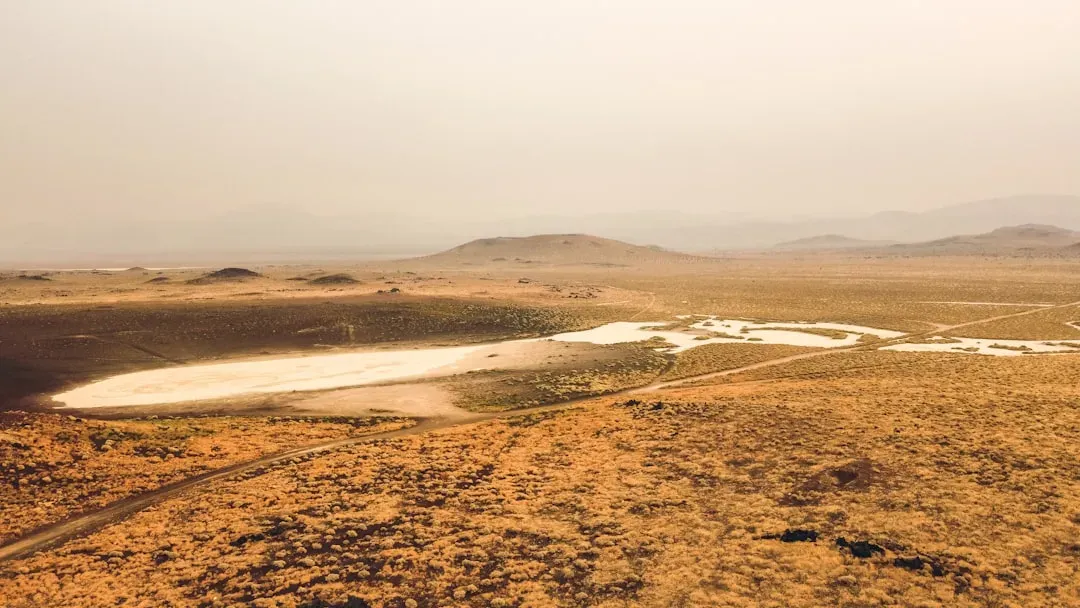
Fossil lake beds often preserve fine laminations – thin, annual layers like tree rings, one calm year after another. In one heavily studied deposit, those layers suddenly switch to a chaotic, jumbled pattern consistent with rapid, repeated overturning of the entire water column, all within a geologically brief window. Yet there’s no obvious volcanic spike or tectonic trigger anywhere nearby to explain why.
The fish, insects, and plants trapped in those chaotic layers show clear stress signatures, including mass die-offs sandwiched between stretches of apparent recovery. It suggests even “stable” ancient lakes could flip into extreme, kill-and-reset cycles far faster than our models predict – inconvenient for the tidy story of long, gentle environmental change. Exhibit halls love to present lakes as calm, layered time capsules. This one says they sometimes went berserk, which is a much harder story to fit on a kid-friendly panel.
#5 – The Dinosaur With a Skull That Doesn’t Match Its Body
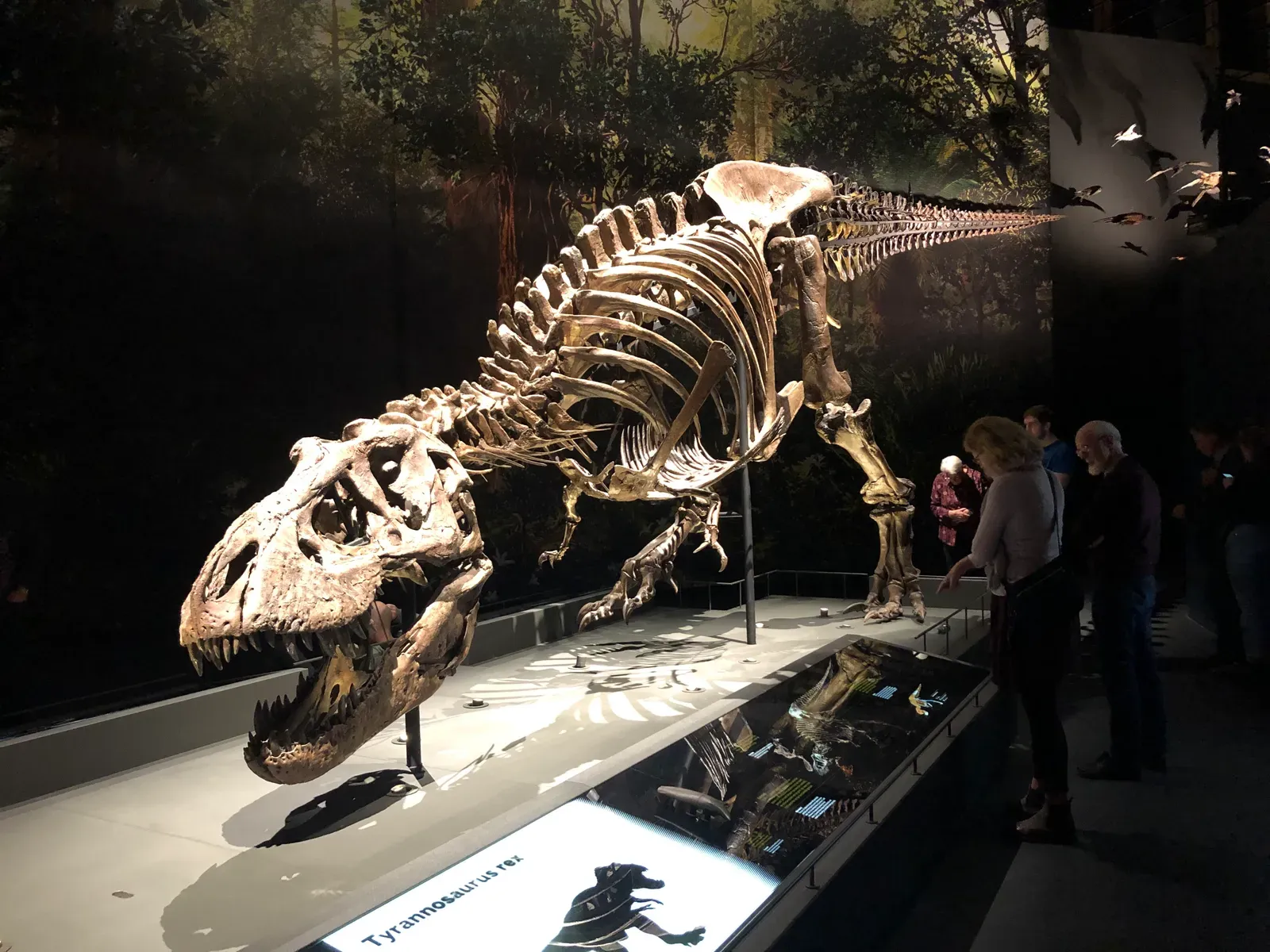
Imagine finishing a jigsaw puzzle and realizing the final picture looks wrong. That’s the vibe around a large dinosaur skeleton where the skull that best fits the body’s bones and joints doesn’t match what we thought this species’ head looked like at all. The limbs and vertebrae clearly say “this genus,” but the skull shape, teeth, and sensory cavities line up better with a supposedly separate dinosaur group entirely.
One possibility is that paleontologists have been over-splitting species for years, naming too many based on fragmentary skulls and skeletons that never should have been separated. Another is that this individual is a previously unrecognized hybrid or transitional form. Either way, it threatens the clean lineup of distinct, easily labeled dinosaurs museums love to show off – admitting that some “species” might just be growth stages or mismatched fossils doesn’t fit on a three-sentence placard, so this chimera-revealing skeleton stays mostly in scholarly debate.
#4 – The Seahorse-Like Fish From Deep Time
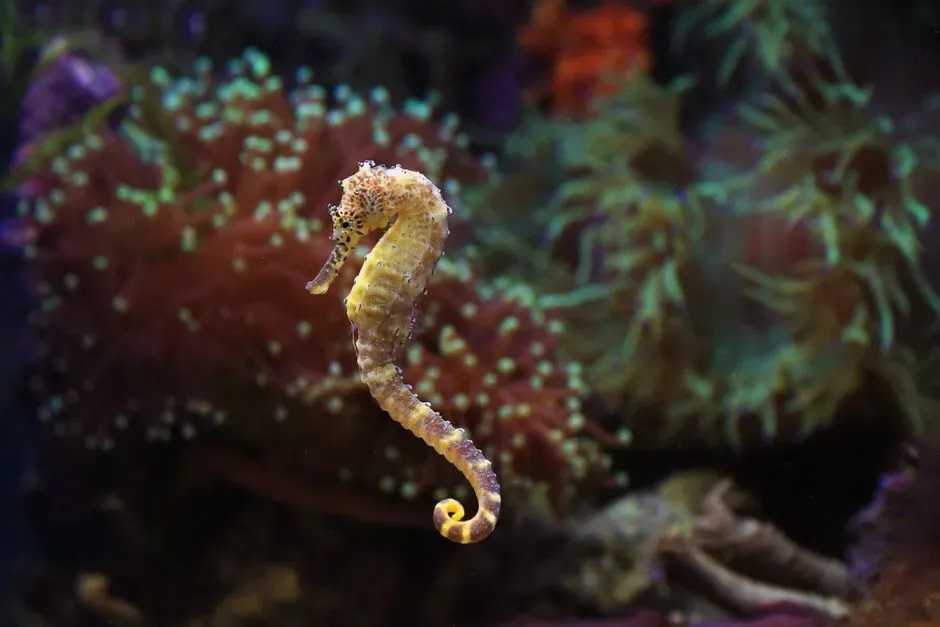
Seahorses feel like evolutionary oddballs – slow, upright, weirdly specialized. A fossil fish from far earlier than expected has a shockingly similar body: a curled tail, upright posture, and a snout built for suction feeding. But it turns up in deposits without the ecological setup we’d expect for a seahorse-style animal, like the complex seagrass beds modern seahorses depend on.
That leaves two uncomfortable options. Either seahorse-style bodies evolved, vanished, and then re-evolved much later – extreme convergent evolution – or our picture of those ancient ecosystems is missing something big. Both undercut the easy classroom story that certain body plans are “inevitable” results of a particular habitat. It’s simpler to say “here’s when seahorses appear, and here’s why” than to admit their deep past might be messier and far more experimental, so the fossil stays in academic plates rather than family-friendly walls.
#3 – The “Failed” Horse That Should Have Succeeded
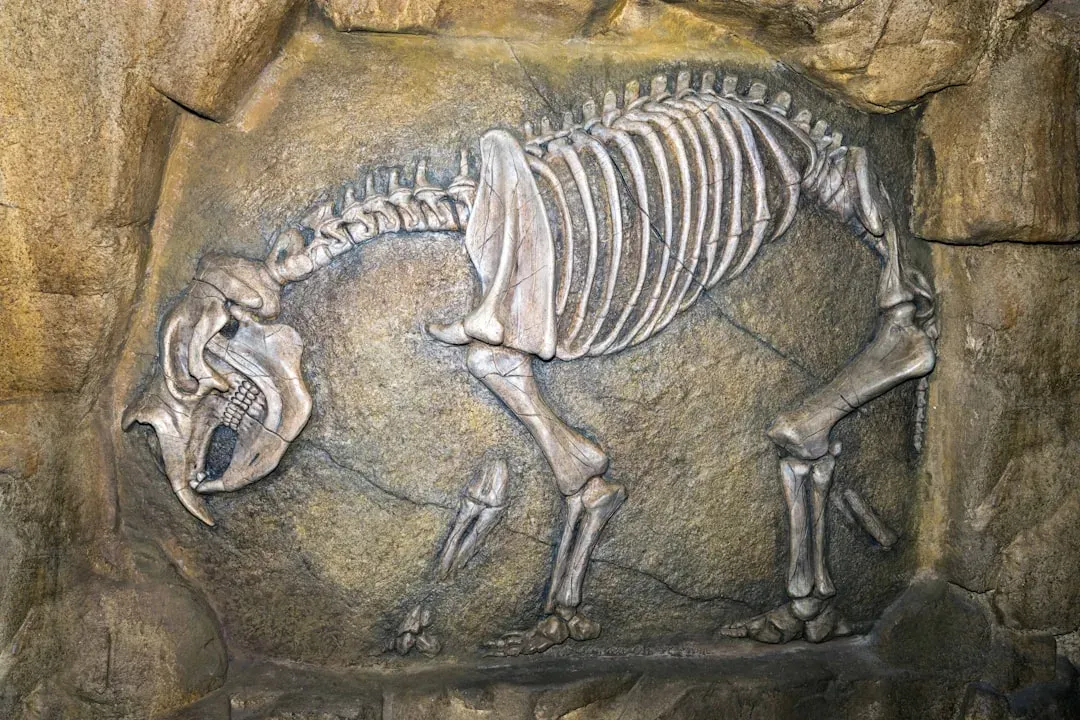
Horse evolution is the poster child of straight-line progress: tiny forest browsers slowly turn into big grassland runners. Hidden in some collections, though, is a horse relative with anatomy perfectly tuned to an environment we know existed nearby – and it vanishes from the record almost as soon as it arrives. Its teeth were built for mixed feeding, its limbs suited for both maneuvering and speed, its size sitting right in the ecological sweet spot.
By every reasonable measure, this animal should have thrived. Instead, it flickers briefly in the fossil record and disappears, while less “ideal” forms persist and go on to diversify. That’s a brutal reminder that evolution isn’t about designing the best animal – it’s about surviving chaos, chance, and shifting pressure, whatever that takes. Try fitting that into the clean “horse progression” mural every natural history museum seems to have, and you’ll see why this almost-perfect misfit usually stays on the shelf.
Quick Compare
- Textbook version: Eohippus grows steadily larger and more horse-like until it becomes modern Equus.
- Fossil reality: Dozens of horse lineages branched off over time, and most died out without leading anywhere.
- Textbook version: Change looks like one smooth, upward line toward “better.”
- Fossil reality: The record looks more like a bush, with survival shaped by chance as much as adaptation.
#2 – The Early Human With a Face That Doesn’t Belong
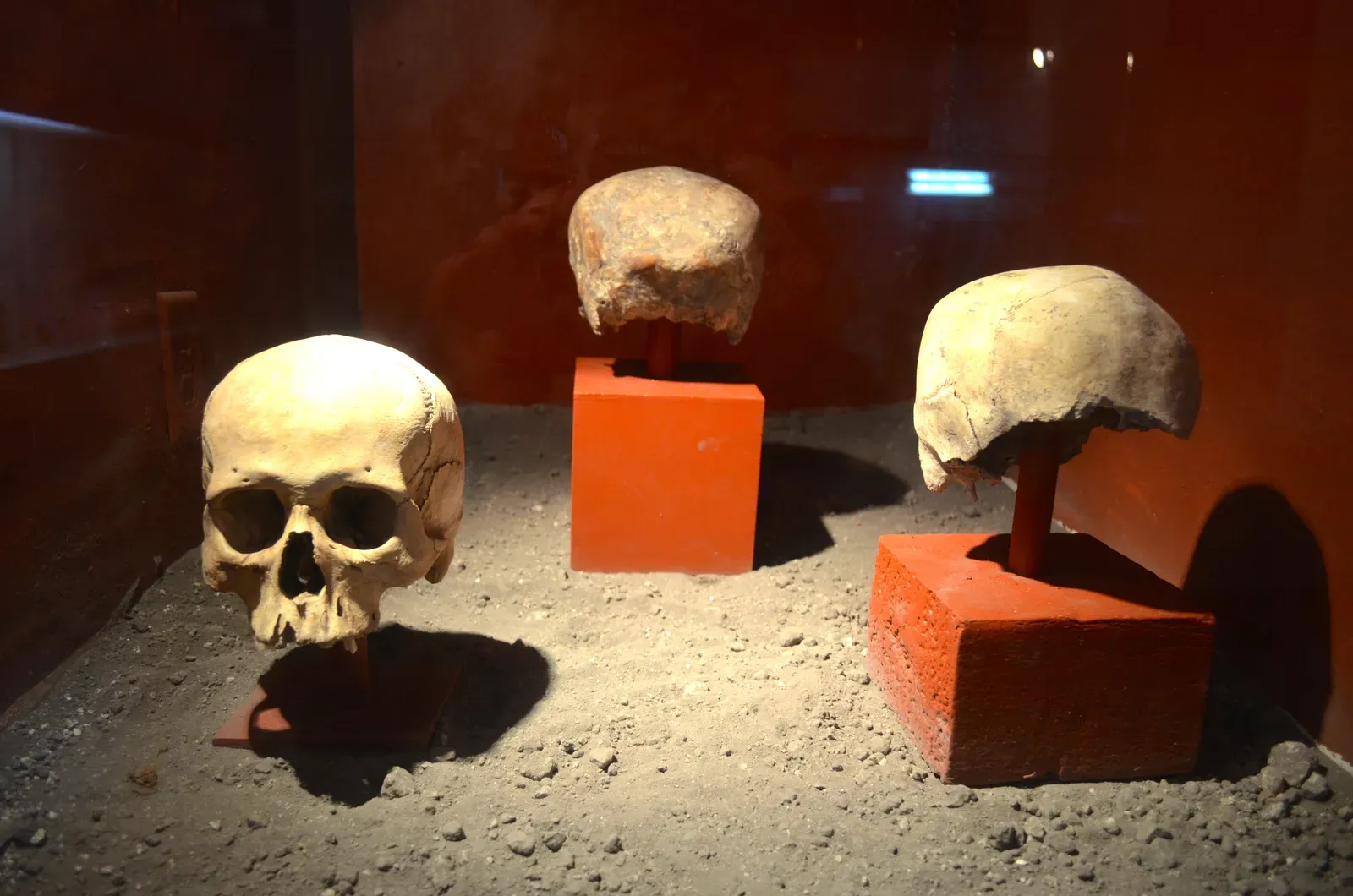
Nothing stirs controversy like human fossils. One partial skull and jaw has been argued over for years because its facial anatomy blends traits from geographically and temporally separate human populations. The brow ridge, nasal opening, and dental arrangement line up with a mix of groups that “shouldn’t” have overlapped much, if at all, according to standard migration models.
Genetic data from nearby sites already hints that ancient humans interbred more than we once believed – this fossil puts that reality into bone, an individual who doesn’t fit neatly into Homo sapiens, Neanderthal, or any known category. It’s likely a hybrid, or part of a “ghost population” that passed on genes without leaving a clean fossil trail behind. That quietly wrecks the comforting myth of clean, separate human lineages, and any ambiguity about human origins gets politicized fast – so this skull mostly stays in technical circles while visitors get a smoother story.
#1 – The Fossil That Might Not Be a Fossil at All
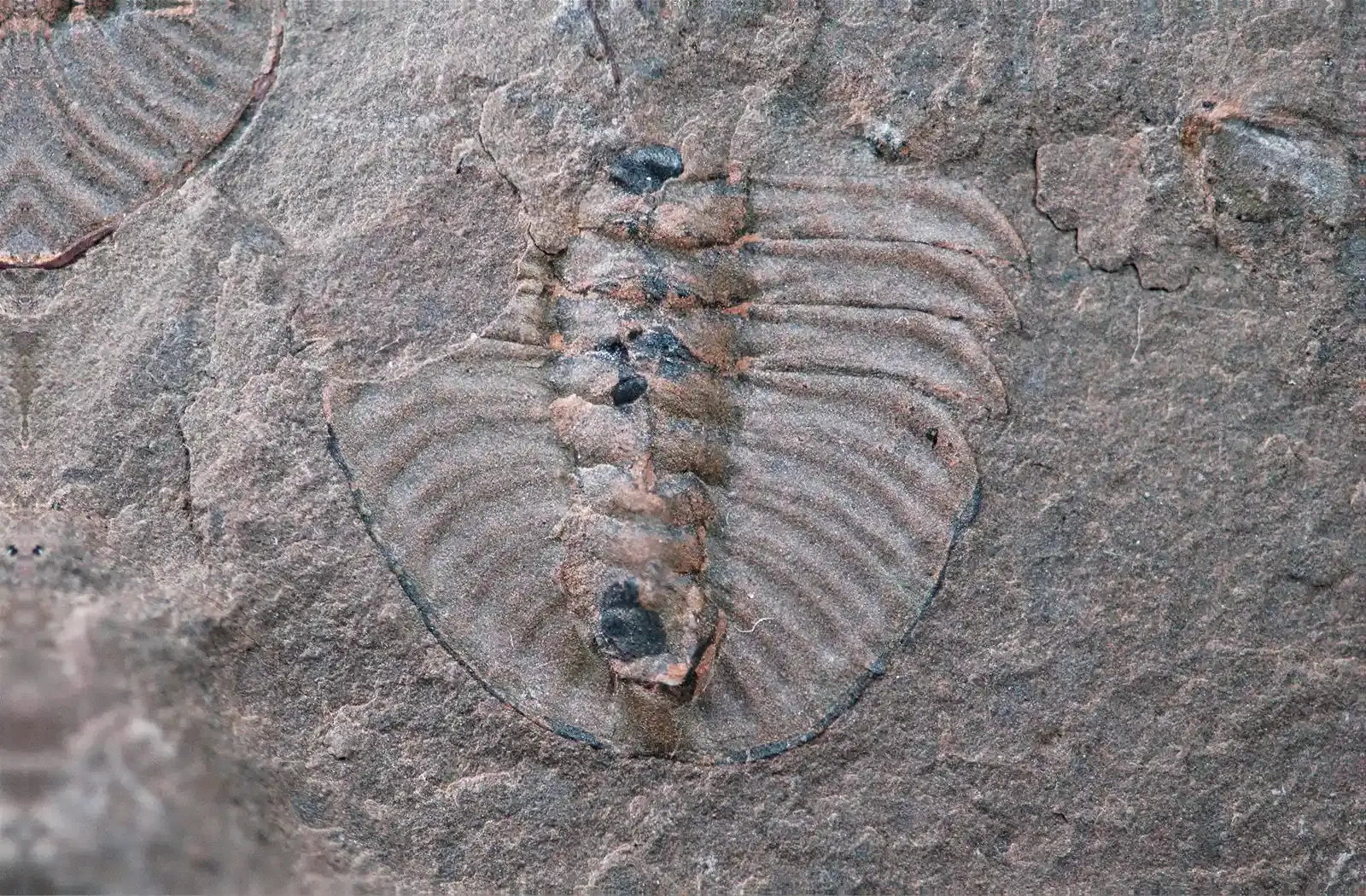
At the top of the list is the most unsettling category of all: structures that look exactly like fossils but might actually be non-biological “pseudofossils.” One especially notorious example resembles a segmented, tube-like organism preserved in three dimensions, complete with what looks like a patterned outer skin. Some geologists argue it could be a purely mineral growth, shaped by chemical gradients rather than any living cell.
If it’s life, it pushes organized multicellular complexity back earlier than science is currently comfortable admitting. If it’s not, it undercuts a whole swath of “early fossils” that might just be elaborate rocks. Either answer is disruptive, and museums tend to avoid showcasing specimens like this because they force an uncomfortable admission: sometimes nobody can say for sure where geology ends and biology begins. That uncertainty doesn’t sell souvenirs – so the most provocative “fossils” on Earth often stay locked away, not because they’re wrong, but because they ask questions science isn’t ready to answer cleanly yet.
The Bottom Line
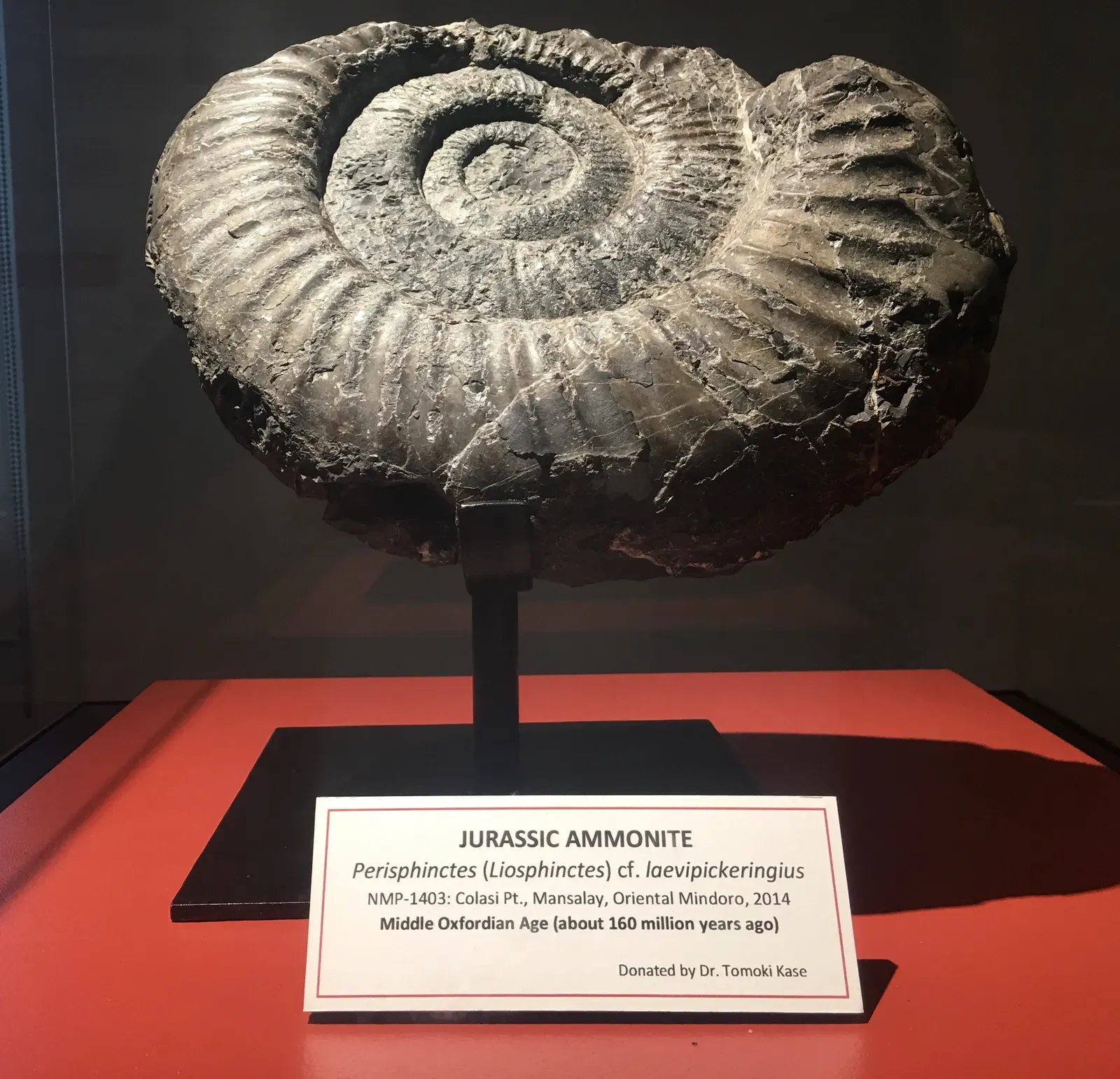
These 29 “misfit” fossils aren’t hidden because of some cartoonish conspiracy. They’re sidelined because they wreck the tidy narratives museums rely on to teach the basics fast. A whale that learned to hear underwater too early, a dinosaur with the “wrong” hips, a human face that scrambles the migration maps – each one is a reminder that evolution is messier, loopier, and far more experimental than any wall chart admits.
Honestly, the real scandal isn’t the fossils themselves. It’s how addicted we’ve become to clean stories that fit on a placard. Science moves forward by dragging these awkward specimens out of the basement and letting them ruin our favorite diagrams – and if you ask me, that’s exactly where they belong: not hidden, but front and center, forcing every visitor to ask a better question than “what is this?” Which of these would you actually want to see under glass, and which one do you think museums are most wrong to keep in the dark?