When you picture where dinosaurs lived, your mind probably conjures up images of steamy jungles or lush river valleys teeming with prehistoric vegetation. You’d be right in many cases, sure. Still, dinosaurs were far more versatile than most of us realize, adapting to habitats that seem almost unthinkable for creatures we typically imagine basking in tropical warmth.
Here’s the thing: these ancient reptiles conquered ecosystems that would challenge even the most resilient modern animals. From frozen polar winters to scorching deserts, dinosaurs didn’t just survive in these extreme environments – they flourished. Let’s be real, the diversity of where they lived is as impressive as their incredible size and power. So let’s dive into five ecosystems that completely reshape how we think about dinosaur life.
Frozen Polar Regions With Months of Darkness
Australia was once positioned within the polar circle, up to 80 degrees south of the equator and shrouded in darkness for months at a time, yet dinosaurs thrived there, leaving behind evidence of their existence. Think about that for a second. These weren’t small, furry mammals huddled in burrows – these were dinosaurs enduring prolonged winter darkness in environments we’d consider hostile.
Dinosaurs like the plant-eating Glacialisaurus and the crested meat-eater Cryolophosaurus lived in Antarctica during the Jurassic Period. The Arctic during the Late Cretaceous had average annual temperatures of about 6 degrees Celsius with around four months of winter darkness, freezing temperatures and occasional snowfall. Honestly, it’s hard to say for sure, but these polar dinosaurs may have developed remarkable physiological adaptations. Some species like Leaellynasaura had disproportionately large eyes – perhaps so they could capture more light during the protracted murk of polar winters. Recent discoveries in Alaska’s Prince Creek Formation showed unequivocal evidence that at least seven dinosaur species were capable of nesting at extremely high latitudes, including duck-billed hadrosaurs, horned ceratopsians, and carnivores like tyrannosaurus.
The fact that baby dinosaur bones have been found in these Arctic sites changes everything. These dinosaurs weren’t just living in the Arctic – they were actually able to reproduce there. It suggests they were permanent residents, not seasonal migrants fleeing harsh winters.
Arid Desert Landscapes With Extreme Temperature Swings
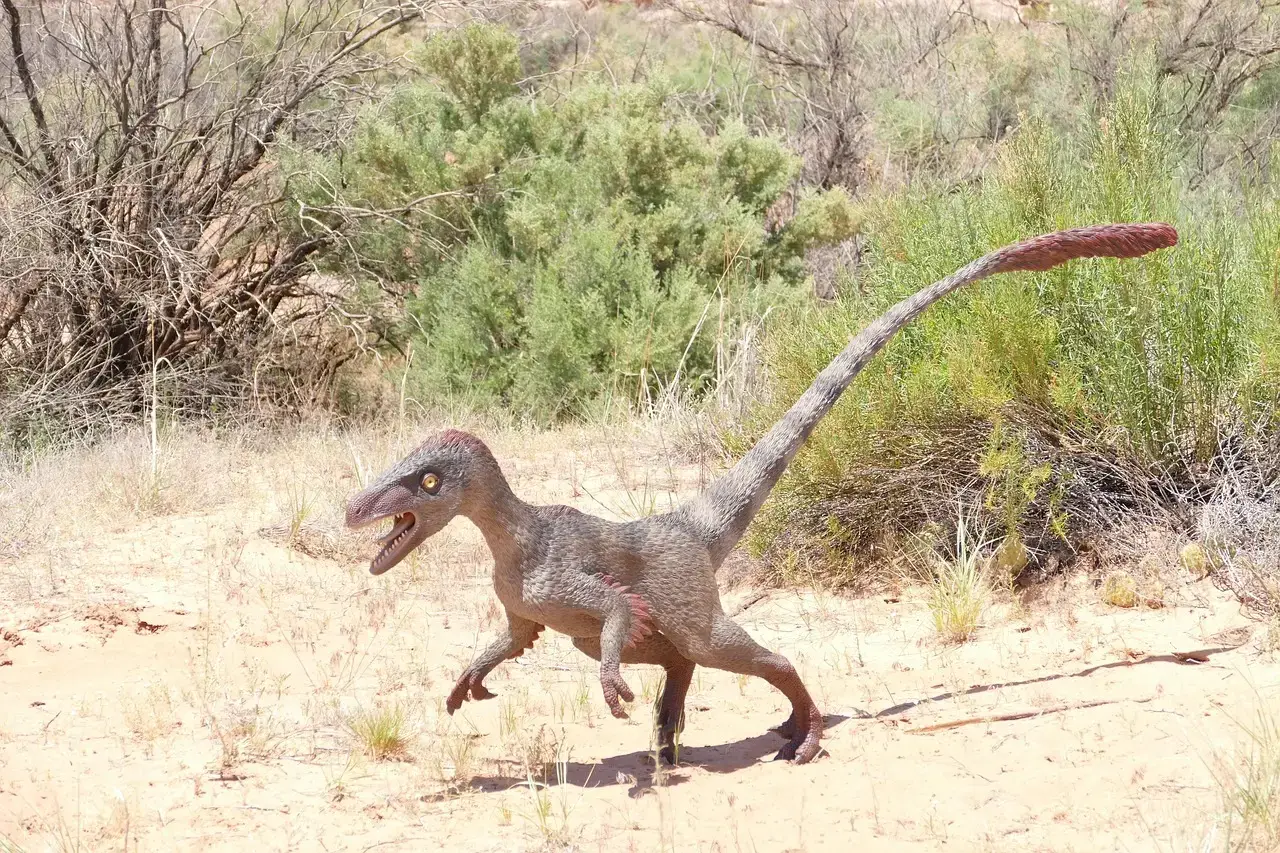
Deserts seem like the last place you’d expect to find thriving dinosaur populations, yet some of the most spectacular fossil discoveries come from regions that were ancient deserts. The Gobi Desert has yielded some of the world’s most recognized dinosaurs like Velociraptor, Oviraptor, and Protoceratops. Contrary to what you might imagine, these weren’t just unlucky creatures who wandered into hostile territory and died.
The Coelophysis, a small carnivorous dinosaur from the Triassic period, had fossils found in Arizona’s Petrified Forest National Park, which was once a desert environment. It had long, slender limbs and a lightweight build, allowing it to move quickly and efficiently in the hot and dry climate. Some desert dwellers developed incredible water conservation abilities. Many desert-dwelling dinosaurs had the ability to store water in their bodies, allowing them to survive for long periods without drinking.
The combination of thermoregulatory adaptations allowed dinosaurs to maintain optimal body temperatures despite living in environments with daily temperature swings of over 50 degrees Fahrenheit. The Gobi wasn’t a jungle – it supported an entire ecosystem with specialized predators and prey. Protoceratops, Oviraptor and Velociraptor inhabited the Gobi Desert during the Mesozoic Era, with an entwined fossil of a Protoceratops fighting a Velociraptor preserved by a violent sandstorm during the late Cretaceous period. That’s one of paleontology’s most famous finds, capturing ancient combat frozen in time.
Coastal Wetlands and Swampy Floodplains
The late Cretaceous period saw the emergence of swamp forests and wetlands, unique ecosystems characterized by flooded low-lying plains, creating a lush environment that supported diverse plant and animal species. These weren’t just stagnant pools of water – they were biodiversity hotspots bustling with life at every level.
Researchers compared a Cretaceous dinosaur ecosystem with Louisiana’s Atchafalaya River Basin, finding the Cretaceous system had a very large amount of resource interchange between aquatic and terrestrial components, suggesting fairly diverse diets were common. Roughly about 75 million years ago, southern Alberta resembled Louisiana’s environment today – a lush coastal floodplain rich in plant and animal life. Duck-billed dinosaurs thrived here. One prominent feature of swamp forests was the presence of flowering plants that served as a vital food source for herbivorous dinosaurs, particularly large herds of hadrosaurs.
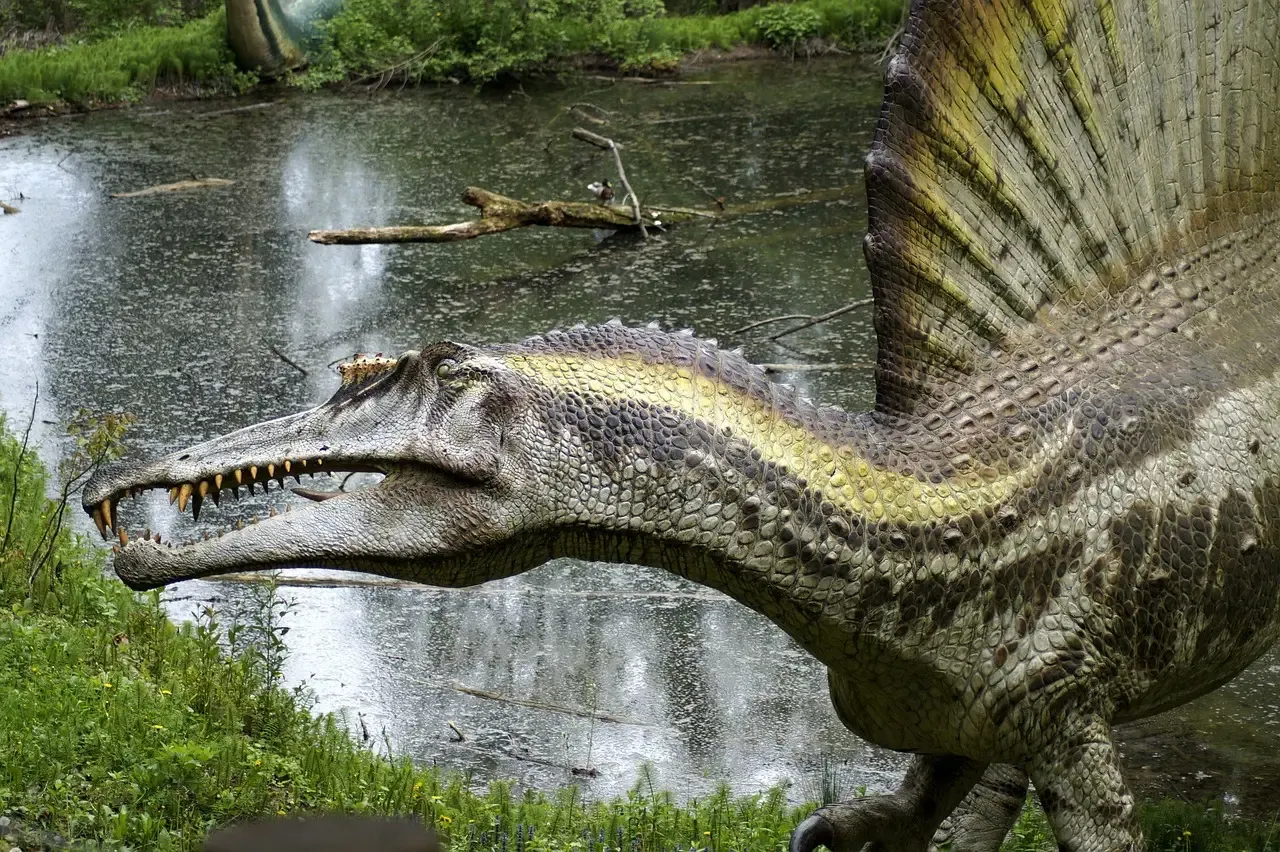
What’s remarkable is how these wetland ecosystems supported both massive herbivores and fearsome predators. Spinosaurus is one of the few dinosaurs known to have been semi-aquatic, likely hunting fish in rivers and coastal waters. This adaptation allowed carnivores to exploit an entirely different food chain, reducing competition with land-based predators. The interplay between water and land created ecological niches you simply wouldn’t find in purely terrestrial environments.
High-Altitude Mountain Environments
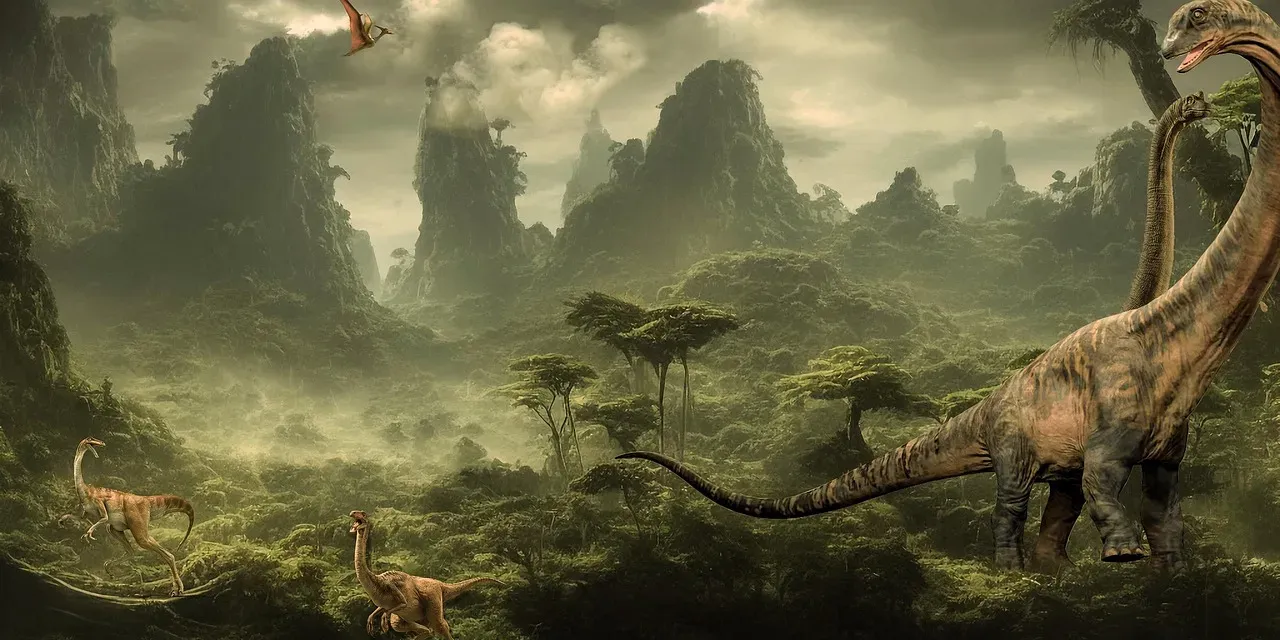
Mountains present brutal challenges: thin air, steep terrain, temperature extremes, and limited vegetation. Yet dinosaurs ventured into these rugged landscapes too. In the Sihetun area of northeastern China, feathered dinosaurs lived at a paleoelevation of 2.8 to 4.1 kilometers with mean annual paleotemperatures of around 6 degrees Celsius, suggesting a high-altitude habitat with frozen winters.
Let’s be real – that’s practically Himalayan elevation with freezing conditions. As insulation devices, feathers helped these nonavian dinosaurs resist the cold climate. This completely flips the script on why dinosaurs evolved feathers. We often think of feathers purely as precursors to flight, when in reality they may have been crucial thermal adaptations for surviving harsh mountainous climates.
Little is known about mountain habitat vegetation because most fossils come from lowlands, but bones of armoured dinosaurs like Edmontonia that look as though they were washed down from mountain areas have been found. Dinosaurs in mountainous regions had to adapt to colder temperatures, lower oxygen levels, and limited food sources, yet species like small agile theropods and hardy herbivores thrived, showcasing incredible adaptability. The fact that they conquered these elevations speaks volumes about their physiological resilience.
Ancient River Systems Dominated by Predators
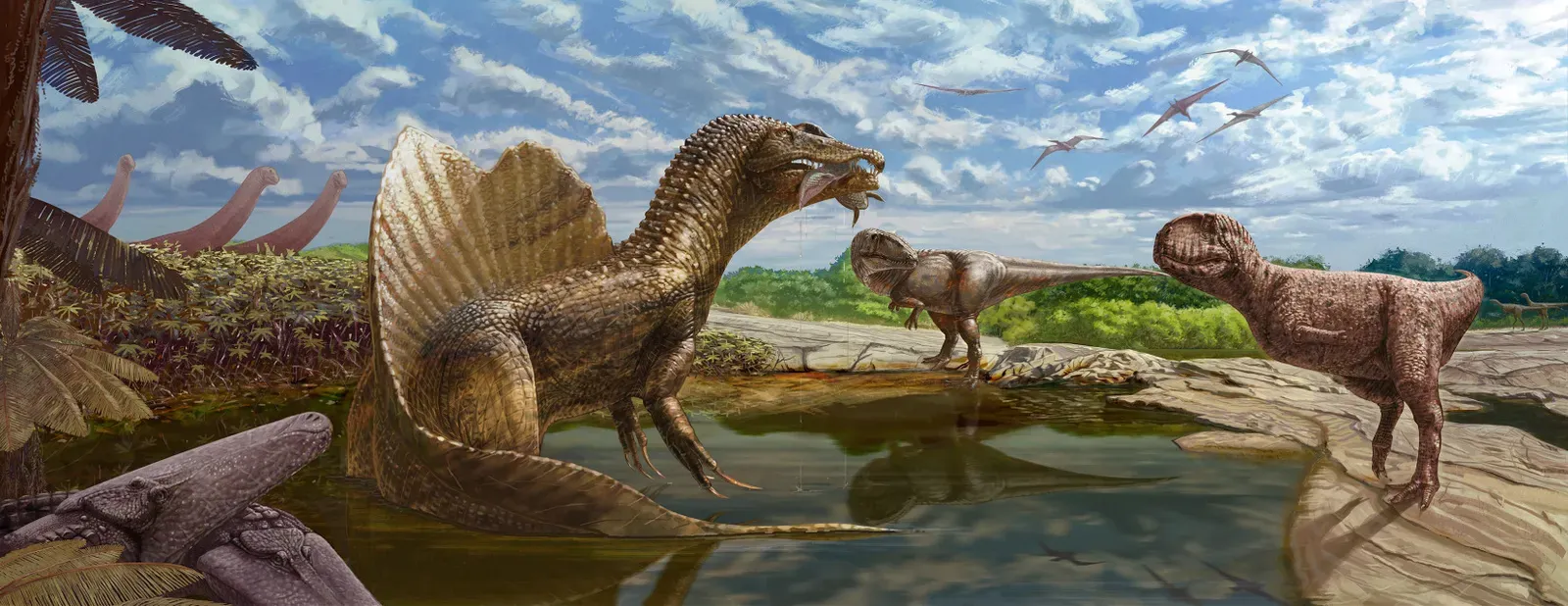
The ecosystem preserved in Morocco’s Kem Kem beds was described as a “river of giants,” unlike any ecosystem today and pretty unique compared to other dinosaur age ecosystems. This Cretaceous river system in what’s now the Sahara Desert had an unusual characteristic: predators vastly outnumbered herbivores.
In today’s landscapes, top predators are well outnumbered by herbivorous prey, but even during the mid-Cretaceous Period when northern Africa was covered by vast river systems, ecosystems dominated by so many bulky predators would have been rare. Scientists discovered the reason behind this predator paradise. Fish appear to have been the most plentiful food source at the time, with some of these swimmers reaching the size of SUVs. Honestly, imagining car-sized fish is pretty wild.
Carnivore skulls from the Kem Kem Group varied quite a bit, suggesting they were specialized to feed on different kinds of prey, which might have allowed predators to stay out of each other’s way. This niche partitioning meant multiple massive predators could coexist without constantly competing for the same meals. The landscape featured meandering rivers, lakes, and mudflats – creating a complex aquatic-terrestrial interface where specialized hunters dominated. The landscape couldn’t support enough vegetation for long enough periods to feed large numbers of plant-eating dinosaurs. It was a predator’s world, shaped by abundant aquatic prey rather than terrestrial herbivores.
Conclusion
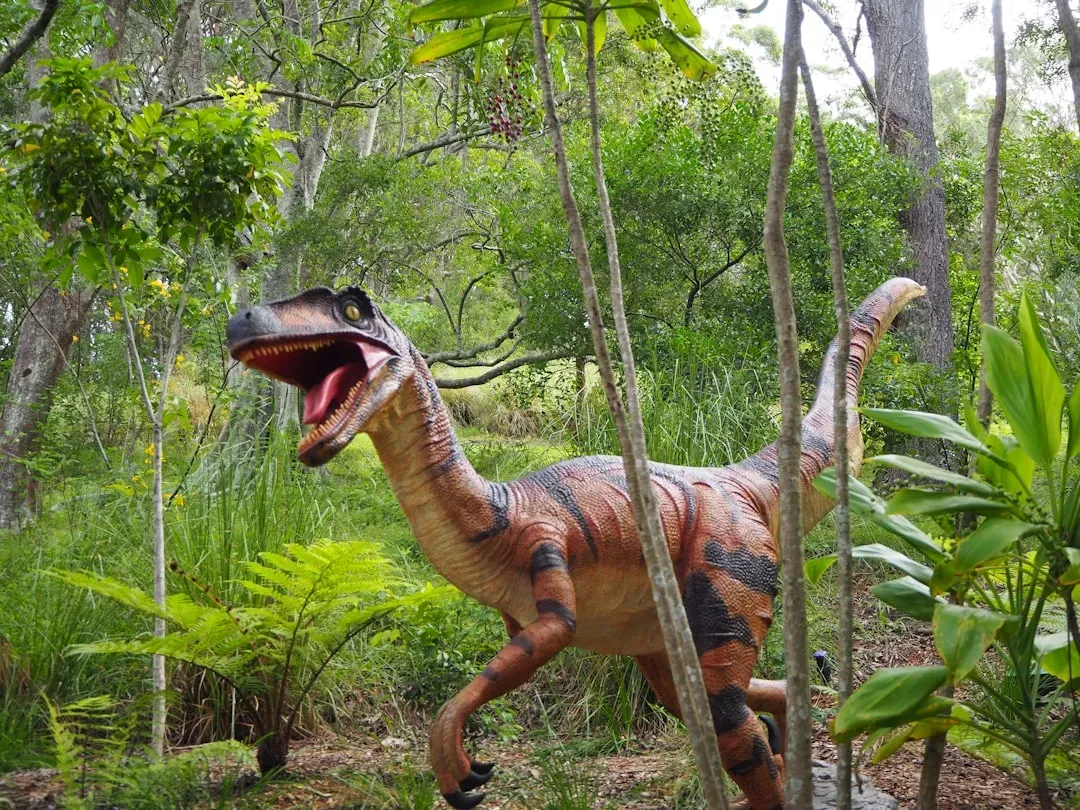
The habitats where dinosaurs thrived paint a far more complex and fascinating picture than the tropical swamps we typically imagine. From polar darkness to mountain peaks, scorching deserts to predator-dominated river systems, these ancient reptiles conquered nearly every environment Earth had to offer. Their remarkable adaptability – evolving feathers for insulation, developing water conservation mechanisms, specializing their diets, and even reproducing in freezing conditions – demonstrates an evolutionary versatility that rivals any group of animals in Earth’s history.
These discoveries fundamentally change how we understand dinosaur biology and ecology. They weren’t just big lizards needing constant warmth. They were sophisticated, adaptable creatures capable of thriving in conditions that would challenge modern animals. What other misconceptions about dinosaurs might future discoveries overturn? It makes you wonder what else we’ve gotten wrong about these magnificent creatures that dominated our planet for over 160 million years.