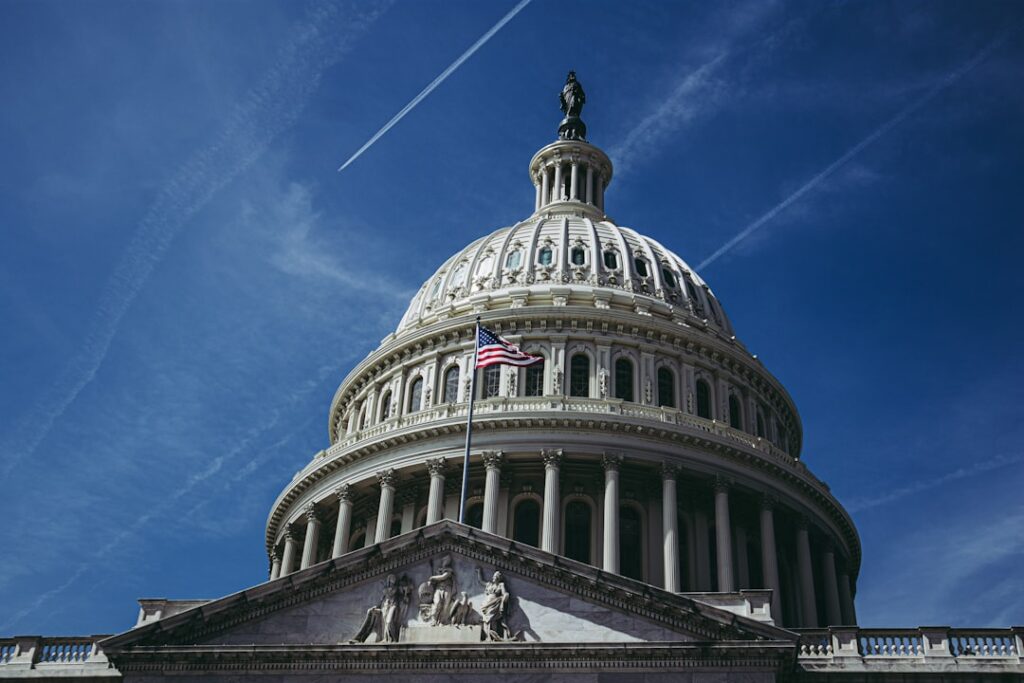

A Historic Use of the Congressional Review Act (Image Credits: Unsplash)
Congressional Republicans achieved a landmark victory in 2025 by overturning a record 22 regulations from the final months of President Joe Biden’s administration, reshaping key areas of energy, environment, and finance.
A Historic Use of the Congressional Review Act
The Congressional Review Act, enacted in 1996, empowers Congress to nullify recent federal regulations with a simple majority vote and presidential approval. Republicans leveraged this tool more aggressively than ever before, surpassing the previous high of 14 reversals during Donald Trump’s first term in 2017. President Trump signed all 22 resolutions into law, marking the most significant deregulatory push since the law’s inception.
This swift action targeted rules issued in Biden’s lame-duck period, preventing them from taking effect. Lawmakers argued these measures imposed undue burdens on industries and consumers. The process highlighted the act’s role as a check on executive overreach, especially in a divided government transitioning to new leadership.
Supporters hailed the move as a restoration of economic freedom, while critics warned of potential long-term risks to public protections.
Energy Production Freed from Constraints
Among the overturned rules, several aimed to curb fossil fuel activities, which Republicans viewed as harmful to domestic energy independence. One prominent reversal lifted restrictions on offshore oil and gas leasing, a move led by Senate Republicans to boost American production. This decision opened pathways for expanded drilling, potentially lowering energy costs amid global uncertainties.
Another key rollback ended a Biden-era policy that limited coal mining operations on federal lands. Lawmakers contended the rule stifled job growth in mining communities and ignored market demands for reliable power sources. By voiding it, Congress signaled a pivot toward prioritizing energy security over stringent emission controls.
These changes also affected Alaska’s energy landscape, where a regulation blocking development in sensitive areas was scrapped. The action preserved access to vast reserves, benefiting local economies dependent on resource extraction.
Automotive and Environmental Policies Reversed
Republicans dismantled rules supporting state efforts to phase out gas-powered vehicle sales, a cornerstone of Biden’s climate agenda. This reversal halted federal backing for electric vehicle mandates, allowing automakers greater flexibility in production lines. Industry observers noted the decision could slow the transition to greener fleets but sustain consumer choices in transportation.
In environmental oversight, a rule tightening wastewater standards for power plants fell by the wayside. The policy had sought to reduce pollutants from coal and gas facilities, yet critics labeled it overly costly without proportional benefits. Its overturning eased compliance burdens for utilities, potentially stabilizing electricity rates for households.
These shifts underscore a broader GOP strategy to balance environmental goals with practical economic considerations.
Financial Safeguards Rolled Back
Beyond energy and climate, Republicans targeted consumer finance regulations, including one capping overdraft fees at large banks. The rule intended to protect low-income customers from high charges but was criticized for limiting credit access and bank revenues. Its repeal restored flexibility to financial institutions, which argued it would foster innovation in banking services.
Another undone measure addressed credit reporting practices, aiming to shield vulnerable borrowers from certain debt collections. Lawmakers reversed it, citing risks to lending standards and economic growth. These financial rollbacks aimed to reduce regulatory hurdles that, in the view of proponents, hindered small business lending and personal finance options.
Key Impacts and Future Outlook
The 22 reversals collectively alleviated an estimated billions in compliance costs across sectors, according to analyses from conservative think tanks. Energy firms anticipated job creation and investment surges, while environmental groups decried the losses in sustainability efforts. The actions set a precedent for the incoming administration’s deregulatory agenda.
Looking ahead, these changes could influence midterm elections and policy debates, as stakeholders on both sides mobilize.
Key Takeaways:
- Republicans used the CRA to overturn 22 Biden rules, a record since 1996.
- Major focuses included fossil fuels, electric vehicles, and banking fees.
- The moves prioritize economic growth but spark debates on long-term protections.
As 2025 closes, this regulatory reset reinforces the dynamic interplay of branches in American governance, promising shifts in how federal rules shape daily life. What implications do these changes hold for your community? Share your thoughts in the comments below.