
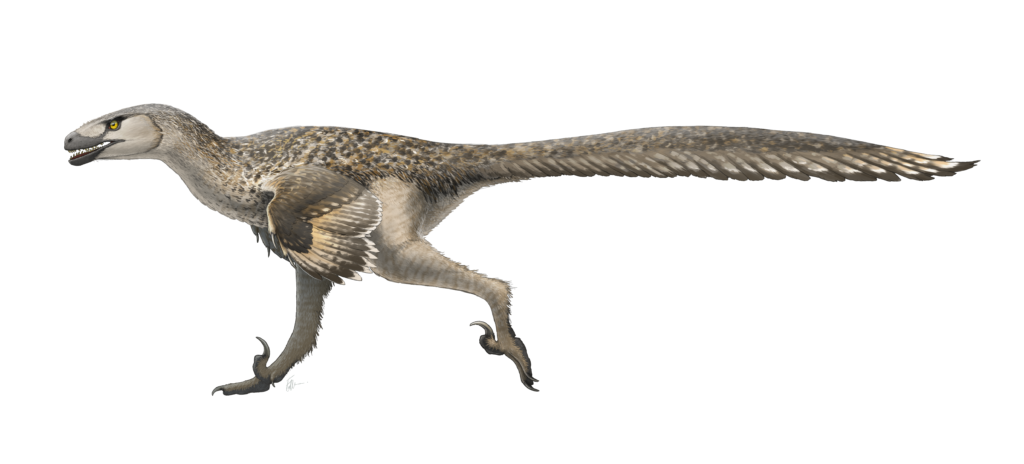
If you could stand on the edge of a Cretaceous riverbank and watch a lightning-fast dinosaur sprint past, you probably would not see much more than a blur of claws and tail. Yet strangely, the clearest trace of that moment might not be the bones left behind, but the footprints pressed into ancient mud. That is exactly where Dromaeosauriformipes comes in: not as a skeleton on display, but as a fossilized trackway that captures raw speed in stone.
Dromaeosauriformipes is not the name of a specific dinosaur species but of a footprint type, a trace of something that once ran across a muddy surface millions of years ago. And still, just from those tracks, paleontologists have been bold enough to compare its maker to Usain Bolt. The story is part science, part detective work, and part wild sprint into the past. Let’s dig into five grounded, science-based facts about this so‑called – and why it has captured so much attention.
1. Dromaeosauriformipes Is Known From Footprints, Not Bones
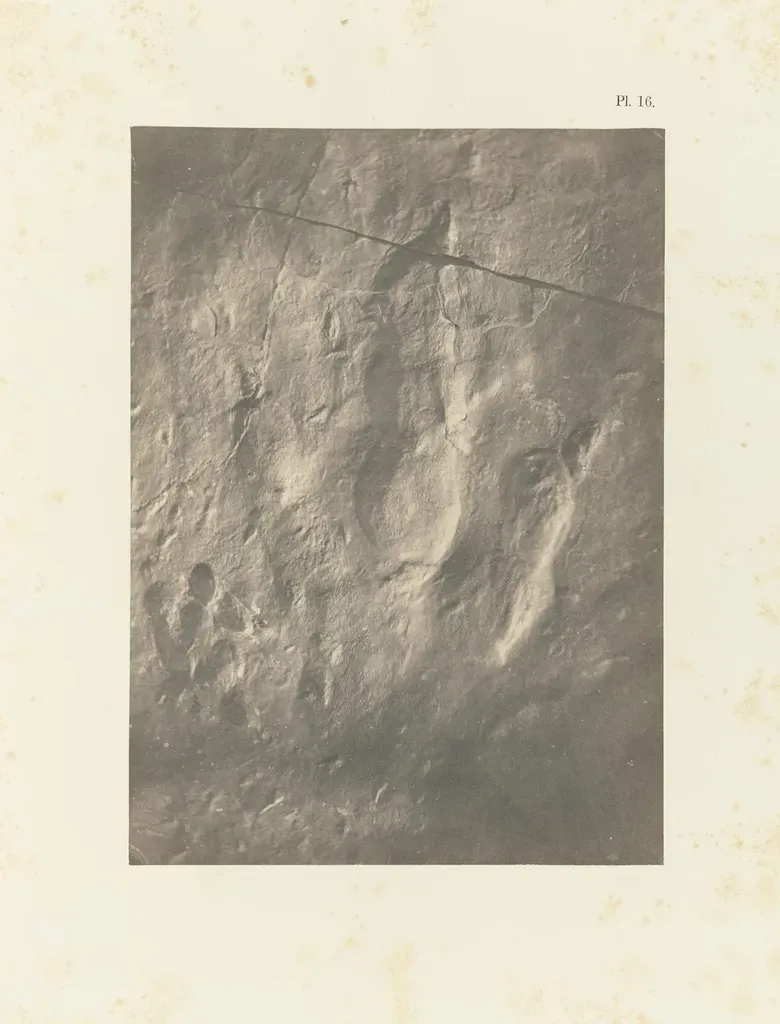
The first thing to get straight is that Dromaeosauriformipes is a trace fossil, not a body fossil. That means we are talking about preserved activity – footprints – rather than skeletons or teeth. In paleontology, these get their own scientific names because they record behavior: walking, running, digging, or even resting. You can think of it like naming a ghost by its footsteps instead of its face.
Because we are dealing with footprints alone, nobody can honestly claim to know exactly which species made them. The name Dromaeosauriformipes basically means “dromaeosaur‑shaped foot,” pointing toward a small, agile theropod similar to the famous raptors. But that word “‑formipes” is a quiet reminder of scientific humility: we know the shape, not the full identity. It is a bit like finding a set of sneaker prints on a track and saying, “OK, this came from a human runner,” but not knowing who it was.
2. The Footprints Suggest A Small, Agile, Two‑Legged Predator
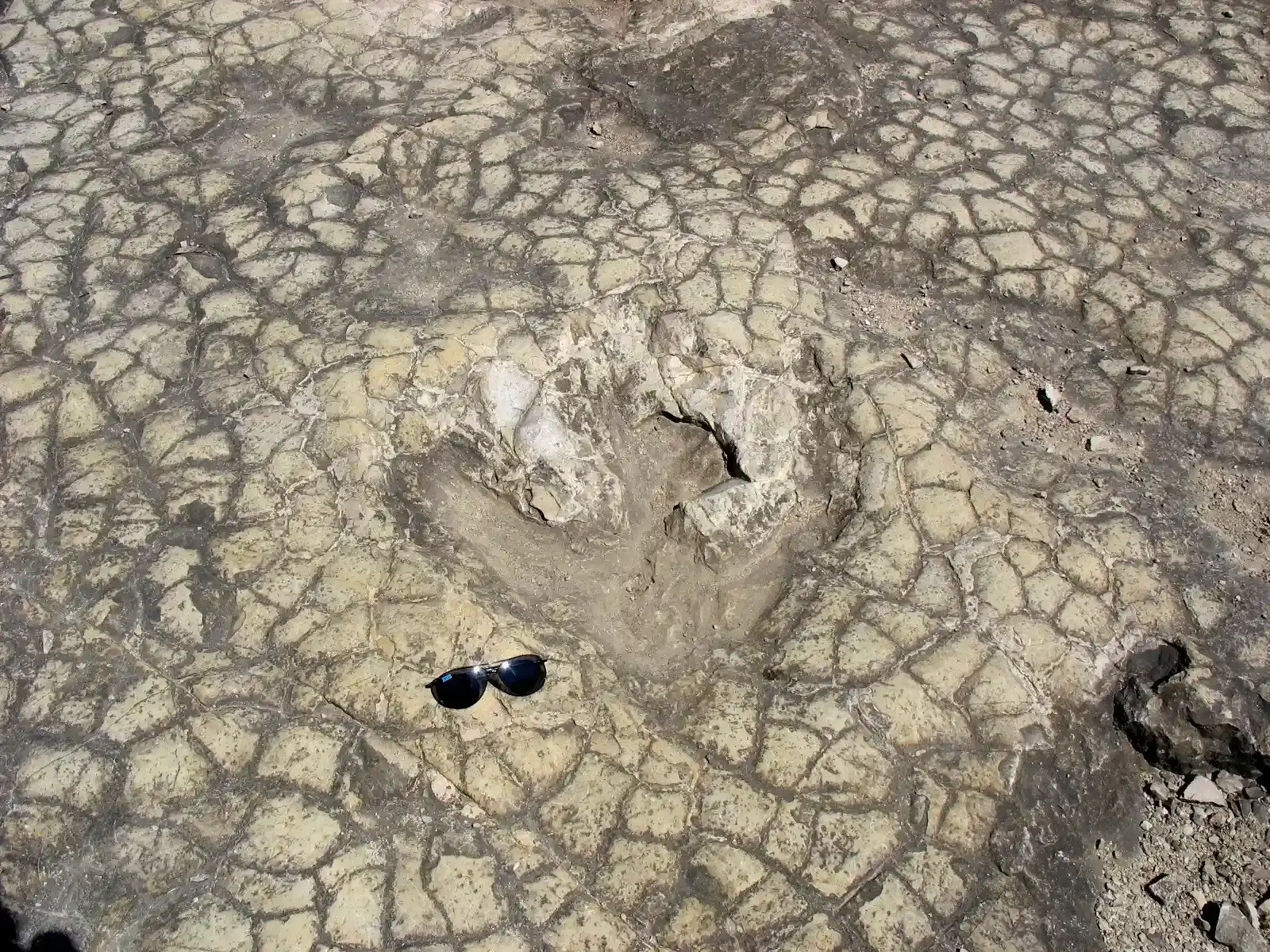
Even without bones, the shape of the tracks gives us some surprisingly specific clues. The prints attributed to Dromaeosauriformipes are narrow, three‑toed, and fit the general style of small theropod dinosaurs – those classic, lightly built predators that walked on two legs. The spacing and depth of the tracks suggest a relatively lightweight animal with a long stride, not a bulky giant like a tyrannosaur stomping around.
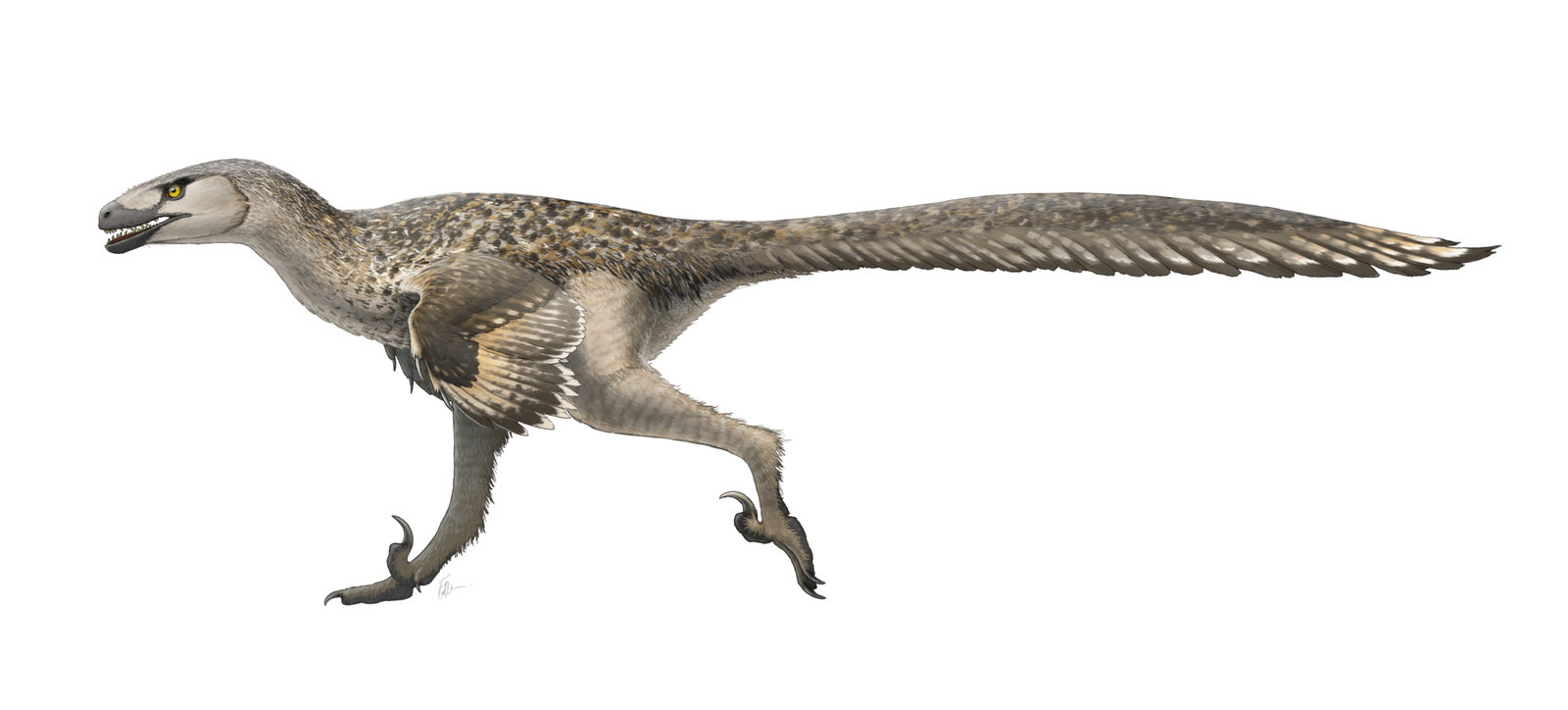
Paleontologists look at things like toe length, claw impressions, and how the foot contacted the ground. In the case of Dromaeosauriformipes, the tracks line up with a dinosaur that probably had good balance, a stiff tail for stability, and a body design tuned for quick movement rather than raw power. If you imagine something like a scaled‑up roadrunner with sickle claws and an attitude, you are not too far off from the kind of creature that could have left these prints behind, even if we do not know its exact name.
3. Speed Estimates Put It In The “Sprinter” Category
So why the Usain Bolt comparison? It comes from how scientists estimate speed from trackways. By measuring the distance between footprints (stride length) and comparing it to the estimated hip height of the dinosaur, researchers can plug the numbers into biomechanical formulas to get a ballpark running speed. For the Dromaeosauriformipes tracks, those calculations point toward a genuinely fast animal, not just a casual jogger.
Now, this is not the kind of measurement where anyone can honestly say, “This dinosaur hit exactly such‑and‑such miles per hour.” The rock record is rough, the formulas involve assumptions, and even a small error can shift the estimate. But what holds up well is relative speed: the proportions and stride lengths are characteristic of a sprinter, not a plodder. In that sense, calling this trackmaker is less about the exact number and more about the clear signal that this was one of the quick ones.
4. The “Usain Bolt” Label Is Catchy, But It Can Be Misleading
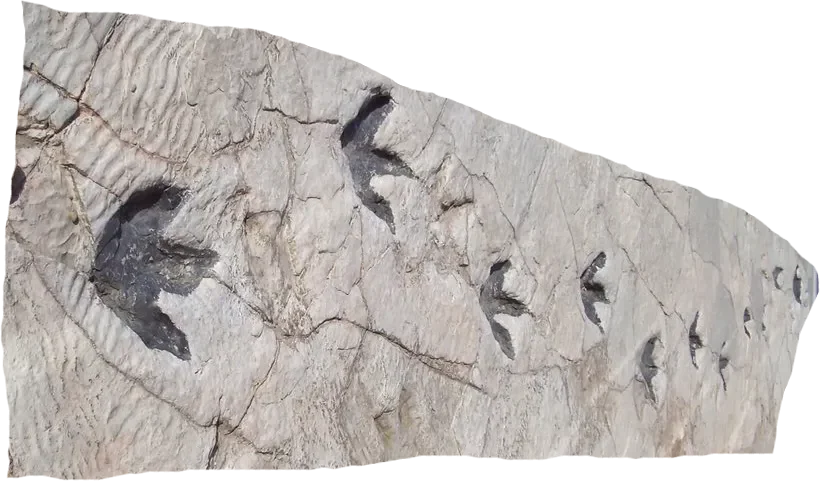
As fun as the comparison is, it needs a reality check. When scientists or science communicators call Dromaeosauriformipes , they are using a metaphor to convey agility and top‑tier speed among small theropods, not to claim it literally outran every dinosaur that ever lived. Fossil footprints are tricky to interpret, and they capture only a snapshot of what one animal was doing at one point in time, on one particular surface.
There might have been other dinosaurs that could run just as fast or faster, but whose footsteps have not yet been found or correctly identified. The surviving trackway might also record a burst of speed rather than the absolute maximum that the animal was capable of reaching. So the Usain Bolt label is best taken as a vivid, modern shorthand for “very fast for its group,” not as a ranking carved in stone. It is catchy, it makes people curious, but it should not be confused with a final, numeric verdict.
5. Footprints Like These Reveal Behavior You Cannot Get From Bones Alone
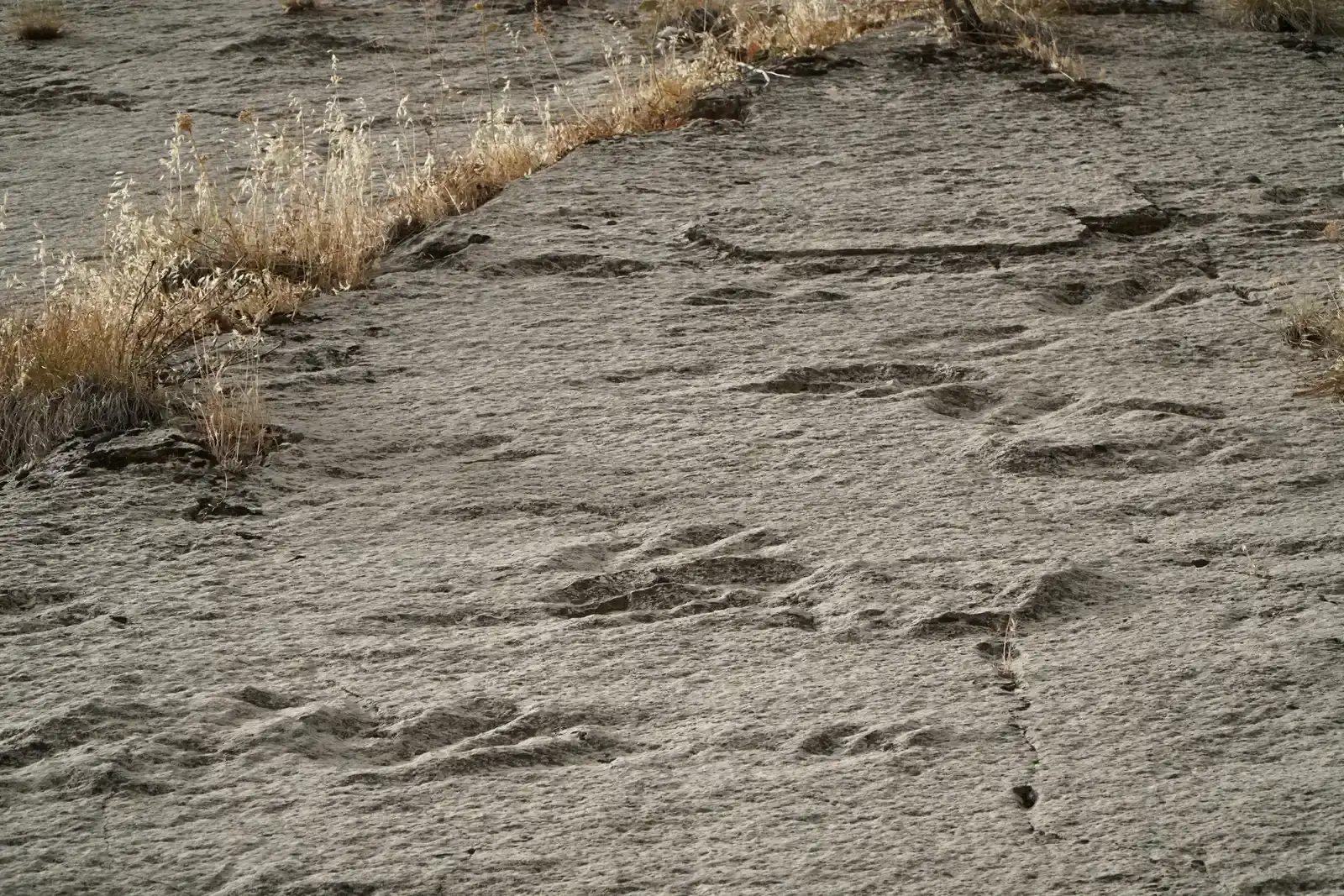
One of the coolest things about trackways such as Dromaeosauriformipes is that they show behavior in motion. Bones tell you structure; footprints tell you what that structure did. From a good trackway, researchers can estimate whether the dinosaur was accelerating, turning, or moving steadily. They can even see how the center of mass shifted and how the toes dug into the ground – details that would be invisible from a skeleton mounted in a museum.
Personally, this is the part that hooked me on dinosaur tracks years ago: the eerie feeling that you are walking beside a moment of real movement crystallized in rock. In the case of Dromaeosauriformipes, the pattern of long strides, narrow trackway width, and consistent spacing fits a confident, purposeful run rather than hesitant steps. That turns the fossil from a static curiosity into a fragment of an actual chase or dash, and it gives modern scientists a rare glimpse into the athletic lives of animals that vanished tens of millions of years ago.
6. Dromaeosauriformipes Shows How Science Balances Imagination And Caution
If you follow dinosaur news online, you already know how easy it is for a single exciting phrase to go viral while the careful nuance gets lost. Dromaeosauriformipes sits right in that tension. On one hand, it is a great gateway for people who would never read a technical paper about theropod trackways; on the other, it is a reminder that a dramatic nickname does not replace measured interpretation. Scientists have to walk a tightrope between making their work engaging and keeping it honest.
My own view is that the Usain Bolt comparison is fine as long as we keep talking about the uncertainty behind it. The real magic is not that we can crown a “fastest” dinosaur, but that from a handful of footprints, we can reconstruct speed, posture, and behavior at all. To me, that blend of cautious math and wild time‑travel imagination is exactly what makes paleontology feel alive rather than dusty, and Dromaeosauriformipes is a perfect example of where those two sides collide.
Conclusion: A Lightning‑Fast Shadow In Stone
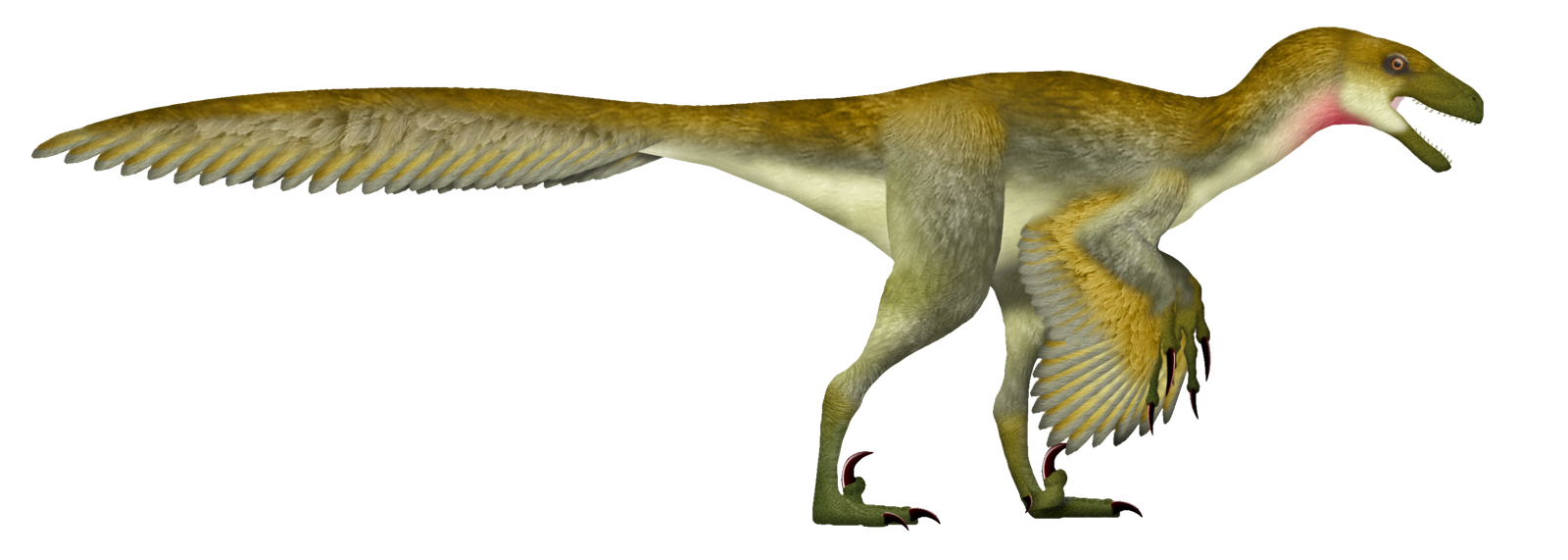
When you strip away the headlines and metaphors, Dromaeosauriformipes is ultimately a set of fossilized footprints that point to a small, agile, fast‑running theropod dinosaur. The science behind it is careful and constrained: we can infer speed categories, general body style, and behavior, but not the exact species or a precise top speed with stopwatch‑level confidence. And yet, within those limits, it still tells a powerful story of motion, agility, and predatory grace preserved in ancient mud.
My opinion is that this is exactly the kind of discovery we should celebrate: not because it proves we have found “the fastest dinosaur,” but because it shows how much we can responsibly learn from something as humble as a footprint. If anything, the Usain Bolt nickname should remind us that the past was full of athletes we will never completely meet, only glimpse through their tracks. Next time you see a muddy trail of bird prints after a rainstorm, would you guess that similar marks might someday be all that is left to tell your story, too?