If you grew up in the United States, chances are you have a state dinosaur you never knew about. Behind the T. rex toys and Jurassic Park nostalgia, real bones pulled from dusty hillsides and red-rock canyons have rewritten what we know about life on this continent. Some of the most jaw-dropping fossils on Earth were dug up in states you might associate more with road trips, football games, or national parks than with prehistoric monsters.
What makes a fossil truly iconic is not just its size or its teeth, but the story it tells about the land you live on. From a nearly complete predator that became a global superstar, to a gentle giant that turned a quiet Western state into a scientific hotspot, these fossils are woven into local identity and national pride. Let’s walk through five fossils that turned ordinary American landscapes into world-famous windows into deep time.
Tyrannosaurus rex of Montana: The Rock Star Named “Sue”
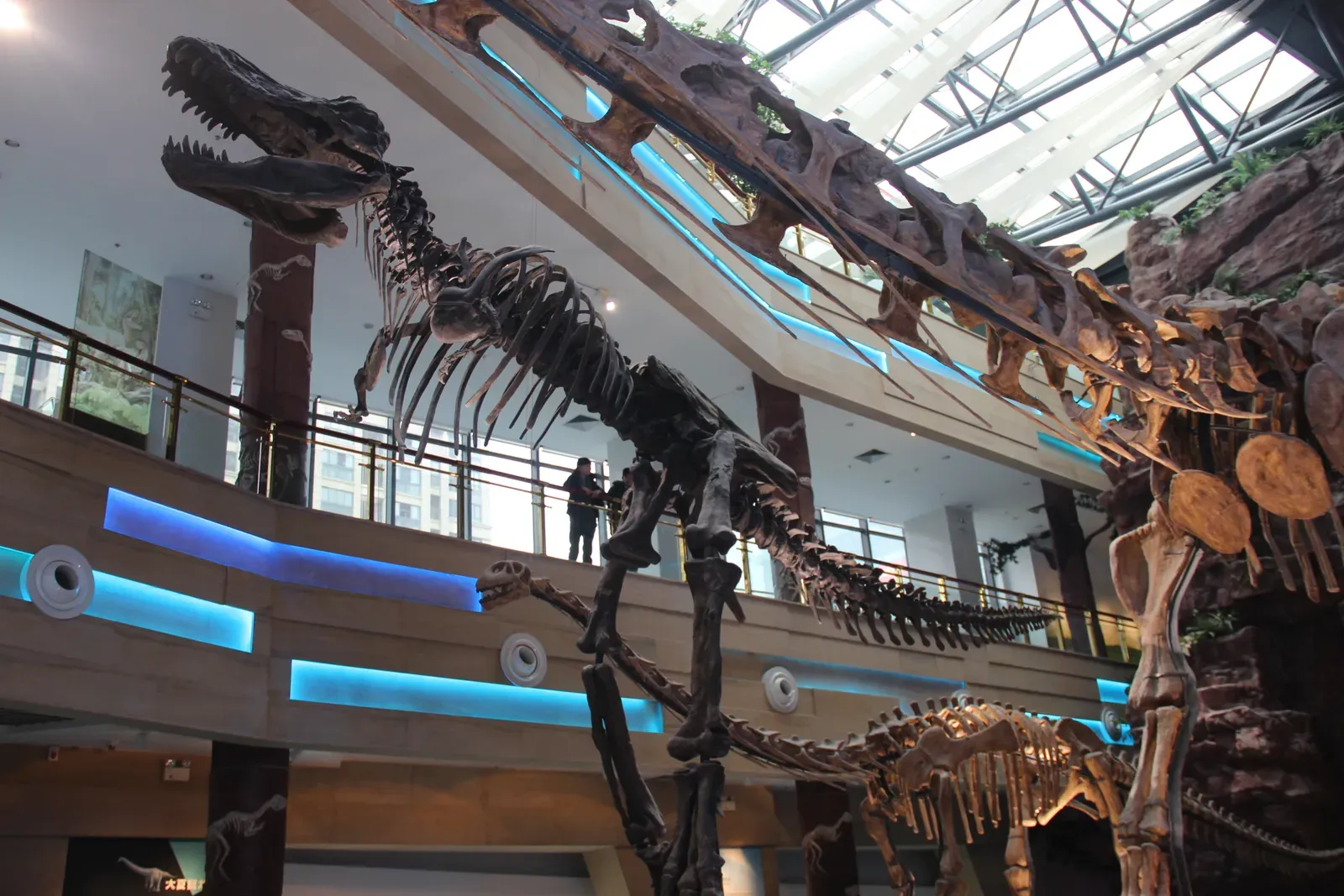
Imagine hiking through the badlands of eastern Montana and realizing the “rock” at your feet is actually the massive leg bone of the most famous predator that ever lived. That’s essentially what happened in the early 1990s when one of the most complete Tyrannosaurus rex skeletons ever found was unearthed near Faith, South Dakota, after weathering out of Cretaceous rock tied closely into the same regional formations that sprawl across Montana and the northern plains. That fossil, nicknamed Sue, is more than just a cool dinosaur; it became a symbol of how rich the American West is in deep-time secrets and how a single discovery can ignite public imagination.
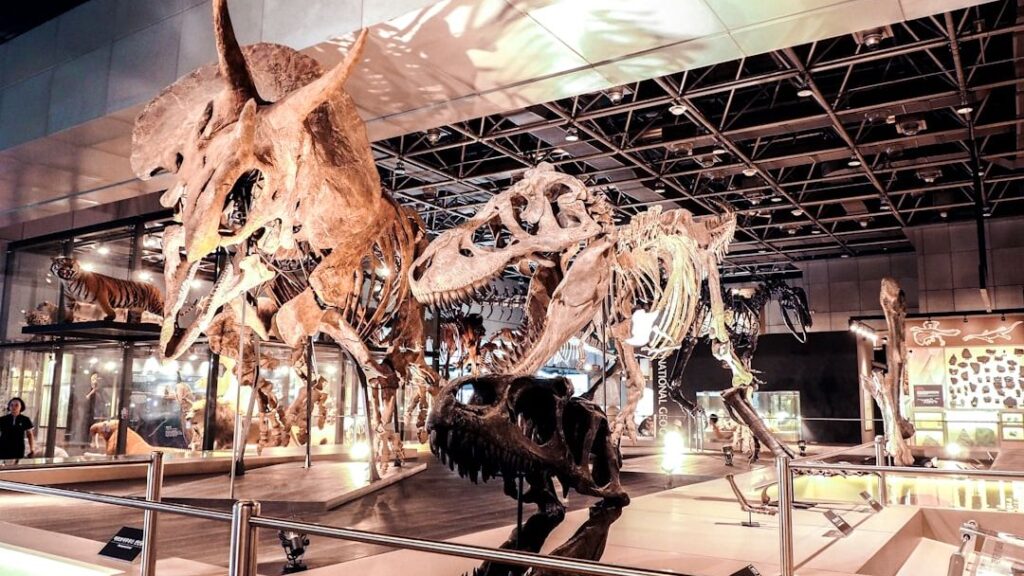
What made Sue such a big deal was how much of the skeleton was preserved and how well it captured the raw power of T. rex in three dimensions. Paleontologists used this skeleton to refine estimates of the animal’s size, bite force, and even aspects of its growth and health, including evidence of injuries and disease visible in the bones. When you stand under Sue’s towering skull at a major museum, you’re not just looking at a pile of bones from the Dakotas and Montana region; you’re staring at a real apex predator that once stalked floodplains that stretched across what are now multiple favorite American states. As a kid I remember seeing a cast of Sue in person and feeling, for the first time, that dinosaurs were not just movie monsters but once walked on the same continent I live on today.
Stegosaurus of Colorado: From Rocky Mountains to State Symbol
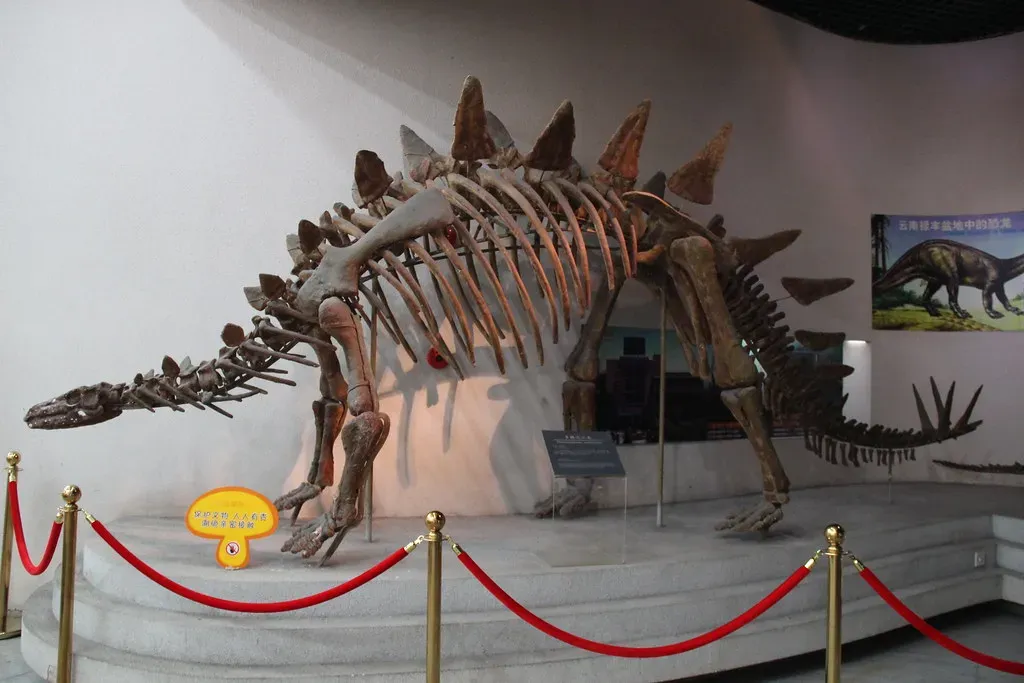
Switch landscapes and head south and west, and you land in Colorado, where the ancient rocks of the Morrison Formation have given the world some of the most iconic plant-eating dinosaurs ever found. Stegosaurus, with its double row of plates and spiked tail, is one of those creatures that looks so strange it almost feels like a fantasy sketch, yet the first well-known fossils of this animal came out of the hills near Morrison, Colorado, in the late nineteenth century. Those discoveries helped transform the Front Range into a legendary hunting ground for dinosaur bones during the era sometimes called the Bone Wars.
Colorado eventually embraced Stegosaurus as an official state fossil, and you still feel that pride when you visit local museums or sites like Dinosaur Ridge. The back plates, once mysterious, are now thought to have played roles in display, species recognition, and possibly thermoregulation, and the bones from Colorado were central in piecing together how the plates were arranged. Growing up, I remember seeing a Stegosaurus skeleton in Denver and being surprised that such an almost cartoonishly odd animal was not imported from some distant land, but actually dug from the same state that people visit today for skiing and hiking. It makes the Rockies feel less like “just mountains” and more like the eroded edge of a vanished world.
Apatosaurus and Brontosaurus in Wyoming: The Long-Neck Legends
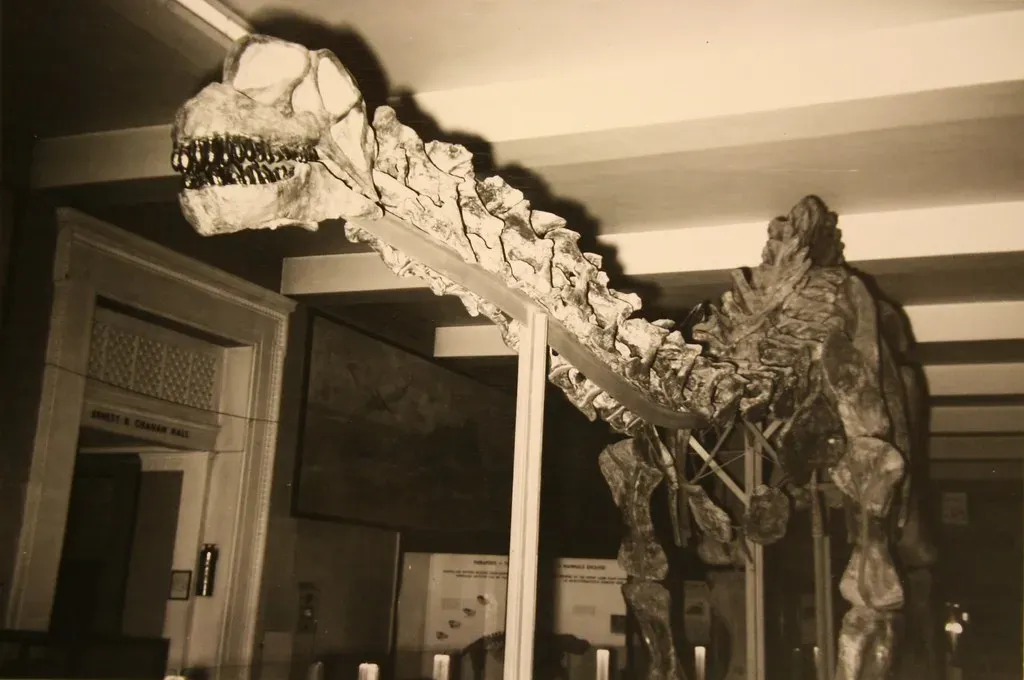
Drive north into Wyoming and the story shifts from armored plates to unbelievably long necks. The broad exposures of the Morrison Formation in this state yielded some of the most famous sauropods in history, including Apatosaurus and the animal that many people still lovingly call Brontosaurus. These gigantic, long-necked herbivores were first known from quarry sites that became almost industrial in scale, with teams of workers pulling out bone after bone from layers of Jurassic mudstone. The sheer volume of material changed our understanding of dinosaur ecosystems, showing that enormous plant-eaters could be surprisingly common along river valleys and floodplains.
Wyoming’s role in the long-running debate over whether Brontosaurus is a valid scientific name turned into a kind of nerd rite of passage for many dinosaur fans. For a long time, the name was folded into Apatosaurus, and then later research argued that some Wyoming and neighboring specimens really did justify reviving Brontosaurus as a distinct genus. The quarries in this region, including world-famous sites that have supplied skeletons to major museums, became the backbone of what many people imagine when they picture a “classic” dinosaur: a huge, slow-moving giant with a neck stretching over the horizon. Standing in those landscapes today, with low sagebrush and big skies, it is oddly easy to imagine a herd of sauropods lumbering by like living freight trains.
Triceratops of South Dakota and the Plains: The Three-Horned Icon
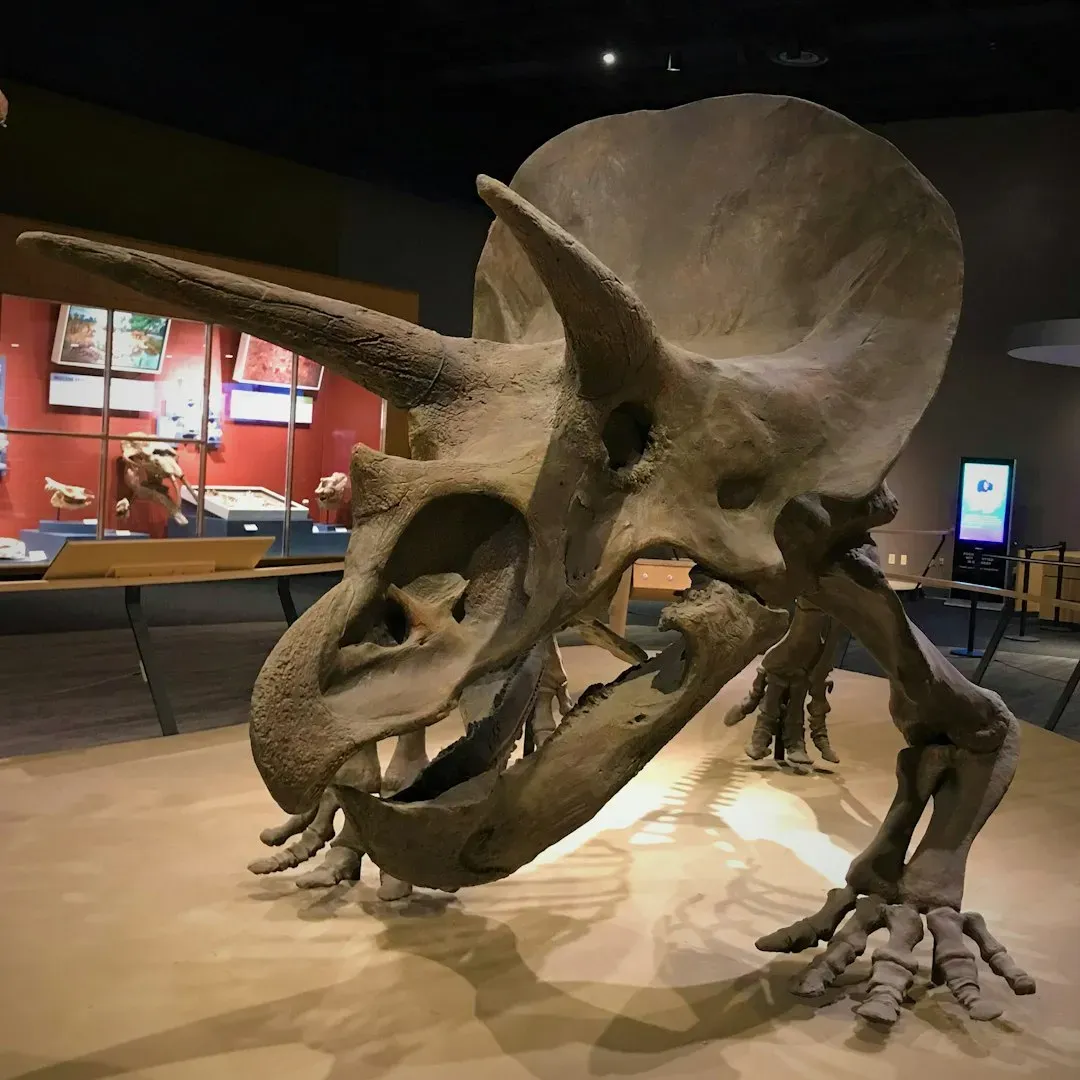
When you think of a dinosaur facing off against a T. rex in a dramatic showdown, chances are you picture Triceratops with its massive frill and three forward-facing horns. Fossils of this animal are strongly associated with the Late Cretaceous rocks of the northern Great Plains, especially in states like South Dakota and neighboring regions that share the same ancient formations. Skulls and partial skeletons pulled from these rocks helped define Triceratops as one of the last great dinosaurs to walk North America before the mass extinction event that ended the age of dinosaurs roughly sixty-six million years ago.
The sheer number of Triceratops skulls from the American West has allowed scientists to study how these animals grew from juveniles to full adults, and how their horns and frills changed over time. That, in turn, feeds into big questions about behavior, like whether the horns were mainly for fighting, for display, or for both. In many small towns across the Dakotas and surrounding states, you can walk into a local museum and find Triceratops bones that were pulled from nearby ranch land, turning what might seem like ordinary prairie into a stage for one of the most recognizable creatures in pop culture. It is hard not to feel a weird pride knowing that the dinosaur on so many kids’ pajamas was actually a native of the American heartland.
Utah’s Allosaurus and the Dinosaur National Monument Legacy
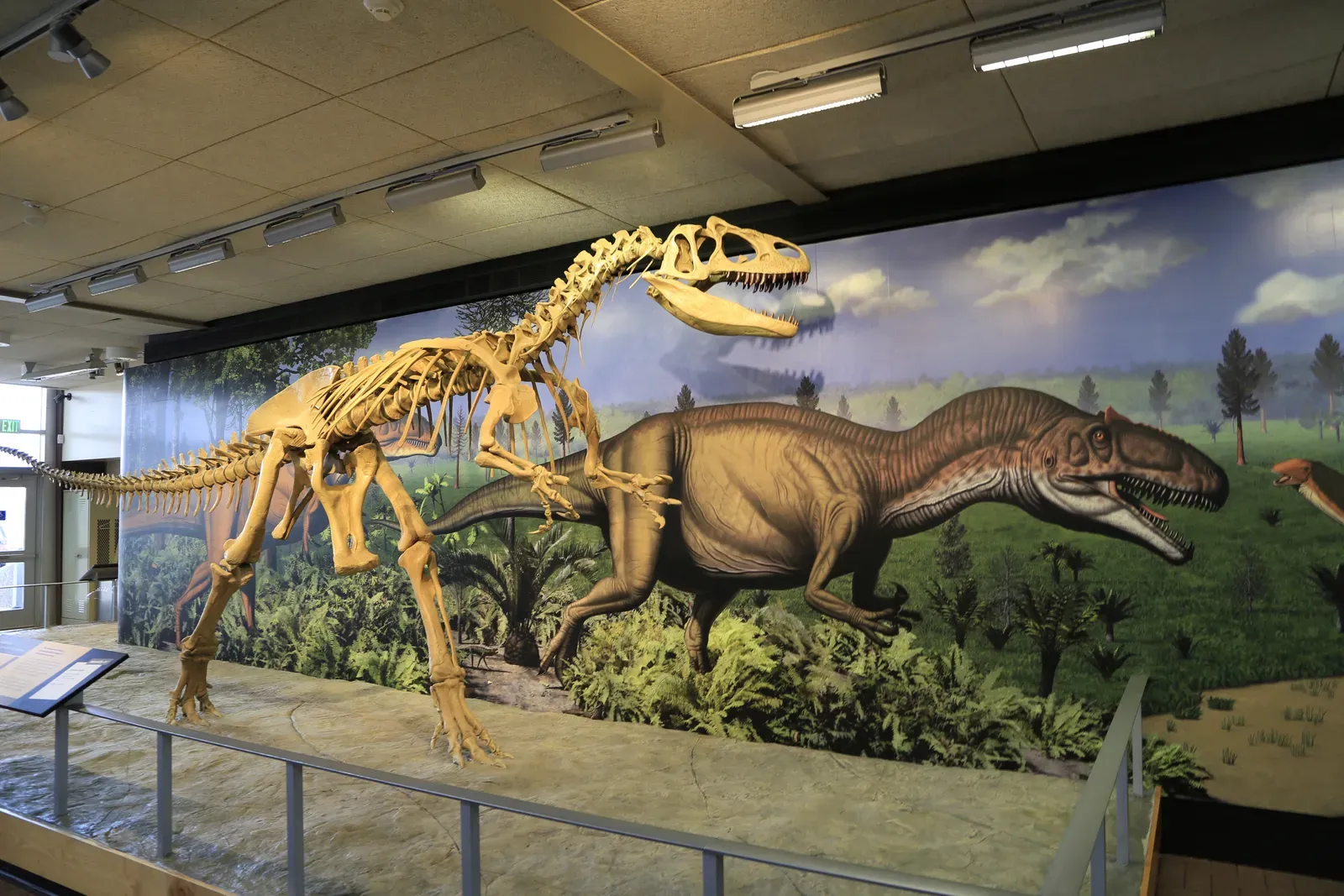
Head southwest into Utah and the dinosaur story shifts again, this time to a landscape of red rock cliffs and winding river canyons. One of the state’s most iconic finds is Allosaurus, a large predatory dinosaur that dominated Jurassic ecosystems long before T. rex appeared. At places like what is now Dinosaur National Monument, quarry walls studded with bones tell an almost cinematic story of ancient river channels that trapped carcasses, piling them up over time and preserving them as a chaotic fossil layer. Allosaurus skeletons from this region are so numerous and well-preserved that the animal has become something like the “signature” predator of the American Jurassic.
The bone-packed quarry face in Utah, now protected and showcased for visitors, is one of the rare places where you can literally stand in front of a rock wall and see multiple dinosaurs frozen in place. Allosaurus from Utah has been critical for understanding how medium to large-sized predators moved, fed, and interacted with their environment in an era when long-necked giants were everywhere. Personally, the first time I saw photos of that quarry wall, it reminded me of looking at a crowded subway car, except everyone inside was dead and turned to stone over a hundred million years. It is both eerie and oddly beautiful, and it cements Utah’s reputation as one of America’s true dinosaur heartlands.
Conclusion: Dinosaur Pride and the States That Shaped Prehistory
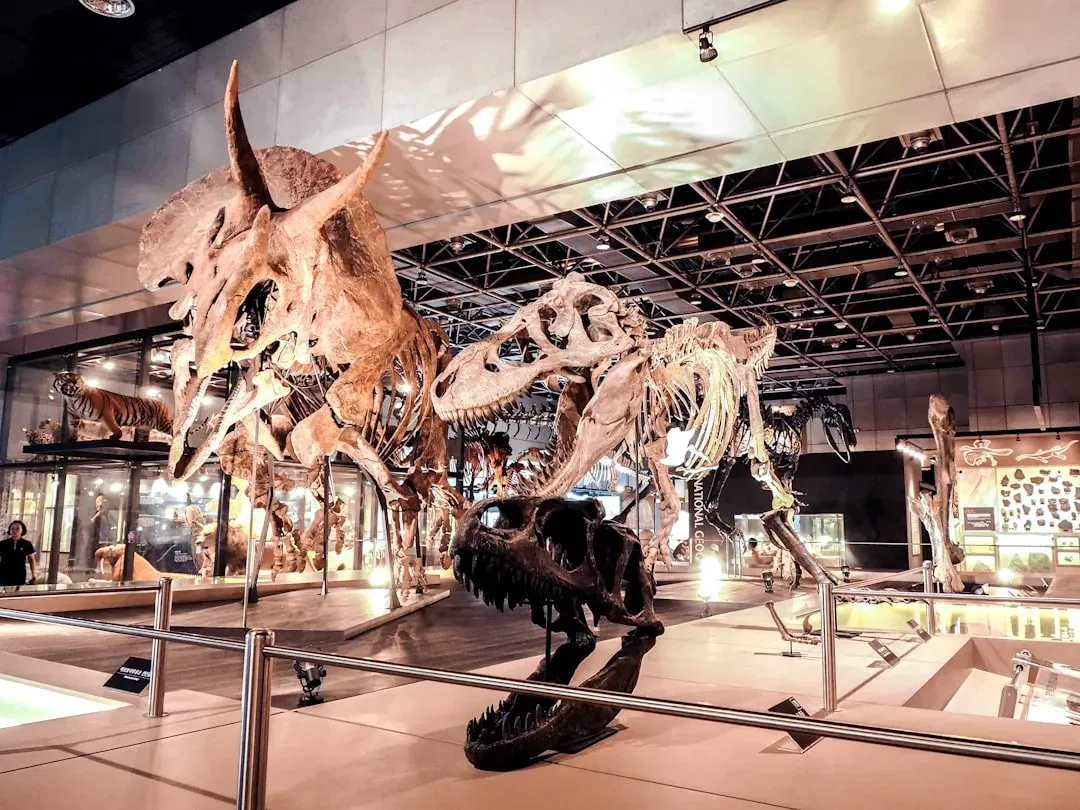
Looking across these five fossils, it is hard not to feel that many American states are badly underselling just how astonishing their prehistoric heritage really is. Montana and the broader Dakotas region produced predators that dominate global dinosaur debates, Colorado gave us a plated oddball that became a state symbol, Wyoming anchored the saga of long-necked giants, South Dakota and its neighbors showcased the last great horned behemoths, and Utah turned a canyon wall into a fossil-laden mural of ancient life. These are not just scientific curiosities; they are part of the deeper identity of the places people live, drive, and hike through every day.
In my view, we treat these fossils too often as museum props instead of as powerful reminders that our familiar states once hosted worlds as strange as any science fiction story. The fact that you can stand in Denver, Rapid City, Salt Lake City, or a roadside town in Montana and be just a short drive from sites that changed global science is wildly underappreciated. Maybe the real challenge now is not unearthing more dinosaurs, but learning to see our own backyards as chapters in Earth’s grand biography. Next time you cross a seemingly empty stretch of highway, will you wonder what giants might still be sleeping under the wheels?