Penguin Awareness Day on January 20 draws global attention to the enduring charm and challenges faced by these flightless birds in their icy realms.
Emperor Penguins’ Extreme Parental Devotion
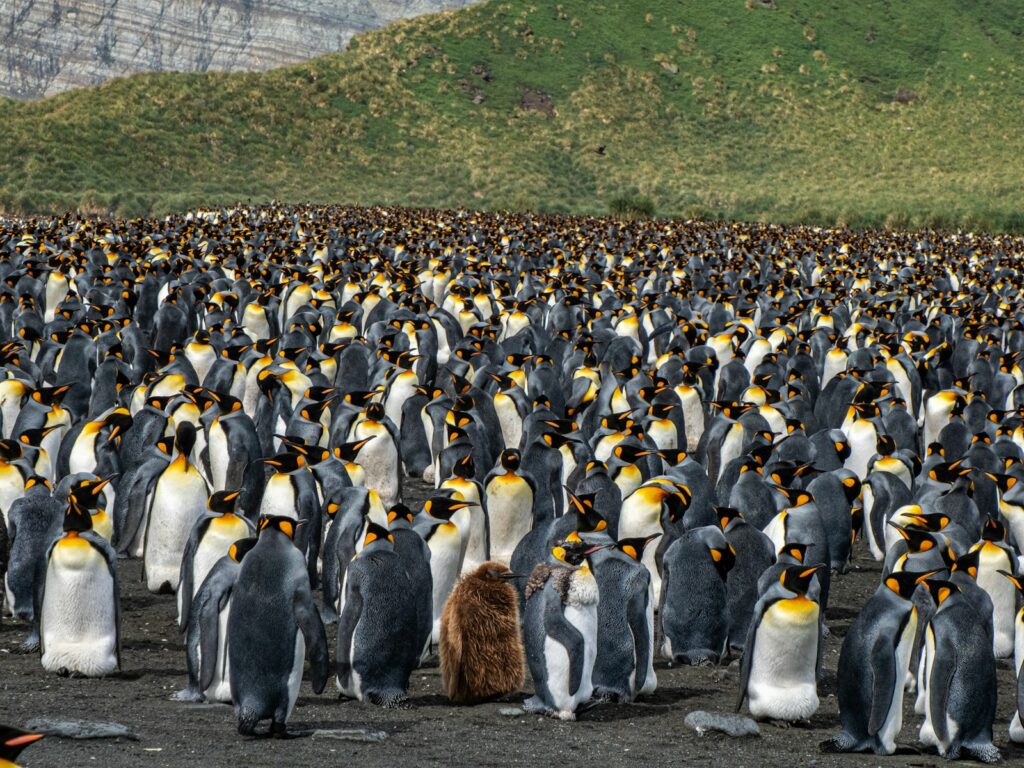
Emperor Penguins’ Extreme Parental Devotion (Image Credits: Unsplash)
Emperor penguins endure some of the planet’s most brutal winters to ensure their offspring’s survival. In Antarctica’s freezing gales, males balance eggs on their feet and cover them with a brood pouch for warmth while females journey to the sea for food. This remarkable strategy lasts up to two months, with temperatures plunging below -40 degrees Celsius. Once the females return, they regurgitate nutrient-rich meals for the chicks, and the roles reverse as males head out to feed. Such dedication underscores the species’ resilience in one of Earth’s harshest environments. Conservationists note that climate change disrupts these cycles, threatening breeding success.
Recent observations from Antarctic research stations reveal how these birds navigate vast distances, sometimes appearing far inland in unusual spots. This adaptability highlights their importance in marine ecosystems, where they serve as indicators of ocean health.
Gentoo Penguins: Speed Demons of the Southern Seas
Gentoo penguins claim the title of the fastest swimmers among their kind, reaching speeds of up to 36 kilometers per hour during pursuits. These medium-sized birds, standing about 75 to 90 centimeters tall, inhabit rocky shores around sub-Antarctic islands like the Falklands and South Georgia. Their bright orange beaks and white head stripes make them unmistakable, while their diet of krill and fish fuels these agile dives. Unlike their emperor cousins, gentoos build nests from pebbles and grass, fostering colonies that buzz with activity. Their swift movements help them evade predators and secure meals in competitive waters.
Experts from organizations like SEA LIFE emphasize how gentoos’ speed aids survival amid rising ocean temperatures. Monitoring these populations provides insights into broader environmental shifts affecting southern oceans.
The Plight of African Penguins and Habitat Loss
African penguins once constructed nests from guano, a practice that humans disrupted through harvesting for fertilizer in the 19th and 20th centuries. This critically endangered species now faces ongoing threats from overfishing and oil spills along South Africa’s coasts. Colonies that once numbered in the millions have dwindled to tens of thousands, prompting urgent restoration efforts. Rehabilitation centers work to release injured birds back into the wild, while artificial nests replace lost guano mounds. Such interventions aim to stabilize populations in a rapidly changing world.
Visitors to sites like Boulders Beach in South Africa witness these birds’ social behaviors up close, from communal bathing to synchronized waddling. Yet, experts warn that without reduced pollution, recovery remains elusive.
Small Wonders: The Little Blue Penguin’s Secrets
The little blue penguin, the world’s smallest at just 13 inches tall, thrives in Australia’s coastal burrows and New Zealand’s islands. These nocturnal creatures hunt fish, squid, and krill under cover of darkness, relying on sharp underwater vision adapted for low light. Highly social, they form large colonies where pairs share chick-rearing duties meticulously. Their blue-gray feathers provide camouflage against ocean predators, and soft calls help families reunite at night. Despite their size, they migrate impressive distances, showcasing remarkable endurance.
Conservation programs track these penguins’ movements to combat habitat encroachment from urban development. Public awareness has led to stricter protections, ensuring their burrows remain undisturbed.
- Emperor penguins huddle in groups to share body heat during blizzards.
- Gentoos propose mates with pebble gifts, a ritual of courtship.
- African penguins’ guano nests historically supported island ecosystems.
- Little blues emit a donkey-like bray to communicate in colonies.
- All penguins are countershaded, with dark backs and white bellies for stealthy swimming.
Key Takeaways
- Penguins face escalating threats from climate change and human activities, but targeted conservation yields results.
- Species like the gentoo and little blue demonstrate diverse adaptations that sustain their populations.
- Every individual action, from reducing plastic use to supporting wildlife funds, bolsters penguin survival.
Penguin Awareness Day reminds us that these tuxedo-clad survivors depend on collective efforts to navigate an uncertain future. As oceans warm and habitats shrink, protecting penguins means safeguarding vital marine biodiversity. What steps will you take to support these incredible birds? Share your thoughts in the comments.