When you picture the age of dinosaurs, what comes to mind? Probably towering Tyrannosaurs, massive long-necked sauropods, or maybe a Velociraptor pack hunting through prehistoric forests. It sounds like dinosaurs ruled completely unchallenged, right? Here’s what might surprise you. While dinosaurs dominated the land during the Mesozoic Era, they were far from alone in their prehistoric world.
The truth is, the planet was absolutely teeming with other bizarre, fascinating, and downright terrifying creatures that most people never hear about. Some of these ancient animals were every bit as fearsome as the dinosaurs themselves, patrolling the skies, lurking in the oceans, and even slithering through the undergrowth. Let’s dive into the incredible world of prehistoric creatures that shared the planet with dinosaurs.
Pterosaurs: The Sky Rulers That Weren’t Dinosaurs
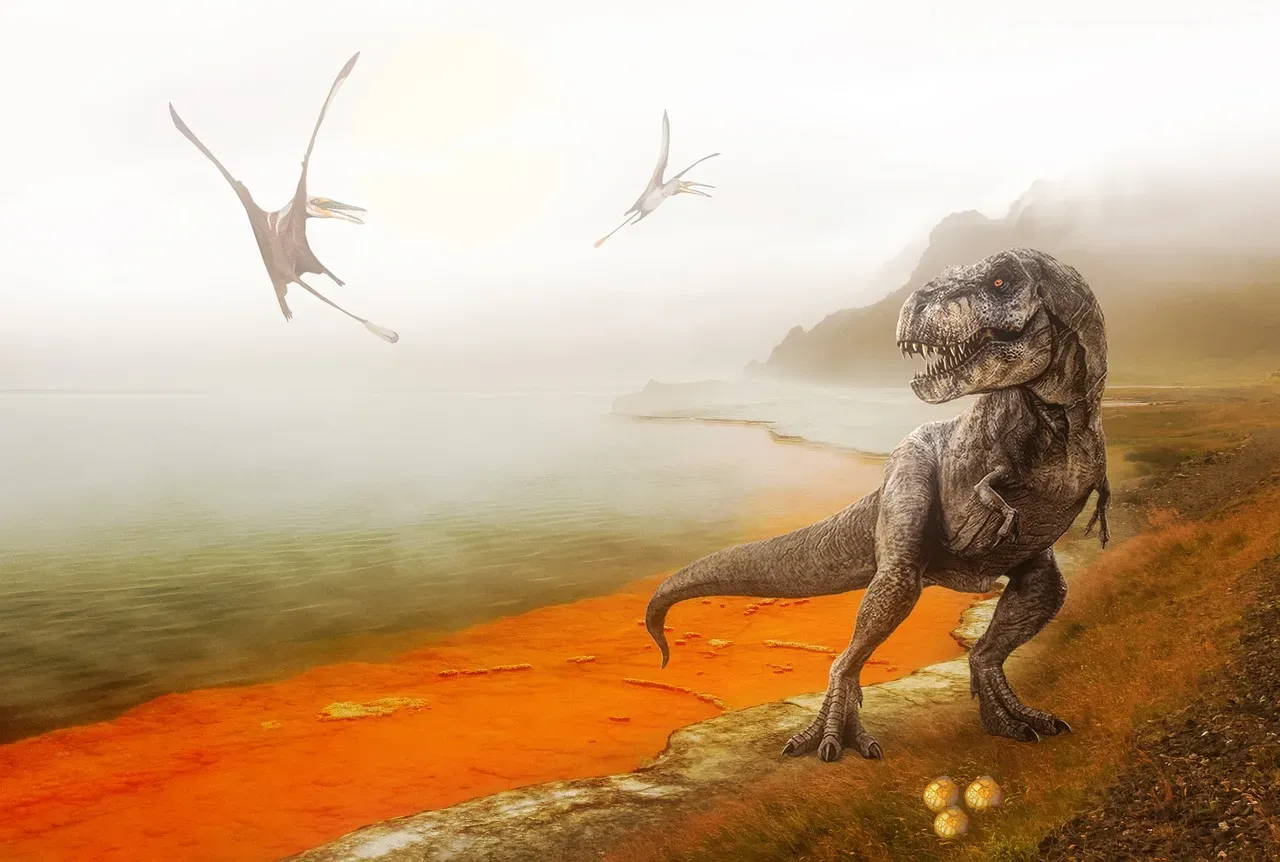
Despite often being called “flying dinosaurs,” pterosaurs were not dinosaurs at all. These fascinating flying reptiles evolved completely independently from birds and had their own unique place in the prehistoric ecosystem. Pterosaurs appeared during the late Triassic period and existed right up to the end of the Cretaceous period.
What made pterosaurs so remarkable was their incredible diversity in size and hunting strategies. With wingspans reaching 33 feet, they remain the biggest flying vertebrates ever. Picture something as large as a small airplane soaring overhead while a Triceratops grazed below. They had large, leathery wings, which were extended on specially-modified fourth fingers, with their other fingers forming claws which stuck out mid-way along their wings. Some species hunted fish from ancient seas, while others may have scavenged or caught small land animals.
Mosasaurs: The Ocean’s Most Terrifying Predators
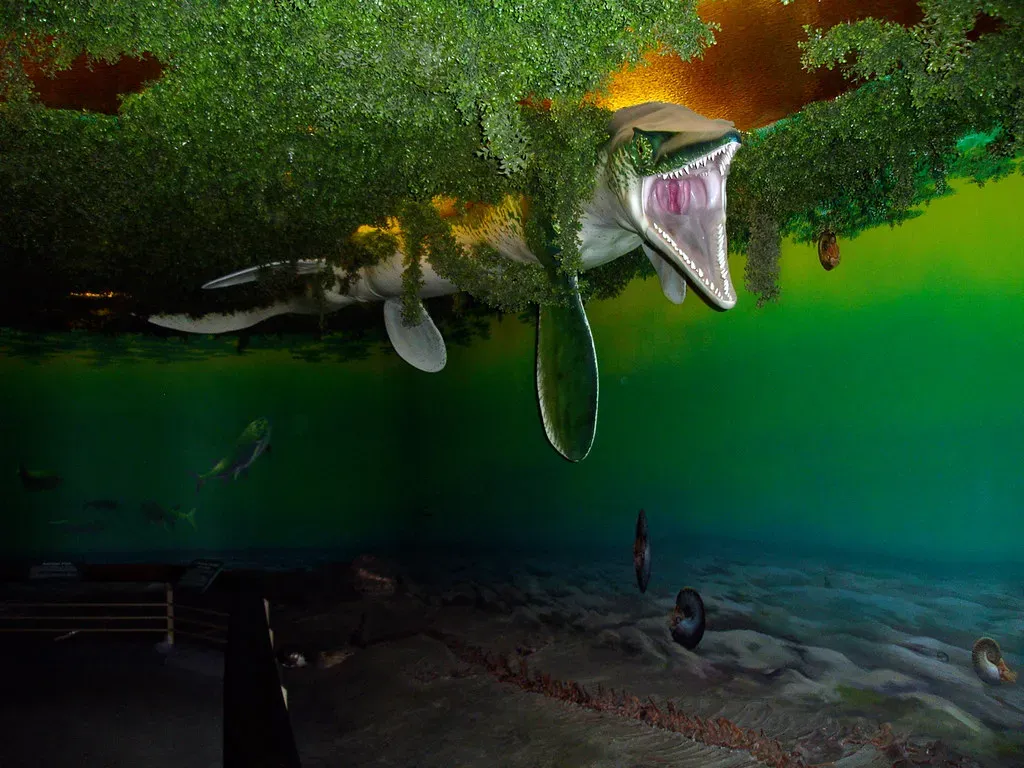
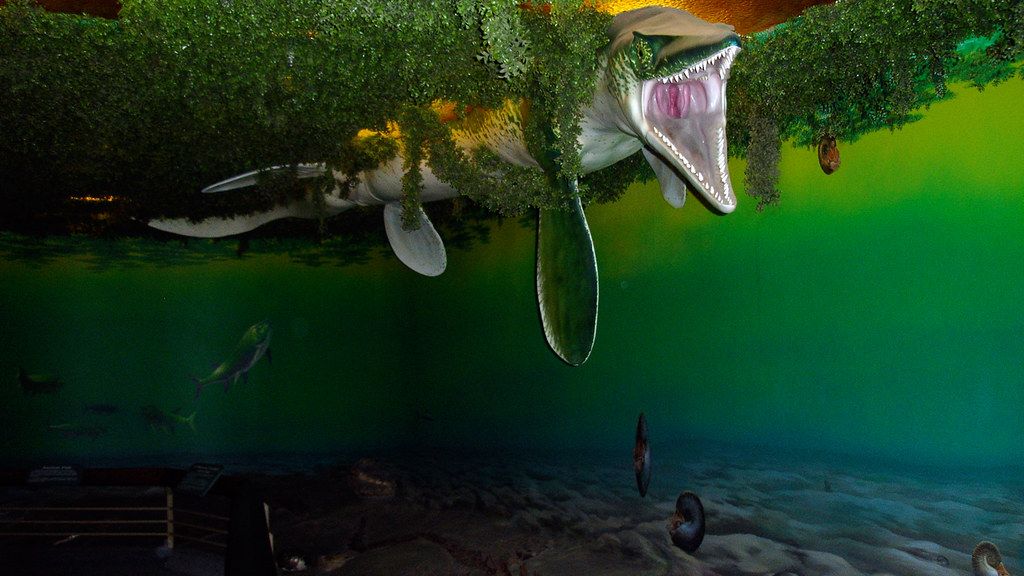
While dinosaurs rarely ventured into the water, the oceans had their own apex predators that would make any modern shark look tame. Mosasaurs reached great lengths and became the closest thing to true “sea serpents” that have ever existed, emerging in the mid-to-late Cretaceous period and quickly becoming the dominant pelagic predators of the time. These weren’t dinosaurs either, though people frequently make that mistake.
With huge heads and mouths, pharyngeal teeth and countershaded pigmentation, mosasaurs likely lived like the slower modern sharks, ambushing prey with their countershaded camouflage and subduing them before they can even react to get away. Honestly, the thought of encountering one of these in the prehistoric ocean is absolutely chilling. Some species grew to lengths that rivaled modern whales, making them one of the most successful marine predators to ever exist.
Plesiosaurs: The Long-Necked Sea Monsters
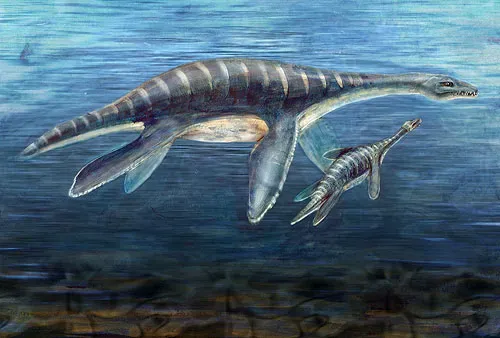
If you’ve ever heard legends about the Loch Ness Monster, you’re actually thinking of a plesiosaur. They ruled the oceans for over 135 million years, surviving multiple extinction events and diversifying into one of the most successful groups of marine reptiles in Earth’s history. Think about that for a moment. Over 135 million years of dominating the seas while dinosaurs came and went on land.
Plesiosaurs “flew” through the water using all four flippers in a coordinated motion, generating lift and thrust much like underwater wings, giving them exceptional maneuverability, stability, and control, allowing precise turns, hovering, and sudden bursts of speed. Unlike fish that wiggle their tails to swim, plesiosaurs essentially flew underwater using four paddle-like limbs. Plesiosaur fossils are known from every continent, including Antarctica, revealing that these reptiles thrived in globally connected oceans for much of the Mesozoic Era.
Early Mammals: The Tiny Survivors Waiting for Their Moment
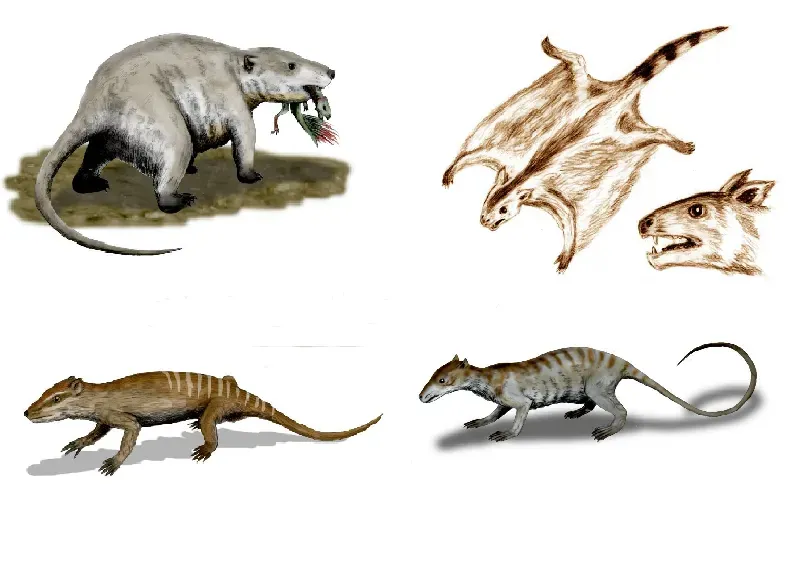
It’s hard to imagine, but our own mammalian ancestors were scurrying around beneath the feet of dinosaurs throughout the Mesozoic Era. The first mammals appeared during the Mesozoic, but would remain small – less than 15 kg – until the Cenozoic. Creeping about in the undergrowth were tiny mammals no bigger than rats. These little creatures were essentially living in the shadows, waiting for their chance.
The first mammals were monotremes, or mammals that reproduce by laying eggs, and only three monotreme species still exist today: the duck-billed platypus and a couple of spiny anteaters, or echidnas. Let’s be real, it must have taken incredible adaptability for these small animals to survive in a world dominated by massive predators. The success of mammals seems related to their size and their “hunt-everywhere,” “eat-everything” lifestyle, and Mesozoic mammals kept a low profile, but a million years of evolution was already brewing in the background. Little did the dinosaurs know, these humble creatures would eventually inherit the Earth.
Ichthyosaurs: The Dolphin Doppelgangers of Ancient Seas
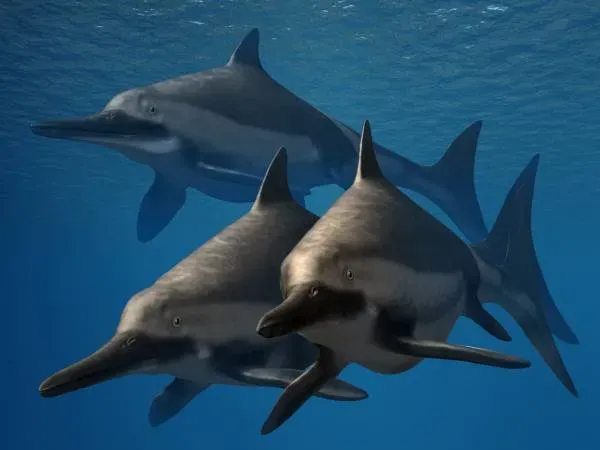
Ichthyosaurs looked similar to today’s dolphins, and evolved from land animals in much the same way as dolphins did millions of years later, a phenomenon known as “convergent evolution” when unrelated species evolve the same characteristics independently of one another. These marine reptiles were among the most successful ocean predators of their time.
A deep-diving Jurassic ichthyosaur called Ophthalmosaurus reached 6 meters, with eyes proportionally larger than any known marine creature, and fossils reveal decompression sickness evidence of routine dives beyond 500 meters to hunt squid in lightless zones. Can you imagine? These animals were experiencing the same diving sickness that modern deep-sea divers face. Live birth is confirmed by over 50 pregnant specimens, each carrying 2-11 pups, showcasing viviparity as a key adaptation. They’d completely adapted to life in the water, never needing to return to land, hunting through ancient oceans while dinosaurs ruled the continents above.
The Mesozoic Era was far more diverse and fascinating than most people realize. While dinosaurs certainly were the dominant land animals, they shared their world with an incredible array of other creatures that were equally remarkable. From massive flying reptiles with wingspans larger than fighter jets to terrifying marine predators that would make modern great whites look like minnows, the prehistoric world was crowded with life in every ecological niche imaginable.
What strikes me most is how these creatures survived alongside dinosaurs for millions of years, each group perfectly adapted to their own domain. The next time someone mentions the “age of dinosaurs,” remember that it was really an age of incredible diversity where life experimented with forms we can barely imagine today. What do you think would have been the most amazing creature to witness in person? Share your thoughts in the comments.