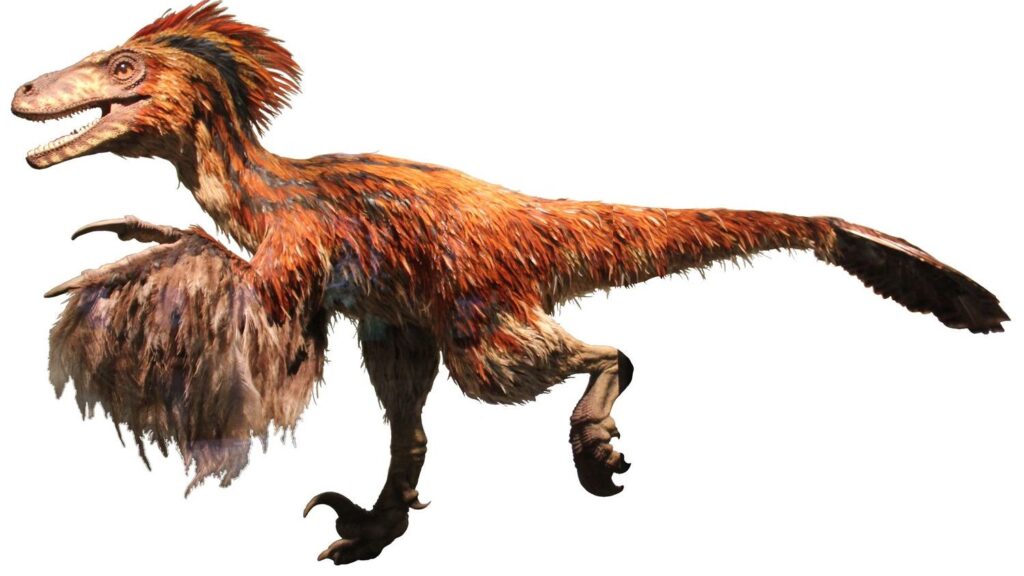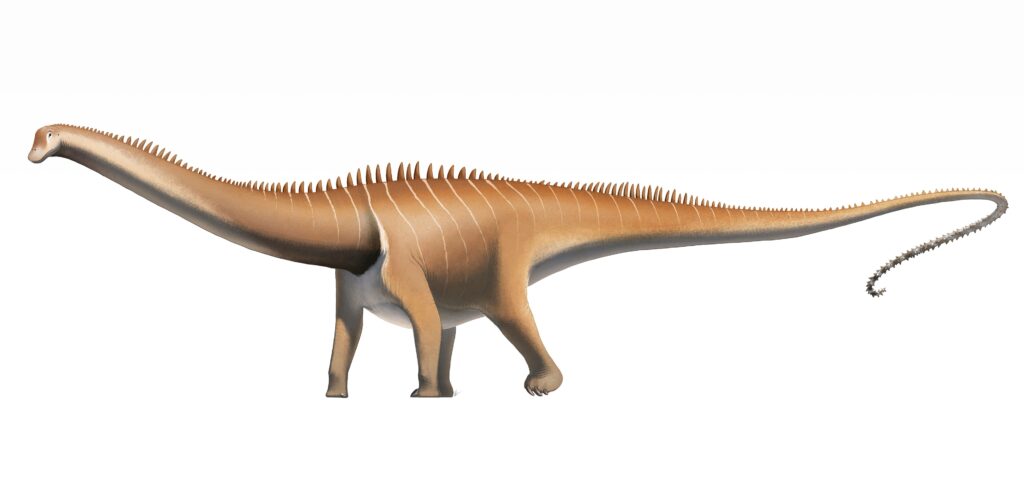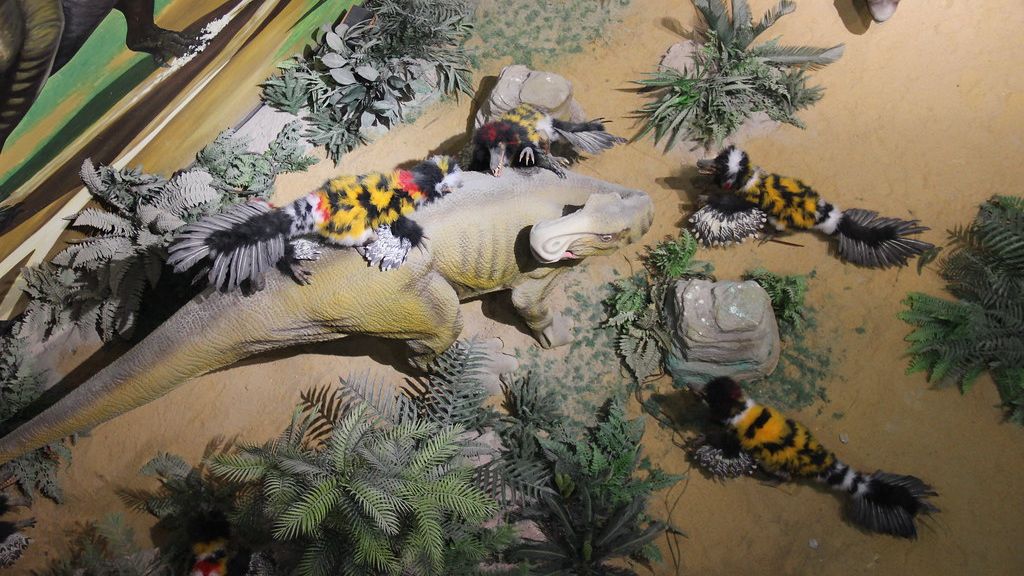
Picture a moonlit Cretaceous floodplain: mist over the water, insects humming, and somewhere in the dark, not one predator stalking its prey, but several, moving in sync like wolves in scales instead of fur. That image has fired the imagination of paleontologists and dinosaur fans for decades, turning one particular mystery into a kind of scientific cliffhanger: did some dinosaurs actually hunt in packs, or are we just projecting our love of nature documentaries onto the deep past? The truth, as usual, is messier, more fascinating, and still unfolding.
Among all the candidates, a few meat‑eating dinosaurs keep showing up as potential pack hunters, with fossil sites that look suspiciously like crime scenes involving multiple culprits. Yet every time a paper claims to have found the dinosaur version of a coordinated hunting squad, another team comes along and says, not so fast. That tug‑of‑war between bold interpretation and skeptical re‑analysis is exactly what makes this story so addictive: the evidence is just strong enough to tempt us, but just weak enough to keep the verdict permanently on the edge.
A Shocking Idea: Were Some Dinosaurs Really Social Predators?
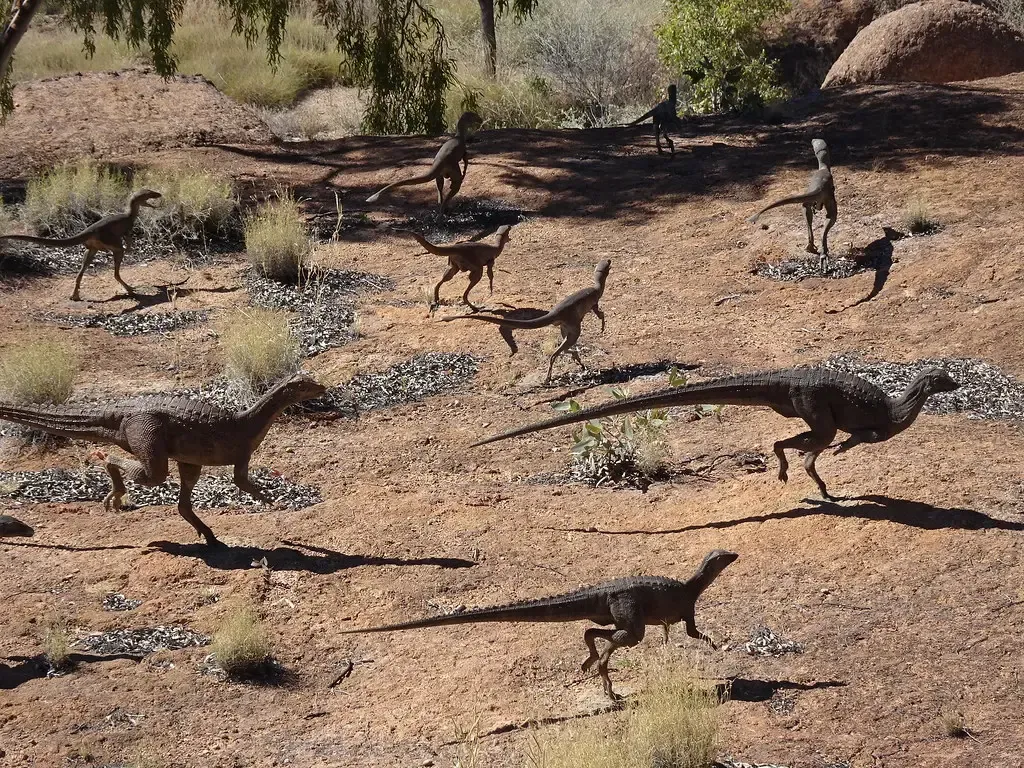
It still surprises a lot of people to hear that serious scientists even entertain the idea of pack‑hunting dinosaurs. For a long time, the popular image of a carnivorous dinosaur was a lone, cold‑blooded killer, more like a reptilian shark than a social wolf. Then, discoveries of bonebeds containing several individuals of the same predatory species started to challenge that picture. When you consistently find multiple hunters preserved together, it is hard not to wonder if they lived and died as a group, not as solitary roamers.
At the same time, paleontologists are painfully aware that nature is messy and fossils even more so. A river can wash scattered carcasses into the same bend, drought can trap thirsty animals at a shrinking waterhole, and volcanic ash can blanket a herd that just happened to be in the wrong place. So when someone suggests that a cluster of dinosaur skeletons indicates social behavior or even pack hunting, skeptics immediately ask whether more mundane explanations might fit better. That tension between a thrilling possibility and the sober demand for hard proof is what keeps this topic so fiercely debated.
The Bonebeds That Started the Pack‑Hunting Hype
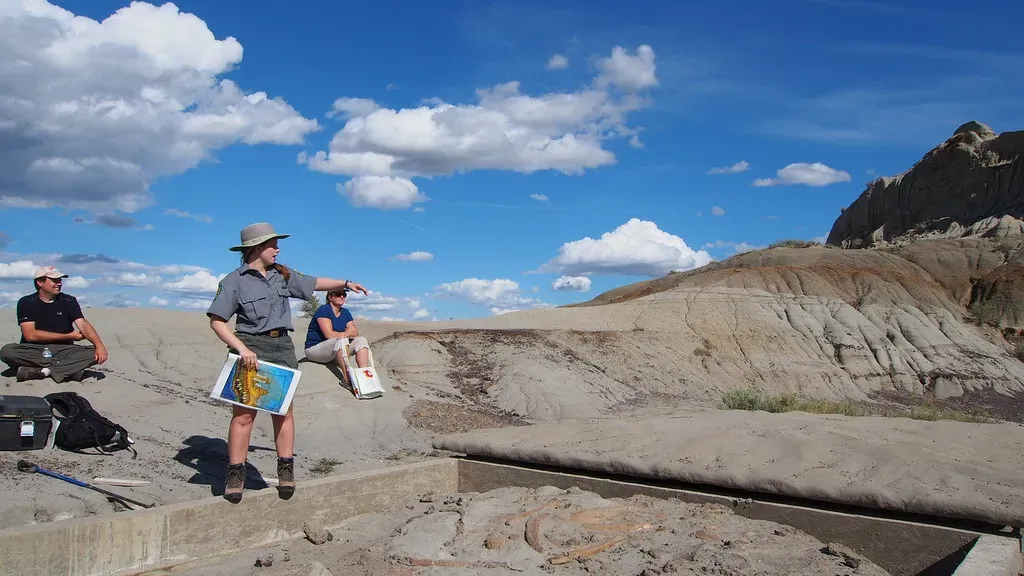
Much of the hype around potential dinosaur pack hunters comes from a handful of dramatic fossil bonebeds containing several individuals of the same predatory species. These sites can be eerie: multiple skeletons, often of different ages, jumbled together in what looks almost like a mass grave. It is easy to look at that and think of a coordinated group that lived together and perished together, perhaps during a hunt gone wrong or a sudden environmental catastrophe. For decades, some of these sites were cited in books and documentaries as straightforward proof of pack behavior.
But when researchers went back and took a more forensic approach, the story got much more complicated. Detailed sediment studies, mapping of bone positions, and careful analysis of which parts of skeletons were present and which were missing started to paint alternative scenarios. Instead of a social group wiped out in one moment, some bonebeds could be long‑term accumulations, with carcasses arriving at different times. Like a crime drama where the first suspect turns out to be a red herring, the earliest interpretations of pack hunting have often been revised into more cautious, nuanced explanations.
Clues Hidden in Teeth, Tracks, and Growth Rings
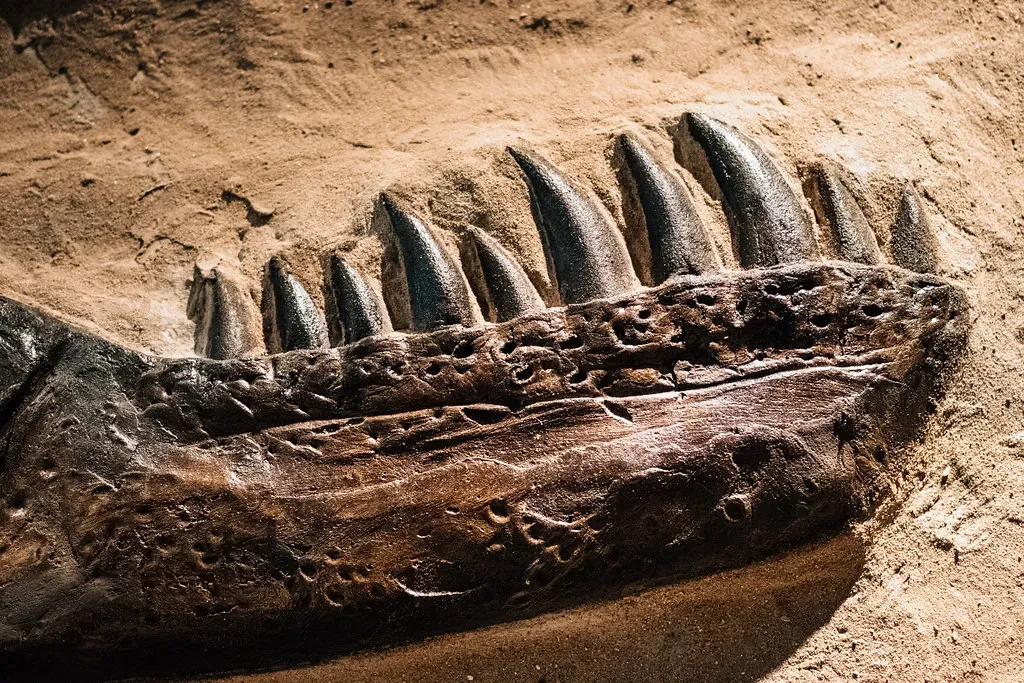
Because fossils do not come with behavior labels, scientists have to act like detectives, pulling clues from anything they can measure: teeth, limb bones, growth rings, and even fossilized footprints. In some sites, trackways show several individuals of similar species moving in parallel directions, almost like a convoy. In others, bite marks on bones reveal how predators fed, and whether they were piling onto the same carcass at the same time. These snippets do not scream pack hunting, but they do hint at social or at least loosely coordinated interactions, especially when fossils include a mix of younger and older animals together.
Another clue comes from the way dinosaur bones record growth, similar to tree rings. By examining cross‑sections of limb bones, paleontologists can estimate ages and growth rates. When a bonebed shows a blend of subadults, juveniles, and rare fully grown adults, some researchers see the outline of an age‑structured group, possibly with different roles during hunts, like swift young chasers and heavier backup muscle. Others argue that predators of different ages simply frequented the same hunting grounds or water sources, with no real cooperation required. The evidence whispers sociality, but it stops short of shouting cooperation.
Social Dinosaurs vs. True Pack Hunters: A Crucial Difference
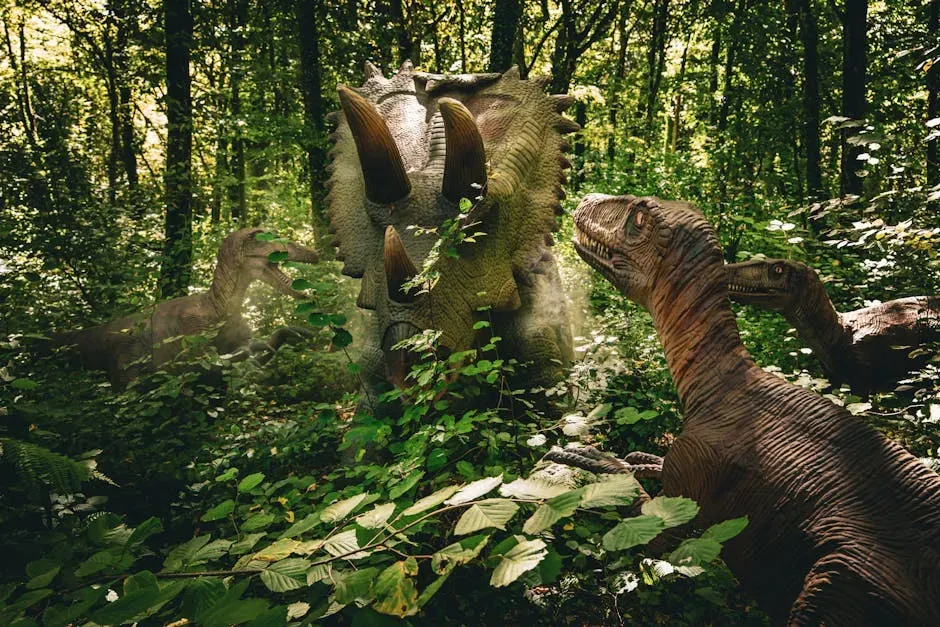
One of the biggest sources of confusion in this debate is that people often mix up being social with being a pack hunter, and those are not the same thing. Many predators alive today are social in some contexts but do not coordinate elaborate hunts. Crocodiles, for example, gather at good feeding spots and tolerate each other enough to feed in loose groups, yet no one seriously claims they strategize like wolves. If dinosaurs behaved more like that, they could still leave behind mass death sites and overlapping tracks, without ever having hunted as a sophisticated team.
True pack hunting involves individuals adjusting their behavior based on what others are doing, often taking different roles and cooperating over time, not just piling onto the same prey. From the fossil record, that level of nuance is brutally hard to prove. A bunch of predators dying together might mean they hunted together, but it might also mean they scavenged the same carcass or were trapped by the same flood. That is why many paleontologists now use much more careful language, talking about possible social behavior, group foraging, or gregarious tendencies rather than confidently declaring any species a full‑blown pack hunter.
The Lure of the Dinosaur Wolf Pack (and Why We Should Be Careful)
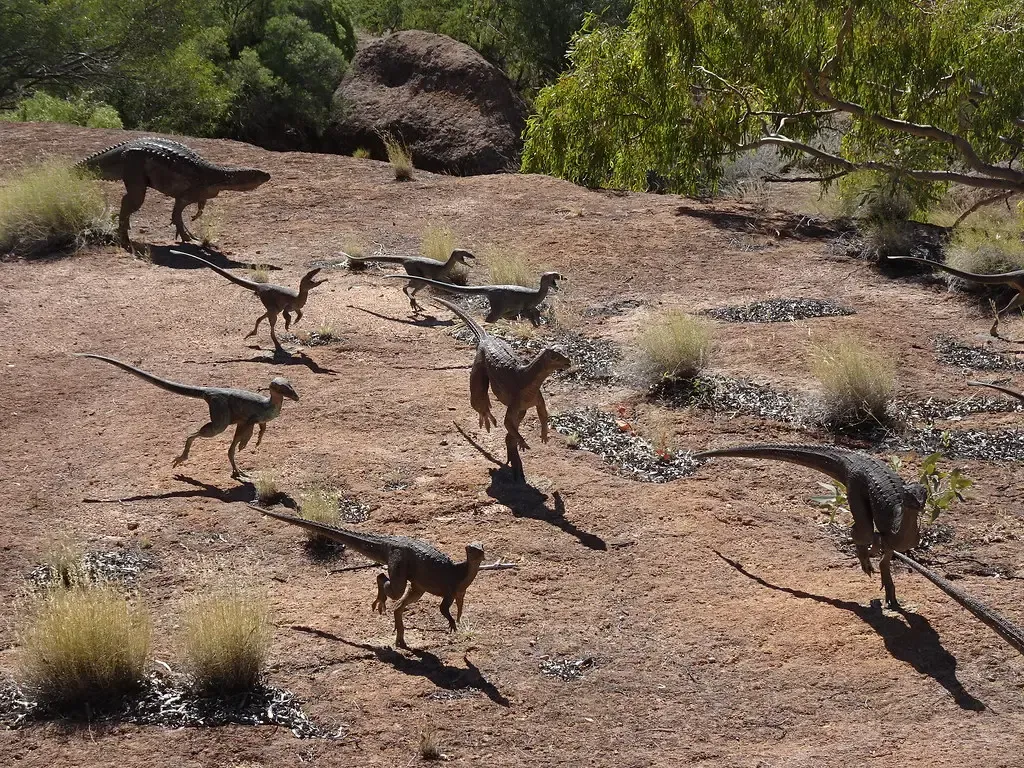
There is no denying that the idea of dinosaurs hunting in packs is gripping. It fits perfectly into the modern storytelling toolkit: we love wolf packs, lion prides, and coordinated apex predators taking down giant prey. Translating that dynamic straight onto dinosaurs makes movies and documentaries instantly more exciting. A group of sleek, intelligent predators working together against a massive herbivore is cinematic gold, which is why this image keeps popping up on screens and in popular books, often with more confidence than the actual data really supports.
That enthusiasm can subtly pressure scientists too, because bold claims get more attention than cautious ones. Saying that a dinosaur species may have shown some social behavior under certain conditions is not nearly as headline‑grabbing as saying it hunted in deadly packs. Personally, I think this is where we as fans need to be grown‑ups: it is okay to enjoy the speculation, but we should not confuse the coolest version of the story with the most accurate one. The real science is messier, slower, and full of maybes, yet that uncertainty is exactly what makes the subject worth following over years instead of just over a two‑hour movie.
Reading Behavior from Bones: What We Can (and Cannot) Say
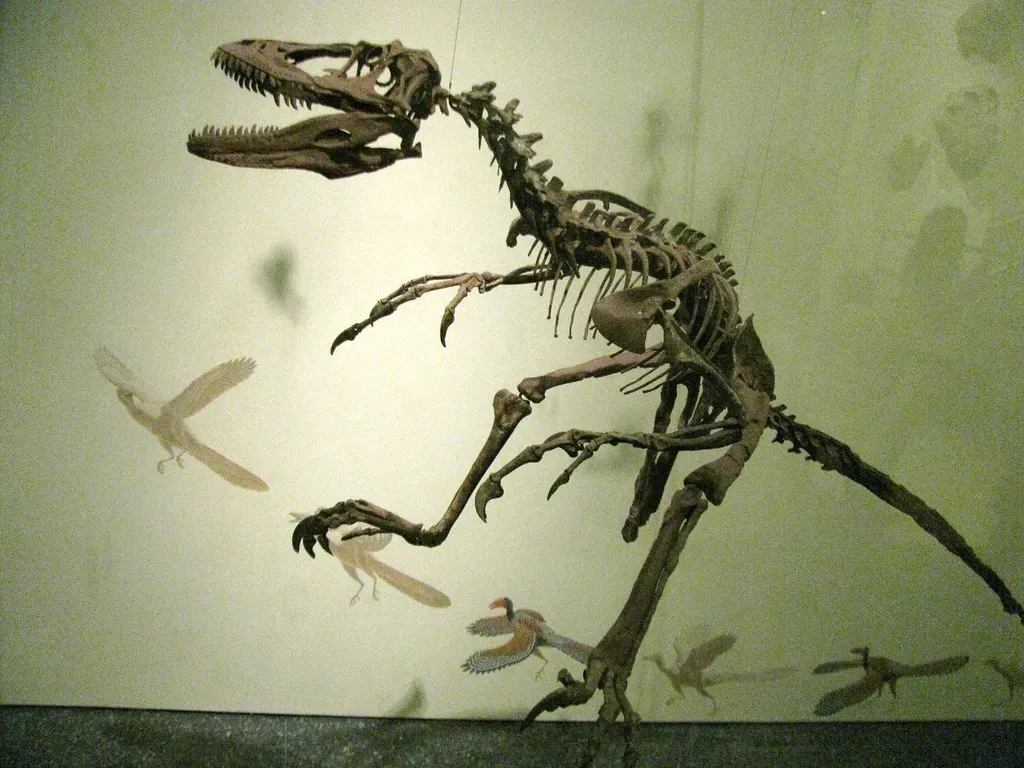
Trying to reconstruct behavior from bones is like trying to understand a whole novel from three torn pages. You can pick up hints of plot and tone, but you have to be brutally honest about how much is guesswork. Fossils tell us about anatomy, size, age, injuries, and sometimes even the last meal, but they do not record thoughts, strategies, or social bonds. So when scientists talk about possible pack hunting, they are stitching together traces from multiple individuals, environments, and time periods, building scenarios that are plausible but rarely slam‑dunk proven.
That does not make the work any less scientific; it just means the conclusions need to be framed with the right amount of humility. When you see headlines announcing dinosaurs definitively hunted in packs, that is almost always a simplification of a paper that used cautious phrases like consistent with or may indicate. From my point of view, the most responsible stance right now is this: some carnivorous dinosaurs likely showed a spectrum of social behaviors, from loose group feeding to maybe occasional coordinated attacks, but we are a long way from proving any of them truly hunted like modern wolves. That uncertainty is not a failure of science; it is an honest reflection of what deep time allows us to know.
Why the Mystery Still Matters Today
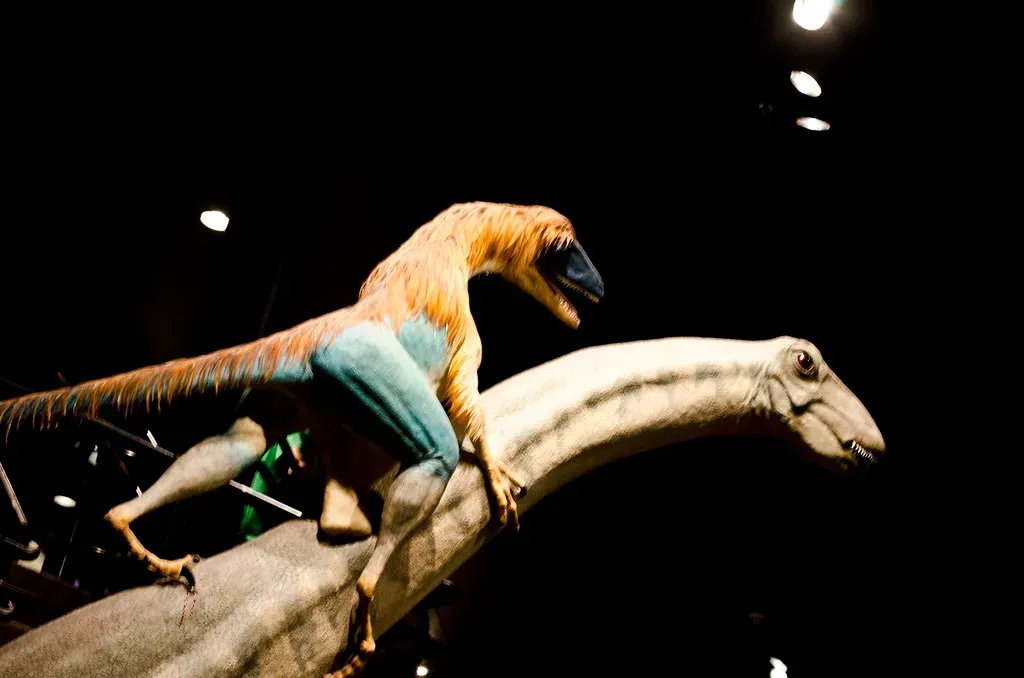
It is fair to ask why we care so much about whether a dinosaur hunted alone or in a group, when the animals themselves have been gone for tens of millions of years. Part of the reason is emotional: these creatures occupy a strange place in our imagination, half monsters and half ancestors in the story of life on Earth. Understanding their behavior chips away at the cartoon version and replaces it with something more real, more animal, and in a way, more relatable. Social behavior, especially, connects us to them, because cooperation and group living are such a deep part of our own story.
There is also a scientific payoff. Every time paleontologists wrestle with questions like pack hunting, they develop new methods to read more information from fossils: better imaging of bone microstructure, more precise mapping of bonebeds, more sophisticated modeling of how herds and groups might move. Those tools then spill over into other questions, from how dinosaur herds migrated to how climate shifts shaped ancient ecosystems. So even if the verdict on pack hunting ends up being a cautious not proven, the process of chasing that answer keeps sharpening our ability to read the fossil record like a slowly improving language.
Conclusion: My Take on the Dinosaur Pack‑Hunting Debate
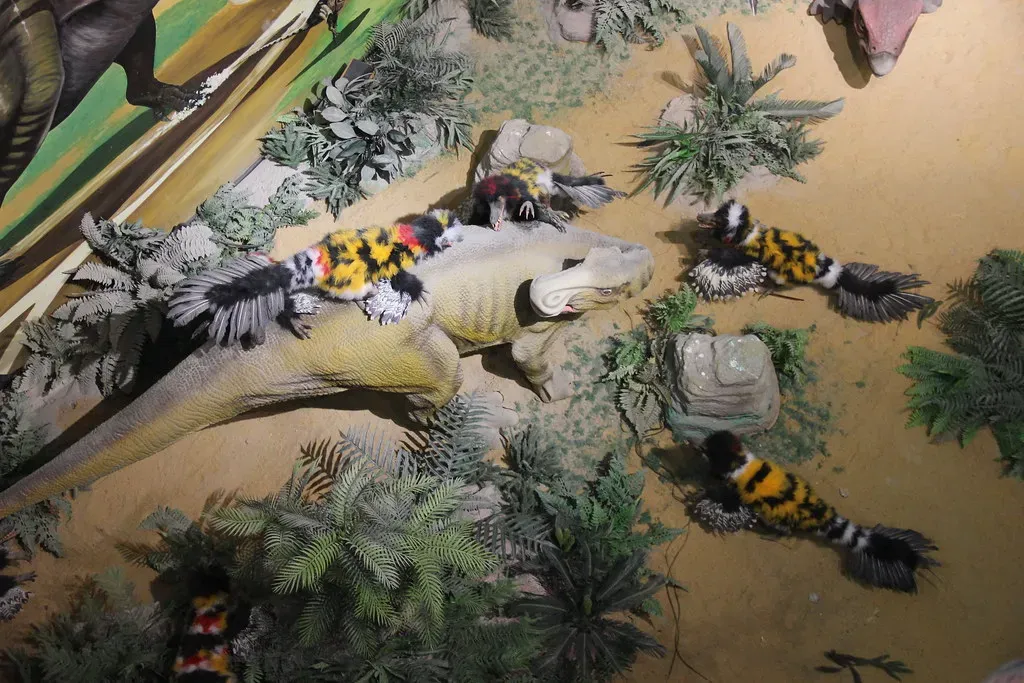
If I had to pin down my own opinion, I would say this: the romantic image of dinosaurs as perfectly choreographed pack hunters is probably exaggerated, but the opposite extreme, where every predator was a miserable loner, feels wrong too. The balance of evidence nudges me toward a middle ground, where some species were at least partially social, sometimes feeding or moving in groups, and in rare situations perhaps coordinating enough to resemble rudimentary pack behavior. That is less dramatic than the Hollywood version, but it is also richer, because it allows for a spectrum of strategies rather than a simple yes or no. Real animals, after all, are allowed to be flexible and inconsistent in ways movie monsters rarely are.
In a way, the enduring uncertainty is the best part of the story. It forces us to keep asking sharper questions, to revisit old fossils with new tools, and to separate what we want to be true from what we can actually support with evidence. Maybe one day a spectacular new site or a game‑changing technique will tip the scales and give us a clearer answer about that mysterious . Until then, the case stays open, and we get to live with the most scientific of all conclusions: it is complicated. If you had to choose right now, would you vote for the lone stalker or the scaly wolf pack?