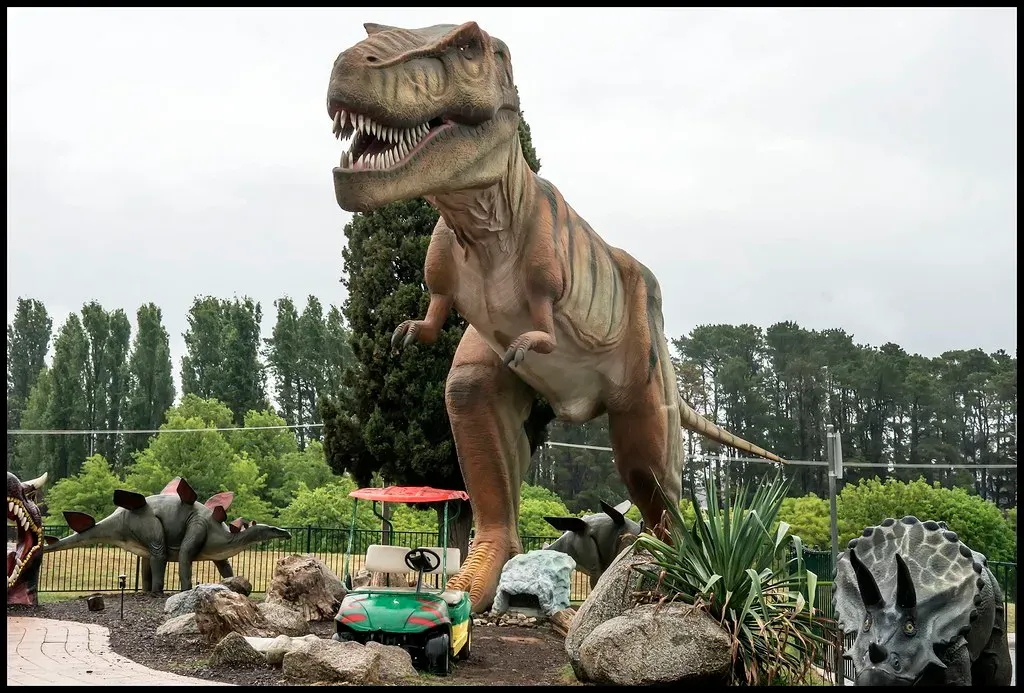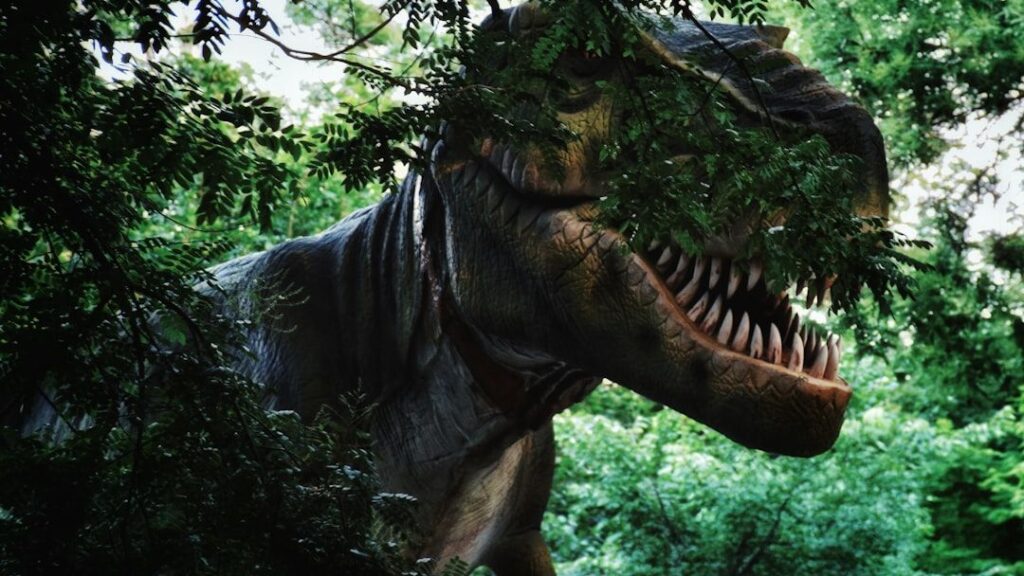
You already know the Tyrannosaurus rex. You’ve seen the movies, bought the toys, maybe even wore the inflatable costume at a Halloween party. It’s the undisputed celebrity of the prehistoric world, and honestly, it earned that spotlight. It was one of the largest predators of all time, measuring approximately 12.5 meters in length and weighing in at around 8,000 kilograms, with an estimated bite force that stands as the strongest of any land animal ever.
Still, here’s the thing – the T-Rex was only the most terrifying creature on its particular block, during its particular era. The history of life on Earth stretches across billions of years, and nature had plenty of time to cook up horrors that would make even the Tyrant Lizard King look like a slightly oversized chicken. Some of these beasts were bigger. Some were smarter hunters. Some were both. Let’s dive in.
Spinosaurus: The River Leviathan That Topped Them All
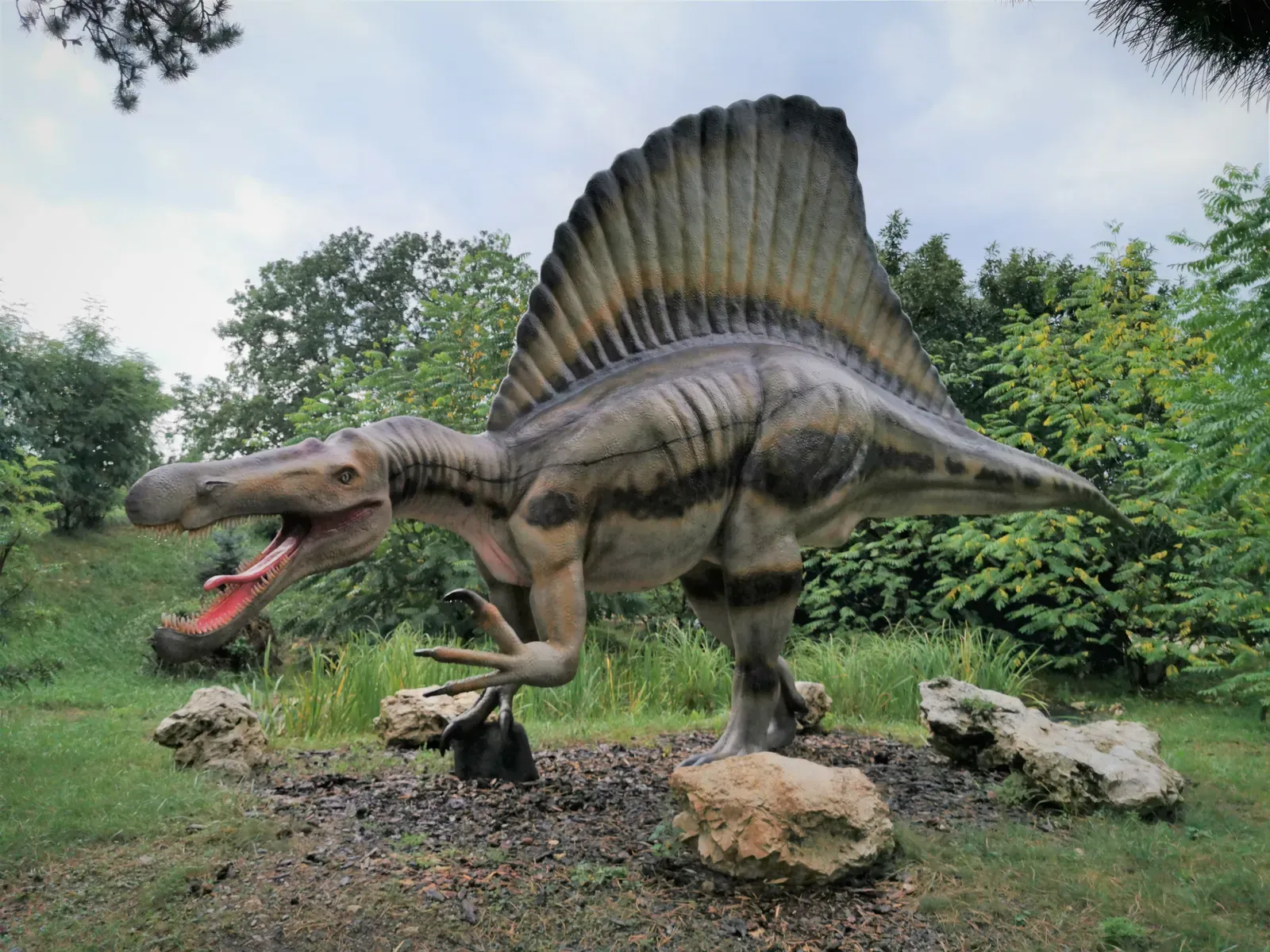
Most people assume the T-Rex was the largest carnivorous dinosaur that ever walked the Earth. It wasn’t. Not even close. Spinosaurus is currently the largest of all known carnivorous dinosaurs, even larger than T-Rex and Giganotosaurus. That alone should give you pause.
Recent finds and studies suggest that Spinosaurus may have reached between 41 and 59 feet in length and weighed in excess of 20 tons, with elongated neural spines running along its back creating a sail-like structure that made it look even larger and more terrifying. Think of it like a crocodile and a T-Rex somehow merged into one nightmarish package, then added a decorative sail on top, just for style.
Unlike the T-Rex, Spinosaurus was semi-aquatic, suggesting it had a varied diet that included aquatic prey and possibly other dinosaurs, with an elongated skull and crocodile-like teeth indicating it was well-adapted to a hunting style very different from the T-Rex. In other words, there was no safe place to hide. You couldn’t escape to the water. You couldn’t escape to land. You were simply out of luck.
Its elongated snout and conical teeth were adapted for catching fish, making it a specialized predator of riverine ecosystems, while its sail might have been used for display or thermoregulation. Honestly, a predator this versatile operating across multiple environments is more unsettling than any single-biome killer could ever be.
Megalodon: The Ocean’s Ultimate Nightmare Machine
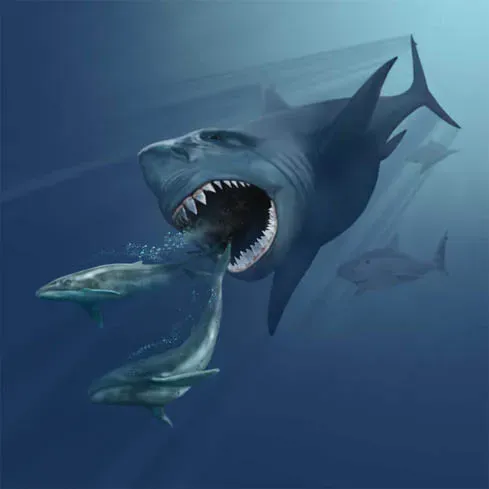
You want terrifying? Imagine swimming in a warm prehistoric sea, completely unaware that something roughly the size of a railway car is watching you from below. The earliest Megalodon fossils date to 23 million years ago, and for nearly 20 million years the enormous shark dominated the oceans until becoming extinct just 3.6 million years ago. Twenty million years of unchallenged dominance. That’s not an apex predator, that’s a permanent institution.
A 2025 study written by 29 fossil shark experts found that Megalodon may have grown up to 24.3 meters long, and a shark this size may have weighed up to 94 tonnes and cruised through the oceans at up to 3.5 kilometres per hour. For context, the T-Rex you know and fear weighed roughly nine tons. Megalodon could weigh more than ten times that.
What really separates Megalodon from the competition is the bite. Scientists estimate Megalodon had a bite force of 108,514 to 182,201 Newtons, which is three times stronger than T-Rex, and a whopping ten times that of a great white shark. That isn’t just powerful. That is an entirely different category of devastating.
As the largest predator of the time, it ate a diverse array of prey including toothed and baleen whales, seals, sea cows, and sea turtles, and as an opportunist, it also likely ate fish and other sharks, with many whale fossils showing distinct gashes from Megalodon teeth. I think what makes Megalodon so deeply unsettling is that it didn’t specialize. Everything was on the menu. Everything.
Giganotosaurus: The Southern Giant That Dwarfed T-Rex
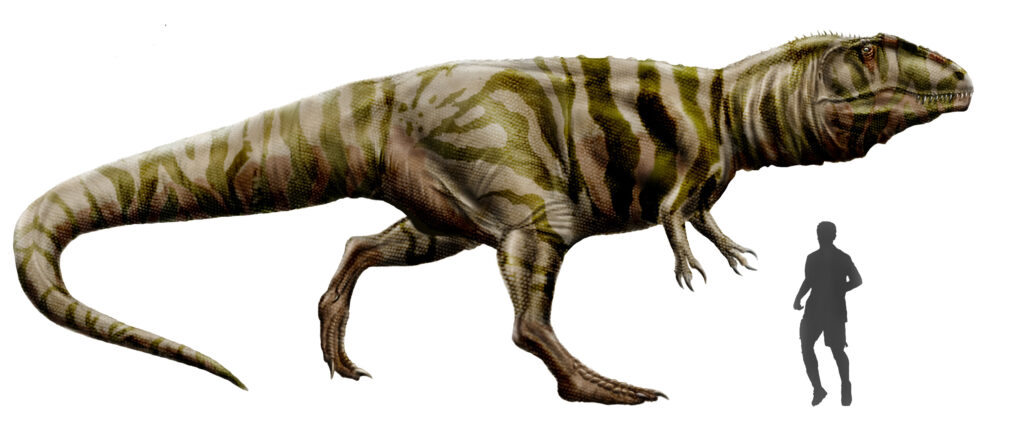
Picture the T-Rex. Now stretch it a little longer, send it to South America, and have it develop a taste for the absolute largest prey items available. You now have something approaching Giganotosaurus. Inhabiting present-day South America during the Late Cretaceous period, the Giganotosaurus may have grown up to 43 feet long, making it one of the largest theropods, and its robust build and large skull posed a significant threat to other giant herbivores of its time.
It is thought to have hunted the giant South American titanosaurs, such as Argentinosaurus, by slicing through their flesh with its razor-sharp teeth and waiting for blood loss and infection to finish off the mammoth creature. Let that strategy sink in. It didn’t need to land a killing blow. It had the patience to wound, wait, and return. That’s actually smarter and more calculated than most people give dinosaurs credit for.
Here’s the thing about Giganotosaurus that never quite gets the spotlight it deserves – its skull, while enormous, was actually more lightly built than the T-Rex’s. This made it faster and more agile, a terrifying combination when your preferred prey is the size of a small building. Honestly, discovering something this large once lived in South America makes every hike in Patagonia feel slightly more existentially threatening.
Carcharodontosaurus: The Shark-Toothed Land Predator of Africa
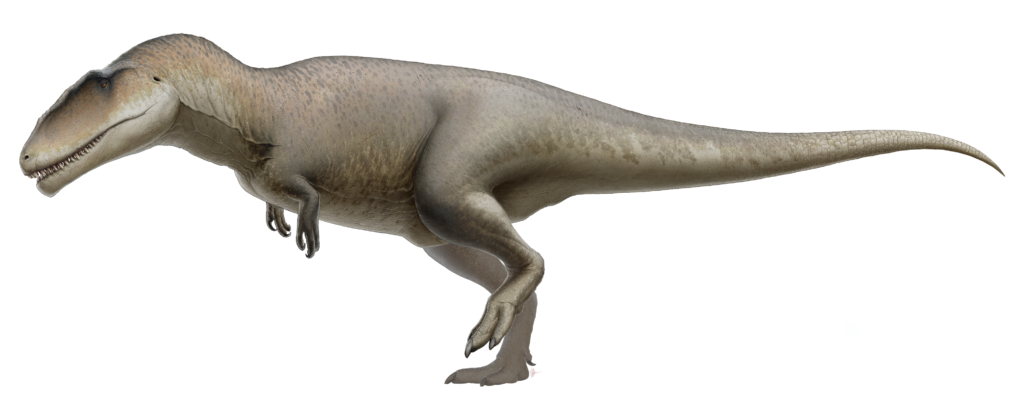
The name alone should raise some flags. The name Carcharodontosaurus literally references the great white shark, and its teeth earned that comparison – this North African predator may have reached 40 to 43 feet in length and rivaled the largest theropods in mass, with a skull filled with long, razor-edged teeth designed for slicing flesh rather than smashing bone. Slicing versus crushing – two very different horror stories.
Carcharodontosaurus lived in an ecosystem already packed with megapredators, including Spinosaurus and other large theropods. Think about that for a second. This was a creature so large and effective that it thrived in an environment already crowded with some of the most formidable killing machines in Earth’s history. It’s a bit like being the toughest bouncer in a room full of bouncers.
Teeth that functioned like serrated steak knives were capable of opening catastrophic wounds in a single bite, and this predator likely targeted enormous sauropods, meaning its default prey size was absolutely enormous. What makes this creature stand apart from T-Rex is the philosophy of killing. The T-Rex crushed. Carcharodontosaurus bled its prey dry with surgical, devastating efficiency. Both methods work. One is arguably more terrifying to think about.
Livyatan melvillei: The Whale That Hunted Other Whales
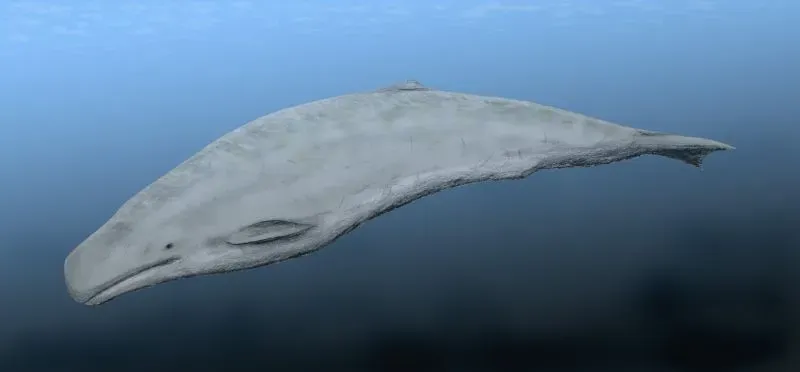
If you thought the ocean horrors ended with Megalodon, allow me to introduce you to something that may have actually competed with Megalodon for the top of the food chain. Livyatan is an extinct genus of macroraptorial sperm whale containing one known species, L. melvillei, with a genus name inspired by the biblical sea monster Leviathan. The scientists who named it knew exactly what they were doing.
The teeth of Livyatan are large, measuring 14 inches long and 4 to 5 inches in width, nearly the size of a 2-liter bottle of soda, and more than double the size of the largest known Tyrannosaurus rex teeth. More than double. Just let that comparison live in your brain for a moment. The creature most famous for its terrifying teeth gets absolutely humbled by this ancient whale.
Livyatan melvillei is currently estimated to be between 47 and 57 feet long, with a skull 10 feet long, and unlike the modern sperm whale, it had large fully functional teeth in both its upper and lower jaws. Modern sperm whales are already formidable. Now imagine one with a full set of enormous weapons on both jaws, actively hunting prey that most creatures wouldn’t dare approach.
Given their predatory adaptations and inherent intelligence as mammals, it is possible that Livyatan used hunting strategies similar to that of killer whales, such as tiring their prey out via direct pursuit and then drowning them once exhausted, though its size suggests it was possibly a solitary animal. A solitary hunter of comparable intelligence to today’s orcas, armed with the largest functional teeth in carnivore history. It’s hard to say for sure whether anything in prehistoric oceans would have been safe from this animal – but the evidence suggests the answer is a fairly definitive no.
Conclusion: The T-Rex Was Just One Chapter in a Much Longer Horror Story
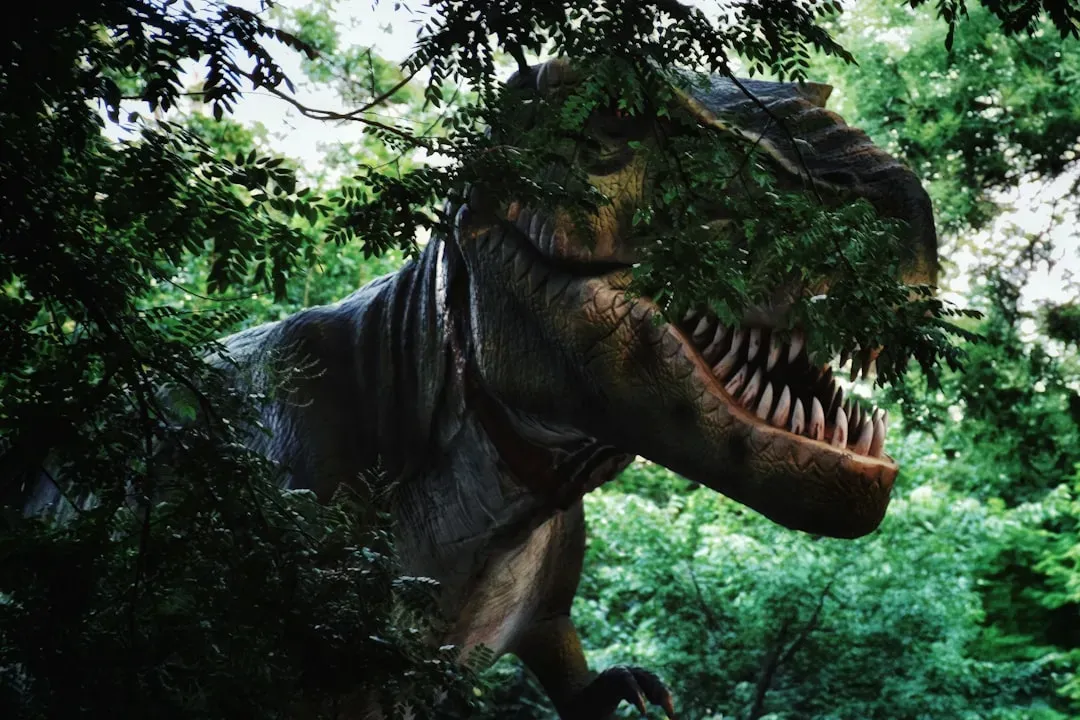
Here’s a thought that honestly never gets old: the T-Rex was the dominant predator of its specific time and place, and it deserves every bit of its fame. The Hell Creek Formation contains only one large-bodied predator, T-Rex, which alone epitomizes its deadliness and status as the most dominant predator of the Late Cretaceous. That’s genuinely impressive.
Yet the prehistoric world was vast, stretching across hundreds of millions of years and every conceivable environment. Spinosaurus owned rivers. Megalodon claimed the oceans for twenty million years. Giganotosaurus and Carcharodontosaurus pushed the boundaries of what a land predator could even be. Livyatan melvillei hunted the deep seas with intelligence and teeth that still boggle the scientific mind. Each of these creatures was the undisputed apex of its world, and none of them ever met the T-Rex. They didn’t need to.
The real takeaway here isn’t that T-Rex was overrated. It’s that our planet has been home to a breathtaking, deeply unsettling parade of predators across deep time. We focus on one because it makes the best movie. The full roster, though, is far stranger and far more remarkable than any single Hollywood star. Which one of these five would you least want to run into? Tell us in the comments.