There are moments in science where a single find does not just add a piece to the puzzle – it shatters the entire frame. The story of human evolution is full of those moments. Bones pulled from the earth, genes decoded from a fingertip, footprints frozen in volcanic ash. Each one nudging our understanding just a little further away from the comfortable, straight-line story we once told ourselves about where we came from.
Honestly, the further science digs, the messier and more magnificent the picture becomes. You might think you know the basics of human evolution, but what researchers have uncovered over the past few decades is wilder, stranger, and far more surprising than any textbook would suggest. So let’s dive in.
Discovery 1: Lucy – The Fossil That Flipped the Script on What Makes Us Human
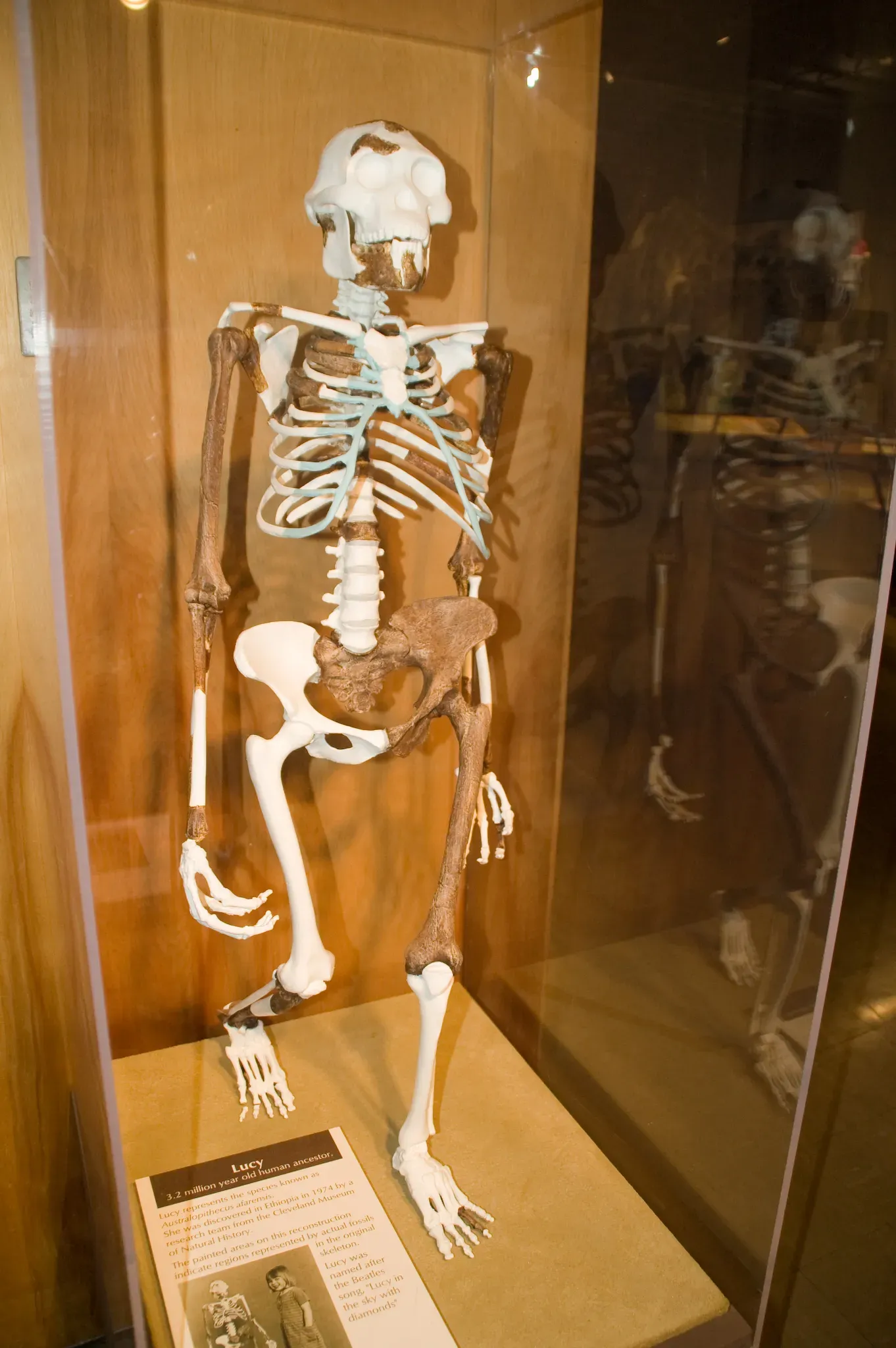
Picture this: it’s November 1974, in the dusty Afar region of Ethiopia, and paleoanthropologist Donald Johanson stumbles upon fragments of bone that will change science forever. Johanson and his team found about 40 percent of a skeleton and later determined her fossils to be approximately 3.2 million years old. She was nicknamed “Lucy,” and she was about to upend everything.
Before Lucy, scientists widely assumed that big brains came first in human evolution, that intelligence paved the road to walking upright. But you would be completely wrong to think that, and Lucy proved it. The skeleton presents a small skull akin to that of non-hominin apes, plus evidence of a walking gait that was bipedal and upright, akin to that of humans – this combination supports the view that bipedalism preceded increase in brain size. That is a staggering reversal of what most people believed at the time.
Lucy’s fossils confirmed that hominins became bipedal before the development of large brains. As researchers put it, the transition to bipedalism happened early in our evolution, and hominins were fully bipedal over 3 million years ago. Think of it like this: walking on two legs was not a consequence of becoming smarter – it was more like the opening act. The ability to walk upright may have offered survival benefits, such as the ability to spot dangerous predators earlier, and crucially, it left the hands free for other tasks, such as carrying food and using tools.
Discovery 2: The Denisovans – A Whole Human Species Hidden in a Tiny Bone
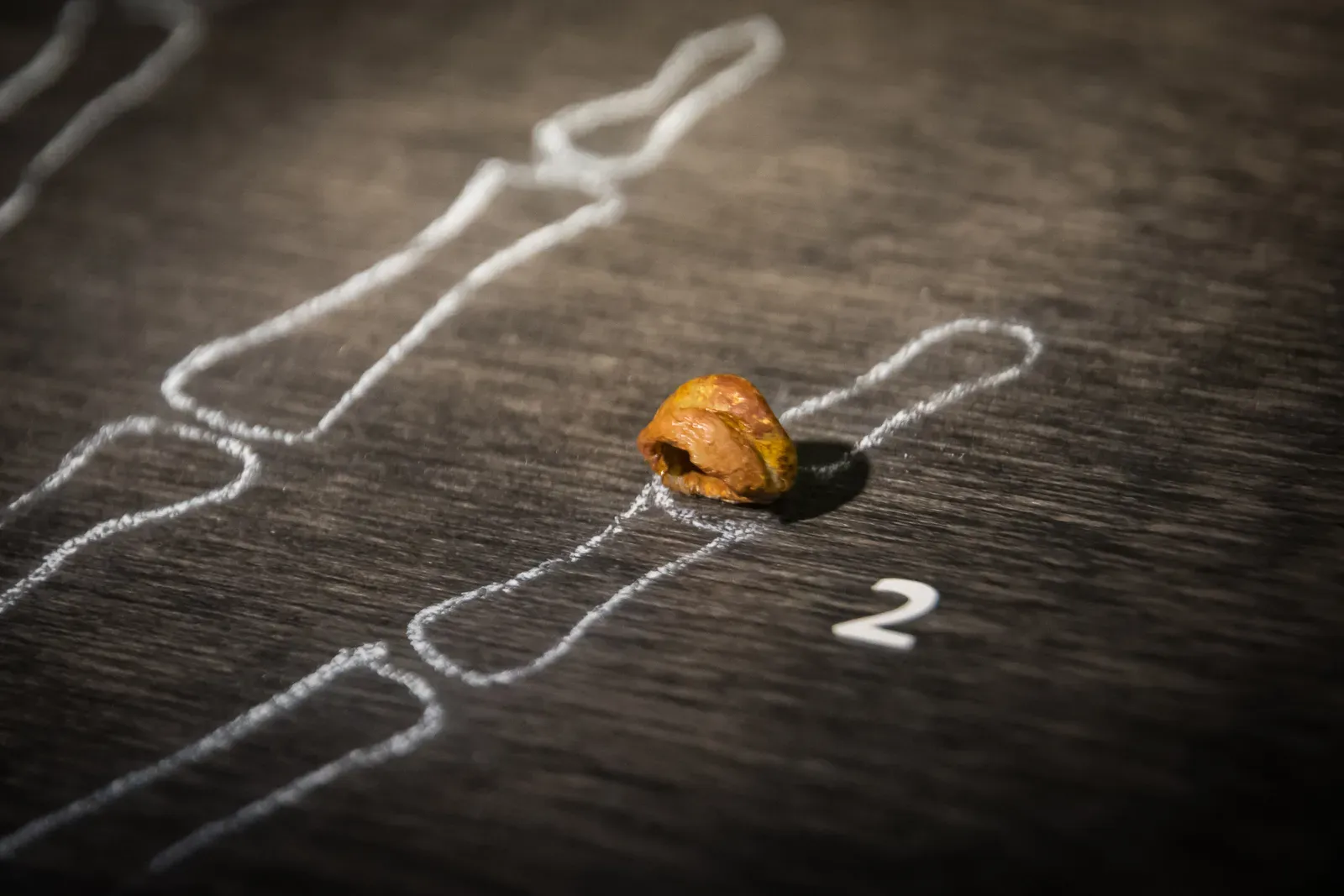
Here is the thing about the Denisovans – their entire existence was revealed through a single pinkie finger bone. It started with a finger bone found in a cave in the Altai mountains in Siberia in the late 2000s. Thanks to advances in DNA analysis, this was all that was required for scientists to identify an entirely new group of hominins, meaning upright primates on the same evolutionary branch as humans. That is the scientific equivalent of identifying someone’s entire personality from a toenail clipping.
Analysis of DNA extracted from the fossil electrified the scientific community in 2010, when it revealed a previously unknown human population that had, in the distant past, encountered and interbred with our own species. This enigmatic group became known as the Denisovans after Denisova Cave in Siberia’s Altai Mountains, where the pinkie finger was found. What made this even more mind-bending is that their DNA did not disappear. Denisovans interbred with modern humans, with a high percentage of Denisovan DNA occurring in Melanesians, Aboriginal Australians, and Filipino Negritos. Parts of the Denisovan genome are still alive today, walking around in living people.
The implications go even further than ancestry. Studies reveal that Denisovan DNA in modern humans can be advantageous. In 2014, researchers discovered that ethnic Sherpas likely inherited from Denisovans a gene variant that helps them breathe easily at high altitudes. So when you see a Sherpa scaling Everest without gasping for air, you are – in a very real sense – watching ancient Denisovan genetics in action. The Denisovans, a sister population to the Neanderthals, fundamentally changed our understanding of hominin diversity in Eurasia during the Late Pleistocene.
Discovery 3: Homo naledi – The Small-Brained Hominin That Broke Every Rule
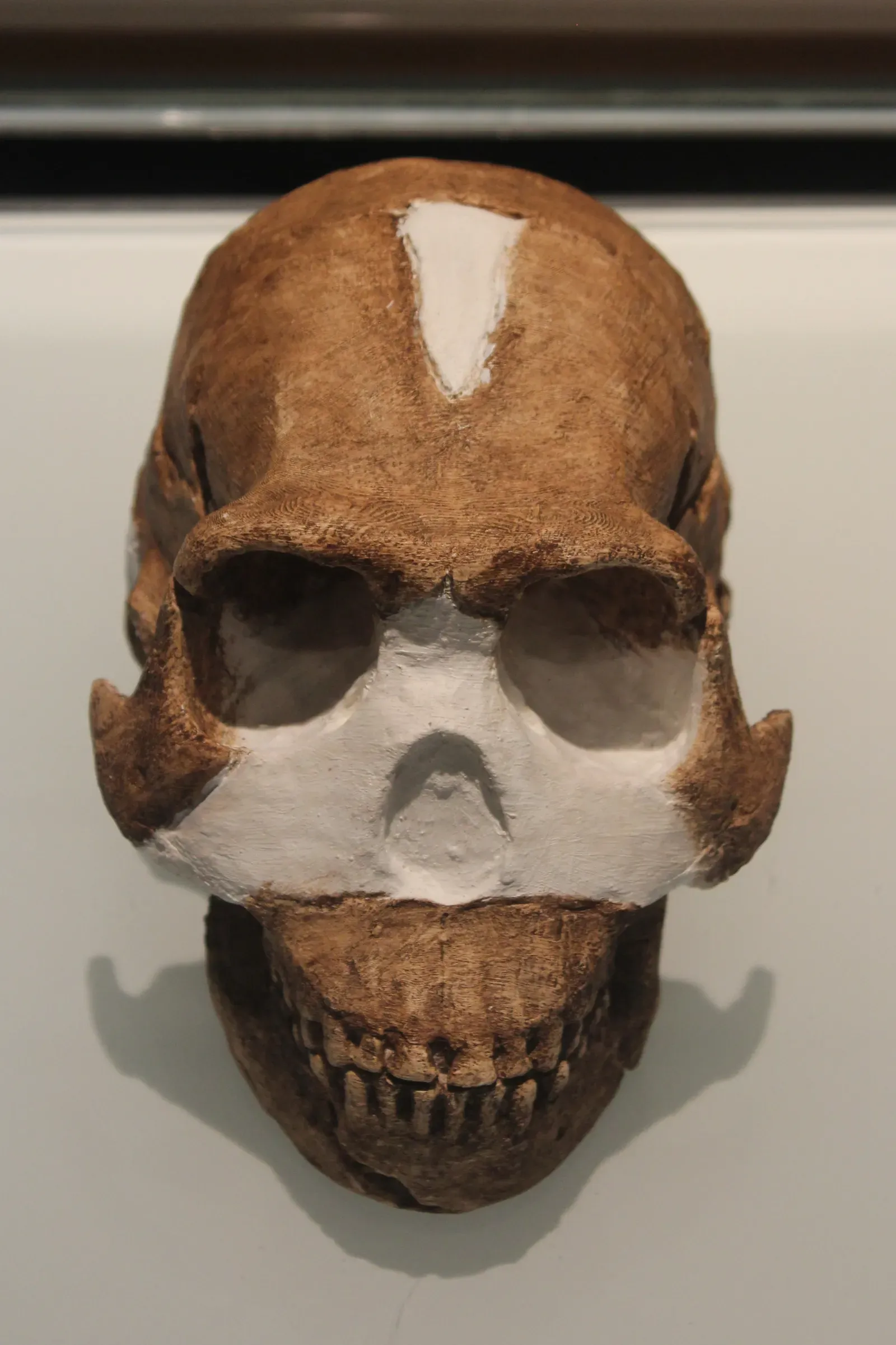
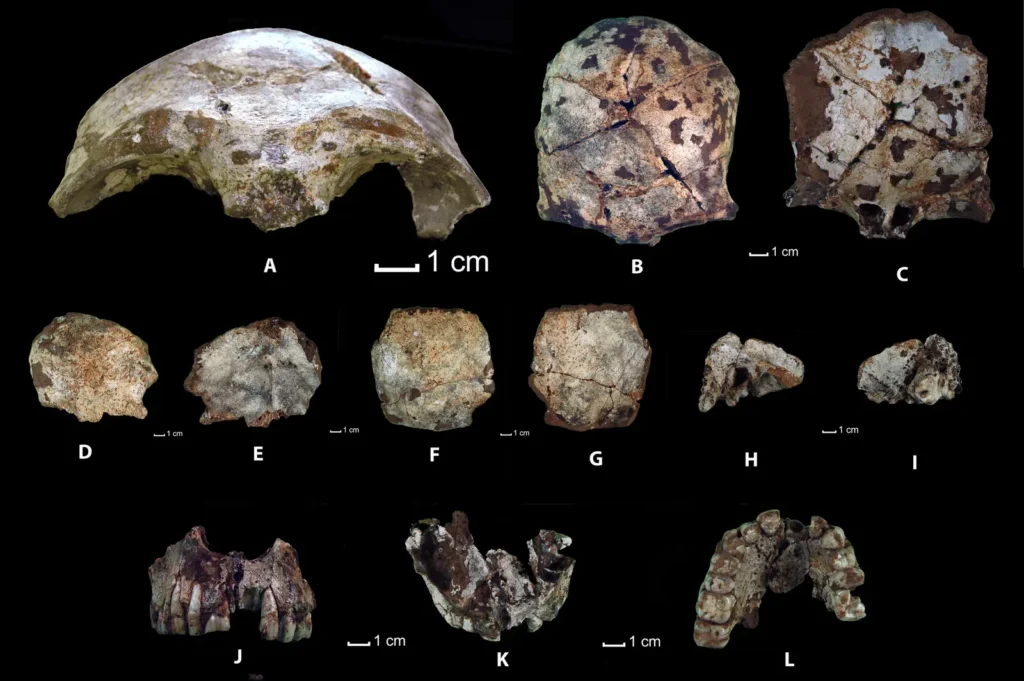
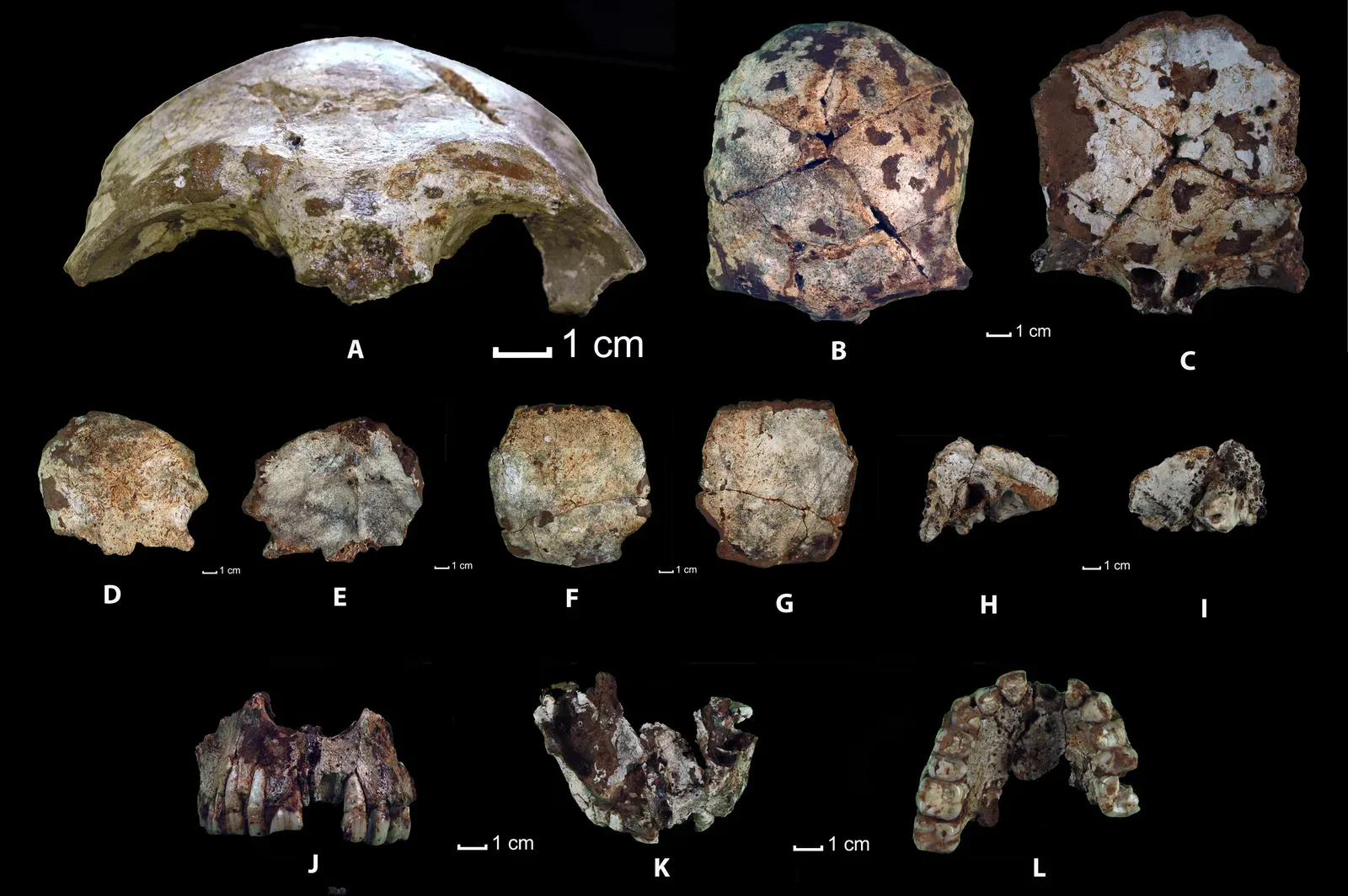
In 2013, cavers exploring a remote, almost inaccessible chamber deep within the Rising Star cave system of South Africa made an extraordinary discovery. Littering the floor were some 1,500 fossil bones from what appeared to be a species of human. When excavated and studied, the results were even more spectacular than first thought: they belonged to roughly 15 individuals of an entirely new species of around 300,000-year-old human, which was named Homo naledi.
What makes Homo naledi so shocking is not just the number of fossils, but what those fossils looked like. The skeletons revealed that the new human species had a curious mix of features. They had feet, hands and wrists that appeared more similar to modern humans and Neanderthals, but an upper body and brain size more like that of the archaic pre-human australopithecine species. This combination of human and pre-human features sparked a debate about where they should fit on the evolutionary tree. Let’s be real – science was not prepared for that.
The persistence of small-brained humans for so long in the midst of bigger-brained contemporaries revises the previous conception that a larger brain would necessarily lead to an evolutionary advantage, and their mosaic anatomy greatly expands the range of variation for the genus. On top of that, the young age means Homo naledi was living on the African continent with a number of other bigger-brained humans, including our own species Homo sapiens. They coexisted with us. That detail alone should make you stop and think.
Discovery 4: The Neanderthal Genome – Discovering the Ancient Relatives Still Inside You
For much of the 20th century, Neanderthals were portrayed as brutish, dim-witted dead ends on the evolutionary road – beings that simply could not compete with modern humans and faded into extinction. That image has been completely dismantled. In 2010, Svante Pääbo’s team deciphered the Neanderthal genome, unlocking a whole new realm of anthropological insight. It was one of the most important genetic achievements of the century.
What Pääbo’s work revealed was that modern humans and Neanderthals were not strangers passing in the night. They actually intermingled. Homo sapiens interbred with archaic humans both in Africa and in Eurasia, in Eurasia notably with Neanderthals and Denisovans. The boundaries between species that we once thought were rigid turned out to be surprisingly, fascinatingly porous. We now know of more than 20 hominin species that are part of our family tree, and at least half of these species are based on fossils unearthed in the last 30 years.
Pääbo has also been at the forefront of identifying the Denisovans and understanding the genetic relationships among Denisovans, Neanderthals, and our own species, as well as identifying the first early human Neanderthal-Denisovan hybrid. That hybrid, nicknamed “Denny,” had a Denisovan father and a Neanderthal mother. I know it sounds like something out of science fiction, but it happened – and it is encoded in the actual fossil record. While important strides have been made in genetics and human evolution in recent years, Pääbo was awarded the 2022 Nobel Prize in Physiology or Medicine for his pioneering contributions.
Discovery 5: The Olorgesailie Basin – When Early Humans Became Surprisingly Modern
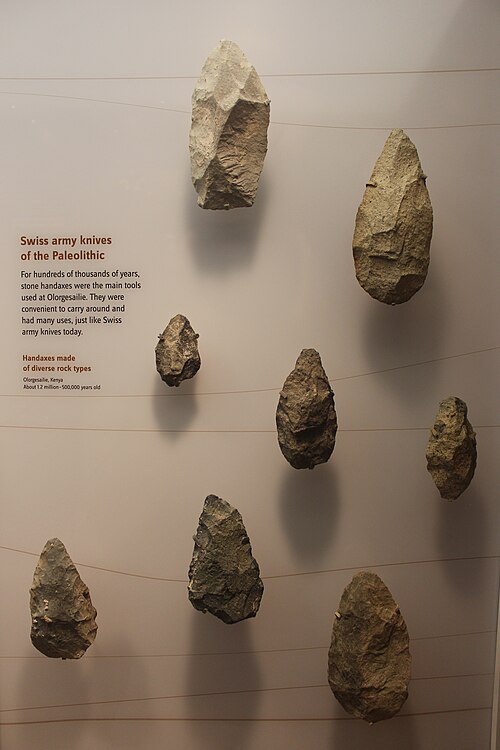
One of the most quietly stunning breakthroughs in understanding early human behavior came not from a single bone, but from a place – a layered stretch of ancient lakebed in southern Kenya called the Olorgesailie Basin. Evidence for milestones in humans’ evolutionary past comes from the Olorgesailie Basin in southern Kenya, which holds an archaeological record of early human life spanning more than a million years. Think of it as a million-year diary written in stone tools and pigments.
The early roots of stone tool innovation, exchange between distant hominin groups, and the use of coloring material are reported in three papers in the journal Science. These milestones in the technological, ecological, and social evolution of the human species date back to 320,000 years ago, roughly coinciding with the oldest ages for fossils attributed to Homo sapiens. That is staggering when you really think about it. Social exchange networks and symbolic behavior are not traits we invented recently – they go back to the very dawn of our species.
As earthquakes remodeled the landscape and climate fluctuated between wet and dry conditions, technological innovation, social exchange networks and early symbolic communication would have helped early humans survive and obtain the resources they needed despite unpredictable conditions. The Olorgesailie discoveries suggest that being human – in the truest sense – was not a sudden invention but a gradual response to pressure. The finding that such sophisticated behavior had evolved by around 320,000 years ago suggests that emerging cognitive, social, and technological complexity helped to distinguish the earliest Homo sapiens from other hominin species. Survival, it turns out, is what made us who we are.
Conclusion: The Story Keeps Getting Bigger
If there is one lesson that runs through all five of these discoveries, it is this: the story of human evolution is far messier, richer, and more awe-inspiring than any simplified version could ever capture. In the field of human prehistory, one must grow accustomed to information that is in a constant state of flux, as it changes in pace with new discoveries made on nearly a daily basis. The pieces composing the puzzle of the human story are fragmentary, so information is constantly changing as we fill in the gaps.
From Lucy proving that legs came before big brains, to a Siberian finger bone revealing an entire lost human species, to Homo naledi sitting in the dark of a South African cave long after it should have gone extinct – every discovery redraws the map. Advances in the dating of fossils and artifacts help determine the age of those remains, contributing to the big picture of when different milestones in becoming human evolved. Exciting scientific discoveries continually add to the broader and deeper public knowledge of human evolution.
We are still early in this process of discovery. The most astonishing chapters of our origin story may not yet be written. Which of these five discoveries surprised you the most? Share your thoughts – the conversation about where we come from is one worth having.