Think you know everything about dinosaurs? Think again. The past year has turned some of our most cherished ideas about these ancient giants completely upside down. From blood vessels that shouldn’t exist to entire species hiding in plain sight for decades, paleontology right now feels more like detective work than dusty textbooks.
Every week in 2025 brought a new discovery. The year saw the discovery of 44 new dinosaur species, nearly one a week. That’s remarkable enough, but the truly mind-blowing stuff comes from what scientists are doing with fossils we already had. Let’s dive in.
Nanotyrannus Confirmed: The T. Rex Rival We Almost Forgot
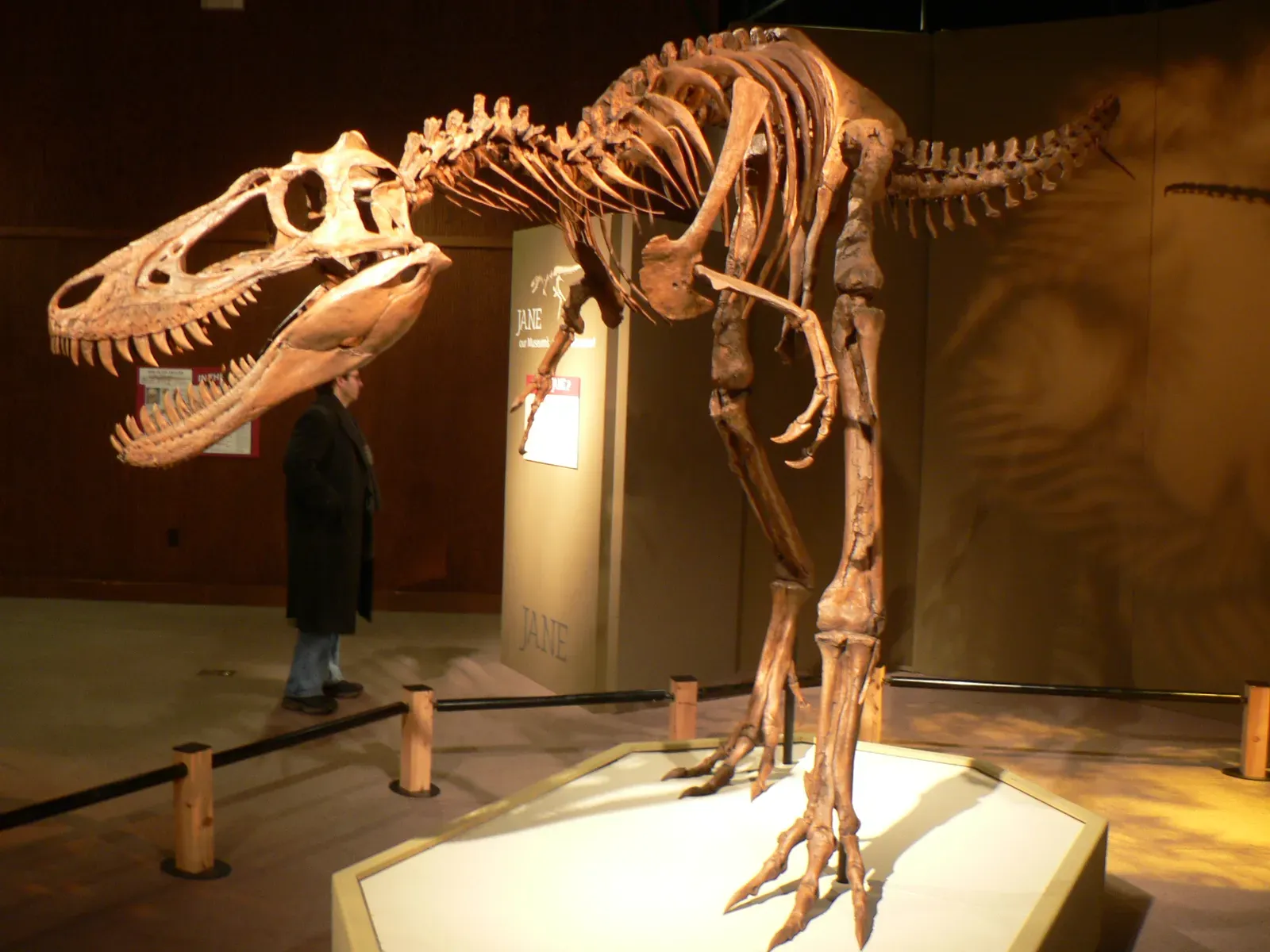
Here’s the thing about paleontology debates – they can simmer for decades before someone finally settles them. Nanotyrannus, described as a speedy and agile creature, has been confirmed as a tyrannosaur species coexisting with T. rex, ending one of the field’s longest arguments. For years, researchers insisted that medium-sized tyrannosaur skeletons were just teenage T. rex specimens.
A description of a new Nanotyrannus fossil specimen preserved as part of the Duelling Dinosaurs fossil showed that this Nanotyrannus was nearly an adult and different from T. rex in ways that cannot be explained by growth, including a longer hand. The implications hit hard. Scientists had been using Nanotyrannus bones to model how T. rex grew up, meaning decades of research was comparing two entirely different animals. It’s like studying a cheetah and calling it a young lion – close, but fundamentally wrong.
Preserved Blood Vessels Inside Fossilized Bones
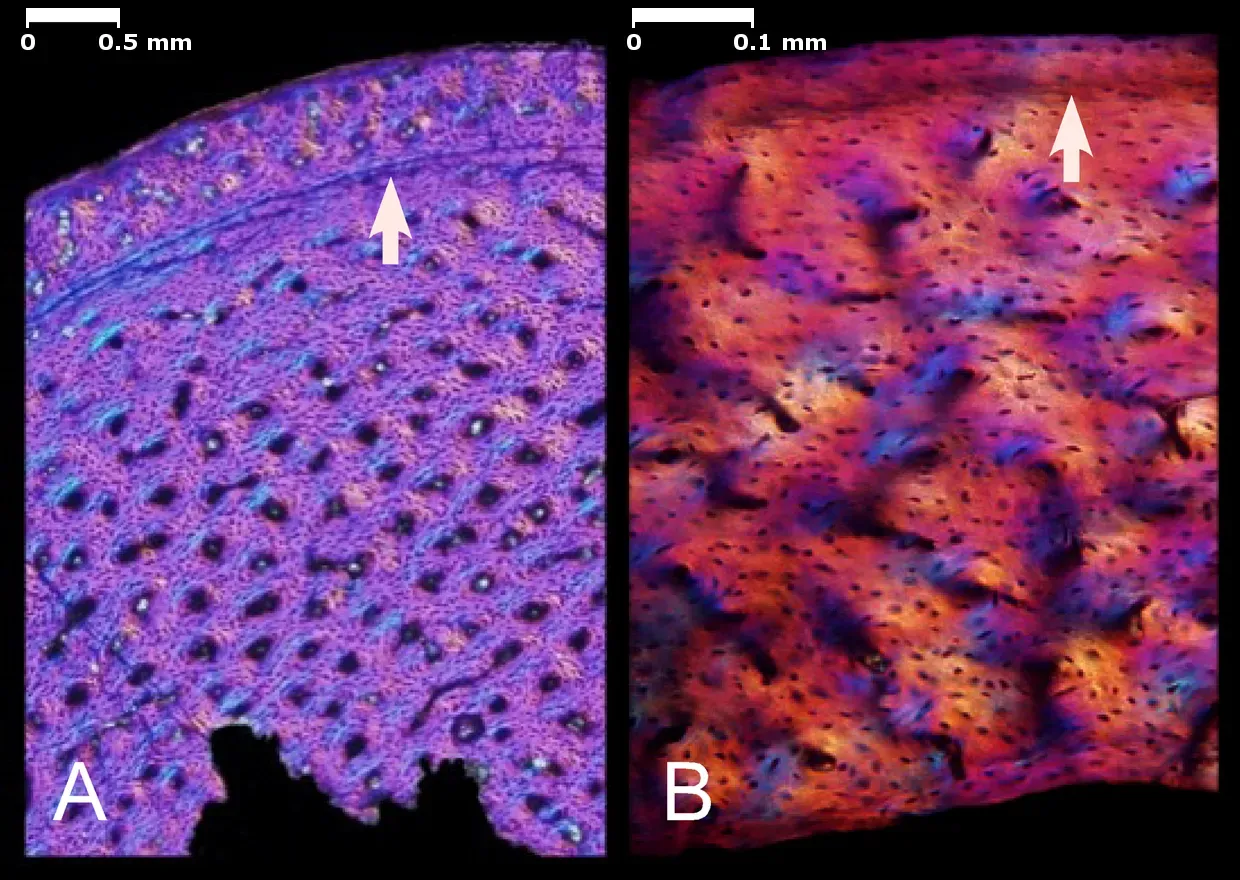
Let’s be real, finding soft tissue inside something that’s been dead for millions of years sounds impossible. A study reported the discovery of remnants of blood vessels inside a rib from Scotty’s skeleton. Scotty, one of the largest T. rex specimens ever found, held microscopic secrets that challenge what we thought fossils could preserve.
Evidence of preservation of heme bound to a protein moiety in tissues of specimens of Brachylophosaurus canadensis and Tyrannosaurus rex is presented. These aren’t just random tissue fragments. They’re organized structures containing actual chemical compounds that once carried oxygen through living dinosaur bodies. Scientists are now rethinking the entire fossilization process and what might be hiding inside other specimens sitting in museum storage.
Sauropod Skin Reveals Dinosaurs Were Colorful
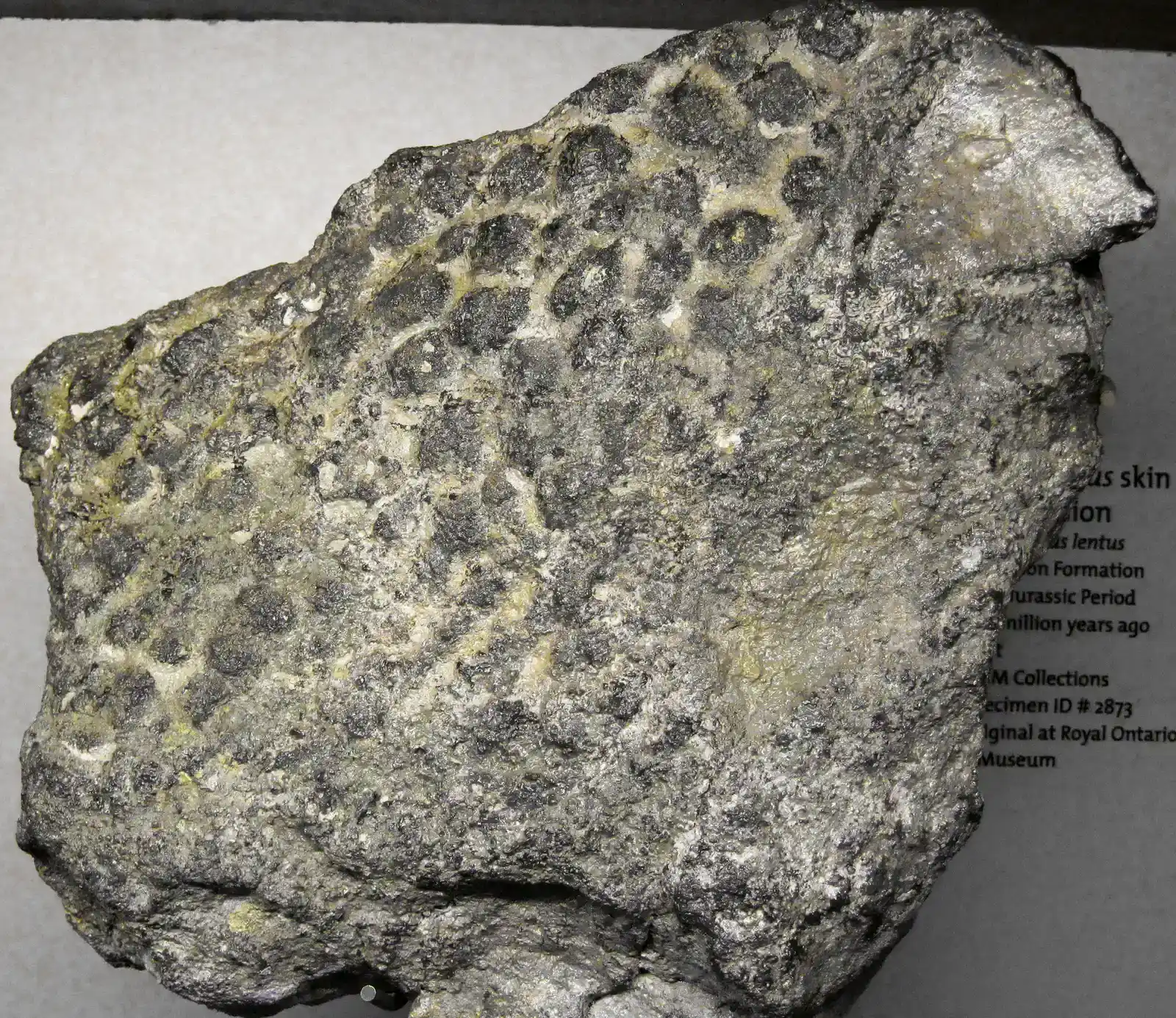
Forget the grey, boring dinosaurs from old textbooks. Paleontologists uncovered fossils of sauropod skin so delicately preserved that they include impressions of pigment-carrying structures called melanosomes. These tiny cellular structures are responsible for color in modern animals, and finding them preserved in Jurassic sauropod skin from Montana completely changes how we visualize these creatures.
Researchers detected that the dinosaur would have had conspicuous patterns across its scales, suggesting sauropod dinosaurs were not uniformly gray or brown, but had complex color patterns like other dinosaurs, birds and reptiles. Honestly, it makes sense when you think about it. Nearly every large animal today has some kind of color pattern for communication, camouflage, or mate selection. Why would 150-million-year-old giants be any different?
The Bizarre Spicomellus Ankylosaur Rewrites Armor Evolution
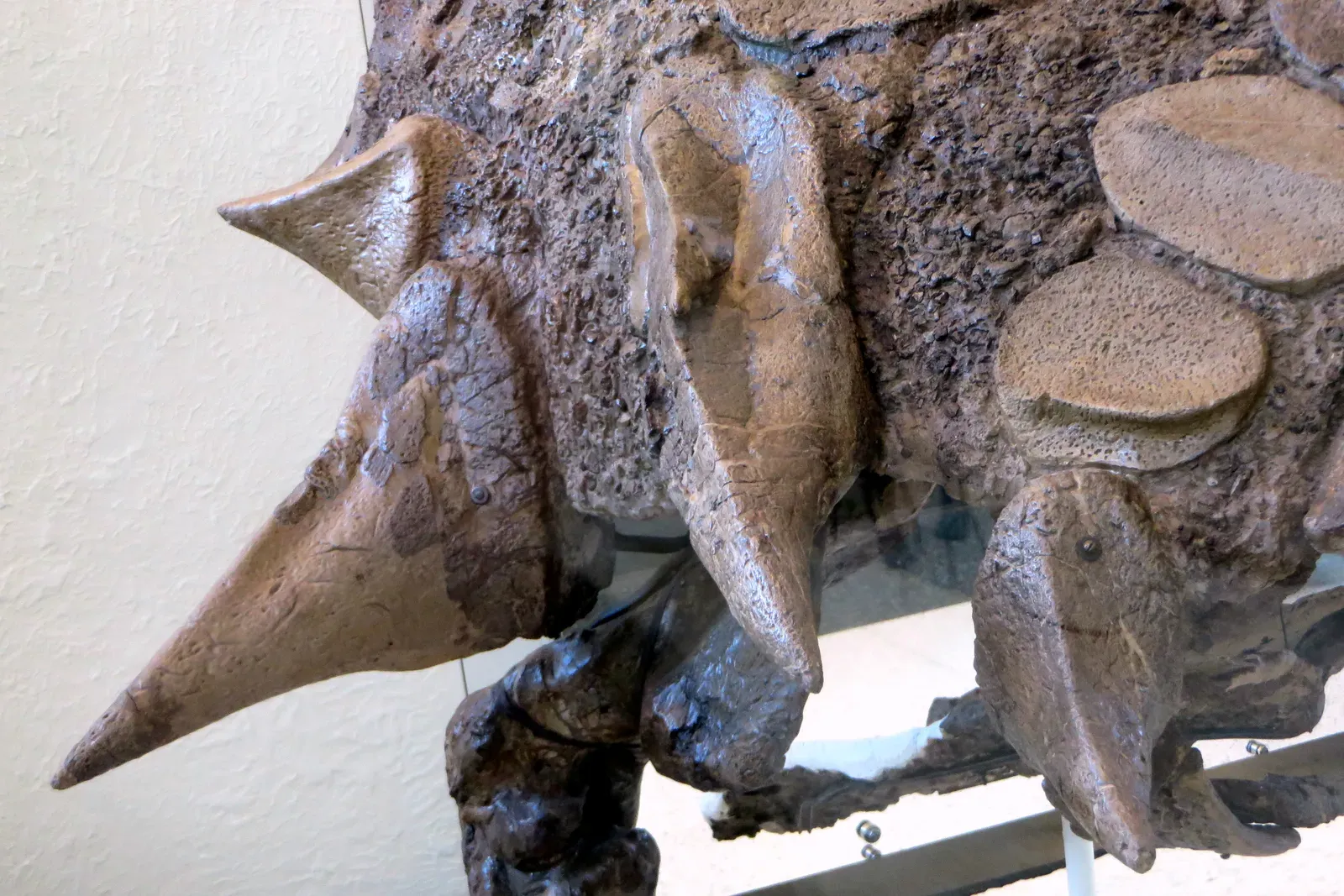
Sometimes a fossil is so strange that experienced paleontologists audibly gasp when they first see it. Spicomellus is the oldest known member of the ankylosaurs and is characterized by its bizarre armor, bristling with long spines all over the body, including a bony collar around the neck with spines the length of golf clubs sticking out. This creature looked less like an animal and more like a medieval torture device come to life.
The longest spikes on the Spicomellus afer are an incredible 34 inches long, extending along a bone collar that sits around its neck. The weirdest part? Some of these spikes grew directly from the ribs outward, meaning bone was fused to bone in ways never seen before. Scientists believe these features were for display, possibly to attract mates or intimidate rivals. Either way, it pushes back the evolution of complex armor by millions of years.
Direct Dating of Dinosaur Eggs Finally Possible
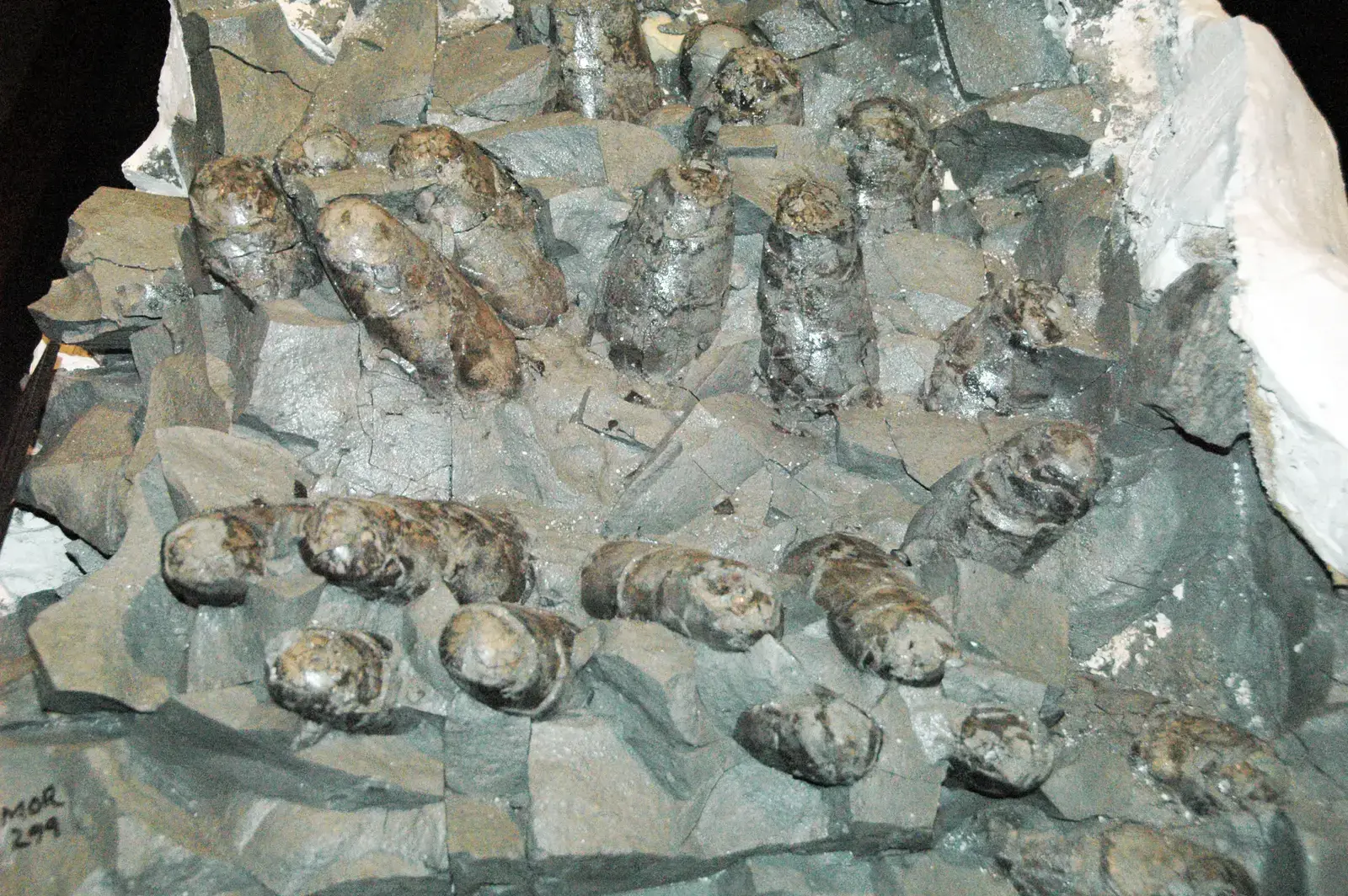
Timing is everything in paleontology, but dating dinosaur fossils has always been frustratingly indirect. You date the rocks around the bones and hope they shifted together. Minerals inside dinosaur eggs, as well as the eggshells themselves, may give experts a new way to tell the age of fossils. This breakthrough allows scientists to date the eggs themselves rather than relying on surrounding sediment.
The technique works because certain minerals accumulate in predictable patterns within eggshells over geological time. Such techniques will allow paleontologists to determine more accurate dates for fossil sites with preserved eggshell, which is essential to working out which dinosaur species lived together, how dinosaurs evolved over time and other big-picture questions. For researchers trying to map evolutionary timelines or understand ancient ecosystems, this represents a massive leap forward in precision.
Conclusion
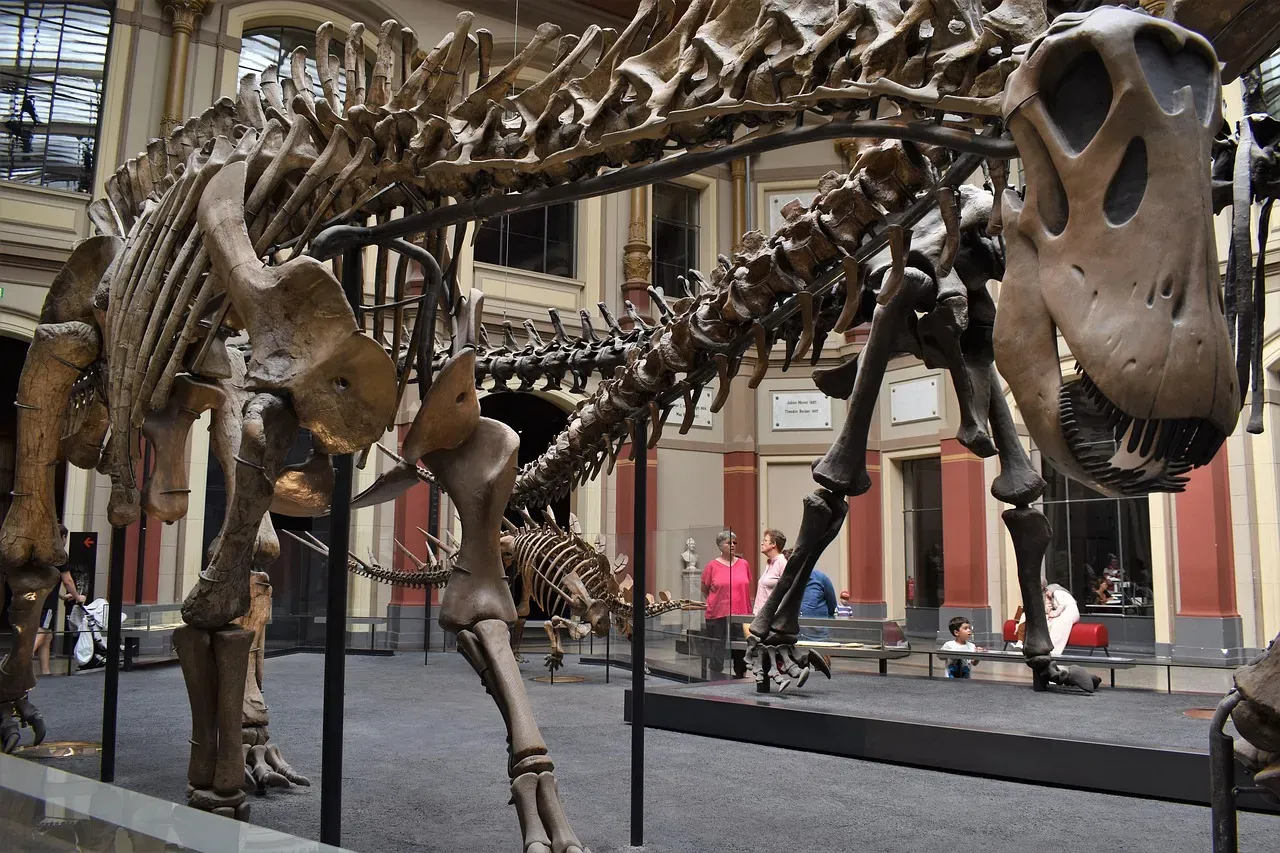
The dinosaurs you learned about in school are almost unrecognizable now. We’ve gone from imagining sluggish, lizard-like monsters to understanding dynamic, complex creatures with intricate behaviors, vivid colors, and surprisingly well-preserved biology. The year 2025 was another remarkable year for dinosaur discovery and 2026 will have a lot to live up to.
What strikes me most is how much we still don’t know. We’ve probably found less than 1% of all the dinosaurs that ever lived. Every museum collection likely holds misidentified specimens waiting to reveal their secrets, and every new fossil site promises to overturn something we thought we understood. Did you expect that soft tissue could survive 66 million years, or that an entire tyrannosaur species was hiding in collections labeled as juveniles?