If you grew up thinking Jurassic Park was basically a documentary with better lighting, you’re not alone. A lot of us did. I still remember walking out of the theater as a kid absolutely convinced that if scientists just got their hands on the right mosquito, we’d be dodging Velociraptors in a decade. But when you look at the movie through 2026 eyes, with everything we’ve learned about dinosaurs over the last three decades, some of its “truths” are so off that paleontologists can’t help but wince.
That doesn’t mean Jurassic Park isn’t brilliant. It changed how the world saw dinosaurs and inspired a generation of scientists. But it also burned some outdated ideas into pop culture so deeply that even today, people argue with researchers because “that’s not how it looked in the movie.” Let’s pull the curtain back on five of the biggest offenders – things Jurassic Park got so wrong that, once you know the science, you’ll never see those scenes the same way again.
1. Velociraptors Were Feathery, Fox-Sized, And Not Your Closet Monster
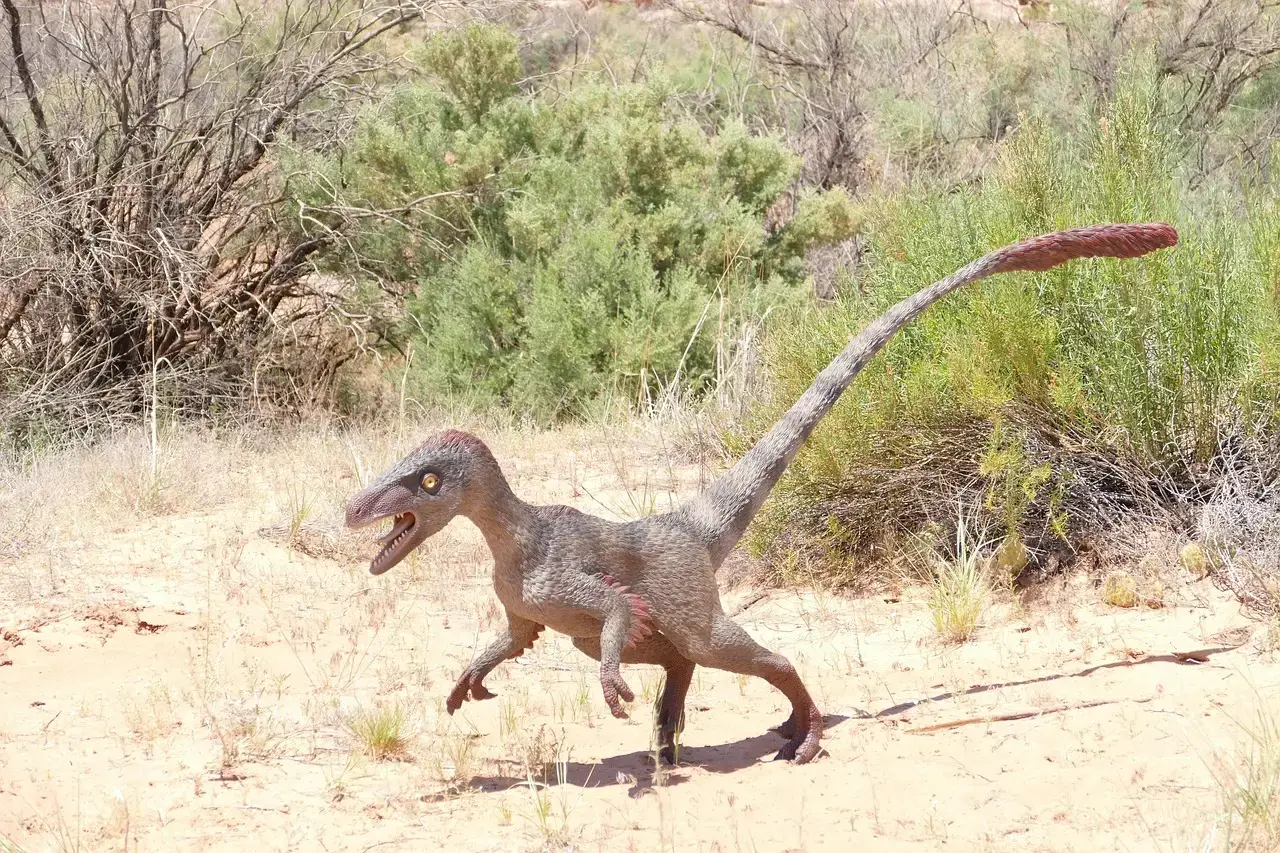
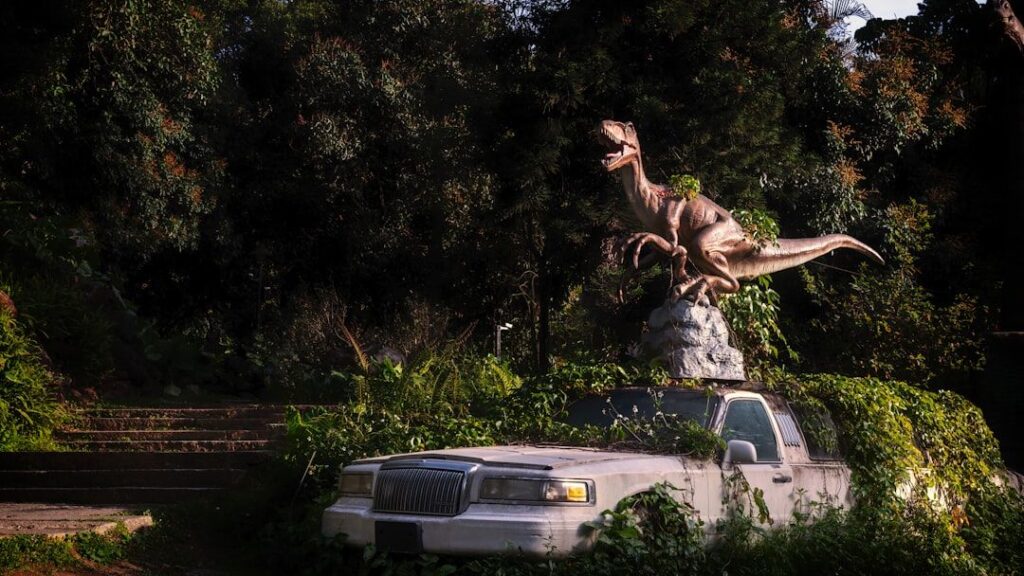
The Velociraptors in Jurassic Park are pure nightmare fuel: sleek, man-sized, scaly super-predators that open doors and hunt like a special-ops team. The uncomfortable truth is that the real Velociraptor was closer in size to a big turkey or fox, not a six-foot-tall horror that could stare you straight in the eye. Fossils from Mongolia show animals roughly two meters long from nose to tail, but much of that length is tail, and their hip height was only around knee level on an adult human. They were still dangerous predators, but you would not be looking them in the face unless you were lying on the ground.
Even more jarring for movie fans: real Velociraptors were almost certainly covered in feathers. Several close relatives, like Deinonychus and especially Microraptor, show clear fossil evidence of feathers, including wing-like arm feathers and tail fans. Velociraptor fossils themselves preserve quill knobs on the forearm, the same kind of bony features birds have where feathers attach. So instead of the slick, crocodile-skinned movie raptors, picture something more like a very mean, ground-dwelling bird of prey – sharp claws, toothy snout, but dressed in a feathery coat. Not quite as cinematic maybe, but a lot closer to reality.
2. The T. rex Vision Myth: It Could Absolutely See You Standing Still
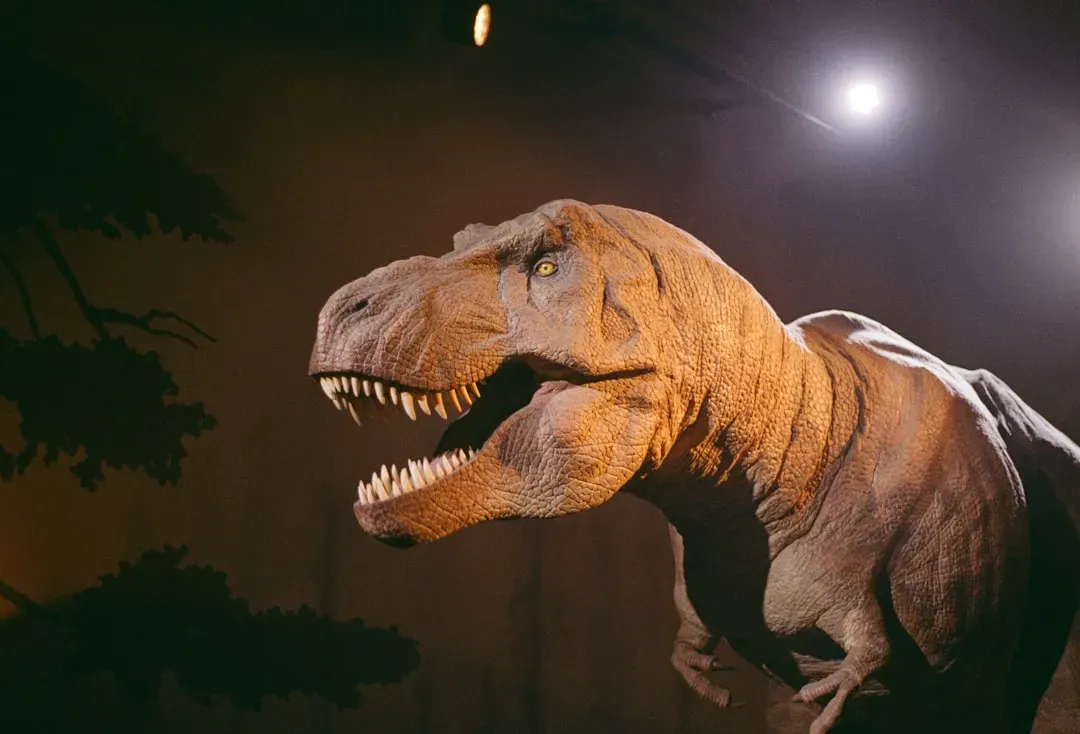
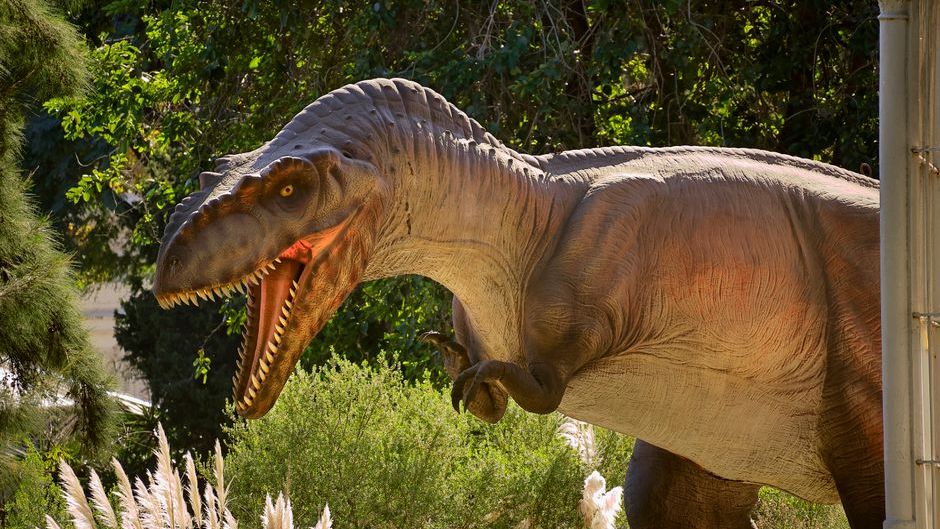
That iconic scene where the T. rex stomps out of the paddock, the rain is pouring, the car is shaking, and Dr. Grant whispers that the dinosaur’s vision is based on movement? Terrible survival advice. Tyrannosaurus rex had forward-facing eyes and some of the best binocular vision of any large land predator known from the fossil record. Studies of its skull suggest a wide field of overlapping vision, which helps with depth perception – exactly what you want if you’re a hunter trying to track moving prey in complex environments. The idea that it would suddenly “lose” you because you froze in place is more movie tension than science.
On top of that, T. rex likely had a keen sense of smell and decent hearing. It was a fully equipped apex predator, not a giant reptilian T. rex version of the T. rex from children’s games that can be tricked with a game of “statues.” When paleontologists watch that Jeep scene, many of them groan because the animal in the film behaves like a vision-impaired monster rather than a sophisticated, well-adapted hunter. If you were unlucky enough to share a landscape with a real T. rex, standing still would probably just make its job easier, not harder.
3. Dinosaurs Were Not Just Scaled-Up Lizards From A Monster Factory
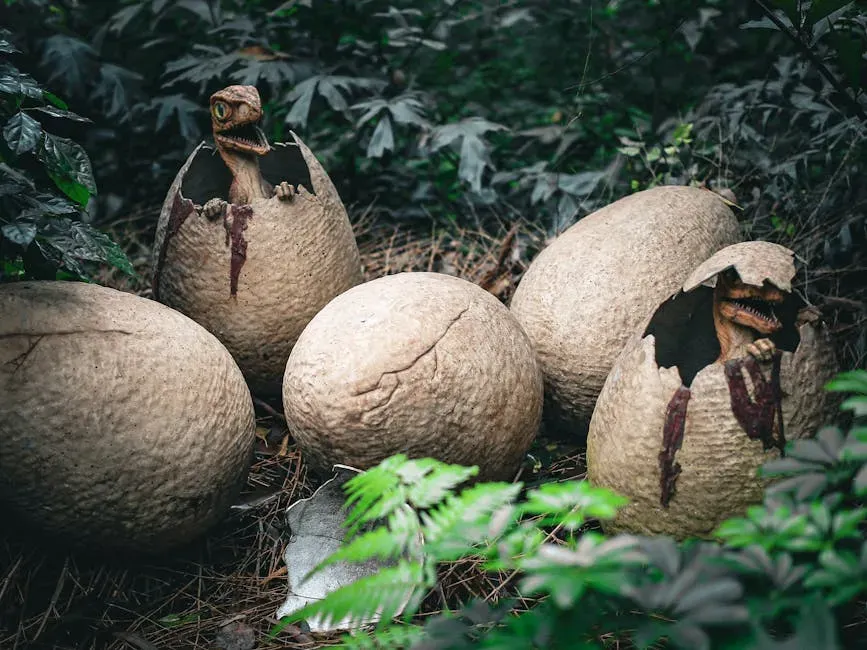
Jurassic Park leans heavily into the idea that dinosaurs are basically giant, cold-blooded reptiles – scaled-up lizards with more teeth and louder roars. But modern paleontology has painted a very different picture. Dinosaurs were a wildly diverse group, and many of them had high metabolisms, complex behaviors, and growth patterns that sit somewhere between modern reptiles and birds, or even closer to birds outright. Bone histology – the microscopic structure of their bones – often shows fast growth, rich blood supply, and active physiology, suggesting warm-blooded or at least “warm-ish” animals rather than sluggish swamp beasts.
Behaviorally, too, we now think many dinosaurs nested, cared for their young, formed social groups, and had quite intricate lives. Some species show trackways that look like herds moving together, and nests with multiple growth stages of juveniles hint at parental care. Jurassic Park hints at intelligence in a few predators, but generally portrays dinosaurs as mostly mindless monsters whose only job is to chase or eat humans. That makes for gripping action scenes, sure, but it flattens a world that was probably filled with complex ecological relationships, social structures, and behaviors that would look a lot more like a chaotic mix of birds and mammals than a lineup of oversized crocodiles.
4. Dino DNA From Amber? Romantic Idea, Scientific Long Shot
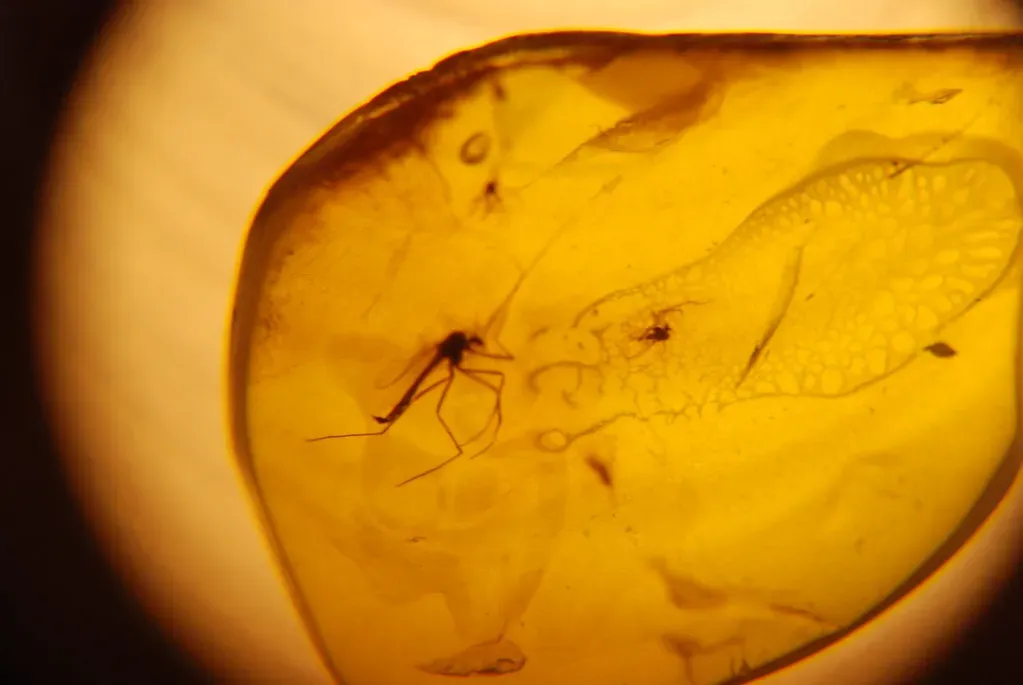
The entire plot of Jurassic Park hangs on that one amber-encased mosquito filled with dinosaur blood, which then becomes a genetic goldmine. It’s an incredibly elegant story device, but the reality of DNA preservation is far less kind. DNA is a fragile molecule that breaks down over time, even under good conditions, and studies suggest it degrades on timescales of tens of thousands to maybe a few hundred thousand years under ideal circumstances, not the tens of millions separating us from the last non-avian dinosaurs. By the time you get back to the late Cretaceous, any original DNA would be shattered beyond recognition, let alone reconstructable into complete genomes.
There have been claims of ancient DNA from much younger fossils, and a lot of careful work on proteins, pigments, and microscopic soft tissues in some dinosaur bones, but that is a far cry from plugging a gap in the code with frog DNA and hatching a living animal. Most researchers consider it effectively impossible to recover intact dinosaur DNA from amber-trapped insects the way the movie suggests. We might someday simulate or model aspects of dinosaur biology using related species or advanced genetic engineering in birds, but the idea of straight-up “resurrecting” a T. rex from a fossilized mosquito is, at this point, firmly in the realm of science fiction.
Another overlooked problem: even if you somehow pieced together a full genome, you’d still need an appropriate egg, developmental environment, and all the subtle biochemical signals that guide an embryo. Jurassic Park neatly sidesteps all of this by waving a lab-science wand, but real developmental biology is messy and unforgiving. You cannot just drop a foreign genome into any old egg and expect a healthy hatchling to pop out, like installing a new operating system on a laptop. Life does not reboot that easily.
5. Roars, Speed, And Hyper-Violence: Dinosaurs Weren’t All Action Heroes
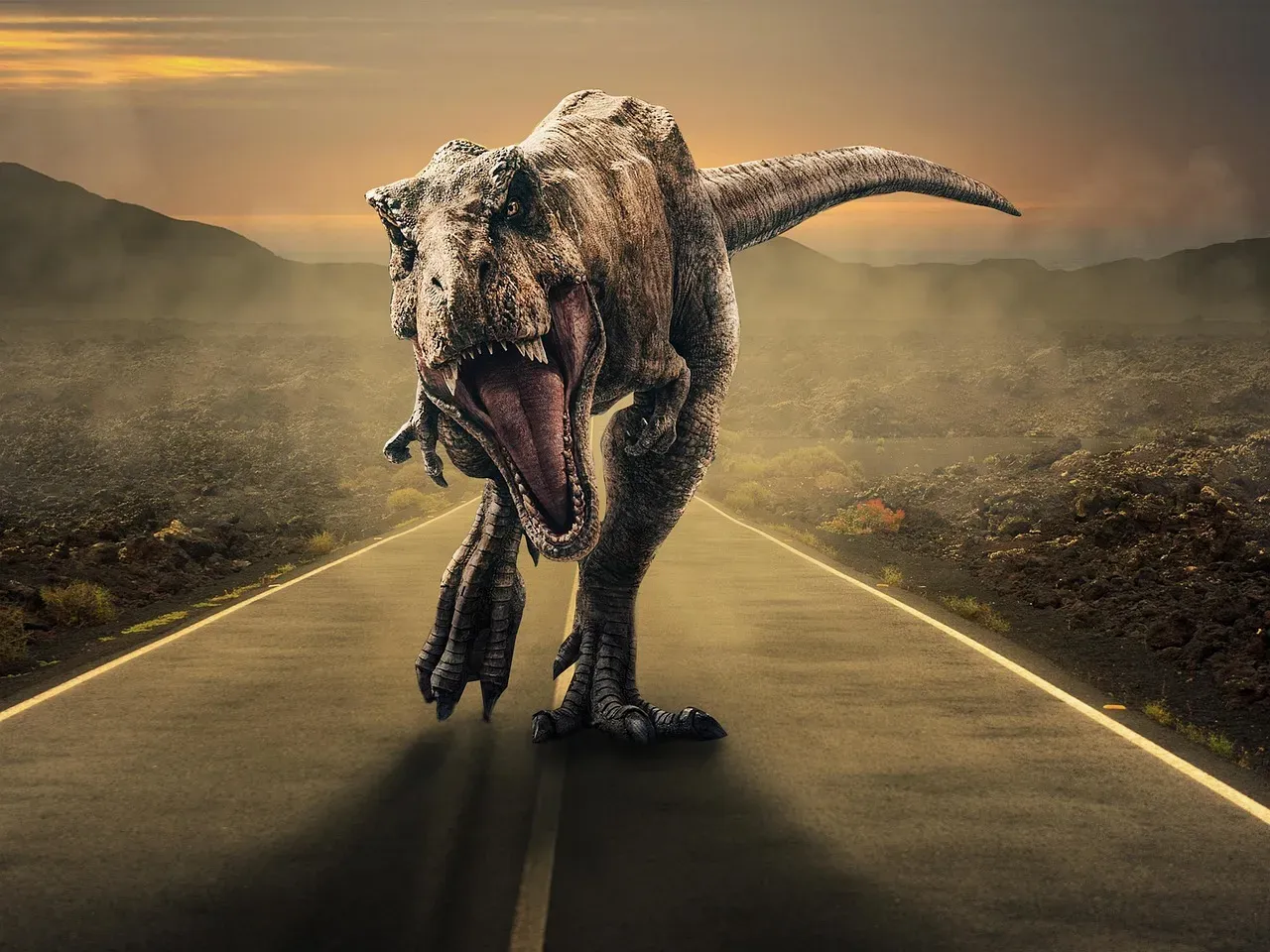
Jurassic Park crank everything up: louder roars, faster chases, more blood, more teeth. It is thrilling, but it also leaves people with a warped idea of how these animals moved and sounded. For example, the T. rex sprinting after a speeding Jeep at highway speeds is almost certainly over the top. Biomechanical modeling suggests that a full-grown T. rex, with its massive body and heavy legs, was not built for high-speed sprinting without risking catastrophic injury to its skeleton. A more realistic top speed is probably closer to a fast human runner or a bit more, not a race car. They were powerful and capable, but also bound by physics and bone strength.
The soundscape is also heavily fictional. Many of the iconic dinosaur roars in the film are cleverly mixed from modern animals – big cats, elephants, alligators, and so on – because we simply do not know exactly what most dinosaurs sounded like. Some had resonating structures in their skulls or crests that hint they could make deep calls or honks, but the thunderous lion-meets-dragon screams are human invention. Add to that the constant, movie-style hyper-violence – dinosaurs attacking every moving thing at every opportunity – and you get a picture that is way more horror movie than natural ecosystem. Real predators conserve energy, weigh risks, and often ignore potential prey if it is not worth the effort. The constant mayhem might be great box office, but it is lousy ecology.
Conclusion: Why These Mistakes Matter More Than Just Nerdy Nitpicking
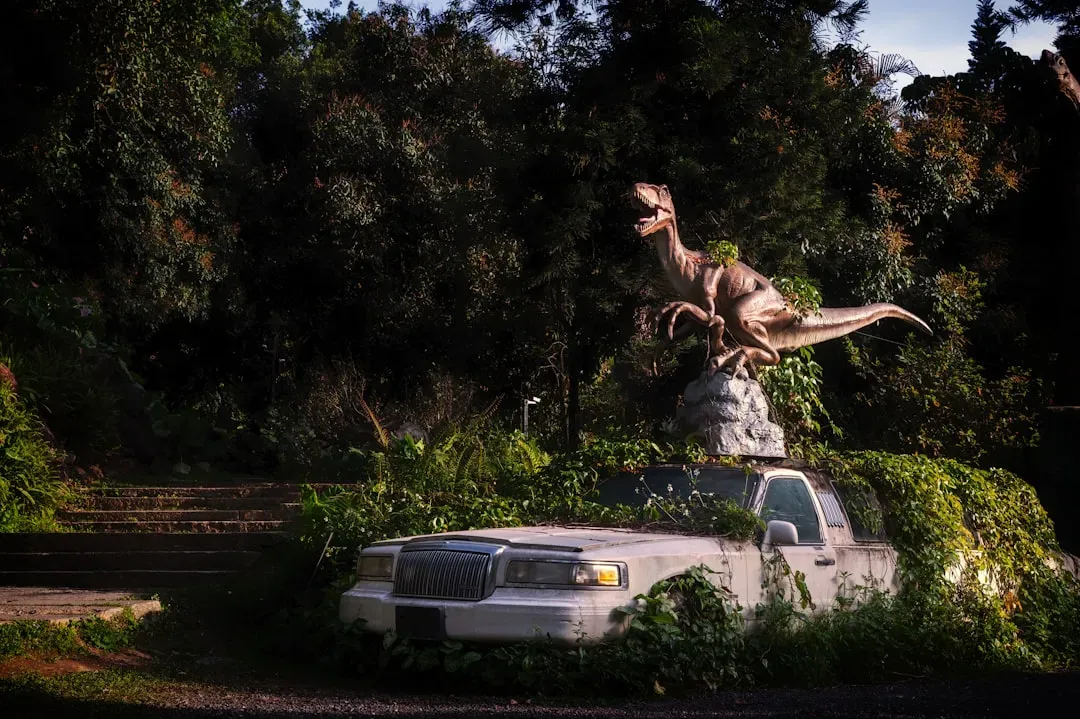
It is tempting to shrug all this off and say that Jurassic Park is just a movie, so who cares if it bent the science. But I think it matters, because those visuals are so powerful they become people’s default mental image of prehistoric life. When the public picture of Velociraptor is a man-sized scaly killer instead of a feathered, birdlike predator, it shapes how we react to new discoveries. When people cling to the myth that T. rex could not see you if you stood still, or that we might “clone a dinosaur any day now,” it makes careful, genuinely exciting science sound less impressive because it does not match the fantasy.
At the same time, I have a soft spot for the film, errors and all. It lit a spark in countless kids who went on to become paleontologists, biologists, and science communicators trying to set the record straight. Maybe that is the sweet spot: enjoying the movie as an incredible piece of storytelling while also letting newer evidence update the versions of dinosaurs living in our heads. The real creatures were stranger, subtler, and in many ways more fascinating than their Hollywood stand-ins. And honestly, which is cooler: a fake monster that only works on screen, or a real animal so complex we are still arguing about it decades later?