
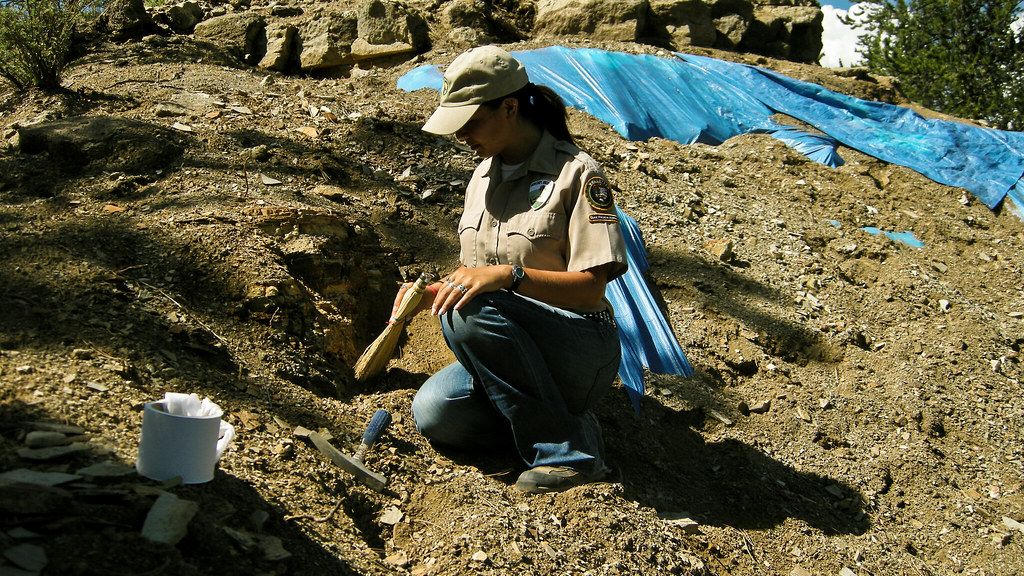
If you imagine big prehistoric discoveries happening in high-tech labs with carefully planned expeditions, the real story is often way messier and way more fun. Some of the finds that rewrote what we know about dinosaurs, human evolution, and ancient ecosystems started with things like a construction site, a kid on a walk, or a researcher literally tripping over a bone. Accidents, it turns out, are sometimes better than the best funding proposal.
What fascinates me most is how these chance discoveries exposed the blind spots in what experts were absolutely sure about. Again and again, a random fossil erases entire textbook chapters and forces scientists to say, “Well, that changes everything.” Let’s walk through eight times pure luck took a hammer to long‑held beliefs about the prehistoric world – and why those accidents still shape the way we think about our own place in deep time.
1. The Feathered Dinosaur That Fell Out of a Rock Split
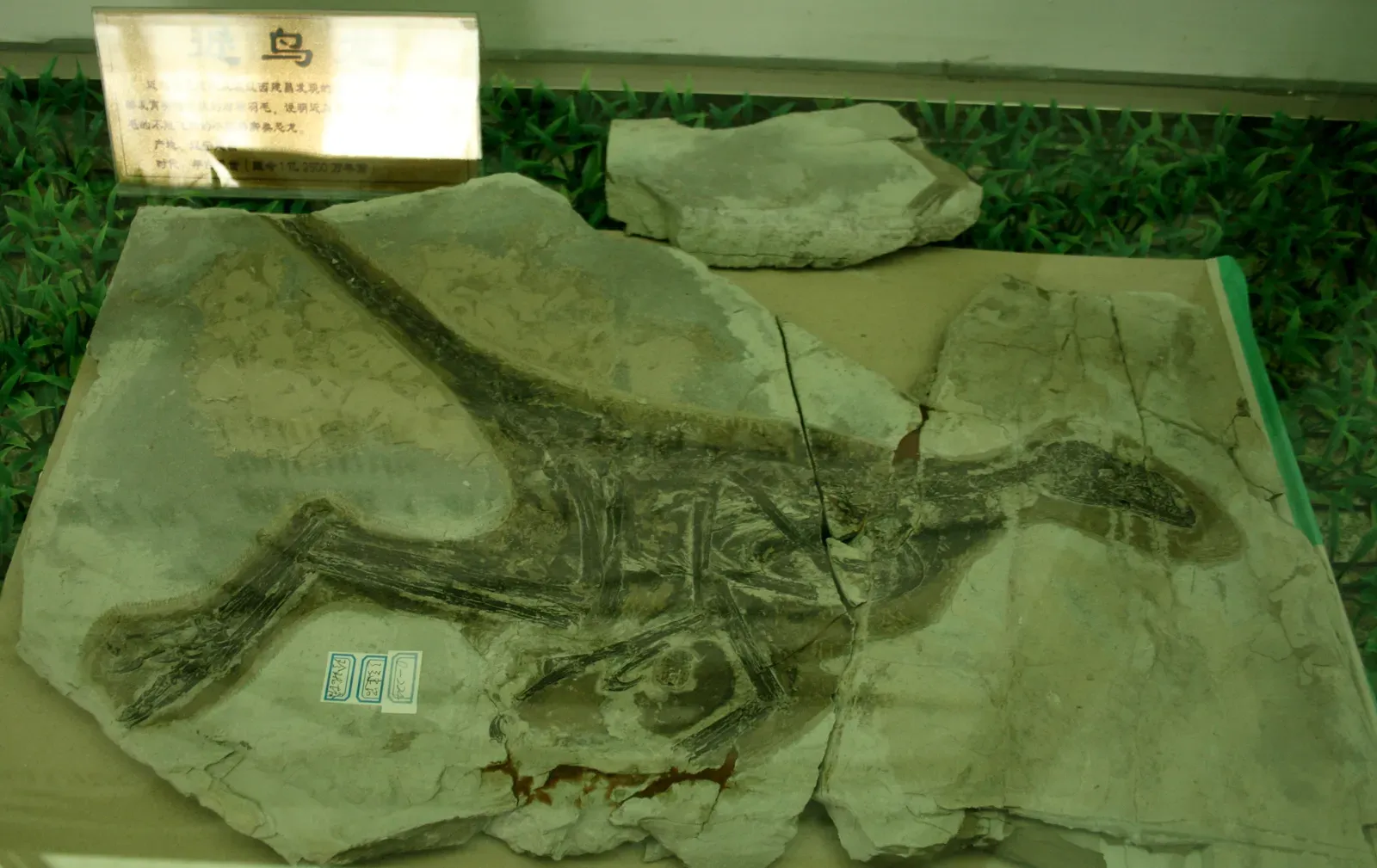
One of the most dramatic shifts in dinosaur science came from a fossil that appeared almost by accident when slabs of limestone were split open in a German quarry in the nineteenth century. Workers were quarrying stone for everyday use, not hunting for dinosaurs, when they exposed the delicate outline of a creature with both teeth and feathers. Until then, dinosaurs and birds lived in separate mental boxes, and most experts saw them as totally different evolutionary branches.
This single accidental find pushed scientists to seriously consider that birds might not just be distant relatives, but literal descendants of certain dinosaurs. Over time, more feathered dinosaur fossils were discovered in other quarries and excavation sites – sometimes again thanks to random breaks in rock – which reinforced this shocking connection. Today, the idea that birds are living dinosaurs is mainstream, but it started with people doing routine stone work and stumbling onto a fossil that should not, by earlier thinking, have existed.
2. A Child’s Walk That Exposed Our Tiny Early Ancestor
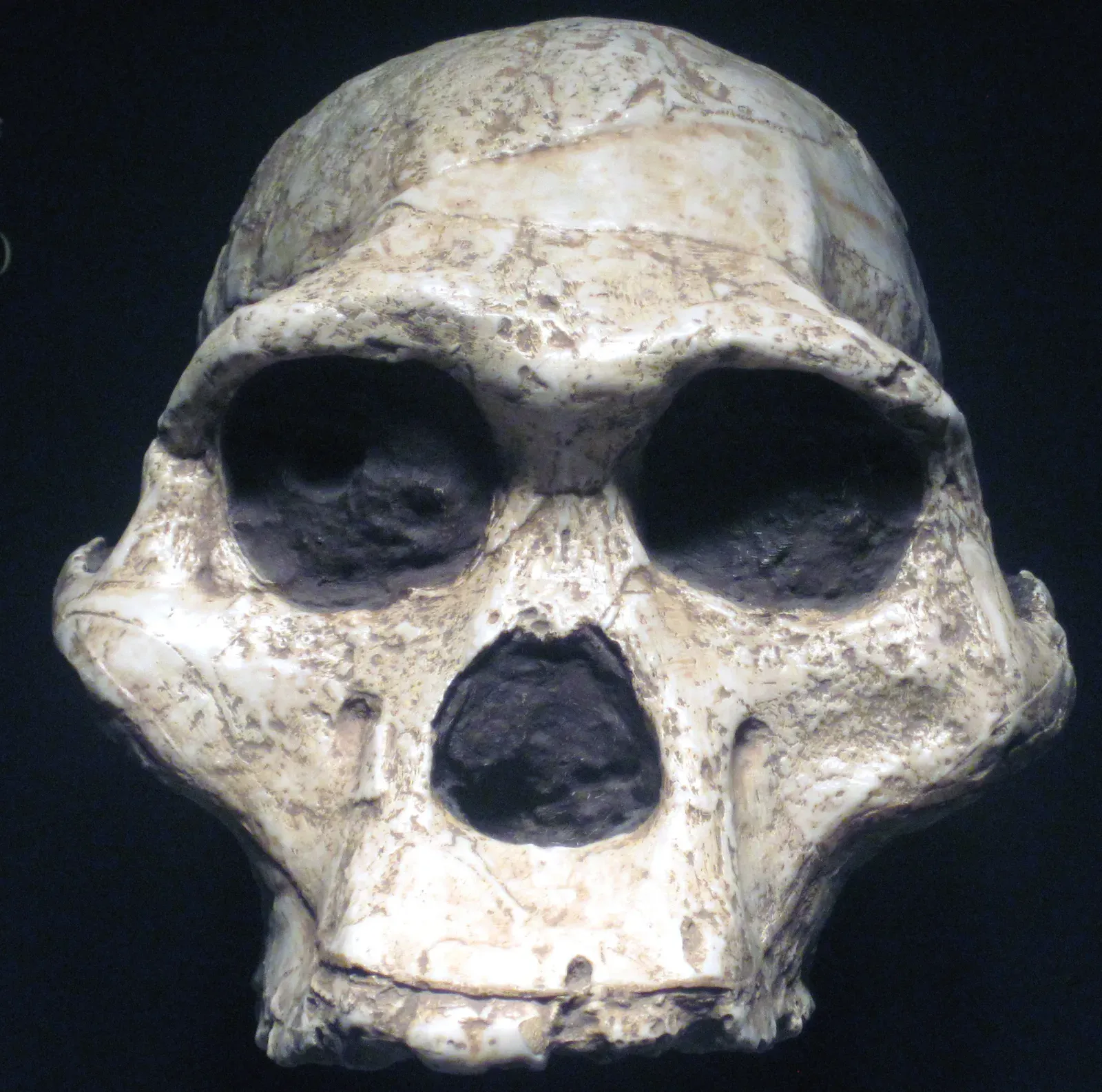
More than once, a critical hominin fossil has been spotted not by a specialist with equipment, but by someone just walking across a dusty hillside. One famous example involved a child noticing small bone fragments weathering out of the ground during what was basically a family stroll in East Africa. Those fragments led to the skull and skeleton of a surprisingly small, ape-like early human ancestor that stood upright far earlier than many scientists thought possible.
Before this, the popular picture of human evolution followed a simple ladder: bigger brains first, walking upright second. The accidental find flipped that story, showing that our ancestors were walking on two legs while still having relatively small brains. That discovery forced researchers to redraw diagrams, rethink timelines, and accept that the path to modern humans was not a simple straight line but more like a tangled bush of experiments in walking, climbing, and thinking.
3. The Highway Project That Uncovered an Ice Age Graveyard
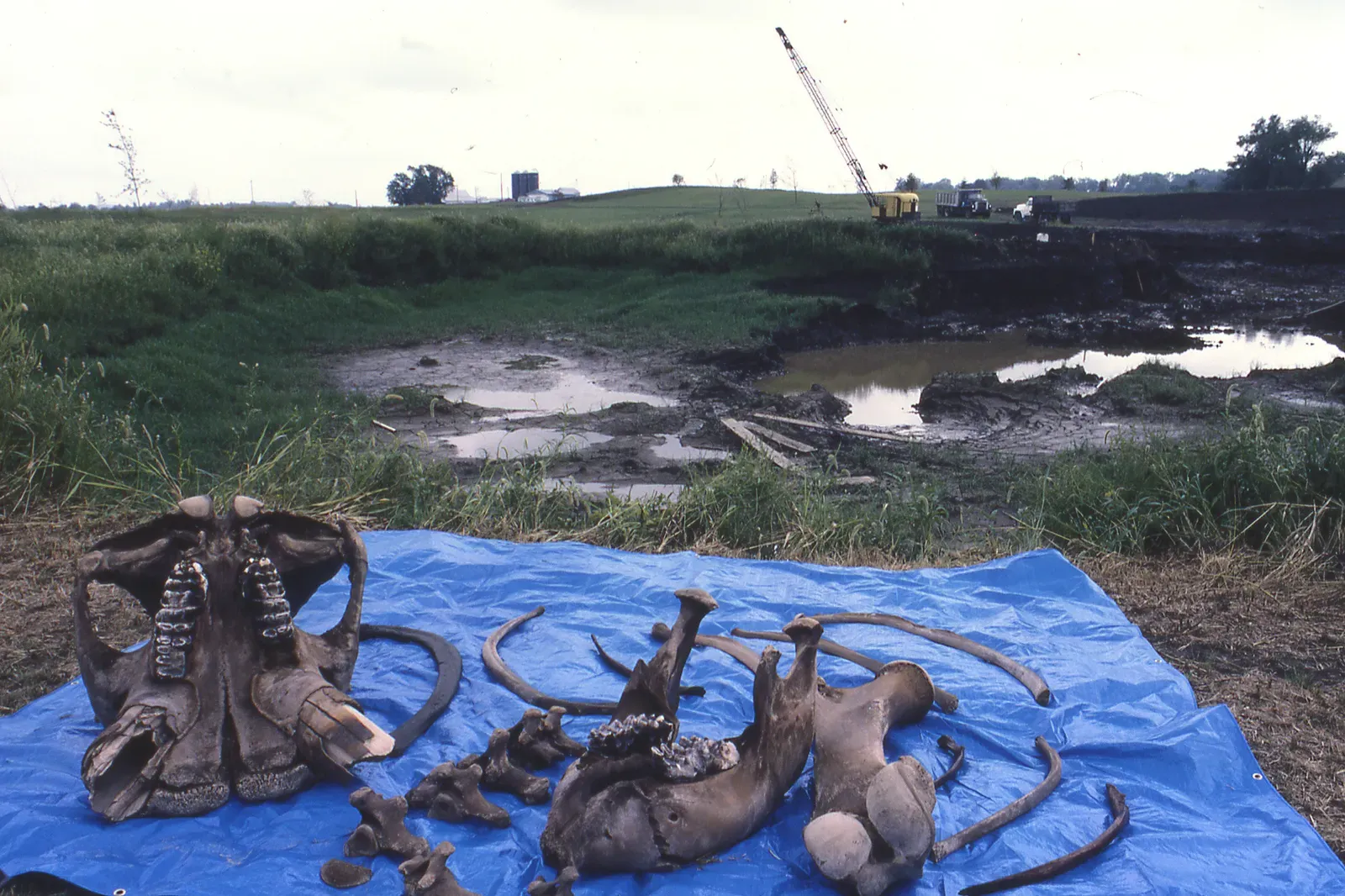
Some of the richest Ice Age fossil sites have appeared not because someone set out to study mammoths, but because engineers planned a road or a building. In one memorable case, construction crews digging foundations started pulling up massive bones, tusks, and skulls instead of just rock and dirt. What was supposed to be a routine infrastructure project turned into a full-blown paleontological dig almost overnight.
That accidental graveyard, filled with mammoths, giant ground sloths, and other extinct megafauna, showed just how crowded and diverse late Ice Age ecosystems once were in that region. The sheer number and condition of the fossils forced scientists to rethink both how dense those animal populations had been and how quickly they disappeared. Instead of a slow, gentle fade‑out, the evidence pointed toward more rapid and complex waves of extinction involving climate shifts, changing vegetation, and possibly human pressure all stacked together.
4. The Desert Hiker Who Stumbled Over a Whale in the Sand
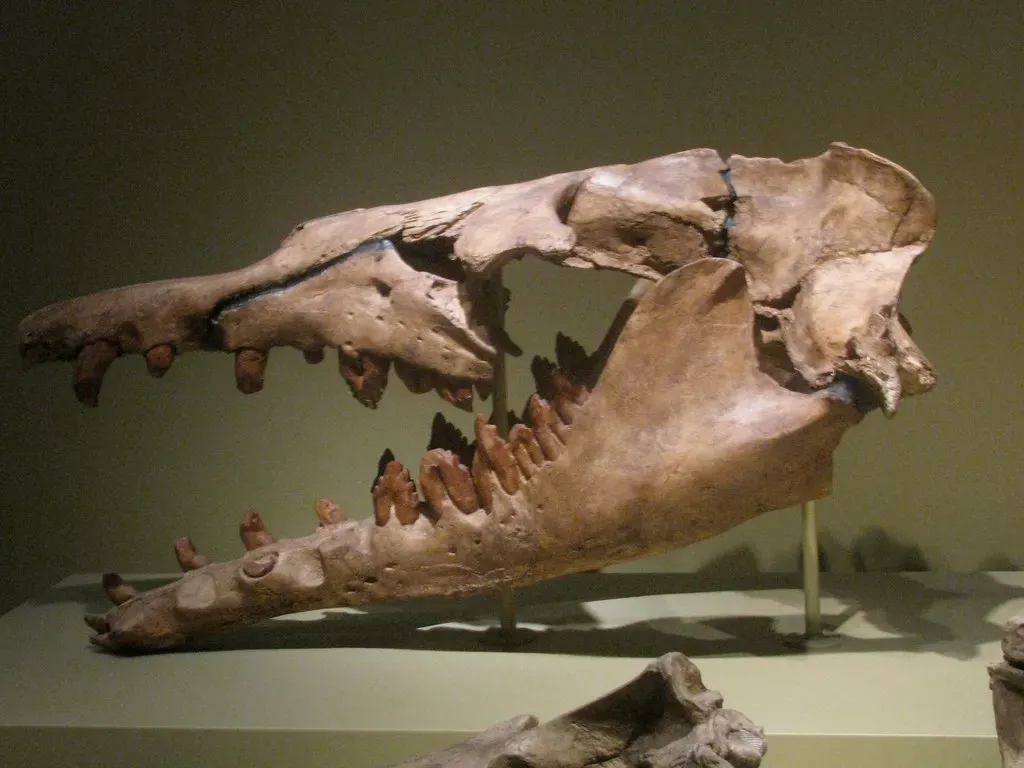
In what feels like the setup for a surreal joke, researchers exploring a desert plateau in what used to be an ancient seafloor quite literally tripped over vertebrae sticking out of the sand. These were not dinosaur bones but the remains of prehistoric whales from millions of years ago, preserved far from any modern shoreline. The initial discovery came from simple wandering and paying attention, not a laser‑targeted dig funded around a single hypothesis.
As paleontologists investigated, they found multiple whale skeletons, some of them showing unexpected features like small hind limbs and different skull shapes that hinted at how whales transitioned from land to sea. The accidental find expanded the timeline and variety of known whale evolution, showing that the shift to a fully aquatic lifestyle was more gradual and experimental than previously thought. It added nuance to the story, turning the neat narrative of land mammal to ocean giant into a series of messy, fascinating evolutionary trial runs.
5. The Farmer’s Field That Revealed a Giant Prehistoric Lake
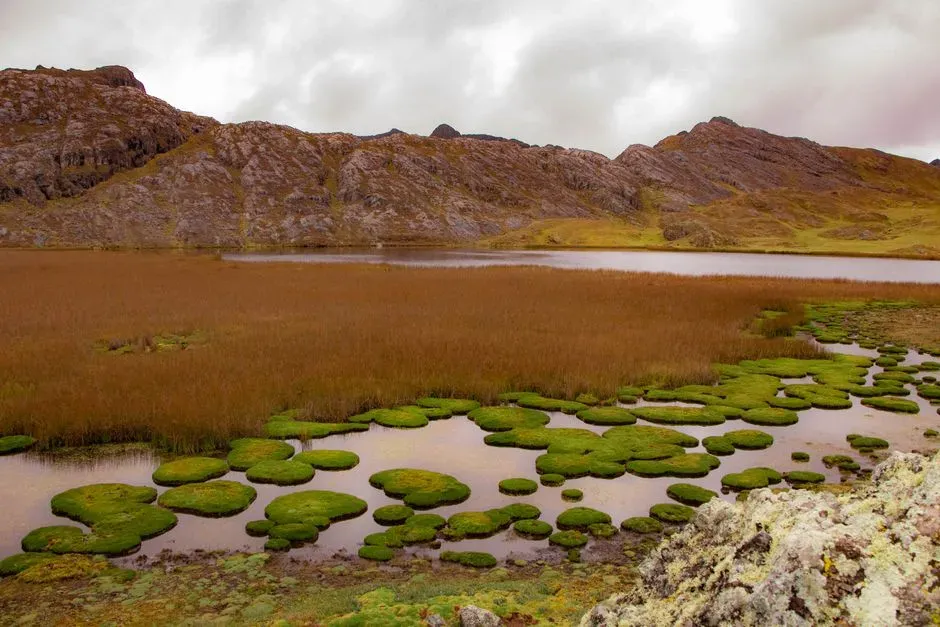
Plenty of major prehistoric sites begin with something as humble as a farmer noticing odd rocks or bones in a plowed field. In one case, repeated finds of fish fossils, shells, and plant impressions in farm soil turned out to be clues that the land had once been the bottom of a vast ancient lake. The initial discoveries were not glamorous – a fragment here, a strange imprint there – but they added up to a startling realization about the region’s deep past.
Once geologists and paleontologists investigated properly, they uncovered layered sediments that recorded entire ecosystems, from plankton and insects to early mammals and birds visiting the shoreline. This forced a revision of regional climate history, showing that what is now dry land once held a lush, water‑rich environment teeming with life. It also reminded scientists that you do not always need a dramatic dinosaur skeleton to rewrite history; sometimes a handful of fish in a field can change the whole map of an ancient landscape.
6. The Cave Accident That Reframed Human Culture
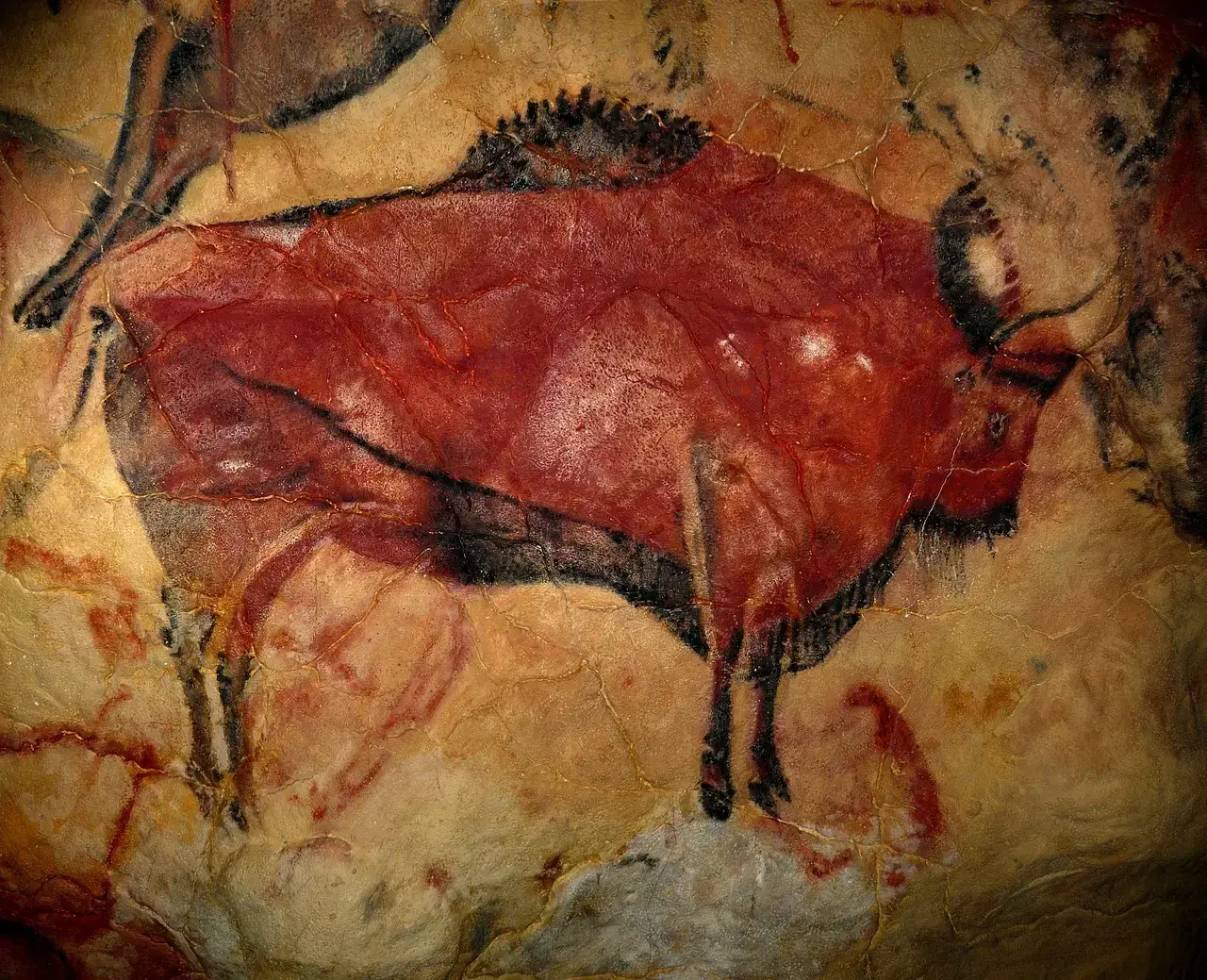
Some of the most famous prehistoric cave art and human remains have been discovered when someone simply squeezed through a narrow opening or fell into a hole that no one realized led anywhere. In one influential case, a collapsed section of ground opened access to chambers filled with ancient human bones and artifacts, preserved in pitch‑dark isolation for tens of thousands of years. The entrance was stumbled upon, not sought with a grand theory in mind.
What made this kind of accidental cave find so disruptive was the mix of features in the human remains, along with surprisingly sophisticated behavior suggested by the placement of bones and possible ritual activity. It challenged tidy ideas about when symbolic thought, social complexity, and advanced tool use really appeared. Instead of a clean, single moment when “modern” humans arrived, these caves hinted at multiple overlapping human lineages experimenting with culture and meaning long before we gave them credit for it.
7. The Cliff Erosion That Exposed a Mass Extinction Layer
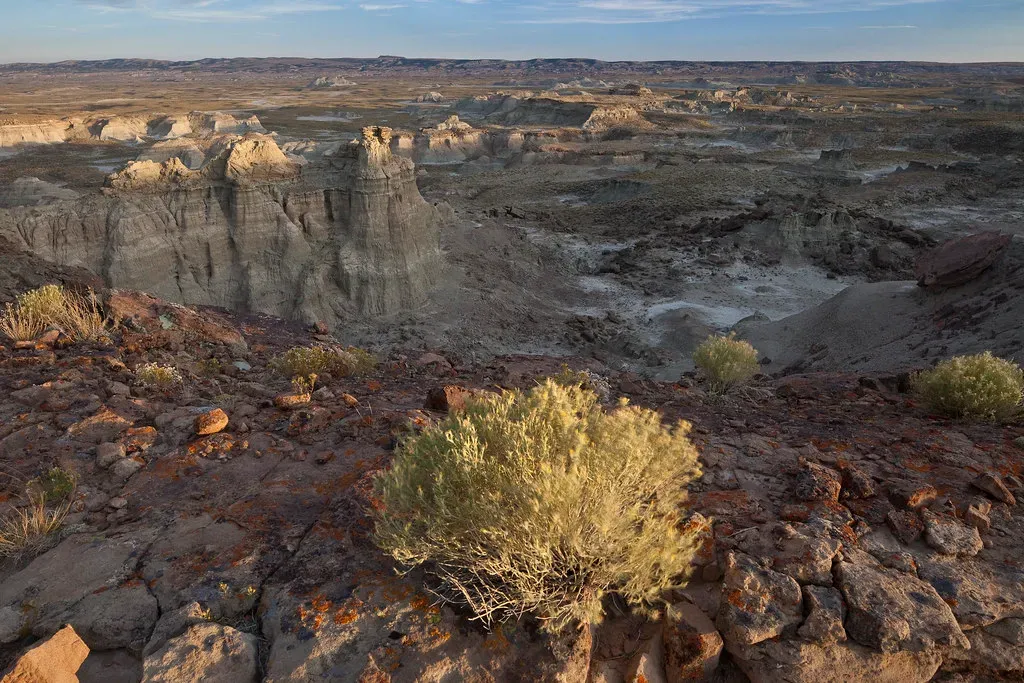
Coastal cliffs and riverbanks are quietly doing paleontology all the time, as waves and water carve away rock. In at least one crucial case, natural erosion exposed a thin but dramatic boundary layer packed with unusual minerals, tiny fossils, and signs of sudden environmental catastrophe. Curious geologists and fossil hunters noticed the odd layer while exploring the cliff face for ordinary fossils and realized they were looking at the remains of a mass extinction event.
This accidental exposure helped solidify the idea that some extinctions were not slow fades but abrupt, global shocks. Evidence from the layer – like chemical markers and abrupt shifts in fossil types – indicated that a rapid event, such as a massive impact or intense volcanic episode, transformed the planet almost in geological real time. The discovery forced scientists to stop assuming that all change is gradual and to accept that Earth’s history includes rare but devastating punches that reset entire ecosystems in a geological heartbeat.
8. The Sinkhole That Turned into a Time Capsule
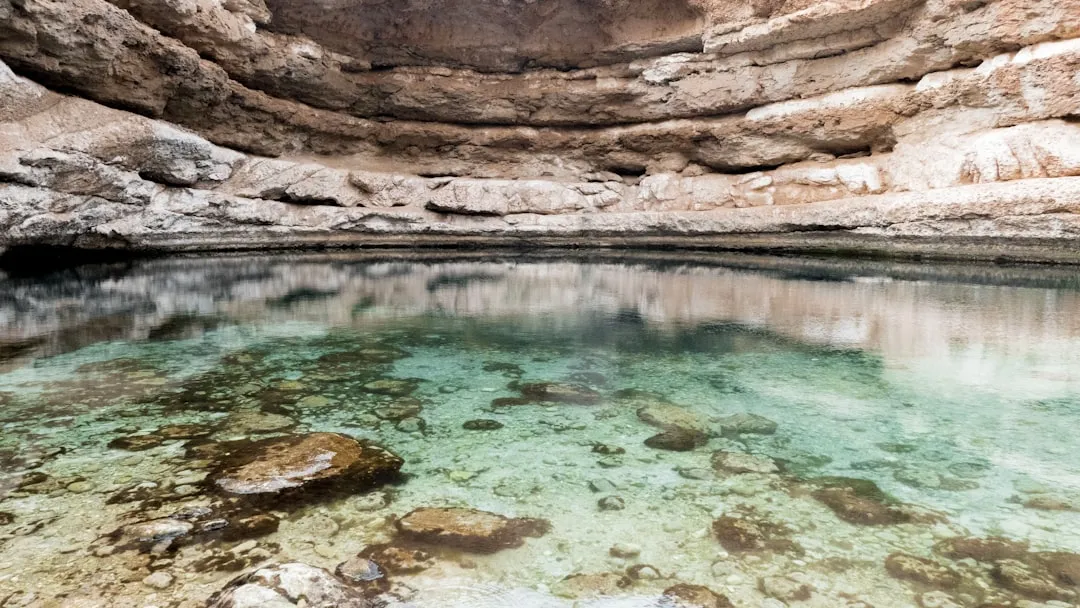
Sinkholes and collapsed caves are nightmare fuel for modern cities, but for paleontologists, they can be time capsules waiting to be opened. In one standout case, a sudden ground collapse revealed a deep shaft filled with the bones of animals that had fallen in over thousands of years. At first, it looked like a chaotic jumble, but detailed excavation showed layer upon layer of preserved remains stacked through time.
What made this accidental find so powerful is that it captured not just single species but entire communities, from predators and prey to tiny rodents and reptiles. By analyzing the changing mix of bones through the depth of the sinkhole, scientists reconstructed how climate, vegetation, and animal populations shifted over long periods. It challenged the idea that environments change smoothly, revealing pulses of rapid transition, local extinctions, and unexpected arrivals that made the past look less like a gentle fade and more like a series of jolts.
Conclusion: Why Happy Accidents Keep Humbling Science
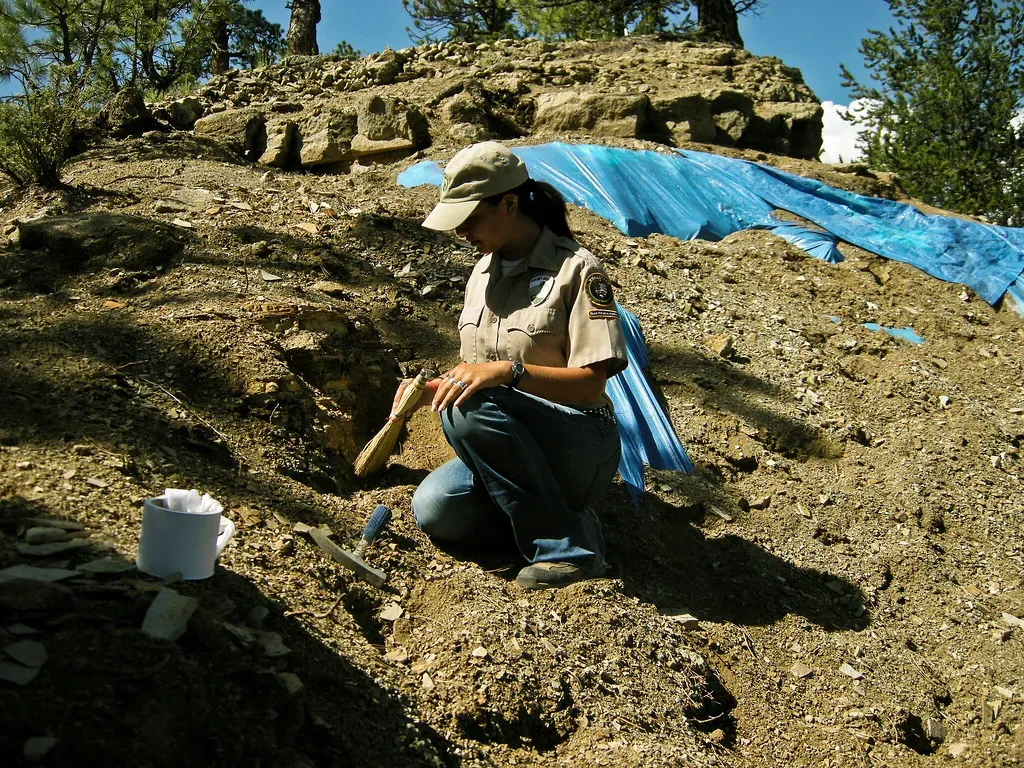
Looking across these stories, it is hard not to see a pattern: the prehistoric record keeps reminding us that confidence can age badly. Experts built careful models of dinosaur evolution, human origins, and ancient climates, only to watch them bend or snap when a kid, a farmer, or a construction worker stumbled onto the wrong bone in the wrong place. I actually find that comforting; it means science is not about ego or being right forever, but about being willing to be wrong the moment reality hands you a better fossil.
In my view, the most important lesson from these accidental discoveries is that the past is stranger, more tangled, and more experimental than our neat diagrams like to admit. Every quarry, road cut, or eroding cliff has the potential to knock another certainty off the shelf, and that is exactly how it should be. The real arrogance would be assuming we have already found the game‑changing fossils, when history suggests the next revolution is just as likely to show up in a place nobody was even looking. When you picture the future of paleontology, do you imagine a grand expedition – or a random hiker glancing down at exactly the right moment?