Imagine standing on cracked desert earth, looking down at a boulder that is not really a boulder at all. It’s a log. A tree that fell over two hundred million years ago, now crystallized into shimmering quartz, its bark still visible, its rings still countable. The ground beneath your feet holds more secrets than most history books ever could.
The United States is, honestly, one of the most remarkable places on Earth for understanding prehistoric life. From humid coastal floodplains locked in stone to ancient riverbeds packed with the bones of giants, the geological record here reads like a thriller with no ending. You don’t need a time machine. You just need to know where to look. So let’s dive in.
Dinosaur National Monument, Utah and Colorado: Where Jurassic Giants Were Buried Alive
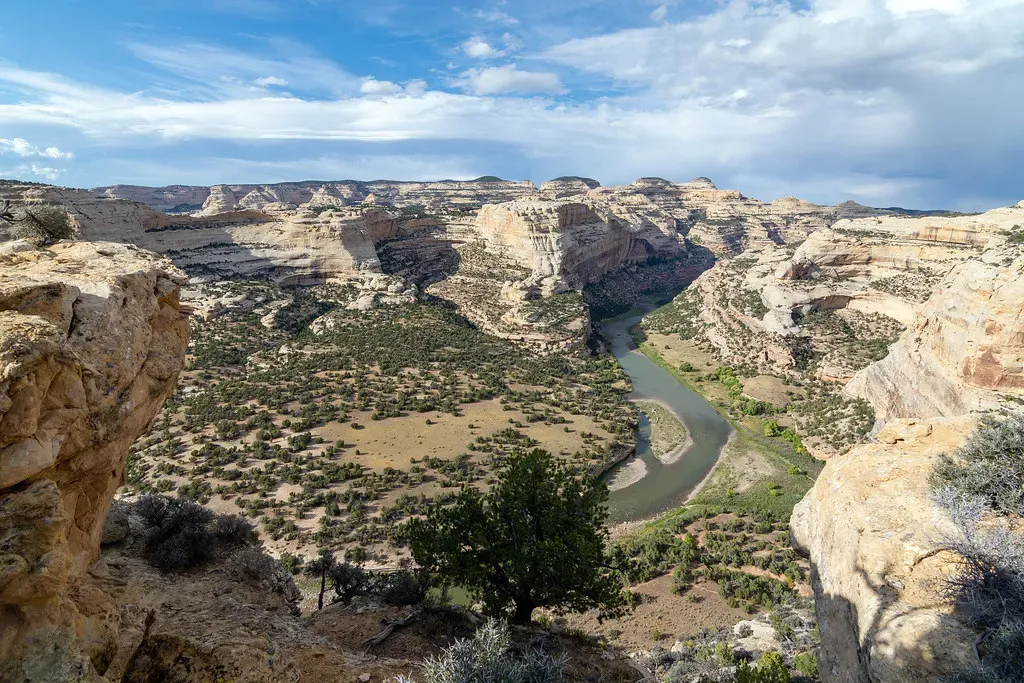
Here’s the thing most people don’t realize when they hear “national monument” – they picture a plaque and a hiking trail. Dinosaur National Monument contains one of the greatest Jurassic fossil quarry localities in the world, with over 1,500 dinosaur bones exposed. That’s not a metaphor. You can walk up to a wall of rock and press your hand against an actual Jurassic-era femur. It’s surreal in the best possible way.
The rock layer enclosing the fossils is a sandstone and conglomerate bed of alluvial origin known as the Morrison Formation from the Jurassic Period, roughly 150 million years old. The dinosaurs and other ancient animals were carried by river systems which eventually entombed their remains in Utah, and the pile of sediments were later buried and lithified into solid rock. Think of it like nature’s version of a slow, catastrophic concrete pour – one that perfectly preserved an entire ancient world.
The dinosaurs excavated from the site include the plant-eating sauropods Apatosaurus, Camarasaurus, Diplodocus, and Barosaurus; the meat-eating theropods Allosaurus, Ceratosaurus, and Torvosaurus; and the plant-eating ornithischians Camptosaurus, Dryosaurus, and Stegosaurus. In addition to dinosaurs, the quarry has yielded the remains of two kinds of crocodiles, two kinds of turtles, a frog, and fossil plant material. That diversity tells a vivid story about a rich, layered ecosystem, not just a single species event.
Other Morrison Formation sites within the monument have yielded the remains of a variety of plants and animals, including frogs, salamanders, and mammals, giving scientists a better picture of the total Morrison ecosystem. Scientists are still excavating new sections, and the finds keep reshaping what we understand about who lived alongside the great sauropods.
Petrified Forest National Park, Arizona: A Triassic World Frozen in Stone
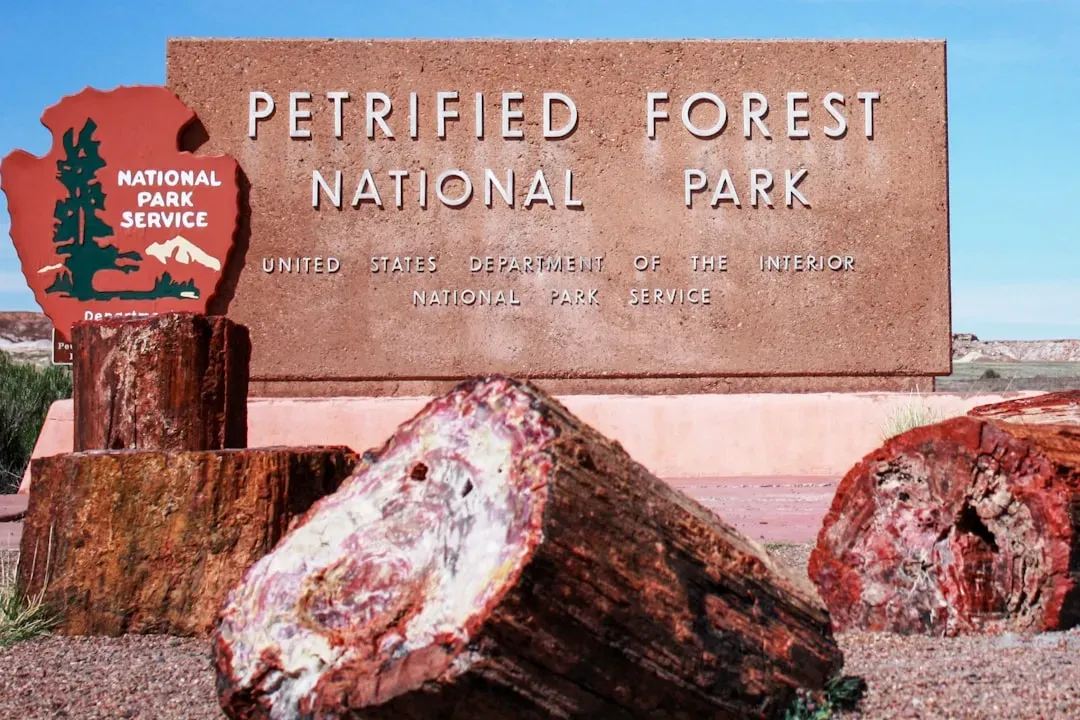
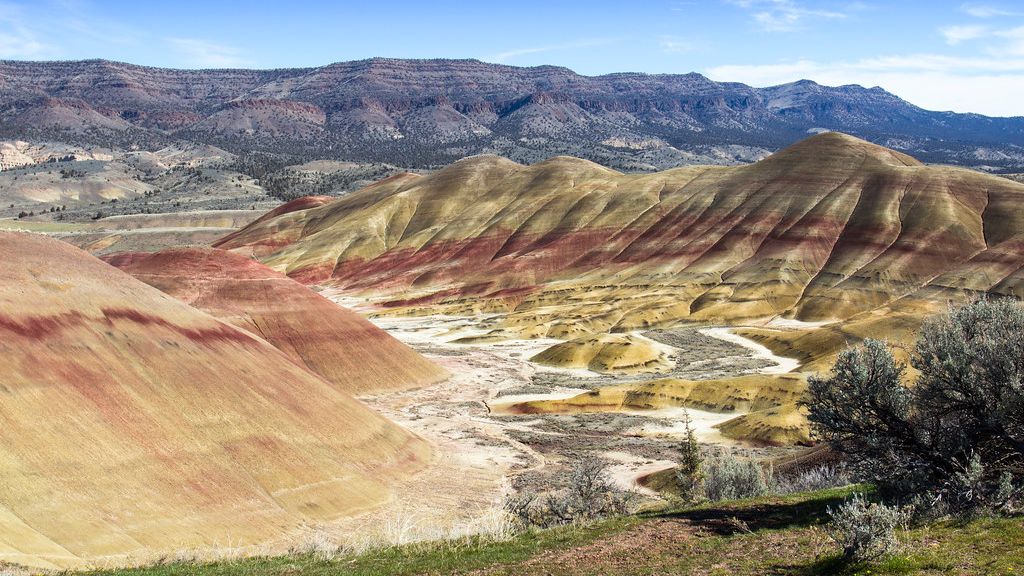
You probably know this place for its rainbow-colored logs scattered across the desert like a giant’s forgotten firewood. But the real story goes much deeper than the scenery. Petrified Forest National Park is known for its fossils, especially of fallen trees that lived in the Late Triassic Epoch of the Mesozoic era, about 225 to 207 million years ago. During this epoch, the region that is now the park was near the equator on the southwestern edge of the supercontinent Pangaea, and its climate was humid and subtropical. Picture lush, steamy tropical forests where nothing resembling the Arizona desert existed yet.
Two hundred million years ago, Petrified Forest was not a dusty desert at all – it was lush, humid, and full of life. Located near the equator at the time, this area sat in the middle of what may have been the largest river system the Earth has ever known, with enormous rivers pumping as much water into the landscape as the Amazon does today. I know it sounds crazy, but that parched Arizona landscape you see today was once a swampy, subtropical giant.
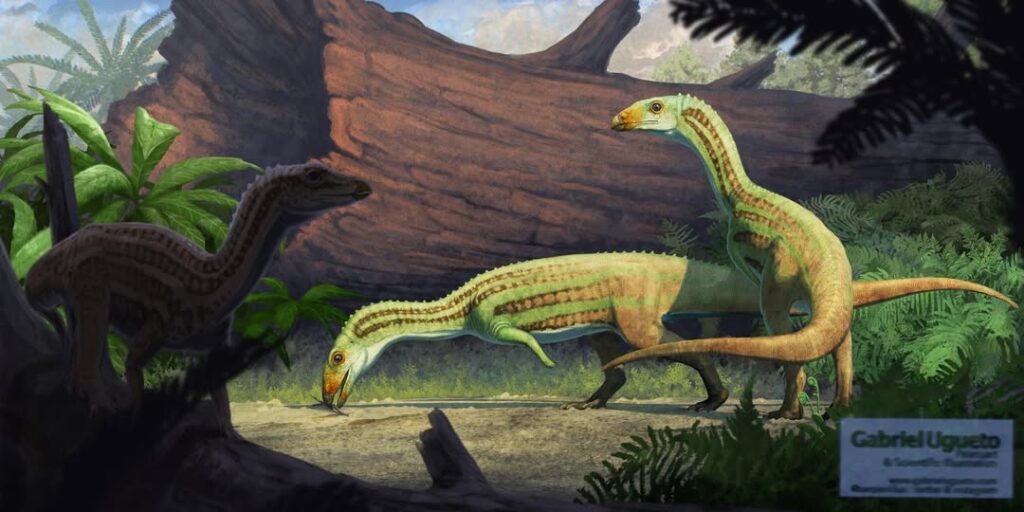
In addition to petrified logs, fossils found in the park have included Late Triassic ferns, cycads, ginkgoes, and many other plants, as well as fauna including giant reptiles called phytosaurs, large amphibians, and early dinosaurs. Specimens of iconic Triassic early reptiles such as crocodile-like phytosaurs and armored aetosaurs are associated with the Petrified Forest, and some of the earliest dinosaurs, such as Chindesaurus bryansmalli and Coelophysis bauri, have been unearthed there too.
The park contains the largest deposits of petrified wood in the world, as well as important fossils of plants and animals, including early dinosaurs, all in a detailed stratigraphic setting that allows changes in the ecosystem and biota to be effectively traced through the end of the Triassic. It’s essentially a geological diary, written in rock, covering roughly twenty million years of ecological transformation in a single place.
Hell Creek Formation, Montana: The Last Chapter of the Dinosaur Age
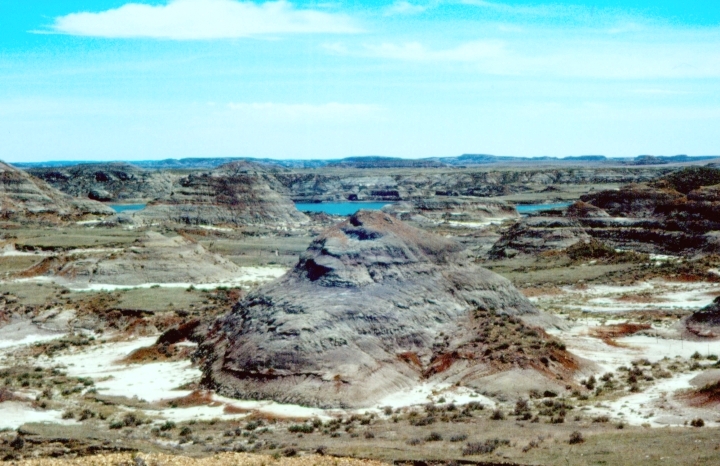
If Dinosaur National Monument is a Jurassic blockbuster, then Hell Creek is its devastating sequel. The Hell Creek Formation is an intensively studied division of mostly Upper Cretaceous rocks in North America, named for exposures studied along Hell Creek, near Jordan, Montana. The formation stretches over portions of Montana, North Dakota, South Dakota, and Wyoming. What you’re looking at when you visit is literally the final chapter of the non-avian dinosaur story.
During the latest Cretaceous, between roughly 66 and 67 million years ago, this plain was home to an evergreen woodland with a lush plant community including abundant flowering plants alongside conifers, ferns, and others. Animal fossils from Hell Creek reveal a diverse ecosystem of freshwater invertebrates, insects, fish, amphibians, reptiles, mammals, and, of course, dinosaurs, including some of the most famous dinosaurs of all.
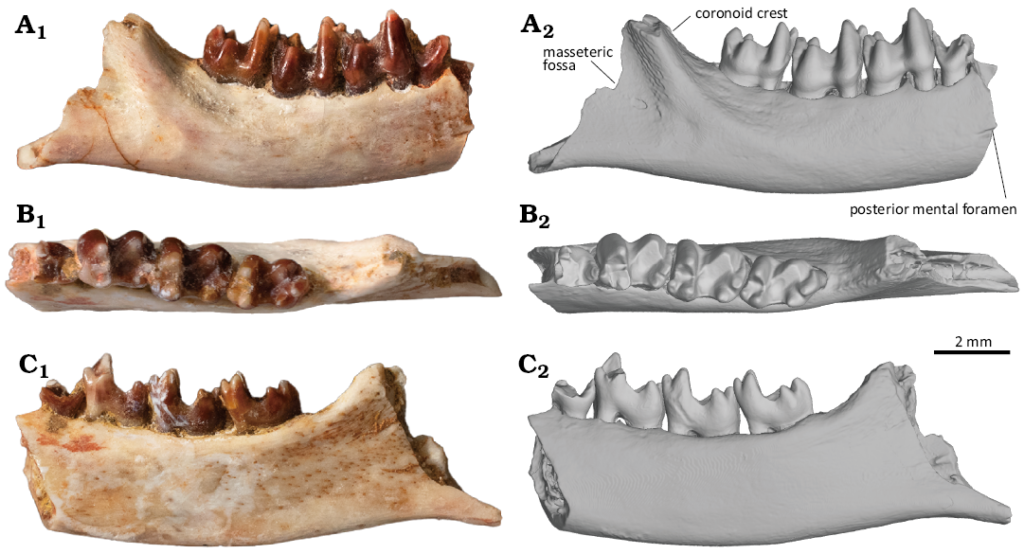
Fossils in the formation include the remains of plants, dinosaurs, and many small Cretaceous mammals, including some early primates. The rich dinosaur fauna includes theropods such as Tyrannosaurus, pachycephalosaurs, ornithopods, ankylosaurs, and ceratopsians such as Triceratops. The largest Triceratops skull ever discovered, nicknamed ‘Dragon King,’ was found in Glendive, Montana, which is in the Hell Creek Formation. That single find alone is worth the trip.
Hell Creek is also one of the premier places to explore the end-Cretaceous mass extinction – in some places, the Hell Creek Formation sits directly underneath the famous K-Pg boundary, with its ample evidence of asteroid impact, and quite a lot of research in this region has been devoted to studying patterns of evolution and extinction before, during, and after the extinction event. You can, in theory, crouch down and place your finger right at the boundary between the age of dinosaurs and everything that came after.
Morrison Formation, Colorado and Wyoming: North America’s Greatest Jurassic Fossil Factory
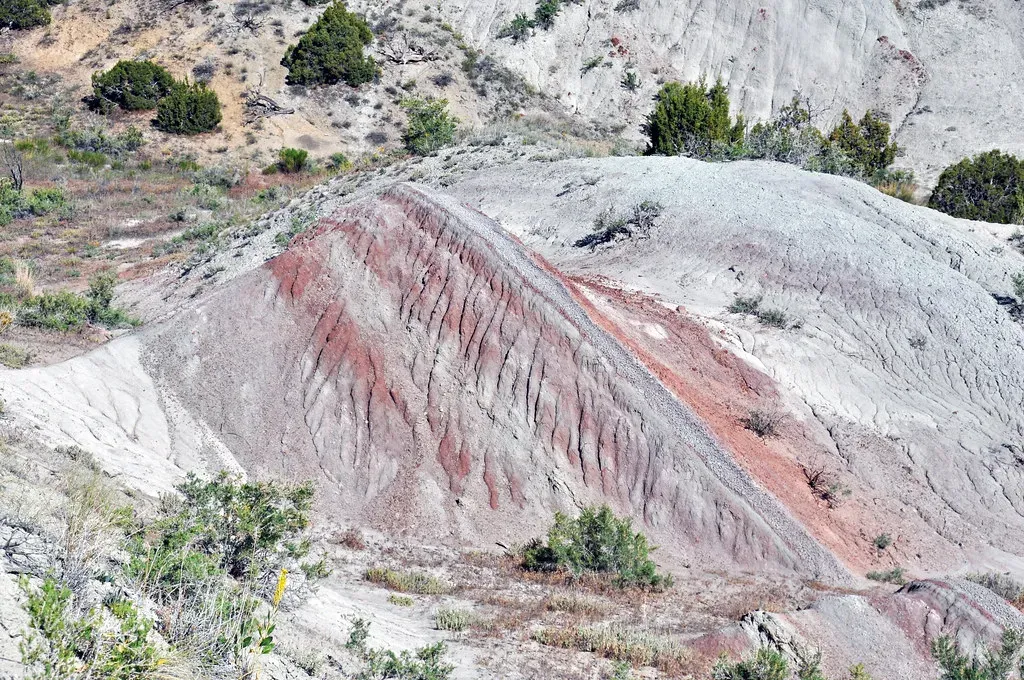
Situated between Utah and Colorado, the Morrison Formation comprises a major chunk of an expansive sedimentary rock unit that is considered the most productive source of near-complete dinosaur skeletons in North America. Let that sink in for a moment. Not “one of the most productive.” The most productive. This isn’t a fossil site – it’s an entire geological formation spanning multiple states, a prehistoric archive at a continental scale.
The Morrison Formation originated approximately 150 million years ago as floodplain deposits. It was widespread, covering the area that is now Colorado, Wyoming, eastern Utah, northern New Mexico, parts of Montana and South Dakota, and the panhandle of Oklahoma. Understanding this formation is like having a master key to Jurassic North America – every rock layer is a page, and every fossil is a sentence telling you who was alive, what they ate, and how they died.
Erosion by rivers in the rugged landscape exposed the Morrison Formation and its trove of fossil material, which includes not only dinosaurs but many other animals and plants. Millions of years ago, the remains of living things – from bones to leaves – accumulated in streams and shallow lakes and were swiftly buried by clay, silt, and sand, and these sediments were turned into rock over many millions of years as they were buried under newer sediments.
The abundant fossils of the Morrison Formation, together with fossils that scientists have found in both older and younger rock layers in the area, make Dinosaur National Monument an important scientific resource that continues to provide new insights into the geologic history and ancient ecology of the region. It’s honestly hard to overstate how much of what we know about Jurassic life comes from these layered stones.
Judith River Formation, Montana: A Window Into a Vanished Late Cretaceous World
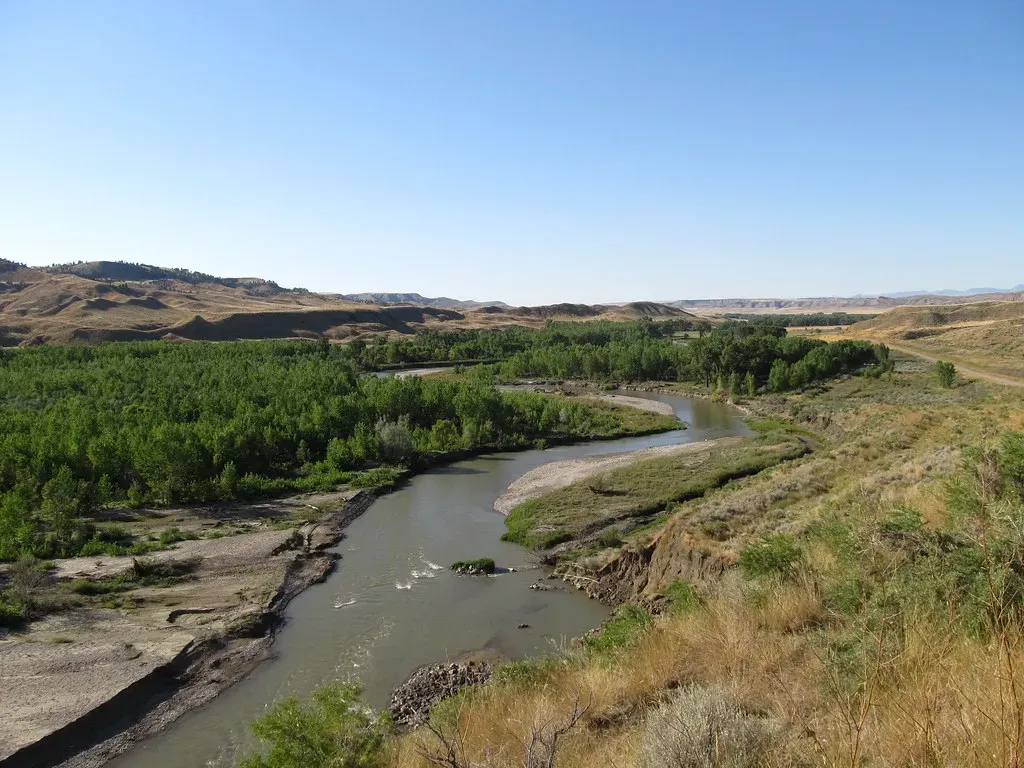
Montana’s Judith River Formation is pivotal for understanding the diverse ecosystems of the Late Cretaceous period, and this rich fossil site has revealed numerous dinosaur species, including duck-billed hadrosaurs and horned ceratopsians. While it doesn’t get as much mainstream attention as Hell Creek or the Morrison Formation, this site is a deeply underrated gem, especially for understanding mid-Cretaceous biodiversity before the final extinction countdown began.
One key factor contributing to the region’s rich fossil record is its connection to the Western Interior Seaway, a vast inland sea that covered much of North America during the Late Cretaceous period. This seaway provided a diverse marine ecosystem teeming with life, including numerous species of reptiles and fish. As these organisms died and sank to the seafloor, their remains became buried under layers of sediment, ultimately leading to their preservation as fossils.
Researchers applied stable isotope analysis methods to fossilized teeth and scales from a range of animals, including dinosaurs, crocodilians, mammals, bony fish, and rays, all preserved together from a relatively small region over a geologically short period of time. By analyzing the stable carbon and oxygen isotope compositions of these fossils, they were able to reconstruct isotopic distributions in this ecosystem – a proxy for the diets and habitat use of ancient animals. That kind of precision is genuinely astonishing when you think about how old these bones are.
The formation’s stratified layers offer a timeline of life, preserving a snapshot of a vibrant prehistoric world. Paleontologists and visitors are drawn to its scientific significance and the stories told by its ancient inhabitants. It’s one of those places where the ground beneath you feels genuinely alive with history – layered, complex, and endlessly revealing.
Conclusion: The Earth Has Been Keeping Receipts

What’s remarkable about all five of these geological sites is not just what they contain, but what they collectively say. Together, they span hundreds of millions of years of life on this continent. They document entire ecosystems, not just isolated creatures – forests, floodplains, inland seas, subtropical swamps, and towering predators all locked into stone, waiting for you to find them.
These aren’t just places for scientists in lab coats. They’re open books, and you are invited to read them. Whether you’re crouching beside a crystallized log in Arizona, pressing your hand to a bone-studded quarry wall in Utah, or standing on the ghost of a Cretaceous floodplain in Montana, you are touching something ancient and irreplaceable. The Earth has been keeping receipts for a very long time. The only question is: how many of them will you go and read for yourself?