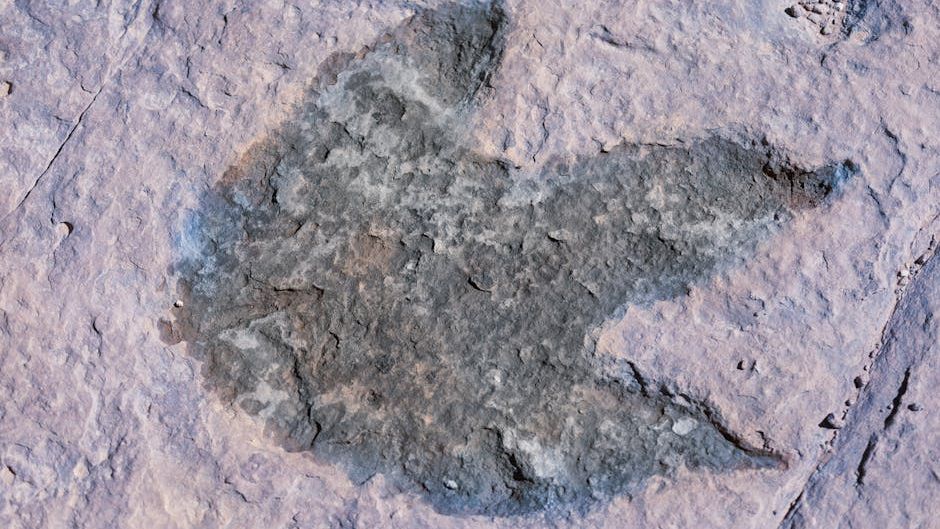
There’s something almost surreal about the idea of standing exactly where a creature the size of a school bus once planted its enormous foot. Not in a museum. Not behind glass. Out in the open air, with rock beneath your sneakers and the wind in your face, looking down at an impression left in mud that hardened over 150 million years ago. Honestly, it’s one of those experiences that makes you feel both tiny and completely alive at the same time.
The United States is surprisingly rich in these kinds of places. From sun-scorched Colorado canyons to the wild heart of Alaska, there are parks and protected lands where ancient footprints are just sitting there, waiting for you to find them. Be prepared to be amazed by what these five incredible destinations have to offer.
Dinosaur National Monument, Utah and Colorado – Where Bones and Tracks Tell the Same Story
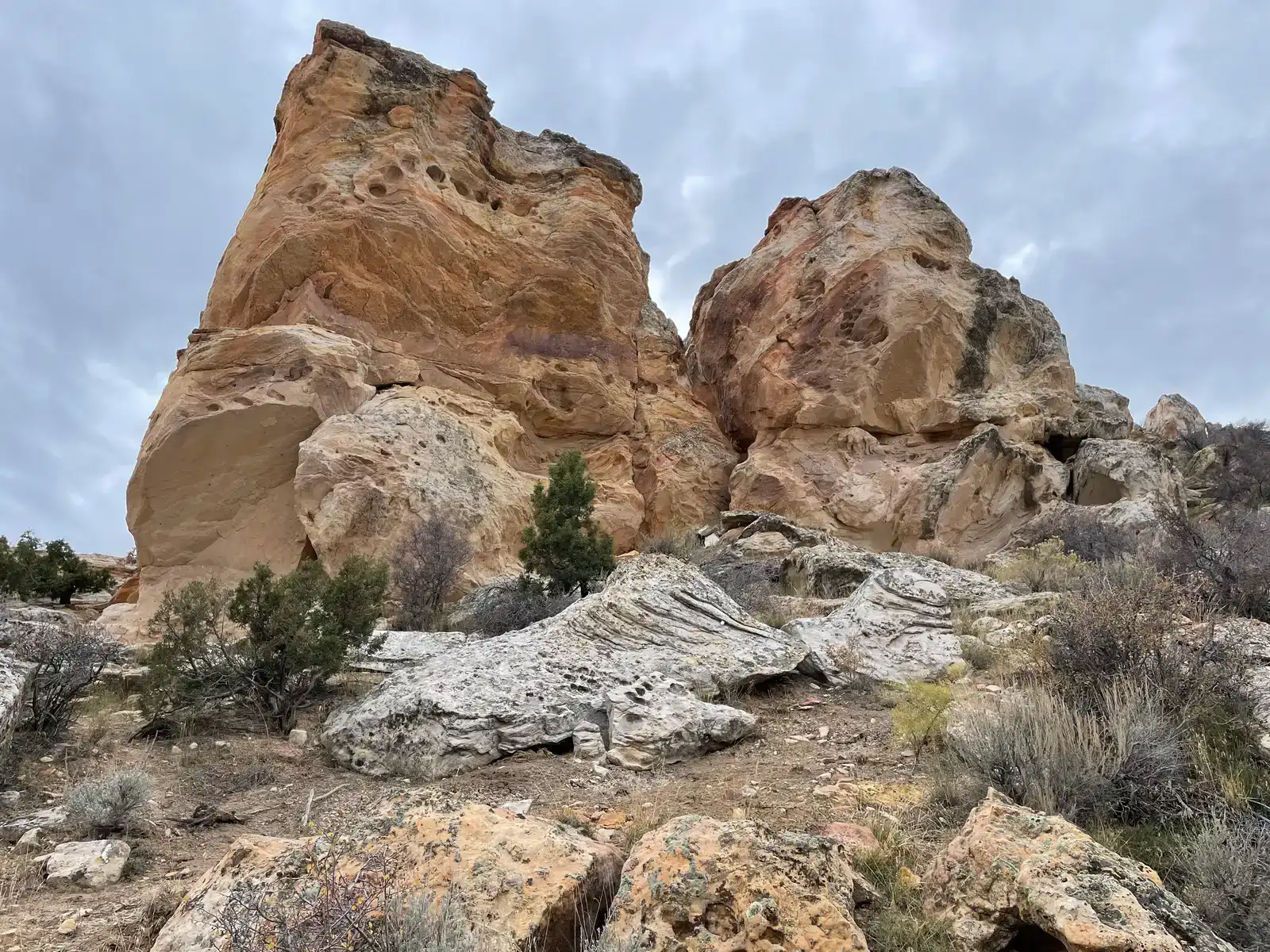
If you’ve ever wanted to stand beside the fossilized remains of an Allosaurus, an Apatosaurus, and a Diplodocus all in one place, this is your park. First protected under the Antiquities Act by President Woodrow Wilson and later expanded by President Franklin D. Roosevelt, Dinosaur National Monument straddles the border between Utah and Colorado, covering a major portion of the Morrison Formation – an expansive sedimentary rock unit considered the most productive source of near-complete dinosaur skeletons in North America.
You can see over 1,500 dinosaur fossils exposed on the cliff face inside the Quarry Exhibit Hall. That alone is jaw-dropping. The monument is the only place in the world that provides an interactive experience with more than 1,500 dinosaur bones and fossils, where visitors can view and touch dinosaur bones in their original resting place. Think of it like nature’s own open-air laboratory, one that has been running for over a hundred million years.
You’ll find a variety of dinosaurs here including the Allosaurus, Apatosaurus, Diplodocus, and Stegosaurus. This scenic park is far more than just for seeing dinosaurs, though. You can also hike through the canyons or go river rafting on the Green and Yampa Rivers. You’ll find both petroglyphs and pictographs along the canyon walls too. It’s a full prehistoric and cultural experience rolled into one unforgettable trip.
Picketwire Canyonlands, Comanche National Grassland, Colorado – The Largest Dinosaur Tracksite in North America
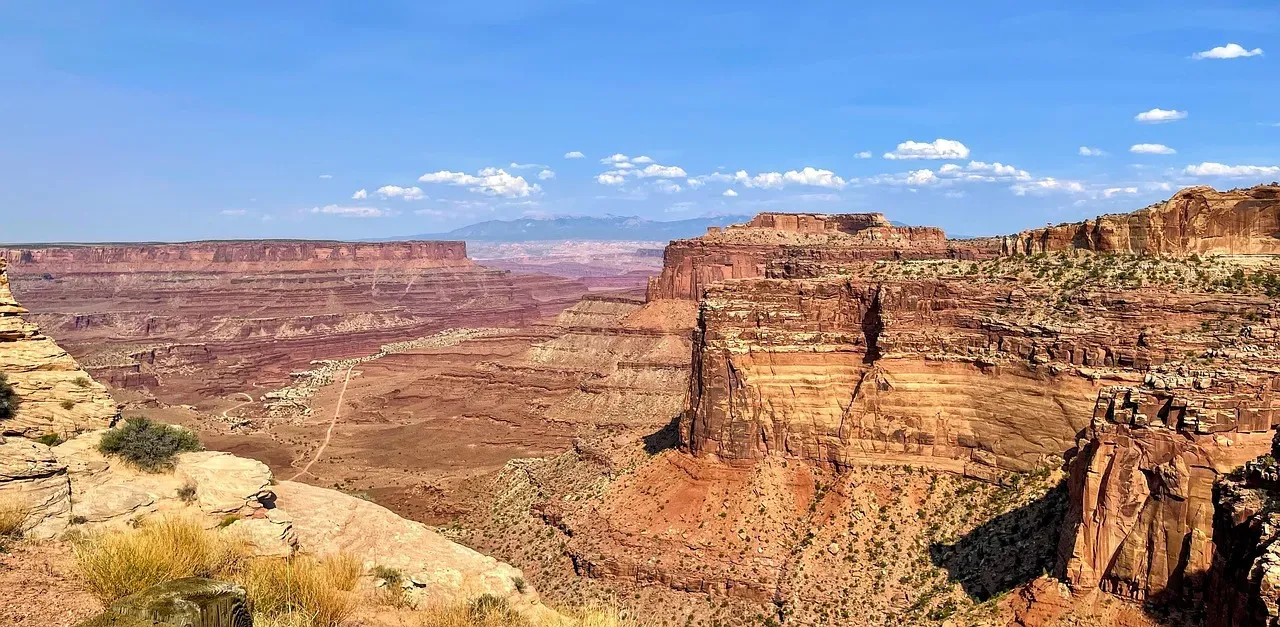
Here’s the thing – most people have never even heard of this place, and that might be the best kept secret in American paleontology. These primitive canyons in the Comanche National Grassland are home to the largest dinosaur tracksite in North America, with over 1,900 prints in 130 separate trackways extending across a quarter mile of bedrock along the banks of the Purgatoire River. The round-trip hike to the dinosaur tracks is 11.2 miles, starting at the Withers Canyon Trailhead. Yes, you’ll earn it. But you absolutely won’t regret it.
During the Jurassic period, 150 million years ago, southeastern Colorado’s climate was tropical, with forests of tree ferns, ground ferns, pines and sequoia trees. At that time, the Purgatoire River Valley was part of an enormous shallow lake. On its muddy shoreline, dinosaurs such as the Apatosaurus and Allosaurus roamed, leaving their footprints behind. You’re literally standing on the edge of an ancient lake. Let that sink in for a moment.
The largest known dinosaur track site in North America, the Picket Wire Canyon Trail features more than 1,400 individual tracks left by the plant-eating Brontosaurus and carnivorous Allosaurus on 100 separate pathways. The tracks’ arrangement offers paleontologists insight into dinosaur behavior. For example, parallel tracks among the Brontosaurus footprints indicate these dinosaurs may have traveled in groups, suggesting social behavior. If you can only do one hike this year, make it this one.
Denali National Park and Preserve, Alaska – Dinosaur Tracks at the Top of the World
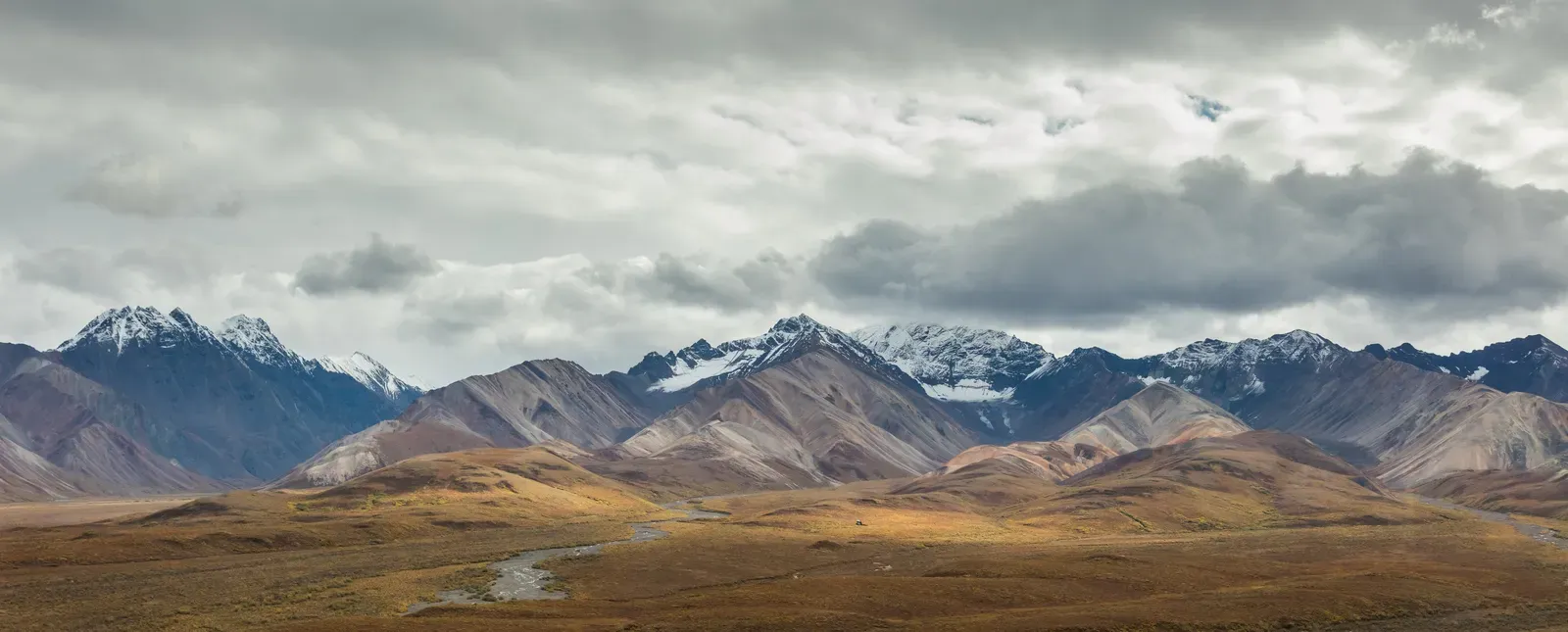
Nobody expects Alaska to be a dinosaur hotspot. I know it sounds crazy, but it is. In Denali National Park and Preserve, dinosaurs were not merely surviving – they thrived in biologically diverse ecosystems. Approximately 70 million years ago, during the Late Cretaceous Period, dinosaurs ranging from small feathered deinonychosaurs to towering tyrannosaurs were using Denali as their stomping grounds, leaving their footprints throughout the park.
University of Alaska Fairbanks scientists discovered and documented the largest known single dinosaur track site in Alaska. The site, located in Denali National Park and Preserve, has been dubbed “The Coliseum” by researchers. The Coliseum is the size of one-and-a-half football fields and contains layer upon layer of prints preserved in rock. The site is a record of multiple species of dinosaurs over many generations that thrived in what is now Interior Alaska nearly 70 million years ago.
Many of the fossilized footprints have been found within sight of the park road and tour-bus passengers traveling it, making them accessible to ordinary visitors. Dinosaur footprints found in Denali suggest that some of the polar dinosaurs that roamed the region 70 million years ago lived and traveled in multigenerational herds, with older animals potentially caring for their young in a way similar to how adult elephants mind their offspring today. A pack of ancient duck-billed dinosaurs wandering Alaskan plains – now that’s a wildlife sighting worth chasing.
Dinosaur State Park and Arboretum, Rocky Hill, Connecticut – Jurassic Footprints in New England
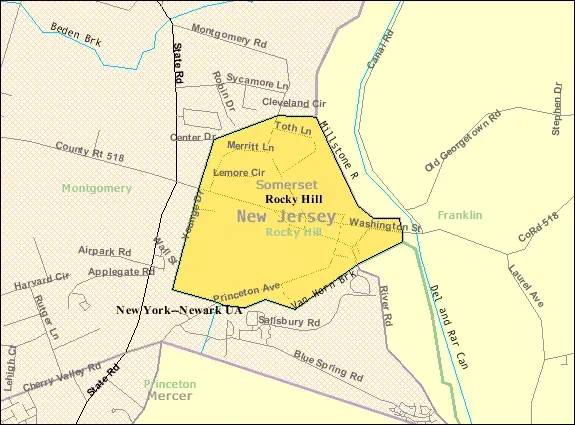
You might raise an eyebrow at New England appearing on this list. Connecticut? Really? American dinosaur fossils are famously known from remote areas of western states, but they are not limited to those areas. Some of the first dinosaur fossils reported from the United States are footprints found in New England. They were discovered before the concept of “dinosaurs” even existed and were therefore interpreted as the footprints of birds – which, in hindsight, was not far off the mark, because the small to medium-sized carnivorous dinosaurs that left the tracks were early relatives of birds.
Dinosaur State Park, in Rocky Hill, features over 750 early Jurassic dinosaur footprints, one of the largest dinosaur track sites in North America, preserved in place and viewable inside the museum, alongside exhibits about dinosaurs, fossils, Connecticut geology, and modern live animals. In 1966, a new chapter was added to that storied history with the discovery of more than 2,600 individual dinosaur footprints, most classified as Eubrontes Giganteus. A bulldozer operator stumbled upon them during routine construction. The universe has a sense of humor.
The most abundant tracks are three-toed footprints classified as Eubrontes, left by a large theropod probably similar to Dilophosaurus. Next are footprints identified as Anchisauripus, from medium-sized theropods. There are also rare footprints identified as Batrachopus, probably made by a small crocodile relative, and Grallator, made by a small theropod. You can even cast your own dinosaur footprint using real dinosaur prints right at the park – a one-of-a-kind experience and souvenir. The activity is free, though you’ll need to bring your own materials. It’s genuinely one of the most interactive dinosaur experiences in the entire country.
Glen Canyon National Recreation Area, Utah and Arizona – Where Dinosaur Tracks Seem to Defy Gravity
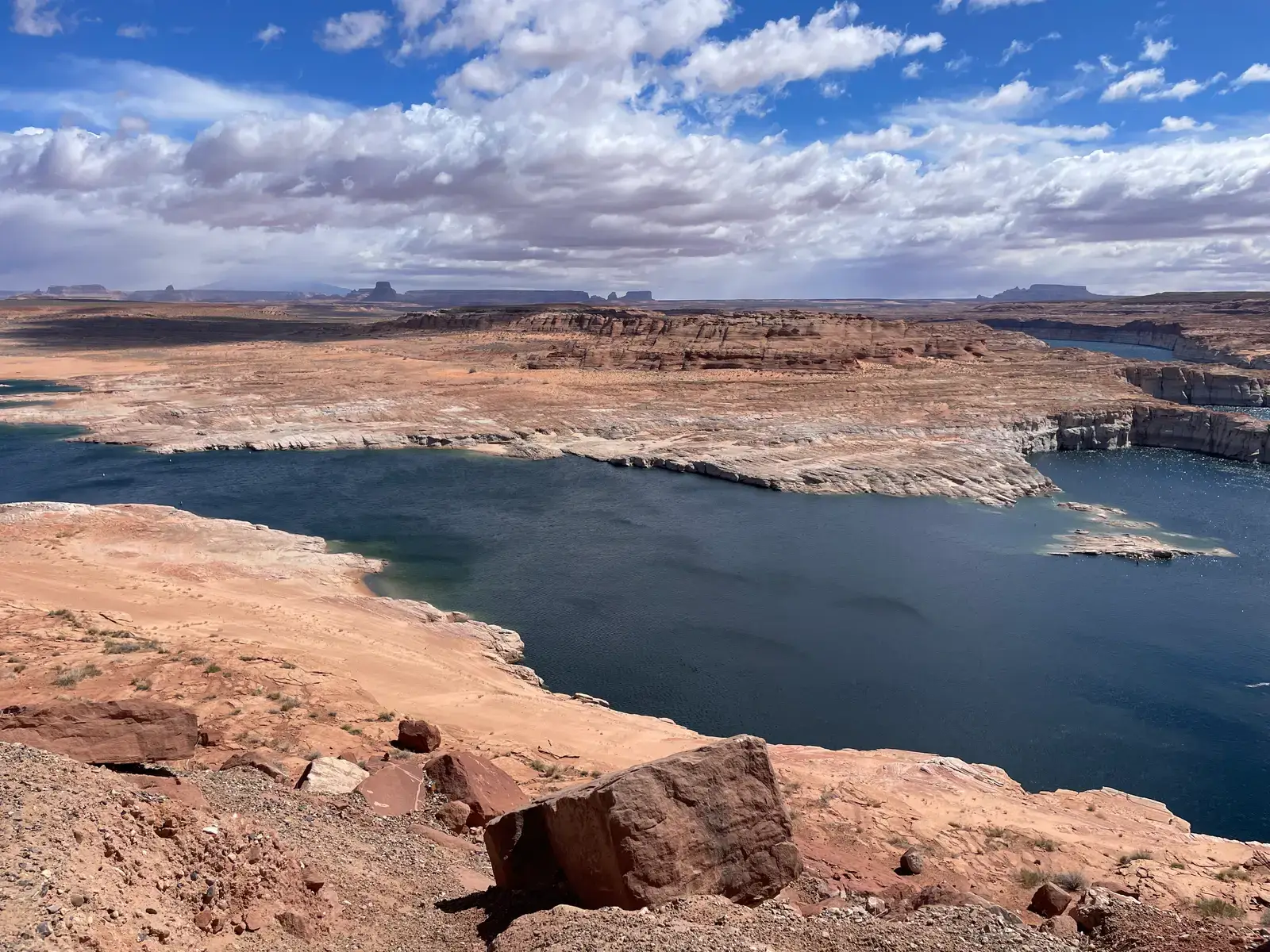
The dinosaur tracks at the Glen Canyon National Recreation Area are unique because they appear as though the dinosaurs were walking up a wall. The assumption is that the rock has shifted over the years, giving it this appearance. It’s the kind of sight that stops you mid-sentence. You simply stand there, staring, and trying to work out what your eyes are seeing.
The dinosaur footprints in this area are relatively newly discovered, circa 2008, and span over multiple time periods in history. A few dozen have been discovered, but there is still a lot of research to be done here. That’s actually exciting, not discouraging. You’re visiting a site that scientists are still actively studying, which means the story isn’t finished yet. Researchers have even found sauropod skin impressions in the Summerville and Morrison Formations near Lake Powell. Skin impressions. From an actual dinosaur. That’s not just a footprint – that’s a fingerprint from deep time.
In Glen Canyon National Recreation Area, you can find theropod tracks by visiting the Carl Hayden Visitor Center in Page, Arizona. Tracks are also found in the Wingate Sandstone, Kayenta Formation, and Navajo Sandstone. The sheer variety of geological layers here means you’re walking through multiple chapters of prehistoric life all at once. It’s hard to say for sure which specific footprints will be visible on any given visit, so checking in with the visitor center before heading out is always a smart move.
A Final Thought Before You Lace Up Your Boots
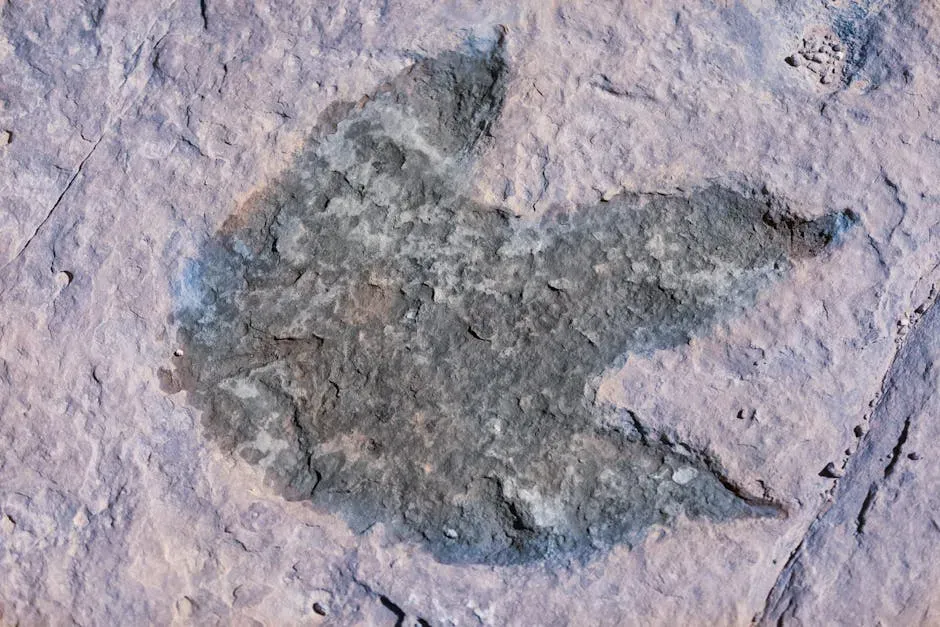
There’s a reason people travel thousands of miles to stand in these places. It’s not just the science, though the science is genuinely mind-blowing. It’s the feeling. The moment your eyes register that the shape in the rock was pressed there by a living, breathing creature that outweighs anything alive on Earth today – that’s when history stops being abstract and becomes completely, startlingly real.
From the wild Alaskan wilderness of Denali to the sun-baked canyonlands of Colorado and the surprisingly ancient riverbanks of Connecticut, these five destinations offer something no museum exhibit ever truly can. You’re not looking through glass at a fragment of the past. You’re standing inside it. So the real question is: which one will you visit first?