Picture this. You stand on a vast African plain as dust clouds rise on the horizon, growing larger with each passing minute until the ground beneath your feet begins to tremble. What you’re witnessing isn’t just movement. It’s the raw pulse of life itself, a force so powerful it has literally carved the landscapes we know today.
Animal migrations have been happening for millions of years, long before humans walked the earth. These journeys aren’t simply about survival or finding food. They’re fundamental processes that have sculpted continents, redistributed nutrients across thousands of miles, and created the very ecosystems that support life as we know it. From prehistoric mammoths trudging across ancient land bridges to salmon battling upstream with ocean nutrients locked in their bodies, these migrations have left permanent fingerprints on our planet. Let’s dive into six remarkable examples that changed everything.
The Great American Biotic Interchange
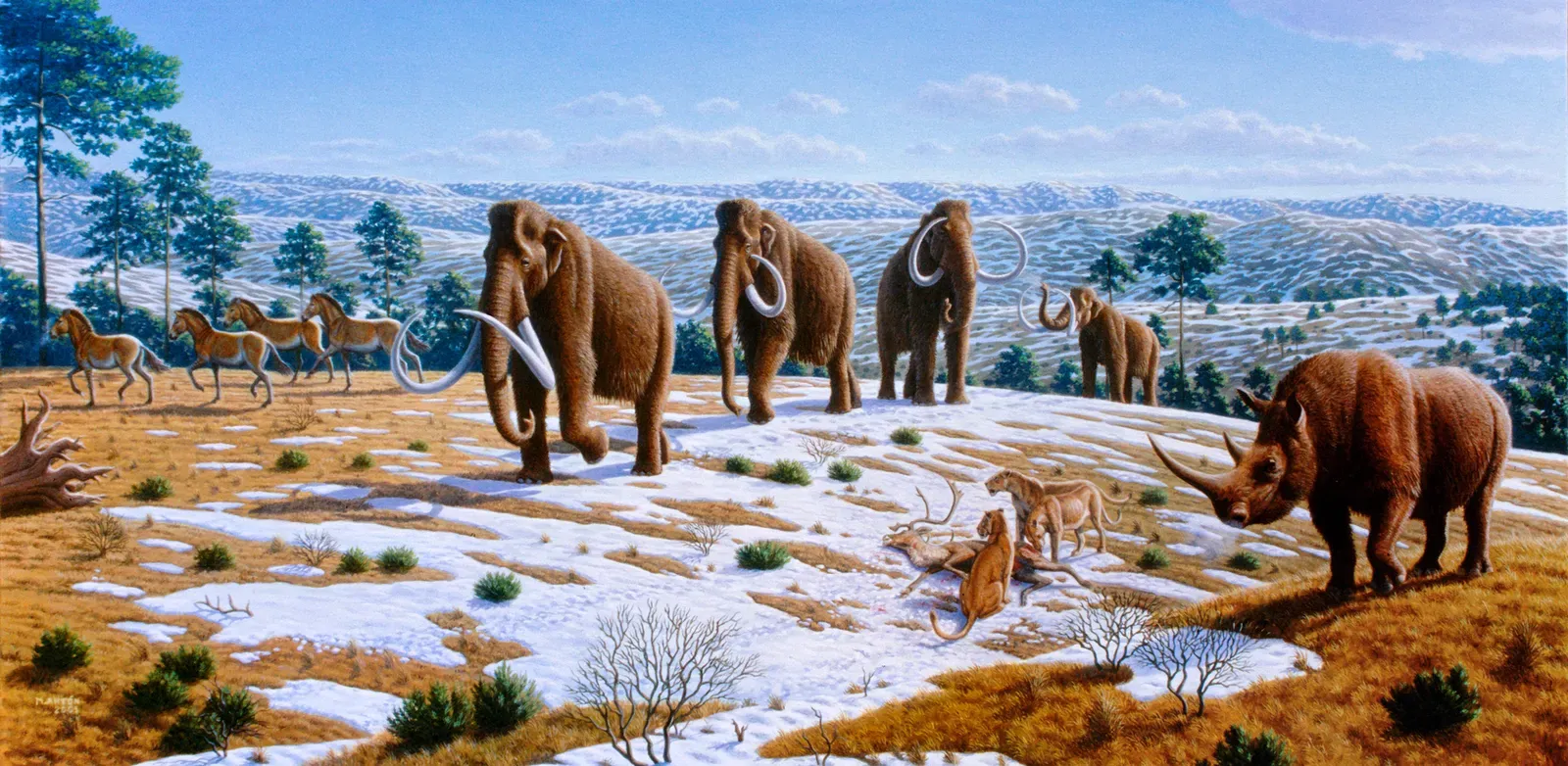
Around three million years ago, something extraordinary happened when the ecological composition of both continents changed forever as Central America formed and animals crossed between North and South America. This wasn’t a single event but rather waves of migration spanning millions of years as continental plates shifted and islands emerged between the two landmasses.
The skull of a mastodon from Peru dates to over nine-and-a-half million years old, and ground sloths were in Florida by nine million years ago. These ancient travelers didn’t just wander aimlessly. Members of the Procyonids, mammalian carnivores that include raccoons and coatis, ventured south approximately seven million years ago and diversified rapidly upon their arrival.
The impact was transformative and irreversible. Predators like jaguars moved south while armadillos and opossums headed north, creating entirely new ecological dynamics. Think about it: every possum you see today is a descendant of those ancient South American migrants. The Great American Biotic Interchange reshaped two continents, introducing new predator-prey relationships and competition that drove evolution in unexpected directions.
The Serengeti Wildebeest Migration and Ecosystem Engineering
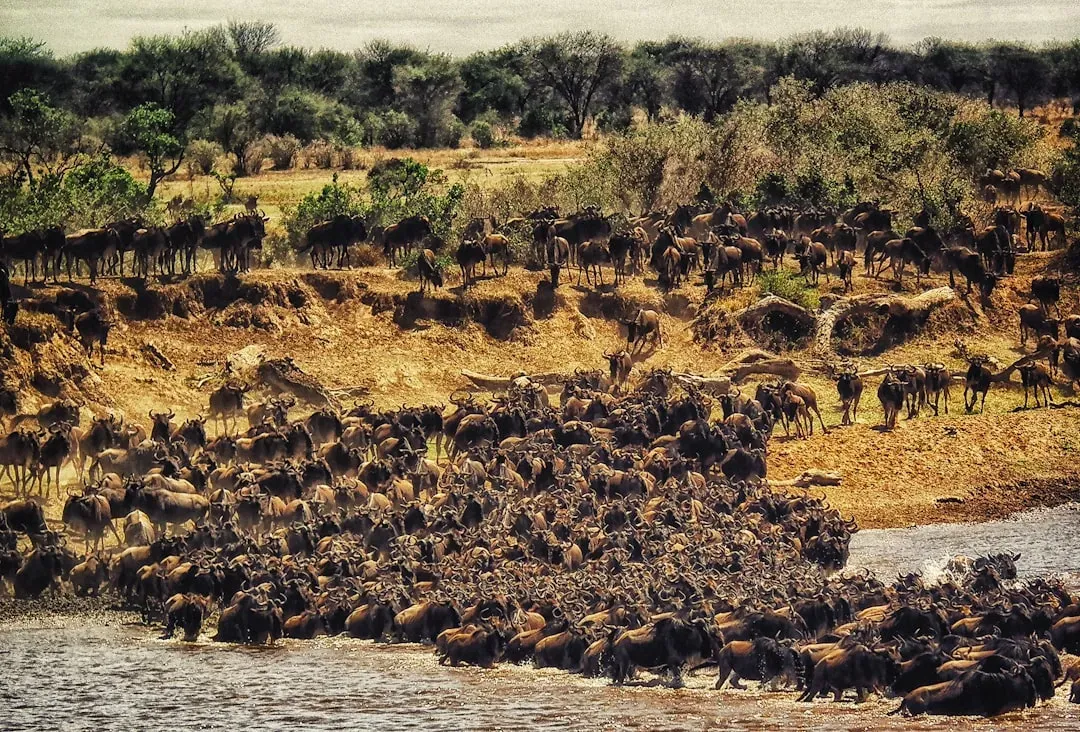
Every year, 260,000 zebras precede 1.7 million wildebeest and hundreds of thousands of other plains game in what becomes the world’s most spectacular land migration. This isn’t just a pretty parade for tourists. The Serengeti migration is an ecosystem engineering marvel that literally keeps African grasslands functioning.
Here’s what makes this migration so critical: The nutrient cycling from the movement of millions of animals fertilizes the soil, sustaining plant growth and the broader food web. When wildebeest herds were decimated by disease in the early twentieth century, ground vegetation began to overpopulate which eventually led to wildfires that destroyed roughly four fifths of the ecosystem annually, making the Serengeti a producer of greenhouse gases.
Water quantity and quality plays a major role in driving the Serengeti ecosystem, allowing researchers to predict with great accuracy the timing of the annual migration. The wildebeest don’t just follow rain. They follow a complex web of environmental signals including water salinity and grass nutrition that has evolved over millennia.
Caribou Migrations Across Arctic Tundra
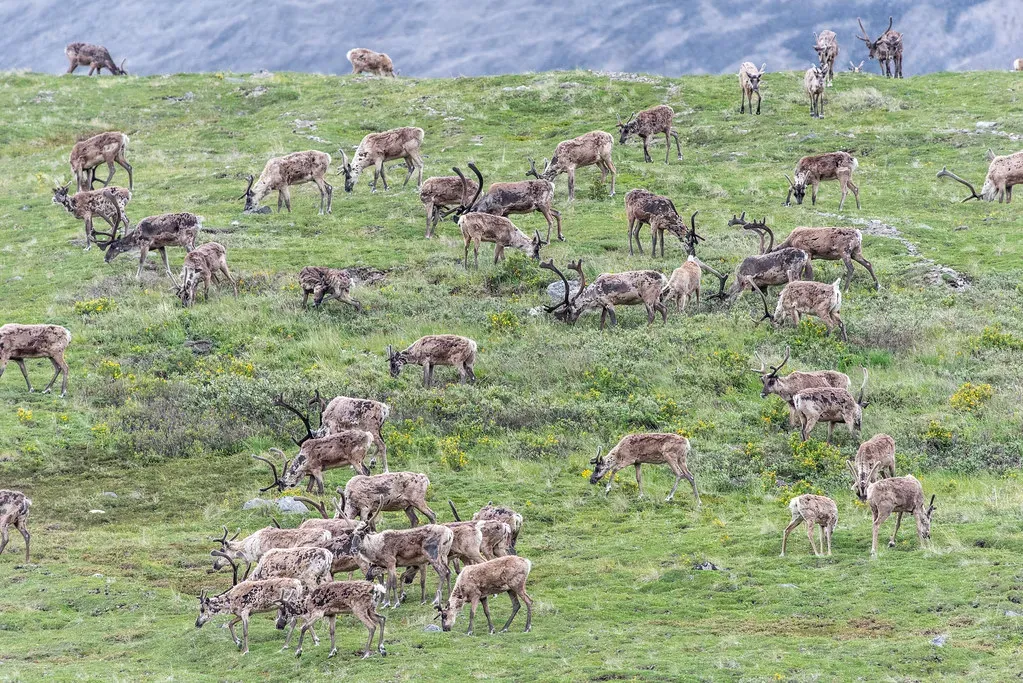
In the frozen expanses of the Arctic, migratory tundra caribou roam the Arctic and sub-Arctic tundra in massive herds and undertake some of the longest land migrations on Earth – often covering thousands of kilometres each year. These aren’t leisurely strolls. These are brutal survival marches across some of the harshest terrain on the planet.
What you might not realize is how essential these migrations are to the entire Arctic ecosystem. Caribou are a key species in the arctic food web contributing to nutrient cycling between terrestrial and aquatic systems and the abundance of predators and scavengers. Through their grazing and movement, their habits help maintain the Arctic tundra ecosystem, preventing the release of stored carbon in the permafrost.
The numbers tell a sobering story though. Arctic migratory tundra caribou populations have declined by roughly two thirds overall over the last few decades. Climate change is accelerating faster in the Arctic than anywhere else, and these ancient migration routes face unprecedented challenges. When caribou populations crash, the entire Arctic ecosystem feels the ripple effects.
Pacific Salmon Nutrient Highways
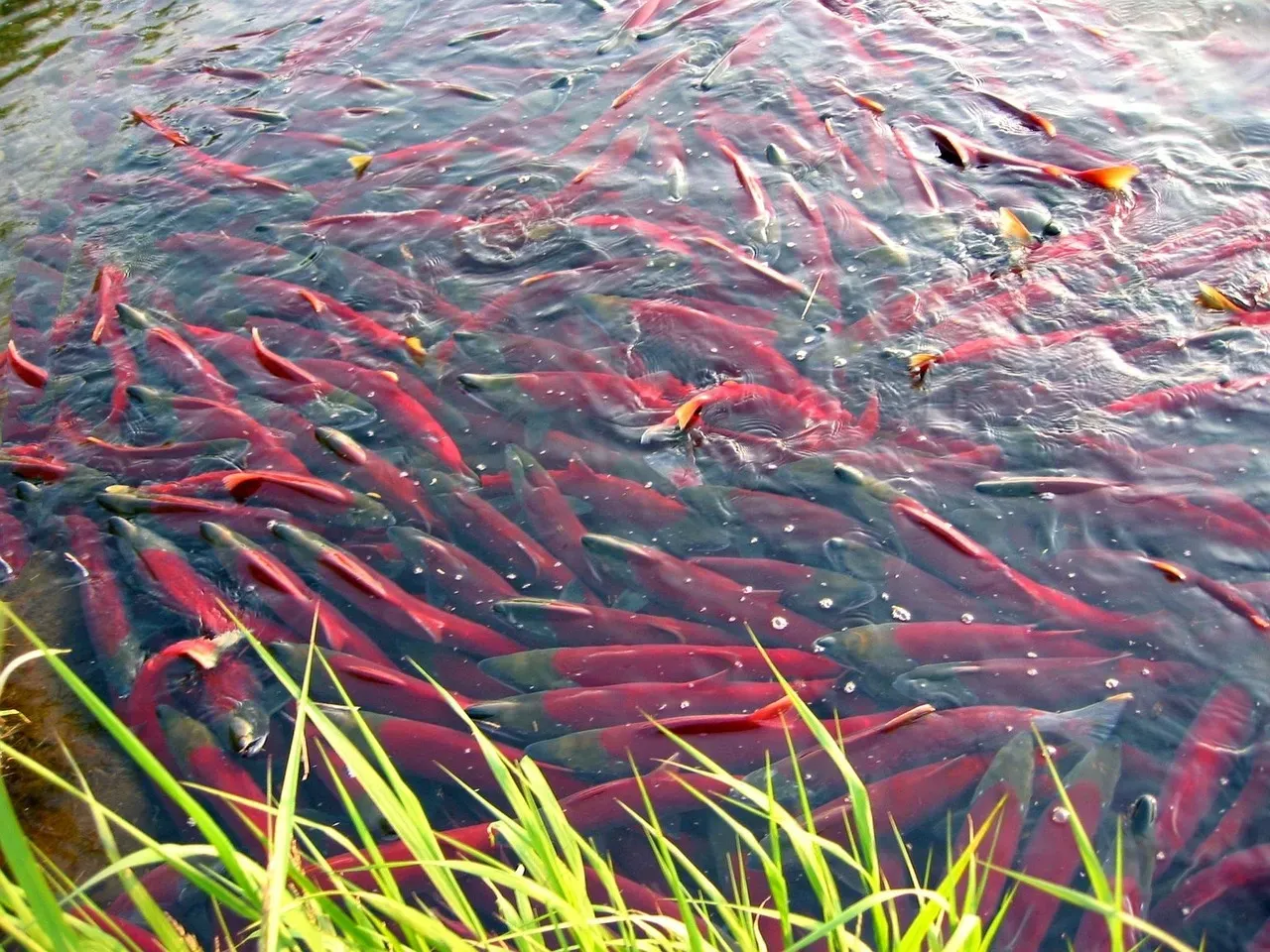
Salmon migrations represent something almost magical: a pipeline carrying ocean nutrients deep into terrestrial forests. Salmon gain most of their body mass in the ocean, and when spawning adults travel back inland to die, they ferry energy and nutrients from marine to terrestrial ecosystems. It’s reverse erosion, if you will.
The scale is staggering when you consider the impact. Among trees with major access to salmon carcasses, up to three quarters of the total nitrogen in the tree appears to be derived from salmon nutrients. Bears drag salmon carcasses into forests, eagles drop them from the sky, and you’ll find thousands of gulls, hundreds of crows, dozens of ravens and eagles, plus countless insect species all feeding on this marine bounty.
Trees will grow half as fast in forest patches with no salmon, compared to salmon-rich patches. The implications are profound. Forests hundreds of miles from the ocean owe their fertility to fish that spend most of their lives in saltwater. Without salmon, these ecosystems don’t disappear, but they become fundamentally different, less productive, less diverse.
Ancient Hominin Migrations Out of Africa
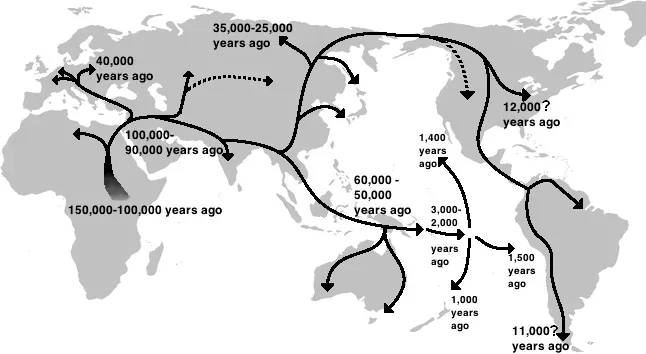
Long before modern wildlife migrations shaped continents, our own ancestors embarked on journeys that would fundamentally alter every ecosystem they touched. As archaic humans, Neanderthals and other hominin species migrated out of Africa, a wave of extinction in large-bodied mammals followed them on all continents and intensified over time.
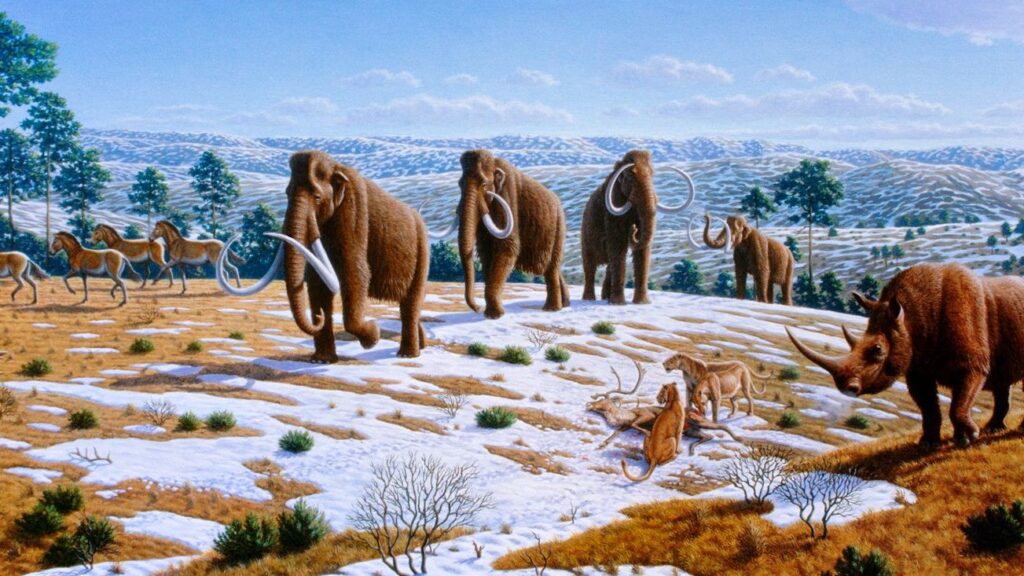
The evidence is stark and disturbing. Size selectivity in extinction only appeared when humans entered the picture, with no indication that climate change alone ever caused more frequent or size-biased extinctions. Think about the implications: mammoths, woolly rhinoceros, sabertooth cats. Roughly thirteen thousand years ago, North America had a mammal megafauna community more diverse than modern-day Africa, but it was hammered by our ancestors’ effects.
This wasn’t intentional ecosystem destruction. It was the consequence of highly effective predators entering ecosystems that had never encountered human hunting strategies before. The large mammals that survived these migrations are the exceptions, not the rule. Every modern ecosystem on Earth bears the imprint of ancient human migrations, for better or worse.
Pleistocene Bison and Prehistoric Range Shifts
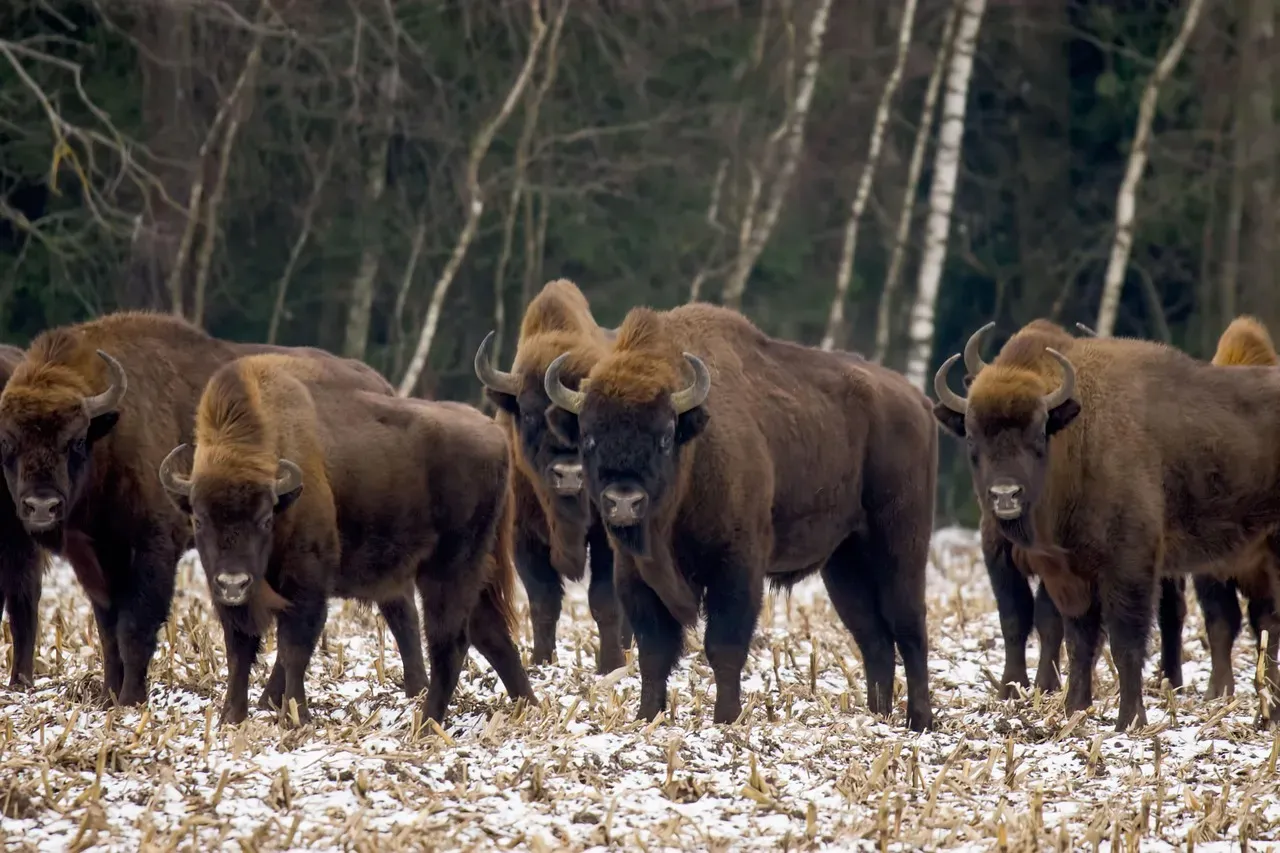
During the late Pleistocene, bison populations across Eastern Europe and North America moved in patterns that significantly influenced vegetation structure and predator distributions. What makes this fascinating is that recent research has challenged long-held assumptions. Pleistocene bison of the East European steppe occupied limited ranges with no long distance seasonal movement, demonstrating ecological and behavioural plasticity.
These sedentary herds became keystone species in their environments. Human acquisition strategies were directly related to the social, seasonal and spatial behaviour of prey species, as bison were omnipresent in archaeozoological assemblages. When climate shifted and resources became scarce, it wasn’t always the animals that migrated. Sometimes entire human populations relocated in response to static animal populations.
The Pleistocene world was fundamentally different from what we know today, and bison played a central role in maintaining open grasslands that stretched from Europe to North America. Their grazing prevented forest encroachment, created habitat for countless other species, and shaped the very landscapes that early humans navigated during their own migrations.
Conclusion
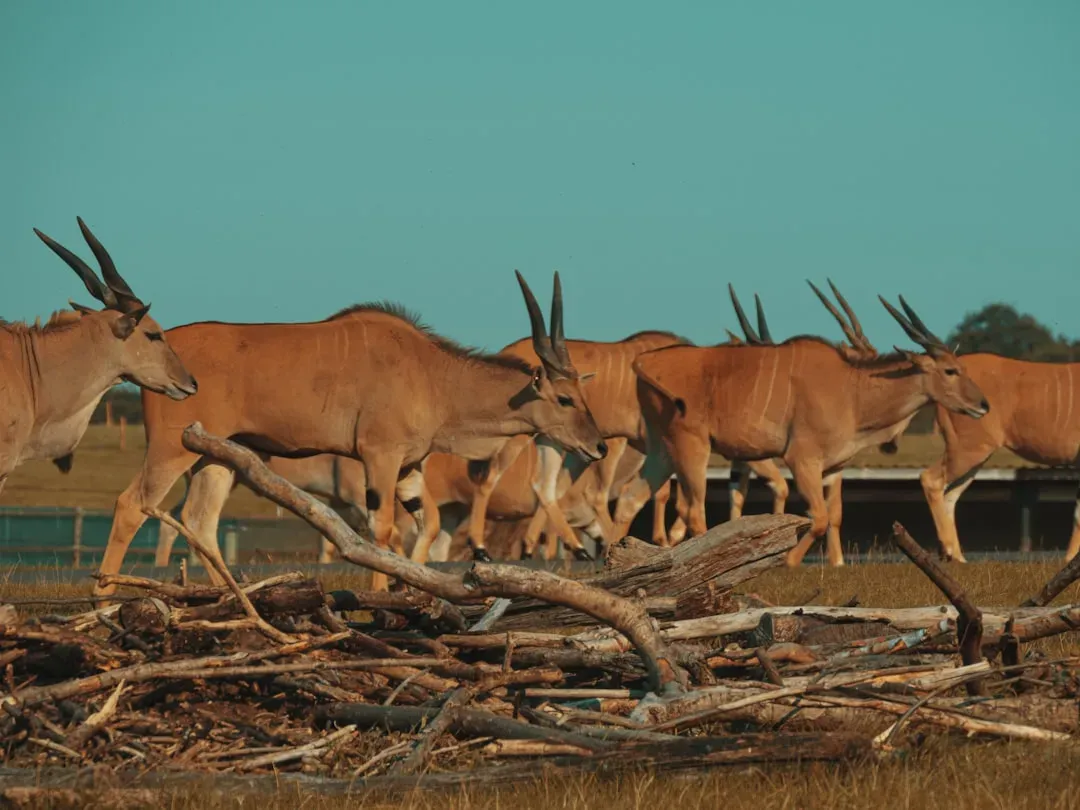
The ancient migrations explored here reveal something profound about how our planet functions. These weren’t isolated events but interconnected processes that built the biological world we’ve inherited. From wildebeest engineering African grasslands to salmon fertilizing forests far from any ocean, migrations create invisible threads connecting ecosystems across impossible distances.
We’re living through a critical moment in migration history. Climate change, habitat fragmentation, and human development are disrupting pathways that have existed for millions of years. When a migration collapses, the effects cascade through entire ecosystems in ways we’re only beginning to understand. The caribou decline in the Arctic, the diminished salmon runs along the Pacific coast, these aren’t just conservation statistics. They’re warning signs that fundamental planetary processes are breaking down.
What surprises you most about these ancient migrations? Did you realize how much your local forest might depend on nutrients carried by fish from the ocean, or that the ground beneath your feet was shaped by animals that went extinct thousands of years ago?