There’s something oddly comforting about the dinosaur facts we learned as kids: the lumbering giants, the three-horned tanks, the terrifying lizard kings roaring across a steamy, swampy Earth. The only problem? A lot of those “facts” have been quietly shredded by modern science. Paleontologists with lasers, CT scanners, and microscopic bone studies have spent the last few decades turning the dinosaur world upside down, while our childhood posters stayed frozen in the 1980s.
I still remember tracing the outline of a tail-dragging brontosaurus in a coloring book and feeling like I was peeking back in time. Years later, when I found out almost everything in that picture was wrong, it felt like someone had told me the planet had a sequel I never watched. If you’re ready for that same jolt of surprise, let’s walk back through six of the biggest dinosaur myths school probably drilled into you that simply do not hold up anymore.
1. Dinosaurs Were All Slow, Sluggish, Swamp-Loving Reptiles
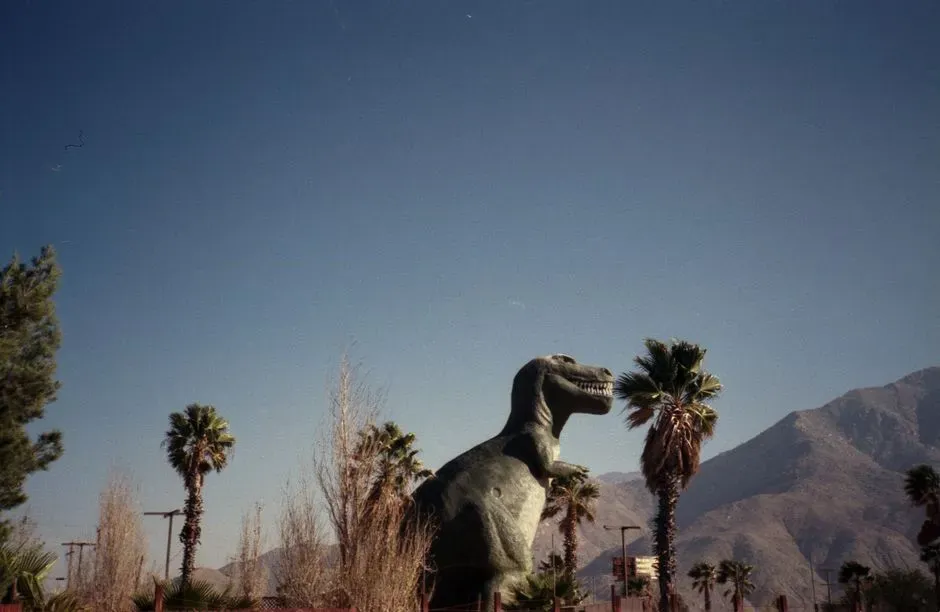
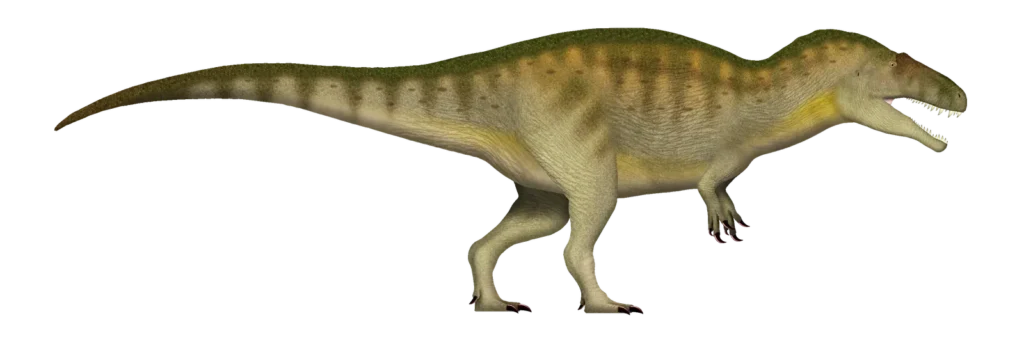
One of the most stubborn childhood images is the idea that dinosaurs were basically oversized crocodiles: cold-blooded, lazy, and half-asleep in steamy swamps. Modern research paints a wildly different picture. Many dinosaurs had high activity levels, fast growth rates, and complex behaviors that fit better with active animals like birds and mammals than with today’s sluggish reptiles. Bone studies show growth rings and blood vessel patterns suggesting at least some dinosaurs had a metabolism closer to “warm-blooded” creatures, or a kind of middle ground that kept them energetic and on the move.
Think less giant sunbathing lizard and more hyperactive ostrich with an attitude. Trackways show running, turning, and group movement, not just heavy bodies wallowing in mud. Their body shapes – long legs, big chests for powerful muscles, stiff balancing tails – make sense for fast, agile animals, not swamp slugs. If dinosaurs really were as slow as we once thought, it would be hard to explain how some of them became top predators and world-spanning success stories for tens of millions of years.
2. All Dinosaurs Were Basically Giant Lizards (And Definitely Not Related To Birds)
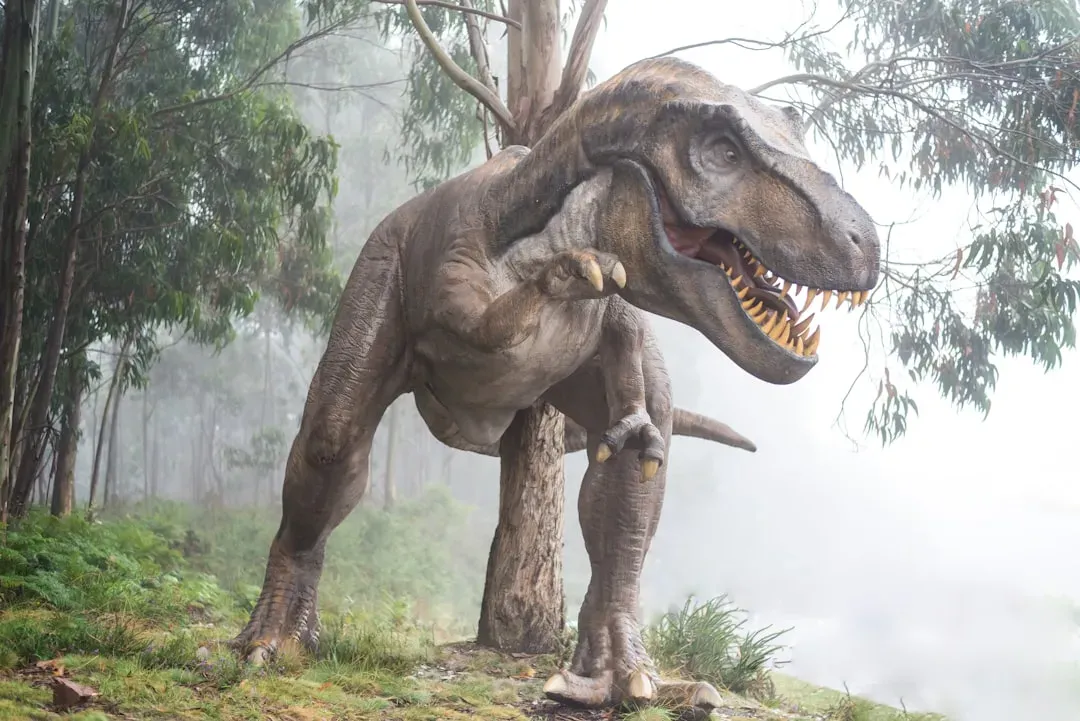
If your teacher told you dinosaurs were just huge lizards that “ruled the Earth,” that’s only half true at best. Dinosaurs and modern lizards share a distant reptile ancestry, but they went down very different evolutionary paths. The skeletons of many dinosaurs – especially the meat-eaters – look far more like overbuilt birds than like lizards if you strip away the skin and scales in your imagination. Features like hollow bones, three-toed feet, and specific hip structures show dinosaurs in the same broader family line that eventually gave rise to birds.
Today, scientists consider birds to be living dinosaurs, not just distant cousins. That means the robin on your lawn is more closely related to a velociraptor than a velociraptor ever was to a modern lizard. It flips the script completely: instead of dinosaurs being dead and gone, small feathered descendants are literally flapping past your window. Far from being a throwaway “birds are like dinosaurs” fun fact, this relationship is a central pillar of modern paleontology and totally changes how we think about dinosaur behavior, senses, and even intelligence.
3. Dinosaurs Were Always Gray, Green, And Reptile-Scaly
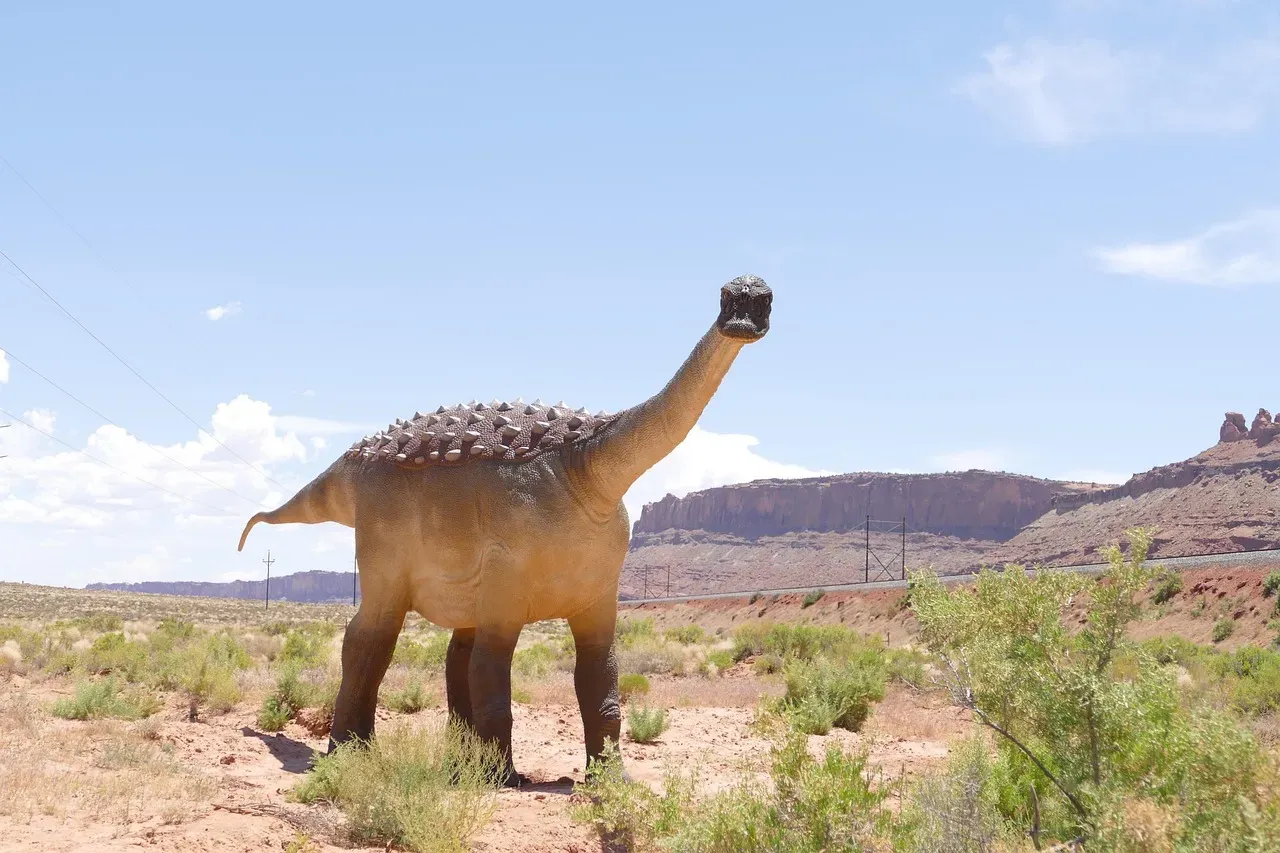
Classroom posters used to be full of dull green and brown dinosaurs, as if someone had set the saturation slider to “mud.” That coloring was mostly guesswork. Over the last few decades, fossil discoveries with preserved skin impressions and even microscopic pigment structures have shown that many dinosaurs were far more visually interesting. Some had feathers instead of pure scales, and those feathers sometimes held tiny bodies called melanosomes that can hint at original colors and patterns. While we still cannot paint every dinosaur with confidence, we now know that flat green is rarely the safest bet.
Picture small feathered hunters with banded tails, dark masks across their faces, or iridescent sheens like modern birds. Even larger dinosaurs might have had more complex color patterns than the one-shade plastic toys we grew up with. Color is not just decoration; it helps with camouflage, display, and communication. Once you accept that many dinosaurs were more bird-like, it becomes almost obvious that bold colors, patterns, and maybe even flashy crests or feather fans were part of their everyday lives. The old “giant gray lizard” look is starting to feel as dated as black-and-white television.
4. T. rex Couldn’t See You If You Stayed Still (And Was Just A Mindless Roaring Monster)
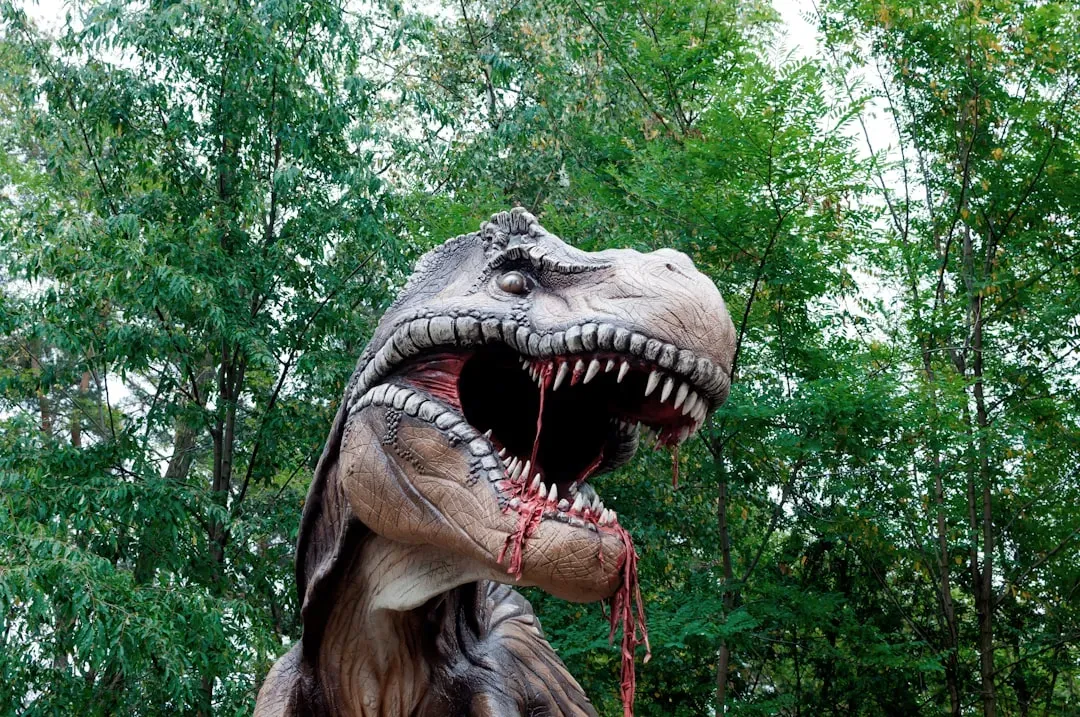
The idea that a Tyrannosaurus rex could not see you if you did not move is a fun movie gimmick, but it is not supported by anatomy. Skull studies show that T. rex had forward-facing eyes, giving it overlapping fields of vision and depth perception similar to eagles and big cats. That kind of vision is perfect for tracking moving prey, but it does not magically turn off when something freezes. In fact, combining strong binocular vision with an excellent sense of smell and hearing makes T. rex look like a highly capable hunter, not a clumsy monster that can be fooled by a playground statue pose.
On top of that, braincase reconstructions suggest T. rex had more going on in its head than the “giant, dumb eating machine” stereotype. It was still a reptile in many ways, but more like an apex predator finely tuned to its environment than a roaring movie villain. Some researchers think it hunted in complex ways, possibly mixing scavenging with active pursuit, using keen senses and strategic behavior. That does not make it gentle or friendly, but it does make it far more interesting than the overgrown shark-with-legs monster many of us imagined as kids.
And for the record: if a real T. rex was close enough to you that you were deciding whether to move, your main problem would not be its eyesight.
5. Triceratops And Other Horned Dinosaurs Used Their Horns Only For Constant, Brutal Combat
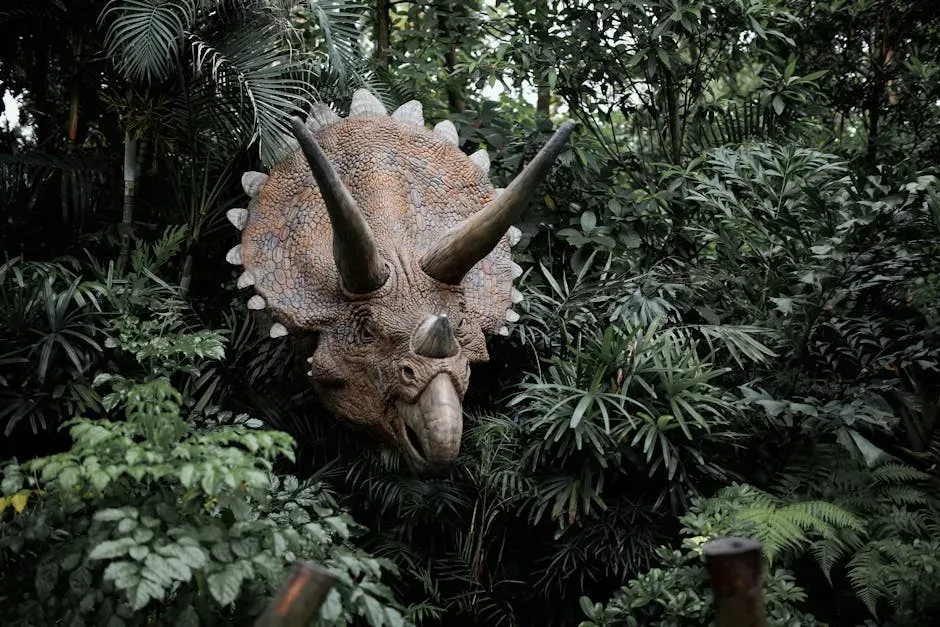
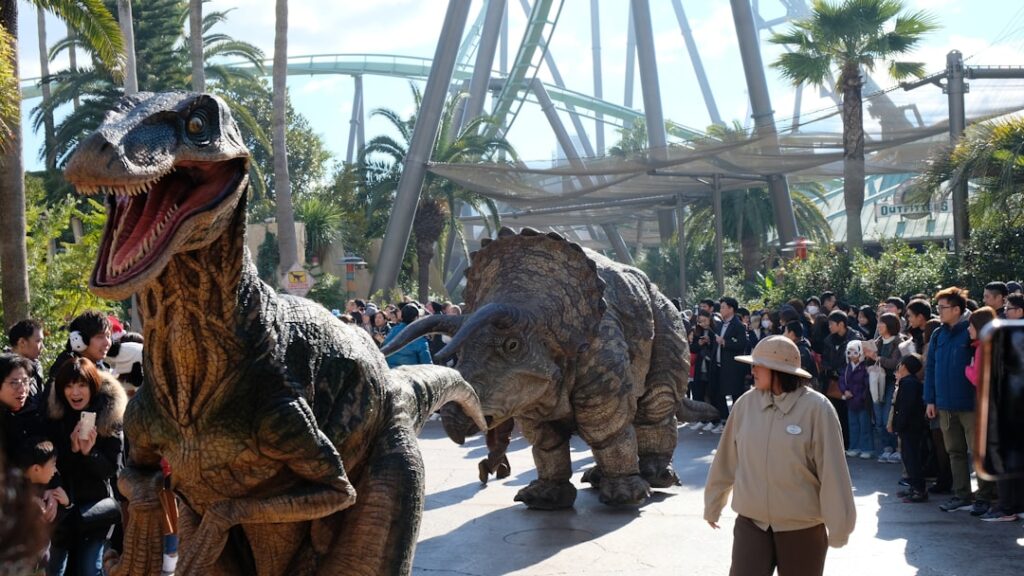
Elementary school books loved to show triceratops locking horns like living bulldozers in endless battles to the death. There is some truth hidden in there: bone injuries and wear patterns suggest horned dinosaurs did sometimes clash with each other. But modern interpretations see their horns and frills as multi-purpose tools, not just weapons. They likely used them for display to attract mates, to signal status, or even to recognize members of their own species at a distance. In many ways, those dramatic frills might have been closer to a peacock’s tail than to a knight’s lance.
Think about how modern animals with antlers or horns behave. They do fight, but they also posture, show off, compare size, and often resolve conflicts without serious injury. Horned dinosaurs probably did something similar, using their striking headgear in social lives that were more complicated than constant wrestling matches. That does not mean they were peaceful saints; a six-ton animal with a face full of spikes was clearly built to defend itself when needed. But framing them only as walking war machines misses a richer story of social interaction, display, and communication written in bone.
6. Dinosaurs All Died Off Completely, Leaving No Survivors
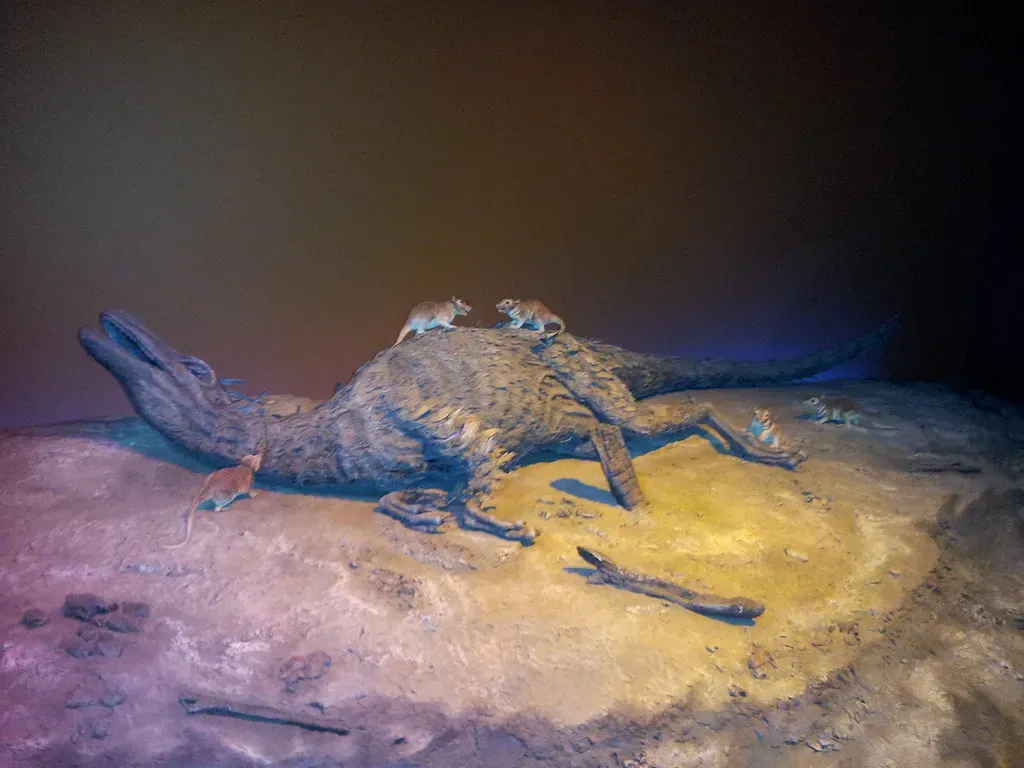
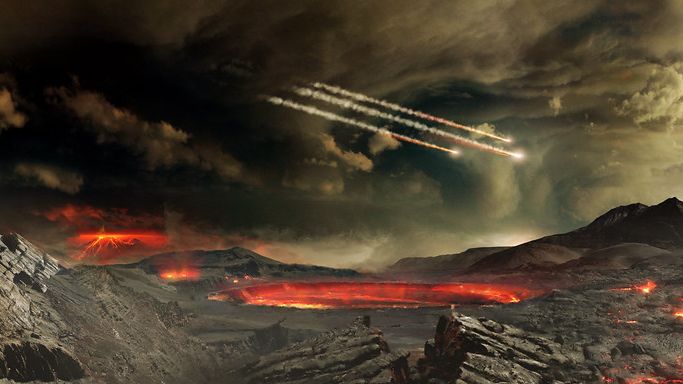
Many of us were taught a simple storyline: dinosaurs ruled, an asteroid hit, and every last dinosaur vanished while mammals took over. The reality is more nuanced and, honestly, more fascinating. That impact did trigger a massive extinction event that wiped out all non-bird dinosaurs, along with a huge portion of life on Earth. But one branch of the dinosaur family tree, the group that had already evolved into early birds, made it through. Those survivors diversified over millions of years into the thousands of bird species we know today, from hummingbirds to ostriches.
Once you understand that, the phrase “dinosaurs are extinct” becomes technically wrong. The big ground-shaking giants are gone, but their smaller, feathered relatives are everywhere, perched on power lines and raiding your backyard feeder. I still catch myself watching a hawk circle overhead and thinking of it as a living echo of the age of dinosaurs. It is a humbling reminder that evolution does not work in clean breaks; it reuses old blueprints, tweaks body plans, and keeps certain lineages going in new forms. The age of dinosaurs never really ended. It just shifted shape and kept flying.
Conclusion: Letting Go Of The Dinosaurs We Grew Up With
In a way, updating our dinosaur knowledge feels like updating our childhood operating system. There is a stubborn part of me that still wants the slow, swampy brontosaurus and the lumbering green monsters that never changed and never surprised anyone. But the real dinosaurs, the ones uncovered by decades of careful research, are stranger and more vibrant than anything in those old classroom charts. They were active, often fast, sometimes feathered, and tightly connected to the birds we see every day. Hanging onto outdated myths does not honor that world; it flattens it.
I think we owe it to our younger selves to let the science win, even when it bulldozes our favorite mental movie scenes. The truth is more dynamic: a planet full of animals experimenting with size, shape, color, and behavior across millions of years, ending not in a clean “game over” but in a messy handoff to small feathered survivors. The old stories had charm, but the new picture has depth – and a bit of chaos. Next time you hear birds calling outside, maybe give them a second look as the last dinosaurs standing. Is it really so bad that our childhood monsters turned out to have wings?