Sixty-six million years ago, on an otherwise ordinary day, the world ended in a way no dinosaur could have imagined. A space rock roughly the size of a small city slammed into what is now Mexico’s Yucatán Peninsula, and within hours, the age of giants was effectively over. We often picture a single fiery explosion and then a fade to black, but the reality was messier, stranger, and far more drawn out than that movie-style moment.
What actually happened in those first twenty-four hours reads like a disaster movie written by a geologist: a blinding flash, shock waves that circled the planet, a global rain of molten rock, earthquakes beyond anything humans have ever recorded, and skies that turned from blue to hellish in minutes. Scientists have spent decades piecing together that one terrible day from rocks and craters and chemical clues. The story they’ve uncovered is both shockingly specific and still full of eerie gaps that force us to imagine what it would have felt like to stand there and watch the world fall apart.
When the Sky Turned Into a Second Sun
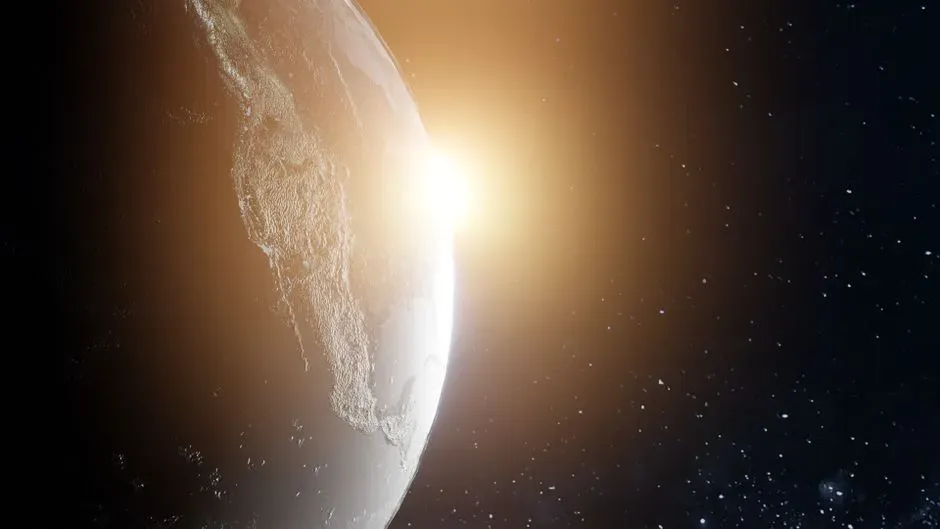
The impact itself happened in the blink of an eye, faster than a human could react, but its first visible effect would have been almost surreal: the sky brightening to something beyond daylight. As the asteroid tore through the atmosphere, it compressed the air in front of it so violently that the air itself heated up, creating a fireball that outshone the sun. For a few heartbeats, any dinosaur looking up would have seen a glowing streak like a second star rising in the wrong direction, growing larger and brighter with terrifying speed.
When the asteroid hit shallow ocean near the Yucatán, it released energy rivaling billions of nuclear bombs detonated at once. Rock instantly vaporized, water flashed into superheated steam, and a plume of molten and gaseous material blasted high above the atmosphere. That initial fireball would have scorched everything for hundreds of kilometers, igniting forests and cooking exposed animals where they stood. In human terms, it would have felt like the sun had dropped to ground level and exploded.
Shock Waves, Megaquakes, and Ground That Wouldn’t Stop Moving
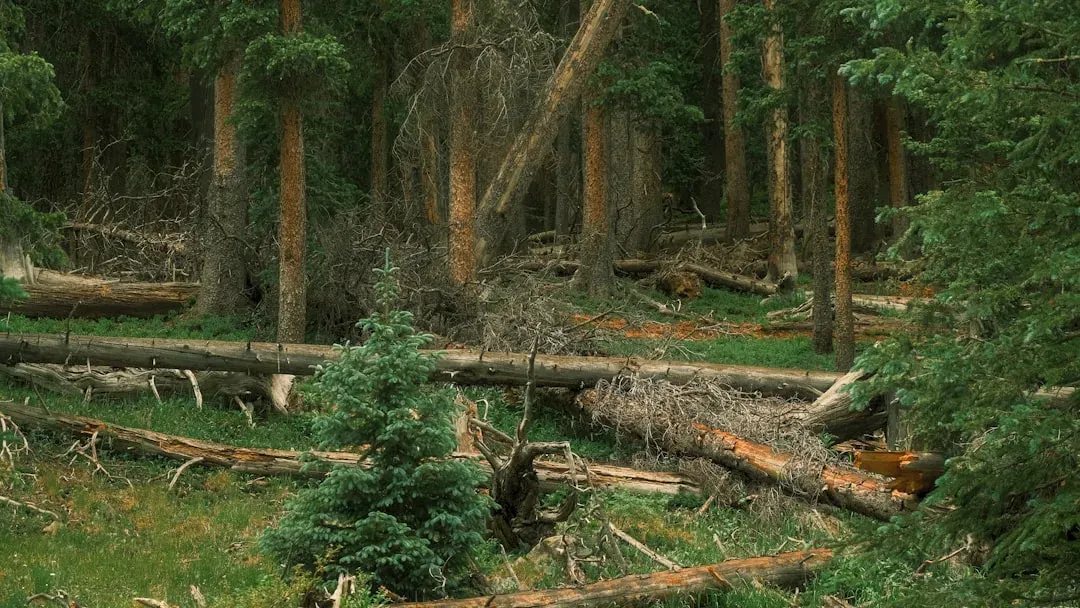
Minutes after impact, the violence shifted from the sky to the ground. Shock waves radiated outward through the Earth’s crust, triggering earthquakes across entire continents. We are used to thinking in terms of quakes that last seconds or minutes; this was shaking that could have continued in pulses for hours. Huge slabs of rock slipped, faults ruptured, and volcanoes a world away may have been nudged into new phases of activity as the whole planet rang like a bell.
On the surface, dinosaurs far from the crater would have felt the ground lurch violently, then settle, then heave again, like trying to stand on a ship in a storm while the ship itself is being hit with sledgehammers. Cliffs collapsed, riverbanks slumped, and landslides roared down slopes already destabilized by the earlier blast. If you imagine a sauropod trying to run on that buckling landscape, you get a sense of how brutally unfair this day was for anything large and slow.
Rain of Fire: When the Sky Literally Started Falling
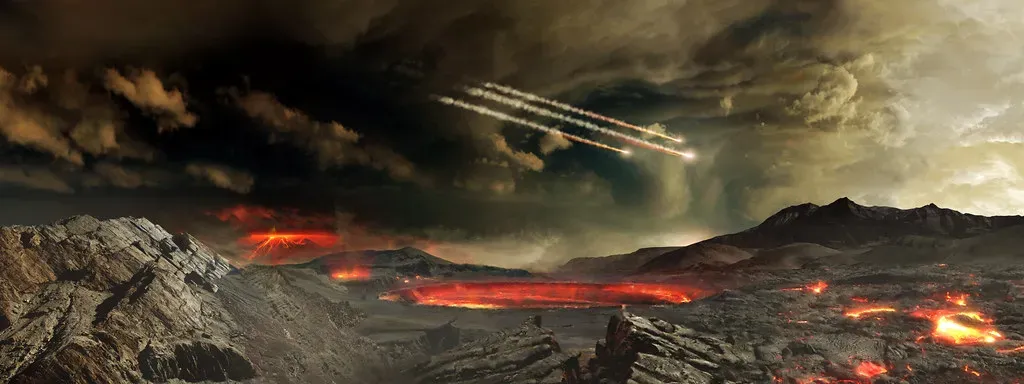
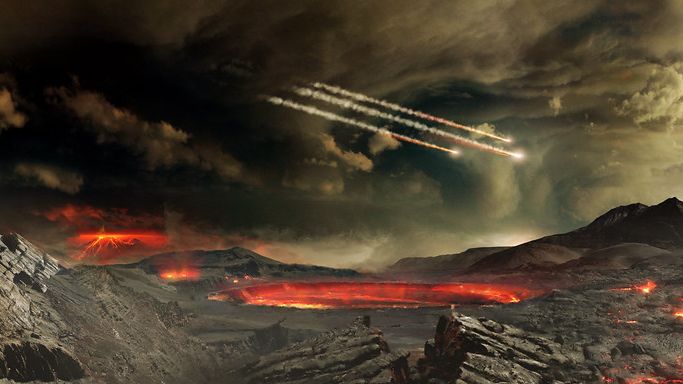
While the ground shook, the material blasted out of the crater began its deadly return. Tiny bits of molten rock, glassy droplets, and dust spread around the globe, then were pulled back down by gravity. As these fragments fell through the atmosphere, the friction heated them until they glowed, turning the sky into a giant broiler. For many regions, it likely looked like a planet-wide meteor shower turned up to impossible levels, streaking in all directions.
All those falling projectiles did not just look dramatic; they carried heat. As they rained down, they dumped enough energy into the atmosphere to ignite dry vegetation over vast areas, potentially across entire continents. Even dinosaurs nowhere near the original blast zone suddenly found themselves in forests catching fire all at once, with embers falling from above like burning hail. The first twenty-four hours after impact were not just about a single explosion; they were a chain reaction of disasters that left almost nowhere truly safe.
Tsunami Walls and Drowning Worlds
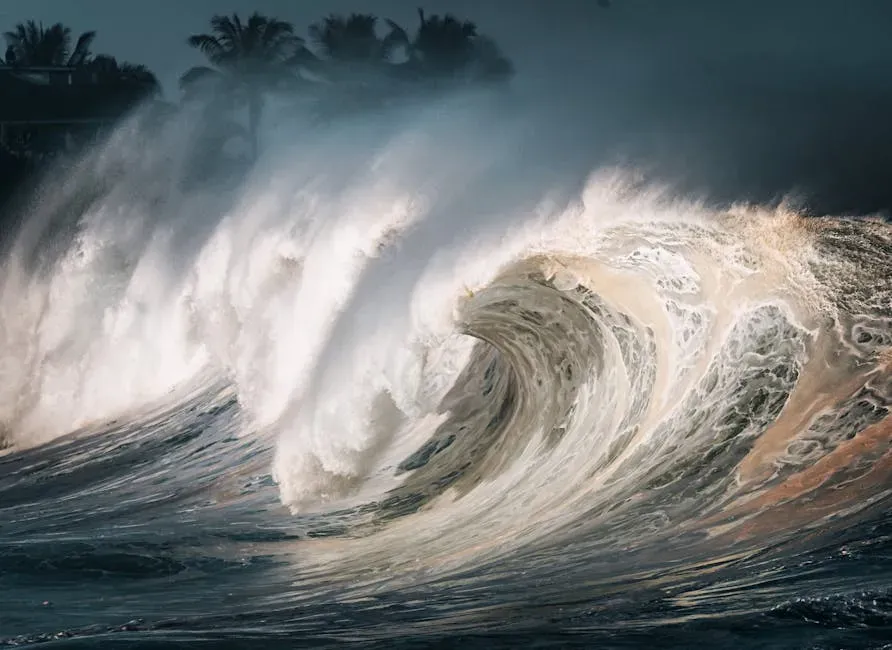
Because the asteroid struck shallow ocean, the sea itself became a weapon. The impact excavated an enormous crater and displaced huge volumes of water, sending tsunamis racing outward in every direction. These were not the tsunamis we know from recent history that rise a few stories high; some estimates suggest initial waves near the crater were taller than modern skyscrapers before they spread out and lowered. As they traveled, they still carried enough power to scour coastlines thousands of kilometers away.
Imagine a low-lying coastal plain that only ever knew gentle tides. Within hours of the impact, the ocean would suddenly withdraw and then roar back as a wall of water, tearing trees from their roots, dragging dinosaurs, eggs, and nests back out to sea, and grinding everything into a slurry of mud and broken bone. Even higher ground might not have been safe if multiple waves arrived in succession, flooding valleys and cutting off escape routes. For creatures that had survived the shock, the heat, and the quakes, the water would have been the next inescapable trial.
From Blazing Noon to Choking Twilight
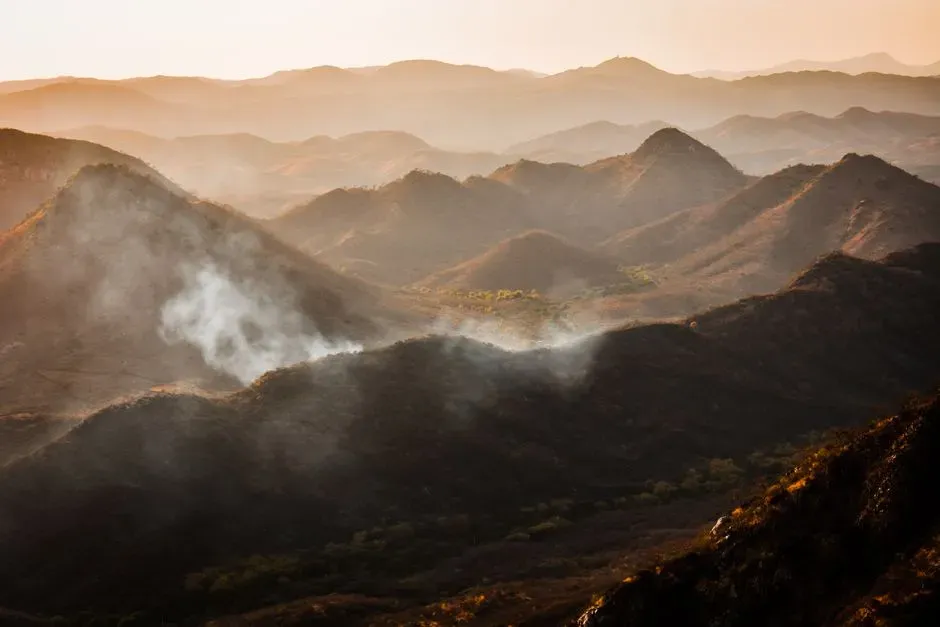
As the first day wore on, light itself became strange. The initial hours were brutally bright and hot near the impact zone, with that artificial “second sun” and the glow of reentering debris. But as ash, soot, and dust spread through the atmosphere, that brightness faded into an eerie, dirty twilight. Across huge stretches of the planet, day would have looked like late evening, even at noon, with the sun reduced to a dim disc behind a thick, smoky veil.
For animals tuned to daylight rhythms, this sudden switch was disorienting and dangerous. Herbivores that usually relied on light to spot predators found themselves in a murky half-dark, while carnivores lost their usual visual cues for tracking prey. The air would have been thick with the smell of burning forests, sharp chemical odors from vaporized rock, and dust that scratched at lungs. In my mind, this is the most haunting part: not the first explosion, but the sick, smoky gloom that followed, telling every living thing that the rules of their world had just changed for good.
The Longest Night Begins: Why the First Day Sealed Their Fate
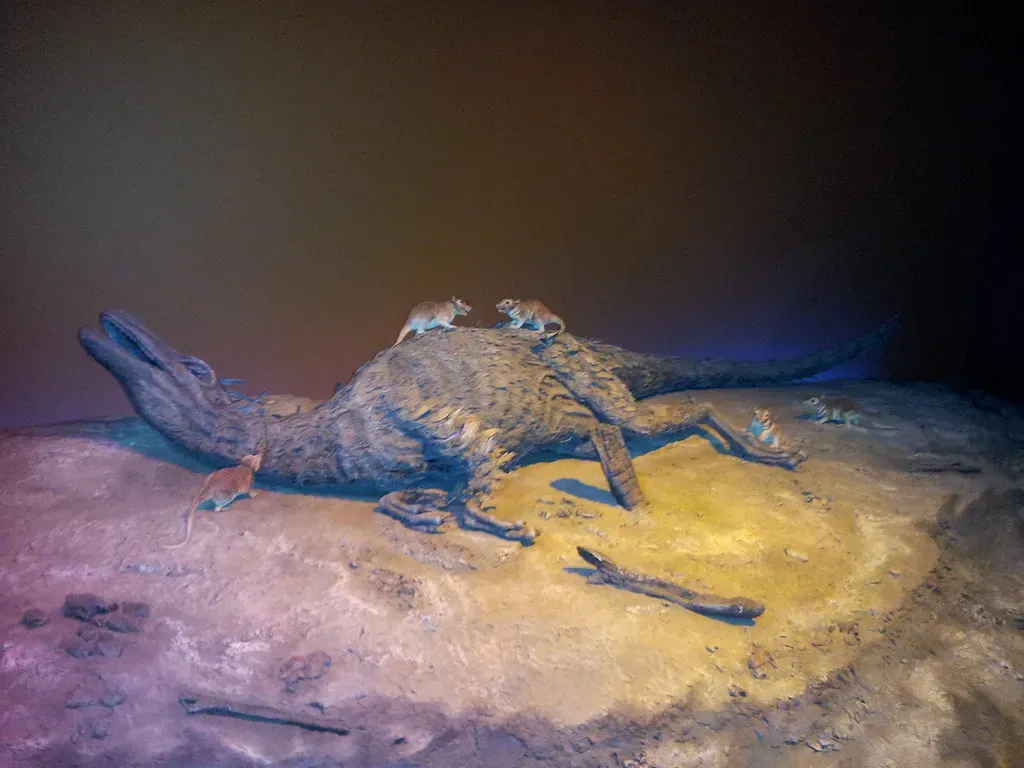
By the end of those first twenty-four hours, many dinosaurs were still technically alive, but the game was already rigged against them. The fires, tsunamis, and quakes had destroyed habitats at a scale no species could quickly adapt to. More importantly, the particles and soot now circling the planet were setting the stage for what came next: weeks to months of darkened skies, plunging temperatures, and a cascade of plant die-offs that would starve the big animals at the top of the food chain. The first day was the opening blow, but it locked in a future in which large dinosaurs had almost no path to survival.
Here’s where an opinion might ruffle some feathers: the dinosaurs did not just get unlucky; they were also victims of their own success. They had evolved into large, specialized, energy-hungry bodies that worked brilliantly in a stable, sunny world packed with vegetation. When the light dimmed and the food web started to collapse, smaller, more flexible creatures had the edge. In a way, the first twenty-four hours after the impact were less about a single event and more about exposing a brutal truth: on a volatile planet, being big and dominant is amazing right up until the moment everything changes. If you had to bet on yourself in that world, would you really choose to be a towering predator – or a small, scrappy survivor hiding in the ash?