When you think about dinosaur hotspots, Idaho probably doesn’t spring to mind. Montana gets all the glory with its massive fossil beds. Wyoming boasts world-famous discoveries. Yet beneath Idaho’s rugged mountains and forested valleys lies a prehistoric treasure trove that scientists are only beginning to fully appreciate.
Much of Idaho spent considerable time underwater during the age of dinosaurs, which made fossil preservation challenging. The conditions weren’t always ideal for turning ancient bones into stone. Still, evidence suggests that at least six types of dinosaurs called this place home, each with remarkable stories etched in ancient rock. These weren’t always the giants you’d imagine. Some dug burrows like modern groundhogs. Others laid eggs bigger than footballs. Let’s explore these fascinating creatures that once roamed where you might hike today.
Oryctodromeus: The Burrowing Runner
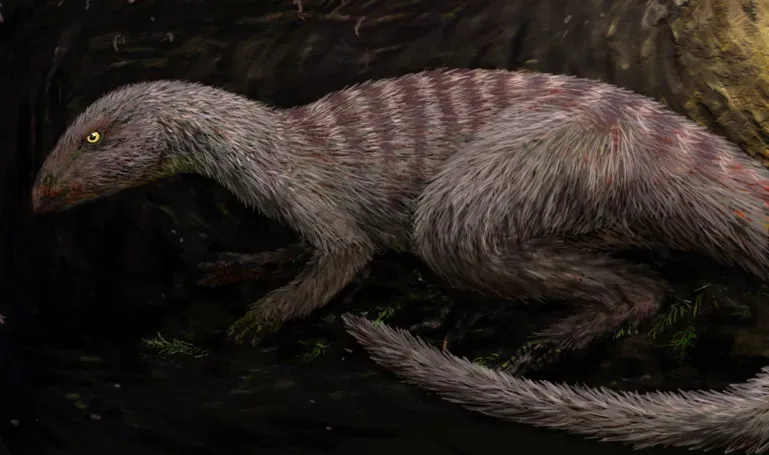
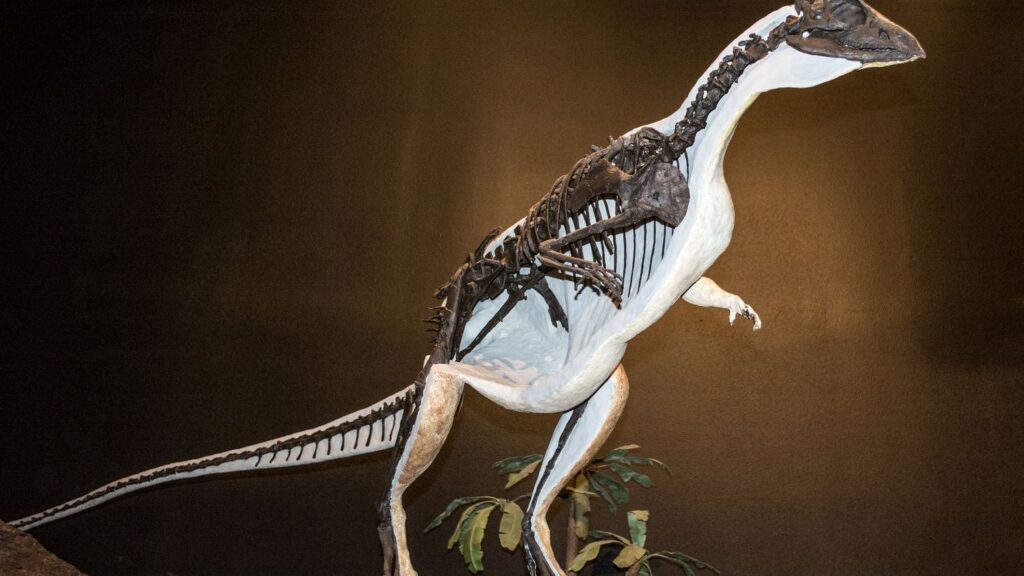
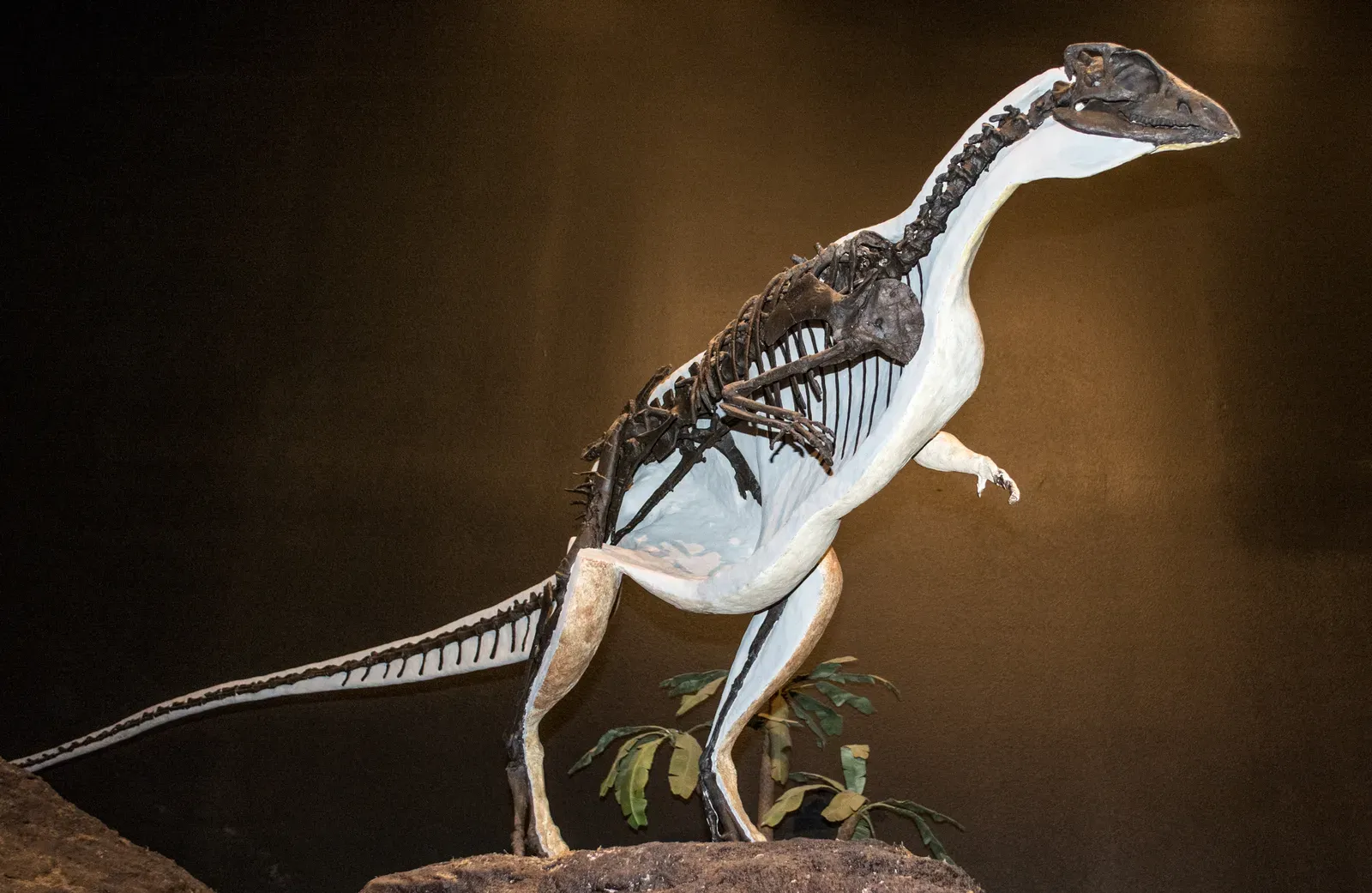
Imagine a dinosaur roughly the size of a golden retriever digging an underground tunnel to escape predators or brutal weather. That’s exactly what Oryctodromeus did. This dinosaur is the first described dinosaur to have lived in underground burrows, completely changing what scientists thought possible for these ancient reptiles.
Living during the Cretaceous Period about 98 million years ago, Oryctodromeus had some pretty clever adaptations. It possessed muscular arms and shoulders for digging, along with a narrow, fused, horny beak that could be used as a shovel, plus sturdy hips that braced the dinosaur during digging. An adult stood roughly 3 feet tall and weighed between 50 to 70 pounds. Despite being a plant eater, this little creature was tough enough to carve out a living in hostile terrain.
What really makes Oryctodromeus special is the family life scientists discovered. In burrows, researchers sometimes find juveniles buried with adults, presumably parents, showing these animals lived together as family groups and stuck together underground, probably hiding from predators or extreme weather. In 2023, Oryctodromeus was designated as the state dinosaur of Idaho, a well-deserved honor for such a unique creature.
Oviraptorid: The Mysterious Egg Layer
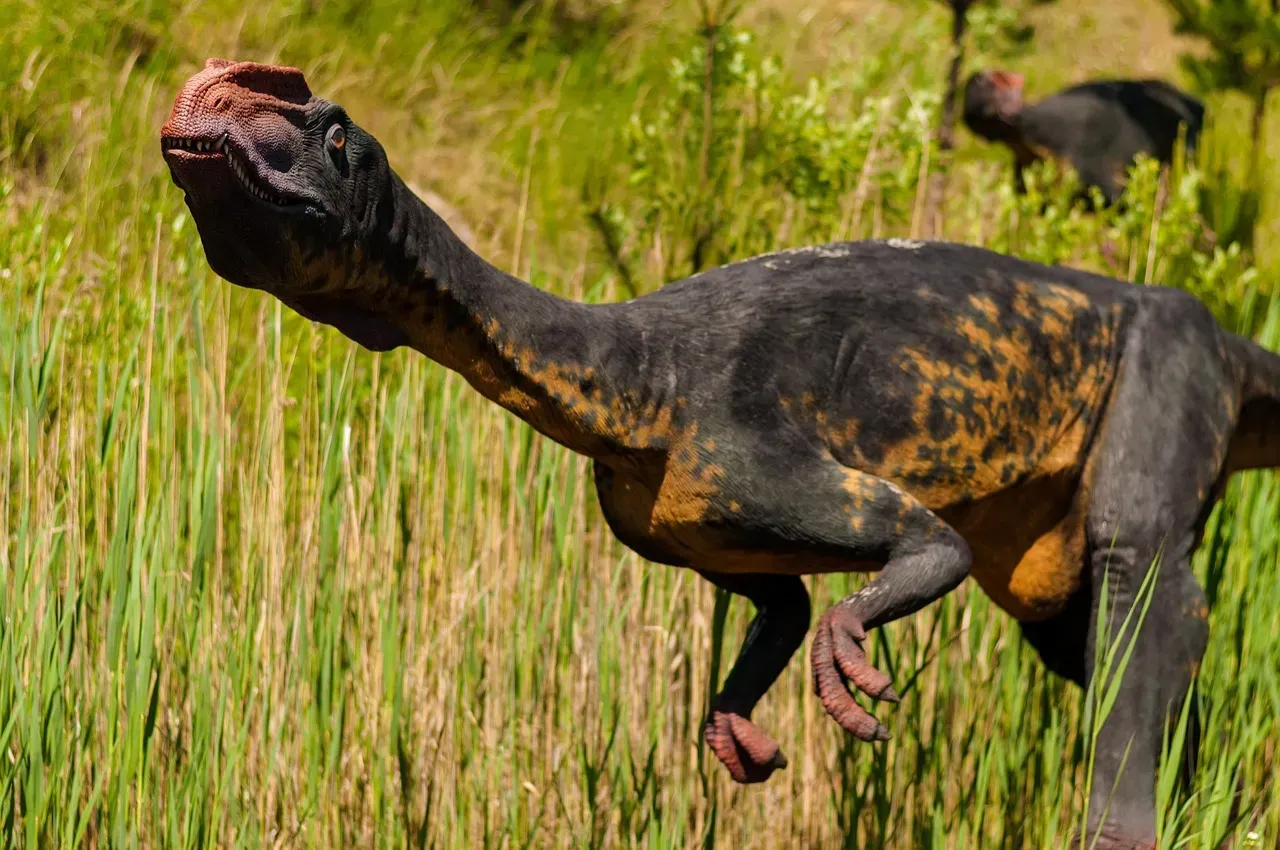
Picture a creature somewhere between a bird and a dinosaur, with a short beaked skull and feathered body. That describes the Oviraptorid family pretty well. The name refers to a diverse group of dinosaurs that lived throughout North America and Asia, varying greatly in size from turkey-sized animals to giants like Gigantoraptor weighing over a ton.
The Idaho version is known primarily from fossilized eggs rather than complete skeletons. The Idaho Oviraptorid found in the Wayan Formation could have been roughly the size of a large dog. These dinosaurs measured about 2.5 feet tall at the hips and 11 feet long, with most of that length coming from their tails. Their diet remains debated among scientists.
Oviraptorosaurs are known for being closely related to modern birds, having short, beaked skulls. The discovery of their eggs in Idaho tells us something important about the region during the Cretaceous. These were the largest dinosaurs found in Idaho so far, which makes the absence of bone fragments even more intriguing. Were they just passing through? Did environmental conditions destroy their remains? The mystery continues to fascinate researchers who keep searching for answers in Idaho’s ancient rocks.
Small Tyrannosaur: The Pocket-Sized Predator
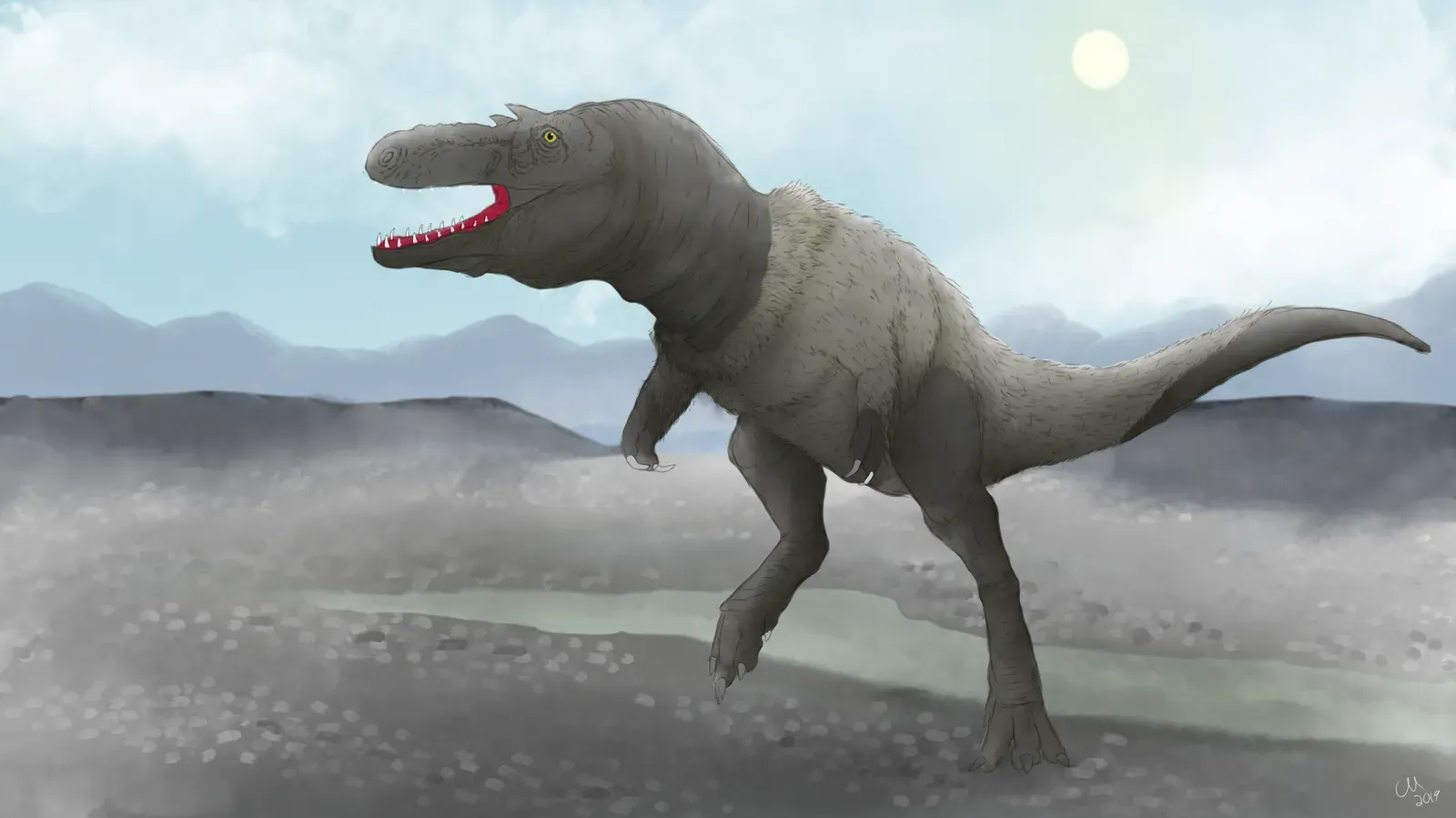
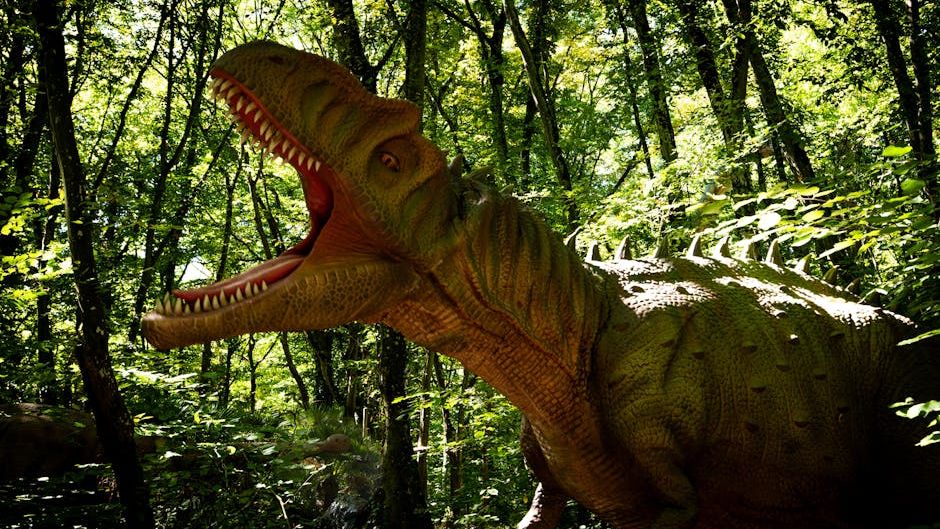
When you hear Tyrannosaurus, you probably imagine a massive, terrifying predator. Idaho’s tyrannosaur was nothing like that stereotype. Scientists estimate the animal weighed just over 100 pounds, making it closer in size to a large dog than the multi-ton monsters from movies.
This fossil represents the first bone of a tyrannosaur to be found in Idaho and the oldest bone of Cretaceous-age tyrannosaur from North America, showing that a variety of tyrannosaurs were present in western North America around 100 million years ago. The fossil looks to be from a species similar to Moros intrepidus, a tyrannosaur found in Utah. Think of it as a distant cousin that lived millions of years before T-Rex dominated the landscape.
Small doesn’t mean harmless, though. These little predators packed plenty of punch for their size. The discovery of their teeth and partial bones in Idaho suggests they hunted in environments where larger carnivores might struggle. Researchers found teeth of little T-Rex-type dinosaurs, one the size of a horse and one the size of a golden retriever. Their presence hints at a more complex ecosystem than previously imagined, with predators of different sizes hunting different prey.
Tenontosaurus: The Sinewy Herbivore
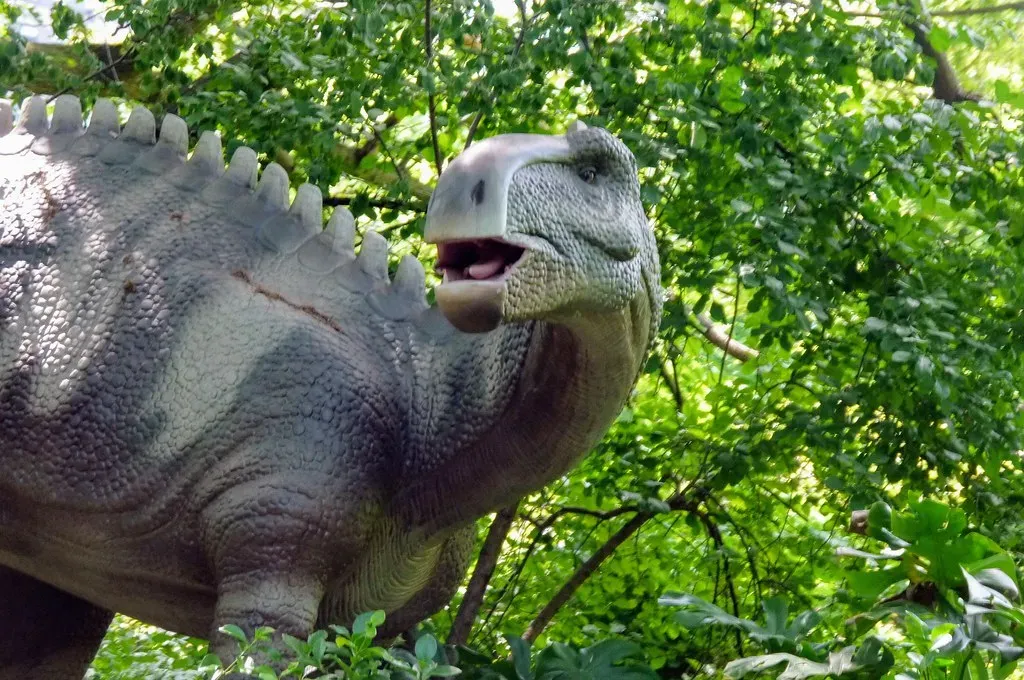
Not every dinosaur was tiny in Idaho. Tenontosaurus brought some serious bulk to the prehistoric landscape. This herbivorous dinosaur weighed between 1,300 to 2,200 pounds and grew over 20 feet long. That’s roughly the size of a modern car, though obviously shaped very differently.
Tenontosaurus lived between 115 million and 108 million years ago, roaming areas filled with carnivores. Its most distinctive feature was an unusually long, broad tail reinforced with a network of bony tendons. These tendons gave the dinosaur its name, which literally means sinew lizard. Scientists believe this stiff tail helped with balance and might have served as a defensive weapon against attackers.
Local dinosaurs included possible armored dinosaurs, relatives of the horned dinosaurs, and possibly Tenontosaurus. The evidence for this species in Idaho isn’t as abundant as for some others on this list. Even the Tenontosaurus relics found there are assumed to have originated in fossil-rich Wyoming. Still, its presence suggests Idaho hosted larger herbivores than the small burrowing Oryctodromeus, creating a more diverse prehistoric community than fossils alone might suggest.
Ankylosaurus: The Living Tank
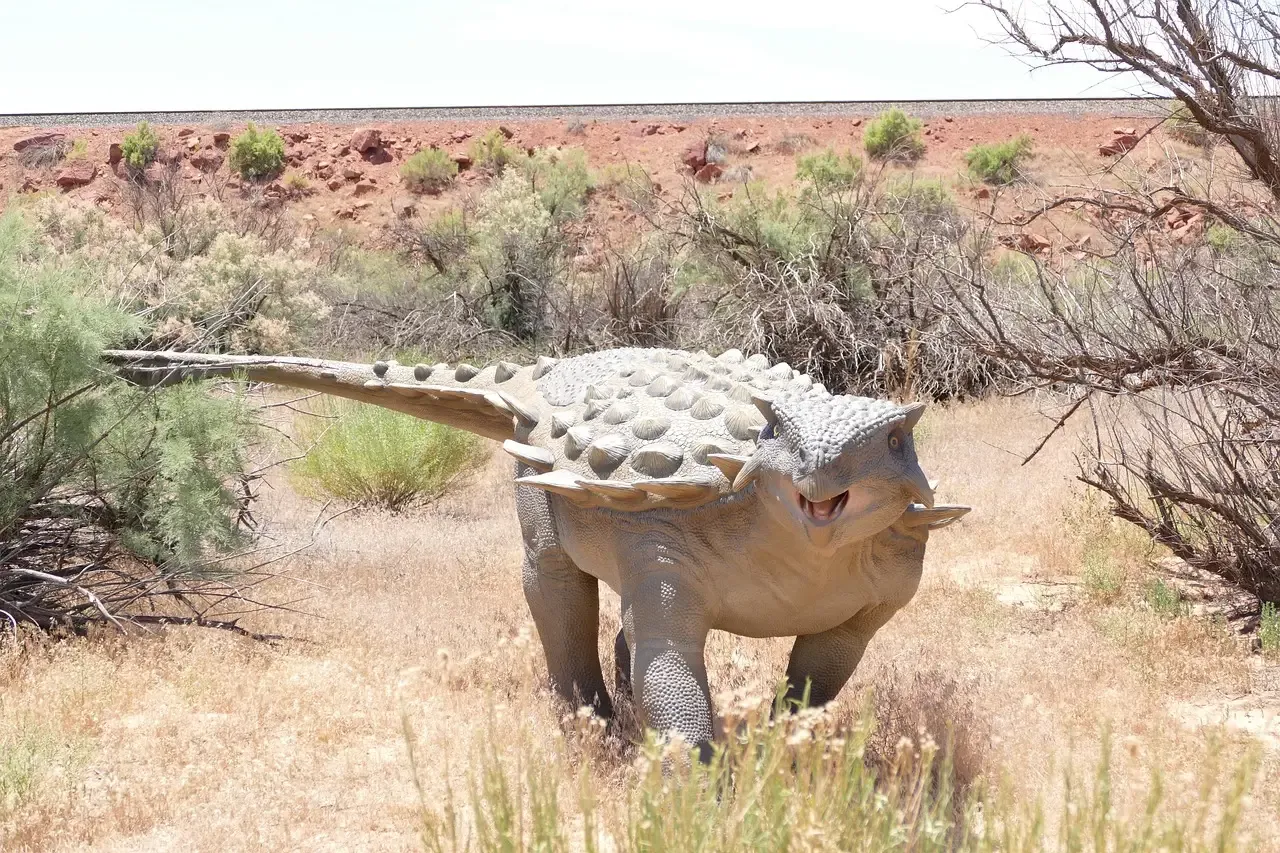
Imagine a dinosaur covered head to tail in bony armor plates, with a massive club at the end of its tail. That’s Ankylosaurus, one of nature’s most impressive defensive designs. A single fossil of an unidentified Ankylosaurus was recovered in Idaho, offering proof that members of this genus once lived in the state.
These heavy, armored herbivores lived toward the end of the Cretaceous Period, between 68 million and 66 million years ago. They munched on low-growing vegetation, using their beak to strip leaves and their massive bodies to push through dense undergrowth. The armor wasn’t just for show. It protected them from the teeth and claws of predators that would have otherwise made a meal out of a slower-moving herbivore.
The Idaho specimen represents a tantalizing glimpse rather than a complete picture. A single fossil can’t tell us everything about how these creatures specifically. Were they common? Did they migrate through seasonally? Scientists need more evidence to answer these questions definitively. What we do know is that even Idaho’s harsh preservation conditions couldn’t completely erase the presence of these remarkable armored giants.
Neoceratopsia: The Horned Dinosaur Relatives
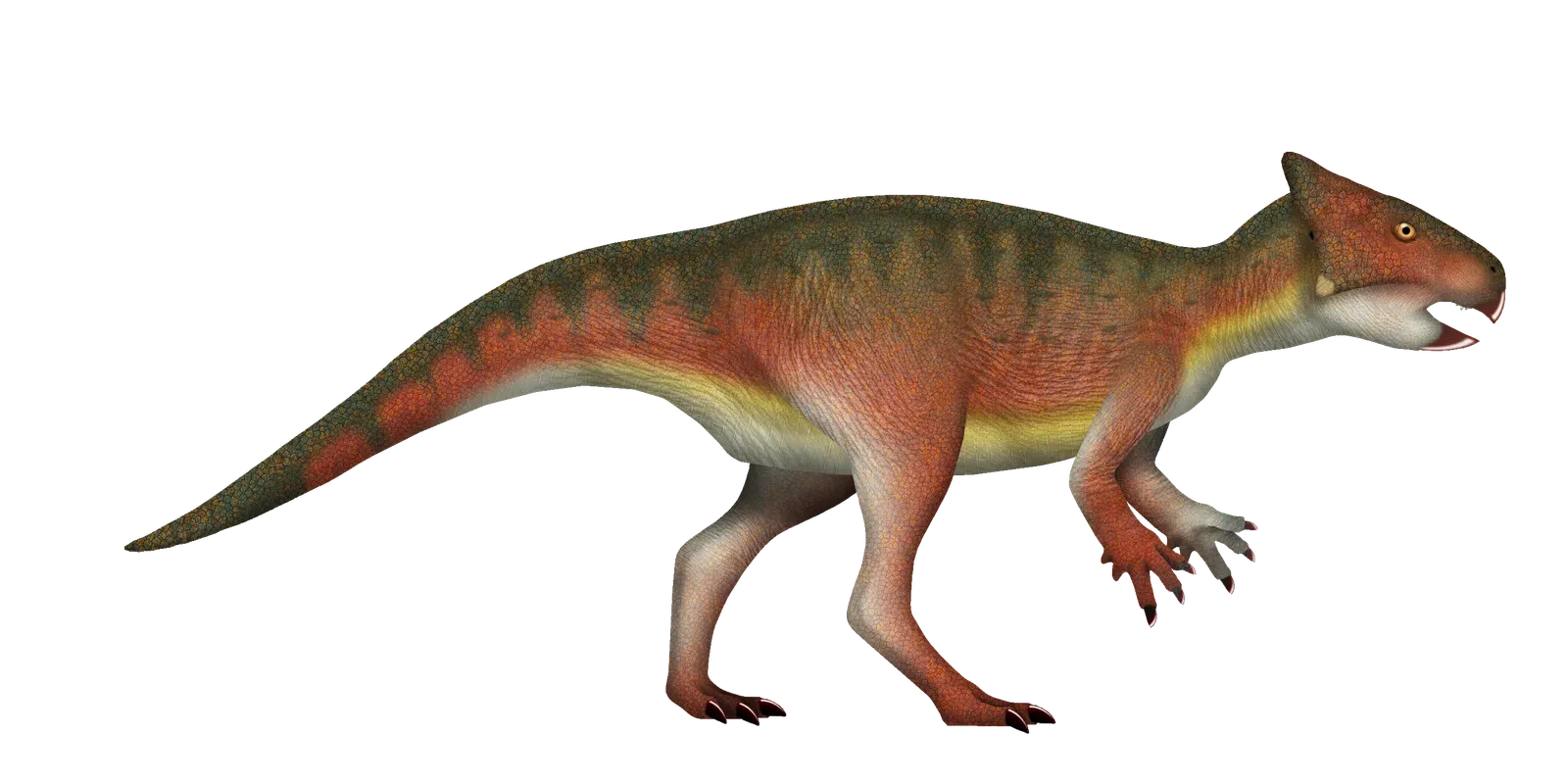
You might know Triceratops with its massive frill and three facial horns. Idaho hosted relatives of these iconic dinosaurs, though the evidence remains somewhat fragmentary. Local dinosaurs included possible armored dinosaurs and relatives of the horned dinosaurs, placing Idaho on the map for early ceratopsian evolution.
The Neoceratopsia represents a diverse family that eventually evolved into the massive, heavily armored plant eaters of the late Cretaceous. Idaho’s versions were likely smaller, earlier forms that helped scientists understand how these distinctive dinosaurs developed their trademark features. The frill that later species used for defense and display probably started as a much simpler structure in these primitive relatives.
What’s particularly interesting about finding ceratopsian relatives in Idaho is what it reveals about ancient geography and climate. These animals preferred certain types of vegetation and environments. Their presence suggests Idaho offered suitable habitat during the Cretaceous, with enough plant diversity to support specialized herbivores. Unfortunately, some fossils only allowed scientists to discover the order or family that ancient creatures belonged to rather than their species, leaving many questions unanswered about these prehistoric Idahoans.
Conclusion
Idaho’s dinosaur legacy might not rival Montana or Wyoming in sheer volume, yet it offers something equally valuable: glimpses into behaviors and species that existed nowhere else. From burrowing dinosaurs to mysterious egg layers, these six creatures paint a picture of a dynamic, complex ecosystem thriving in mountains and valleys that would eventually become the Gem State.
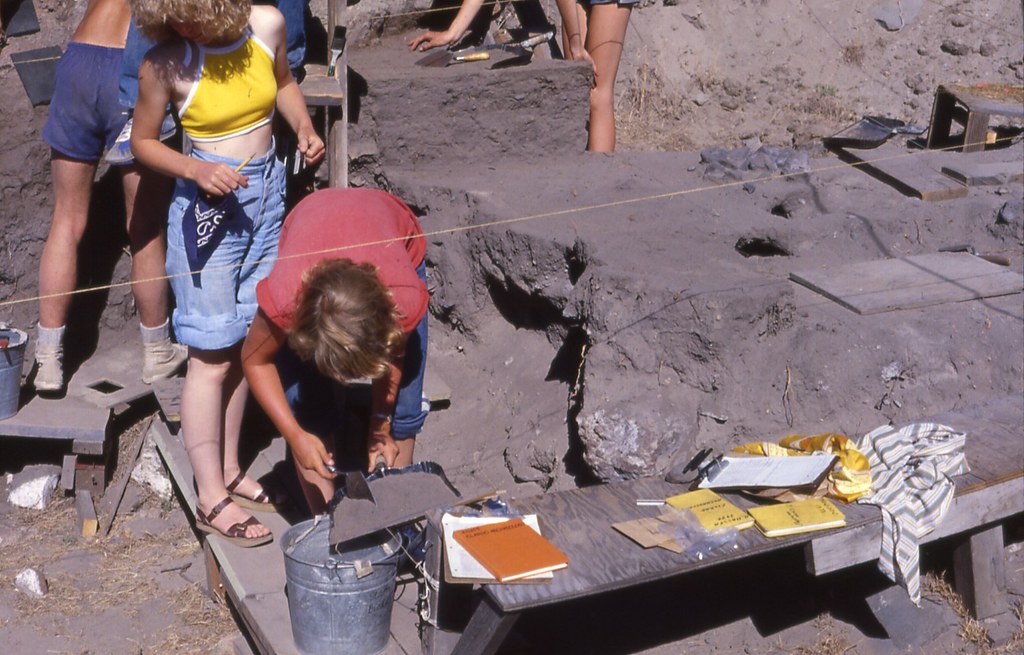
The more researchers put their nose to the ground and look, the more they find, with lots of potential for future scientists to discover. Every fossil tells a story millions of years in the making. Idaho’s prehistoric past reminds us that extraordinary discoveries don’t always come from obvious places.
What do you think about Idaho’s hidden dinosaur heritage? Does it surprise you that burrowing dinosaurs once lived where you might camp or hike today?