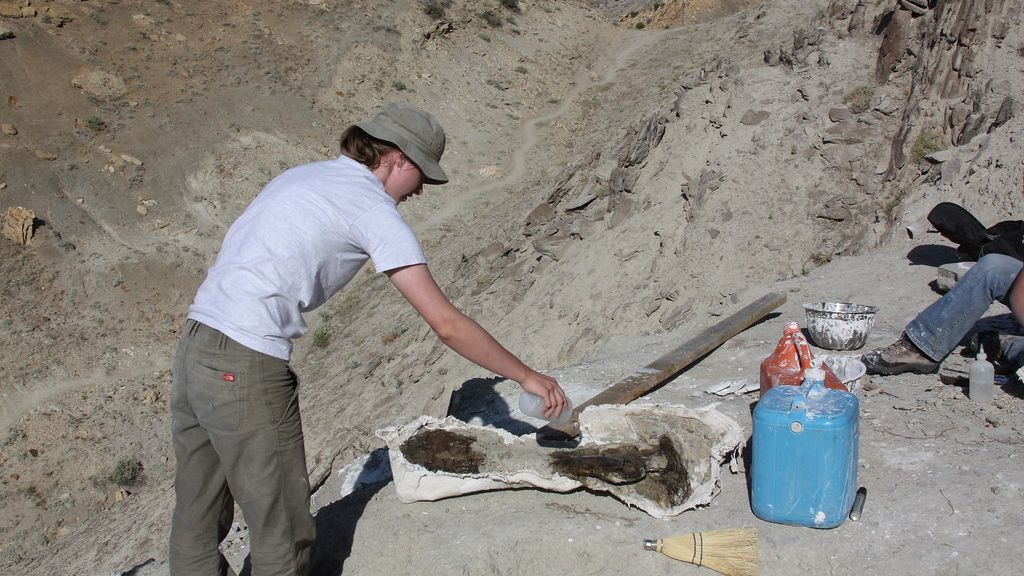
Most people picture dinosaur hunters in remote, sweltering badlands, chipping bones out of rust-colored rock somewhere in Montana or the Gobi Desert. That’s the classic image. It’s cinematic, dramatic, and honestly a bit romanticized. The reality? Some of the most jaw-dropping dinosaur finds in recent years have come from places that were never on anyone’s paleontological radar. A museum parking lot. A flooded African lakeshore. The heart of the Sahara, hundreds of miles from the nearest ocean.
What’s even more exciting is that we are truly living in a golden era of dinosaur science. Around 1,400 dinosaur species are now known from more than 90 countries, with the rate of discovery accelerating in the last two decades. The year 2025 alone saw the discovery of nearly 44 new dinosaur species, roughly one a week. These are not modest finds, either. Each one tends to rattle a few long-held assumptions. So buckle up, because the next discovery might come from a place you’d never expect. Let’s dive in.
The “Hell Heron” That Rewrote the Rulebook on Spinosaurus, Deep in Niger’s Sahara
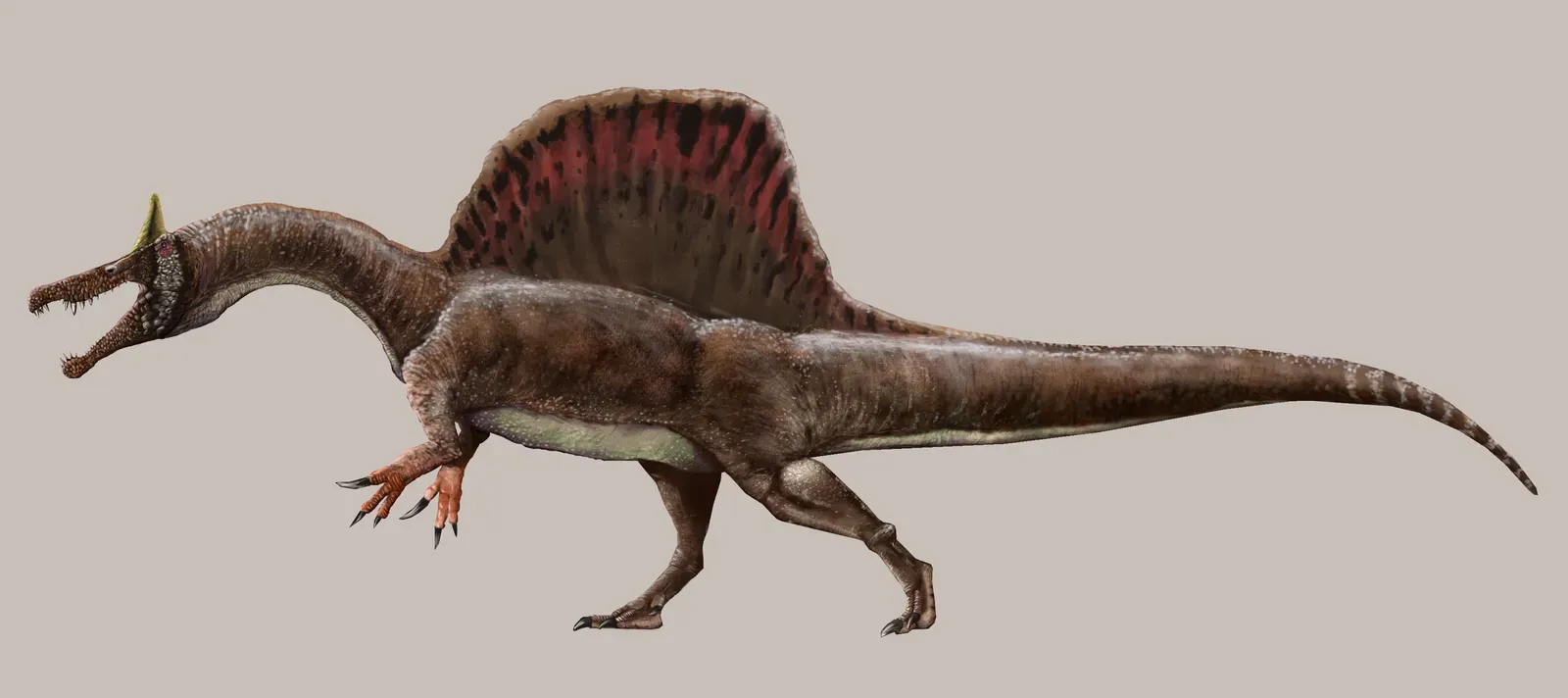
You would not expect one of the biggest carnivorous dinosaurs on Earth to be lurking hundreds of miles inland from any ocean. Yet, that is exactly where scientists found it. Named Spinosaurus mirabilis, meaning “astonishing” Spinosaurus in Latin, the giant lived in what is now Niger more than 95 million years ago, far from the coastal regions where similar fish-hunting dinosaurs are usually found. This single detail completely upended existing theories about how and where Spinosaurus lived.
Published in Science, the paper describes journeys in 2019 and 2022 to find Spinosaurus mirabilis, the first new spinosaurid species discovered in more than a century. A large, fish-eating predator, it adds important new fossil finds to the closing chapter of its genus’s evolution. The discovery also came with one of paleontology’s great adventure stories. For their 2022 expedition, the researchers set out from the city of Agadez in a convoy and drove off-road through desert terrain for almost three days, often getting stuck in the sand. The journey paid off, as they discovered parts of three Spinosaurus mirabilis skulls and other bones, along with fossils of other creatures.
As long as a school bus and weighing several tonnes, the new species is easily distinguishable from other spinosaurs by the scimitar-shaped crest on its head. The feature was so unusual that researchers didn’t recognize it when they first unearthed it in 2019, only realizing its significance after returning in 2022 to find more specimens. Honestly, even the researchers were caught off guard. The crest’s researchers said its crest likely was for display, since it appears too fragile to have been used as a weapon. The crest, probably sheathed in keratin like a bull’s horns, may have been vividly colored and instrumental in sexual or territorial competition or recognition between individuals.
Before this, spinosaurid bones and teeth had been found mainly in coastal deposits not far from the shoreline. However, the new fossil area in Niger documents animals that were living inland, some as far as about 620 miles from the nearest marine shoreline. Their proximity to intact partial skeletons of long-necked dinosaurs, all buried in river sediments, suggests they lived in a forested inland habitat dissected by rivers. Think of it like discovering a crocodile-sized wading bird terrorizing jungle rivers deep in a continent’s interior – the geography simply changes everything we thought we knew.
A Dinosaur Bone Drilled Out from Under a Museum Parking Lot in Denver
Here’s the thing: not all paleontological breakthroughs happen in remote wilderness. Sometimes, the ancient past is literally buried under your feet, right in the middle of a city. Alongside a geothermal drilling project, the Denver Museum of Nature and Science conducted a scientific coring initiative to better understand the geology beneath City Park and the larger Denver Basin. The scientific core was drilled nearly 1,000 feet below the surface, passing through layers of gravel and sand deposited by the South Platte River before reaching ancient bedrock from the Late Cretaceous Period.
This was a monumental discovery. Not only is it exceedingly rare to find a dinosaur fossil in a narrow drill core, but this fossil turned out to be the deepest and oldest dinosaur bone ever discovered within the Denver city limits. I know it sounds crazy, but scientists drilled into a parking lot and pulled up a piece of a creature that walked the Earth roughly 67 million years ago. Around 67 million years ago, during the late Cretaceous Period, the land that is now Denver looked vastly different. Instead of a bustling city, the area was covered in warm, rainy, tropical forests and swampy lowlands. Towering palm trees, thick vines, and lush undergrowth created a dense jungle-like environment. These verdant clearings and wetlands teemed with life, from buzzing insects to massive dinosaurs.
What makes this so striking is that the discovery wasn’t even on the agenda. Nobody set out that morning planning to rewrite local fossil history. The partial dinosaur bone found in a core sample beneath the Museum provides a direct glimpse into this buried world, preserved for millions of years beneath the city. It’s the paleontological equivalent of finding treasure in your own backyard – except the backyard happens to be a parking lot, and the treasure is tens of millions of years old.
A New Horned Giant Hidden in the Badlands of Montana’s Border Country
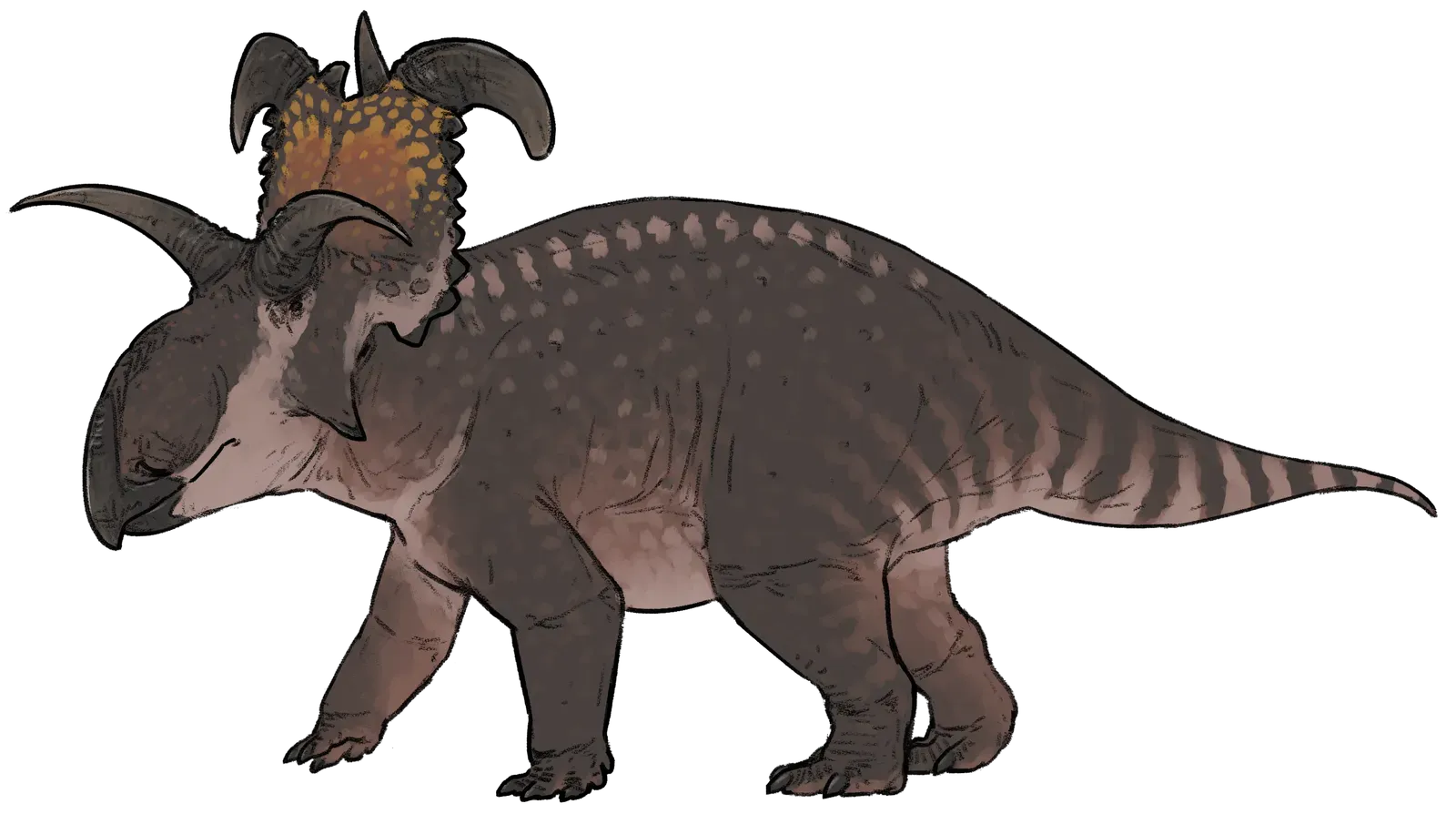
You might think Montana’s fossil record is thoroughly mapped by now. Palaeontologists have been working its badlands for well over a century. So when something genuinely new shows up, it tends to make jaws drop. Lokiceratops was discovered in 2019 in the badlands of northern Montana, two miles south of the U.S.-Canada border. Researchers helped reconstruct the dinosaur from fragments the size of dinner plates and smaller. What emerged from those fragments was extraordinary.
Estimated to be 22 feet long and weigh 11,000 pounds, Lokiceratops is the largest dinosaur from the group of horned dinosaurs called centrosaurines ever found in North America. It has the largest frill horns ever seen on a horned dinosaur and lacks the nose horn that is characteristic among its kin. That missing nose horn alone set it apart from every known relative. The distinctive horn pattern inspired its name, Lokiceratops rangiformis, meaning “Loki’s horned face that looks like a caribou.” More than 78 million years ago, Lokiceratops inhabited the swamps and floodplains along the eastern shore of Laramidia. This island continent represents what is now the western part of North America, created when a great seaway divided the continent around 100 million years ago.
Fossils recovered from this region suggest horned dinosaurs were living and evolving in a small geographic area. Previously, paleontologists thought a maximum of two species of horned dinosaurs could coexist at the same place and time. Incredibly, researchers have now identified five living together at the same time. Five species in one location. That is not just a discovery. That is an entirely new understanding of just how diverse and regionally concentrated dinosaur populations could be. The study shows that dinosaur diversity has been underestimated and presents the most complete family tree of horned dinosaurs to date.
Transylvania’s Unexpected Bone Bonanza in the Hațeg Basin
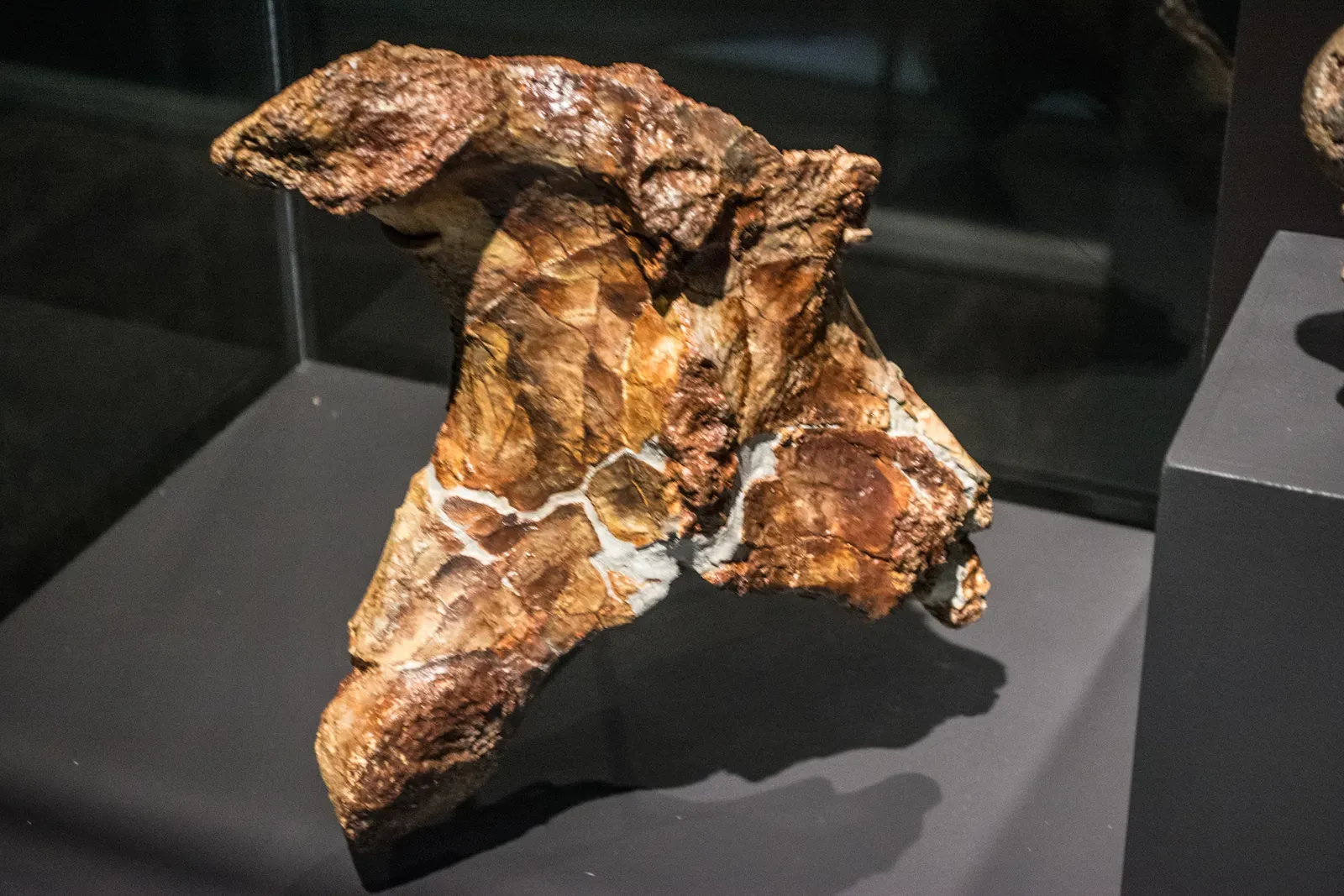
Transylvania conjures images of gothic castles and folklore, not dense prehistoric ecosystems. Yet Romania’s Hațeg Basin has emerged as one of the most jaw-dropping dinosaur sites in all of Europe. Scientists exploring Romania’s Hațeg Basin discovered one of the densest dinosaur fossil sites ever found, with bones lying almost on top of each other. The K2 site preserves thousands of remains from a prehistoric flood-fed lake that acted like a natural bone trap 72 million years ago. Alongside common local dinosaurs, researchers uncovered the first well-preserved titanosaur skeletons ever found in the region. The site reveals how ancient European dinosaur ecosystems formed and evolved in the final chapter of the age of dinosaurs.
Among all the sites explored, one location known as K2 stands out. From an area measuring less than five square meters, researchers recovered more than 800 vertebrate fossils, making it the richest site documented so far. That is an almost unbelievable concentration. Imagine packing the contents of a natural history museum into a space barely bigger than a dining room table. For more than five years, a team of Hungarian and Romanian paleontologists has been carrying out fieldwork in the western Hațeg Basin. The rocks examined there date back to the Upper Cretaceous and capture the final few million years before dinosaurs disappeared. Excavations have revealed fossil-rich deposits containing thousands of remains from amphibians, turtles, crocodiles, dinosaurs, pterosaurs, and mammals.
What was once considered a modest European fossil region has essentially revealed itself as a prehistoric time capsule. The diversity of species preserved together in one relatively small geographic area tells a richer ecological story than almost any other known site. It just took a willingness to dig somewhere nobody thought would matter that much.
A Brand-New Dinosaur Species Found on the Flooded Shores of a Zimbabwean Lake
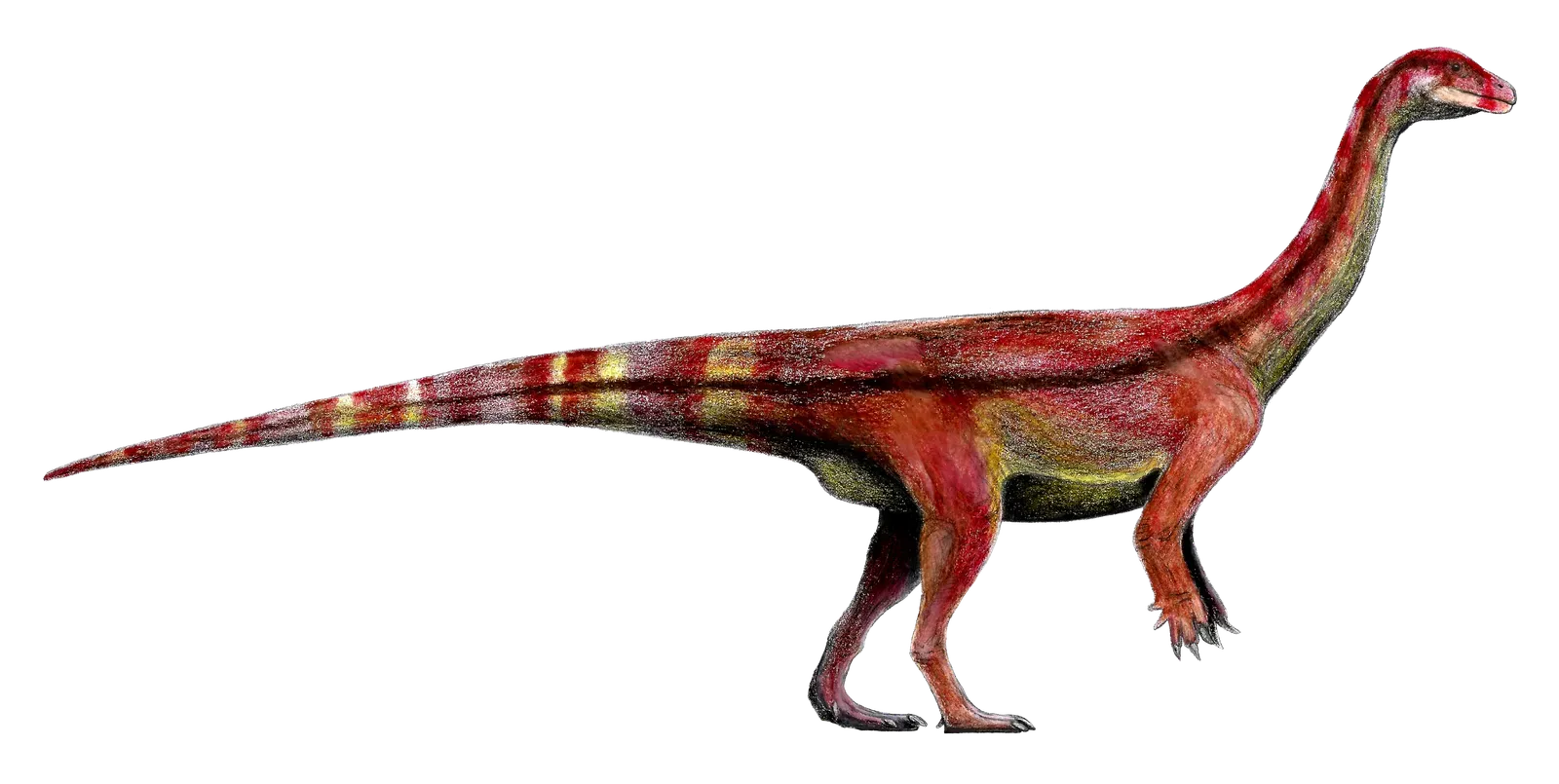
Africa is rarely the first continent that comes to mind when people think of major dinosaur discoveries, which makes the find at Lake Kariba in Zimbabwe all the more remarkable. Fossils found on the shoreline of Lake Kariba in Zimbabwe represent a completely new dinosaur species. This remarkable find, named Musankwa sanyatiensis, marks only the fourth dinosaur species named from Zimbabwe. Let’s be real, the fact that an entirely new species was found on a lake shoreline is wild enough. But the rarity of the country’s fossil record makes it even more significant.
Lake Kariba is a reservoir, not a natural lake in the conventional sense. It was created in the 1950s when the Zambezi River was dammed. What that means is that every time the water levels fluctuate, new rock surfaces are exposed along the shoreline – essentially giving paleontologists fresh windows into the ancient Earth on a seasonal basis. Many new discoveries come from palaeontological hotspots, such as Argentina, China, Mongolia and the US, but dinosaur fossils are also being found in many other places. Zimbabwe is living proof of exactly that point, and Musankwa sanyatiensis hints at what else might still be lying just beneath the waterline, waiting for discovery.
The “Dinosaur Highway” Lurking Beneath an English Limestone Quarry
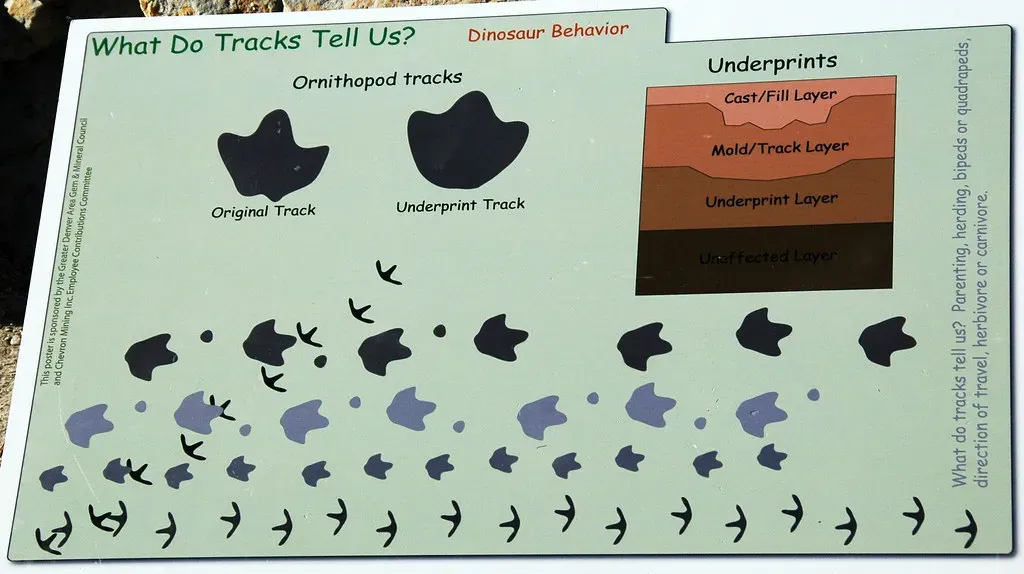
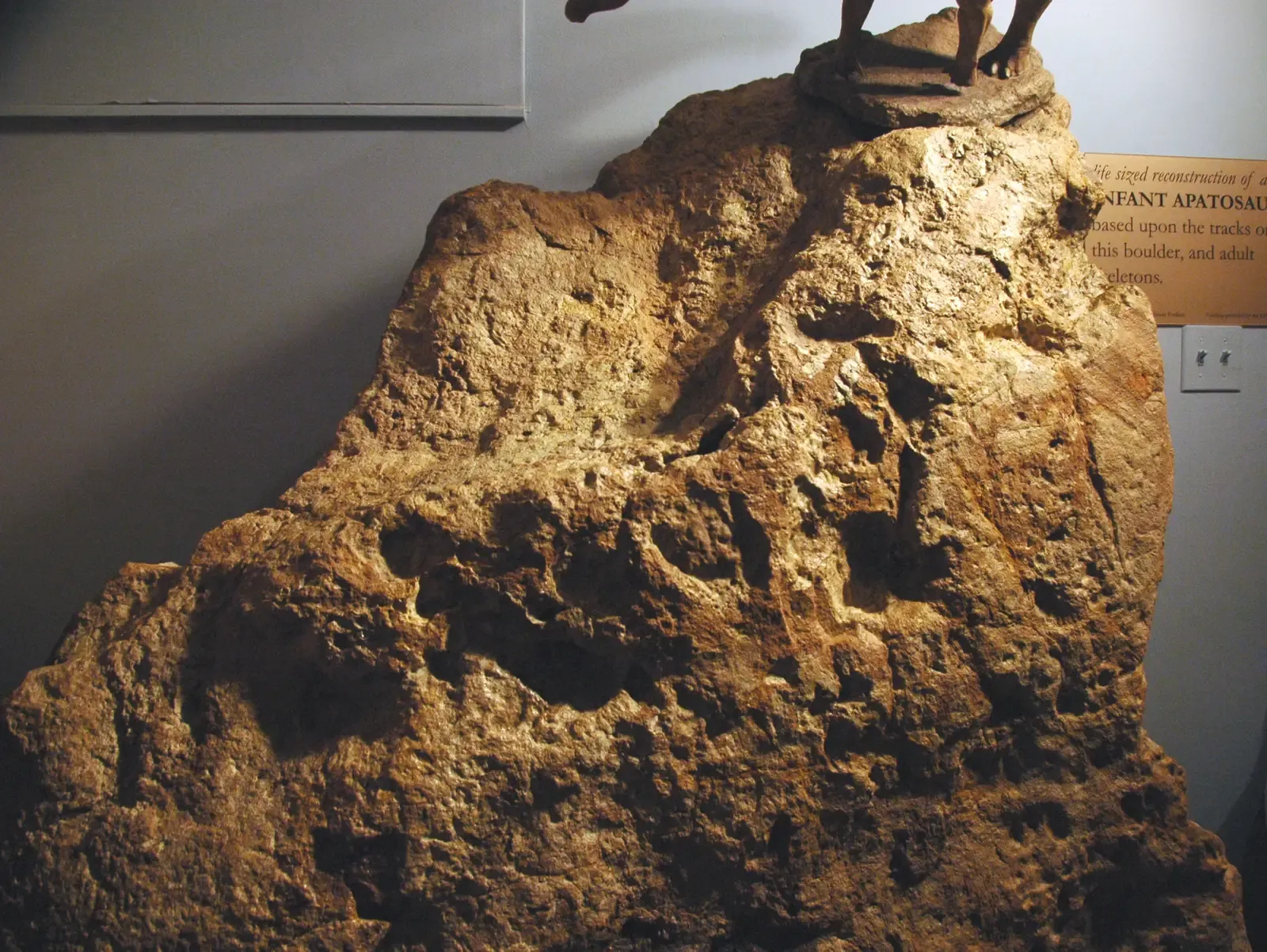
Nobody expects a routine clay-digging operation in the English countryside to turn into one of the most significant dinosaur track finds in decades. A worker digging up clay in a southern England limestone quarry noticed unusual bumps that led to the discovery of a “dinosaur highway” and nearly 200 tracks that date back 166 million years. The extraordinary find, made after a team of more than 100 people excavated the Dewars Farm Quarry in Oxfordshire in June, expands upon previous paleontology work in the area and offers greater insights into the Middle Jurassic period. Think about it. Someone’s everyday job uncovered 166 million years of history.
Four of the sets of tracks that make up the so-called highway show paths taken by gigantic, long-necked, herbivores called sauropods, thought to be Cetiosaurus, a dinosaur that grew to nearly 60 feet in length. A fifth set belonged to the Megalosaurus, a ferocious 9-meter predator that left a distinctive triple-claw print and was the first dinosaur to be scientifically named two centuries ago. An area where the tracks cross raises questions about possible interactions between the carnivores and herbivores.
The group that worked at the site took more than 20,000 digital images and used drones to create 3D models of the prints. The trove of documentation will aid future studies and could shed light on the size of the dinosaurs, how they walked, and the speed at which they moved. It’s hard to say for sure what happened at that crossing point where the predator and prey tracks intersect, but it’s one of the most evocative puzzles in recent paleontological history. The year 2025 also saw a Jurassic Highway of trackways announced from a quarry in Oxfordshire, UK, cementing this English region as a surprisingly fertile ground for ancient discovery.
Conclusion: The Earth Still Holds Secrets in the Most Unexpected Places
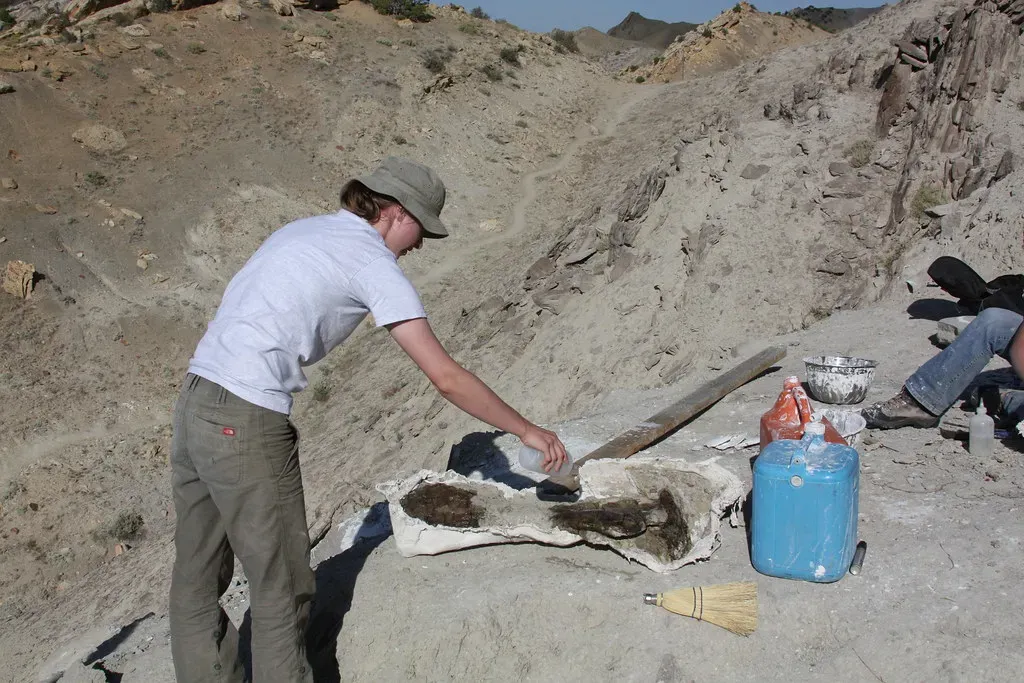
What ties all of these discoveries together is not just the science. It is the surprise. A parking lot in Denver. A Zimbabwean lakeshore created by a dam. An English clay quarry. The bone-dry heart of the Sahara. None of these places fit the classic image of where dinosaur history should be hiding, yet each of them delivered something extraordinary.
Over the past decade, paleontology has entered a new era of rapid discovery and scientific transformation. Breakthrough fossils unearthed across Asia, South America, North America, and Europe have dramatically expanded our understanding of dinosaur evolution, biology, and behavior. These finds, remarkable for their preservation, size, or scientific implications, showcase how much remains to be uncovered about life in the Mesozoic. The deeper truth here is humbling. We have been walking over dinosaur bones for millennia without knowing it.
Every quarry worker who notices a strange bump, every researcher who dares to drill under a city, every team willing to drive three days through desert sand dunes without knowing what they’ll find – they are all part of the same story. The past is not buried and gone. It is just waiting for someone curious enough to look in the right unconventional place. What location would you never have expected to yield a dinosaur discovery? Tell us in the comments.