Have you ever pictured the ancient world as a battlefield full of sharp teeth and deadly claws? Most people do. We get caught up thinking about carnivores tearing through flesh, dominating every scene. It’s hard to say for sure, but maybe that’s because movies made us believe dinosaurs were all about violence and predation.
Yet here’s the thing. The real rulers of the prehistoric world weren’t always the hunters. Roughly around two-thirds of all dinosaurs were actually herbivores, peacefully munching while massive predators circled around them. These plant-eaters developed some of the most fascinating survival strategies you could imagine. Let’s dive into six remarkable herbivore dinosaurs that made plants their primary diet, and discover what made them truly extraordinary.
Triceratops – The Three-Horned Warrior
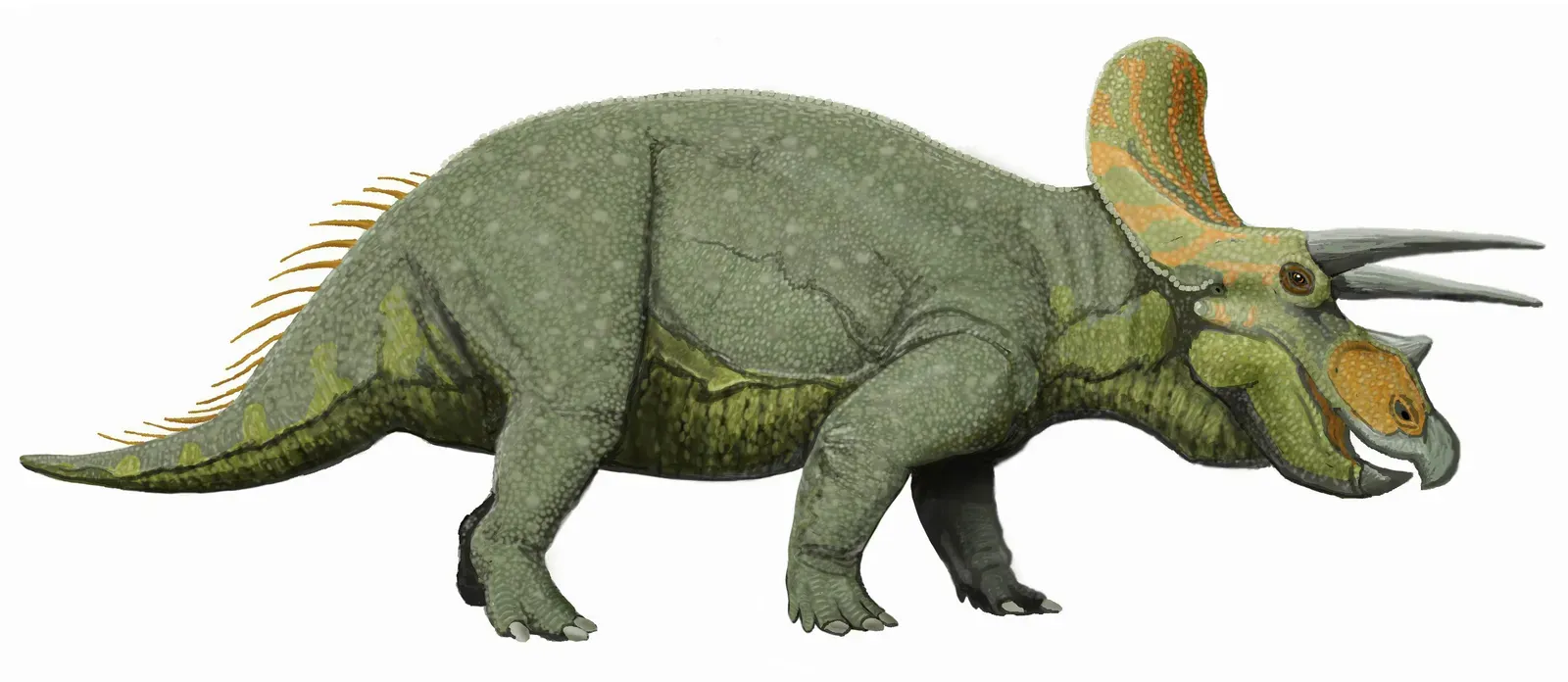
Triceratops lived during the late Maastrichtian age of the Late Cretaceous period, about 68 to 66 million years ago, and honestly, this dinosaur was built like a tank. Picture a massive creature stretching up to 30 feet long with a skull that made up nearly a third of its entire body length. Those three iconic horns weren’t just for show, either. The brow horns reached up to a meter long and may have been used in dramatic battles with rivals or even against the mighty Tyrannosaurus.
What’s really fascinating is how Triceratops ate its food. Their teeth were arranged in batteries containing 36 to 40 tooth columns in each side of each jaw, resulting in anywhere from 432 to 800 teeth, with continuous replacement throughout their life. Can you imagine having that many teeth? They ate large volumes of fibrous plant material, including Populus plants, Pine plants, ferns, palms, and cycads. Their beak-like mouth worked perfectly for grasping and tearing tough vegetation close to the ground.
Brachiosaurus – The Towering Giant
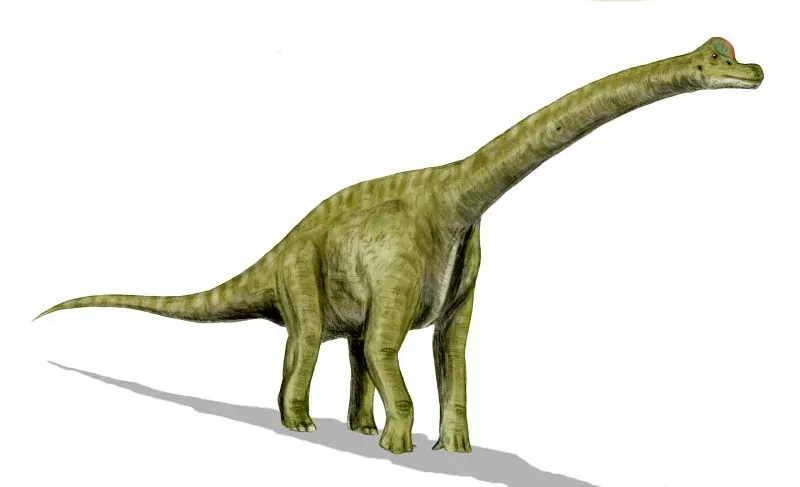
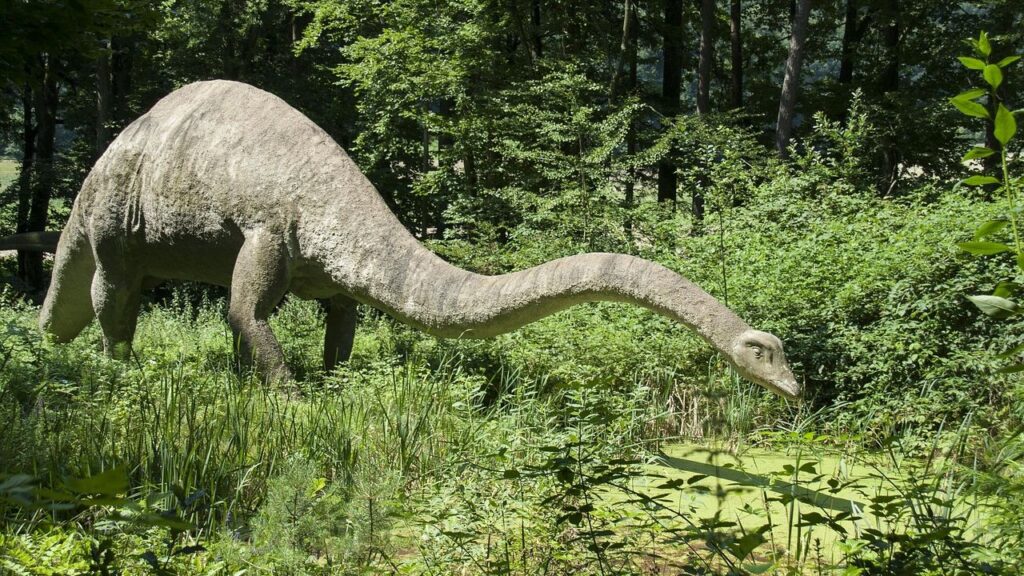
Brachiosaurus reached over 60 to 85 feet long, 30 to 40 feet high, and weighed 28 tons, living in the Jurassic era between 156 and 145 million years ago. This dinosaur had something truly unique about its build. Unlike most plant-eating dinosaurs, its unusually long forelimbs naturally angled its neck upward, giving it a passive advantage in reaching vegetation inaccessible to others.
Think about how it cooled itself down. Its enormous body may have helped it retain heat through gigantothermy, but its complex system of air sacs likely provided an internal cooling effect. There’s also something pretty wild about how scientists think it communicated. The bony crest on its skull may have actually been a resonating chamber, suggesting Brachiosaurus could have produced deep, echoing calls that carried across prehistoric landscapes. Let’s be real, that would have been an incredible sound to hear echoing through ancient forests.
Stegosaurus – The Plated Defender
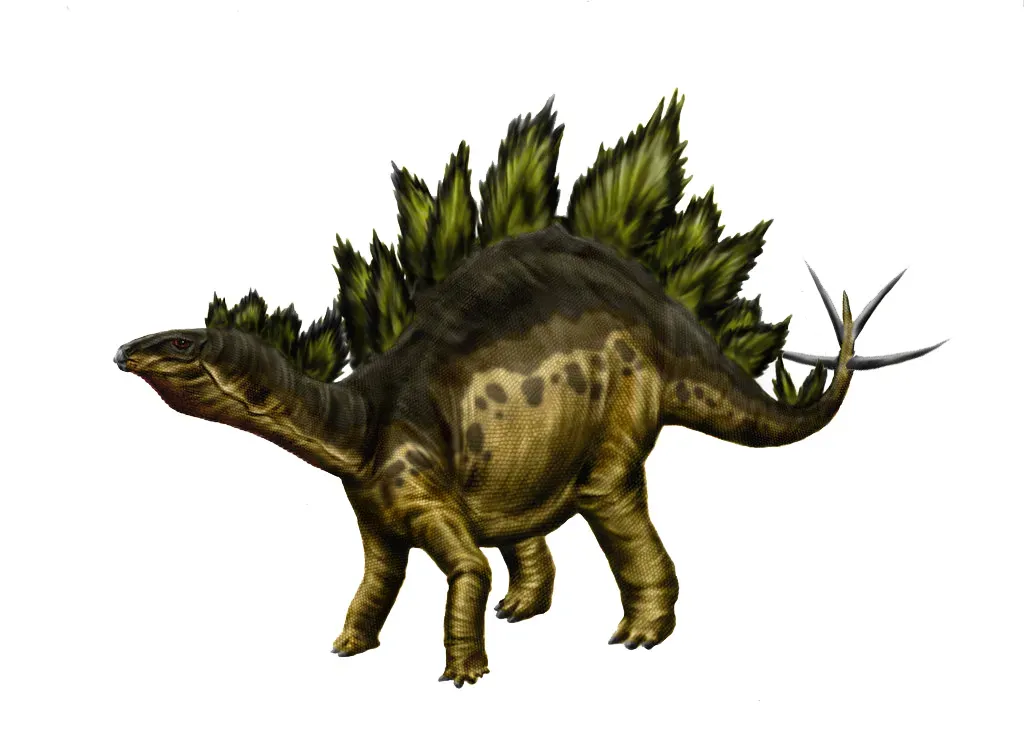
Here’s a dinosaur you’d recognize instantly. Stegosaurus was a herbivorous four-legged armored dinosaur from the Late Jurassic, characterized by distinctive kite-shaped upright plates along their backs and spikes on their tails, with fossils dating between 155 and 145 million years ago. Those plates weren’t primarily for defense, though. It is generally agreed that their spiked tails were most likely used for defense against predators, while their plates may have been used primarily for display and secondarily for thermoregulatory functions.
Stegosaurus had surprisingly weak bite force. The bite forces calculated for Stegosaurus were less than half that of a Labrador retriever, and it could have easily bitten through smaller green branches but would have had difficulty with anything over 12 mm in diameter. Paleontologists believe it would have eaten plants such as mosses, ferns, horsetails, cycads, and conifers. It had a short neck and a small head, meaning it most likely ate low-lying bushes and shrubs.
Diplodocus – The Whip-Tailed Colossus
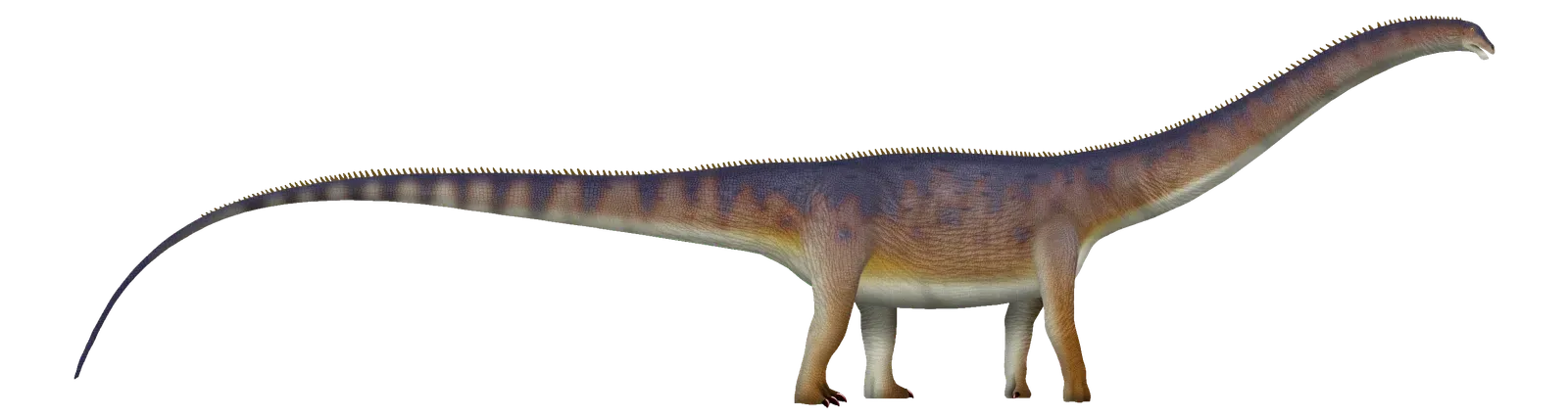
Diplodocus measured about 90 feet long with a 26 foot long neck and a 45 foot long tail, making it among the longest land animals ever. Its feeding strategy was quite distinctive compared to other sauropods. Diplodocus only had sharp teeth on the front of the jaw, so these dinosaurs’ mouths could be used to rake ferns and low vegetation like a comb or rake.
It swallowed leaves whole without chewing them and may have swallowed gastroliths to help digest tough plant material, with blunt teeth useful for stripping foliage. Its main food was probably conifers, with secondary food sources including ginkgos, seed ferns, cycads, ferns, club mosses, and horsetails. Its powerful, whip-like tail remains a subject of debate, with theories ranging from defense against predators like Allosaurus to a communication tool capable of producing loud cracking sounds. Imagine that tail snapping through the air like a massive whip.
Ankylosaurus – The Armored Fortress
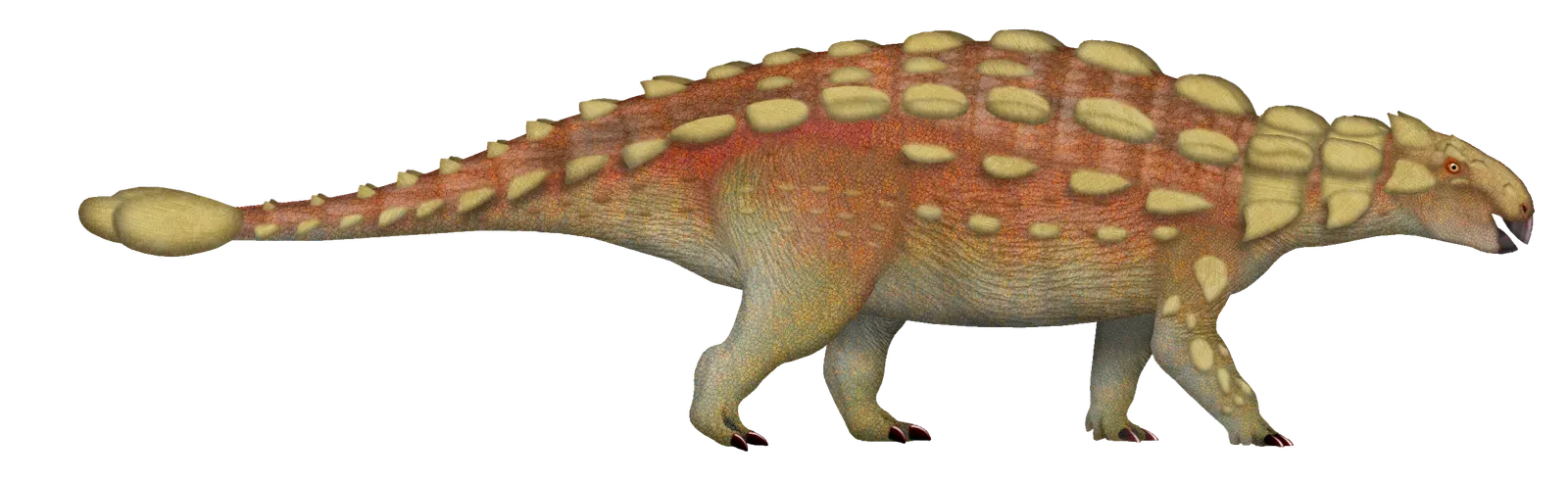
Ankylosaurus magniventris, translating to “fused lizard” or “great belly,” lived during the late Cretaceous era, 68 to 66 million years ago. This dinosaur was built for absolute defense. Its entire body was covered in thick osteoderms, even extending to its eyelids, ensuring that no predator could easily penetrate its defenses.
Like other ornithischians, Ankylosaurus was herbivorous, with its wide muzzle adapted for non-selective low-browse cropping. Adult Ankylosaurus did little chewing of its food and would have spent less time foraging than an elephant, with digestion of unchewed food possibly facilitated by hindgut fermentation. Paleontologist Georg Haas suggested ankylosaurs ate relatively soft non-abrasive vegetation, which makes sense given their limited jaw strength. The tail club, though, was their secret weapon for defense.
Parasaurolophus – The Crested Communicator
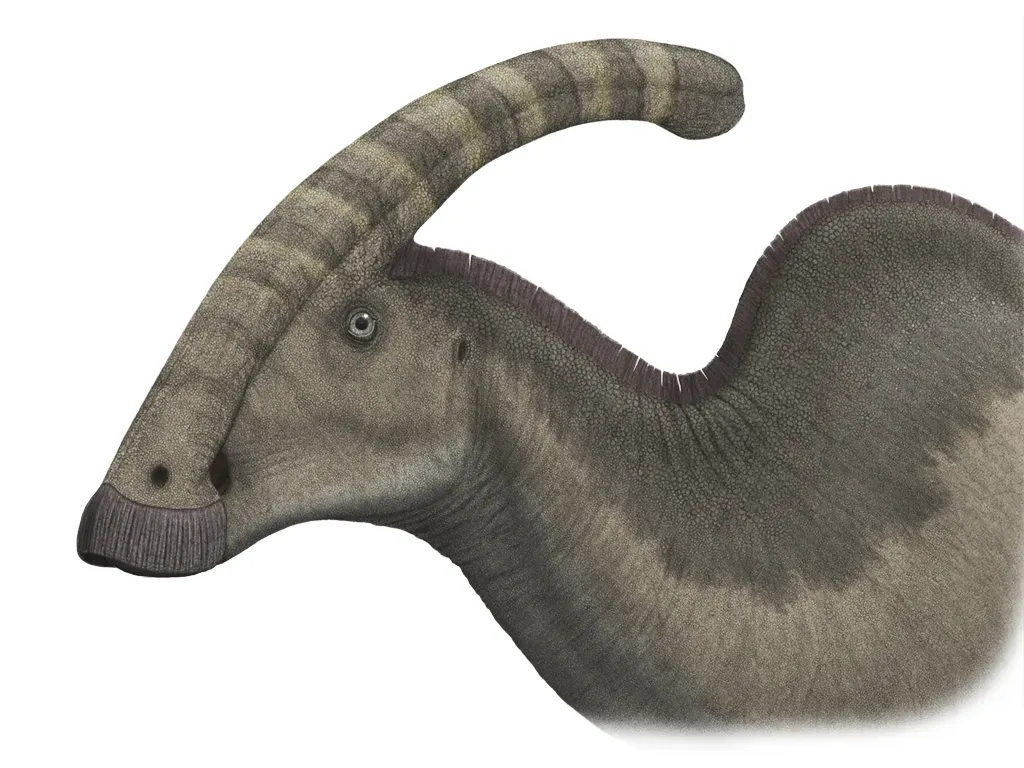
Parasaurolophus lived during the Late Cretaceous period, specifically the Late Campanian epoch, from approximately 83.5 to 70.6 million years ago, and as an herbivore, it ate plants. What made this dinosaur absolutely unique was its hollow crest. Scientists believe the crests were instrumental in producing low-frequency sounds important for communication within the species, facilitating intra-species recognition across vast expanses of their Cretaceous habitats.
Its diet primarily consisted of plant material, which it efficiently processed with its distinctive beak essential for survival, allowing it to nip and tear through tough vegetation. Parasaurolophus’s ability to walk on both two legs and four legs provided versatile locomotion, likely moving on all fours when browsing for food. They thrived in herds, providing protection against predators, which shows just how social and cooperative these dinosaurs were.
Conclusion
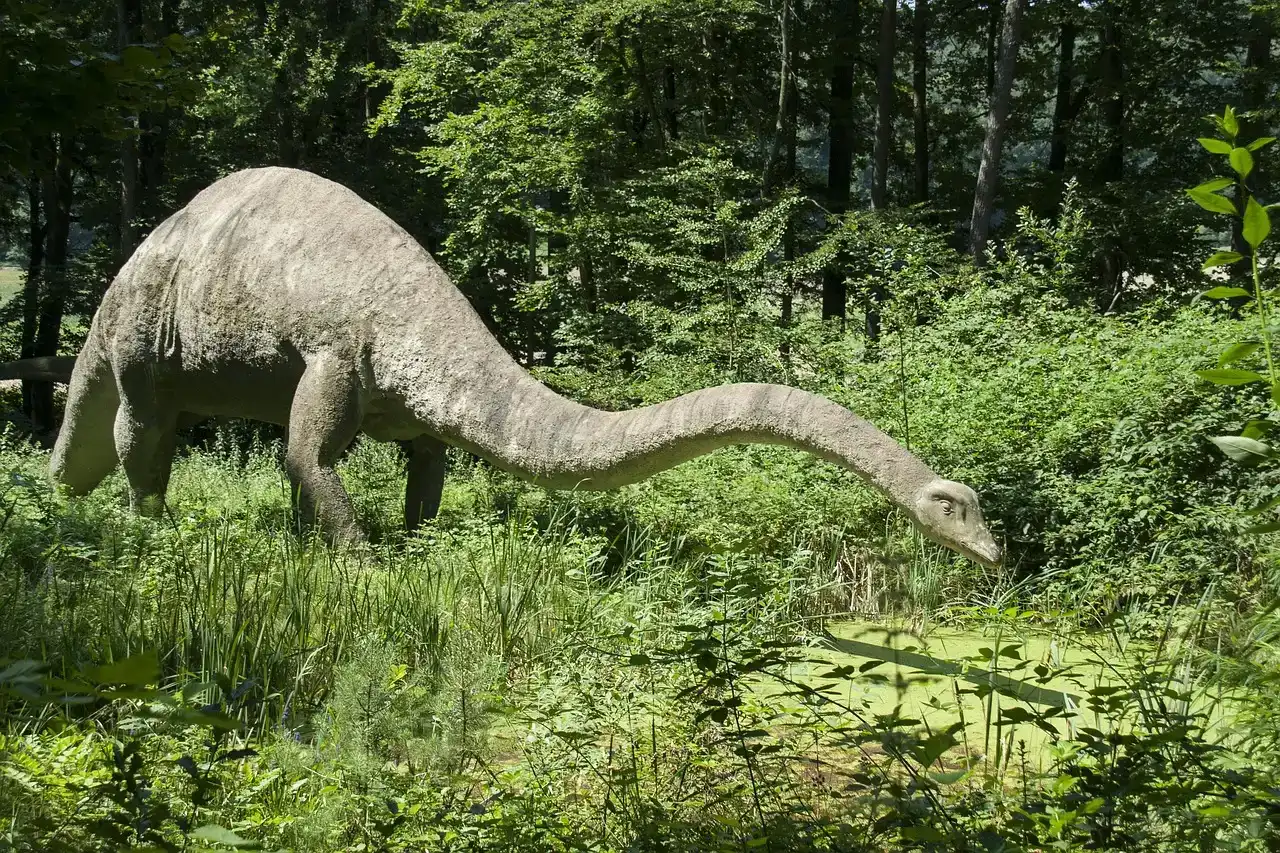
These six herbivore dinosaurs prove that you didn’t need to be a fierce predator to dominate the prehistoric world. From the armored Ankylosaurus to the communicative Parasaurolophus, each species developed remarkable adaptations for survival. They built defenses, evolved specialized teeth, grew to enormous sizes, and created complex social structures.
The plant-eaters shaped ecosystems, influenced plant evolution, and demonstrated that survival strategies come in countless forms. Next time you think about dinosaurs, remember that the gentle giants grazing on ancient ferns and conifers were just as impressive as any meat-eating predator. What’s your favorite plant-eating dinosaur from this list? Did any of these adaptations surprise you?