
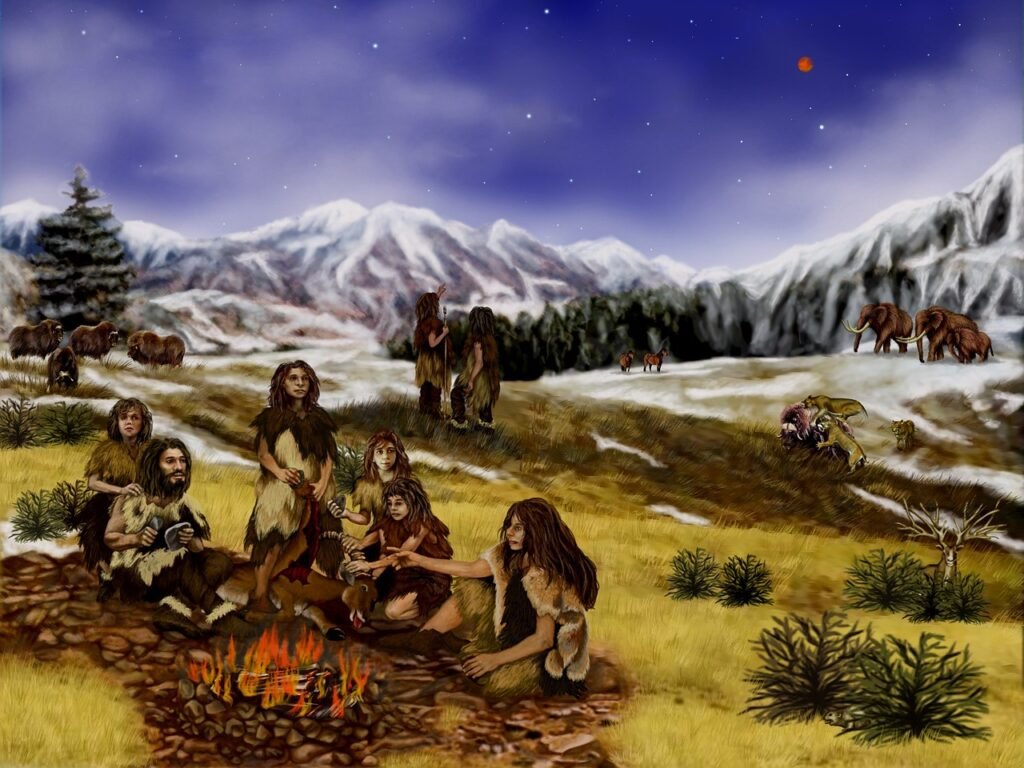
Picture a Neanderthal for a second. If your mind jumps to a hunched, grunting brute in a shaggy fur cape dragging a club around, you’re not alone – and you’re also very outdated. Over the past couple of decades, archaeology and genetics have quietly blown that cartoon to pieces. The more we find, the more it looks like Neanderthals were not failed humans, but a different kind of human who lived rich, complicated lives.
What makes this so fascinating is how it messes with our pride. We like to believe our species stands alone at the top of some mental hierarchy. Yet when you look closely at what Neanderthals were actually doing – how they planned, created, cared, and adapted – it starts to feel a lot less like “us vs. them” and a lot more like different branches on the same very human tree. Let’s walk through six things Neanderthals were doing that completely shatter that old “primitive caveman” image.
1. Crafting Sophisticated Tools With Real Planning and Skill
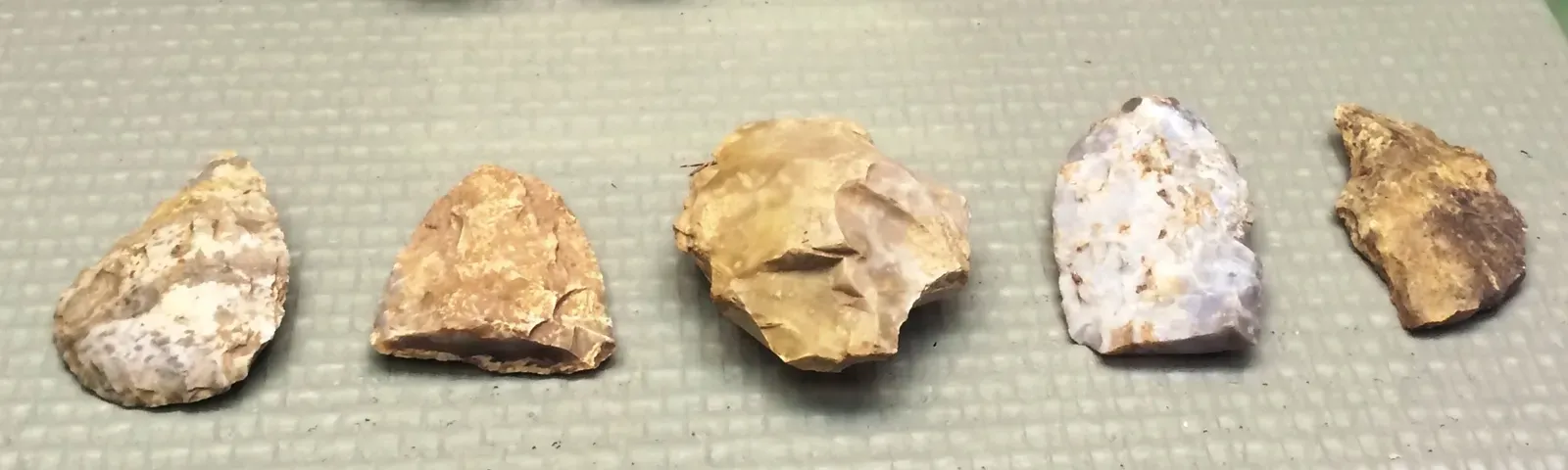
Neanderthals weren’t just smashing rocks together to make crude edges. They used carefully planned techniques that required them to imagine the final shape of a tool, then chip away at stone in a deliberate sequence to get there. Some of their methods, like preparing a stone core and striking off flakes of a particular size and shape, show a level of mental rehearsal you’d normally associate with a trained craftsperson rather than a so-called brute.
In some sites, archaeologists have found standardized tool types repeated again and again, which suggests teaching, tradition, and shared know-how. That’s not what you see in a species just stumbling its way through survival; that looks a lot more like an apprenticeship system. If you’ve ever tried knapping stone in a museum workshop or outdoor class, you know how hard it is to get even one good flake. Neanderthals were doing this routinely, under pressure, for hundreds of thousands of years.
2. Controlling Fire and Using It in Clever Ways
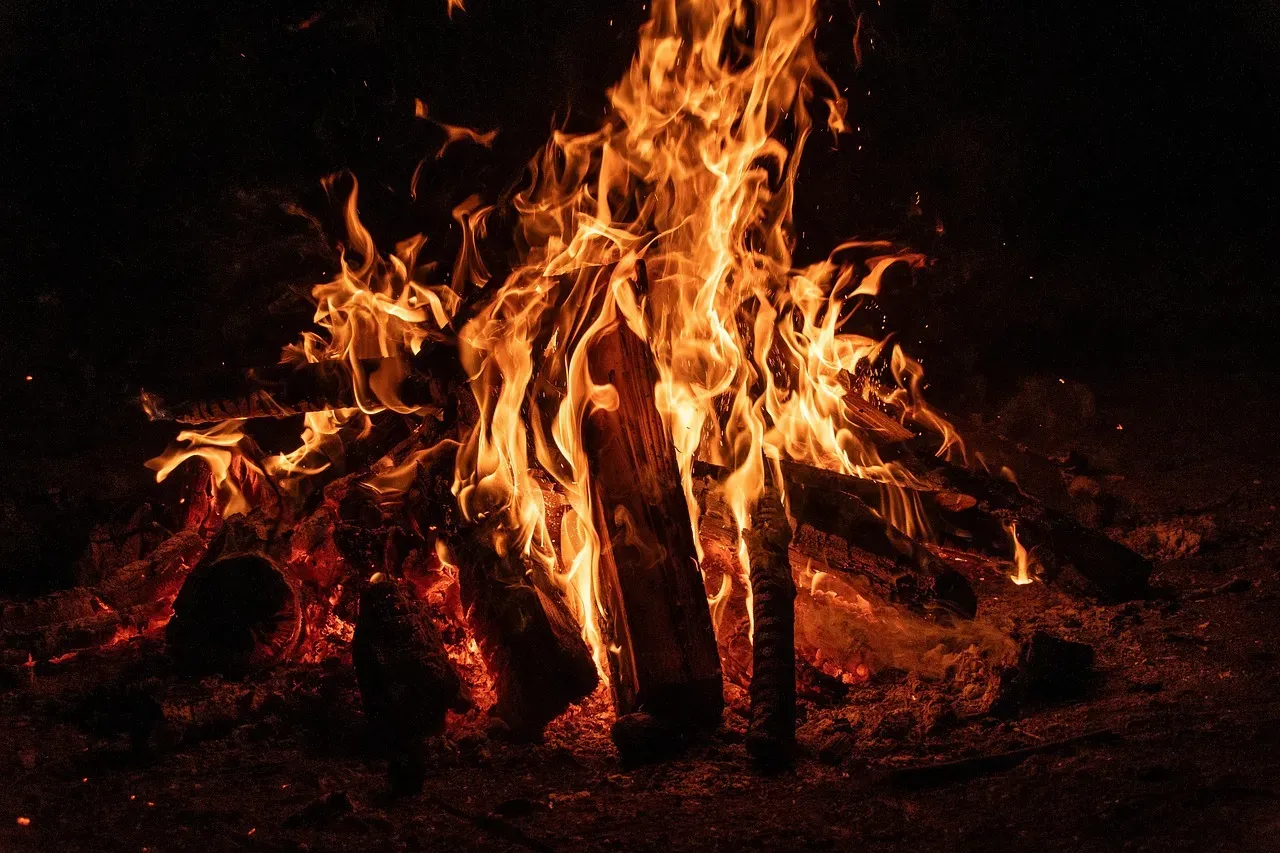
Fire, in the old stereotype, is this huge breakthrough that separates the “primitive” from the “modern.” But Neanderthals were building controlled fires, maintaining hearths, and using them in flexible, creative ways. At many sites, you see layered fireplaces in the same spots, suggesting they understood their living spaces – where to sleep, where to cook, where smoke could rise without choking everyone out.
They weren’t just tossing meat into the flames either. There is evidence of roasting, repeated use of fuel sources like wood and possibly even dung in treeless environments, and careful management of embers. In cold climates, staying alive is a full-time job, and fire becomes central heating, a kitchen, and a repair shop all in one. Neanderthals seem to have treated it that way, which feels much closer to a family gathered around a campfire than to a beast cowering in a cave.
3. Living in Organized Spaces, Not Just “Random Caves”
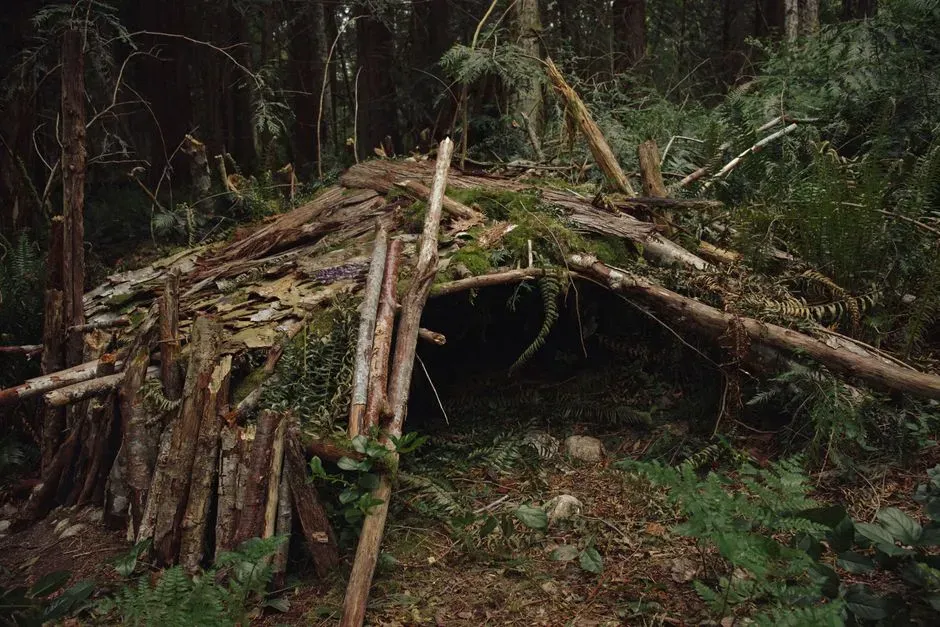
The phrase “caveman” itself is misleading. Many Neanderthal sites show clear signs of organized living areas, whether they were in caves, rock shelters, or open-air camps. Archaeologists have found zones where specific activities took place: toolmaking in one area, butchering in another, hearths in the middle, discard piles just outside. That kind of spatial organization hints at social norms – unspoken rules about where you do what, and how you share the space.
Think about your own home: the kitchen, the sofa corner where everyone gathers, that one chair where your relative always sits. Those patterns don’t happen by accident. Similarly, repeated layouts in Neanderthal sites across regions suggest they were not just reacting to their environment, but bringing mental “floor plans” to it. It is a quiet but powerful sign of cognition: they did not simply inhabit a space; they shaped it to fit their lives.
4. Caring for the Sick, Injured, and Elderly
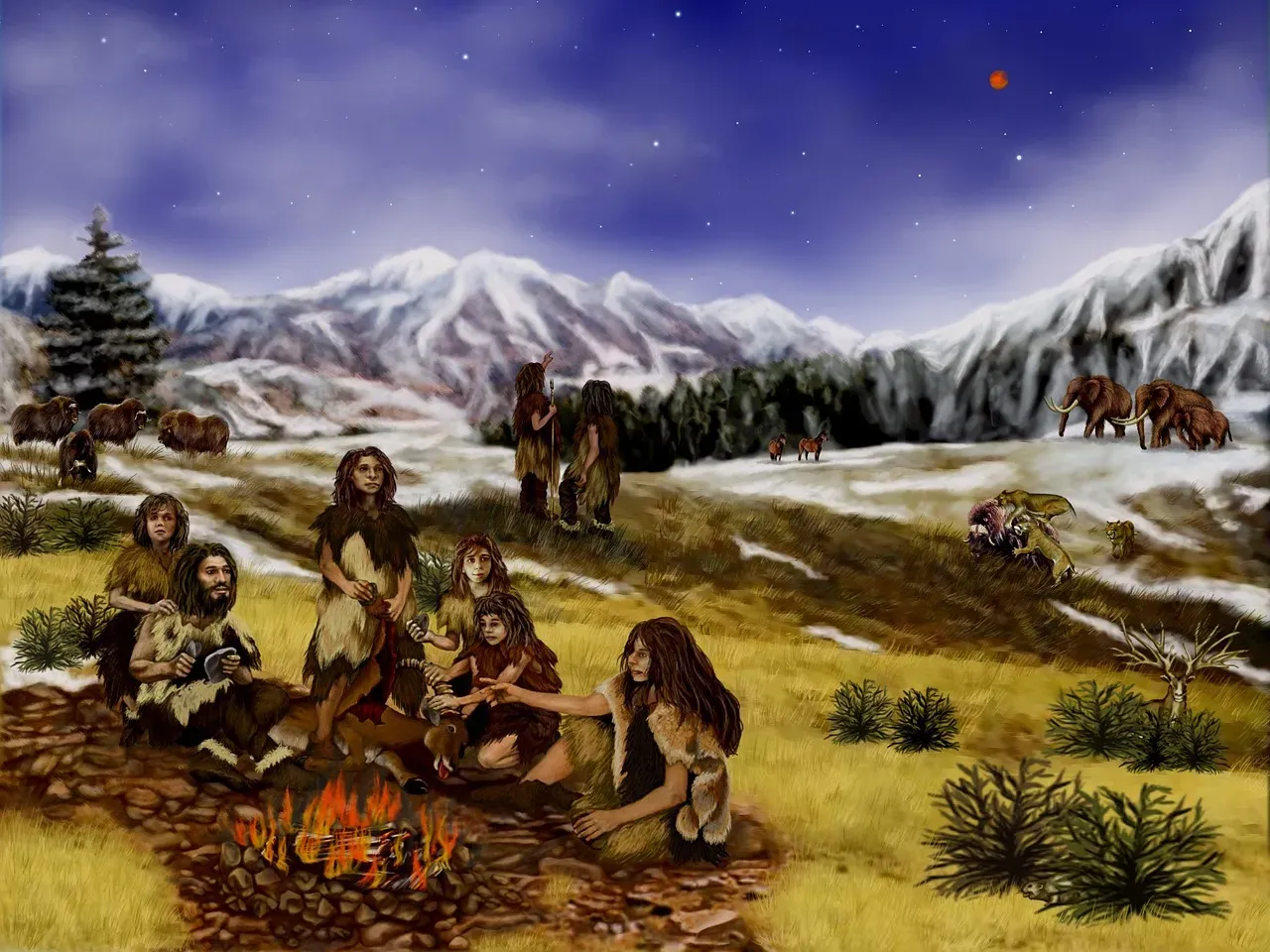
One of the most disarming things we’ve learned about Neanderthals is how often injured individuals survived for years with serious disabilities. Some skeletons show people who had broken bones that healed, severe arthritis, or injuries that would have made hunting on their own nearly impossible – yet they lived long enough for these conditions to leave a strong mark on their bones. That strongly suggests others were feeding them, protecting them, and adjusting group life around their needs.
This runs directly against the brutal, every-individual-for-themselves image that used to dominate popular culture. You don’t keep an elderly group member alive in an Ice Age environment unless you value them for more than their physical strength. Maybe they shared knowledge, stories, routes, or social glue. Whatever the case, the bones quietly tell a very human story: Neanderthals weren’t just surviving, they were taking care of one another, even when it was costly.
5. Using Color, Ornaments, and Possibly Personal Symbolism
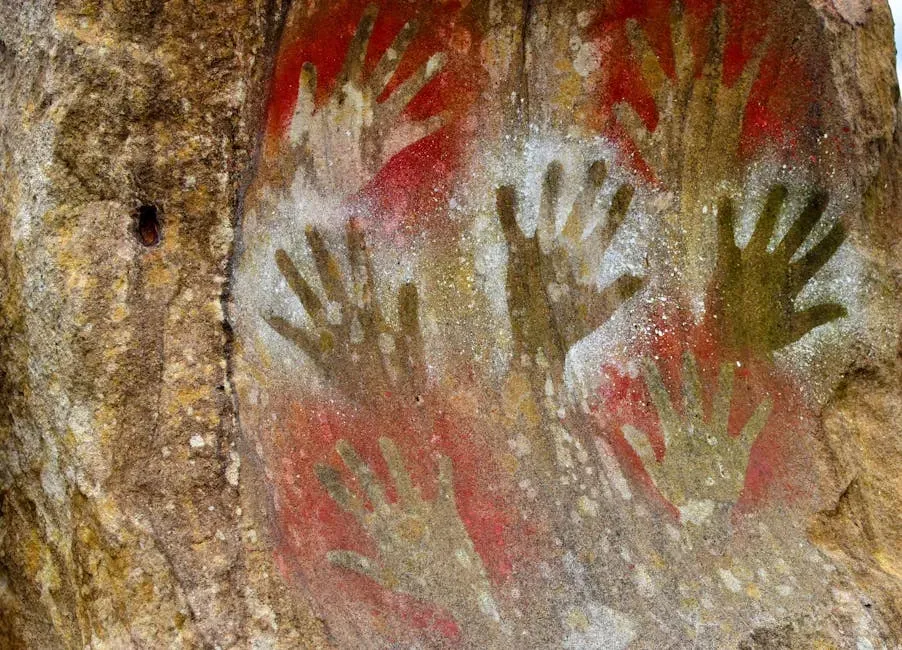
For a long time, symbolic behavior – things like jewelry, body paint, and decoration – was treated as the exclusive domain of Homo sapiens. That drew a clean line between “symbolic, modern us” and “literal, practical them.” But evidence tied to Neanderthals has made that line very blurry. Pigments like ochre appear at some Neanderthal sites, along with items such as modified shells, claws, or shaped pieces that look suspiciously like ornaments or meaningful tokens.
Does that automatically prove they had language like ours or abstract art in the way we think of it? Not necessarily. But it does show that Neanderthals weren’t purely utilitarian. The moment you start deliberately altering your appearance or carrying objects that matter more for meaning than for function, you’ve stepped into the realm of identity and social signaling. That is the world of “this is who I am,” not just “this is what I need to eat today.” The old cartoon caveman never even gets near that level of inner life.
6. Adapting to Harsh Environments With Strategy, Not Just Strength
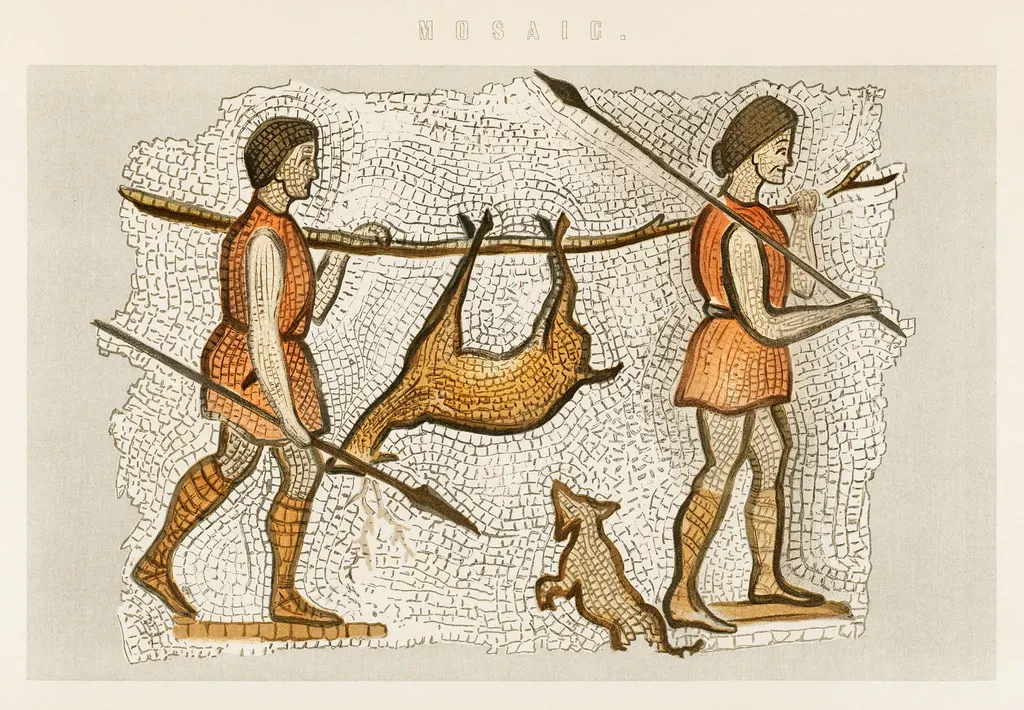
The environments Neanderthals lived in were often brutally challenging – cold, variable, and resource-scarce at certain times of year. Yet they weren’t simply muscling their way through it. Their skeletons, tools, and settlement patterns point toward flexible strategies: following seasonal migrations, using different hunting techniques for different animals, and exploiting plants and other resources when and where they could. This looks less like random foraging and more like a mental calendar combined with local expertise.
On top of that, Neanderthals survived for a remarkably long span of time across a huge range of territories. That kind of persistence usually does not happen by accident. It requires detailed ecological knowledge passed from generation to generation: where herds tend to cross, which valleys shelter you from the worst winds, which areas are worth returning to year after year. If you imagine not a lone caveman, but a whole lineage of families reading their landscape the way a sailor reads the sea, you are much closer to the real picture.
Conclusion: Maybe the “Primitive Caveman” Was Always Our Story, Not Theirs
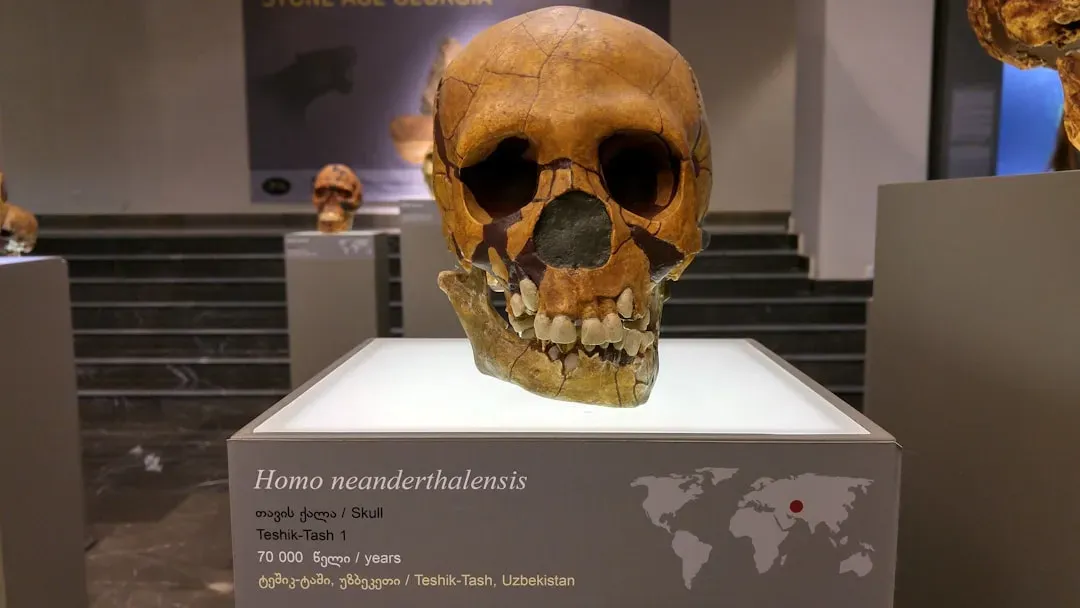
When you stack all of this together – skillful toolmaking, controlled fire, organized spaces, caregiving, symbolic touches, and ecological savvy – the old image of Neanderthals collapses fast. They stop looking like an embarrassing earlier draft of us and start to feel like another fully human way of doing life, shaped by different bodies, histories, and environments. To me, the real shock is not that Neanderthals were so capable; it is that we clung for so long to the idea that they could not be.
There is an uncomfortable but liberating thought hiding in there: maybe our species is not the sole owner of “being human,” just one expression of it among others that came and went. And if that is true, then the cartoon caveman was never really about Neanderthals at all – it was about flattering ourselves. So the next time someone jokes about “living like a caveman,” it might be worth asking: are we laughing at them, or at a story we told to make ourselves feel special?