Picture standing on a mountain peak thousands of feet above sea level, finding the remains of ancient sea creatures beneath your boots. It sounds impossible, but our planet has been playing this incredible trick for millions of years. The Earth’s crust moves like a slow-motion dance, lifting ocean floors to become towering peaks and transforming underwater graveyards into desert landscapes. These geological transformations have created some of the most remarkable fossil discoveries in human history, revealing stories of ancient worlds that once thrived beneath waves that no longer exist.
Ancient Shark Teeth in the Rocky Mountains
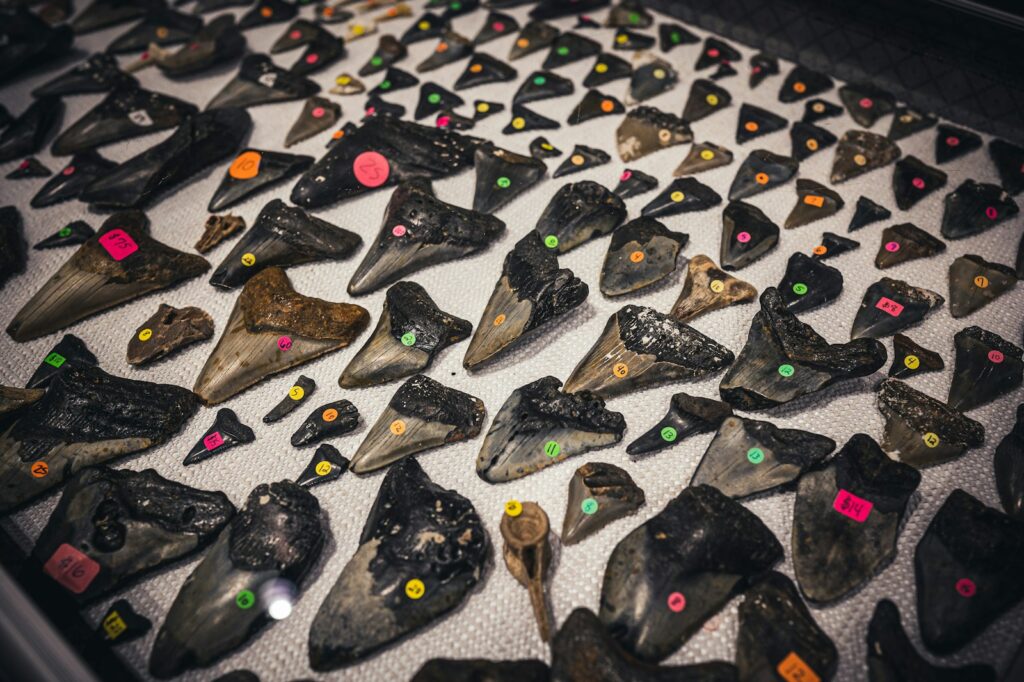
Deep in the heart of Colorado’s Rocky Mountains, paleontologists have uncovered something that leaves visitors speechless: fossilized shark teeth embedded in rock formations that now tower above the clouds. These discoveries come from the Western Interior Seaway, a massive body of water that split North America in half during the Cretaceous period, roughly 100 million years ago. The seaway stretched from the Arctic Ocean to the Gulf of Mexico, creating a marine highway where prehistoric sharks like Cretoxyrhina prowled the depths. Today, hikers stumbling across these ancient predator remains at altitudes exceeding 8,000 feet get a humbling reminder of how dramatically our planet has changed. The preservation quality of these fossils is remarkable, with some teeth retaining their razor-sharp edges as if the sharks had just lost them yesterday.
Whale Fossils in the Sahara Desert
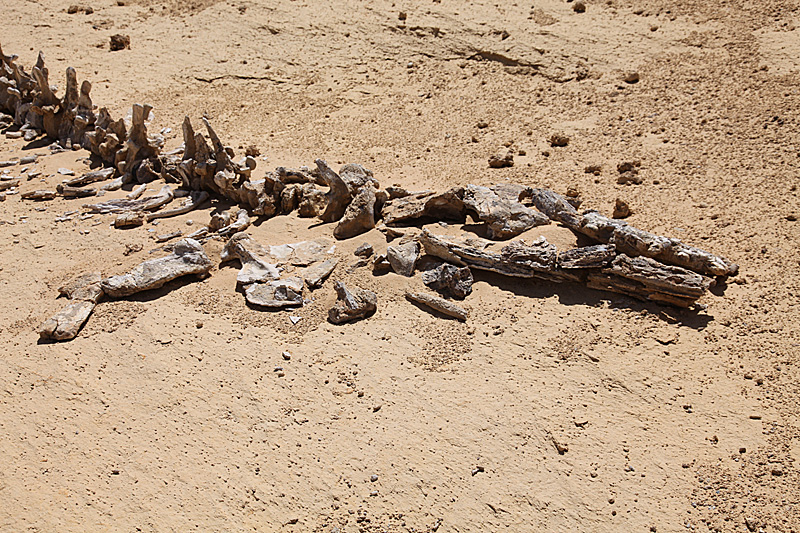
The scorching sands of Egypt’s Sahara Desert hold one of paleontology’s most mind-bending secrets: complete skeletons of ancient whales lying where camels now walk. Wadi Al-Hitan, also known as “Whale Valley,” contains hundreds of fossilized whales that lived when this now-arid region was covered by the ancient Tethys Sea around 40 million years ago. These aren’t just any whale fossils – they represent a crucial evolutionary period when whales still had legs and were transitioning from land to sea. The site has yielded spectacular specimens of Basilosaurus and Dorudon, showing these early whales with fully formed hind limbs. Walking through this UNESCO World Heritage site feels like stepping into an alien world where desert winds have exposed an underwater cemetery that predates human civilization by tens of millions of years.
Seashells on Top of Mount Everest
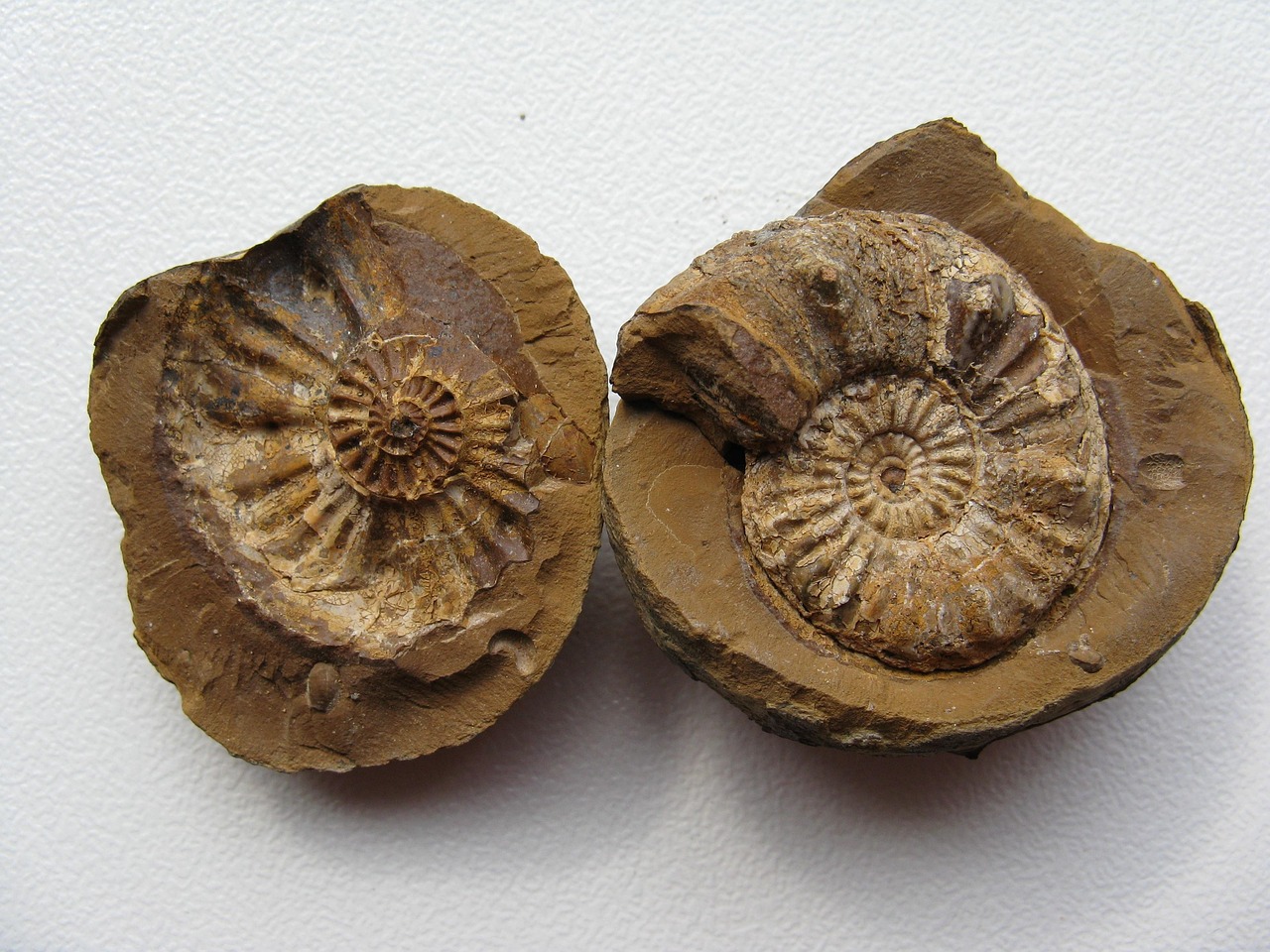
Mount Everest, the world’s tallest peak, holds a secret that would make even seasoned climbers pause in wonder: marine fossils embedded in its limestone summit. These aren’t just any fossils – they’re crinoids, ancient sea lilies that lived in warm, shallow seas that covered the region 450 million years ago. The limestone layer containing these fossils, known as the Qomolangma Formation, represents the compressed remains of countless marine organisms that once flourished in tropical waters. When climbers reach Everest’s peak, they’re literally standing on the compressed remains of an ancient ocean floor that has been pushed nearly 30,000 feet into the sky. The irony is breathtaking: the place where humans struggle most for oxygen was once an underwater paradise where sea creatures lived and breathed through gills.
Giant Ammonites in the Swiss Alps
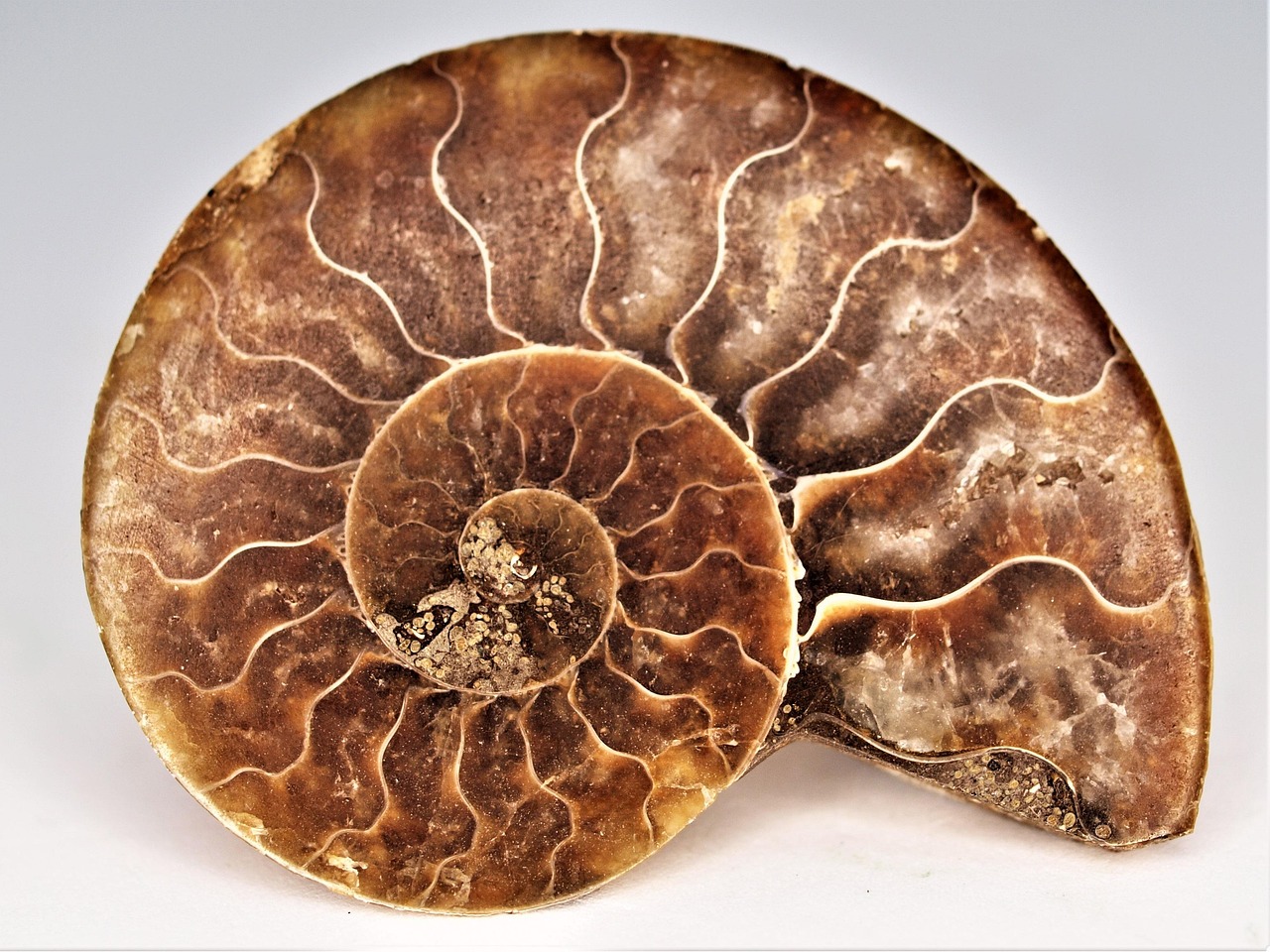
The Swiss Alps hide fossilized treasures that challenge everything we think we know about mountain landscapes. Massive ammonite fossils, some measuring over three feet in diameter, have been discovered in Alpine rock formations that now pierce the clouds at dizzying heights. These spiral-shelled marine predators dominated ancient seas for over 300 million years before vanishing with the dinosaurs. The Alps’ ammonite fossils come from the Jurassic period when the region lay beneath the warm waters of the Tethys Ocean. Finding these perfectly preserved specimens embedded in mountain faces thousands of feet above sea level creates an almost surreal experience. The detail preserved in these fossils is extraordinary – you can still see the intricate suture patterns that once helped these creatures maintain buoyancy in their underwater world.
Marine Reptile Graveyards in Kansas
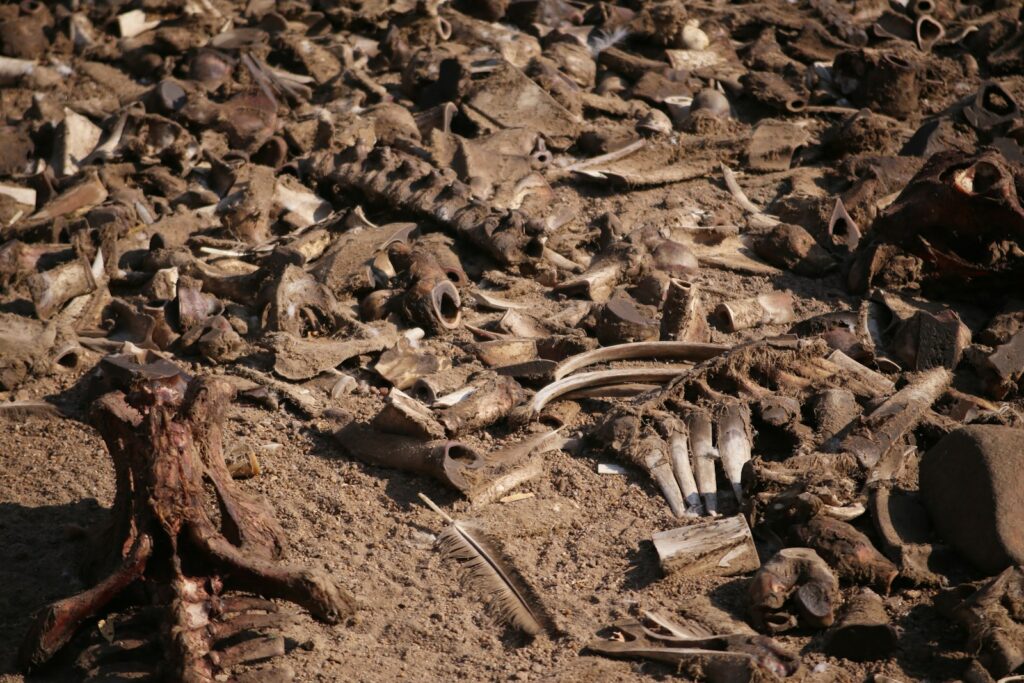
The flat wheat fields of Kansas might seem like an unlikely place for marine fossil discoveries, but this landlocked state sits atop one of North America’s richest underwater fossil deposits. During the Cretaceous period, the Western Interior Seaway transformed Kansas into an underwater realm populated by massive marine reptiles like plesiosaurs and mosasaurs. The Smoky Hill Chalk formation has yielded spectacular specimens, including complete skeletons of Tylosaurus, a 45-foot-long marine lizard that ruled these ancient waters. These fossils are so well-preserved that scientists can study everything from stomach contents to bite marks, painting vivid pictures of prehistoric underwater battles. Today’s Kansas farmers occasionally uncover these ancient sea monsters while working fields that once lay beneath hundreds of feet of ocean water.
Fish Fossils in the Andes Mountains
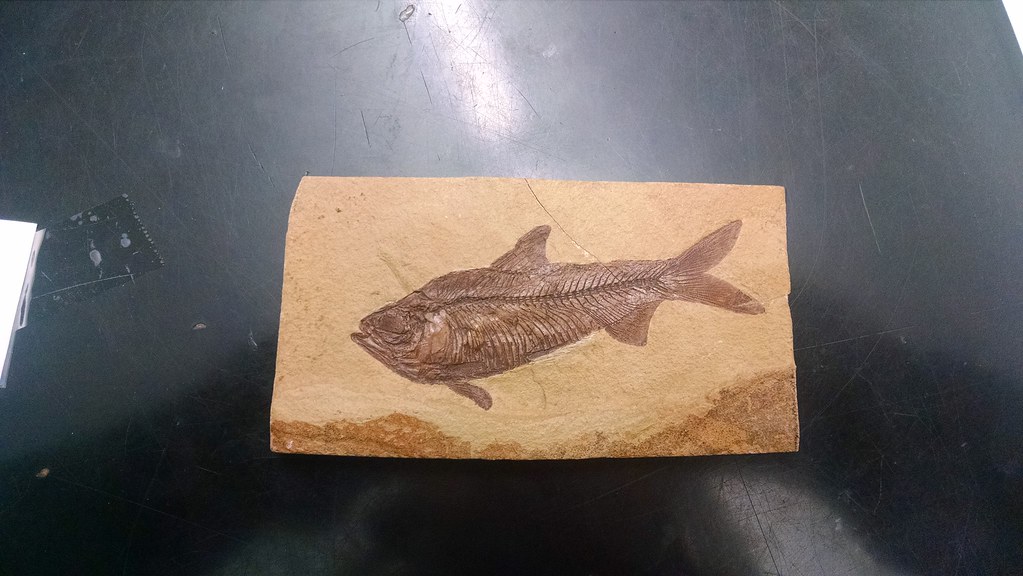
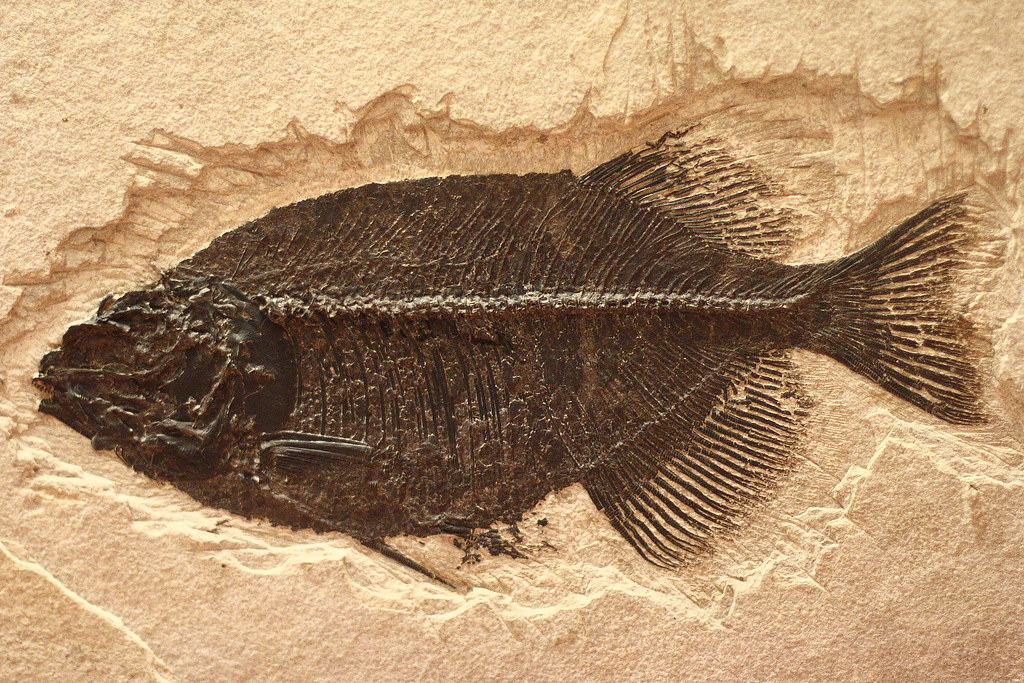
High in the Bolivian Andes, at altitudes where the air is thin and breathing becomes labored, paleontologists have discovered pristine fossils of ancient fish that once swam in prehistoric seas. The Altiplano region, now one of the world’s highest plateaus, preserves evidence of marine environments that existed when South America had a very different geography. These fossil fish, some dating back over 400 million years, represent species that lived when the area was covered by shallow tropical seas. The preservation is so remarkable that scientists can still observe details like scales, fin rays, and even stomach contents in some specimens. Finding these aquatic fossils at elevations exceeding 12,000 feet above sea level serves as a powerful reminder of the dynamic forces that have shaped our planet’s surface over geological time.
The Time Machine Effect of Geological Uplift
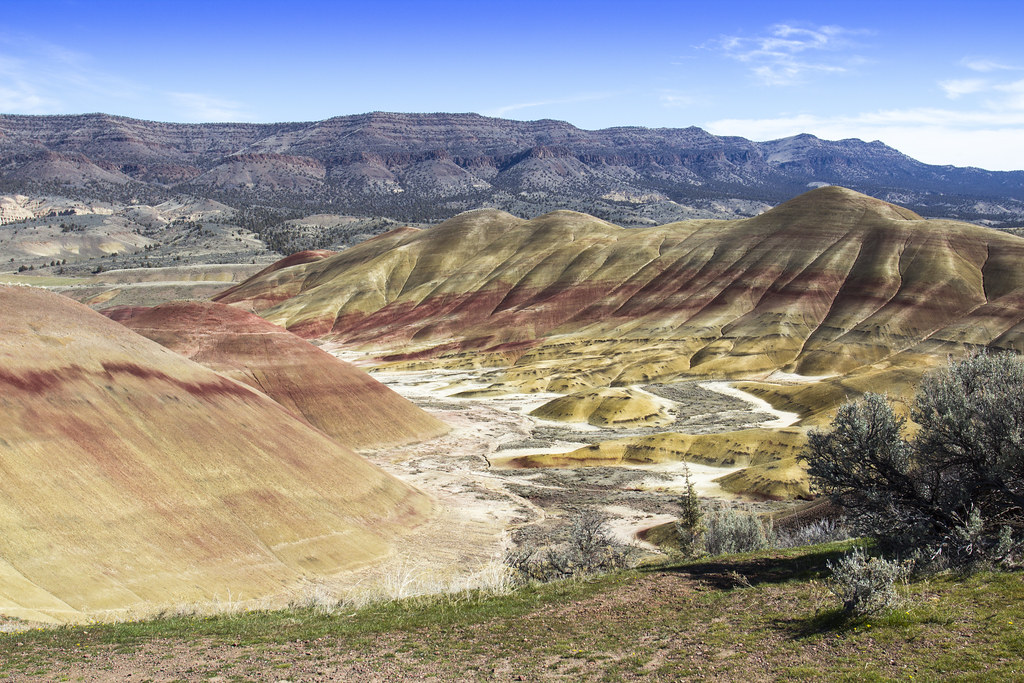
The process that brings ocean floor fossils to mountain heights works like a geological time machine, preserving and displaying ancient life in the most unexpected places. When tectonic plates collide and push seafloors skyward, they create natural fossil galleries that span millions of years of Earth’s history. This uplift process doesn’t just move rocks – it transports entire ecosystems through time, allowing us to walk through ancient underwater worlds without ever getting wet. The preservation that occurs during this process is often exceptional because the sediments that buried these creatures provided perfect conditions for fossilization. Today’s mountain climbers and desert hikers become accidental time travelers, stumbling across evidence of worlds that existed long before the first human ancestors appeared on Earth.
Conclusion: Scientific Breakthroughs from Unexpected Fossil Sites
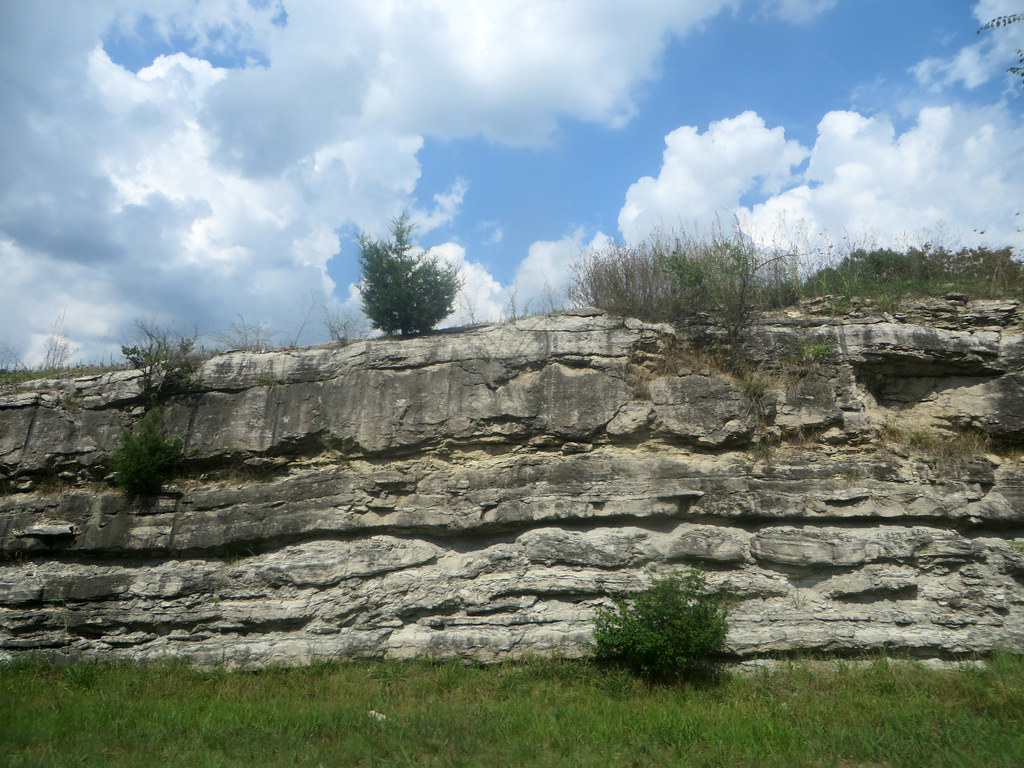
These unlikely fossil discoveries have revolutionized our understanding of Earth’s history and the evolution of life itself. Finding marine fossils in mountains and deserts has helped scientists piece together the movements of continents, the timing of major extinction events, and the incredible adaptability of life on Earth. Some of the most important paleontological discoveries have come from these former ocean floors, including transitional fossils that show how life moved from sea to land. The study of these fossils has revealed details about ancient climates, ocean chemistry, and ecosystem dynamics that would be impossible to understand otherwise. Each fossil found in these unexpected locations adds another piece to the puzzle of our planet’s incredible 4.6-billion-year story.
These remarkable fossil discoveries remind us that our planet is far more dynamic and changeable than we might imagine from our brief human perspective. The marine creatures fossilized in today’s mountains and deserts lived their entire lives in worlds completely different from ours, yet their preserved remains connect us across the vast expanse of geological time. What other secrets might be hiding beneath our feet, waiting to be discovered in the most unlikely places?