
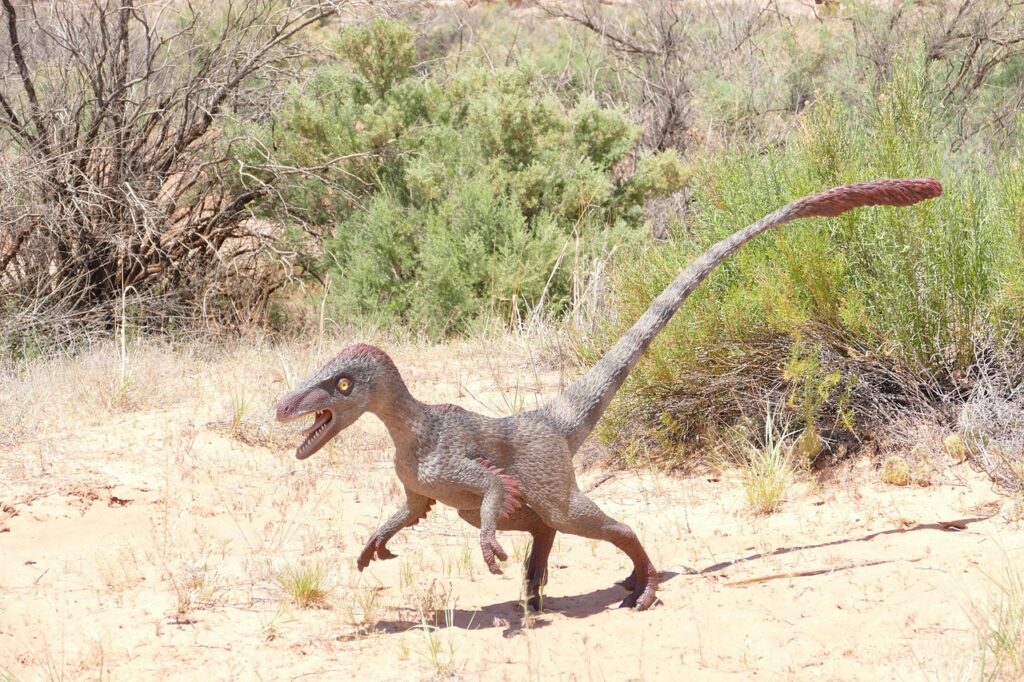
Ask most people to picture a Velociraptor and they’ll instantly see the same image: a man-sized, scaly movie monster with slicing claws and human-level intelligence hunting in perfect packs. It’s dramatic, sure, but it’s also mostly fantasy. The real Velociraptor was stranger, smaller, and in many ways even more fascinating than the Hollywood version.
When I first dug into the actual science behind this dinosaur, I realized that almost everything I thought I knew was wrong. In a way, that made Velociraptor feel more alive, not less. Let’s pull apart six of the biggest misconceptions and replace them with what the evidence actually shows – and along the way, you might find the real animal is way cooler than the movie monster you grew up with.
1. Velociraptor Was Not The Giant Movie Monster You’re Imagining
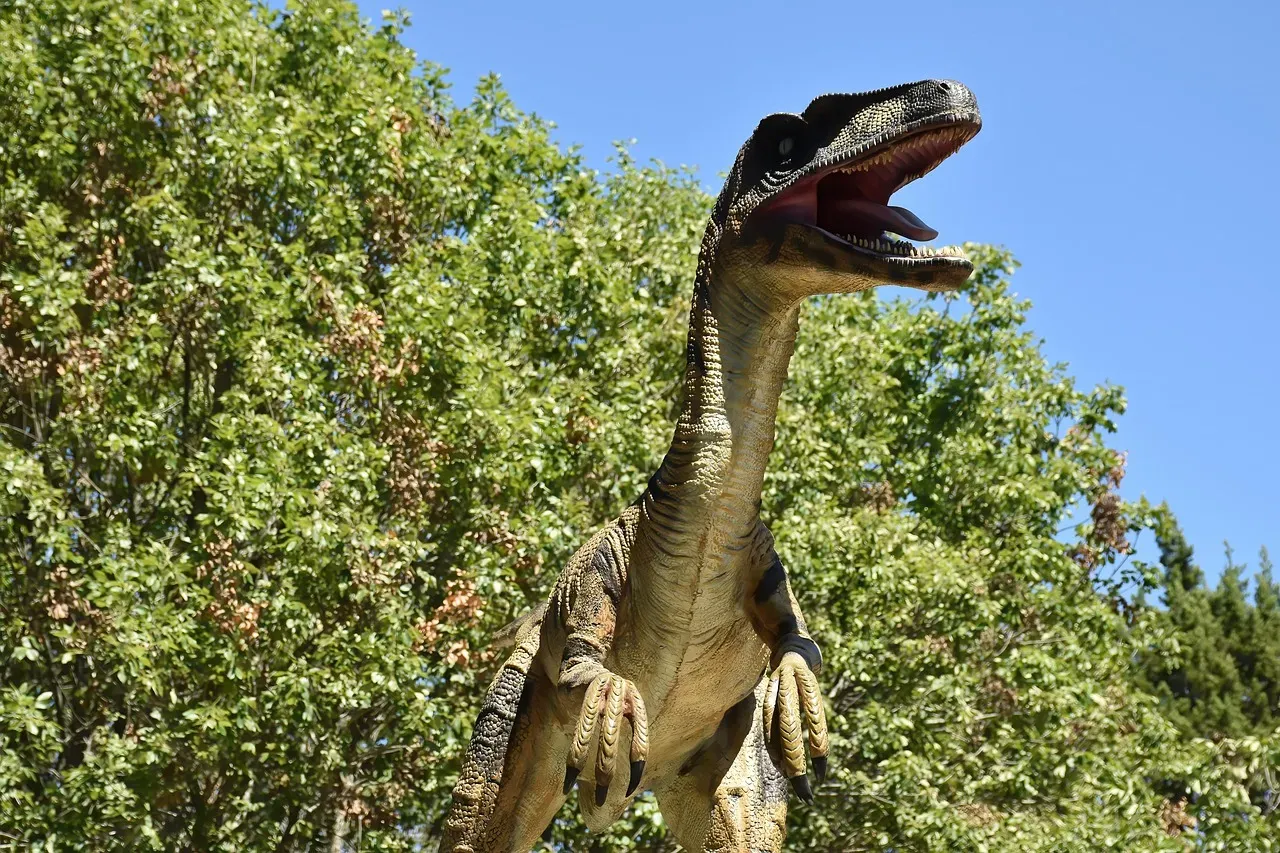
This is the myth that refuses to die: the idea that Velociraptor was as tall as a person, towering over humans like a reptilian horror movie villain. In reality, the real Velociraptor was closer in size to a turkey or a medium-sized dog, with a body length of about two meters including the tail and hips only around knee height on an adult person. That sounds disappointing at first, but if you’ve ever tried to catch an angry, fast bird, you know small doesn’t mean harmless.
The confusion comes mostly from popular movies that mashed together features of different dromaeosaurid dinosaurs, especially a larger one called Deinonychus, and slapped the name Velociraptor on the final result. So the dinosaur fans think they know is really a kind of cinematic hybrid rather than any single real species. The actual Velociraptor was a sleek, low-slung predator built more for speed, agility, and quick strikes than for towering intimidation.
2. Velociraptor Was Feathered, Not A Naked, Scaly Lizard
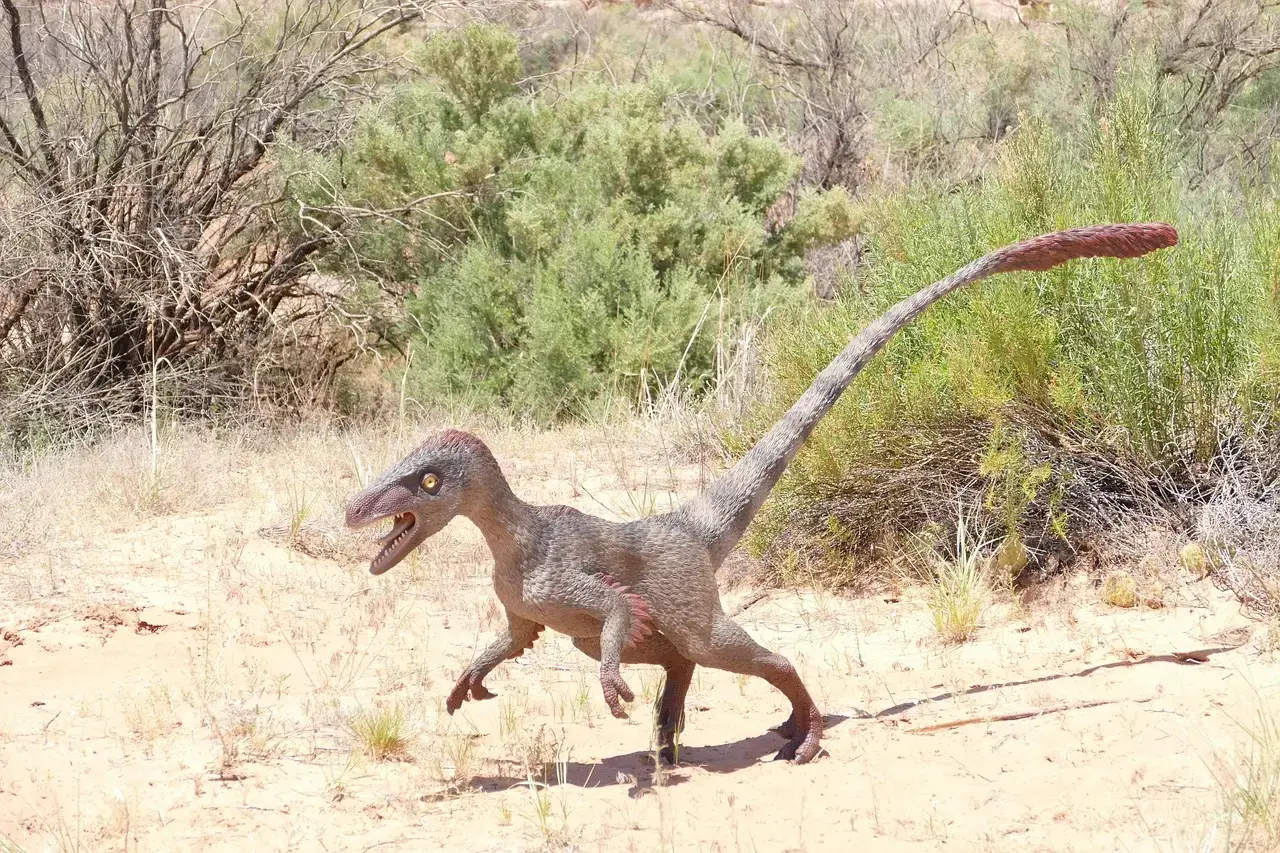
One of the most stubborn misconceptions is that Velociraptor was a smooth-skinned, crocodile-like reptile, all bare scales and cold eyes. Fossil evidence has changed that picture completely. Paleontologists have found clear impressions and bony quill knobs on Velociraptor fossils that strongly indicate it was covered in feathers, at least on parts of its body and especially on its arms and tail. Think less scaly lizard, more nightmarish ground-running bird.
For many people, adding feathers feels like “ruining” the dinosaur, but I’d argue it makes Velociraptor far more interesting. Feathers suggest insulation, display, and even complex behaviors tied to social interaction or mating rituals. Instead of a bland green movie monster, imagine a lean predator with a feathered tail held straight out for balance, perhaps with color patterns we’ll never fully know. It turns the animal from a horror prop into something that feels like a bizarre, dangerous cousin of the birds outside your window.
3. Velociraptor Was Smart – But Not A Super-Genius Pack Strategist
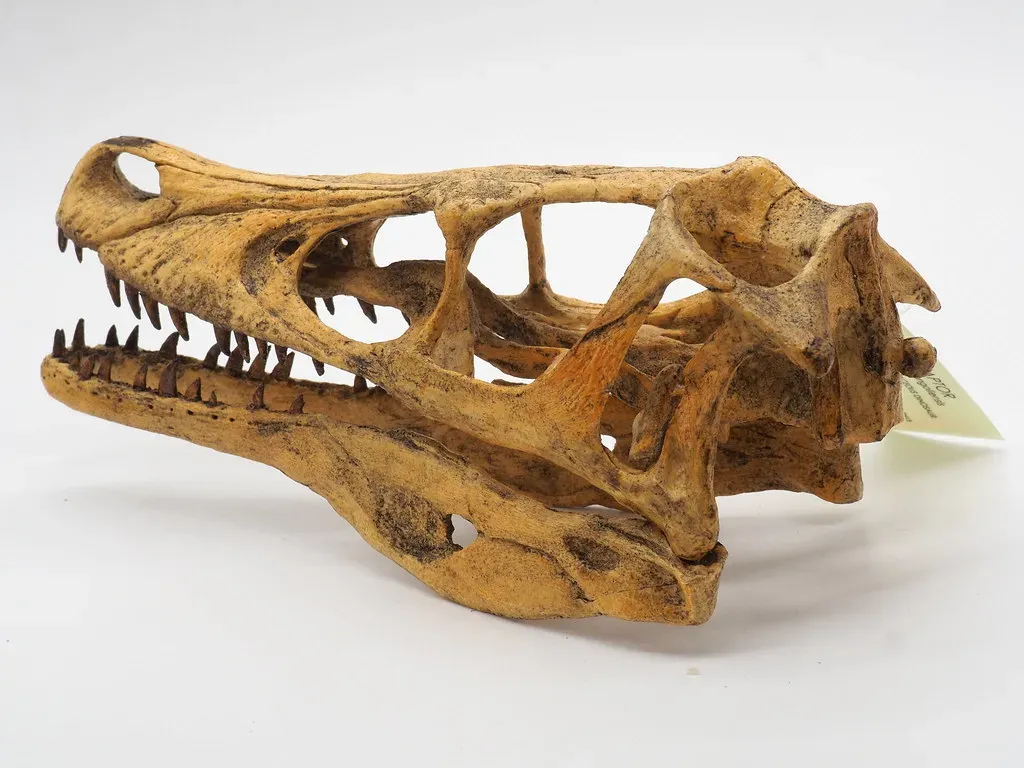
Pop culture loves the idea of Velociraptors opening doors, planning complex ambushes, and out-thinking humans like a team of reptilian chess masters. While dromaeosaurids, including Velociraptor, probably were on the smarter side for non-avian dinosaurs, there’s no evidence they had anything close to primate-level intelligence. Brain size and structure in the fossils suggest something more in line with a clever bird of prey rather than a scheming movie villain.
That doesn’t mean they were stupid; it means they were well-equipped to do what they needed to do: hunt, navigate their environment, and react quickly to danger and opportunity. If you’ve ever watched a crow or a raven solve problems or steal food, you know you don’t need human-level thinking to be impressively capable. Velociraptor was likely sharp, alert, and adaptable, but we shouldn’t project human-style planning and malice onto an animal whose brain was wired for survival, not for writing thriller movie plots.
4. The Famous Killing Claw Was A Precision Tool, Not A Chainsaw
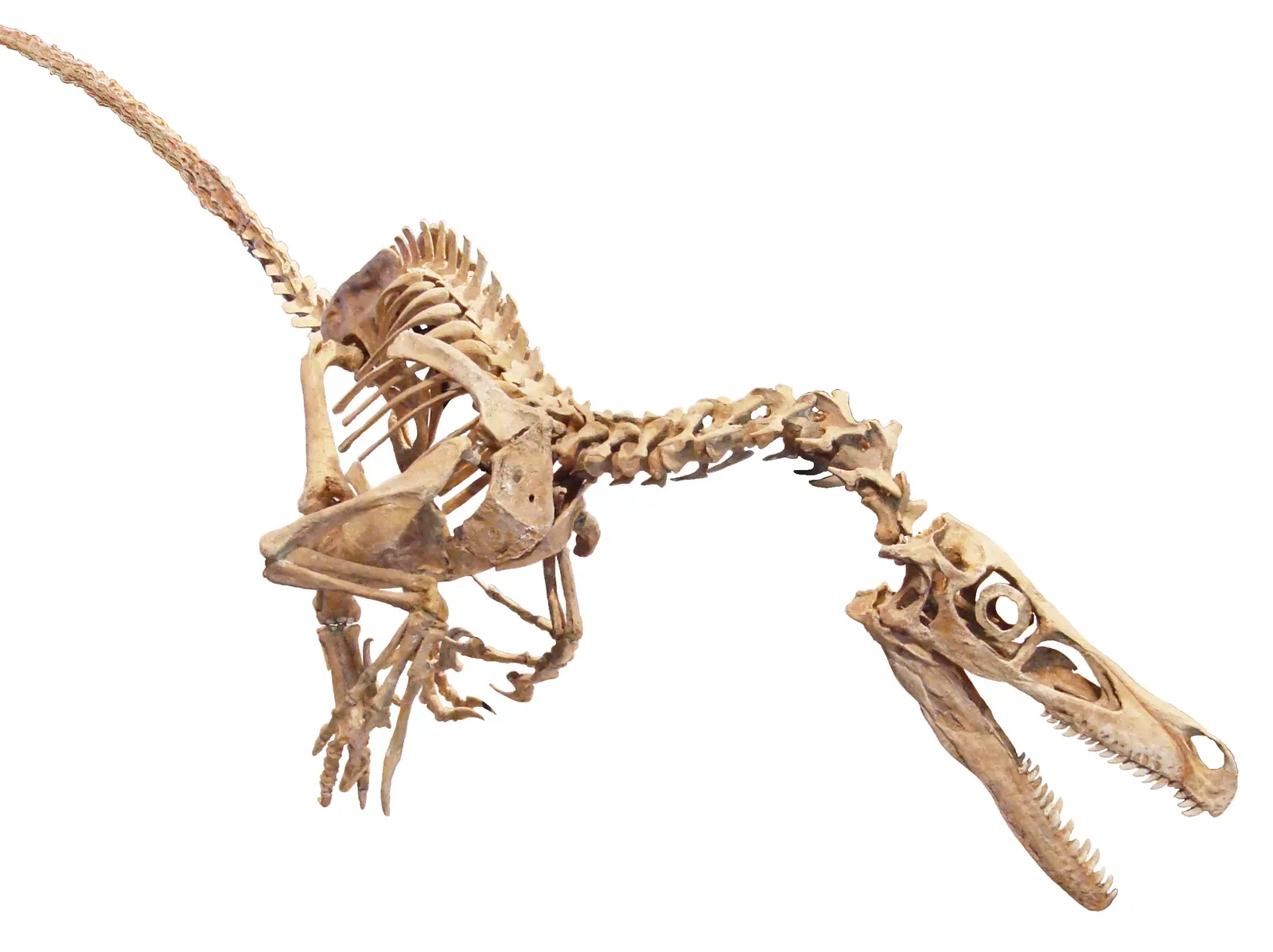
Every dinosaur fan knows the iconic image of the raised sickle-shaped claw on Velociraptor’s second toe, supposedly used to slash open prey in a single dramatic move. For years, the popular story was that this claw worked like a giant meat hook, ripping open the belly of large herbivores in fountains of blood. More recent research suggests something subtler and, frankly, more believable. The claw seems to have been better suited for gripping, pinning, and controlling struggling prey rather than slicing them apart in one cinematic gesture.
Some scientists have compared its function to the way modern birds of prey use their talons to latch onto and wrestle their victims to the ground. That doesn’t sound as flashy as the exaggerated slashing fantasy, but it fits better with biomechanics and the wear patterns seen on fossils. In a way, it also makes Velociraptor feel more like a real animal: a predator that had to work for its meals, using leverage, balance, and persistence, not just a single dramatic move straight out of an action scene.
5. Velociraptor Lived In Harsh, Arid Environments – Not Lush Jungles
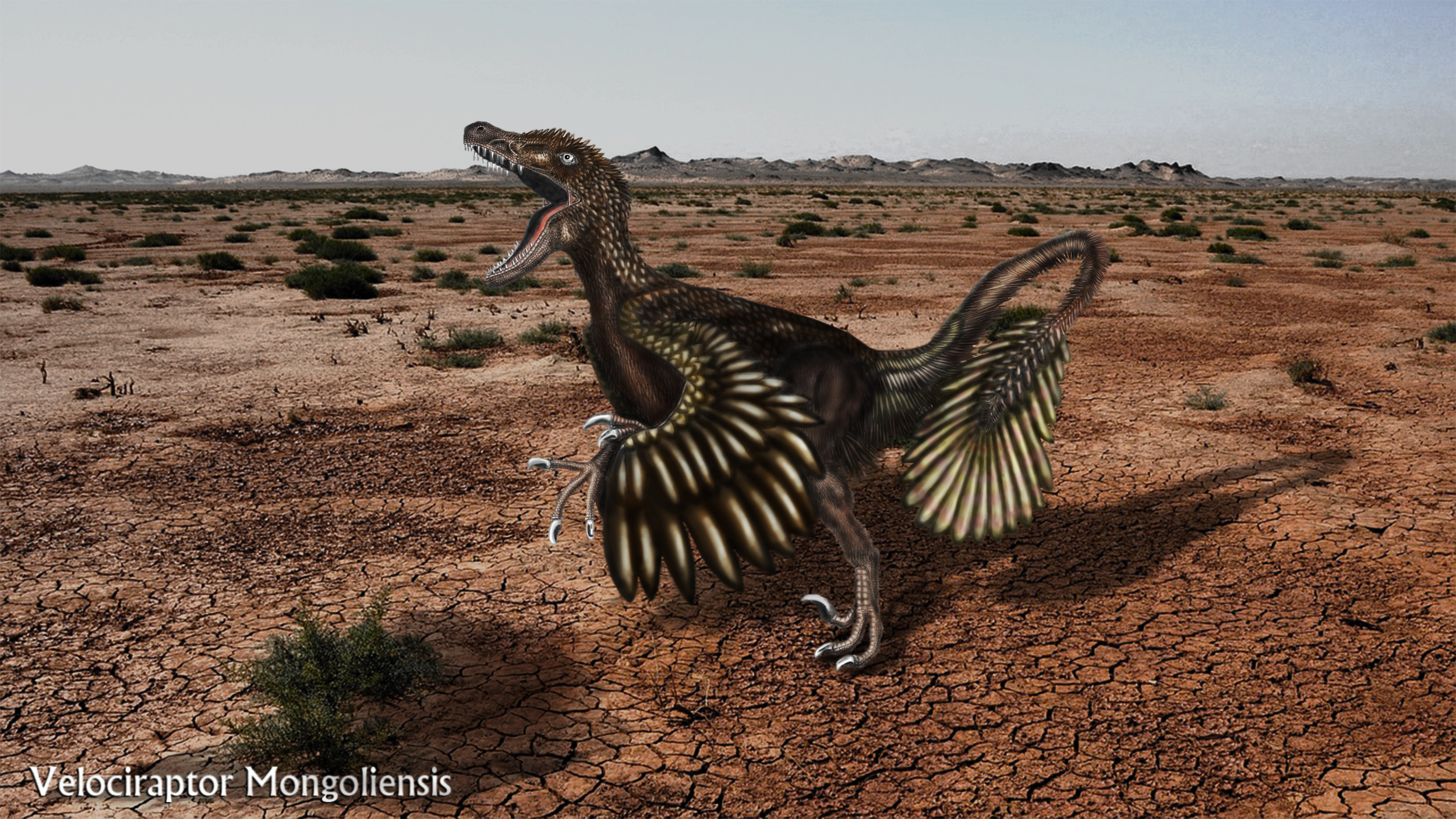
Movies often drop Velociraptor into humid, tropical jungles dripping with vines and mist, as if it shared a set with giant sauropods and swampy ferns. The rocks that preserve Velociraptor fossils tell a different story. These animals lived in what would have been relatively dry, desert-like or semi-arid environments with dunes, sand, and scattered vegetation. It was less jungle adventure and more harsh, dusty survival, closer in feel to parts of today’s Mongolia than to a tropical island paradise.
That environmental context matters because it changes how we imagine their lives. In a tough, open landscape with fewer hiding places, a small, agile predator with feathers and a stabilizing tail suddenly makes a lot of sense. Hunting, scavenging, and avoiding larger predators would’ve required speed, endurance, and sharp senses rather than stealth in thick foliage. It’s a reminder that dinosaurs were shaped by real ecosystems, not just by what looks dramatic on a movie screen.
Many dinosaur fans also assume Velociraptor roamed in huge coordinated packs like wolves, working together with military precision to take down prey. The fossil record just doesn’t clearly support that image for Velociraptor. While there are some hints that certain dromaeosaurids might have engaged in group behavior at times, there’s still active debate about whether that represented true cooperative hunting or just individuals attracted to the same food source, much like modern crocodiles or vultures converging on a carcass.
It’s more cautious and honest to picture Velociraptor as a mostly solitary or loosely social predator that may have tolerated others when conditions made it worthwhile. The idea of disciplined, long-term pack strategy is probably wishful thinking based on mammal behavior we’re more familiar with. Personally, I find the image of multiple wary, competitive raptors circling a kill – half cooperating, half ready to turn on each other – much more compelling than a tidy, obedient pack following a leader like a canine sports team.
6. Velociraptor Was A Real Animal, Not A Movie Brand – And That Matters
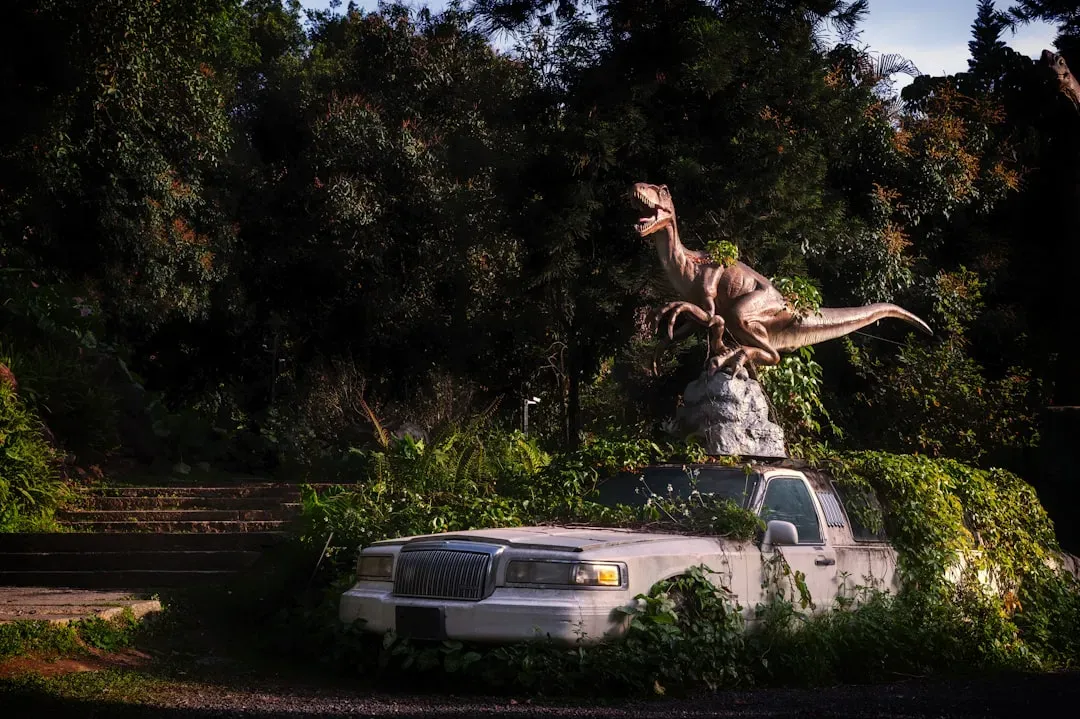
Some of the biggest misunderstandings about Velociraptor come from treating it like a character or a logo rather than a living creature that once walked the Earth. The name has become a kind of catch-all label for “fast, clever, scary dinosaur,” which encourages all sorts of exaggerations and shortcuts. That blurs the line between different species, time periods, and even continents, turning millions of years of evolutionary history into a single, marketable monster type.
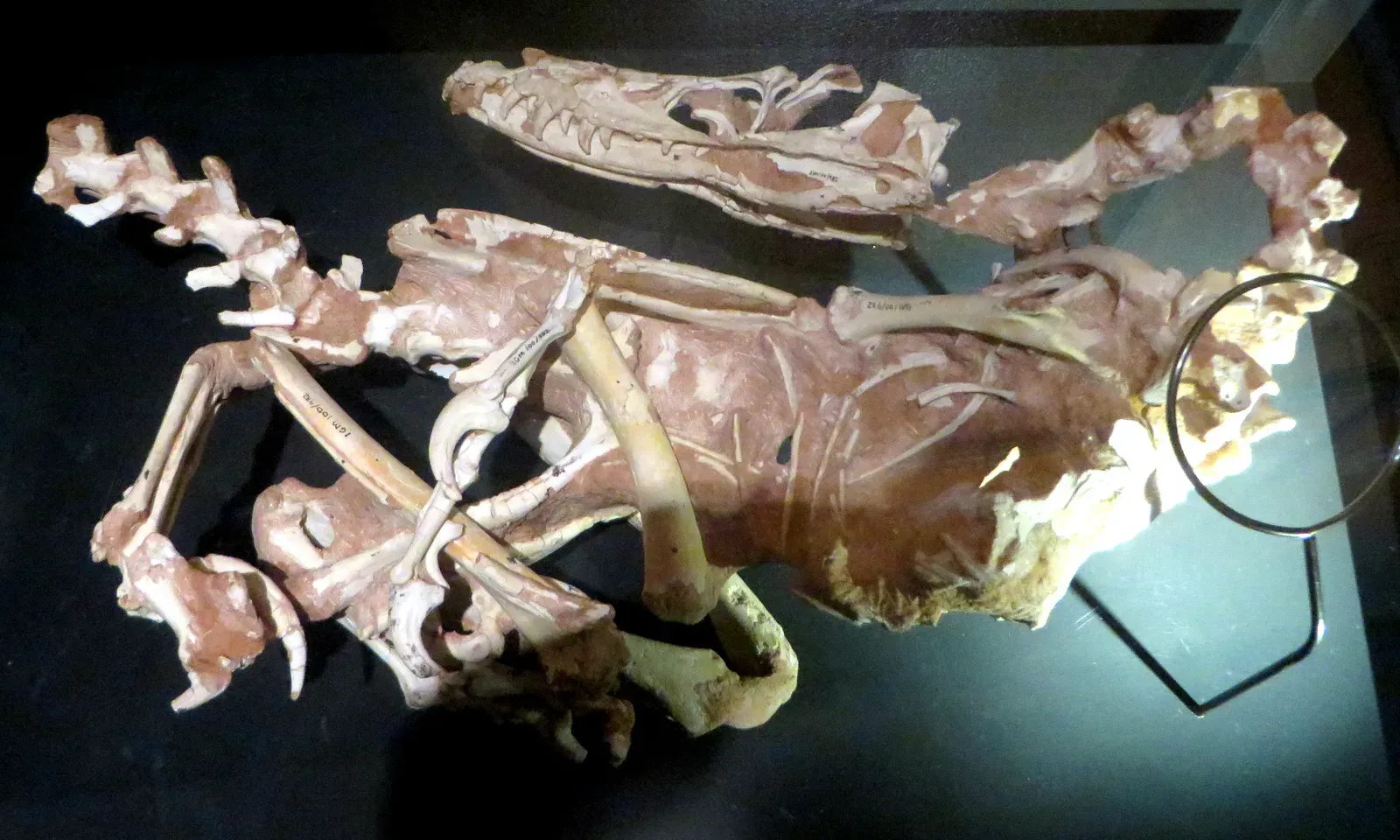
Taking Velociraptor seriously as an actual animal forces us to stay grounded in evidence: bone structure, fossilized feathers, environmental clues, and comparisons with living animals like birds and reptiles. It means accepting uncertainty where the data is thin and resisting the urge to fill gaps with whatever makes the best story. In my view, that restraint doesn’t kill the magic; it shifts the magic into the real world, where a knee-high, feathered predator racing across ancient dunes is already more astonishing than anything we could invent.
Conclusion: The Real Velociraptor Is Stranger – And Better – Than The Myth
When you strip away the movie myths, Velociraptor stops being a scaly horror icon and becomes something far more interesting: a small, feathered, sharp-eyed predator surviving in a tough, arid landscape with tools and instincts honed by evolution, not by screenwriters. It was not a giant, not a genius mastermind, and probably not a perfectly synchronized pack hunter, but it was fast, agile, and uniquely adapted to its world. To me, that grounded, imperfect picture feels way more powerful than any over-the-top blockbuster version.
There’s a quiet thrill in realizing that birds at your local park are distant cousins of this once-misunderstood animal, carrying echoes of the same claws, feathers, and behaviors into the present. The real Velociraptor reminds us that nature’s designs rarely match our favorite stories, and that the truth, even when smaller or stranger than we expected, can be far more compelling. Next time you hear the word “raptor,” will you picture the movie monster, or the lean, feathered survivor that actually lived?