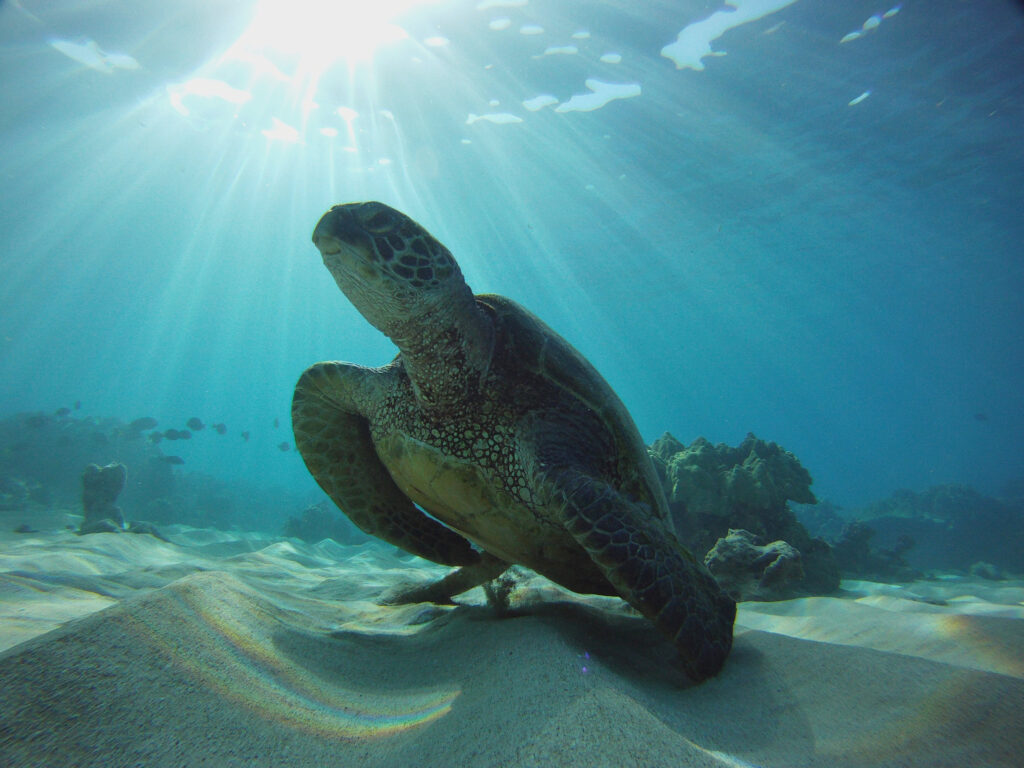
Sea turtles frequently encounter fatal obstacles in the form of fishing nets deployed under cover of darkness.
Invisible Threats in the Deep
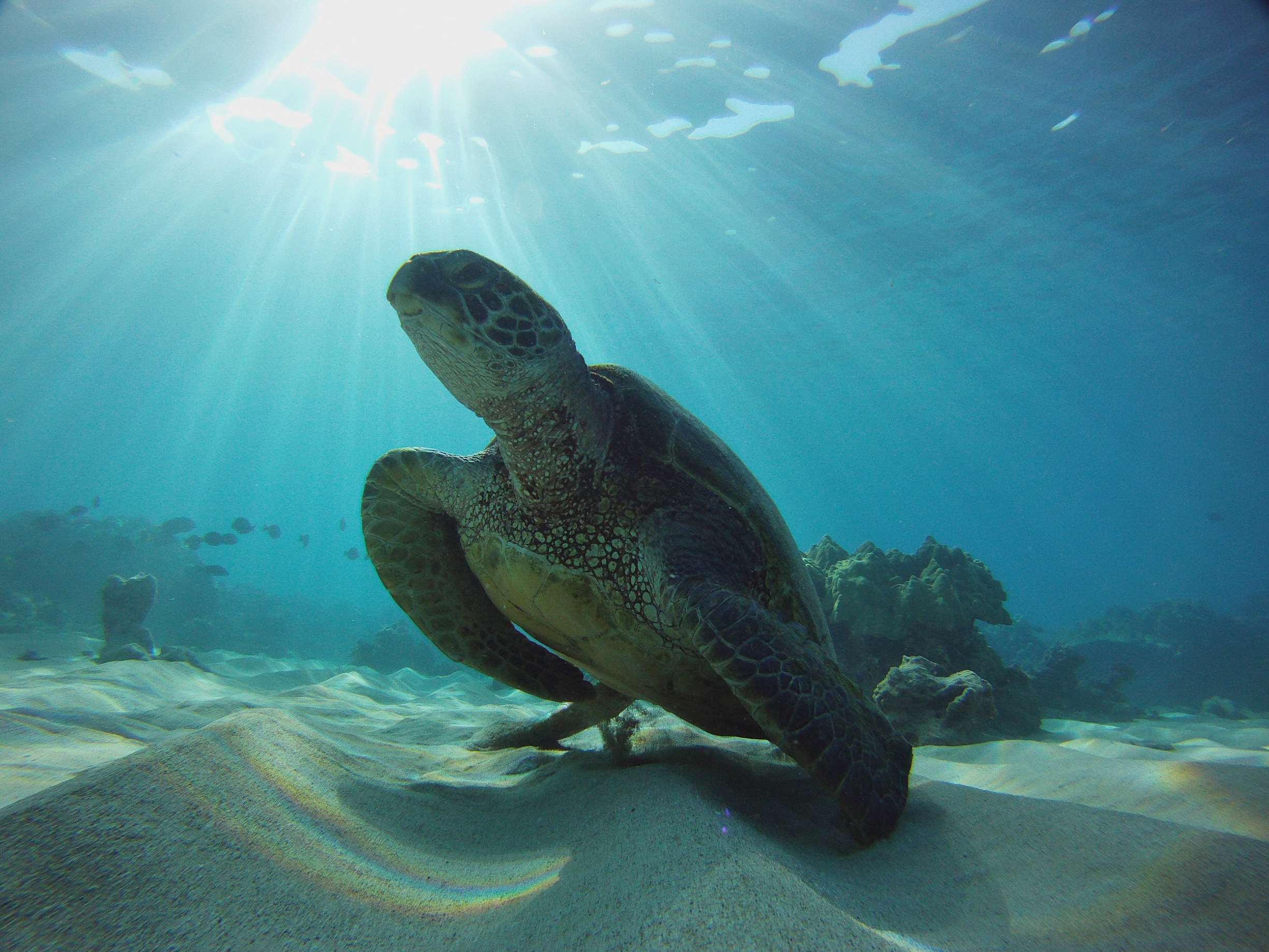
Invisible Threats in the Deep (Image Credits: Upload.wikimedia.org)
Researchers observed that sea turtles struggled to detect fishing nets at night. These animals, which rely on keen vision adapted to underwater conditions, simply could not spot the nearly transparent mesh in low light. Entanglements occurred frequently, leading to exhaustion, injury, or drowning for the captured turtles.
Fishers reported similar issues during nighttime operations. Nets vanished into the blackness, ensnaring unintended marine life alongside target catches. This bycatch problem persisted across various fisheries, highlighting a need for practical interventions.
A straightforward Innovation Emerges
Teams of scientists and fishing professionals devised an elegant solution: solar-powered LED lights clipped onto the nets. These small devices charged during daylight hours and emitted a steady green glow after sunset. The illumination made the entire net structure visible from afar, alerting turtles to the hazard.
Implementation proved remarkably simple. Fishers attached the lights at regular intervals along the net’s length, requiring minimal additional time or equipment. No alterations to fishing gear or techniques were necessary, preserving operational efficiency.
Proven Results Backed by Data
Trials demonstrated a sharp decline in turtle entanglements. Specifically, incidents dropped by 63 percent when lights were in use compared to unlit nets. Sea turtles actively avoided the glowing barriers, swimming clear without disrupting fish hauls.
Fisheries maintained their yields intact throughout the tests. The lights neither deterred target species nor reduced overall catch volumes. This balance underscored the approach’s viability for widespread adoption.
Practical Advantages for All Involved
The technology offered multiple benefits beyond immediate conservation gains. Here are key factors driving its success:
- Low cost: Each light unit remained affordable for small-scale operations.
- Energy independence: Solar charging eliminated battery replacements and maintenance hassles.
- Environmental neutrality: LEDs produced no harmful emissions or waste.
- Regulatory ease: No mandates required, allowing voluntary uptake by fishers.
- Scalability: Design suited nets of varying sizes and deployment methods.
Conservation groups praised the method’s accessibility. Fishers appreciated the reduced bycatch without economic penalties. Together, these elements positioned the lights as a win-win advancement.
Path Forward for Marine Protection
Initial successes prompted calls for broader trials across global fisheries. Experts anticipate further refinements, such as adjustable brightness or longer-lasting panels. The initiative demonstrated how modest technological tweaks could yield substantial ecological benefits.
Key Takeaways
- Solar LEDs cut sea turtle entanglements by 63 percent.
- No impact on fish catches or fishing practices.
- Simple, solar-powered design ensures easy adoption.
This glow-in-the-dark safeguard offers hope for beleaguered sea turtle populations. Fisheries stand to gain from cleaner operations, while marine life benefits from fewer tragedies. What steps can local fishers take next? Share your thoughts in the comments.