There are places on this planet that make you stop and question everything you think you know about ancient people. Not because of towering ruins or glittering artifacts, but because of something far more humbling: enormous figures drawn into the very skin of the earth, so massive they can only be truly appreciated from the sky. Welcome to the Blythe Intaglios – and honestly, if you’ve never heard of them, you’re not alone.
These ancient geoglyphs, hidden in the vast, scorching emptiness of California’s Colorado Desert, have been keeping their secrets for potentially thousands of years. Most people know about the Nazca Lines in Peru, but far fewer know that North America has its own jaw-dropping version right here in the southwestern United States. Get ready, because this story goes deep. Let’s dive in.
Fact 1: They Are North America’s Only Known Desert Intaglios
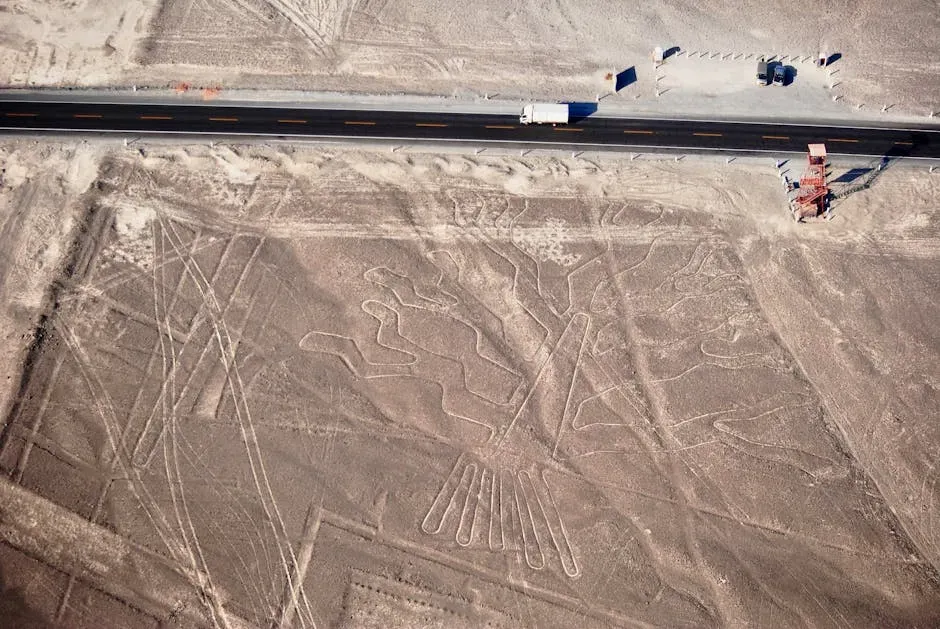
Here’s the thing – when something is described as the “only known” example of its kind in an entire continent, you have to sit up and pay attention. The Blythe Intaglios are the most well-known of the over 200 intaglios in the Colorado Desert, and the Colorado Desert contains the only known desert intaglios in North America. That is not a small claim. We’re talking about a continent-wide distinction for a stretch of desert most travelers speed past on the interstate.
Often called America’s Nazca Lines, the Blythe Intaglios are a series of gigantic geoglyphs found fifteen miles north of Blythe, California in the Colorado Desert. In the Southwestern United States alone, there are over 600 intaglios, but what separates the ones near Blythe is their size and intricacy. Think about that for a moment. Among hundreds of geoglyphs scattered across the Southwest, the Blythe figures still manage to stand out as something altogether exceptional.
Fact 2: A Pilot Accidentally Rediscovered Them in the 1930s
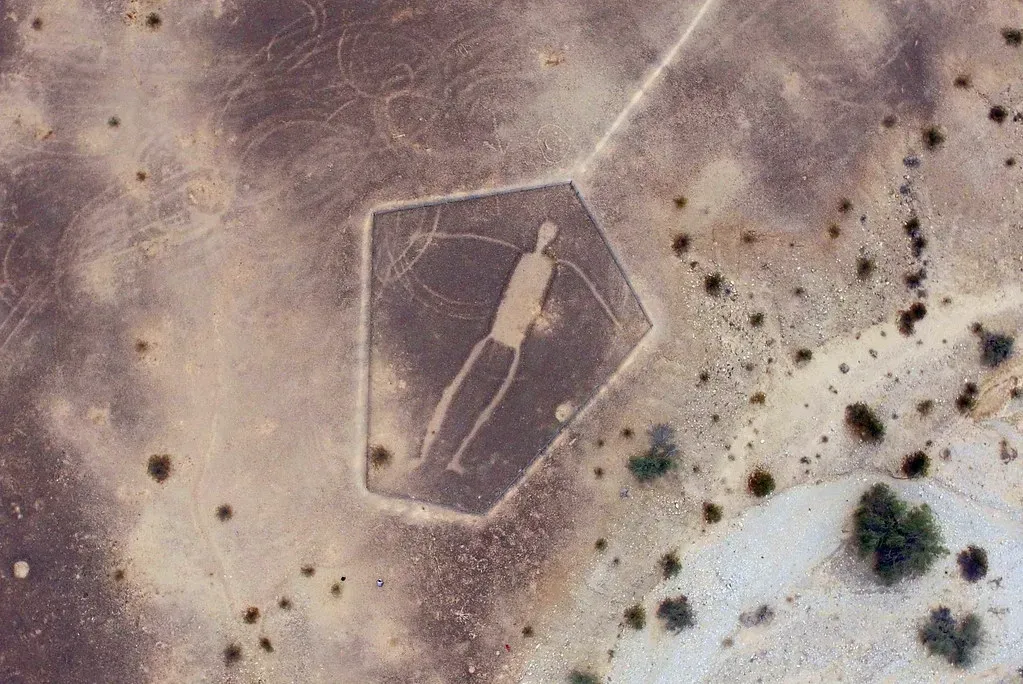
One of the most remarkable things about the Blythe Intaglios is the accidental, almost cinematic way the outside world came to learn of them. The Blythe geoglyphs were first discovered on November 12th, 1931 by army air corps pilot George Palmer while flying from the Hoover Dam to Los Angeles. His discovery led to a survey of the area, which resulted in the huge figures becoming classified as historical landmarks and referred to as “Giant Desert Figures.” Without that chance flight, who knows how much longer they might have gone unnoticed by the wider world.
The figures are so immense that many of them were not observed by non-natives until the 1930s. I find that both astonishing and oddly poetic. Generation after generation of people had been walking the desert floor completely unaware that they were, in a sense, standing inside a work of art. His find led to a survey of the area in the same year by Arthur Woodward, Curator of History and Anthropology at the Natural History Museum of Los Angeles County. The wheels of modern archaeology had been set in motion, and the Intaglios were never truly hidden again.
Fact 3: The Figures Are Staggeringly Large
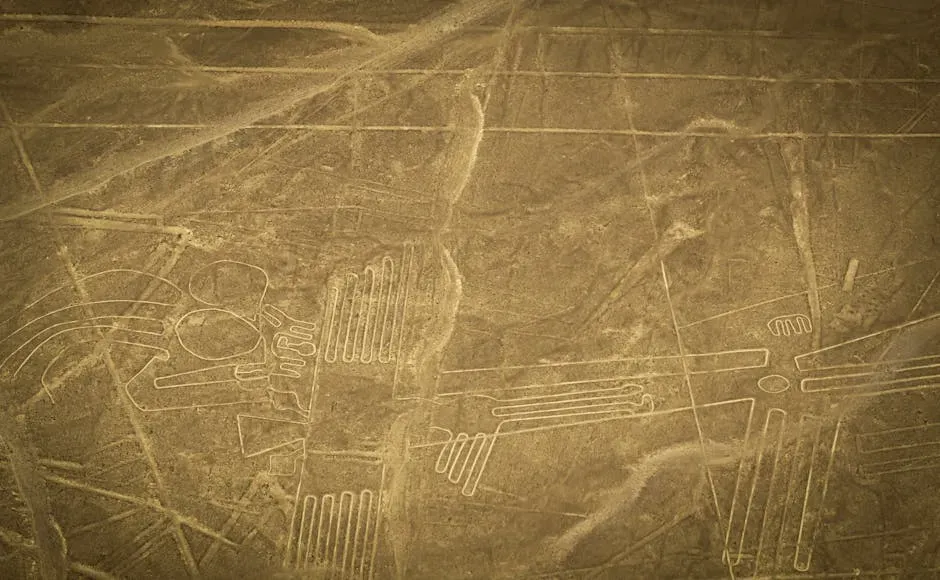
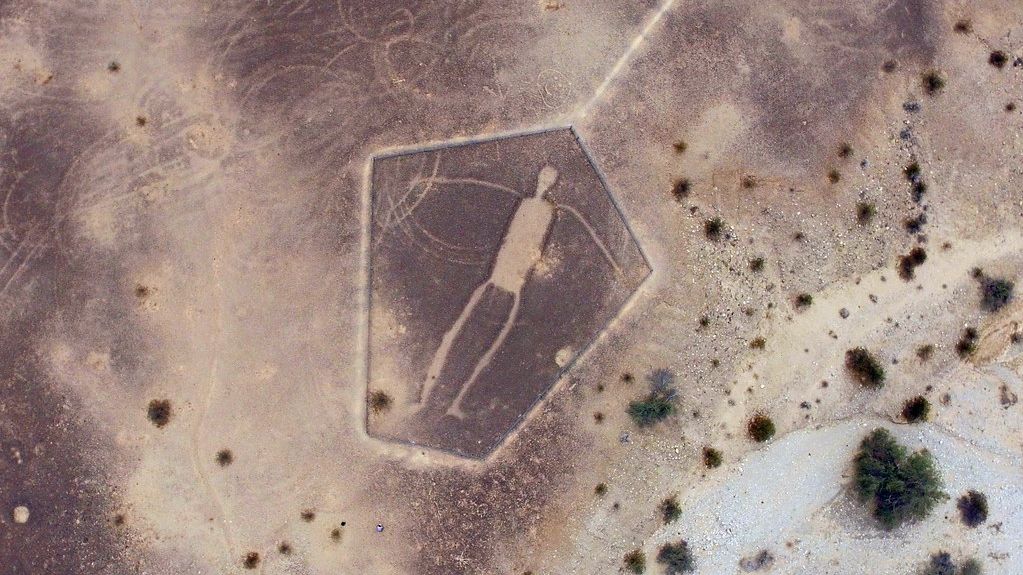
Let’s get into the sheer scale of these things, because the numbers alone are genuinely shocking. The Blythe Intaglios contain three human figures, two four-legged animals, and a spiral, and the largest human figure in the Blythe Intaglio group is 171 feet long. To put that into perspective, that’s more than half the length of an American football field, scraped into raw desert ground without any modern tools.
In total, there are six figures in three different locations, all within 1,000 feet from one another, situated on two mesas. A secondary figure, measuring 102 feet from head to toe, is of a male with a distinct phallus. The last human figure is oriented north-south, with arms outstretched, feet pointing outward, and has visible knees and elbows – it measures 105.6 feet from head to toe. Each figure carries its own character, its own stance, as if frozen in the middle of some ancient gesture meant only for the heavens.
Fact 4: Their Age Is a Genuine Archaeological Mystery
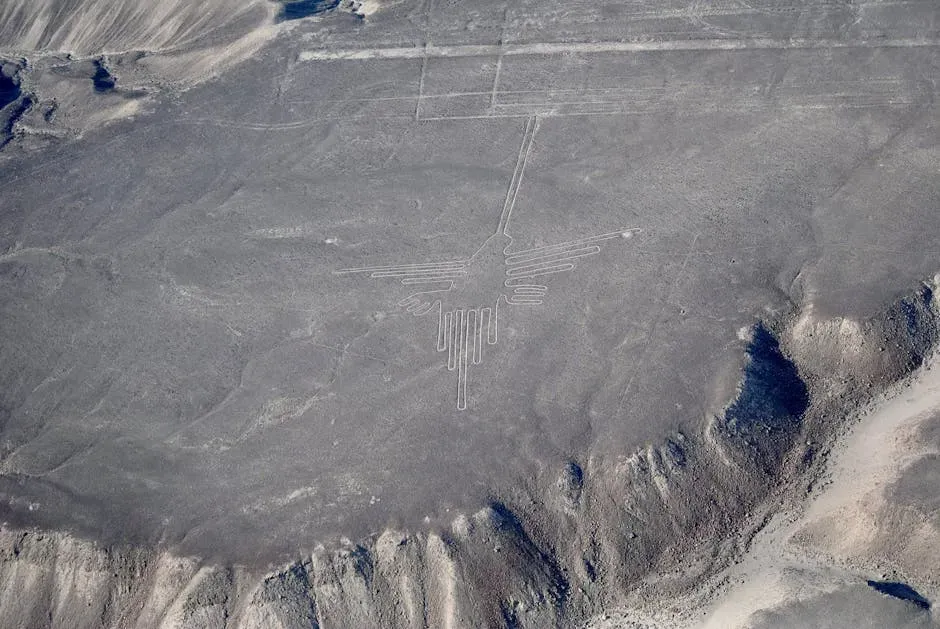
If you enjoy a good unsolved mystery, the dating of the Blythe Intaglios will not disappoint you. Since geoglyphs are difficult to date, it is impossible to know the exact age of when they were made, but they are estimated to be between 450 to 2,000 years old. In support of the latter, some of the giant figures are archaeologically associated with 2,000-year-old cliff dwellings. That’s an extraordinary range, equivalent to the gap between the fall of Rome and the present day.
A study using accelerator mass spectrometry radiocarbon dating tightens the time range of the Blythe Intaglios from A.D. 550 to 1150. Even with newer technologies closing the window slightly, the exact moment these figures were created remains stubbornly out of reach. If the quadruped figures represent horses reintroduced in North America by the Spanish, then a historical date of sometime after the 1500s would be supported. Archaeologist Jay von Werlhof obtained radiocarbon dates for the figures, ranging from 900 BCE to 1200 CE. Honestly, the mystery of their age only makes them more compelling.
Fact 5: The Figures Are Believed to Represent a Creator Deity
You might wonder – who exactly did ancient people believe they were drawing when they scratched these colossal shapes into the desert? The answer is deeply tied to Indigenous spirituality. According to Native Mohave and Quechan tribes of the area, the human figures represent Mastamho, the Creator of Earth and all life, while the animal figures represent Hatakulya, one of two mountain lions/persons who played a role in the Creation story. These were not casual doodles. They were declarations of cosmic belief, drawn on the grandest canvas available.
Ethnographer Boma Johnson has tried to place the figures in context of Yuman oral history and cosmology, and from this understanding, the figures portray mythic characters and are often found where mythic events are thought to have occurred. In ancient times, ceremonial dances were held by natives in the area to honor the Creator of Life. These weren’t random locations chosen by chance. The land itself was considered sacred, and the geoglyphs were living expressions of that belief, etched permanently into the earth’s surface.
Fact 6: They Were Damaged by World War II Military Training
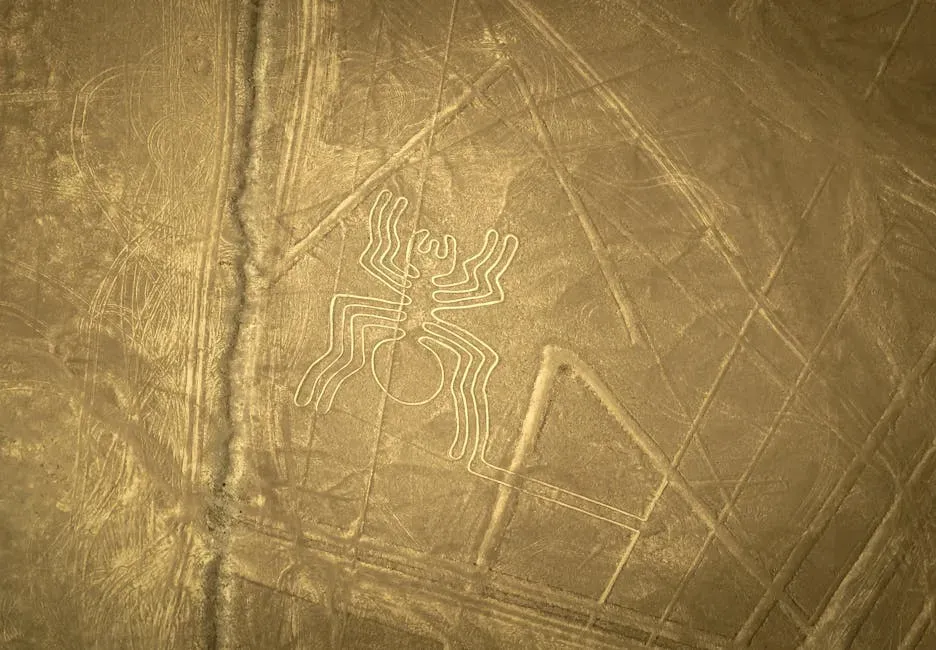
Here is a fact that is equal parts surprising and heartbreaking. During the Second World War, the California and Arizona deserts were pressed into service as military training grounds, and the Blythe Intaglios found themselves squarely in harm’s way. There is visible tire damage on some of the geoglyphs due to the area being used for desert training during WWII by General George S. Patton. Military vehicles rolled directly over figures that had survived, undisturbed, for potentially a thousand years or more.
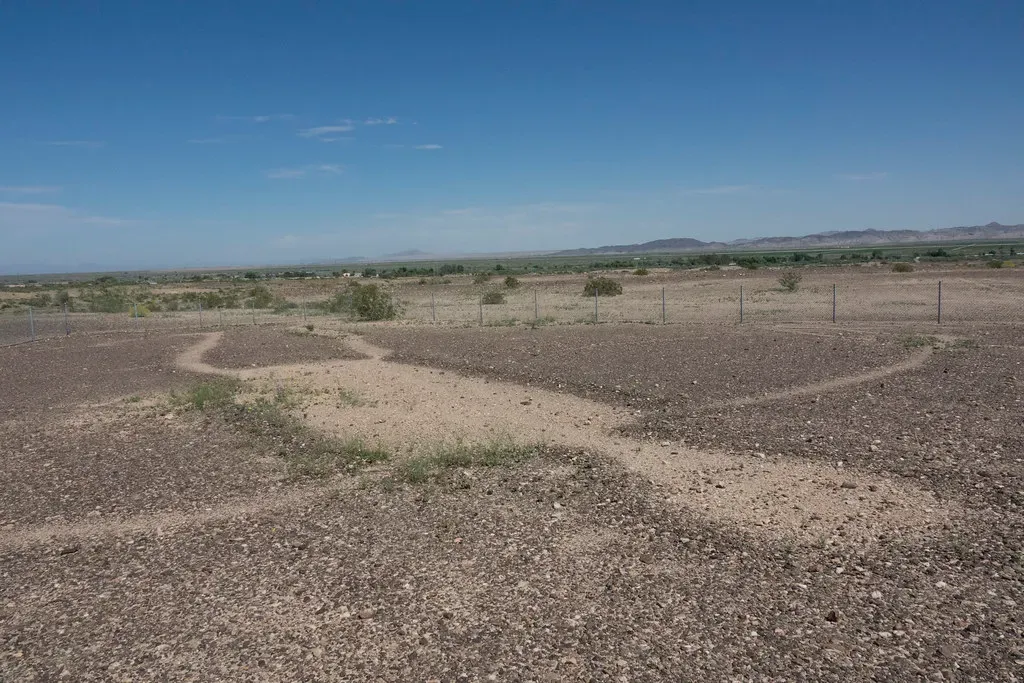
Some of the desert geoglyphs had tire tracks visible on them by the time National Geographic and the Smithsonian sent a team of scientists to investigate the intaglios in 1952. The Bureau of Land Management erected fences in 1974 to protect the intaglios and the Blythe Intaglios were placed on the National Register of Historic Places in 1982. It took decades after the wartime damage for meaningful protection to finally arrive. Thankfully, today protective fencing encircles each individual figure, though the scars from those military tires are still visible as a sobering reminder.
Fact 7: You Can Only Truly Appreciate Them From the Sky
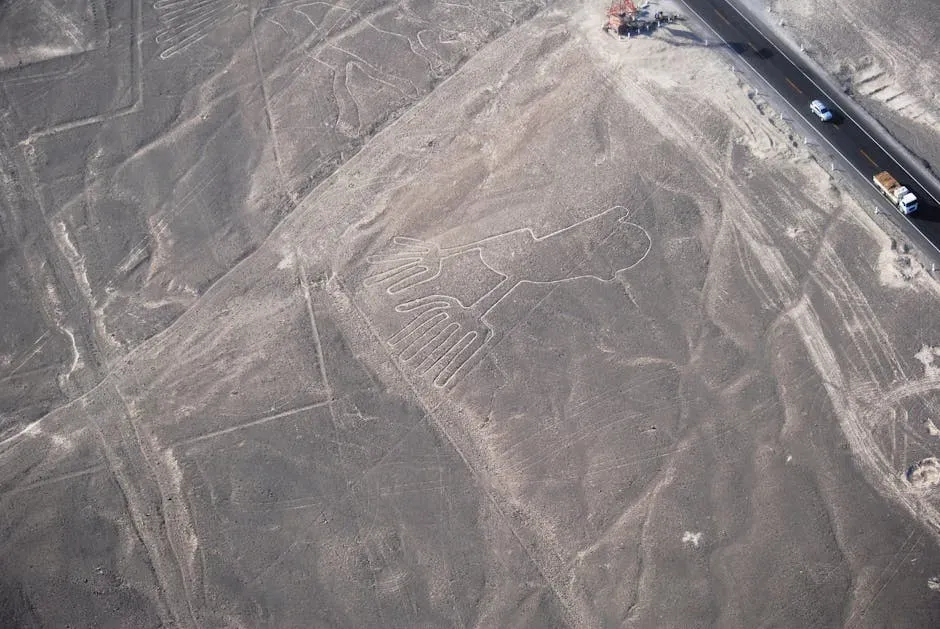
This is one of the most philosophically fascinating aspects of the Blythe Intaglios – the people who created them could likely never see the finished result in its entirety. Like other geoglyphs throughout the world, the sheer scale of the intaglios poses an intriguing mystery: how did Native Americans create these figures, assembling the lines into a massive, coherent representation? We can appreciate these images today using technologies such as air travel and satellite photography, but certainly the Yuman could not – a reality which further begs the question: how were the Blythe Intaglios drawn, and for whom?
From the ground, these geoglyphs are unremarkable and difficult, if not impossible, to decipher. From an aerial view, the images become unmistakable, which is, of course, how they were first discovered. Since the images are so large, it seems likely that the act of making the geoglyph was as important as the finished product. These are images that can’t be seen in their entirety by the people making them, and one explanation is that the communal act of making the image was the point. Maybe, just maybe, these giant figures were never meant for human eyes at all – but for something far greater looking down from above.
Conclusion: Ancient Giants Hiding in Plain Sight
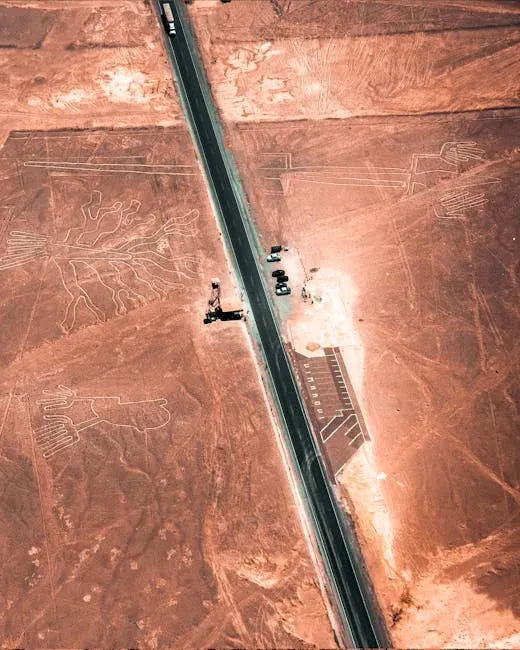
The Blythe Intaglios are genuinely one of North America’s most underrated archaeological wonders. They’re older than most European cathedrals, larger than most city blocks, and yet they remain largely unknown outside of dedicated history enthusiasts and desert travelers. While the Nazca Lines in Peru have gained worldwide fame, the Blythe Intaglios, though similar in form and function, have remained relatively obscure. Most Californians probably have no idea that such unique archaeological artifacts can be found in the state.
What makes them truly special is not just their scale or their mystery, but the human intention behind them. Someone, or many people, decided that the best way to honor their creator, tell their story, and mark their sacred landscape was to write it in the earth itself, big enough for the cosmos to read. The Blythe Geoglyphs are located on Bureau of Land Management public lands, so there is no entrance fee, and you may visit any day of the year. You owe it to yourself to make that drive out to the desert someday, stand at the fence, and try to comprehend what you’re looking at.
Something tells me it will be a lot harder to wrap your head around than you’d expect. What do you think – could you have imagined something this extraordinary existed just off a California highway? Drop your thoughts in the comments below.