When you imagine dinosaurs roaming prehistoric North America, you probably picture towering titans shaking the earth with each step. The truth is far more intriguing. While massive creatures like Tyrannosaurus rex and Brachiosaurus often steal the spotlight, some of the continent’s most remarkable dinosaurs could fit in a modern closet.
These pint-sized predators and nimble herbivores weren’t just miniature versions of their larger cousins. Many possessed traits that made them perfectly adapted survivors in an age of giants, from exceptional intelligence to lightning-fast reflexes. Let’s explore the small but mighty dinosaurs that once called ancient America home.
Hesperonychus: The Miniature Velociraptor That Hunted Canadian Forests
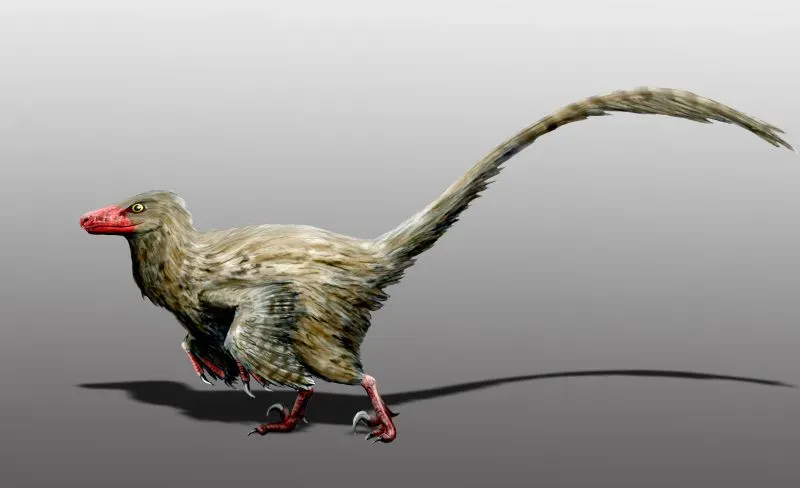
Weighing roughly two kilograms and standing about fifty centimeters tall, Hesperonychus elizabethae currently holds the title as the smallest dinosaur known from North America. This pint-sized predator resembled a miniature version of the famous bipedal predator Velociraptor. Prowling through the swamps and forests of the late Cretaceous period in southeastern Alberta, Canada, this diminutive hunter likely feasted on insects, small mammals and other prey.
The most important specimen, a well-preserved pelvis, was recovered by legendary Alberta paleontologist Elizabeth Nicholls. The claws were initially thought to come from juveniles because they were so small, yet the hip bones were fused, which would only have happened once the animal was fully grown. For roughly a century, small carnivorous dinosaurs seemed completely absent from North America’s ecosystem, which puzzled researchers who knew that today’s small carnivores typically outnumber the big ones.
Albertonykus: The Chicken-Sized Termite Hunter
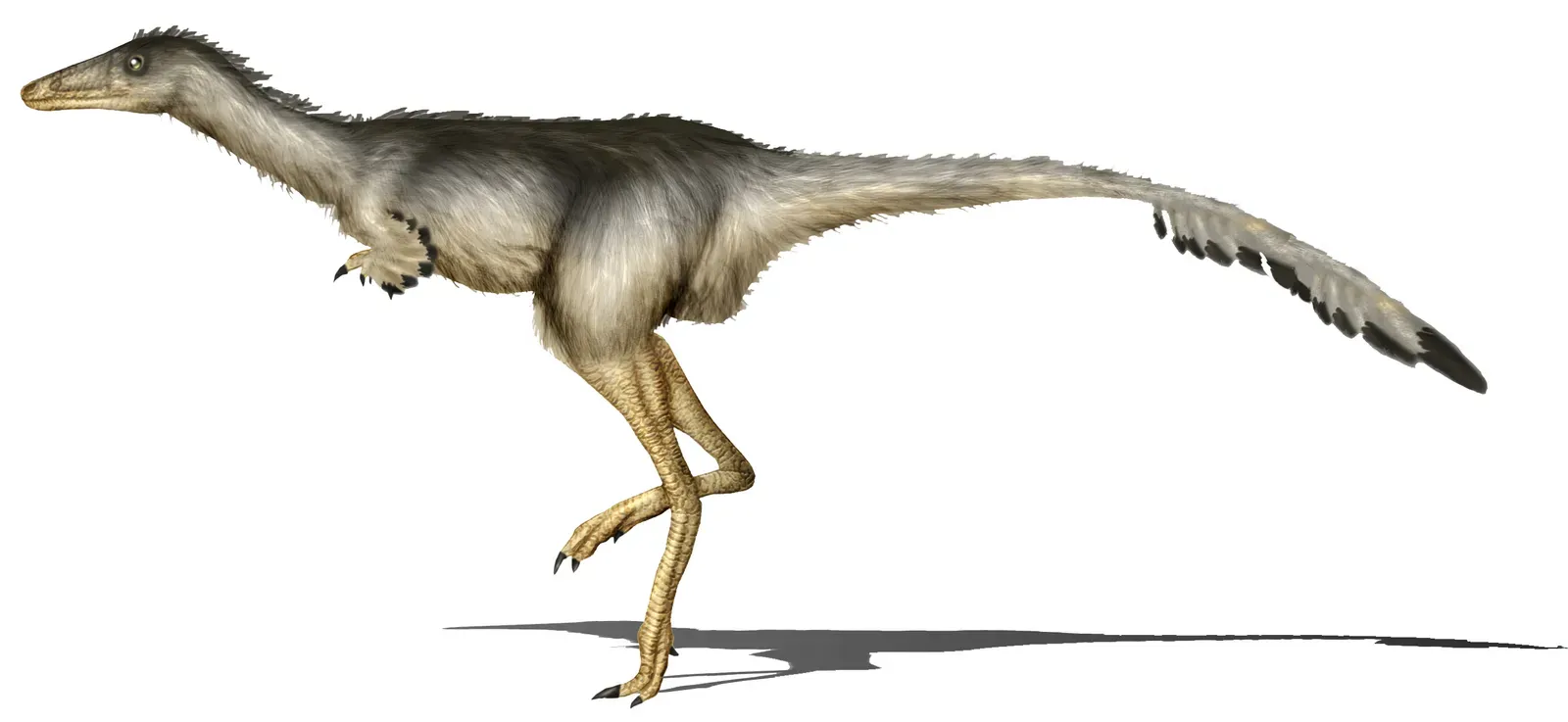
Described as an unusual breed of dinosaur that was the size of a chicken and ran on two legs, Albertonykus borealis scoured the ancient forest floor for termites and is recognized as the smallest dinosaur species found in North America. With long and slender legs, stumpy arms with huge claws and tweezer-like jaws, researchers described these bizarre animals as looking like something created by Dr. Seuss.
Though proportionately the forelimbs are shorter than in a Tyrannosaurus, they are powerfully built and seem to have served a specific purpose. Scientists believe they were built for digging but too short to burrow, so they may have been used to rip open logs in search of insects. This specialized adaptation shows how even the smallest dinosaurs carved out unique ecological niches where size became an advantage rather than a limitation.
Bambiraptor: The Feathered Teenager Who Changed Everything
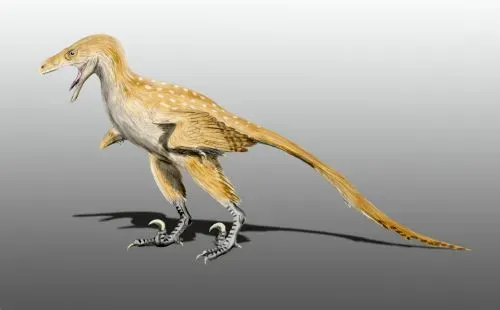
Discovered by Wes Linster when he was only fourteen years old in Glacier National Park, Montana in 1993, Bambiraptor lived around seventy-two to seventy million years ago during the late Cretaceous Period. Primarily known from a juvenile specimen, this bird-like dinosaur had a length of about ninety centimeters with an estimated total length of one meter and likely weighed around two kilograms.
Part of a group of feathered dinosaurs called dromaeosaurs, Bambiraptor shared physical features with today’s birds including hollow bones and feathers. However, it didn’t have the ability to fly because the length of its arms wasn’t enough to support flight. The holotype specimen’s brain size was within the lower range of modern birds, suggesting higher intelligence and agility akin to dromaeosaurids. This fossil represents one of the most complete skeletons ever discovered, preserving roughly ninety-five percent of the animal.
Troodon: North America’s Brainiest Dinosaur
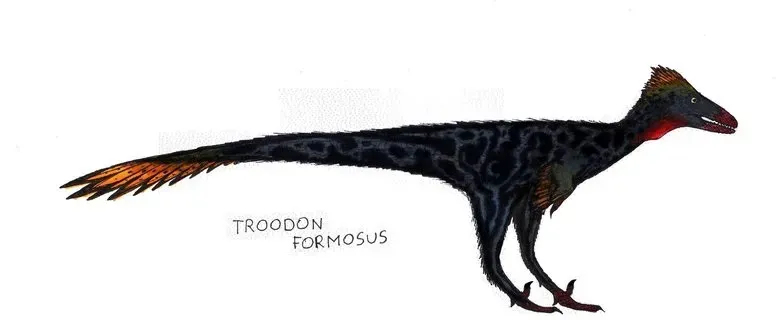
Often recognized as one of the smartest dinosaurs due to its relatively large brain size compared to its body, Troodon could grow to about six feet long and weigh around sixty pounds. According to various estimates, it likely measured around eight feet in length and stood about three feet tall at the hips, with a weight generally believed to be around one hundred to one hundred ten pounds.
Characterized by its large head and jagged teeth, Troodon had excellent eyesight which suggests it was likely nocturnal, hunting at night much like modern owls. Its lightweight build and strong legs allowed for quick movements, helping it catch smaller, agile prey. Here’s the thing: while Tyrannosaurus rex relied on brute force, Troodon demonstrated that intelligence could be just as effective a survival tool. Fossil evidence suggests that Troodon engaged in parental care, as egg fossils have been found alongside adult remains.
Coelophysis: The Agile Triassic Sprinter
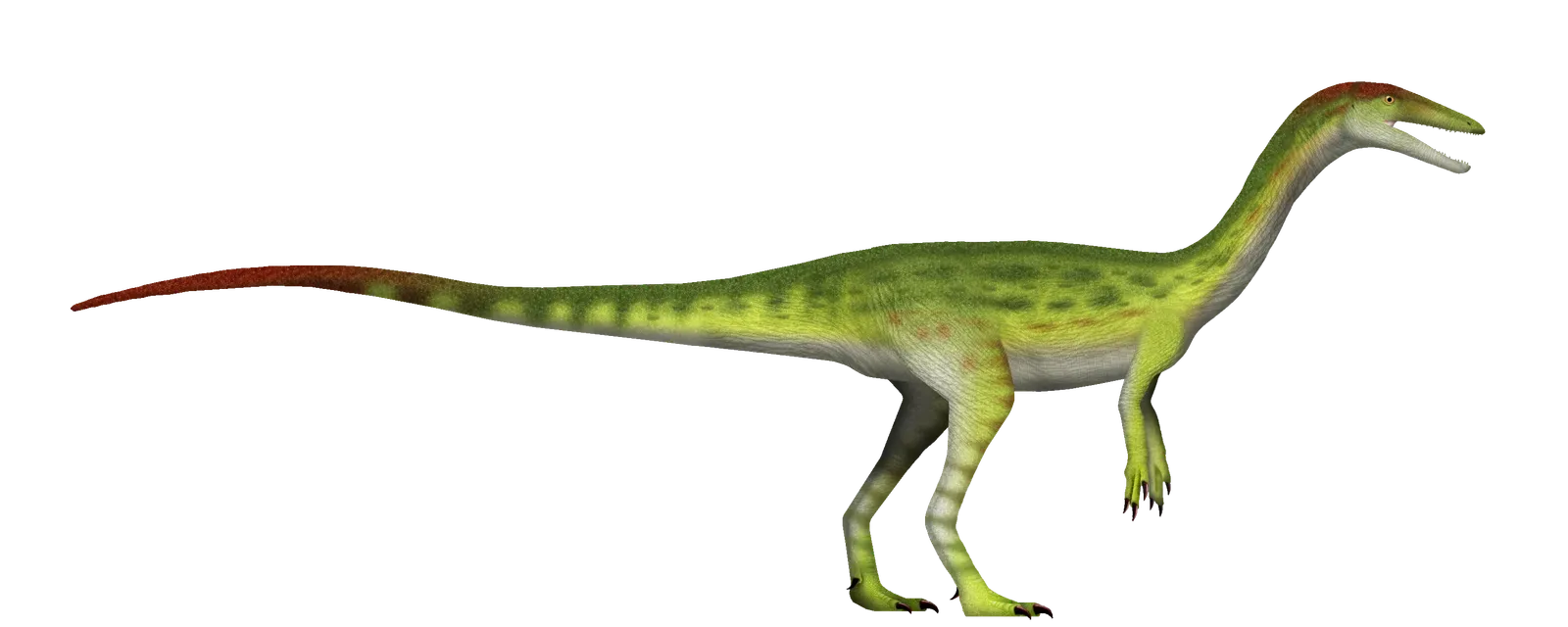
Coelophysis was a light, agile dinosaur measuring eight to ten feet long. During the Triassic period, dinosaurs left more recognizable remains including specific genera such as Coelophysis, Chindesaurus, Gojirasaurus, and Tawa. This slender predator represents one of the earliest known dinosaurs to roam what would become the American Southwest.
Nearly complete specimens of Coelophysis from the Late Triassic are found in Western North America. Its lightweight frame and long tail made it an incredibly nimble hunter, perfectly designed for pursuing quick prey across ancient floodplains. Unlike many later dinosaurs, Coelophysis thrived through speed and agility rather than size or power, proving early on that bigger wasn’t always better in the dinosaur world.
Ahvaytum bahndooiveche: America’s Oldest Tiny Titan
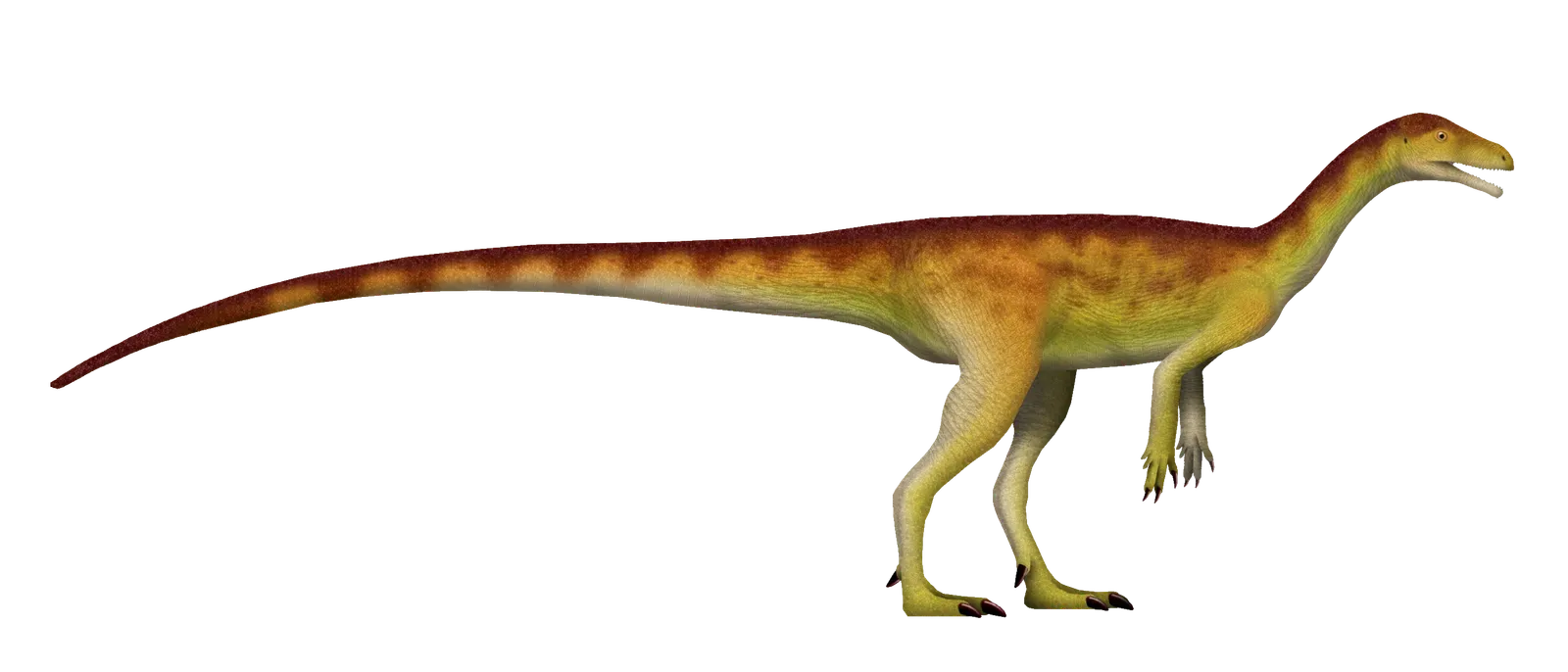
Discovered in Wyoming in 2013 by University of Wisconsin–Madison paleontologists, fossils of the species Ahvaytum bahndooiveche were identified as an undiscovered type of dinosaur and dated at around two hundred thirty million years old. The name roughly translates to “long ago dinosaur” in the Shoshone language. This individual animal was around one foot tall and three feet long from head to tail, basically the size of a chicken but with a really long tail.
The age of these fossils makes Ahvaytum bahndooiveche the oldest known Laurasian dinosaur, suggesting this reptile existed in Laurasia at around the same time as the earliest known dinosaurs were roaming Gondwana. This discovery challenged long-held beliefs that dinosaurs emerged in the southern hemisphere millions of years before migrating north. Despite its diminutive size, this ancient creature was likely a distant relative of the later sauropods, those behemoth long-necked giants.
Anchisaurus: The Pioneering East Coast Herbivore
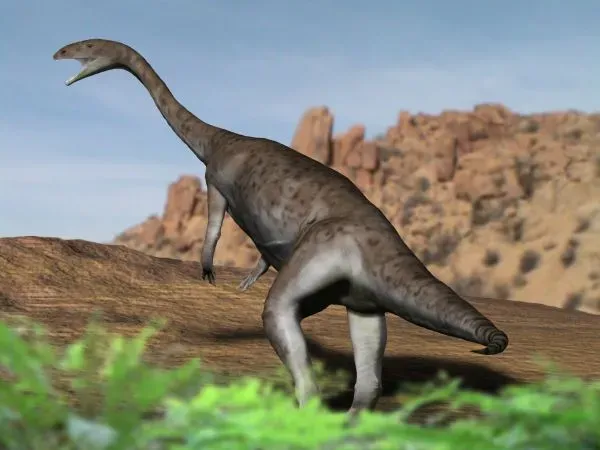
One of the first dinosaur specimens to include more than a bone or two was recovered from Springfield Armory in 1855. This specimen was described as a small herbivore, Megadactylus polyzelus, later renamed Anchisaurus. Identified as remains of Anchisaurus polyzelus, this represents one of the earliest recognized fossil vertebrate remains from the Mesozoic of New England and also represents one of the earliest dinosaurs collected and reported.
During the Early Jurassic, dinosaurs such as Dilophosaurus, Anchisaurus, and Podokesaurus roamed North America. This relatively small plant-eater played a crucial role in our understanding of dinosaur evolution and distribution across the continent. Honestly, without Anchisaurus, American paleontology might have taken a completely different path. It demonstrated that dinosaurs weren’t exclusive to Europe and opened the door for generations of fossil hunters to explore the American landscape.
Conclusion
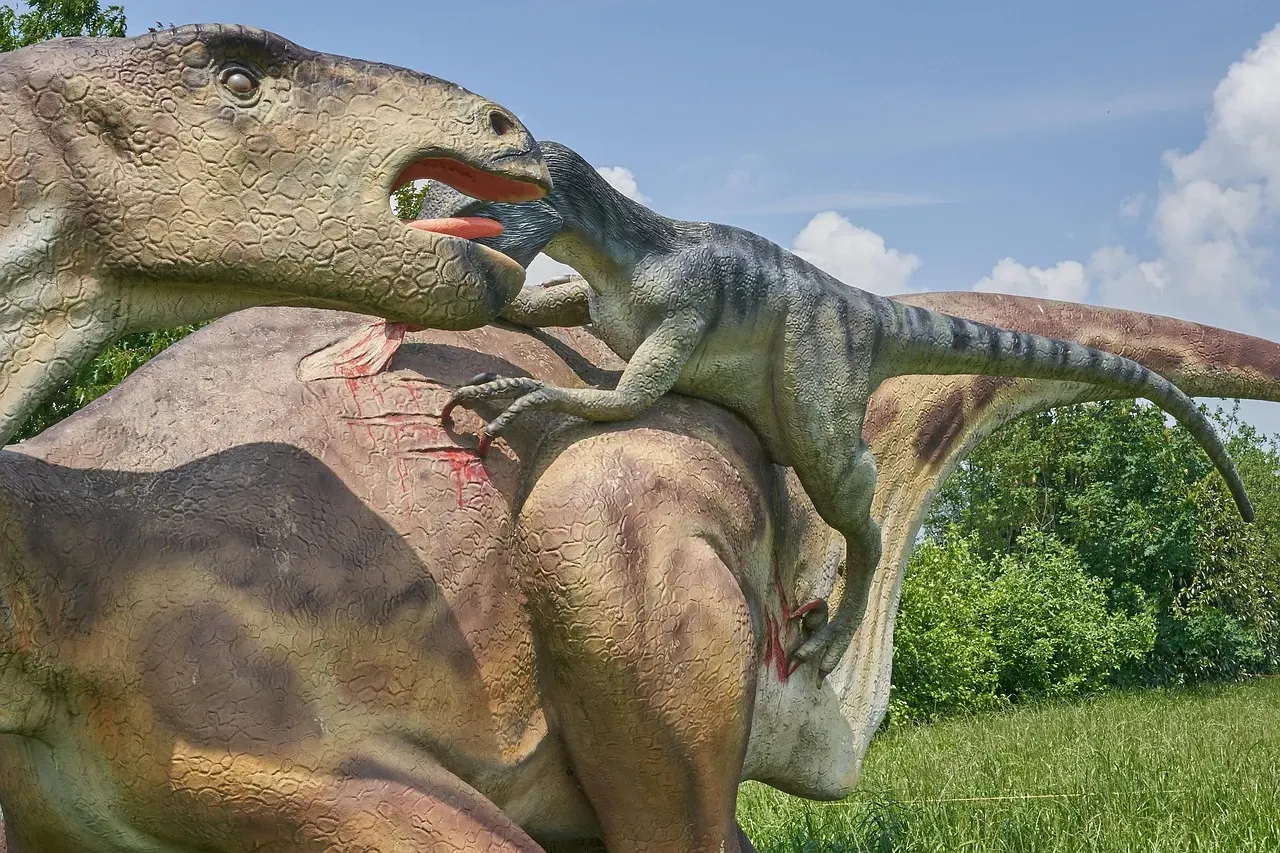
Small carnivorous dinosaurs seemed to be completely absent from North America’s environment, which seemed bizarre because today the small carnivores outnumber the big ones. It turns out that they were here and played a more important role in the ecosystem than researchers realized, meaning for the past century, scientists have completely overlooked a major part of North America’s dinosaur community.
These seven remarkable dinosaurs remind us that survival in the prehistoric world required more than sheer size. From Troodon’s superior intelligence to Hesperonychus’s stealth hunting capabilities, each species carved out its own path to success. Their fossils continue reshaping our understanding of ancient ecosystems and challenging assumptions about what made dinosaurs successful.
What surprises you most about these miniature marvels? Did you expect that intelligence and agility could rival raw power in the age of dinosaurs?