
If you think dragons, sea serpents, and griffins are wild inventions of human imagination, wait until you see what the fossil record has been hiding. Prehistoric Earth was packed with animals so strange that, if we discovered them today, people would probably argue over whether they were a movie design or an elaborate hoax.
Some of these ancient creatures really did look like they’d stepped straight out of a fantasy role‑playing game: flying reptiles with crests bigger than their heads, horned dinosaurs with frills like battle shields, whales with twisted tusks that seem designed by a sculptor, not evolution. Once you realize how bizarre real animals used to be, fantasy worlds suddenly feel a lot less far‑fetched.
1. Quetzalcoatlus: The Almost-Dragon of the Skies
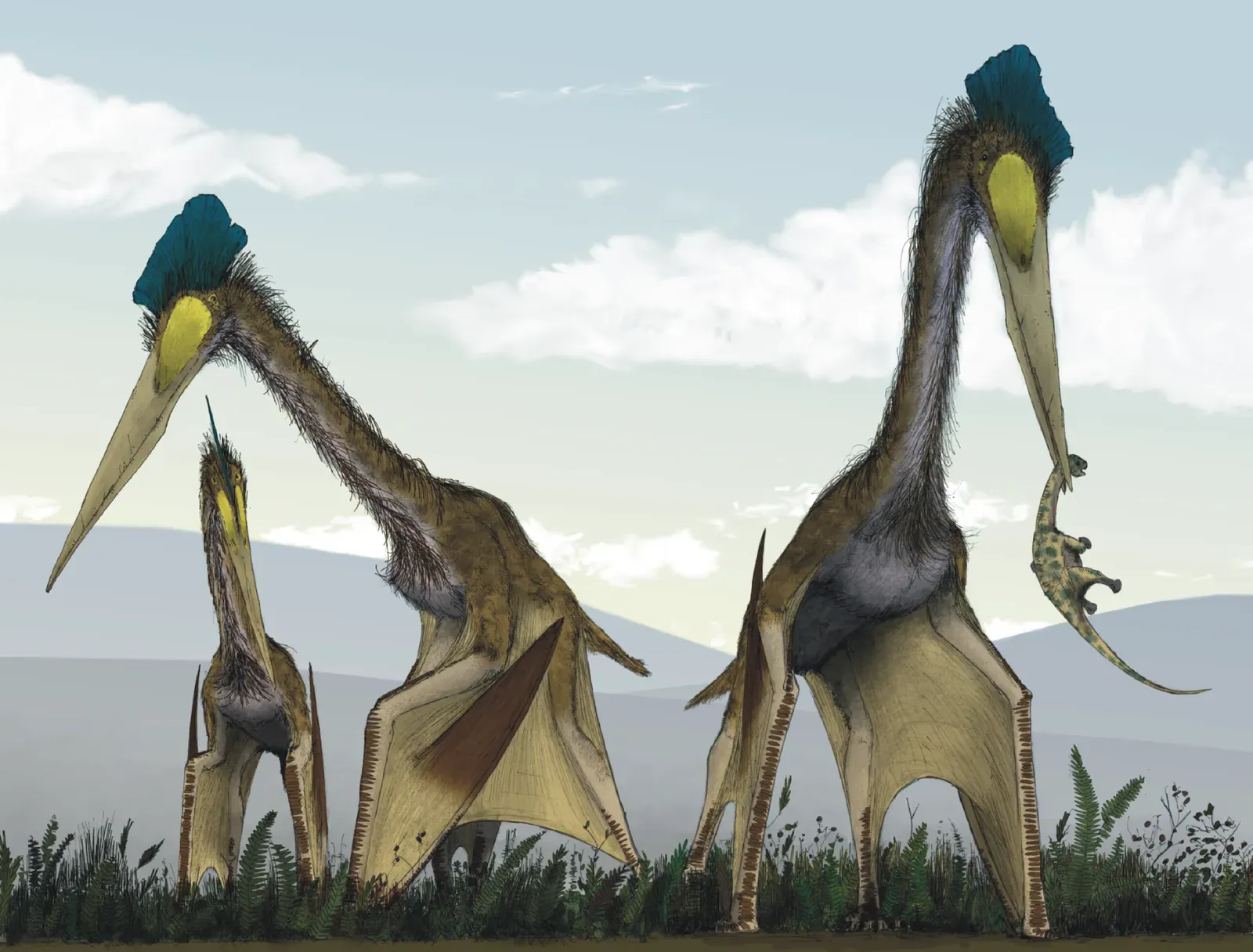
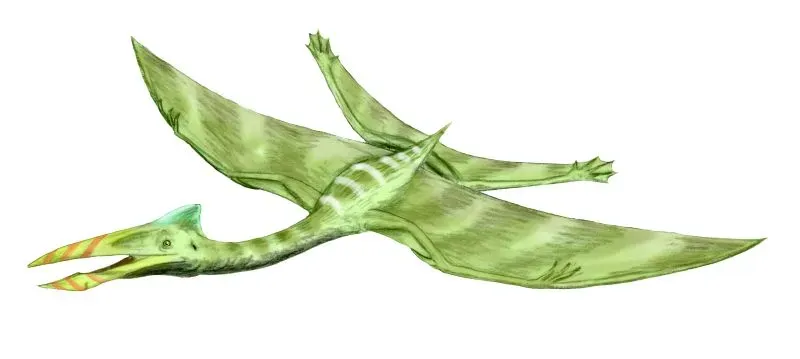
Imagine looking up and seeing something as tall as a giraffe spread its wings and take off like a giant, silent hang glider. That is essentially what Quetzalcoatlus was: one of the largest flying animals to ever exist, a pterosaur with a wingspan that may have stretched close to a small airplane. Its long, toothless beak and elongated neck gave it a profile that feels uncannily similar to how dragons are drawn in fantasy art, just without the fire.
What fascinates me is how this animal forces you to rethink what “possible” even means. For years, people argued about how something so massive could fly, and the leading ideas today suggest it launched itself using all four limbs like a bizarre, vaulting bat. Picture a dragon-sized creature pole‑vaulting into the air on all fours and you get why Quetzalcoatlus feels less like a normal animal and more like a boss fight waiting to happen.
2. Therizinosaurus: The Nightmare With Giant Scythe Claws
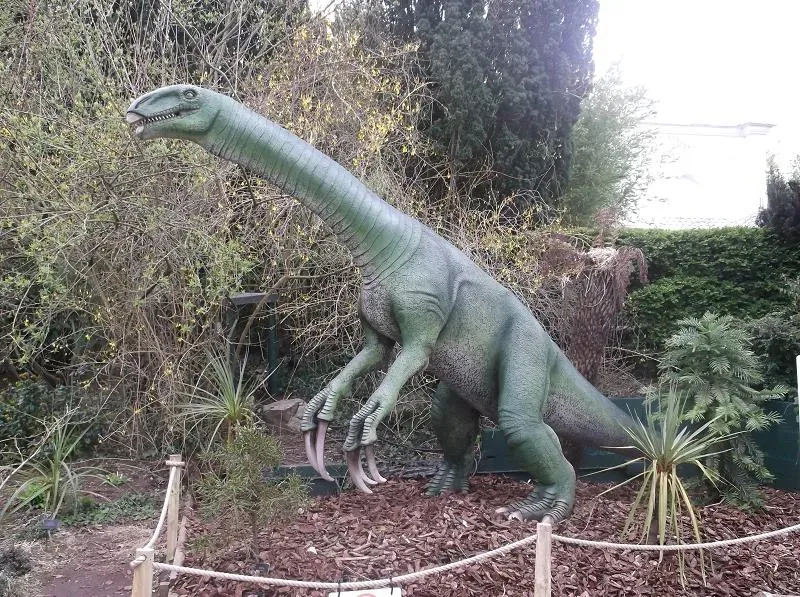
Therizinosaurus looks like it was cobbled together from spare parts of three or four different fantasy monsters. It was a huge, feathered dinosaur with a potbelly, long neck, small head, and absurdly long claws on its hands that stretched longer than many people’s arms. Those claws were curved like enormous scythes, the sort of thing you’d expect to see on a villain in a dark fantasy series, not on a real animal that once walked around eating plants.
What makes it even weirder is that, despite its horror‑movie hands, Therizinosaurus probably wasn’t a fearsome predator. Evidence points toward a mostly herbivorous lifestyle, using those claws to pull down branches or defend itself rather than slice prey into pieces. There’s something oddly charming about that: this utterly terrifying silhouette roaming ancient forests, not as a bloodthirsty monster, but as a very strange, very well‑armed browser just trying to get enough leaves for dinner.
3. Anomalocaris: The Alien Sea Monster From Before Dinosaurs
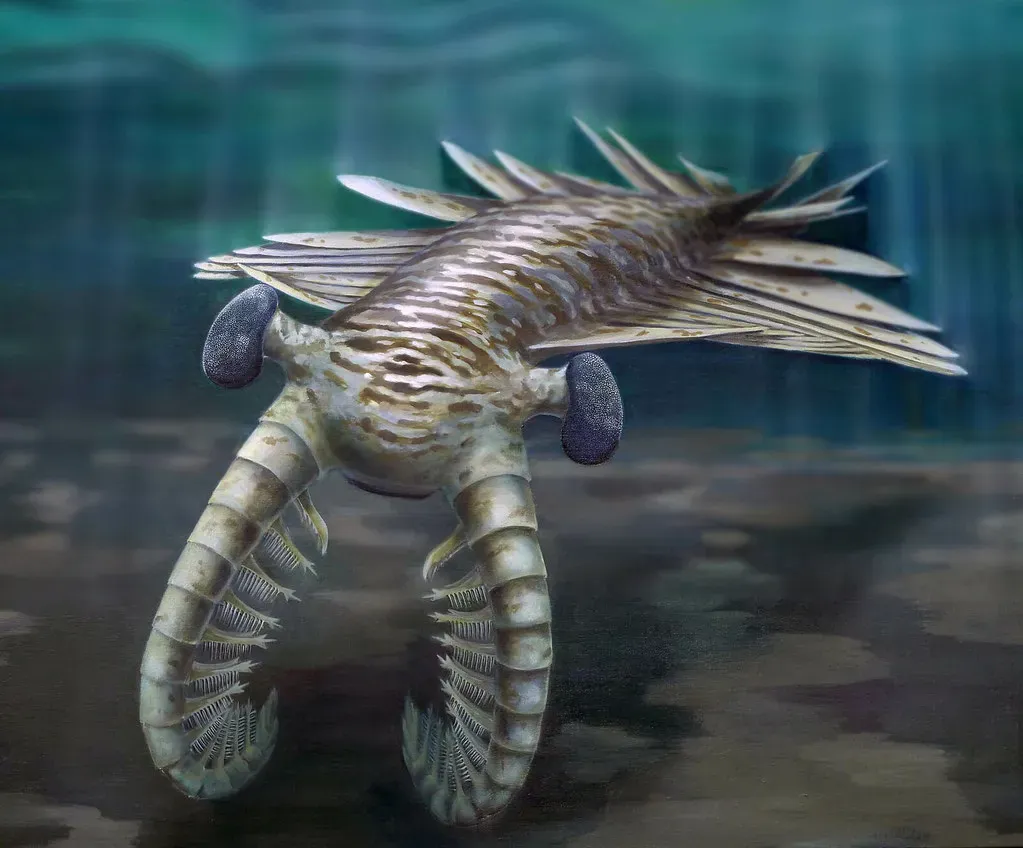
Go back more than five hundred million years to the Cambrian seas, and you meet Anomalocaris, an animal that feels more like science fiction than natural history. It had a segmented body, large flaps along its sides for swimming, a pair of strange, spiny grasping appendages on its front, and a circular mouth lined with hard plates. If you dropped it into an alien ocean in a movie, nobody would question it for a second. It is that otherworldly.
For a long time, scientists did not even realize Anomalocaris was one creature; different parts were mistaken for separate animals because they were so unusual. Once the fossil puzzle finally came together, it turned out to be one of the earliest known top predators of the oceans, cruising through the water like a bizarre hybrid of shrimp, manta ray, and spacecraft. To me, the best part is that it proves the “weird phase” of life on Earth didn’t start with dinosaurs – our planet has been doing high‑concept creature design since the very beginning.
4. Hallucigenia: The Walking Hallucination
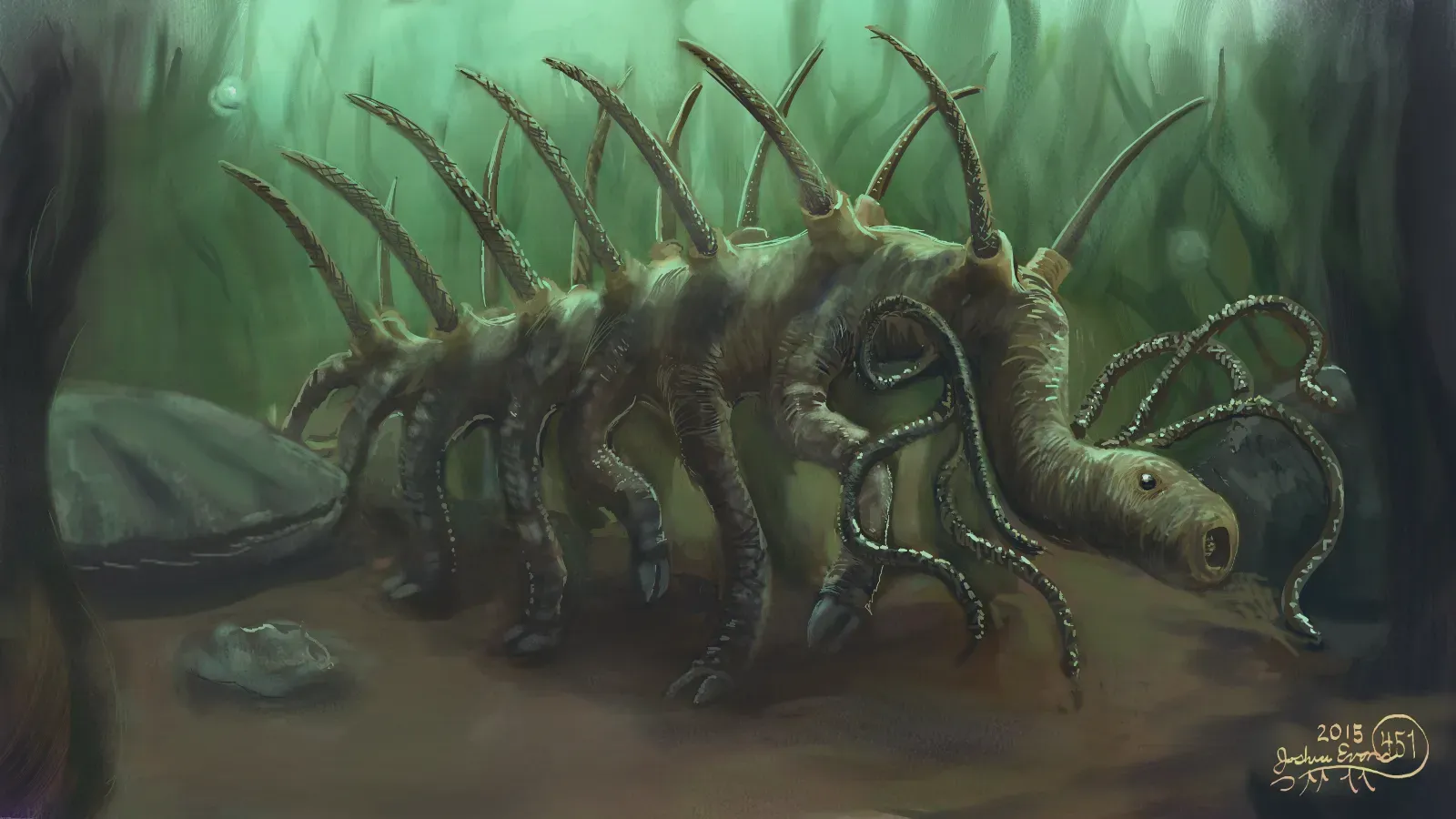
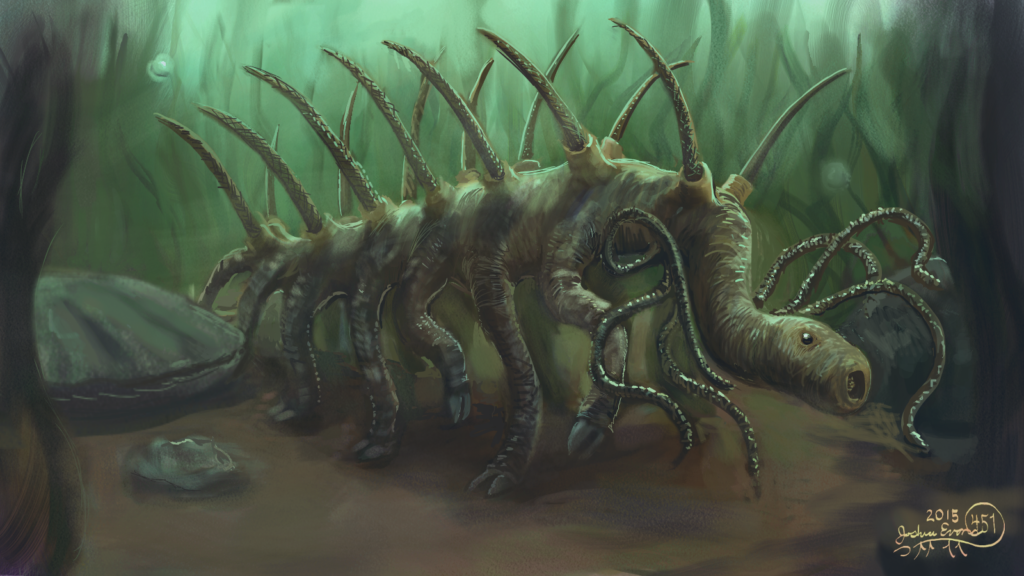
Hallucigenia might be the most accurately named animal in paleontology history. It was a tiny, worm‑like creature with spines sticking out of one side and soft, tentacle‑like legs on the other. For years, scientists literally reconstructed it upside down, with the spines as legs and the soft limbs waving in the air, because the whole thing looked so unreal. It resembled the kind of sketch a fantasy artist might abandon for being “too strange” and then evolution quietly went ahead and built anyway.
Once we finally figured out which way was up, Hallucigenia turned out to be a distant relative of modern velvet worms, which already look pretty fantastical. In a way, it feels like a living glitch in the fossil record: a reminder that the boundaries of body shapes are a lot wider than our imaginations usually allow. If I saw a tiny creature like that in a video game dungeon, I’d assume it was spawned by some eldritch magic – not by natural selection half a billion years ago.
5. Dimetrodon: The Sail-Backed “Dragon” That Predated Dinosaurs
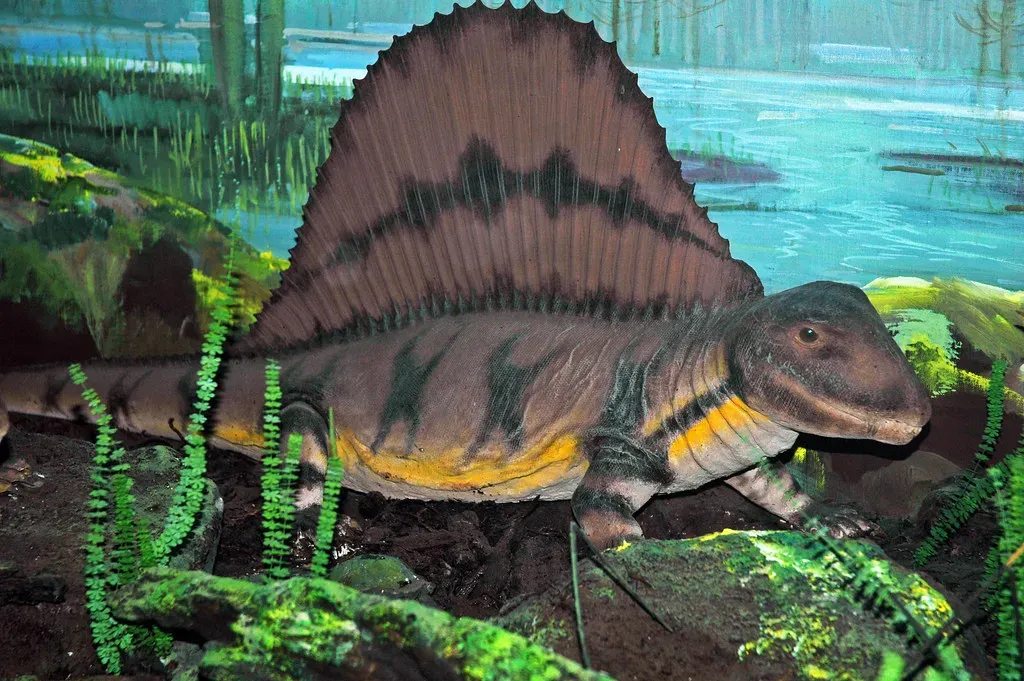
Dimetrodon is often mistaken for a dinosaur, but it actually lived long before dinosaurs appeared and is more closely related to the distant ancestors of mammals. What makes it instantly recognizable is the enormous sail on its back, formed from elongated vertebral spines covered in skin. From the side, it looks like a dragon that traded wings for a huge, spiky solar panel, standing out against the ancient landscape like a moving billboard of bone and flesh.
That sail may have helped with temperature control or display, or possibly both, and any of those options just makes it more dramatic. Picture early mornings in the Permian period: this reptile‑like predator basking in the sun, its sail glowing as light filters through blood vessels, while other animals keep their distance. If a fantasy novelist described a dragon‑lizard that heated up by raising a living sail to the sky, we’d call it imaginative; the fossil record just shrugs and says, yes, that really happened.
6. Ankylosaurus: The Living Tank With a Mace Tail
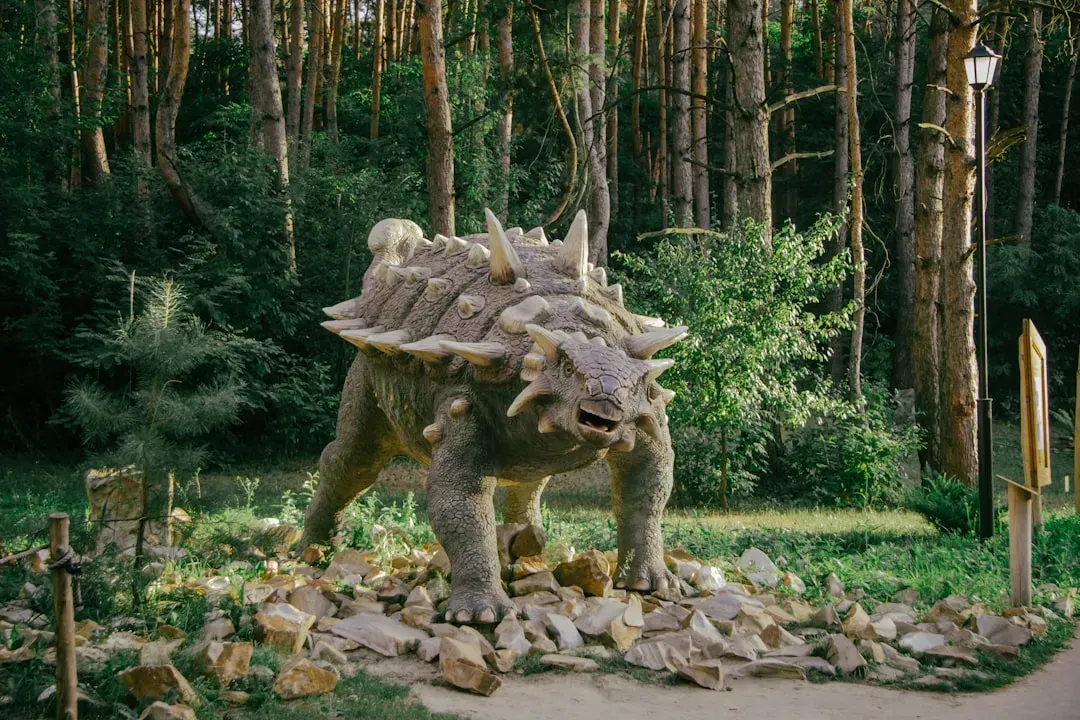
If high fantasy needed a living battering ram, it would probably look a lot like Ankylosaurus. This dinosaur was low to the ground, heavy‑bodied, and covered in thick bony armor plates, with a massive club at the end of its tail. The overall effect is somewhere between a tank, an armadillo, and a medieval weapon, as if nature got really into siege warfare for a while and built an animal specifically to resist and deliver punishment.
What I love about Ankylosaurus is how unapologetically practical it is, while still looking absolutely ridiculous in the best way. Predators had sharp teeth and claws; Ankylosaurus responded with a tail that could likely shatter bone on impact. In a fantasy game, it would be the creature you send in to break shield walls and smash gates. In real life, it lumbered through Cretaceous forests, armored to the teeth, reminding us that sometimes the most fantastical designs are simply brutally effective ones.
7. Basilosaurus: The Serpent-Whale That Haunted Ancient Seas
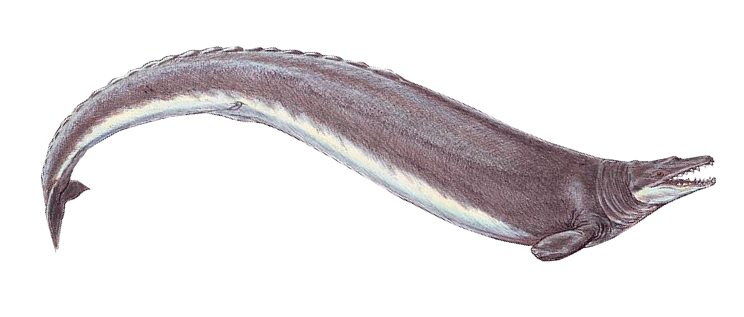
Basilosaurus has one of those names that feels perfectly on brand: it sounds like a serpent king from myth, and visually it almost lives up to it. This prehistoric whale was long and slender compared with modern whales, with a body shape that could easily be mistaken for a gigantic sea serpent if you only saw it from above. It had small, residual hind limbs and a mouth lined with sharp, differentiated teeth, giving it a far more dragon‑like grin than today’s filter‑feeding giants.
Standing on a shore millions of years ago, watching this elongated predator slice through the waves, you might genuinely think you were witnessing the origin of sea serpent legends. To me, Basilosaurus feels like a bridge between two worlds: the familiar world of whales and the imagined world of mythic ocean monsters. It is a reminder that many of the creatures we place firmly in the realm of fantasy are actually not that far from things that genuinely swam Earth’s oceans.
Conclusion: When Reality Outweirds Fantasy
The more you look at animals like Quetzalcoatlus, Therizinosaurus, and Hallucigenia, the harder it is to pretend that human fantasy is wildly disconnected from reality. In a lot of ways, our most imaginative dragons, demons, and sea beasts are just remixing shapes that evolution has already tried, refined, and sometimes abandoned. To me, that is both humbling and thrilling: the fossil record quietly reveals that Earth itself has been running the strangest, longest‑running creature design project in history, and we are only seeing scattered snapshots.
It is tempting to think of the age of wild creatures as something locked in the deep past, but that attitude sells the present short. There are still bizarre animals alive today, from deep‑sea nightmares to microscopic oddities, and our ideas for fantasy worlds will probably keep chasing, but never quite catching, the sheer audacity of evolution. Next time you dismiss a movie monster as unrealistic, it might be worth asking whether the past already did something weirder – and we just have not dug it up yet. Did you expect reality to be this strange?