When you think of prehistoric America, you probably picture T. rex thundering across a dusty landscape or massive sauropods stretching their necks toward towering tree canopies. But here’s what most people don’t realize: the real story began hundreds of millions of years earlier, in a world so alien it barely resembles the planet we know today. Long before the first dinosaur ever drew breath, America was already a stage for some of the most bizarre, terrifying, and downright fascinating creatures in the history of life on Earth.
We’re talking about animals that prowled ancient seas, crawled through steaming Carboniferous forests, and ruled the land with an authority dinosaurs would only inherit much later. Some of these creatures look like fever dreams. Others seem almost familiar. All of them deserve a lot more attention than they get. So buckle up, because this deep-time tour will leave you amazed at what walked, swam, and scuttled across this continent long before scales and feathers ruled the world. Let’s dive in.
1. Anomalocaris: The Original Sea Monster of Ancient American Waters
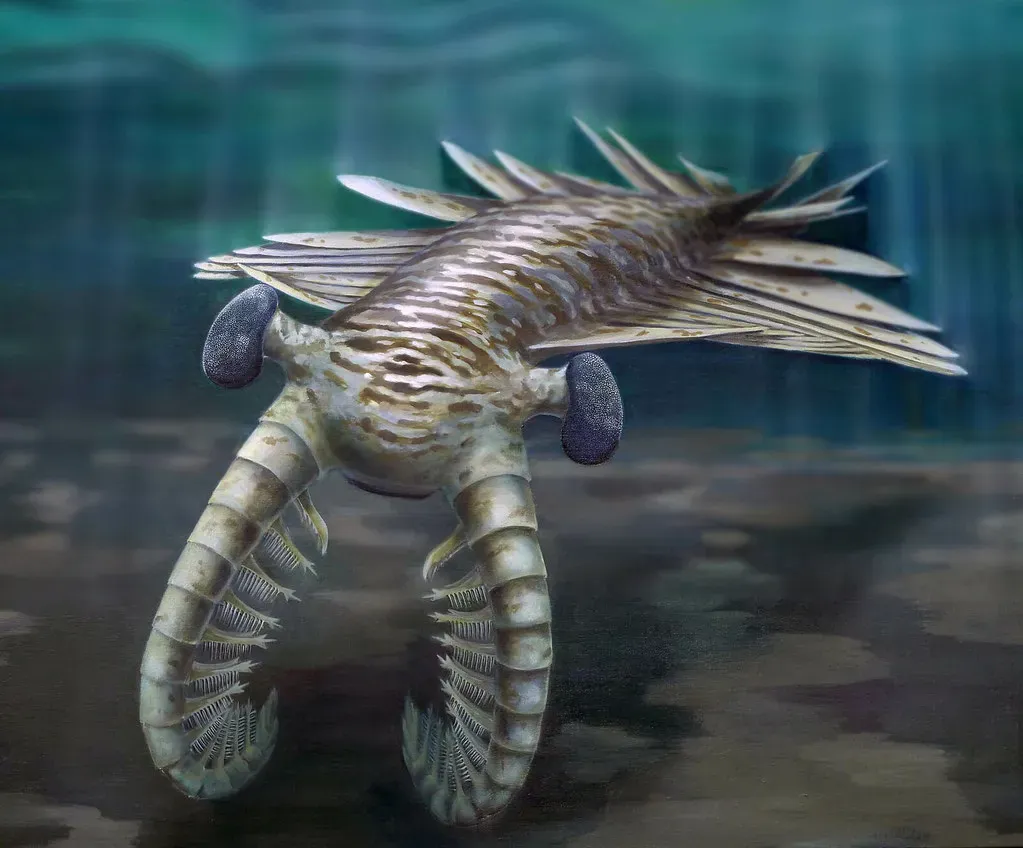
If you were swimming in the shallow seas that covered what is now the American continent roughly 500 million years ago, the last thing you would want to meet is an Anomalocaris. This creature lived in North America, Asia, and Australia during the Early to Middle Cambrian Era, from 530 to 499 million years ago. I think calling it a “sea monster” is perfectly fair, because this thing was genuinely unlike anything alive today.
Anomalocaris is an extinct Cambrian marine animal, famous for being among the largest and most capable predators of its time. It is characterized by a pair of large frontal grasping appendages, a circular mouth apparatus, lateral swimming flaps, and prominent compound eyes. Its mouth was a ring of overlapping plates, and its stalked compound eyes gave it sharp, almost predatory vision in clear, shallow waters.
It was not until the 1980s that its three fossil body parts were found together and understood to be one very strange-looking animal. The streamlined body of this arthropod-like predator likely made it an efficient swimmer, capable of gliding through the water with ease. For decades, scientists had described its body, its claws, and its mouth as three completely separate creatures. Honestly, even the story of its discovery is more thrilling than most Hollywood plots.
Stalked, compound eyes with thousands of lenses gave Anomalocaris extremely sharp vision. The presumed undulating swimming motion made it a fast swimmer. Once it caught up to its prey, the creature could grab it using front limbs equipped with sharp spikes on each segment. Whether you picture it as a terrifying apex predator or a filter feeder of the ancient deep, there is no denying that Anomalocaris set the template for what a predator could be.
2. Trilobites: America’s Most Enduring Ancient Residents
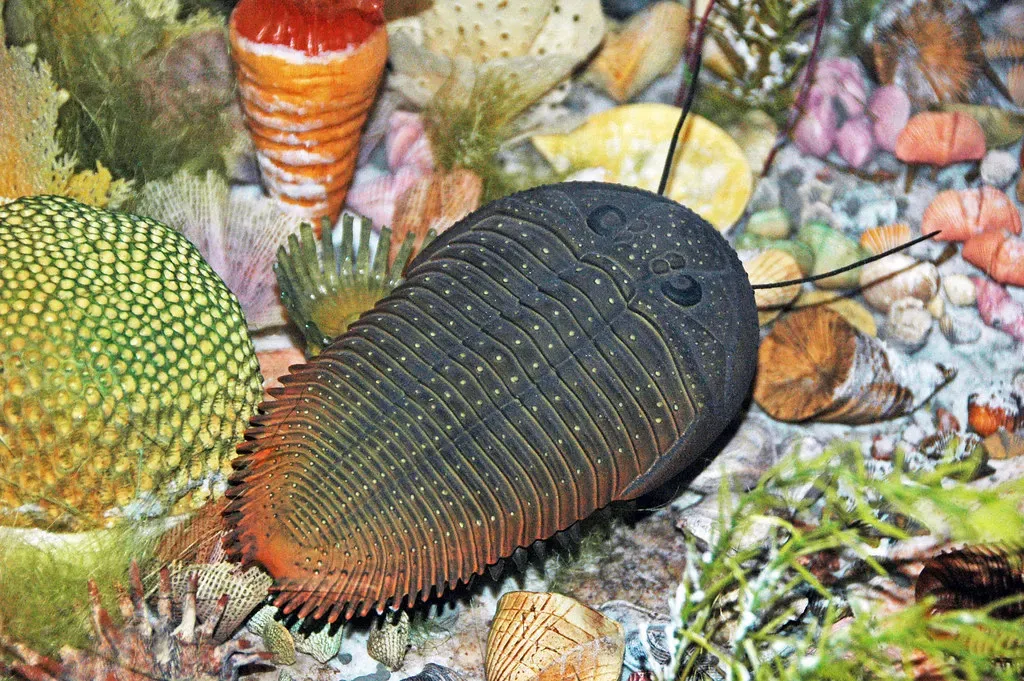
You might have spotted a trilobite fossil in a museum gift shop and thought, “cute little bug.” But let’s be real: calling a trilobite just a bug is like calling the Roman Empire just a city. These familiar marine arthropods first arose about 545 million years ago in the early Cambrian and thrived throughout the world’s oceans until they were wiped out in the Permian extinctions about 250 million years ago. That is a reign of nearly 300 million years. Remarkable.
Trilobites had flattened, segmented, plated bodies that helped to protect them in seas that were increasingly filled with predators. With many varieties and sizes, ranging from a millimeter to more than two feet in length, trilobites proved among the most successful and enduring of all prehistoric animals. You could think of them as the cockroaches of the Paleozoic, except far more complex, far more varied, and actually quite beautiful.
The area that is North America today stretched along the equator, and a shallow sea covered part of the land during the Cambrian period, meaning you were essentially walking across a shallow seabed if you stood in modern-day Texas or Kansas 500 million years ago. Trilobites thrived in exactly those environments. Trilobites included swimming forms, bottom dwellers, varieties that lived in warm shallow waters, and those that lived in deeper, cooler regions. All species had hard, calcified external skeletons, which allowed them to be preserved in many Cambrian sedimentary rocks.
The trilobites differentiated and evolved for over 300 million years until the few remaining forms went extinct during the Permian-Triassic mass extinction, 250 million years ago, which wiped out nearly 90 percent of all species. Their fossils are found across almost every continent, making them among the most studied and treasured of all prehistoric remains. If you ever find one, you are holding a piece of a creature older than the earliest tree.
3. Dimetrodon: The Sail-Backed Predator of Ancient Texas
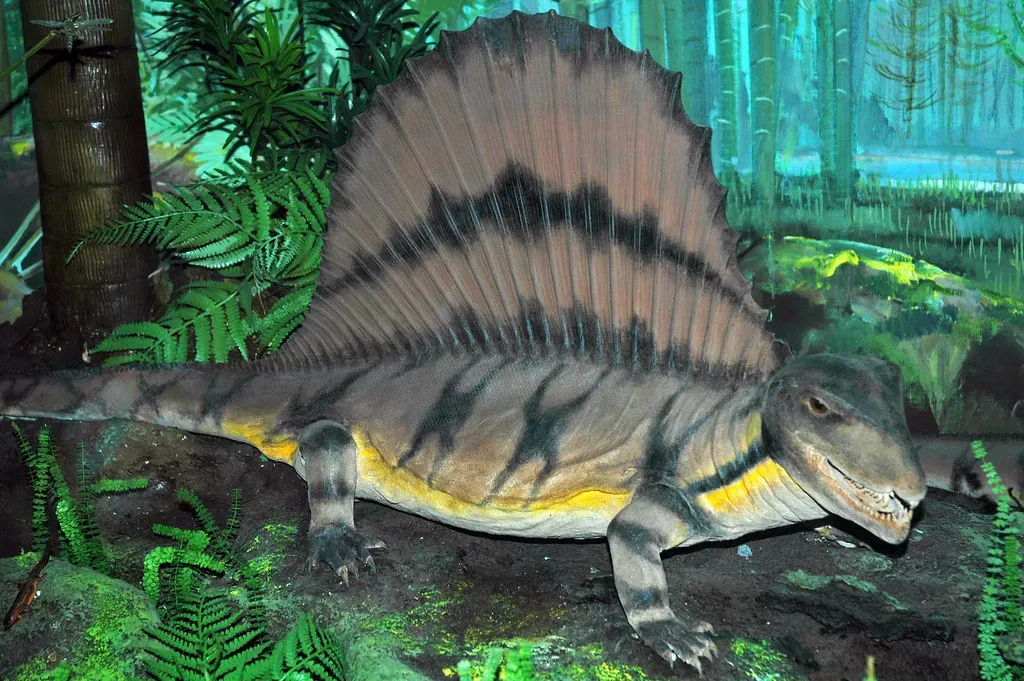
Here is something that surprises almost everyone. You have almost certainly seen a Dimetrodon toy somewhere, probably tucked in with dinosaur figures. But this creature was not a dinosaur at all. Dimetrodon is often mistaken for a dinosaur or as a contemporary of dinosaurs in popular culture, but it became extinct some 40 million years before the first appearance of dinosaurs. That is a staggering gap in time.
Dimetrodon is not a dinosaur; it is a synapsid on the mammal line, from the Early Permian, roughly 295 to 272 million years ago. Across the genus, adults ranged roughly from about 1.7 to 4.6 meters long, from smaller hunters to very large apex predators. Think of it less as a reptilian monster and more as a distant cousin of every mammal alive today, including you and me. That is equal parts humbling and strange.
Most fossils have been found in the southwestern United States, the majority of these coming from a geological deposit called the Red Beds of Texas and Oklahoma. Dimetrodon lived in a lowland deltaic environment, with Early Permian Texas and Oklahoma somewhat resembling today’s Everglades in Florida, save the plants were completely different. Wetlands, not dry desert, were its home. That image of Dimetrodon baking under a blazing sun may need revising.
The famous back sail is made of elongated spinal spines; leading ideas include thermoregulation, display, and species recognition. Dimetrodon was an apex carnivorous predator, largely hunting amphibians and tetrapods, tearing them apart with its large teeth. Its teeth were also notably different from those of most predators of its time, featuring both canine-like fangs and slicing teeth, a feature far more reminiscent of mammals than reptiles.
4. Arthropleura: The Giant Millipede of North America’s Carboniferous Forests
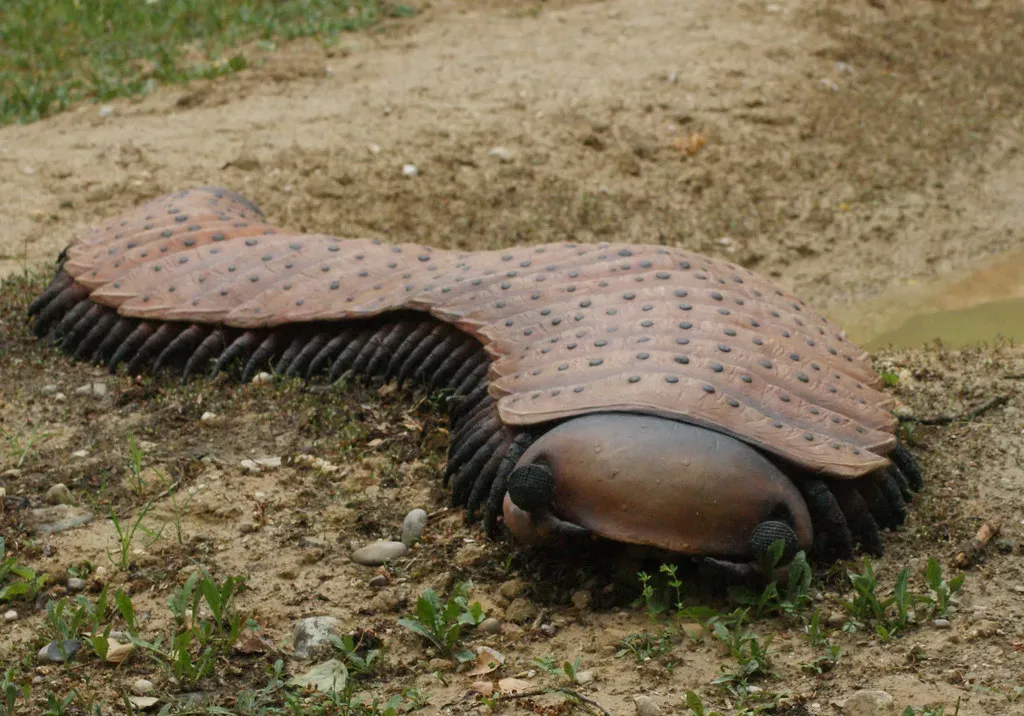
Imagine hiking through a dense, steaming forest and looking down to find a millipede the length of a car crawling toward you. That was life in North America during the Carboniferous period. Arthropleura was a colossal millipede-like arthropod that could stretch up to 8.5 feet long, making it the largest known land-dwelling arthropod of all time. It scurried through the dense forests of the Carboniferous period, approximately 340 to 280 million years ago, feeding on decaying plant matter.
Gigantic millipede arthropods roamed the massive forests in North America and Europe 345 million years ago. They were the most significant land invertebrates ever to exist and would not have had many predators. The reason for their enormous size? Oxygen. The atmosphere during the Carboniferous was far richer in oxygen than it is today, fueling the growth of insects and arthropods to sizes we simply cannot achieve now.
This eerie creature lived in the humid, swampy forests that thrived thanks to high oxygen levels and a warm climate. Picture towering horsetail trees over 100 feet tall, dense fern undergrowth, and the constant hum of giant insects overhead. Arthropleura owned the forest floor. Think of it as the armored tank of its ecosystem, slow, massive, and basically untouchable.
What makes Arthropleura even more fascinating is that it likely had no real predators for much of its existence. It was too large, too armored, and too slow to be worth the effort. Over time, as the climate shifted and the great forests dried out, the oxygen levels dropped, and with them went the age of giant arthropods. The forests vanished and so did Arthropleura, ending one of the most quietly dominant reigns in the history of life.
5. Titanichthys: The Gentle Giant Fish of Ancient American Seas
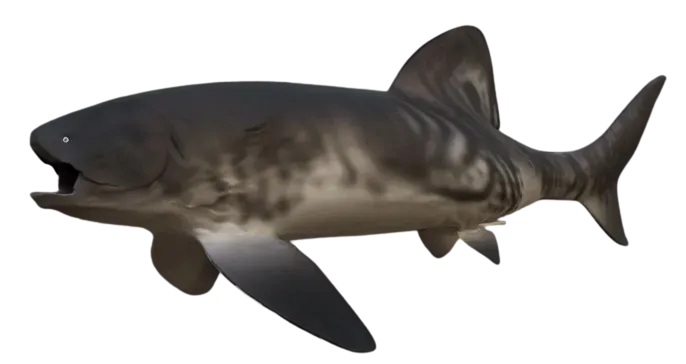
Not every ancient predator was actually a predator. Sometimes, the biggest animal in the ocean is just the most efficient vacuum cleaner around. Titanichthys was a massive armored fish that lived during the Devonian period, roughly 380 million years ago. Growing up to 30 feet in length, this placoderm had an enormous head and distinctive bony plates covering its body. Its sheer scale would have made it terrifying, but its habits were surprisingly peaceful.
Scientists believe this enormous fish was the first large-sized vertebrate filter feeder, using its mouth to inhale anchovy-like fish. This fish could reach a length of 16 feet and featured an insanely big mouth and blunt teeth. Despite its fearsome appearance, Titanichthys was likely a filter feeder, using its large jaw structure to sieve plankton from the water. Its size and gentle nature made Titanichthys the whale shark of its time, cruising through ancient seas with few natural predators.
It lived in the shallow seas of Morocco, Eastern North America, and Europe. That means the ancient waters covering parts of what is now the eastern seaboard of the United States were home to this armored leviathan slowly cruising through warm tropical shallows. Close your eyes and imagine standing on a modern-day East Coast beach, knowing something the size of a pickup truck was gliding just beneath the surface.
Recent research suggests that Titanichthys coexisted with Dunkleosteus, a much more aggressive placoderm, which would have ruled the same waters. So while Titanichthys filtered its meals quietly, a far more aggressive neighbor was busy crushing prey with one of the most powerful bites in the animal kingdom. Ancient North American seas were, to put it mildly, not a relaxing place to swim.
6. Pterygotus: The Sea Scorpion That Terrorized Ancient American Waters
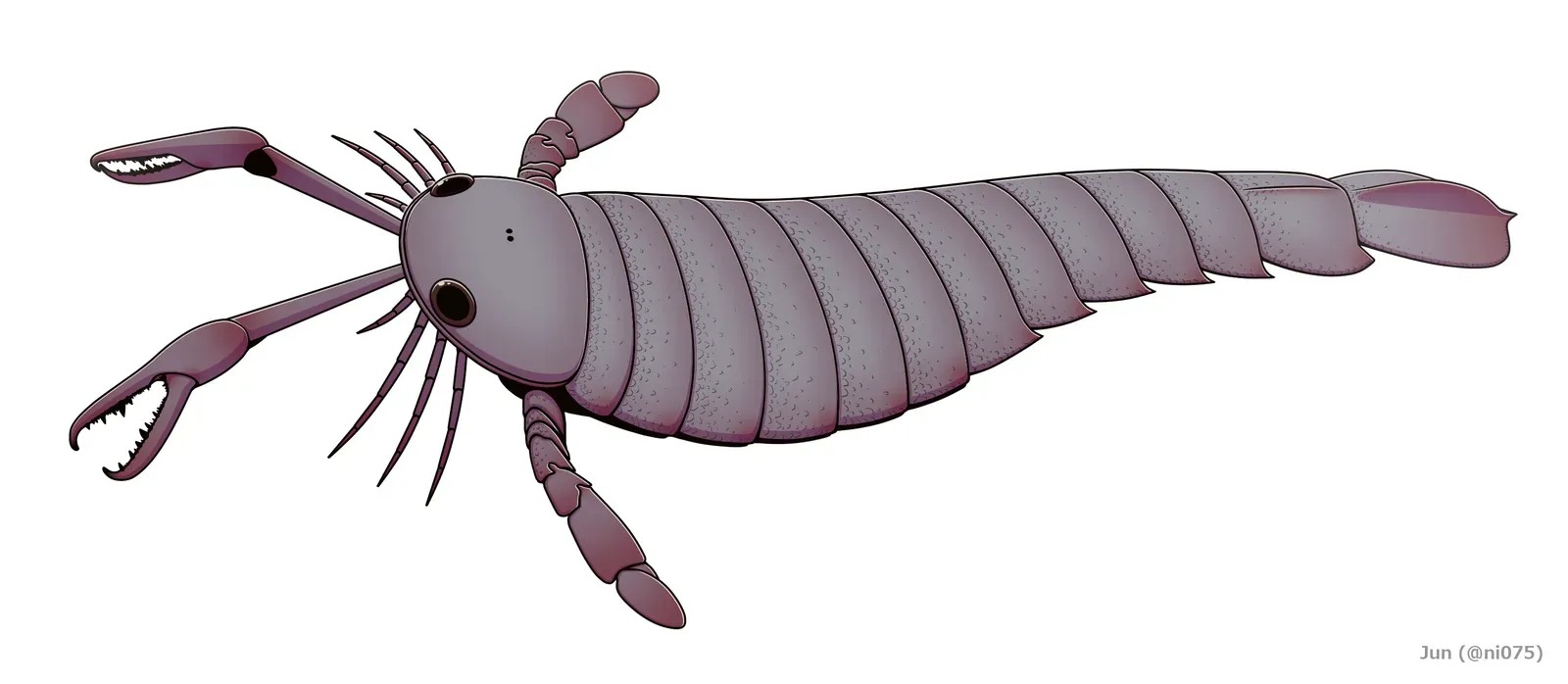
If the idea of a scorpion makes your skin crawl, prepare yourself. The Pterygotus was a giant sea scorpion that reached over six feet in length. This enormous predatory aquatic arthropod reached almost six feet, the size of a modern human, and lived in Earth’s oceans, hunting other creatures, like fish. It is hard not to look at a Pterygotus reconstruction and feel a deep, instinctive unease, which is probably the correct response.
With its formidable pincers, Pterygotus was an adept predator, preying on early fish and other marine life. Its large compound eyes gave it excellent vision for hunting in murky waters. The pincers on its limbs could deliver a crushing grip, making Pterygotus a formidable threat to any creature crossing its path. It was, essentially, the ocean’s most aggressive bouncer, and everyone else on the dance floor knew it.
While some of its features are recognizable in modern sea creatures, there are no present-day sea scorpions. The eurypterids, as the broader group is known, were once widely distributed across the oceans and even into brackish water environments. Their absence from the modern world feels like a quiet mercy, if we are being honest about it.
Pterygotus ruled the Silurian and Devonian seas with an iron claw, literally. It could paddle through the water with broad, paddle-like appendages and likely ambushed prey from below. Its visual system was sophisticated for its era, and combined with its speed and weapons-grade pincers, it was a predator that nothing of its time could easily ignore. Ancient American seas were its territory, and every fish that shared those waters lived in its shadow.
7. Eryops: The Mighty Amphibian Predator of Permian America
Before reptiles dominated the land and long before mammals stepped onto the evolutionary stage, a group of large, muscular amphibians sat at the top of the food chain in what is now North America. The evolution of fish marked a critical milestone in prehistoric life, with the first jawless fish appearing around 470 million years ago. This evolution set the stage for the emergence of amphibians, the first vertebrates to venture onto land, which transitioned from water to terrestrial habitats around 350 million years ago.
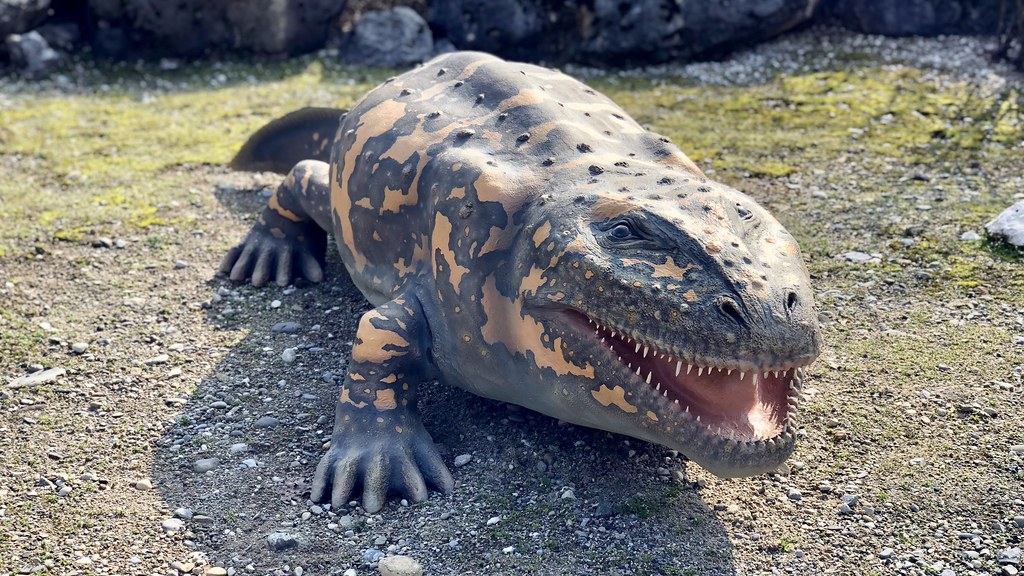
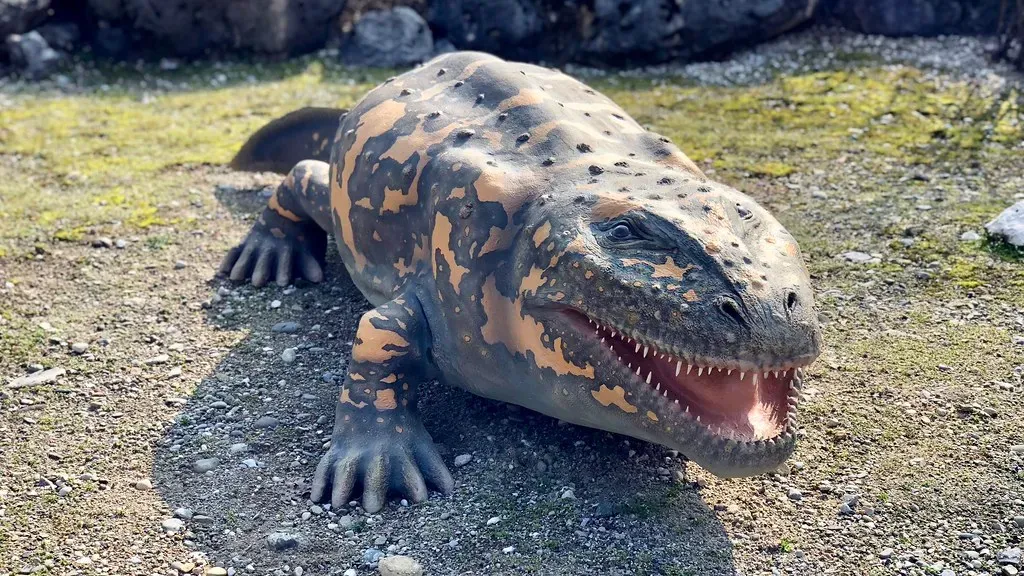
Eryops was among the most impressive of these early amphibian predators. It was a stocky, heavily built creature, roughly six feet long, with a massive skull full of interlocking teeth. The fossilized skeleton of Eryops, the last of the big-bodied, land-mobile amphibians, shares a resemblance with the modern-day alligator. That comparison is remarkably apt: slow, powerful, patient, and absolutely capable of ambushing anything that wandered too close to the water’s edge.
Eryops shared its landscape with Dimetrodon in the great Red Beds of Texas, and fossils of both creatures have been found in the same formations. In addition to Dimetrodon, the most common tetrapods in the Red Beds and throughout Early Permian deposits in the southwestern United States include the amphibians Archeria, Diplocaulus, Eryops, and Trimerorhachis. This tells you something remarkable: the swampy, subtropical wilderness of ancient Texas was one of the most ecologically dense environments in the pre-dinosaur world.
The Permian period lasted from 299 to 251 million years ago and produced the first large plant-eating and meat-eating animals. Eryops thrived in the earlier part of that world, adapting to both aquatic and terrestrial life better than almost anything around it. It is hard not to feel a kind of admiration for a creature that was essentially building the blueprint for every land predator that came after it, slowly, four stubby legs at a time.
Conclusion: A World Long Before the Age of Dinosaurs
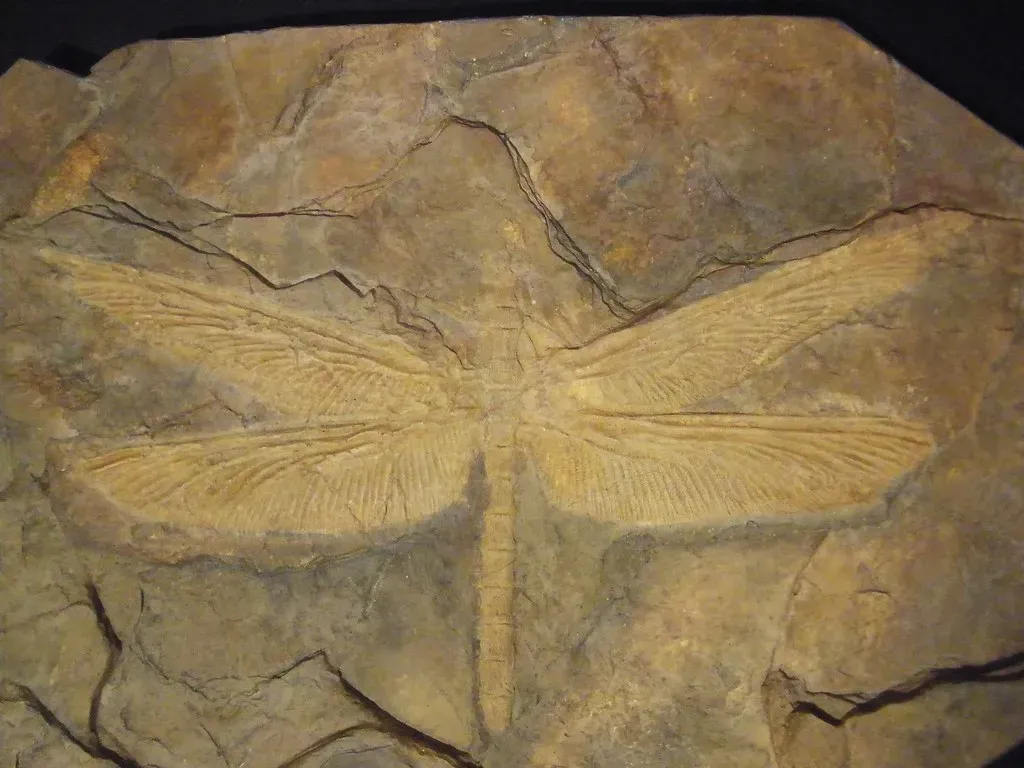
What is genuinely striking about all of these creatures is how vivid and complex the world was before a single dinosaur ever appeared. The Earth existed for millions of years before the time of the dinosaurs. This time is known as the Paleozoic Era, while the dinosaur time is known as the Mesozoic Era. There were strange and wonderful creatures living in each of the seven periods of the Paleozoic Era: Precambrian, Cambrian, Ordovician, Silurian, Devonian, Carboniferous, and Permian. Every single one of those chapters had its own cast of extraordinary animals.
The creatures covered here are just the beginning. The Permian is a geological record that began nearly 300 million years ago, almost 50 million years before the Age of the Dinosaurs. During the Permian, the Earth’s land masses were joined in one supercontinent known as Pangea. What that means is that the land we now call America was once part of a single, unified world, shared by creatures beyond imagination.
Every trilobite fossil you hold, every museum exhibit you walk past, and every ancient rock formation you admire is a chapter from a story far older and stranger than the dinosaur narrative we are all so familiar with. The next time someone assumes prehistoric life begins and ends with the Jurassic, you will know better. The Earth’s deepest biography started long before that, and it is extraordinary. What ancient creature surprised you the most on this list?