
Picture a world where trees were taller than skyscrapers, where dragonfly relatives as wide as seagulls hunted in the air, and where forests grew on continents that no longer even exist in the same shape. Ancient forests are not just older versions of what we see now; many were so wildly different that today’s woods look tame by comparison. When you start digging into their stories, it feels less like botany and more like science fiction that just happens to be true.
What makes these lost ecosystems so gripping is that they sit right at the edge of what we can picture. Most of what we know about them comes from bits of rock, slices of fossilized wood, pollen grains, and weirdly preserved root systems. From those scraps, scientists have reconstructed whole worlds that rewrote how life on land works. Let’s walk through seven of the strangest ancient forests we know of – each one a reminder that the way Earth looks right now is only one chapter in a very long, very strange book.
The Gilboa Forest: The World’s Oldest Forest
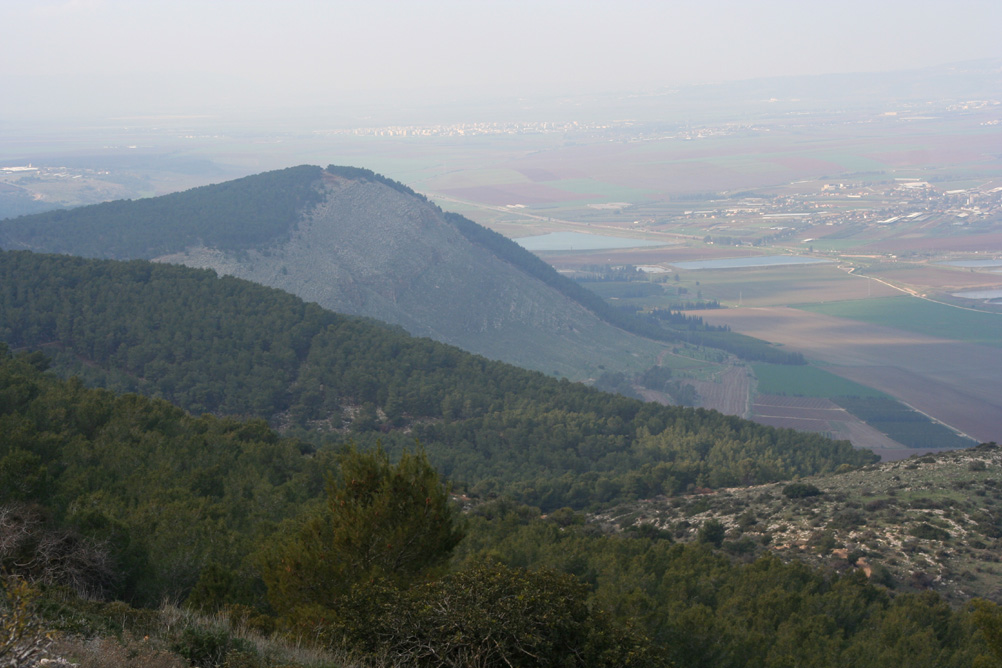
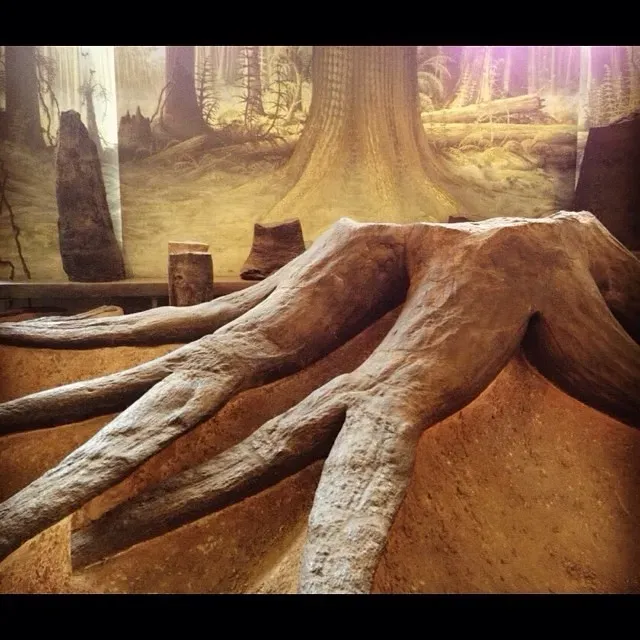
The Gilboa Forest in what’s now upstate New York is often described as the earliest known true forest, and honestly, it earns the hype. Dating back to the Devonian Period, hundreds of millions of years ago, it was full of tall tree-like plants called cladoxylopsids, which looked like a cross between a palm tree and something you’d find on an alien planet. Instead of leafy canopies like modern oaks and maples, these “trees” had frond-like branches and strange, tangled root systems that formed the first real, large-scale woodland on land.
What blows my mind is that these pioneers were engineering the planet without even having proper leaves or flowers yet. Their roots helped stabilize soils, and their towering trunks changed how water flowed across the land and into rivers. As these early forests spread, they began pulling huge amounts of carbon dioxide out of the atmosphere, slowly nudging Earth toward a cooler climate. Walking through Gilboa in your imagination means walking through the moment life on land leveled up from scattered plants to something that started to look like an actual ecosystem.
The Coal Swamp Forests of the Carboniferous
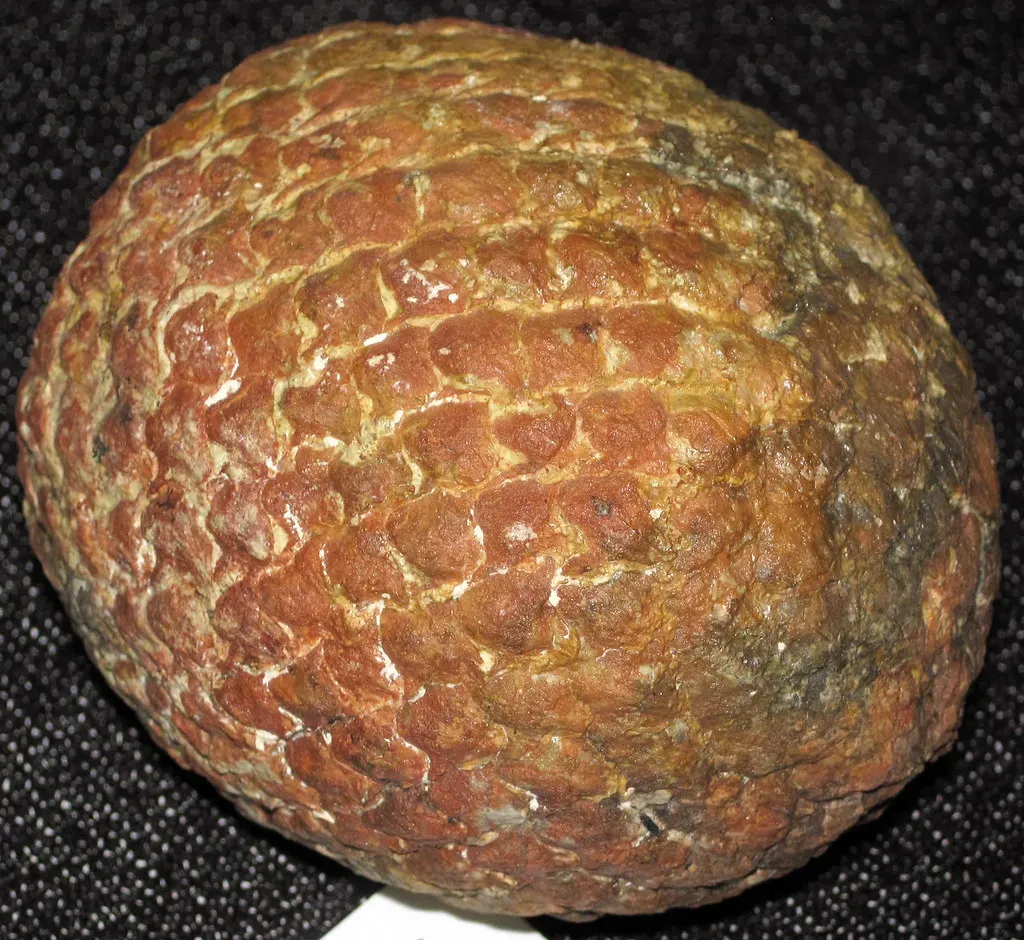
If you could step into a tropical swamp about three hundred million years ago during the Carboniferous Period, it would feel familiar and totally wrong at the same time. You’d see towering lycopsid “trees” like Lepidodendron and Sigillaria, some as tall as modern high-rise buildings, but their bark was patterned with strange diamond shapes and their trunks were mostly hollow. Mixed in were giant horsetails and early tree ferns, creating dark, dense, muggy wetlands where the ground squished under your feet and everything smelled like wet peat and decay.
These forests are the reason we have so much coal today; when plants died in those waterlogged swamps, their remains piled up faster than they could fully rot, eventually becoming the coal seams we mine. The air then had more oxygen than it does now, which helped fuel oversized insects and arthropods, including dragonfly relatives with wingspans as wide as your arm span. This was a forest without any flowering plants, birds, or mammals – just layers of lush, green, spore-bearing giants that built the energy reserves industrial civilization would one day burn. It is hard not to feel conflicted awe when you realize our smokestacks are powered by the ghosts of these ancient swamps.
The Glossopteris Forests of Gondwana
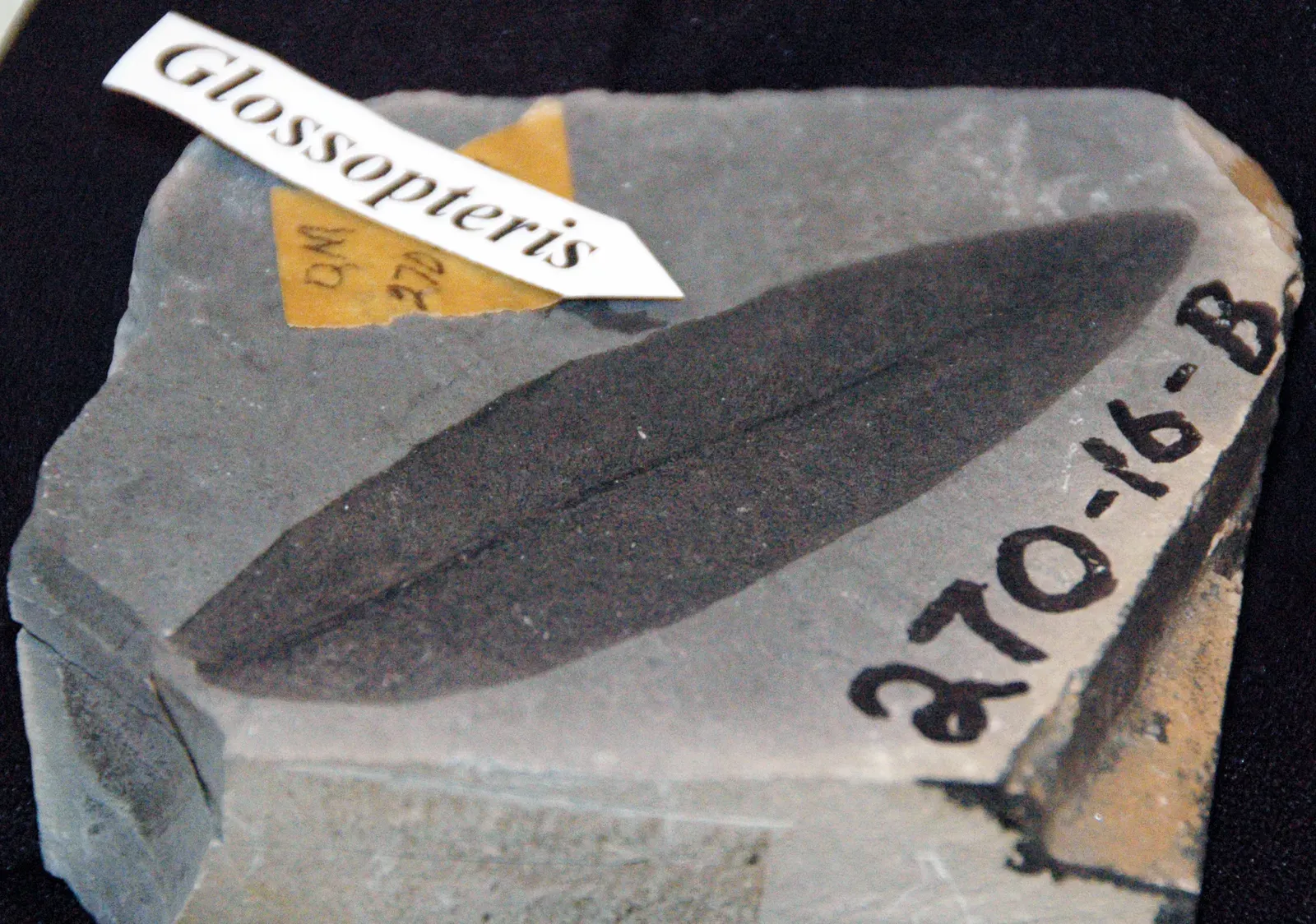
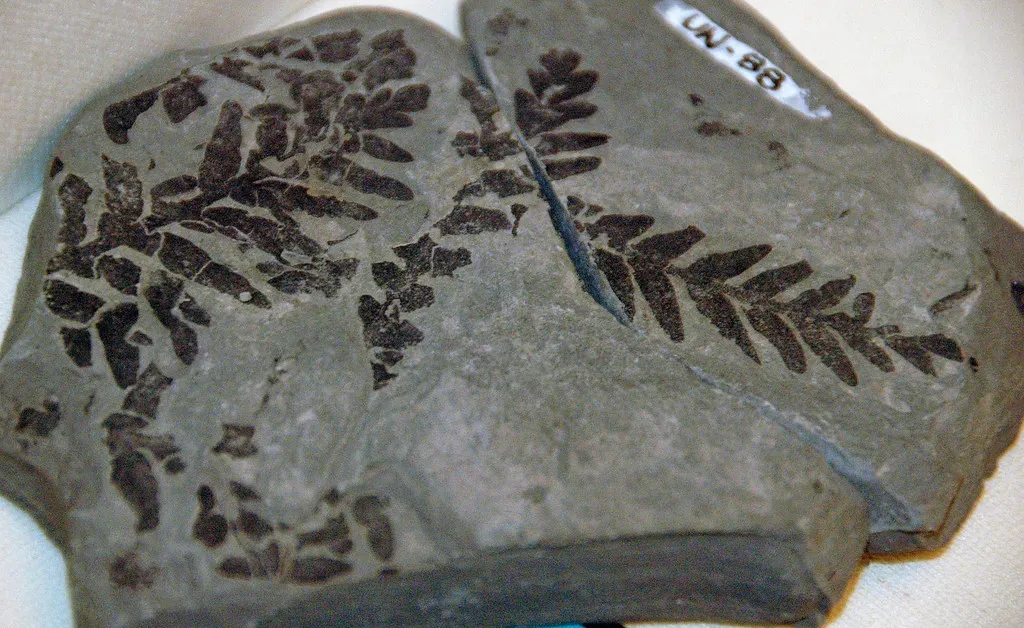
The Glossopteris forests covered vast stretches of the southern supercontinent Gondwana during the late Paleozoic, growing in what is now South America, Africa, India, Australia, and even Antarctica. Their signature plant, Glossopteris, had tongue-shaped leaves and grew in cooler climates, forming sprawling, seasonally cold forests long before flowering plants ever appeared. Imagine a world of broad-leaved trees, but without a single oak, maple, or birch in sight – just these strange seed ferns dominating the landscape.
What makes these forests especially fascinating is how they stitched together Earth’s deep-time geography. Fossils of Glossopteris show up across continents that are now separate, helping confirm that all those landmasses were once joined. These forests lived through harsh climate swings, including glaciations, and then disappeared in the end-Permian mass extinction, the most devastating die-off in Earth’s history. In a way, the silence of the Glossopteris forests marks the moment when one world ended and another, radically different one, began.
The Petrified Forests of Arizona
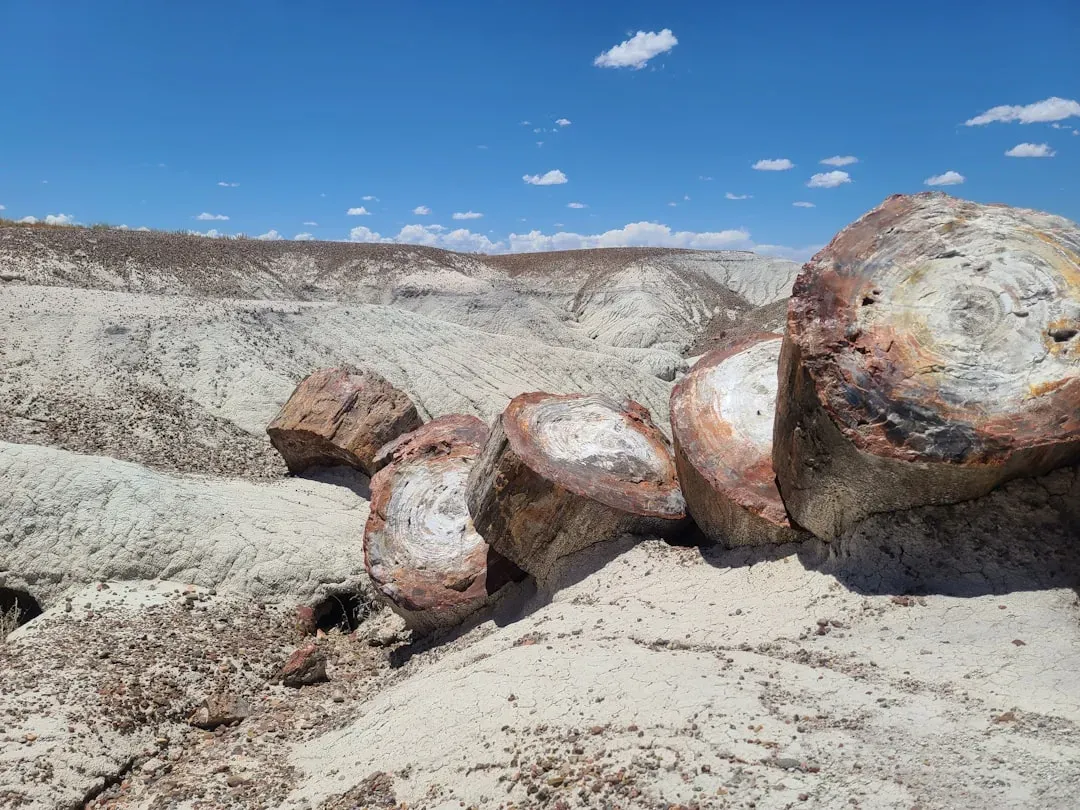
Today, the ancient forests of what is now Petrified Forest National Park in Arizona look like something out of a surreal art exhibit: entire tree trunks turned into shimmering stone, banded with reds, purples, yellows, and blues. Back in the Late Triassic, though, this was a floodplain covered in towering conifer-like trees, cycads, and other early gymnosperms. Periodic floods knocked down trees and buried them in sediments, cutting them off from oxygen and setting up the perfect conditions for mineral-rich waters to infiltrate and slowly replace wood with quartz and other minerals.
The living forest would have felt wild and dangerous, with early dinosaurs and huge reptilian predators roaming the understory. The plants themselves were part of an experimental stage in forest evolution, full of conifers that weren’t quite like the pines and spruces we know now. What remains is a stone time capsule, giving us a cross-section of an ecosystem that sat on the doorstep of the dinosaur age. Standing among those fossil logs today, you get a physical sense that time can turn even the most familiar thing – a tree – into something utterly otherworldly.
The Jurassic Conifer Dominions
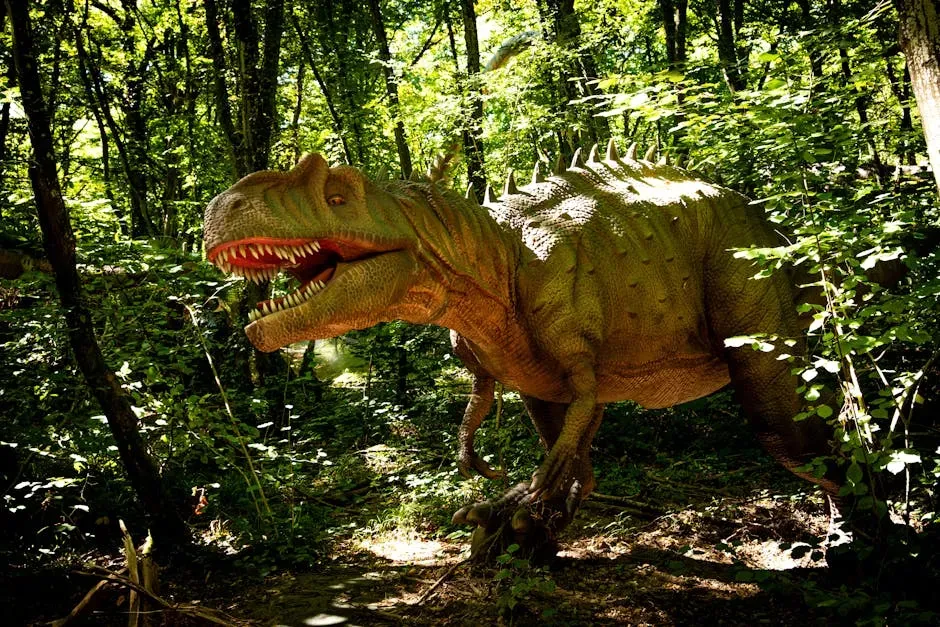
When people imagine the age of dinosaurs, they often think about the animals and forget that the background of those scenes was a real, functioning forest. Jurassic forests were dominated by conifers, cycads, ginkgos, and tree ferns, creating layered green worlds that looked lush but were built from plant lineages quite different from what we see in most modern woodlands. There were no flowering plants yet, so there were no roses, grasses, or fruit trees – just an expansive gymnosperm world humming under a different set of biological rules.
These forests shaped how dinosaurs evolved, offering both food and shelter, and in turn dinosaurs shaped the forests through grazing, trampling, and spreading seeds. The idea that these landscapes were static is completely wrong; they were dynamic and full of ecological drama, even if the cast of characters looked nothing like today’s. Personally, I find Jurassic forests more unsettling than the dinosaurs themselves, because they remind me that even something as basic as a “forest” can be completely reinvented over geological time. Walking through one would feel familiar enough to be comforting, right up until you realize not a single plant species around you has a living twin.
The Polar Forests of Ancient Antarctica
One of the most surprising discoveries in paleontology over the past century is just how forested ancient Antarctica used to be. In the age of the dinosaurs, that continent sat farther north and was warmer, hosting dense forests of conifers and other gymnosperms that grew in a world of months-long daylight in summer and prolonged darkness in winter. Trees there had to cope not just with cold but with extreme seasonal light cycles, and some evidence suggests they handled it by slowing their growth rather than fully shutting down the way many modern trees do.
Equally striking are the even older, Devonian and Permian forests discovered in Antarctic rocks, including roots and stumps that show how long plants have been colonizing high latitudes. The idea of a green Antarctica, with rivers running through forests while dinosaurs or earlier reptiles roamed, feels almost transgressive given how icy and lifeless it appears today. These forests prove that ice sheets and barren rock are not the continent’s default state; they are just one temporary chapter. In a world talking constantly about climate change, ancient Antarctic forests are a sharp reminder that Earth’s climate and vegetation zones have swung wildly before – though not at the speed humans are forcing now.
The Strange Flora of the Cretaceous Understory
By the mid to late Cretaceous, flowering plants had begun to appear and spread, but the forests they lived in did not yet look like modern rainforests or temperate woods. Instead, these were hybrid worlds: towering conifers and cycads still formed much of the canopy, while early flowering plants crept into the understory and edges, experimenting with new forms and strategies. You might have seen small, broad-leaved shrubs, primitive magnolia-like trees, or early relatives of modern families, but arranged in ways unlike anything alive now.
This mix created ecosystems in transition, where pollinators, herbivores, and predators were constantly adapting to a changing botanical backdrop. Insects started specializing on flowers, while some dinosaurs probably nibbled on the new kinds of leaves and seeds these plants offered. I love this stage of forest evolution because it captures the messy middle of a revolution: the moment when the old gymnosperm-dominated world was slowly giving way to the flowering-plant forests that now cover most of the planet. These Cretaceous woods were neither fully ancient nor fully modern, and that in-between quality makes them as strange, in their own way, as any coal swamp or Devonian grove.
The Dawn of Angiosperm-Dominated Forests
After the age of dinosaurs ended, flowering plants really took over, and forests began shifting into something closer to what we’d recognize today – but the earliest angiosperm-dominated forests still looked and functioned differently from modern ones. Many lineages that were common in the Paleocene and Eocene have no close living counterparts, and climate conditions were often hotter and more humid than most present-day forests experience. Imagine broadleaf forests stretching into high latitudes, with palms and other warmth-loving plants growing where today you might expect boreal woods or tundra.
These early angiosperm forests set the stage for the incredible diversity we now see in tropical rainforests and temperate deciduous woods. Mammals radiated into new niches, birds diversified rapidly, and complex pollination and seed-dispersal relationships flourished in ways that would have been impossible in earlier, gymnosperm-heavy worlds. Still, the exact mix of species, climate, and geography in those first flowering-plant forests has no perfect modern analog. In a sense, our familiar forests are the latest version of an experiment that has been running for hundreds of millions of years, with those early angiosperm woodlands as a crucial but now-vanished prototype.
Conclusion: Forests as Shape-Shifters Through Deep Time
Looking across these seven ancient forests, a pattern jumps out: there is no such thing as a “typical” forest for Earth. From swampy coal jungles and peculiar seed-fern groves to Antarctic woodlands and post-dinosaur flowering forests, each era reinvented what a forest could be. To me, that makes our modern woods – no matter how ordinary they seem on a weekend hike – feel like rare, temporary arrangements in a long sequence of radically different green worlds.
My honest opinion is that we grossly underestimate how fragile and unique our current forests are, precisely because we think of them as permanent background scenery. The fossil record says otherwise: forests come and go, reshaping climate and life, and then vanishing forever when conditions or catastrophes push them past the brink. The big difference now is speed and cause; for the first time, one species is driving the experiment at a breakneck pace. When you walk under a canopy of oaks, pines, or tropical hardwoods, it is worth asking yourself: are we careful custodians of this particular version of a forested planet, or are we just another force nudging Earth toward a future where today’s forests join Gilboa, Glossopteris, and the coal swamps as things no one will ever see alive again?